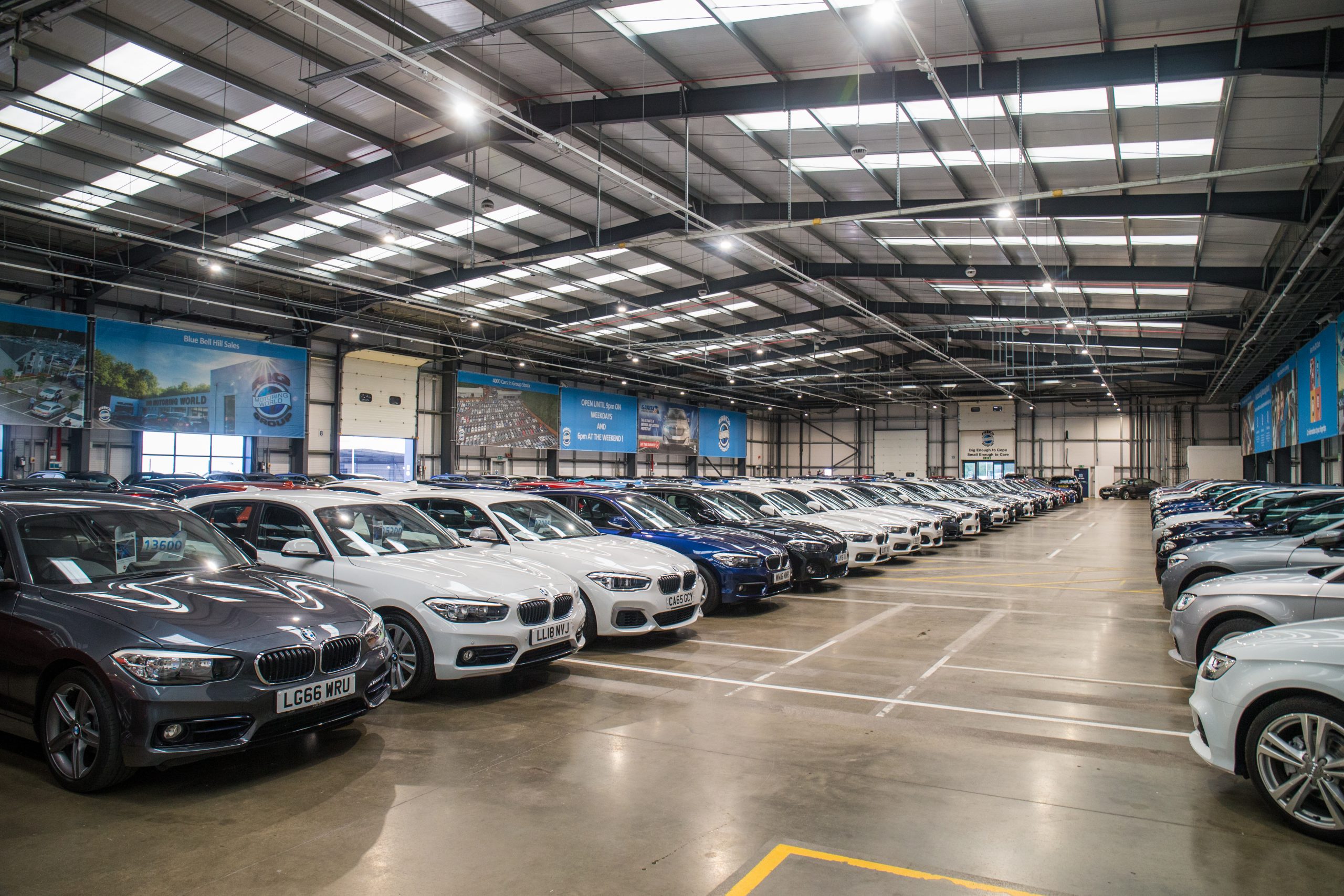
A car’s Manufacturer’s Suggested Retail Price (MSRP) can remain exactly the same while the amount a buyer actually pays increases by thousands of dollars. In the United States, dealerships can influence the final transaction through dealer-installed accessories, protection packages, documentation fees, financing products, and market adjustments.
Some charges represent legitimate services or optional products, while others deserve closer scrutiny. The difference between the advertised price and the final purchase agreement can catch buyers off guard, particularly when additional costs appear late in negotiations.
Understanding these seven pricing tactics can help shoppers recognize where their money is going.
1. Adding Dealer-Installed Accessories
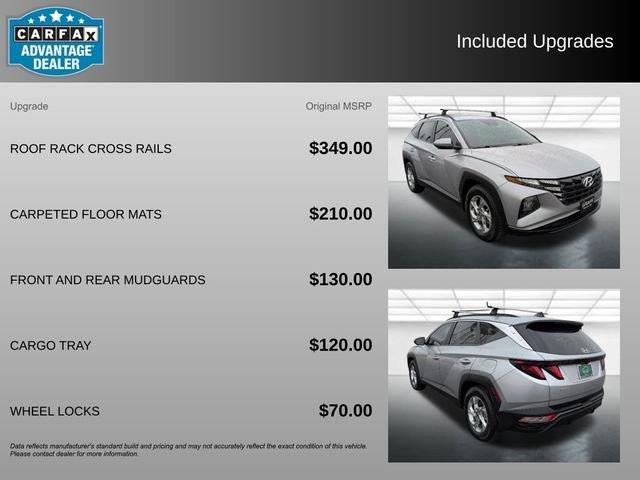
A dealership can increase the amount you pay for a vehicle without changing its manufacturer’s suggested retail price by installing additional accessories before the car reaches the showroom.
These products might include upgraded floor mats, wheel locks, splash guards, window tint, running boards, cargo organizers, or aftermarket entertainment equipment. The manufacturer may continue listing the original MSRP on the window sticker, while the dealership adds a separate charge for the installed equipment.
For example, imagine a new SUV carrying an MSRP of $38,000. The dealer installs window tint, all-weather floor mats, and wheel locks, then adds $1,495 to the transaction. The manufacturer’s price has not changed, but the amount requested by the dealership has increased to $39,495 before applicable taxes and other charges.
Not every accessory charge is automatically unreasonable. Some buyers genuinely want additional equipment, and certain accessories can provide practical benefits.
The concern arises when a dealership presents optional products as mandatory or suggests that installed accessories cannot be removed when that is not true.
The Federal Trade Commission’s September 2026 automobile pricing guidance specifically states that dealers cannot misrepresent whether an accessory is required or whether an installed option must be purchased.
The FTC also explains that dealer-required charges must be included in the advertised vehicle price. A dealer cannot advertise an artificially low amount and then reveal mandatory accessory charges only after the customer arrives.
Before signing, request an itemized list showing each accessory, its individual price, and whether it is optional. If you do not want the equipment, ask for its removal or negotiate an equivalent reduction in the vehicle price.
2. Charging for Paint Protection and Interior Protection Packages
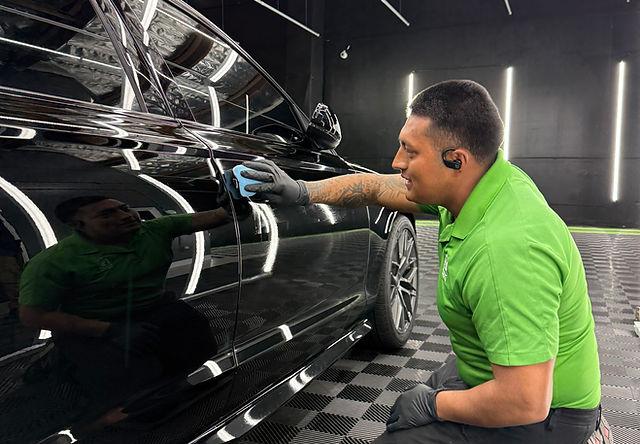
Paint protection and interior protection packages are common examples of dealership products that can increase a vehicle’s purchase price without affecting its original MSRP. These packages may be marketed as ways to protect the exterior finish, preserve the interior upholstery, or make routine cleaning easier.
Depending on the dealership, the products can include paint sealants, fabric treatments, ceramic coatings, and protective films.
The additional expense can be substantial. Consider a vehicle advertised at $32,000. During the sales process, the dealership adds a paint and interior protection package priced at $1,295.
The customer is now being asked to pay $33,295 before taxes and other charges, despite the manufacturer’s MSRP remaining unchanged.
The actual value depends on the product used, the application process, the coverage provided, and whether the treatment is genuinely useful to the buyer. A professionally installed paint protection film, for example, is different from a basic paint sealant.
Buyers should not assume that every package advertised as premium protection offers the same durability or benefits.
The Federal Trade Commission has specifically addressed dealer add-ons in its pricing guidance. Dealers cannot misrepresent an optional product as mandatory, charge for an item without the customer’s express, informed consent, or sell an add-on that provides no benefit to the customer.
Ask the salesperson for the product name, manufacturer, warranty terms, and installation details. Also request confirmation of whether the package was applied before the vehicle arrived or whether it can be declined.
If the dealership insists that the package cannot be removed, ask for written evidence explaining why. A product already installed on a vehicle does not automatically make its purchase mandatory under federal consumer-protection principles.
3. Applying a Market Adjustment Above MSRP
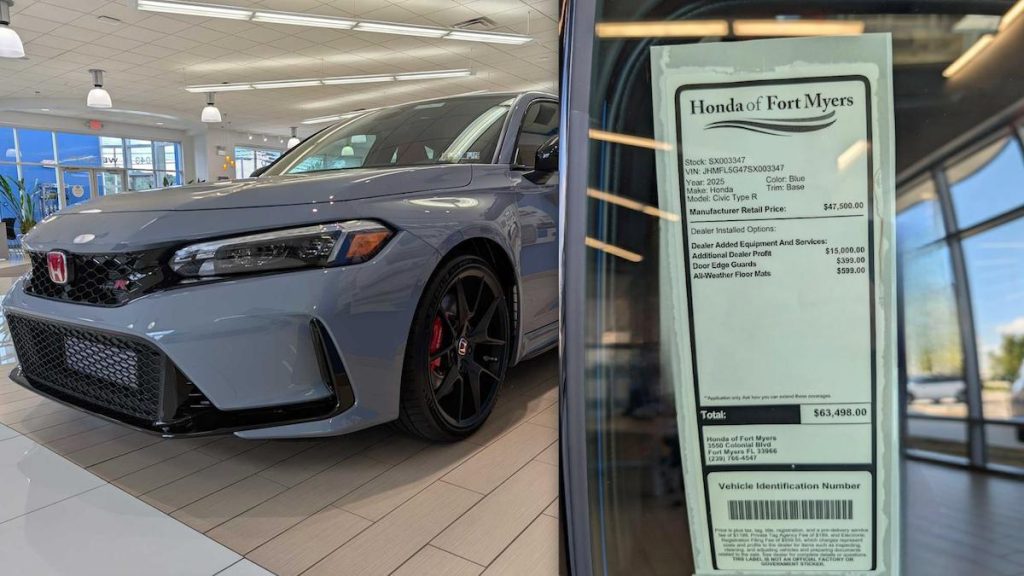
A vehicle’s popularity can give a dealership an opportunity to charge more than the manufacturer’s suggested retail price. This practice is commonly called a market adjustment or dealer markup.
It is particularly noticeable when a newly redesigned model, a limited-production sports car, or a high-demand SUV arrives with limited inventory. The manufacturer may continue recommending an MSRP of $45,000, while the dealership advertises or offers the same vehicle for $49,000 or more.
Unlike factory-installed equipment, a market adjustment does not necessarily represent an additional product or service. It is simply an amount the dealership adds to its requested selling price. The dealer is not changing the manufacturer’s MSRP, but the buyer is being asked to pay a higher transaction price.
For example, a customer interested in a vehicle with a $42,500 MSRP might receive a purchase proposal containing a $4,000 market adjustment.
The selling price becomes $46,500 before taxes and other charges. The additional amount does not automatically provide upgraded equipment, a longer warranty, or additional mechanical protection.
Market adjustments are not automatically illegal in the United States. Dealerships can generally negotiate selling prices above MSRP, subject to applicable laws and truthful advertising requirements.
However, the Federal Trade Commission’s September 2026 pricing guidance makes clear that advertised prices must reflect the actual amount any consumer can pay, including mandatory dealer charges.
Buyers should compare several dealerships before accepting a markup. A limited supply at one location does not necessarily mean the same vehicle is unavailable elsewhere at MSRP. Request a written buyer’s order showing the actual selling price and every additional charge.
If a salesperson describes the markup as a manufacturer requirement, ask for documentation. An ordinary dealer-added market adjustment is not the same thing as a mandatory factory charge.
4. Adding Documentation and Processing Fees
Documentation fees can make a vehicle purchase more expensive even when the advertised selling price appears attractive. These charges, often called doc fees or processing fees, are collected by dealerships for handling paperwork associated with a transaction.
Depending on the state and dealership, the amount can range from relatively modest to several hundred dollars.
For example, Consumer Reports has documented dealership documentation fees ranging from approximately $70 in California to $900 in Florida. State regulations can impose different disclosure requirements or fee limits, so buyers should not assume that every dealership follows the same pricing structure.
The important issue is whether the charge is disclosed properly. Imagine a dealership advertising a vehicle for $30,000 but requiring every buyer to pay an additional $499 documentation fee. The buyer may expect to pay $30,000, only to discover that the actual dealer price is $30,499 before government charges and other applicable costs.
The Federal Trade Commission addressed this exact situation in its September 2026 automobile pricing FAQs. Its guidance states that dealer-required fees must be included in the advertised price.
The agency specifically explains that a mandatory $85 documentation fee added to an advertised $40,000 vehicle would require an advertised price of $40,085, excluding qualifying government-required charges.
This does not mean documentation fees are universally prohibited. Dealers may charge permitted fees, subject to applicable state laws, but they must disclose pricing accurately.
Ask the dealership to separate government charges, documentation fees, and optional products from the purchase agreement. If a doc fee cannot be removed, you can still negotiate the vehicle’s selling price to offset its financial impact.
Never compare two dealerships using advertised prices alone. Compare their complete itemized out-the-door quotes instead.
5. Offering Discounts That Require Special Financing or Rebates
A dealership may advertise a vehicle at an attractive price by including discounts that are available only to customers meeting specific conditions. These can include manufacturer incentives, loyalty rebates, military discounts, college graduate offers, or special financing arrangements.
Although such promotions can provide genuine savings, the advertised figure may not represent the price every buyer qualifies for.
For instance, imagine a vehicle with an MSRP of $35,000 advertised at $32,500. The dealership might reach that figure by combining a $1,000 manufacturer rebate with a $1,500 financing incentive available only to customers using a particular lender. A buyer paying cash or arranging financing independently might not qualify for the entire discount.
This creates an important distinction between the advertised price and the actual price available to an individual customer. The Federal Trade Commission’s September 2026 pricing FAQs explain that dealers cannot make an advertised price appear universally available when it depends on eligibility conditions that exclude some buyers.
The actual price any consumer can pay must receive the required prominence, while conditional rebates and discounts must be clearly explained.
There is nothing inherently wrong with offering qualifying incentives. The problem occurs when the dealership uses restricted discounts to make a vehicle appear cheaper than it will be for an ordinary buyer.

Before starting negotiations, ask the dealer for an itemized breakdown of the MSRP, dealership discount, manufacturer rebates, and available financing incentives. It is also helpful to obtain two written offers, one based on the dealership’s advertised financing terms and another using your preferred payment method. This makes it easier to compare the actual costs and identify which option offers greater savings.
This comparison reveals whether the lower selling price genuinely saves money or simply requires you to accept a particular financing arrangement.
6. Increasing the Financing Cost Through Dealer Interest-Rate Markups
The vehicle’s selling price is only one part of the financial agreement. A dealership can leave the MSRP and negotiated selling price unchanged while increasing the total amount you pay through dealer-arranged financing. One method involves adding a markup to the interest rate offered by the lender.
When a dealership arranges an indirect auto loan, it typically sends the buyer’s financial information to one or more lending institutions. The lender provides an interest rate known as the buy rate.
Depending on the lender agreement, the dealership may offer the customer a higher rate and receive compensation from the additional financing revenue. This practice is commonly called dealer reserve or interest-rate markup.
Consider a hypothetical $30,000 auto loan over 60 months. At 6% interest, the monthly principal-and-interest payment is approximately $580. At 8%, it rises to approximately $608. That difference adds roughly $1,680 over the full loan term, assuming the same loan amount and repayment schedule.
The Consumer Financial Protection Bureau confirms that dealer-arranged interest rates can be higher than the original lender’s offer. It also explains that buyers can negotiate the rate rather than automatically accepting the dealership’s first proposal.
This is why focusing exclusively on the vehicle’s MSRP can be misleading. Two buyers purchasing identical vehicles at the same selling price may pay substantially different amounts because of their financing arrangements.

Before visiting the dealership, obtain preapproval from a bank or credit union. Ask the finance manager whether the quoted rate includes dealer markup and request the annual percentage rate (APR), loan term and total finance charge.
Compare the complete financing offers rather than choosing whichever option produces the smallest monthly payment.
7. Adding GAP Insurance, Extended Warranties and Other Finance Products
The final price can increase considerably when a buyer reaches the dealership’s finance and insurance office. This is where customers may be offered Guaranteed Asset Protection (GAP), extended warranties, vehicle service contracts, tire protection, window etching and other optional products.
Each item can add hundreds or even thousands of dollars to the transaction without changing the manufacturer’s MSRP.
Some products can provide useful protection. GAP coverage, for example, may cover the difference between an outstanding auto loan balance and the amount paid by an insurer after a covered total loss, subject to the contract’s conditions.
An extended service contract may also help with certain repairs after the manufacturer’s warranty expires.
However, these products are not automatically necessary for every buyer. Someone with a substantial down payment may have little need for GAP coverage, while another customer might already have similar protection through an existing agreement. An extended warranty could also duplicate coverage that remains under the factory warranty.
The Consumer Financial Protection Bureau explains that GAP insurance, extended warranties and credit insurance are generally optional when obtaining an auto loan. A lender or dealer usually cannot require customers to purchase these products simply to qualify for financing.
The Federal Trade Commission also emphasizes that dealers must obtain express, informed consent before charging for additional products. They cannot charge for an add-on that provides no actual benefit to the customer.
Request the cash price of every product separately, examine its exclusions and compare it with alternatives available outside the dealership. You can decline unwanted products without changing the vehicle’s factory MSRP.
Finally, review the purchase agreement carefully. An optional product that appears on the paperwork without your authorization should be questioned before signing.