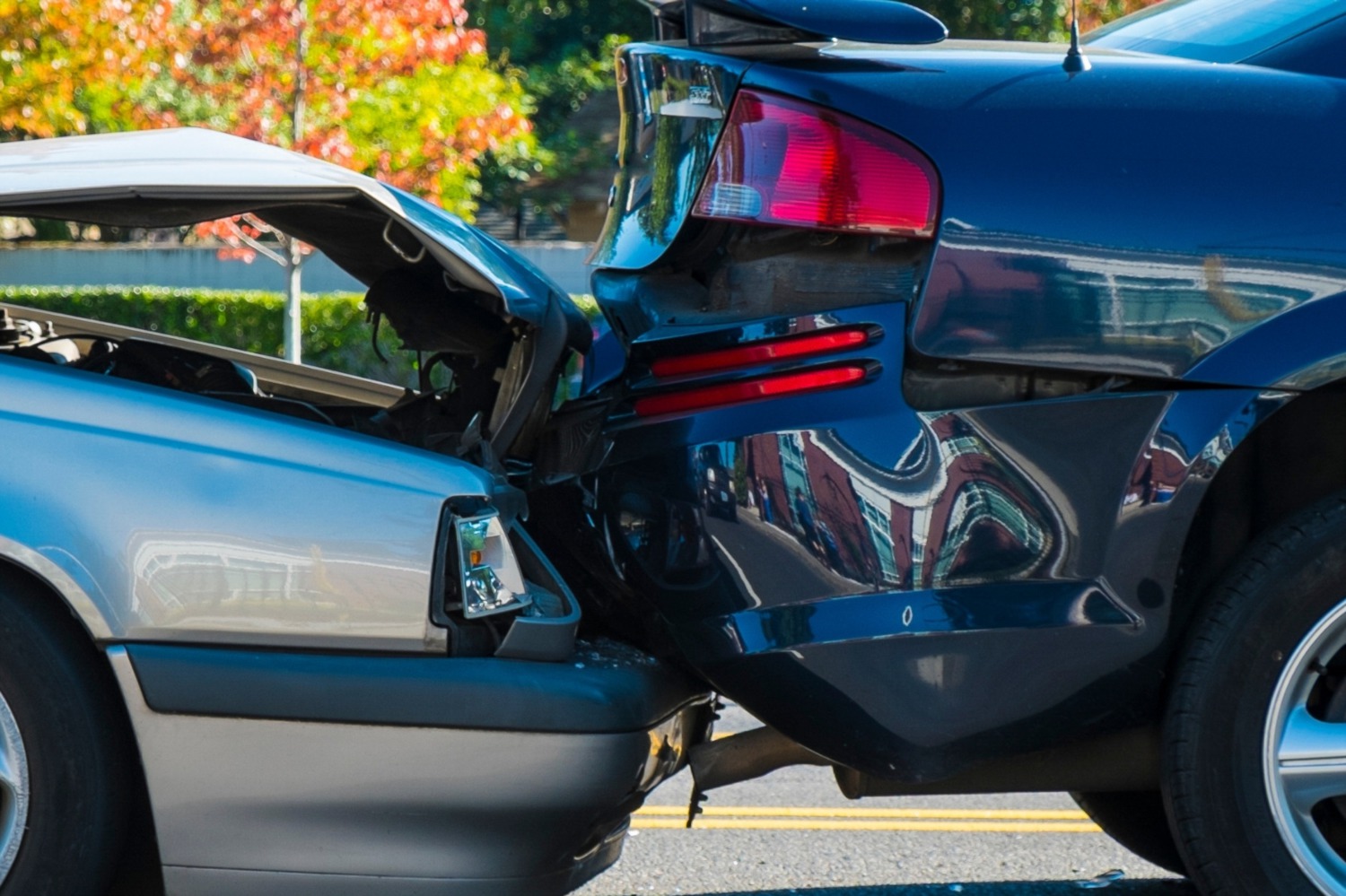
Handing your car keys to a friend, relative, or neighbor may seem harmless, but an accident involving another driver can create unexpected insurance problems.
In the United States, auto insurance generally follows the vehicle rather than the person driving it, but that does not mean every borrower automatically receives full protection. Policy exclusions, household-driver requirements, business use, and coverage limits can all affect how an insurance claim is handled.
Even a driver with their own insurance may not be protected in every situation. Understanding these seven potential coverage gaps before lending your vehicle can help prevent expensive surprises.
1. An Excluded Driver Gets Behind the Wheel
One of the most serious insurance problems occurs when someone specifically excluded from your auto insurance policy drives your vehicle. A named-driver exclusion is an arrangement in which an insurer agrees not to provide coverage when a particular person operates the insured vehicle.
Some policyholders use this option to reduce premiums when a household member has a poor driving record, multiple violations, or a history of expensive claims.
However, the financial consequences can be substantial if that excluded person gets behind the wheel. Imagine that you allow a relative to borrow your car for a short trip, forgetting that the individual is listed as an excluded driver.
If that person causes an accident, your insurer may deny coverage under the applicable exclusion. You could then face significant financial exposure, particularly if another vehicle is damaged or someone suffers serious injuries.
The rules are not identical across the United States. Some states permit named-driver exclusions, while others restrict or prohibit them.
The National Association of Insurance Commissioners (NAIC) recognizes these differences in its insurance model guidance. Therefore, a policyholder should never assume that an exclusion works the same way in every state.
Before lending your vehicle, check the declarations page and policy endorsements for excluded-driver provisions. If someone is excluded, do not allow that person to operate the car unless your insurer formally changes the arrangement and confirms coverage in writing.
An excluded driver having their own auto insurance does not automatically restore protection under your policy. The interaction between the two policies depends on their terms and applicable state law.
2. A Household Member or Regular Driver Is Not Listed
Permissive-use coverage is generally designed for occasional borrowing, not for someone who effectively uses your vehicle as their own. This distinction can create problems when a spouse, adult child, roommate, or partner regularly drives your car but has never been disclosed to the insurance company.
Consider a situation where your roommate uses your sedan several times a week to commute to work. You may believe that your permission automatically protects them because they are not stealing the vehicle.
However, many insurance companies require household members and regular operators to be disclosed and listed on the policy. Failing to identify a frequent driver can create coverage disputes or even lead to a denied claim, depending on the policy and state requirements.
Insurance companies base their premiums partly on the driving records and risk profiles of everyone who regularly uses a vehicle. This means a car shared by several household members may carry a different insurance rate than one driven by a single person.
Leaving a regular operator undisclosed can mean that the insurer has assessed the policy using incomplete information.
The National Association of Insurance Commissioners advises consumers to account for licensed household members when purchasing coverage. Similarly, major insurers such as GEICO and Progressive recommend adding people who regularly drive the vehicle rather than relying on occasional permissive use.
There can be differences between household members, occasional visitors, and people who live elsewhere but frequently borrow the car. Your insurer’s definitions and state regulations determine how these situations are handled.
Before sharing your vehicle regularly, contact your insurance company and disclose who will drive it, how often they will use it, and whether they live at your address. Getting the arrangement confirmed before an accident is considerably easier than arguing about coverage afterward.
3. The Borrower Uses Your Car for Commercial Deliveries
Letting a friend borrow your car for personal transportation is different from allowing someone to use it to earn money. This distinction becomes important when the borrower uses your vehicle for food delivery, package transportation, rideshare services, or other commercial activities.
A standard personal auto insurance policy may restrict or exclude certain business uses, leaving the vehicle owner exposed to unexpected expenses after an accident.
Imagine lending your SUV to a relative who plans to make deliveries through a gig-economy platform over the weekend. You might assume that your permission is sufficient to extend your insurance protection.
However, the insurer may consider the vehicle’s commercial use outside the policy’s permitted activities. Even if the borrower has their own personal auto insurance, that policy may also exclude accidents occurring during commercial work.
Rideshare and delivery companies sometimes provide limited insurance protection while drivers are working. However, coverage depends on the platform, the driver’s status at the time of the accident, and the specific insurance arrangements.
Coverage during an active delivery may differ considerably from coverage while the driver is waiting for an assignment or using the vehicle for personal transportation.
The Insurance Information Institute explains that personal auto policies commonly exclude certain commercial activities, including using a vehicle for business purposes. Some insurers offer additional endorsements, but availability and conditions vary by state and provider.
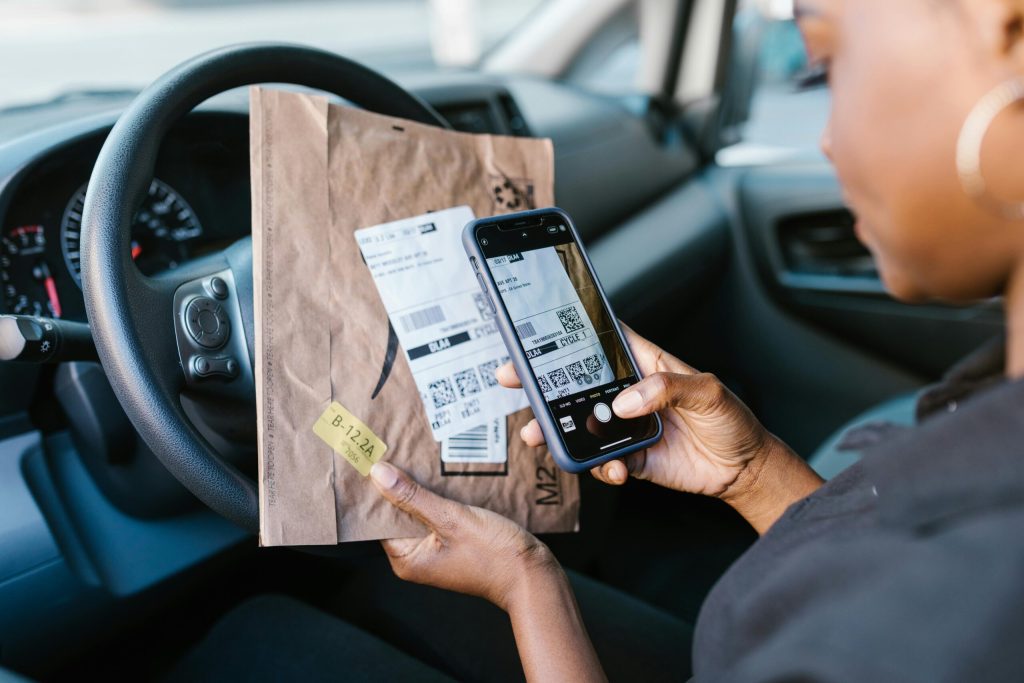
Before allowing anyone to use your vehicle for paid work, contact your insurer and explain the exact activity. Ask whether your policy permits delivery driving, rideshare work, or commercial transportation. Also request written confirmation of any required endorsement.
A simple favor can become an expensive insurance dispute when personal coverage and commercial use do not match.
4. The Borrower’s Personal Insurance Has Insufficient Liability Limits
Having personal auto insurance does not necessarily mean someone can fully protect you financially when borrowing your vehicle. The problem becomes particularly important when the borrower causes a serious accident involving expensive vehicles, multiple occupants, or substantial property damage.
Your own insurance may provide primary protection, but its limits can determine how much financial responsibility remains after a major claim.
In many US states, an owner’s auto insurance policy is primary when another person drives the insured vehicle with permission. However, the exact order of coverage depends on the policy language and applicable state law. The borrower’s own insurance may provide secondary or excess coverage in certain situations, but this is not guaranteed.
Consider an example in which your policy provides $50,000 in property damage liability coverage. A friend borrowing your vehicle causes an accident that damages several vehicles, resulting in $85,000 in covered property damage.
If your policy is responsible for the primary payment, the remaining $35,000 may become a serious financial concern. Whether another policy responds depends on its terms, exclusions, and applicable law.
This is why reviewing liability limits matters before lending your vehicle. The Insurance Information Institute recommends evaluating liability coverage based on the financial risks a driver could face rather than automatically selecting the minimum required by state law.
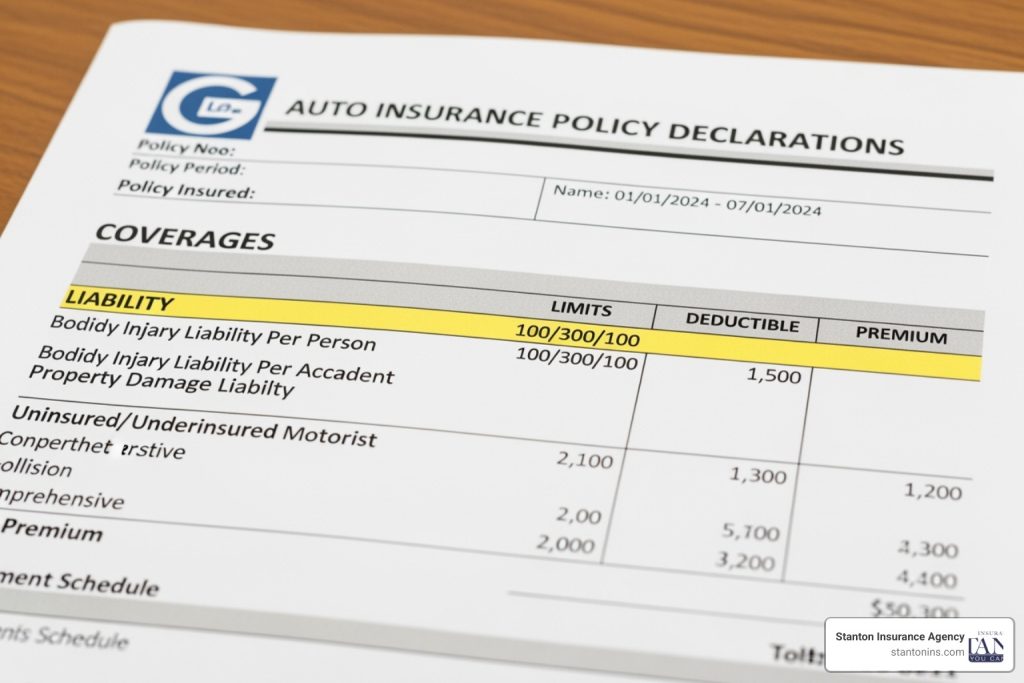
You should also understand that liability coverage generally pays eligible claims made by other people. It does not automatically pay to repair your own vehicle.
Ask your insurer how permissive drivers are covered, whether the borrower’s policy can provide excess protection and what happens when the primary limits are exhausted. Do not assume that another person’s insurance will automatically cover every dollar of an accident.
5. Permissive-Use Coverage Is Limited to State Minimums
Many car owners assume that anyone who borrows their vehicle with permission automatically receives the same insurance protection they enjoy. Unfortunately, this is not always true. Certain insurance policies restrict the amount of liability coverage available to occasional drivers who are not listed on the policy.
This means your friend may technically be covered but still have significantly less financial protection than you expect.
For example, imagine your policy provides $100,000 in bodily injury liability coverage per person and $300,000 per accident. However, your insurer applies a permissive-use endorsement that limits an occasional borrower’s liability protection to the minimum amounts required by state law.
If that person causes a serious accident, the available insurance could be substantially lower than the limits printed on your declarations page.
Amica Insurance, for example, offers policy arrangements in which permissive-use liability coverage can be restricted to state-required minimum limits under a particular coverage option.
Its published example for Rhode Island lists $25,000 per person, $50,000 per accident for bodily injury, and $25,000 for property damage. These figures illustrate how different the protection can be depending on the policy selected.
This is why simply asking whether your insurance covers another driver is not enough. You also need to understand how much coverage applies when someone outside your household borrows your vehicle.
Before handing over the keys, review the permissive-use provisions in your policy and check whether any special endorsements reduce liability limits for unlisted drivers. Ask your insurer to explain the exact limits in writing.
A policy can technically cover a borrowed-car accident while still leaving the vehicle owner and borrower exposed to substantial expenses.
6. Your Policy Does Not Include Collision or Comprehensive Coverage
Another expensive misunderstanding involves assuming that insurance will automatically repair your vehicle whenever someone else damages it. In reality, liability insurance and physical damage coverage serve different purposes.
If you allow a friend to borrow your car and they cause an accident, your liability insurance may cover injuries and property damage suffered by other people, but repairing your own vehicle requires the appropriate coverage.
Collision insurance generally helps pay for damage to your vehicle resulting from a collision with another car or object, regardless of who was driving, subject to the policy terms and deductible. Comprehensive coverage handles different situations, including theft, vandalism, falling objects, certain weather-related damage, and animal collisions.
Consider a situation in which your neighbor borrows your vehicle and accidentally crashes into a concrete barrier. Your car suffers $8,000 in damage.
If your policy includes collision coverage with a $1,000 deductible, the insurer may pay the remaining $7,000 for a covered claim. However, if you only purchased liability insurance, you generally cannot use that coverage to repair your own vehicle.
Nationwide explains that permissive drivers may receive protection under the owner’s collision and comprehensive coverage when those coverages are included in the policy. Without them, damage to the owner’s vehicle may remain an out-of-pocket expense.
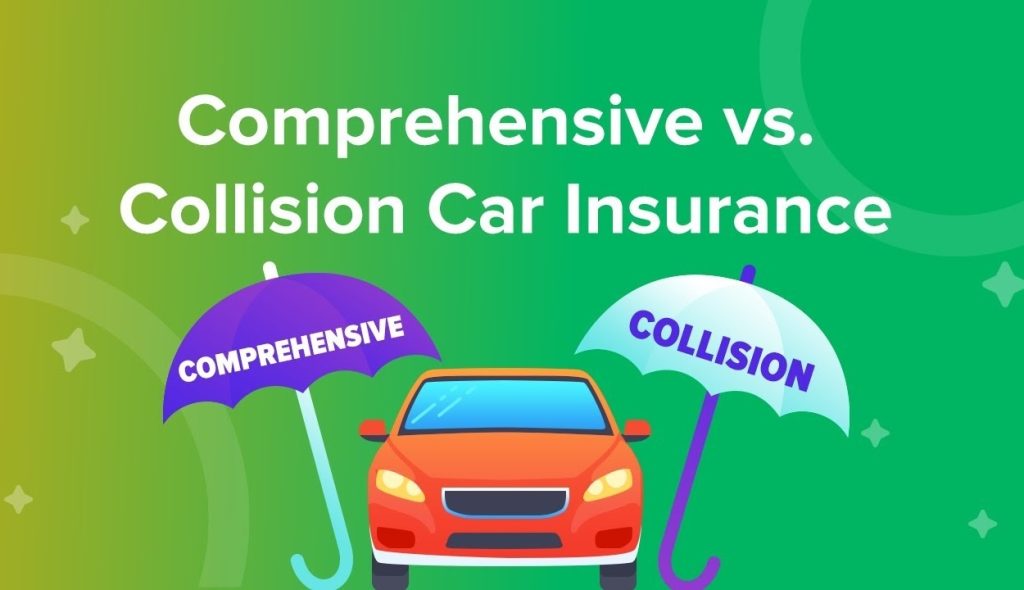
There is also an important distinction between the driver’s responsibility and your insurance protection. You might have a legal claim against the borrower for the damage, but recovering the money could take time and may depend on that person’s financial resources.
Before lending an older vehicle, check whether your policy includes physical damage protection and determine whether the deductible is affordable.
7. An At-Fault Accident Can Affect Your Insurance Record and Future Premiums
Even when your insurance company accepts a claim involving someone who borrowed your vehicle, the financial consequences may not end when the repairs are completed. An at-fault accident involving a permissive driver can affect the vehicle owner’s insurance history and potentially influence future premiums.
This is an important consideration because the person who caused the accident may not be the person whose insurance policy ultimately pays the claim.
Suppose you lend your sedan to a friend for an afternoon. While driving through an intersection, your friend causes an accident that damages another vehicle and your own car. Your insurer investigates the incident and determines that the claim is covered under your policy.
Depending on the state, insurer and circumstances, the accident may become part of your claims history and could influence your renewal pricing.
Allstate explains that when another person crashes into your vehicle, your policy is typically considered first in many situations. The resulting claim may affect your insurance rates even though you were not behind the wheel.
However, a premium increase is not automatic. Some states restrict surcharges for certain accidents, and insurers have different rating rules. The seriousness of the accident, payment amount, previous claims and applicable state regulations can all influence the outcome.
You should also consider your deductible. If your vehicle needs collision repairs, you may have to pay the deductible initially, depending on the claim and how responsibility is resolved. You might later recover that amount through subrogation or reimbursement, but recovery is not guaranteed.
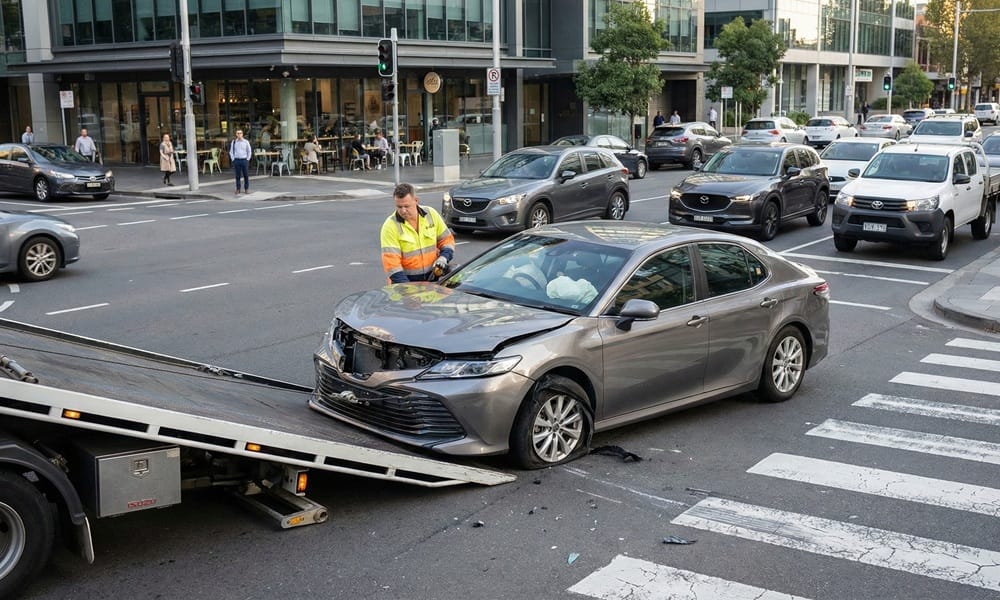
This is why lending your car should involve more thought than checking whether the borrower has a valid license. Consider the person’s driving experience, accident history and ability to handle the vehicle safely.
Before allowing someone to borrow your car, ask your insurer how permissive-driver accidents are recorded and whether they can affect renewal premiums.