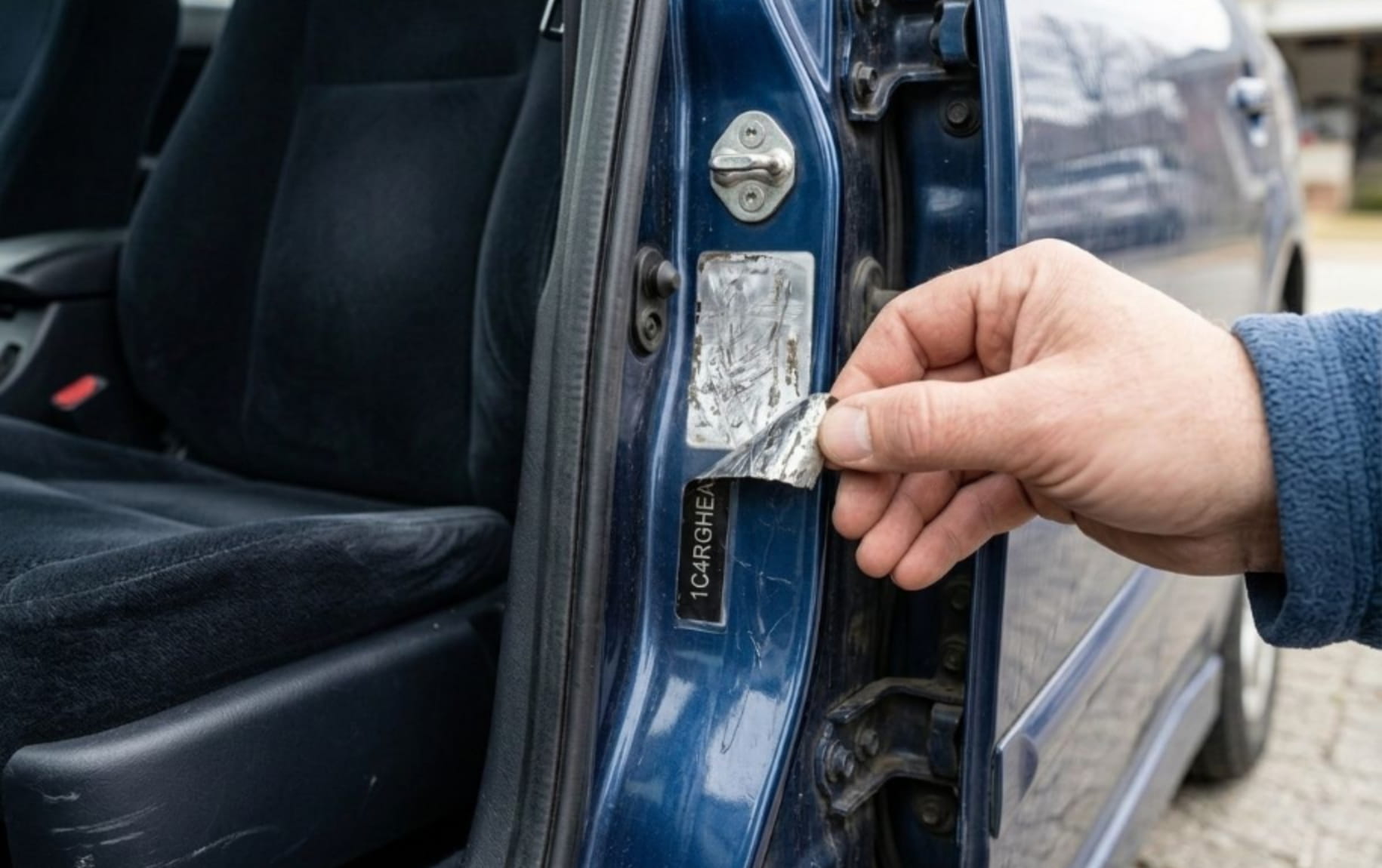
Buying a used car in the United States involves more than checking its mileage, mechanical condition, and maintenance records. Vehicle identity fraud is another serious risk, particularly when criminals steal a car and replace its identification details with a legitimate VIN copied from another vehicle.
This practice, known as VIN cloning, can make a stolen vehicle appear legally registered and ready for sale. Unfortunately, an innocent buyer may lose both the vehicle and the money paid for it when authorities uncover the fraud.
Recognizing suspicious identification details, inconsistent paperwork, and unusual ownership records can help buyers avoid an expensive mistake.
1. The VIN on the Dashboard Does Not Match Other Identification Points
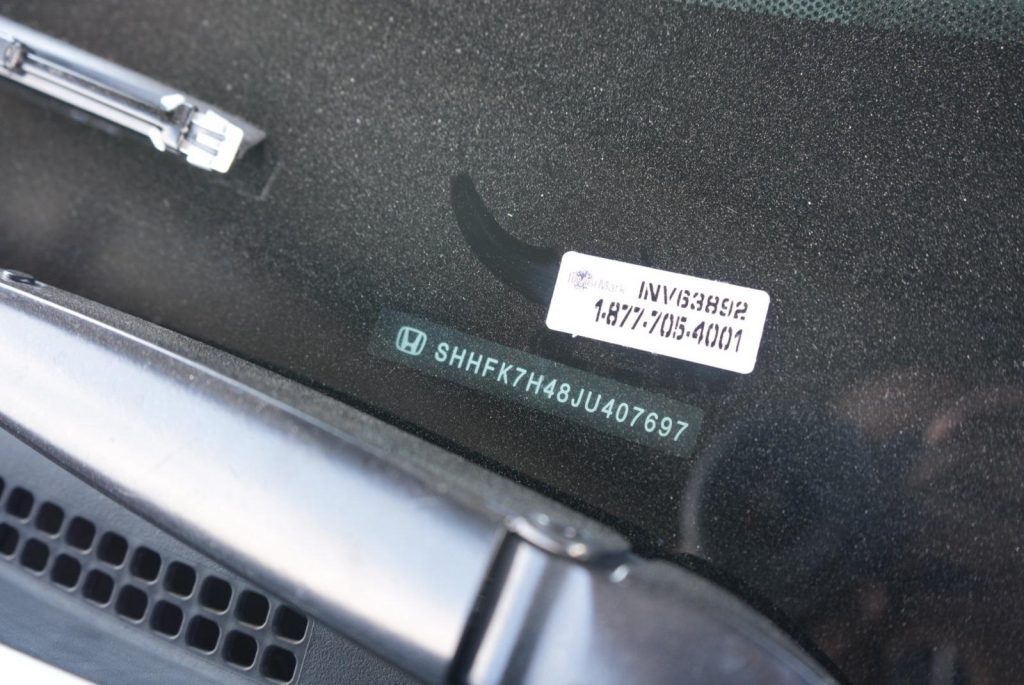
One of the first things a used-car buyer should inspect is the Vehicle Identification Number visible through the windshield. In most modern American passenger vehicles, the public VIN is displayed on a plate near the lower driver’s side of the windshield.
However, checking this location alone is not enough. A cloned vehicle may carry a counterfeit dashboard VIN plate designed to match the identification number of a legitimate vehicle.
Manufacturers also place identification information in other locations, depending on the vehicle’s design and production year. These may include the driver’s door-jamb certification label, body identification markings, and secondary manufacturer-applied VIN locations.
The numbers should correspond wherever the manufacturer provides matching identification details. A dashboard VIN that differs from the door-jamb label or another factory identification point is a serious warning sign that requires professional verification.
Pay attention to the physical condition of the identification plate as well. Scratches around its edges, unusual fasteners, disturbed dashboard trim, uneven placement, or evidence of adhesive may indicate previous tampering.
These observations do not independently prove cloning because legitimate repairs and windshield replacements can affect surrounding components. Nevertheless, unexplained alterations deserve investigation.
The National Insurance Crime Bureau (NICB) identifies altered VIN markings as an important indicator in vehicle identification investigations. Its inspection guidance recommends examining identification locations and supporting documents together rather than relying on one number.
If you discover mismatched identification details, do not attempt to remove the plate or investigate suspected tampering yourself. Stop the purchase and request an official VIN verification through the appropriate state motor vehicle authority or law enforcement agency.
2. The Vehicle’s VIN Appears on Another Car
A particularly revealing sign of VIN cloning is discovering that the same identification number belongs to two different physical vehicles. Unlike an ordinary paperwork mistake, this can indicate that someone has copied the VIN from a legally owned vehicle and installed it on a stolen car of the same make and model.
Both vehicles may appear legitimate when their identification numbers are checked individually, making this form of fraud difficult for an inexperienced buyer to recognize.
The NICB explains that criminals commonly obtain a genuine VIN from a legally owned vehicle and reproduce it on a stolen vehicle. They may also create counterfeit identification tags and fraudulent ownership documents to make the stolen car appear authentic.
Consequently, a basic online VIN search may return legitimate vehicle information even though the physical car being offered for sale is stolen.
A real-world example illustrates the problem. In a published investigation, NICB assisted law enforcement in identifying a stolen 2022 Chevrolet Silverado 3500HD High Country that had been given the cloned VIN of a legitimate 2021 Chevrolet Silverado 3500HD.
The two trucks were different model years, but the stolen vehicle had been assigned the other truck’s identification details. The investigation helped establish the vehicle’s actual identity.
For buyers, checking the VIN against the seller’s ownership documents is essential, but it should not be the final step. Ask the state DMV to verify the vehicle’s identity when inconsistencies appear.

A professional inspection can also help determine whether the identification markings match the vehicle’s actual manufacturing specifications.
Never assume that a clean online history report proves a vehicle is genuine. A cloned car can inherit the records associated with the legitimate donor vehicle, which is precisely what makes this fraud so dangerous.
3. The Door-Jamb VIN Label Shows Signs of Tampering
The driver’s door-jamb certification label is another important place to examine when checking a used vehicle for possible VIN cloning. This label generally contains the vehicle’s identification number, manufacturing information, and other certification details.
Because criminals may concentrate on replacing the dashboard VIN while overlooking other identification points, the door-jamb label can provide valuable evidence of possible tampering.
Start by checking whether the label looks consistent with the vehicle’s age and condition. Loose corners, damaged adhesive, unusual scratches, torn material, or disturbed paint around the label deserve attention. Look closely at the printed VIN as well.
Altered characters, uneven lettering, and inconsistent spacing or numbers that appear to have been overwritten may indicate that the identification label has been replaced or manipulated.
The National Insurance Crime Bureau’s Vehicle Identification Inspection Guide specifically recommends examining the label’s material, printing quality, attachment, and surrounding surface. It also advises checking whether the manufacturing date corresponds with the vehicle’s model year and documentation.
There is an important distinction between suspicious appearance and confirmed fraud. A door replacement following an accident, collision repair, or manufacturer-approved repair may legitimately result in a replacement label or altered surrounding trim. However, the seller should be able to provide a reasonable explanation and supporting documentation.
Do not try to peel off the label or remove surrounding components to investigate further. Instead, photograph the visible identification details and arrange an inspection with a qualified vehicle identification specialist or the relevant state authority.
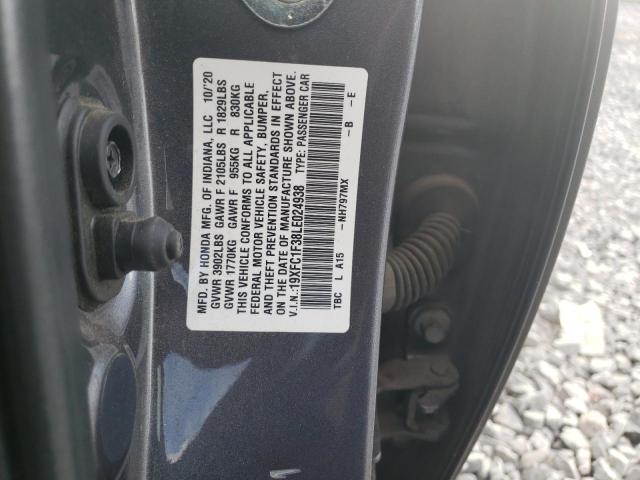
A suspicious door-jamb label becomes particularly concerning when the dashboard VIN appears completely legitimate but other factory identification points show different numbers or evidence of replacement.
4. The Title and Registration Documents Contain Inconsistent Details
A vehicle can look legitimate from the outside while its ownership documents tell a completely different story. This is why checking the title and registration is just as important as inspecting the physical VIN.
In a cloning operation, criminals often create fraudulent ownership documents using the identification number copied from another legally registered vehicle. These papers are intended to make a stolen automobile appear as though it has a legitimate ownership history.
Begin by comparing the VIN printed on the title with the number displayed on the dashboard and the manufacturer’s identification labels. Every relevant identification number should correspond. Even one unexplained character difference is enough to stop the transaction until the discrepancy is resolved.
Pay attention to the title’s ownership history, issuing state, vehicle description, and issue date. For example, a seller might present a recently issued title from a different state without a convincing explanation for the transfer.
This does not automatically indicate fraud, because people legitimately relocate and register their vehicles elsewhere. However, an unusual ownership pattern combined with questionable identification markings deserves additional investigation.
The Department of Justice’s National Motor Vehicle Title Information System (NMVTIS) provides information about current and previous title records, title brands, reported odometer readings, and certain theft-related information. Its purpose includes helping consumers identify vehicle fraud and inconsistencies in ownership records.
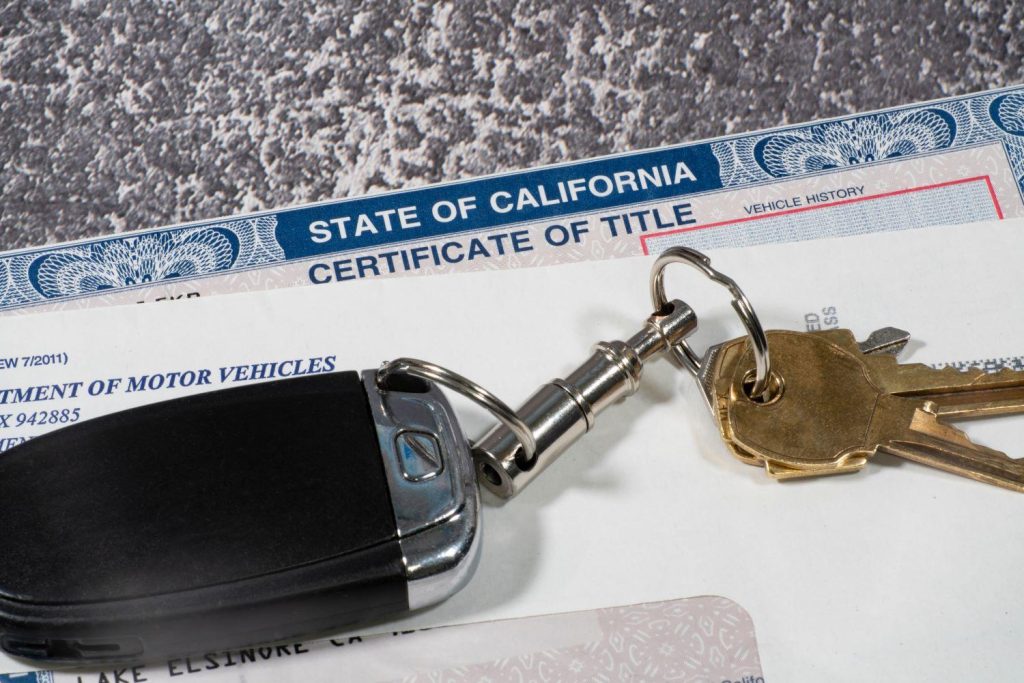
Ask for the original title and verify its details through the appropriate state motor vehicle agency. Do not rely entirely on a photocopy, photograph, or document supplied through an online messaging application.
A clean-looking title is not proof that a vehicle has not been cloned. Criminals can reproduce legitimate identification information and supporting paperwork, so independent verification remains essential before money changes hands.
5. The Manufacturing Date Does Not Match the Vehicle’s VIN Information
A manufacturing-date discrepancy can provide another useful clue when investigating a suspicious used car. Every vehicle has a specific production history, and its factory identification information should make sense when compared with the VIN and the manufacturer’s records.
If the door-jamb certification label indicates a production period that does not correspond with the vehicle’s identification details, the buyer should investigate before proceeding.
In the United States, the 17-character VIN used on modern vehicles contains information that helps identify the manufacturer, vehicle attributes, and production year. The tenth character generally represents the model year for vehicles covered by the standardized VIN system.
However, buyers should understand that the model year and actual manufacturing date are not necessarily the same. A vehicle manufactured in late 2023, for example, may legitimately be designated as a 2024 model.
The concern arises when the identification details are inconsistent beyond what normal production scheduling can explain. Imagine inspecting a vehicle whose VIN identifies a different model year from the certification label, or whose factory build information does not match the specifications associated with its recorded identity.
Such discrepancies may suggest that identification labels have been replaced or that the vehicle’s identity has been misrepresented.
The NICB inspection guide specifically recommends checking whether the production date on the door label matches the model year indicated by the VIN and ownership documents.
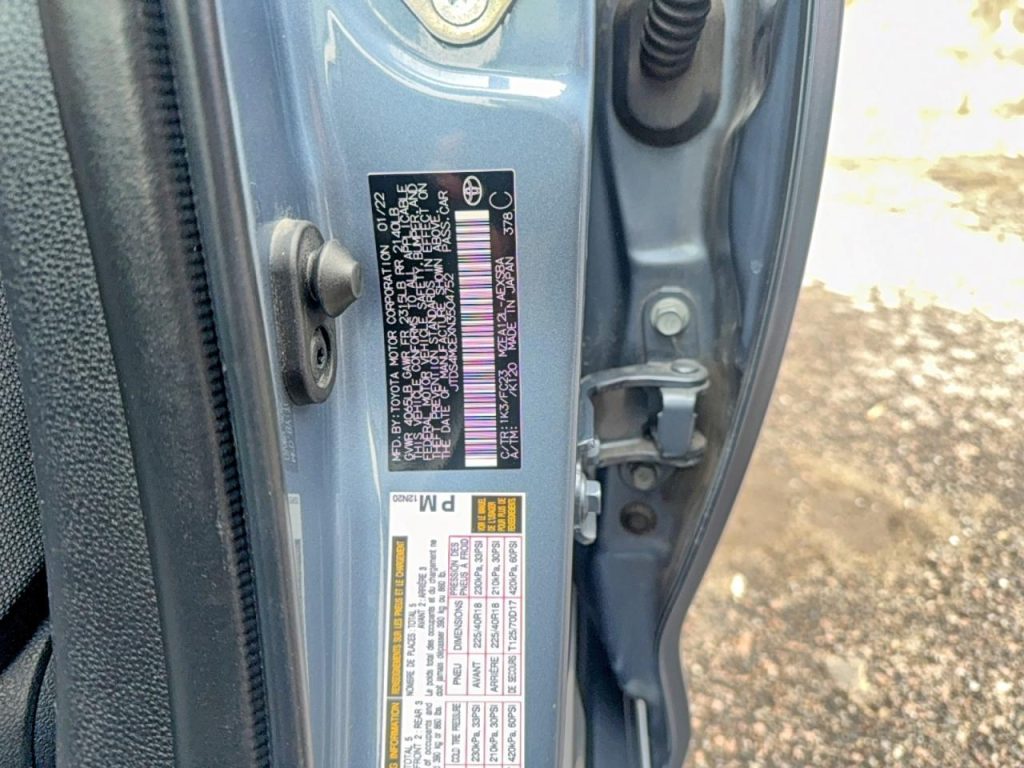
There can be legitimate explanations, including replacement doors, manufacturer corrections or previous collision repairs. Therefore, a date mismatch should be treated as a warning sign rather than automatic proof of cloning.
Ask an authorized dealership or manufacturer representative to verify the vehicle’s original production information. If the explanation cannot be supported by reliable records, postpone the purchase and request an official identification inspection.
6. The Vehicle History Report Shows an Impossible Ownership or Location Pattern
A vehicle history report can reveal problems that are difficult to identify during a physical inspection. One particularly suspicious situation occurs when a vehicle’s recorded ownership or location history does not make sense.
For example, a car being advertised in Texas might have records suggesting that an identical VIN was recently registered in another state, while the seller cannot explain the discrepancy.
This can happen because a cloned vehicle carries the identification number of a legitimate automobile. When criminals copy an existing VIN, the stolen vehicle may inherit the donor vehicle’s recorded history in conventional databases.
Consequently, a report showing regular maintenance, previous registrations and a clean title does not necessarily establish that the physical vehicle is genuine.
Pay particular attention to unexpected registration changes, overlapping ownership records, conflicting vehicle descriptions and suspiciously short periods between title transfers. A late-model vehicle with an unusual ownership pattern and no recorded lien holder can also deserve closer examination.
The NICB specifically identifies unusual ownership patterns involving late-model vehicles without lien holders as something buyers should investigate.
For additional protection, obtain an NMVTIS vehicle history report from an approved data provider. The federal system provides information about current and previous title records, title brands, reported odometer readings and certain theft-related information.
However, it does not provide every detail of a vehicle’s history, and its records cannot independently guarantee that a particular car has not been cloned.
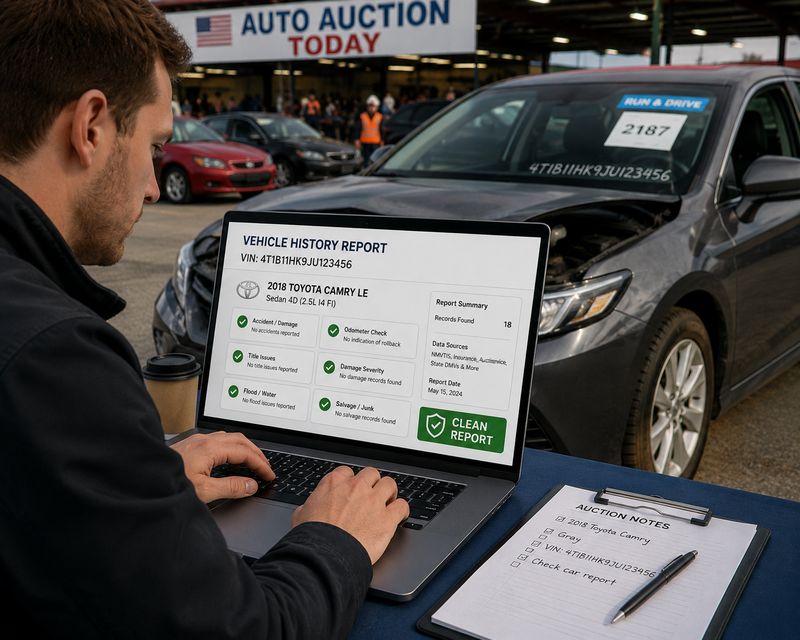
If the history report shows conflicting locations or ownership details, ask the seller for an explanation supported by original documentation. You can also request assistance from the state DMV or law enforcement. A report that looks unusually clean should never replace a physical identification inspection.
7. The Seller Refuses an Independent VIN Inspection
A seller’s behavior can sometimes reveal as much as the vehicle itself. If someone becomes uncomfortable when you request an independent VIN inspection, refuses to let you examine identification markings or insists that you complete the transaction immediately, it is worth reconsidering the purchase.
Legitimate sellers should generally have no reason to prevent reasonable checks of a vehicle’s identity and ownership documents.
VIN cloning is designed to make a stolen vehicle appear legitimate. Criminals may therefore try to control how much time a prospective buyer spends examining the car.
They might discourage dealership inspections, insist that the vehicle has already passed every necessary check or claim that the identification number has been verified by a previous buyer. None of these statements should replace independent verification.
A professional inspection can involve comparing the public VIN with manufacturer-applied identification markings, checking the certification label, examining accessible secondary identification locations and reviewing supporting paperwork.
Depending on the vehicle, additional identification markings may be found on major components such as the transmission, doors, hood or body panels. The exact locations vary by manufacturer and model.
The NICB’s vehicle identification inspection guidance recommends examining multiple identification points rather than relying on a single VIN plate. This is important because criminals may reproduce one identification number while overlooking other manufacturer markings.
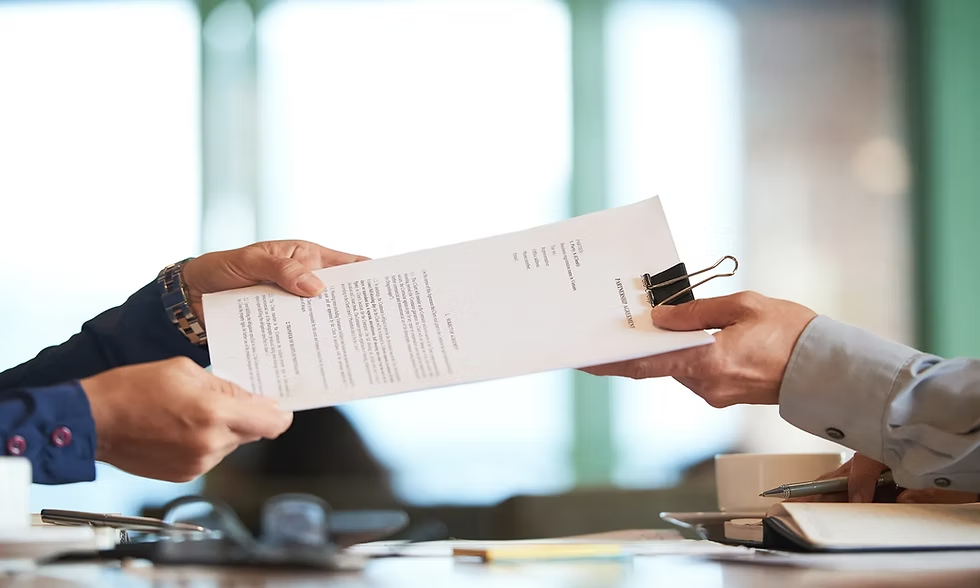
You should also be cautious if a seller refuses to provide the original title, avoids answering questions about ownership or will only meet in an unusual location. These behaviors are not proof of VIN cloning, but they increase the need for caution.
Never allow a seller to rush you into paying a deposit before verification. If independent inspection is refused, walk away. A genuine bargain is not worth the possibility of purchasing a stolen vehicle.
8. The Vehicle’s Physical Specifications Do Not Match Its Recorded Identity
One final warning sign involves differences between the vehicle’s actual configuration and the specifications associated with its VIN.
A cloned vehicle may carry the identification number of a legitimate car that looks similar, but the two vehicles may differ in model year, engine, trim level, body style or factory-installed equipment. These inconsistencies can expose an attempt to disguise a stolen vehicle’s identity.
Consider a situation in which a vehicle is advertised as a factory-equipped performance model, but its VIN identifies a standard trim with a different engine configuration. Another example would be a vehicle whose recorded production specifications indicate one body style while the physical car clearly has another.
Such differences require investigation because criminals sometimes choose donor vehicles that resemble the stolen automobile closely enough to avoid immediate suspicion.
Start by checking the VIN through an authorized manufacturer dealership. Ask for confirmation of the original model, engine configuration, production information and factory equipment.
Compare these details with the vehicle being offered for sale. Also examine available component identification markings, since some manufacturers apply VIN labels to major parts.
However, not every difference indicates cloning. Engines, transmissions, doors and other components can legitimately be replaced during repairs or modifications.
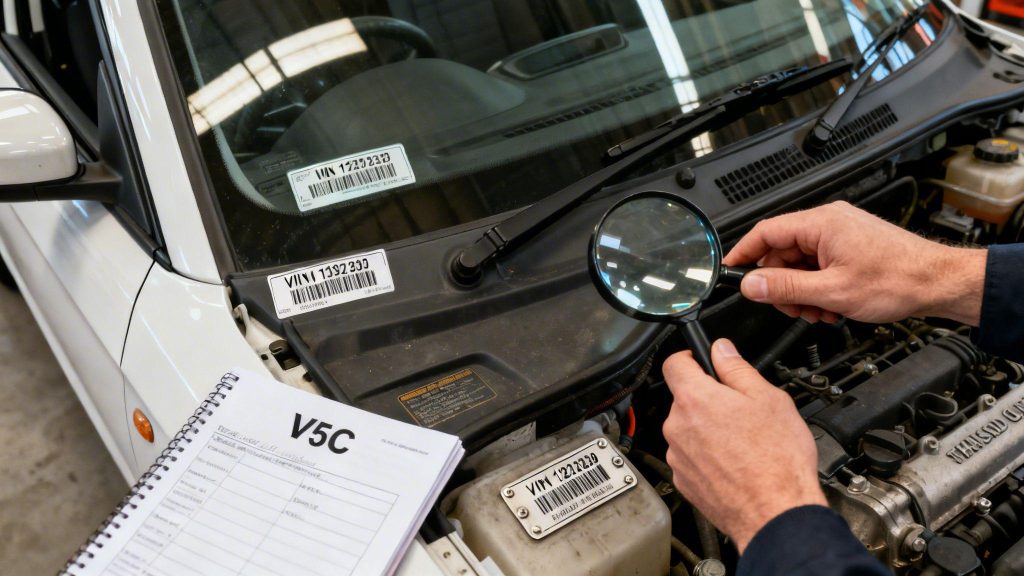
Aftermarket upgrades and previous collision work may also change a vehicle’s appearance. The important question is whether the seller can provide credible documentation explaining the differences.
The NICB inspection guide specifically recommends checking additional identification labels on major components when applicable. These markings can help investigators establish whether the vehicle’s parts correspond with its claimed identity.
If the physical configuration conflicts with the VIN’s manufacturer records and the seller cannot explain why, do not complete the transaction. Request an official vehicle identification inspection before considering the purchase.