
Buying a car comes with more than a purchase price, sales tax, and insurance bill. New owners also face registration and title deadlines that vary by state, and missing one can mean late fees, penalties, expired temporary tags, or even trouble legally driving the vehicle.
The challenge is that registration deadlines vary from state to state rather than following one nationwide rule. In some states, buyers have only a few days to submit the required paperwork, while others provide several weeks to complete the process.
Knowing which clock applies to your purchase, move, or registration renewal can help you avoid unnecessary charges and keep your vehicle legally registered.
1. Missing the Registration Deadline After Buying From a Dealership
A new car’s delivery date can make it feel as though all the paperwork is finished. That is not necessarily true. In some states, the dealership handles the title application but leaves the buyer responsible for completing the registration. Assuming the dealer has taken care of everything can therefore become an expensive mistake.
Georgia provides a clear example. Buyers generally have 30 days from the purchase date to register a newly purchased vehicle. Although a dealer must submit the title application when the vehicle requires a title, it is not legally required to submit the registration application on the buyer’s behalf.
If the dealer does not handle registration as a courtesy, the owner must visit the appropriate county tag office.
The financial consequences can extend beyond a simple administrative charge. Georgia lists a registration-renewal penalty of 10% of the ad valorem tax due, plus 25% of the license plate fee, with a minimum $5 ad valorem penalty.
Its published penalty schedule also lists a separate $10 title penalty for failing to apply for a title within 30 days when one is required. These charges apply to their respective obligations, so buyers should not confuse the title deadline with the registration deadline.

Before leaving the dealership, ask whether it will submit both the title and registration applications. Get a receipt or written confirmation showing what has been filed and what remains your responsibility. If you must complete registration yourself, mark the deadline on your calendar and gather the required documents early.
A temporary permit does not remove this responsibility. It only authorizes driving for the period allowed by the state. The safest approach is to confirm the permanent registration process before that temporary authorization expires.
2. Waiting Too Long to Transfer the Title After a Private Sale
Buying a used vehicle directly from another owner can save money, but it also puts more paperwork responsibility on the buyer.
Unlike many dealership purchases, a private sale may not include a dealer’s title-processing department to handle the transfer. The signed title sitting in your glove compartment does not mean the vehicle has legally been transferred into your name.
California gives buyers just 10 days after purchasing a vehicle from a private party to transfer ownership. The seller has a separate five-day deadline to notify the DMV of the sale. Buyers who delay can face late penalties, and the DMV’s title-transfer checklist identifies a $15 penalty when the transfer is more than 30 days late.
Texas has a different deadline and a more substantial escalating penalty. A buyer must apply to transfer the title within 30 days of the sale.
According to the Texas Department of Motor Vehicles’ August 2026 title manual, a late application can trigger a $25 penalty on the 31st day, followed by another $25 for each subsequent 30-day period or portion of one, up to a maximum of $250.

These examples show why buyers should never assume that a deadline in one state applies everywhere. The clock may begin on the purchase date or the date the properly assigned title is received, depending on the state’s rules.
Before paying the seller, check that the title is properly signed, the VIN matches the vehicle, and any required lien release is available. Keep the bill of sale and submit the transfer application promptly. A small delay can become an avoidable expense, especially when the state increases its penalty with every additional month.
3. Moving to Pennsylvania Without Registering Within 20 Days
Relocating to another state can leave a new resident juggling utility accounts, driver’s license paperwork, insurance changes, and vehicle registration. Pennsylvania gives drivers less time than many people expect. New residents must apply for a Pennsylvania title and registration within 20 days of establishing residency.
The deadline applies even if the vehicle still has a valid registration and license plate from the previous state. PennDOT requires the applicant to provide the out-of-state title, proof of Pennsylvania insurance, vehicle identification number verification, and the applicable title and registration fees.
A vehicle with an outstanding loan can add another complication because the lienholder may hold the original title.
The expense of delaying the transfer is not limited to a late registration charge. A new resident who misses the deadline may also face problems proving that the vehicle is properly registered in the state where it is now kept. The owner should not assume that a valid plate from the previous state gives unlimited permission to continue driving there.
Pennsylvania also has a separate inspection requirement. A newly registered vehicle must pass a safety inspection within 10 days of registration. That is another deadline worth adding to the calendar, particularly if the vehicle needs repairs before it can pass.
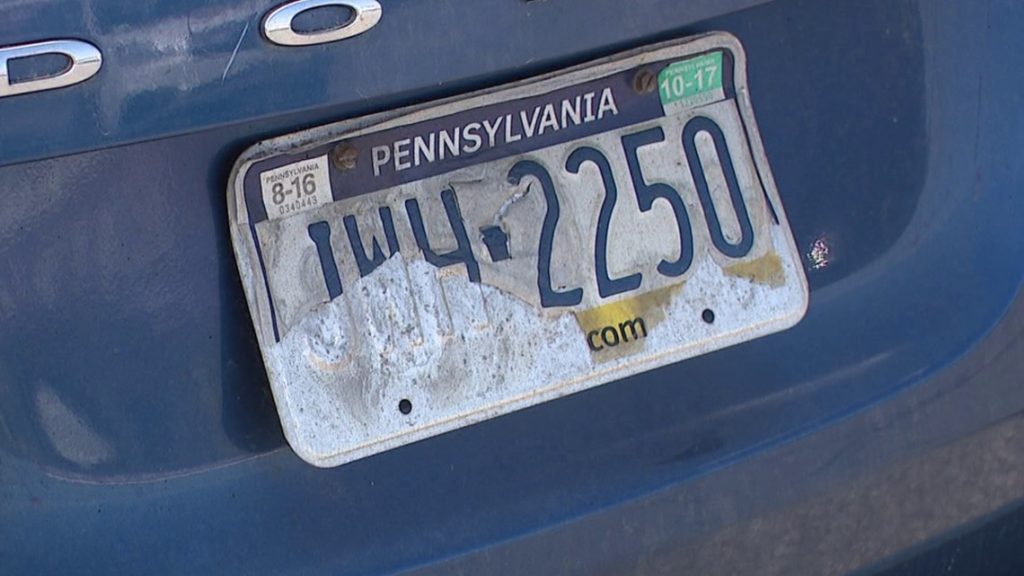
The practical move is to start the transfer as soon as you have established residency. Locate an authorized PennDOT agent, confirm which documents are needed, and contact the lender early if the title is held by a finance company. Waiting until the final few days can turn a routine registration into a stressful paperwork problem.
4. Becoming a Virginia Resident and Keeping Out-of-State Plates
A move to Virginia does not mean you can keep driving indefinitely with the license plates from your previous state. New residents who bring a vehicle with them must title and register it in Virginia within 30 days of moving.
The deadline is easy to overlook when the existing registration has months remaining, but an unexpired out-of-state plate does not cancel Virginia’s residency requirements.
The Virginia DMV requires owners to title the vehicle before registering it and obtaining Virginia plates. Depending on where the vehicle is kept, an emissions inspection may also be necessary.
The state identifies specific Northern Virginia counties and cities where emissions testing applies, so a new resident should check the requirement for their locality rather than assume it applies statewide.
There can also be a local cost beyond the state registration. Certain Virginia localities require residents to obtain a local vehicle sticker or decal, generally within 30 days of moving. These are handled by local government offices, not the state DMV.
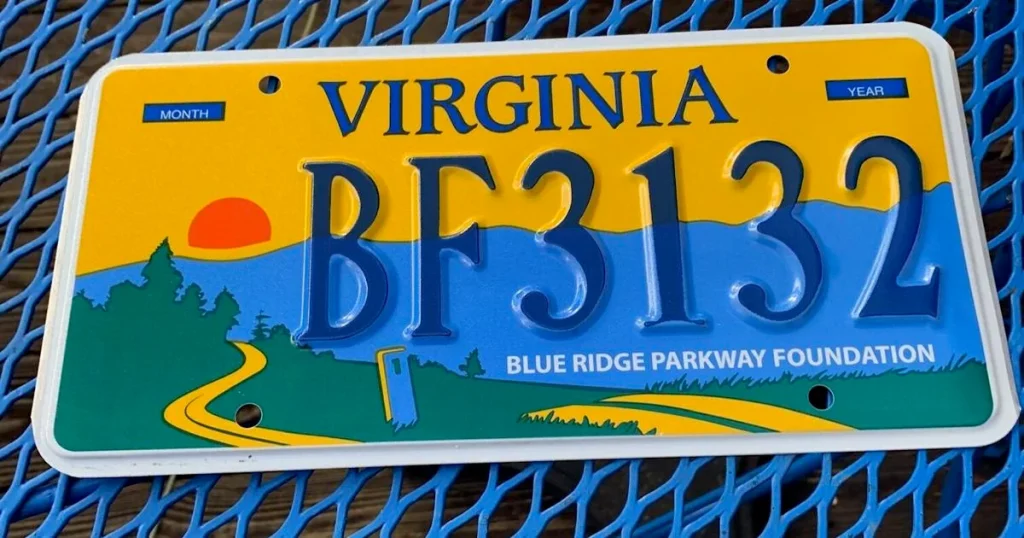
The financial risk of ignoring the state deadline can be more serious than an ordinary paperwork delay. Virginia law allows localities to adopt penalties of up to $250 for a resident who continues operating a vehicle that should have been registered in Virginia after the 30 days. Whether a locality imposes that penalty depends on its ordinance.
When moving, handle the vehicle transfer alongside your other address changes. Confirm insurance, title, registration, emissions requirements, and any local decal obligation. Do not wait for your old registration to expire before checking Virginia’s rules.
5. Missing Maryland’s 60-Day New-Resident Registration Deadline
Maryland gives people moving into the state 60 days to title and register their vehicles. That may sound generous compared with states that allow only 20 or 30 days, but the deadline can become expensive if a new resident assumes their previous state’s plates are acceptable indefinitely.
The Maryland Motor Vehicle Administration requires new residents to transfer their vehicle title and registration within those 60 days. Missing it can affect the tax credit available for titling tax paid in another state.
The MVA says owners who complete the transfer after the deadline may lose that credit and may also receive a citation for continuing to use out-of-state registration.
There is an additional enforcement development worth knowing about. In November 2026, Maryland’s MVA announced stronger enforcement under its Plate Where You Live campaign. Under the new process, owners identified with out-of-state plates receive a written warning and have 60 days to comply or establish an applicable exemption.
After that warning period, the state can impose a $7 daily fine for up to 60 days, reaching a maximum of $420 per vehicle. Continued noncompliance can lead to local enforcement actions, including towing or impoundment.
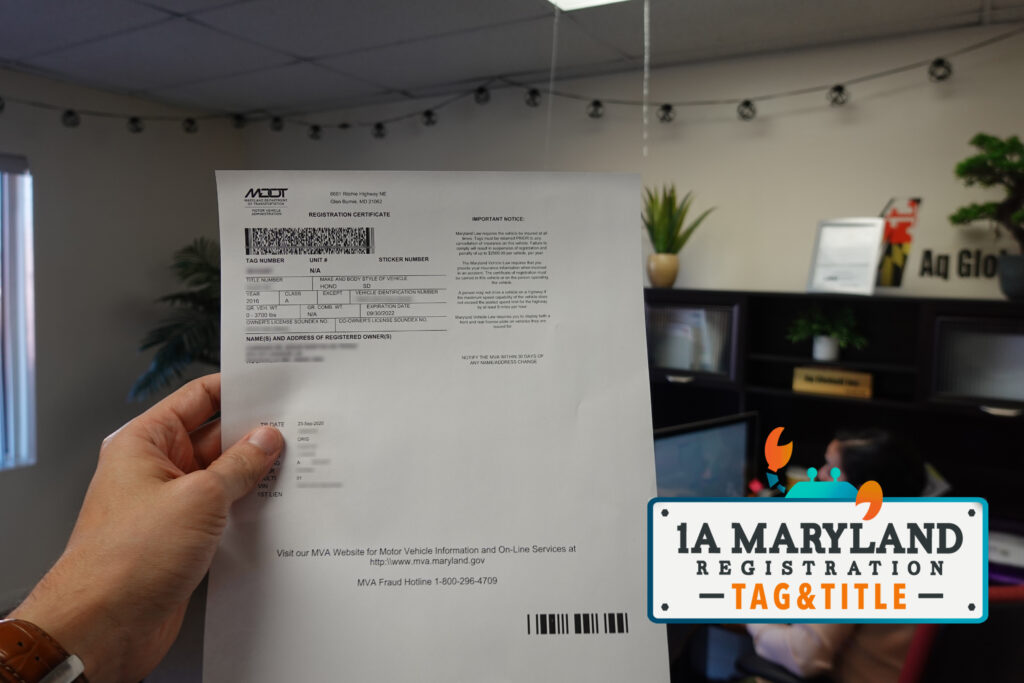
Do not confuse the original 60-day residency deadline with the separate warning period. The warning process is an enforcement measure, not an extension that every new resident should rely on.
If you move to Maryland, arrange the MVA appointment early. Gather your previous title, insurance details, identification, and lienholder information if the vehicle is financed. Completing the transfer on time can protect your tax credit and help you avoid escalating penalties.
6. Missing Pennsylvania’s 10-Day Safety Inspection Deadline
Getting a Pennsylvania registration plate does not necessarily mean the vehicle has completed every requirement needed to remain compliant.
New residents transferring an out-of-state vehicle must also pay attention to the state’s safety inspection deadline. Pennsylvania requires a newly registered vehicle to pass its safety inspection within 10 days of registration.
It is important to note that the 10-day deadline begins once the vehicle has been registered, not from the date the owner moves to Pennsylvania. The required inspection must also be carried out at an authorized state inspection station.
Technicians check safety-related equipment, including brakes, lights, and other essential components. If the vehicle fails, the owner may need to arrange repairs and return for the required inspection.
The extra expense can come from more than the inspection itself. A vehicle with worn brakes, damaged tires, faulty lighting, or other safety problems may need repairs before it can pass. Those costs can be frustrating for someone who has already paid title, registration, and moving expenses.
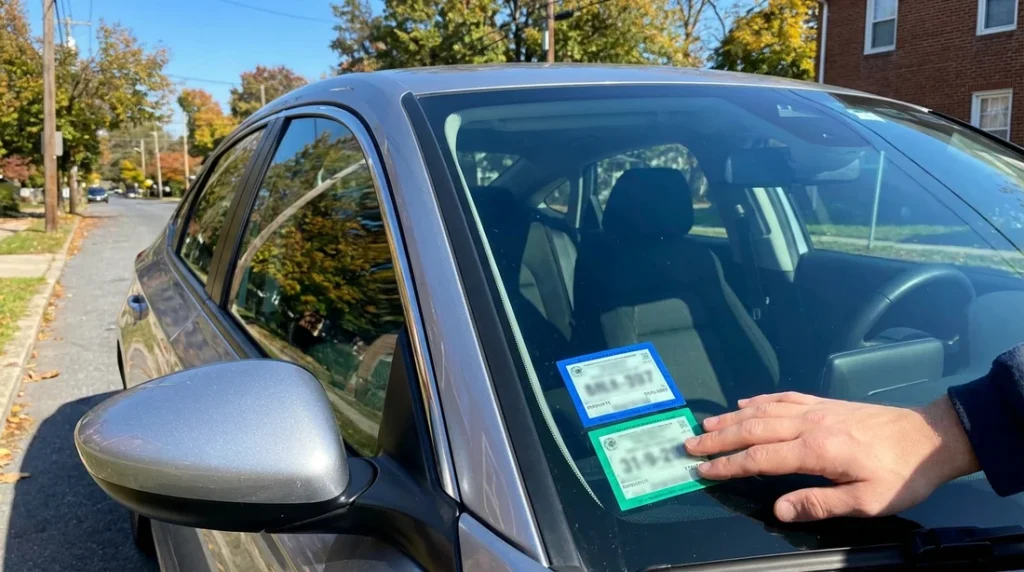
Do not wait until the tenth day to look for an inspection appointment. Some stations may be busy, and a vehicle that needs repairs can take longer to bring into compliance. Ask the inspection station what documents to bring and whether it can complete the inspection promptly after registration.
Pennsylvania’s requirement is a good reminder that registration deadlines can trigger additional obligations. Keep the registration date, inspection appointment, and any repair follow-up on the same calendar. The state does not treat the registration transaction as a substitute for the inspection requirement.
7. Paying California Registration Renewal Fees After Expiration
California is particularly unforgiving when it comes to registration renewal timing. The DMV explicitly states that there is no grace period for paying annual vehicle registration fees. Owners must pay by the exact expiration date printed on their registration card.
The month and year displayed on the license plate do not show the precise expiration day, so relying on the plate alone can lead to an unexpected penalty.
The late charges can increase quickly. For a payment made 1 to 10 days after expiration, California adds a penalty equal to 10% of the vehicle license fee, a $10 registration late fee, and a $10 California Highway Patrol late fee.
If payment is delayed 11 to 30 days, the percentage penalty increases to 20%, while the two fixed late fees rise to $15 each. After 31 days and up to one year, the percentage reaches 60%, with a $30 registration penalty and a $30 CHP penalty.
These charges are added to the normal registration amount. The final bill can therefore be considerably higher than the renewal notice originally showed. Owners who do not receive a renewal notice should not assume the deadline has been postponed.
California DMV advises contacting the department if the notice has not arrived approximately 60 days before expiration.
One notable exception applies to vehicles that owners do not intend to drive. They may qualify to file a Planned Non-Operation (PNO) certification, provided they meet the relevant conditions and filing deadlines. However, keeping an expired vehicle parked and off the road does not automatically exempt the owner from late registration fees or penalties.
Check the exact expiration date on your registration card and renew early. Setting a reminder several weeks ahead is a simple way to avoid paying extra for a deadline that is easy to miss.