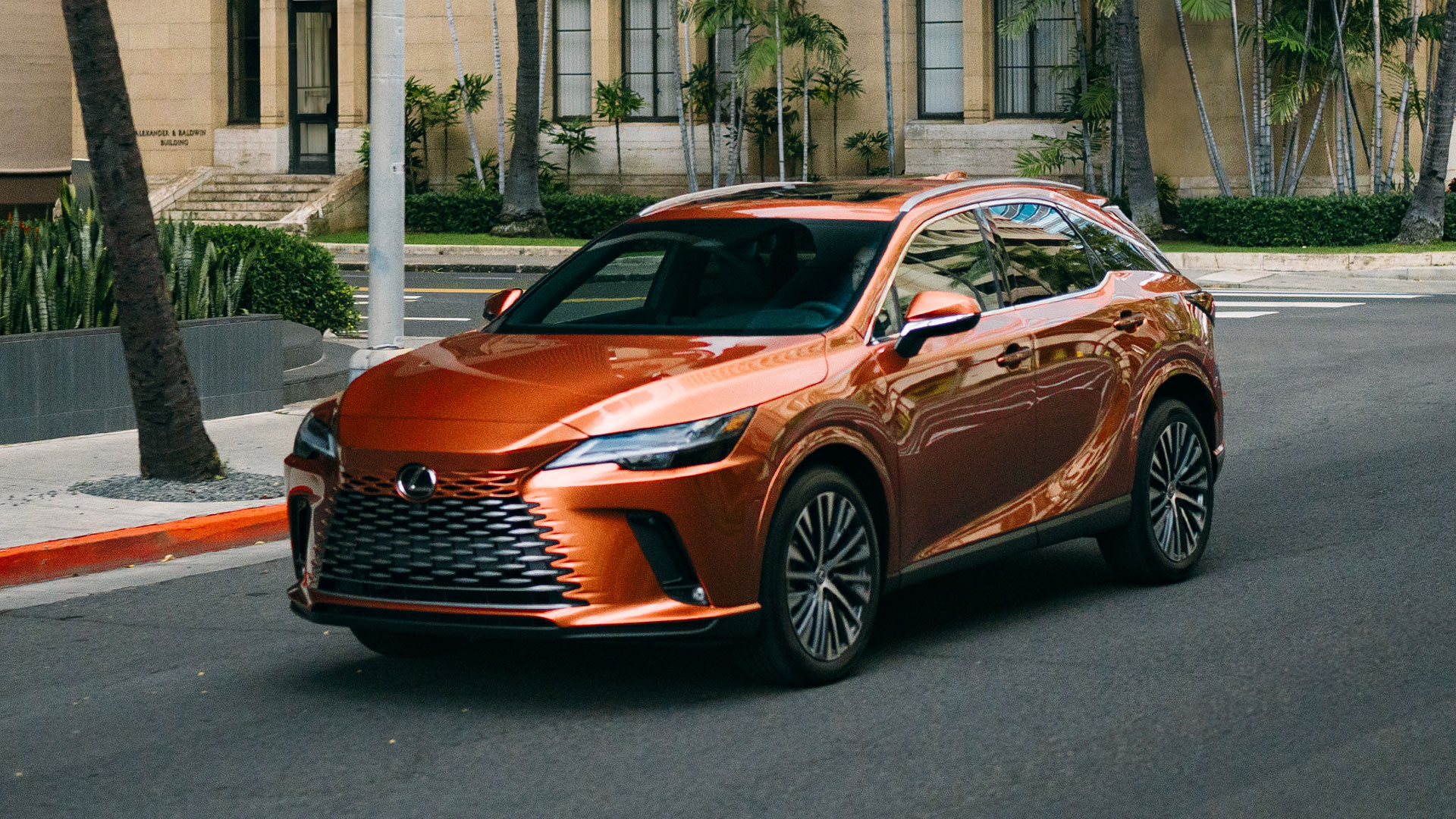
Reaching 200,000 miles does not automatically mean a vehicle belongs in a scrapyard. Some models have demonstrated impressive longevity, making additional repairs financially sensible when their engines, transmissions, and structural components remain in good condition.
In the United States, where replacement vehicle prices remain substantial, keeping a dependable older vehicle can sometimes cost less than purchasing another used car.
However, the decision depends on repair expenses, maintenance history, rust, and the condition of major components. These eight vehicles stand out for their documented longevity, with research showing that many have a stronger chance of reaching 250,000 miles.
1. Toyota Sequoia
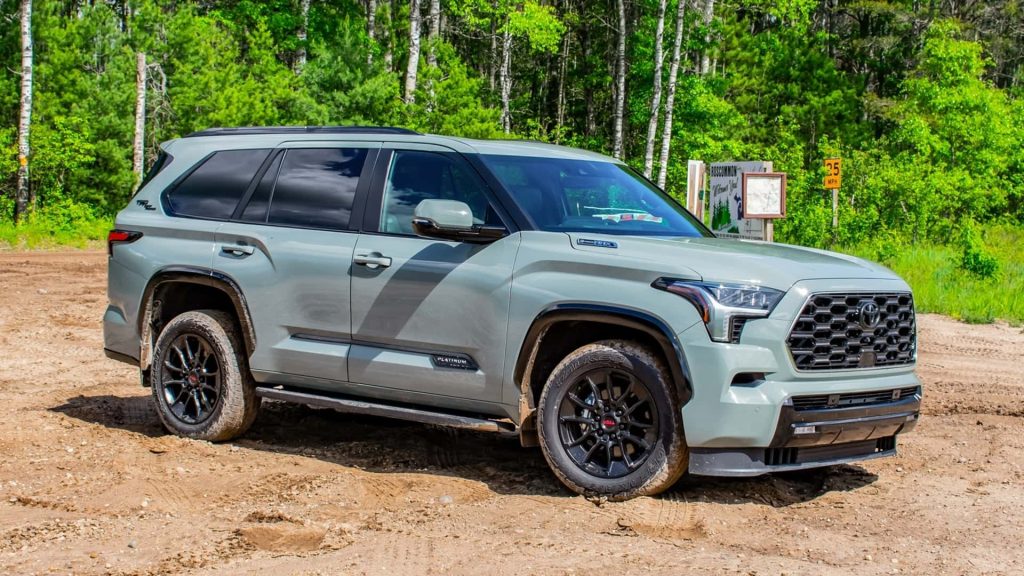
A Toyota Sequoia with more than 200,000 miles can still deserve serious consideration before its owner decides to replace it. This full-size SUV has an especially strong record in long-term mileage research, making it one of the more convincing examples of a vehicle that may justify additional investment when its major mechanical components remain healthy.
According to iSeeCars’ September 2026 study, the Sequoia has a 42.3% probability of reaching 250,000 miles, the highest figure among the vehicles analyzed. That is approximately 7.9 times the study’s 5.4% average.
The research examined more than 395 million vehicles, making this a substantial data set rather than an unsupported reputation-based recommendation.
Its body-on-frame construction, powerful V8 engines in many older generations, and established Toyota engineering contribute to its appeal as a long-term ownership vehicle. However, a high odometer reading does not eliminate the possibility of expensive repairs.
Owners should pay particular attention to transmission behavior, cooling-system condition, suspension wear, steering components, and signs of frame corrosion.
The financial argument becomes stronger when the vehicle has a documented maintenance history and does not require several major repairs simultaneously. Spending $3,000 on a well-maintained SUV that could provide several more years of useful transportation may make more sense than financing a replacement vehicle.
However, the same repair would be difficult to justify if the frame is severely rusted or the engine and transmission both need replacement.
A high-mileage Sequoia deserves a professional inspection before being sold or scrapped. Its exceptional longevity statistics make repairing a mechanically sound example a reasonable option.
2. Lexus LS
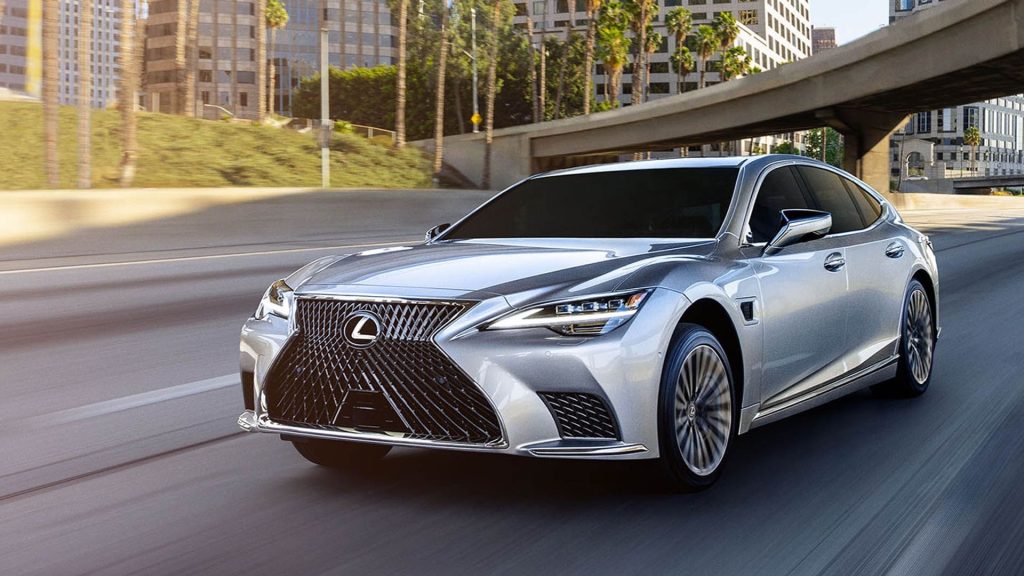
Luxury vehicles often become expensive to maintain as they age, but the Lexus LS presents an interesting exception worth considering. This full-size luxury sedan combines a reputation for refinement with impressive long-term mileage potential.
An example that has already crossed 200,000 miles should not automatically be considered finished, particularly if its engine, transmission, and chassis have received consistent maintenance.
The latest iSeeCars longevity research places the LS second among all vehicles, with a 38.8% probability of reaching 250,000 miles. That is approximately 7.2 times the study’s 5.4% average. It also leads the passenger-car category, outperforming numerous mainstream sedans in the same analysis.
There is a practical reason to consider repairing one. Replacing an older luxury sedan with a newer vehicle offering comparable interior comfort, equipment, and ride quality can require a considerable financial commitment.
If the existing car needs suspension bushings, brake components, cooling-system work, or other isolated repairs, keeping it may be considerably cheaper than purchasing another luxury vehicle.
Nevertheless, buyers and owners should not overlook the cost of premium components. Air suspension, electronic equipment, aging seals, and complex climate-control systems can create substantial repair bills on certain generations and configurations. Parts availability and labor costs also vary depending on the model year.
The sensible approach is to obtain a detailed inspection and prioritize safety-related and mechanical repairs. A clean service history, healthy powertrain, and solid body structure make a major difference when evaluating a high-mileage example.
The LS is worth keeping when its expensive luxury systems remain functional and the required repairs are proportionate to its market value. Its longevity statistics provide a strong reason not to dismiss it simply because the odometer has passed 200,000 miles.
3. Toyota 4Runner
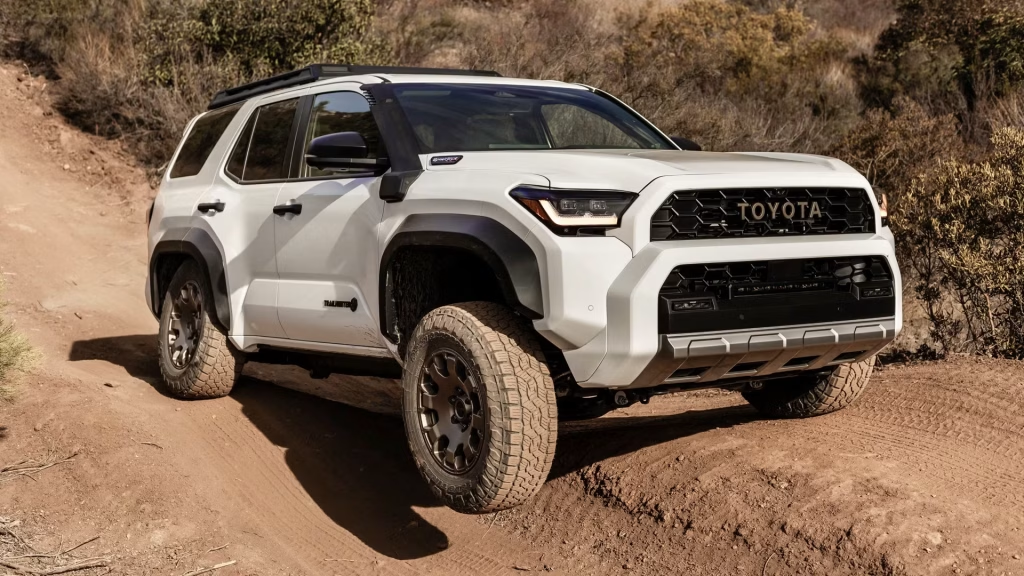
The Toyota 4Runner is a strong candidate for long-term ownership because its reputation is built around a rugged body-on-frame platform rather than a car-based crossover design. That construction, combined with Toyota’s long-running focus on durability, makes it particularly appealing to owners who want to keep an SUV well beyond 200,000 miles.
In iSeeCars’ 2026 longevity study, the 4Runner had a 33.1% probability of reaching 250,000 miles, placing it third among the longest-lasting vehicles analyzed. That is substantially higher than the study’s 5.4% average for all vehicles.
The figure does not guarantee that an individual 4Runner will reach that mileage, but it provides a useful indication of its long-term potential.
For an owner whose 4Runner has crossed 200,000 miles, the decision to repair it should come down to its actual condition. A vehicle with a healthy engine and transmission, a solid frame, and a documented maintenance history may justify substantial repairs.
However, frame corrosion, neglected cooling-system maintenance, worn suspension components, and transmission problems deserve careful inspection before spending heavily.
The 4Runner’s popularity also means owners can often find independent repair shops familiar with the platform. Parts availability and repair costs still vary by model year and location, so get a written estimate before approving major work.
If the SUV has been maintained consistently and its structure remains sound, replacing a worn component may be more sensible than taking on the cost of another vehicle.
4. Lexus RX Hybrid
A hybrid SUV might not be the first vehicle that comes to mind when discussing ownership beyond 200,000 miles, but the Lexus RX Hybrid has a notable place in the 2026 longevity rankings. It combines Lexus comfort with Toyota’s established hybrid technology, making it an option worth considering when an older example needs repairs.
The RX Hybrid recorded a 28.9% probability of reaching 250,000 miles in the iSeeCars study, ranking fourth among the vehicles listed. Its result is more than five times the study’s 5.4% average. This is a model-level statistical estimate, not a promise that every RX Hybrid will achieve the same mileage.
Repair decisions become more complicated with a high-mileage hybrid because the owner must consider both conventional mechanical components and the hybrid system. The gasoline engine, transmission-related components, suspension, brakes, and cooling systems all need inspection.
The high-voltage battery and associated electronics also deserve attention, particularly if the vehicle has begun displaying warning lights or showing unusual changes in fuel economy.
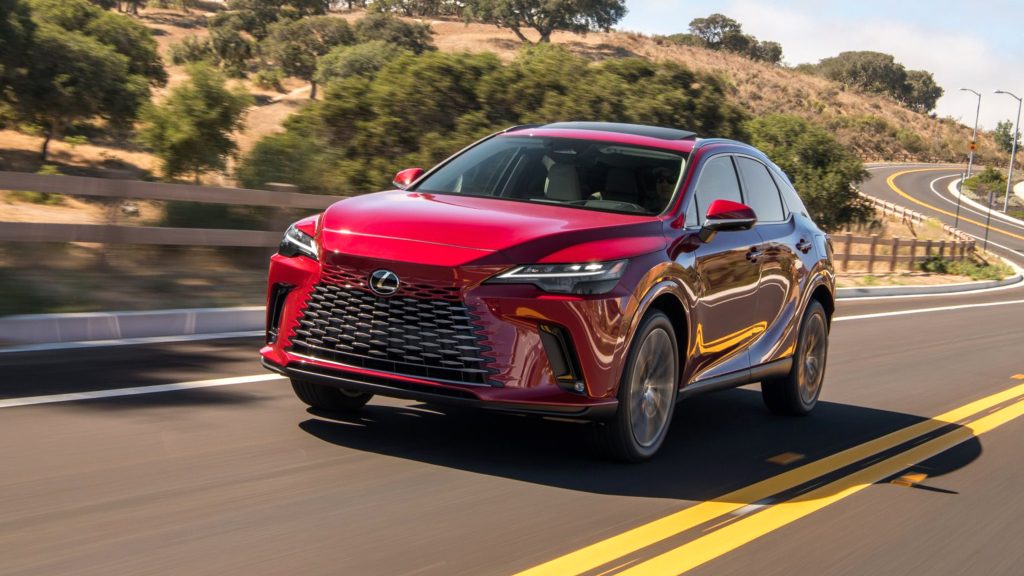
A battery replacement can be expensive, but it should not automatically mean the entire vehicle is no longer worth keeping. Ask a qualified hybrid technician to test the battery and diagnose the actual fault before deciding. A healthy RX Hybrid with a solid service record may still have considerable useful life left.
The key is comparing the complete repair estimate with the vehicle’s condition and market value. If the body, interior, engine, and hybrid system are in good shape, repairing a specific failing component may be a financially reasonable choice.
5. Toyota Tundra
A full-size pickup often spends its life doing more than commuting. Towing trailers, carrying heavy loads, driving on rough job sites, and covering long highway distances can all put additional strain on its mechanical components. The Toyota Tundra stands out because its long-term durability record remains strong despite the demands commonly placed on trucks.
In iSeeCars’ 2026 study, the Toyota Tundra had a 28.2% chance of reaching 250,000 miles, placing fifth in the vehicle longevity rankings. It also claimed second place among pickup trucks, behind the heavy-duty Ram 3500. For comparison, the average vehicle had only a 5.4% chance of reaching the same mileage.
For a Tundra already beyond 200,000 miles, a major repair may be worthwhile if the truck’s frame is solid and its engine and transmission remain in good condition. However, its working history matters. A pickup that spent years towing heavy trailers may have experienced more drivetrain and suspension stress than one used primarily for highway driving.
Before approving expensive repairs, have a mechanic inspect the transmission, differential, suspension, cooling system, frame, and signs of fluid leaks. Rust deserves particular attention on trucks exposed to road salt.
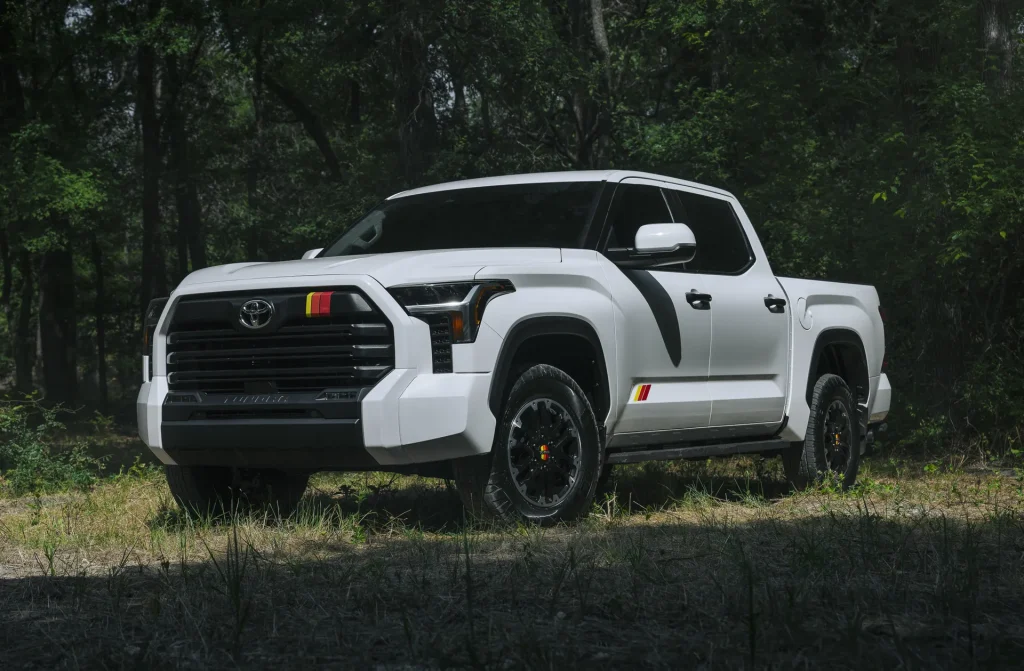
The Tundra’s strong longevity ranking makes it a sensible model to consider keeping, but the individual truck must still justify the investment. If the repair addresses one isolated problem and the rest of the vehicle is healthy, keeping it could be cheaper than replacing it with another full-size pickup.
6. Toyota Tacoma
The Toyota Tacoma has built a strong following among owners who want a midsize pickup that can handle everyday driving, outdoor trips, and demanding work. Its smaller size compared with a full-size truck does not prevent it from delivering impressive longevity results.
The 2026 iSeeCars study estimated that the Tacoma has a 25.0% probability of reaching 250,000 miles. It ranked sixth among all vehicles in the main list and fourth in the separate pickup-truck ranking. Its estimated likelihood was more than four times the 5.4% average for vehicles in the study.
That makes a high-mileage Tacoma worth evaluating before deciding to sell or replace it. A truck with a healthy drivetrain, a well-maintained cooling system, and a rust-free frame may have plenty of useful life left.
Owners should pay particular attention to suspension wear, steering components, wheel bearings, brakes, and the condition of the underbody.
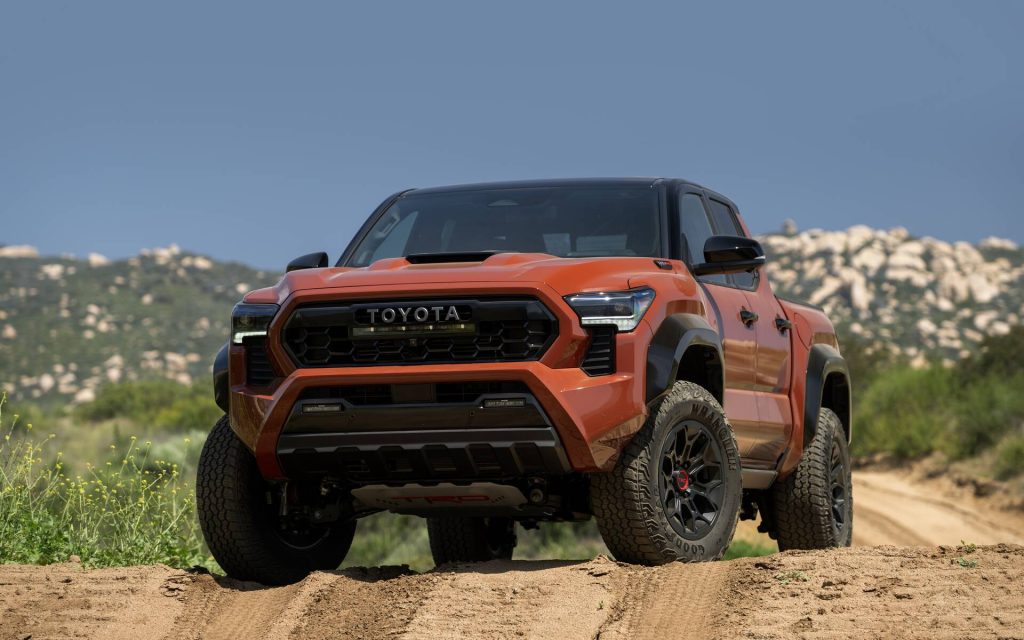
The truck’s previous use is especially important. A Tacoma that regularly carried heavy loads, went off-road, or towed near its limits may need more attention than one used mainly for commuting. Check for damage underneath, poorly repaired modifications, and signs of neglected maintenance.
If the engine and transmission are sound, replacing worn suspension parts or repairing an isolated leak can be a reasonable investment. But do not let the model’s reputation justify unlimited spending. Compare the repair estimate with the Tacoma’s current value and the cost of finding a replacement in similar condition.
7. Lexus GX
The Lexus GX combines a premium cabin with the kind of rugged construction expected from a serious SUV. Its body-on-frame design and off-road capability make it different from many luxury crossovers, and that engineering approach helps explain why it appears among the vehicles with strong long-term mileage potential.
According to iSeeCars’ 2026 study, the Lexus GX had a 23.3% chance of reaching 250,000 miles, earning it seventh place in the vehicle longevity rankings. This is more than four times the study’s average of 5.4%. However, the figure represents an estimated probability based on the vehicles analyzed and does not guarantee that every GX will achieve the same mileage.
For an owner with a GX that has passed 200,000 miles, the condition of the chassis and drivetrain should guide the repair decision.
A well-maintained example with a healthy engine and transmission may be worth keeping, particularly when the alternative is buying another expensive SUV. However, luxury equipment can make repairs more costly than those on a basic utility vehicle.
Have a technician inspect the suspension, steering, cooling system, drivetrain, and four-wheel-drive components. Also check for oil or coolant leaks and any signs of corrosion underneath. Features such as adaptive suspension, where fitted, can add significantly to repair bills.
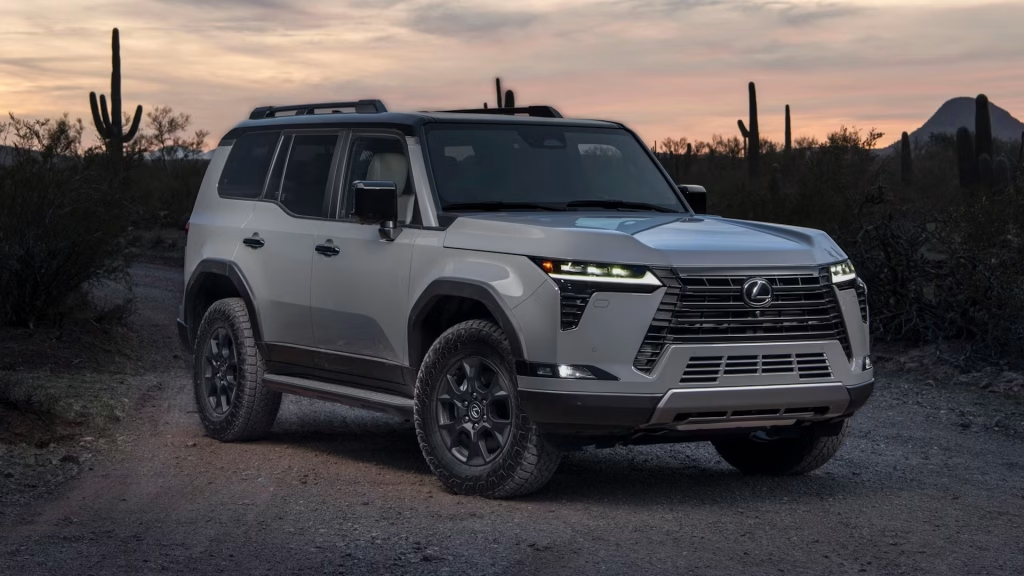
The GX makes the strongest case for continued ownership when its major mechanical systems are healthy and the required work is limited to normal wear items.
If several expensive systems are failing at once, its reputation alone is not a reason to keep spending. Get a detailed estimate and compare it with the cost of a suitable replacement.
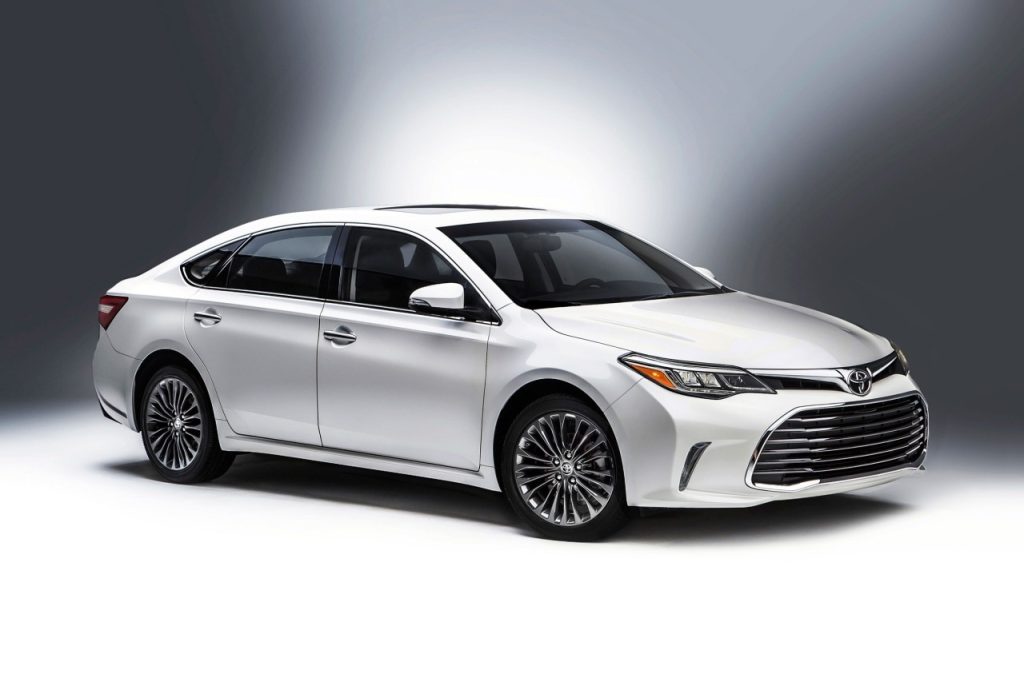
8. Toyota Avalon
A sedan does not need an off-road chassis or a heavy-duty engine to deliver a long service life. The Toyota Avalon demonstrates that a comfortable passenger car can also be a sensible long-term ownership choice. Its spacious interior, relaxed driving character, and strong longevity results make it worth considering when a high-mileage example needs attention.
The Avalon recorded a 23.2% probability of reaching 250,000 miles in the 2026 iSeeCars study, ranking eighth among all vehicles. It was also one of the strongest-performing passenger cars in the research. For context, the study estimated that the average vehicle had only a 5.4% chance of reaching that mileage.
If an Avalon has crossed 200,000 miles, its relatively conventional layout can make it a practical vehicle to keep, provided its condition supports the decision. Before authorizing a major repair, inspect the engine, transmission, cooling system, suspension, brakes, and underbody.
Maintenance records are particularly useful because they show whether routine services and previous repairs were handled on schedule.
Age-related problems can still become expensive. Worn engine mounts, leaking seals, suspension components, air-conditioning faults, and electrical issues may appear as the vehicle gets older. These should be assessed individually rather than treated as proof that the car has reached the end of its useful life.
An Avalon with a sound drivetrain, a clean body, and a history of regular maintenance can be a good candidate for continued ownership. If the repair bill is reasonable and the vehicle remains safe and dependable, keeping it may make more financial sense than replacing it.