Engine bearing failure is one of the more serious problems a used-car buyer can encounter because it can turn an otherwise functional vehicle into an expensive repair project.
Connecting rod bearings maintain a thin film of oil between moving engine components, while crankshaft main bearings support the crankshaft as it rotates.
When lubrication problems, manufacturing defects, or excessive wear damage these components, the engine can develop knocking noises, lose oil pressure, or suffer catastrophic internal damage.
Several vehicles sold in the United States have attracted documented bearing-related complaints, federal investigations, or safety recalls. Here are nine models worth researching before buying used.
1. Chevrolet Silverado 1500
Engine: 6.2-liter L87 V8 | NHTSA Recall: 25V-274
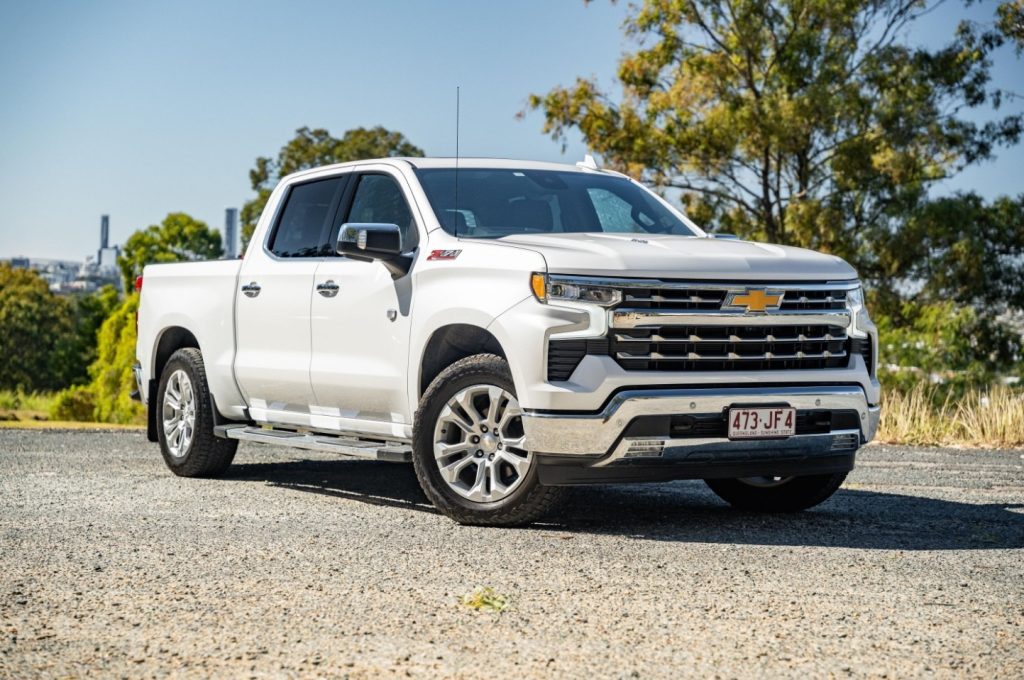
The Chevrolet Silverado 1500 deserves attention because its available 6.2-liter L87 V8 became the subject of a major engine-bearing investigation and safety recall. The problem involved manufacturing and supplier quality issues affecting connecting rods, crankshafts, and their associated bearing surfaces.
This was not simply a case of engines wearing out after years of heavy towing or high mileage. Investigators identified specific manufacturing conditions capable of damaging internal engine components.
According to General Motors’ April 2025 recall announcement, certain 2021-2024 Silverado 1500 trucks equipped with the L87 engine were included in recall 25V-274. NHTSA’s official recall documentation identifies 107,244 potentially affected Silverado trucks.
GM’s investigation found two potential causes of the problem. The first involved sediment contamination near the connecting rods and crankshaft oil passages, while the second concerned crankshaft dimensions or surface finishes that did not meet required specifications. Both issues could damage the connecting rod bearings and eventually lead to engine failure.
The consequences can extend beyond an unusual engine noise. A damaged bearing can eventually cause a connecting rod to fail, potentially allowing it to breach the engine block.
Drivers may experience knocking, banging, reduced power, hesitation, warning lights, or sudden loss of propulsion. However, not every affected truck will necessarily develop the defect.
GM’s recall remedy involves inspecting the engine and repairing or replacing it when necessary. Vehicles passing the inspection receive an updated oil specification and related service changes. The recall population covers only specified production dates and engine configurations, not every Silverado sold between 2021 and 2024.
Used-truck shoppers should verify the VIN before purchasing a 6.2-liter model. Ask for documentation showing whether the recall inspection and any required engine repair have been completed. A clean-looking engine compartment is not proof that the internal bearing issue has been addressed.
2. GMC Sierra 1500
Engine: 6.2-liter L87 V8 | NHTSA Recall: 25V-274
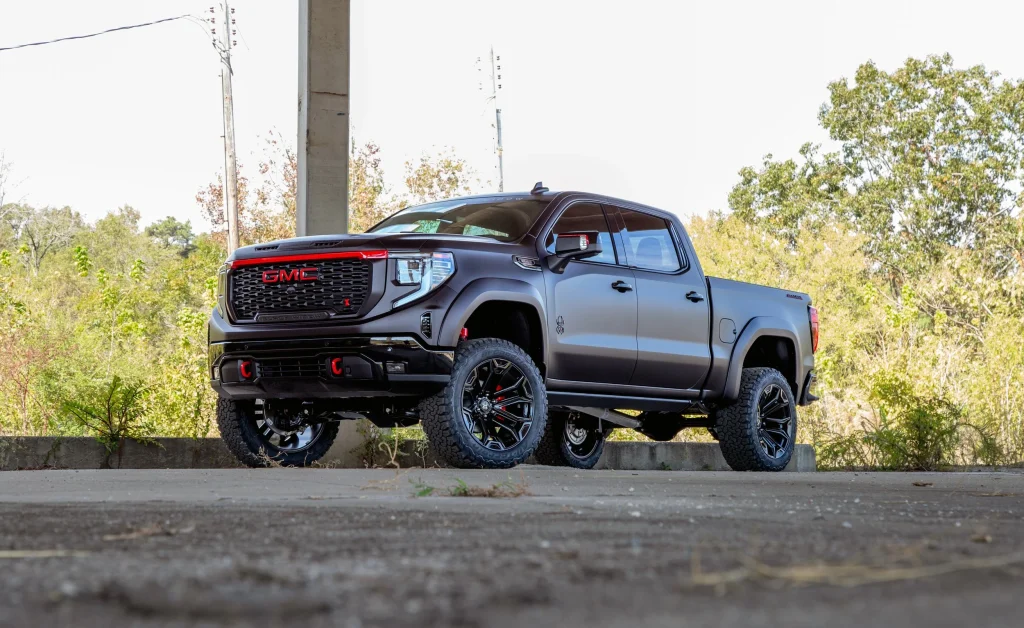
Sharing its basic powertrain architecture with the Silverado does not protect the GMC Sierra 1500 from the same bearing-related concerns. Certain 2021-2024 Sierra 1500 trucks equipped with the 6.2-liter L87 V8 were included in General Motors’ 2025 safety recall.
The issue attracted attention because engine failure could occur during operation, potentially leaving drivers without propulsion.
NHTSA’s recall filing identifies 2021-2024 Sierra 1500 models built within a specific manufacturing period, March 1, 2021, through May 31, 2024. The official filing lists 79,096 potentially affected trucks.
This is a defined group of vehicles rather than a blanket warning covering every Sierra with a V8 engine. Other engine configurations should not automatically be treated as affected by this particular recall.
The underlying concern involves connecting rod bearing damage associated with manufacturing and quality-control problems. GM identified contamination from sediment in connecting rods and crankshaft oil galleries, along with crankshaft dimensional and surface-finish issues.
These conditions can interfere with the bearing surfaces and contribute to accelerated internal wear.
For someone shopping for a used Sierra, the distinction between an ordinary mechanical repair and a documented recall issue matters. An engine that has already received a manufacturer-authorized inspection or replacement may represent a different purchasing proposition from one with an unresolved recall.
Listen for abnormal knocking or banging, especially from the lower portion of the engine. Also watch for warning lights, unusual hesitation, and changes in engine performance. These symptoms are not exclusive to bearing failure, so a qualified mechanic should investigate them rather than relying on sound alone.
Before completing a purchase, obtain the truck’s VIN and check its recall status through NHTSA or a GMC dealer.
Request the repair invoice if the seller says the work has already been completed. Do not assume that a previous oil change or routine engine service addresses a manufacturing-related bearing defect.
3. Chevrolet Tahoe
Engine: 6.2-liter L87 V8 | NHTSA Recall: 25V-274
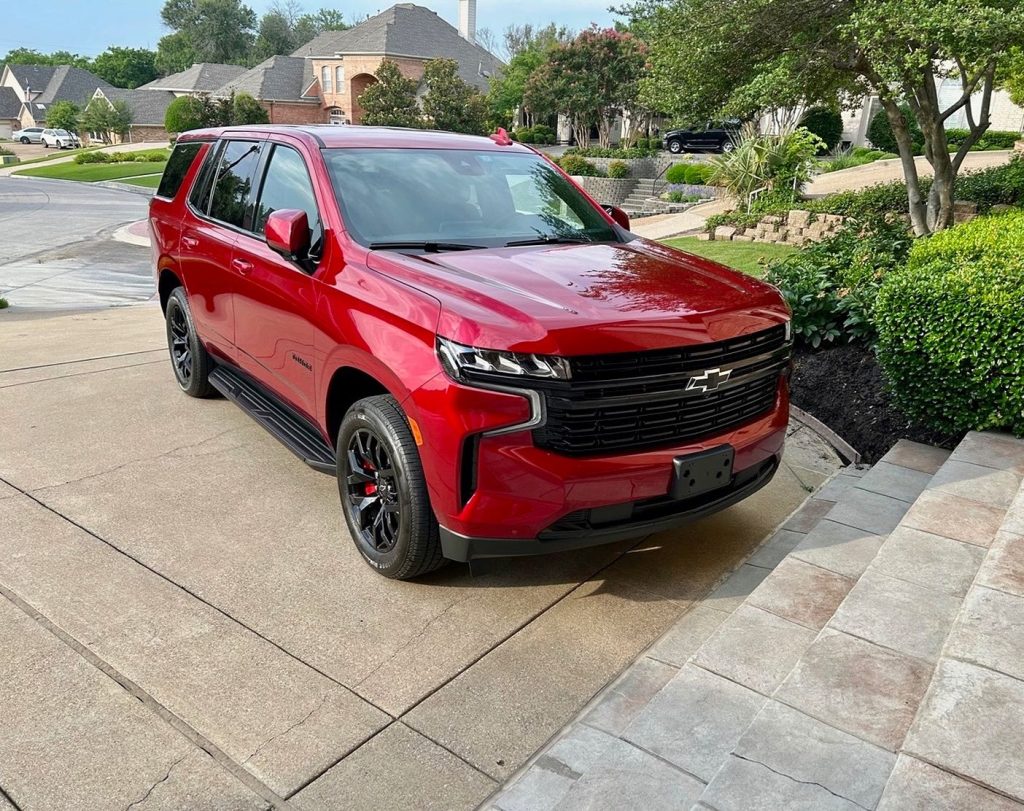
The Chevrolet Tahoe is another full-size SUV that appeared in General Motors’ investigation into premature engine bearing failures.
Although the Tahoe is primarily marketed as a family and utility vehicle, certain versions use the same 6.2-liter L87 V8 found in affected GM pickup trucks. That shared engine means some Tahoe owners faced the same underlying manufacturing concern.
The 2025 recall covered certain 2021-2024 Tahoe models equipped with the L87 engine and built between March 1, 2021, and May 31, 2024. NHTSA’s recall filing identifies 44,814 potentially affected Tahoe vehicles.
Importantly, the recall does not cover every Tahoe from those model years. Buyers need to establish the exact engine configuration and VIN eligibility before assuming a vehicle is affected.
The problem centered on possible damage to connecting rod bearings and crankshaft-related components. GM’s investigation identified supplier manufacturing issues involving sediment contamination and crankshaft dimensions or surface finishes outside specifications.
Bearing damage can interfere with the engine’s lubrication system and eventually lead to serious internal mechanical failure.
For Tahoe owners, the consequences could be particularly inconvenient because engine failure may occur during normal driving.
The recall documentation identifies unusual knocking or banging, check-engine illumination, hesitation, abnormal shifting, and reduced propulsion among possible warning signs. These symptoms do not guarantee bearing damage, but they should never be ignored.
GM’s remedy involves an engine inspection, followed by repair or replacement when necessary. Vehicles that pass the inspection receive revised oil-related service measures. Buyers should ask a Chevrolet dealership to verify whether the specific vehicle has completed the required work.
A Tahoe advertised with a recent engine service is not necessarily free from this concern. Ask for the actual recall repair documentation, not simply a seller’s assurance that the vehicle has been maintained. A VIN-based recall check is considerably more useful than relying on the model year alone.
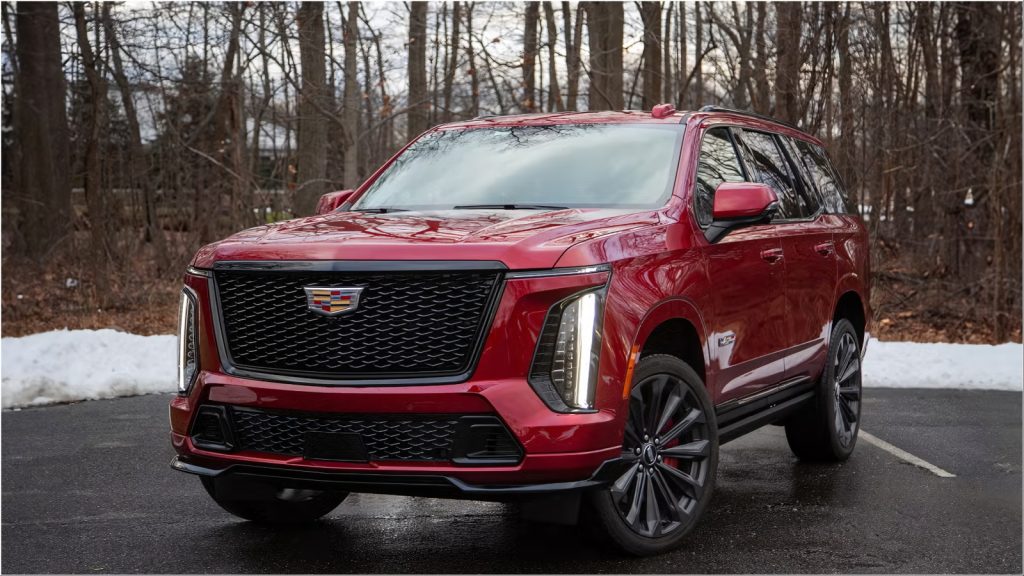
4. Cadillac Escalade
Engine: 6.2-liter L87 V8 | NHTSA Recall: 25V-274
Luxury buyers generally expect a large premium SUV to deliver dependable performance, particularly when it carries an expensive V8 powertrain.
However, the Cadillac Escalade was included in General Motors’ 2025 recall involving potential connecting rod bearing and crankshaft problems. Its premium positioning did not exempt it from the manufacturing concerns affecting certain L87-equipped vehicles.
According to NHTSA’s official recall report, 79,673 Cadillac Escalade vehicles were potentially involved. The affected population covers specified 2021-2024 vehicles manufactured between March 1, 2021, and May 31, 2024, equipped with the 6.2-liter L87 V8.
An Escalade with a different engine or outside the specified production range should not automatically be considered part of this recall.
The mechanical concern involves internal engine components that depend on consistent lubrication and accurately manufactured bearing surfaces.
GM found two main contributing factors. One involved sediment contamination in the areas surrounding the connecting rods and crankshaft oil galleries, while the other concerned crankshaft dimensions and surface finishes that fell outside the required manufacturing specifications.
Either condition could contribute to premature bearing damage and potentially severe engine failure.
An Escalade experiencing this problem may develop unusual knocking or banging noises, reduced engine performance, hesitation, or warning lights. In a more serious situation, connecting rod damage could lead to an engine failure and loss of propulsion. These risks are significant in a large SUV, particularly when traveling at highway speeds.
General Motors’ recall remedy calls for dealer inspection and necessary engine repairs or replacement. Vehicles that pass inspection receive revised oil-related service measures, including a higher-viscosity oil specification and associated service updates.
Used Escalade shoppers should pay particular attention to recall documentation because an engine replacement can represent a substantial ownership issue.
Ask the Cadillac dealership to check the VIN and confirm whether the remedy has been completed. If the seller claims the engine was replaced, request the repair order showing the replacement details and mileage.
A luxury badge and an expensive asking price cannot substitute for proof that a documented engine concern has been properly addressed.
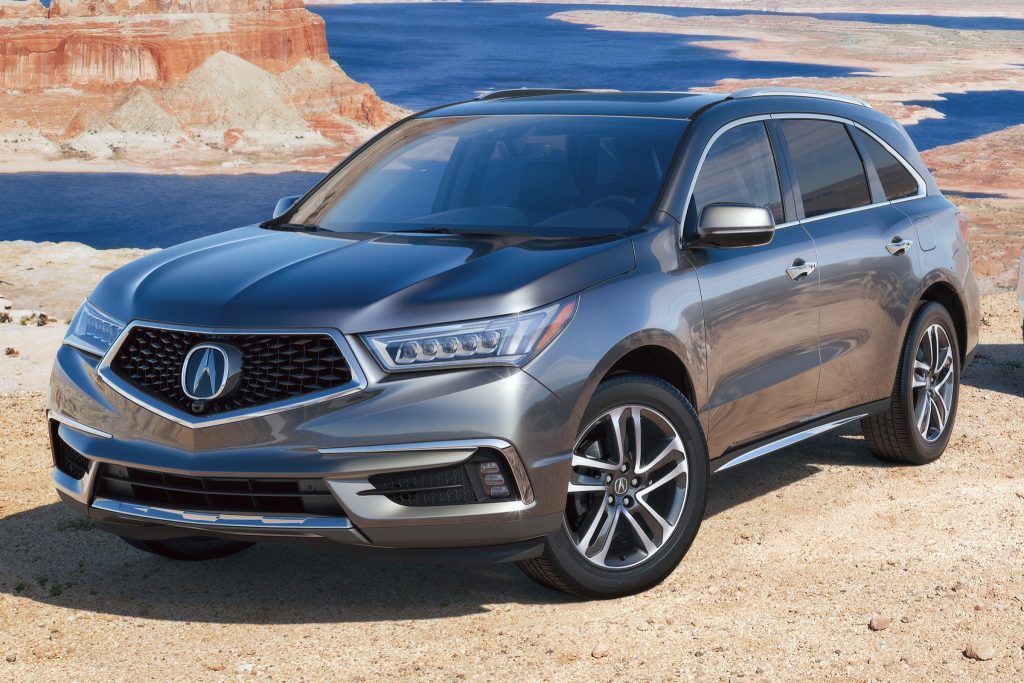
5. Acura MDX
Engine: 3.5-liter V6 | NHTSA Recall: 23V-751 and Investigation PE25008
The Acura MDX has faced two separate areas of federal scrutiny involving connecting rod bearing failures, making its model-year and VIN details particularly important for used-car buyers.
The first issue resulted in a 2023 safety recall covering certain vehicles with crankshaft manufacturing problems. A later NHTSA investigation examined additional engine failure reports involving vehicles outside that recall’s scope.
Under recall 23V-751, certain 2016-2020 MDX vehicles were identified with potentially defective connecting rod bearing assemblies.
Acura explained that some crankshaft connecting rod journals could have incorrect dimensions, increasing friction between the crankshaft and bearings. Excessive friction could accelerate internal deterioration and potentially cause engine failure.
The story did not end with that recall. In August 2025, NHTSA opened preliminary evaluation PE25008 after receiving reports involving connecting rod bearing failures in an additional 3.5-liter V6 vehicles, including 2016-2020 MDX models outside the original recall.
The agency’s investigation covered 1,410,806 vehicles across five Honda and Acura models and recorded 414 reports of connecting rod bearing failures. Those figures apply to the combined vehicle population, not the MDX alone.
NHTSA also stated that the later failures had not been linked to the same crankshaft manufacturing defect addressed by recall 23V-751.
That distinction is important because buyers should not assume that every MDX from these years has the same defect or requires the same repair. Recall eligibility depends on the individual VIN, while the separate investigation concerns reported failures outside the earlier recall.
Before buying, check both the recall history and available service records. Listen for abnormal lower-engine knocking and investigate oil-pressure warnings or unexplained engine shutdowns. A qualified technician should inspect the vehicle if any symptoms appear.
The MDX can still be considered a used SUV, but buyers should insist on transparent maintenance documentation and confirmation of all applicable manufacturer campaigns.
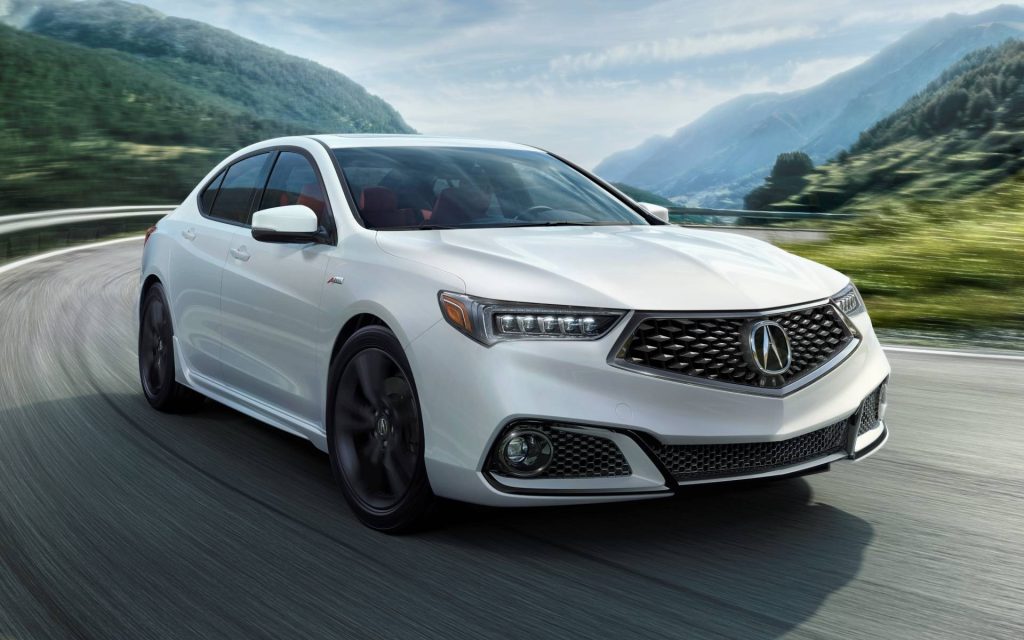
6. Acura TLX
Engine: 3.5-liter V6 | NHTSA Investigation: PE25008
The Acura TLX is worth checking because certain V6-equipped examples were included in NHTSA’s investigation into connecting rod bearing failures reported in Honda and Acura vehicles.
The concern is particularly relevant to buyers considering a used 2018-2020 TLX with the 3.5-liter V6, although the presence of an investigation does not establish that every vehicle will experience engine trouble.
In August 2025, NHTSA opened preliminary evaluation PE25008 after reviewing reports of engine failures involving 3.5-liter V6 vehicles outside the scope of an earlier Honda and Acura connecting rod bearing recall.
The investigation specifically included 2018-2020 Acura TLX models. NHTSA reported receiving 414 connecting rod bearing failure reports across five vehicle models, including the TLX, MDX, Pilot, Odyssey, and Ridgeline. It also identified a combined estimated population of 1,410,806 vehicles.
There is an important distinction between the TLX investigation and Acura’s earlier recall 23V-751. Certain 2015-2020 TLX vehicles were included in the original recall because of crankshaft manufacturing defects that could cause premature bearing wear.
However, the later investigation examined additional reported failures outside that recall’s scope. NHTSA stated that the evidence did not establish the same manufacturing defect as the cause of those additional failures.
For used-car shoppers, this means a general statement that a TLX has been recalled is not enough. The VIN must be checked to establish whether the particular vehicle falls within the original recall population.
Buyers should also review any available repair records and ask whether the engine has experienced previous knocking, oil-pressure warnings, or unexplained mechanical work.
A pre-purchase inspection should include attention to engine noise, oil condition, and signs of previous internal repairs. If the vehicle has a history of engine replacement, request documentation identifying the replacement engine and the mileage when the work was completed.
The TLX is not automatically an unsafe purchase, but ignoring its documented bearing-related history would be a mistake. Confirm the vehicle’s exact recall status before negotiating the final price.
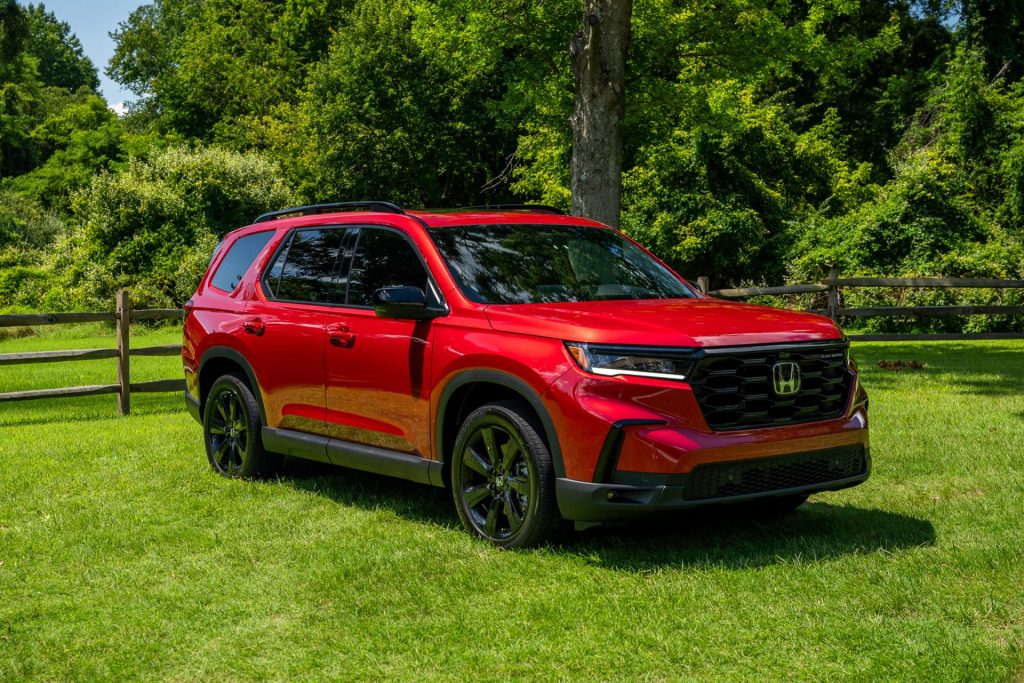
7. Honda Pilot
Engine: 3.5-liter V6 | NHTSA Investigation: PE25008
The Honda Pilot has a reputation as a practical family SUV, but certain 2016-2020 examples equipped with the 3.5-liter V6 have appeared in federal reports concerning connecting rod bearing failures.
This issue deserves attention from used-car buyers because internal bearing damage can progress into a complete engine failure, potentially creating an expensive repair obligation.
NHTSA opened preliminary evaluation PE25008 on August 20, 2025, after receiving reports involving connecting rod bearing failures in several Honda and Acura vehicles. The affected model list included the 2016-2020 Pilot.
The agency recorded 414 reports across the five investigated models and estimated a combined vehicle population of approximately 1.41 million. These are investigation-wide figures and should not be interpreted as the number of failed Pilot engines.
One important detail is that the investigated failures were outside the scope of Honda’s earlier recall 23V-751. That earlier campaign addressed a specific crankshaft manufacturing problem affecting certain vehicles.
NHTSA said its analysis did not establish that the additional failures involved the same manufacturing defect, which is why the agency opened a separate investigation to assess the scope and severity of the reports.
For a used Pilot, the most important checks involve the engine’s service history and current operating condition. Listen for unusual knocking, particularly when the engine is running at idle or under acceleration.
Pay attention to oil-pressure warnings, unexplained stalling, and any history of engine replacement. None of these symptoms independently confirm a damaged connecting rod bearing, but they justify professional diagnosis.
Ask the seller whether the vehicle has undergone any engine-related repairs and request the corresponding invoices. A mechanic should also inspect the oil condition, check for leaks, and investigate abnormal engine noises before the purchase.
Do not assume that a Pilot is unaffected simply because its VIN shows no outstanding recall. An investigation involving vehicles outside an earlier recall is a separate matter. Check for manufacturer updates and any subsequent service information before making a final decision.
8. Honda Odyssey
Engine: 3.5-liter V6 | NHTSA Investigation: PE25008
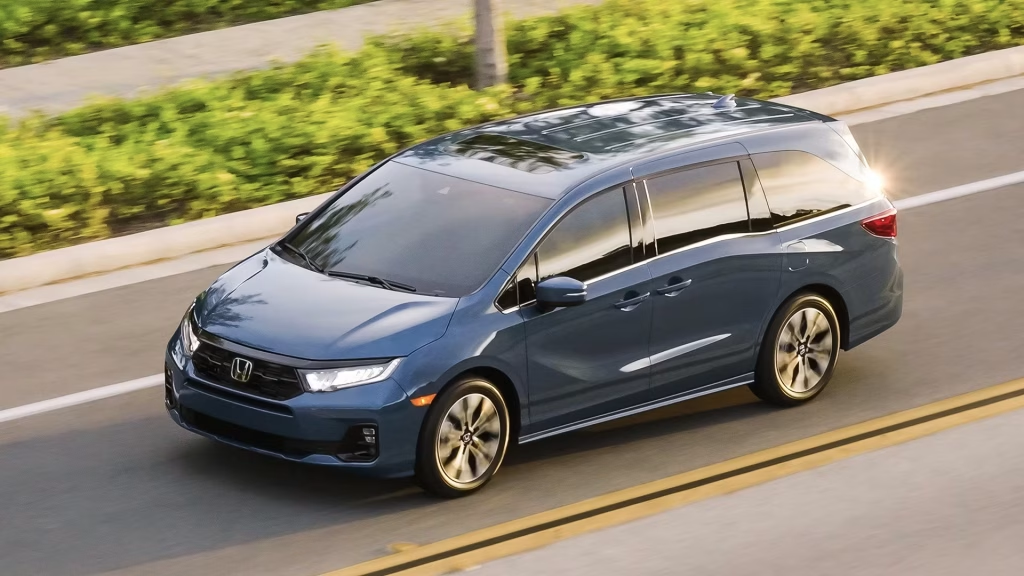
The Honda Odyssey is another vehicle that families shopping for a used minivan should examine carefully. Certain 2018-2020 models equipped with the 3.5-liter V6 were included in NHTSA’s investigation into connecting rod bearing failures.
Although the Odyssey is designed primarily for passenger comfort and everyday transportation, its engine uses the same basic V6 powertrain configuration involved in the reported Honda and Acura failures.
The federal investigation began on August 20, 2025, under NHTSA preliminary evaluation PE25008. The agency identified 2018-2020 Odyssey models among five vehicle lines reporting connecting rod bearing failures.
Across the combined population of approximately 1.41 million vehicles, NHTSA had received 414 reports involving the affected 3.5-liter V6 engines. These figures cover multiple Honda and Acura models, so they should not be presented as Odyssey-specific failure statistics.
The investigated vehicles were outside the scope of Honda’s earlier 2023 connecting rod bearing recall. That distinction matters because the original campaign addressed a specific crankshaft manufacturing defect, while the later investigation examined additional reported engine failures.
NHTSA stated that its earlier review had not established the same manufacturing defect as the cause of the additional failures.
For used Odyssey buyers, checking the vehicle’s VIN and service history is essential. Ask whether the engine has ever been replaced, whether the vehicle has experienced oil-pressure warnings, and whether the previous owner reported abnormal knocking. These details can help identify a vehicle that deserves further mechanical attention.
A pre-purchase inspection should include an assessment of engine noise, lubrication condition, and any evidence of previous internal engine repairs. Buyers should also request invoices for major engine work rather than accepting verbal assurances.
The Odyssey remains a practical used family vehicle, but its bearing-related investigation should not be overlooked. A vehicle history report alone cannot guarantee that an engine is mechanically healthy, making an independent inspection particularly important before purchasing one.
9. Honda Ridgeline
Engine: 3.5-liter V6 | NHTSA Investigation: PE25008
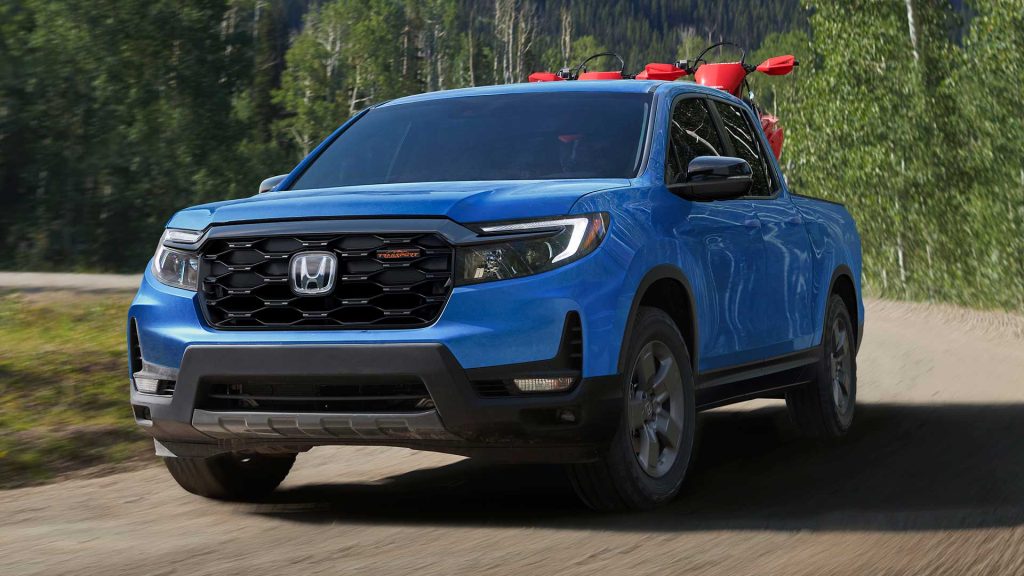
The Honda Ridgeline combines pickup-truck practicality with the driving characteristics of a unibody vehicle.
Its 3.5-liter V6 provides the power needed for everyday transportation and light-duty hauling, but certain 2017-2019 examples have appeared in NHTSA’s investigation into connecting rod bearing failures. This makes the model worth checking for buyers considering an older used Ridgeline.
NHTSA’s preliminary evaluation PE25008, opened in August 2025, specifically includes 2017-2019 Ridgeline models equipped with the 3.5-liter V6. The investigation covers reported engine failures involving connecting rod bearings in five Honda and Acura vehicle lines.
The agency identified 414 reports across the combined population, which also includes the TLX, MDX, Pilot, and Odyssey. It estimated that approximately 1,410,806 vehicles were potentially within the investigation’s population. These numbers do not mean that every listed Ridgeline has a defective engine.
The investigation also needs to be understood separately from Honda’s 2023 recall 23V-751. That earlier recall addressed certain crankshaft manufacturing defects responsible for premature bearing wear.
The additional engine failure reports investigated in PE25008 involved vehicles outside that recall’s scope. NHTSA specifically noted that its analysis had not established the same manufacturing defect as the cause of the additional failures.
For Ridgeline shoppers, a careful mechanical inspection is especially important. Pickup trucks may have experienced towing, hauling, and frequent stop-and-go operation, so buyers should review maintenance documentation and investigate any history of abnormal engine noises or oil-pressure warnings.
Ask for records showing regular oil changes, previous engine repairs, and any dealership inspections.
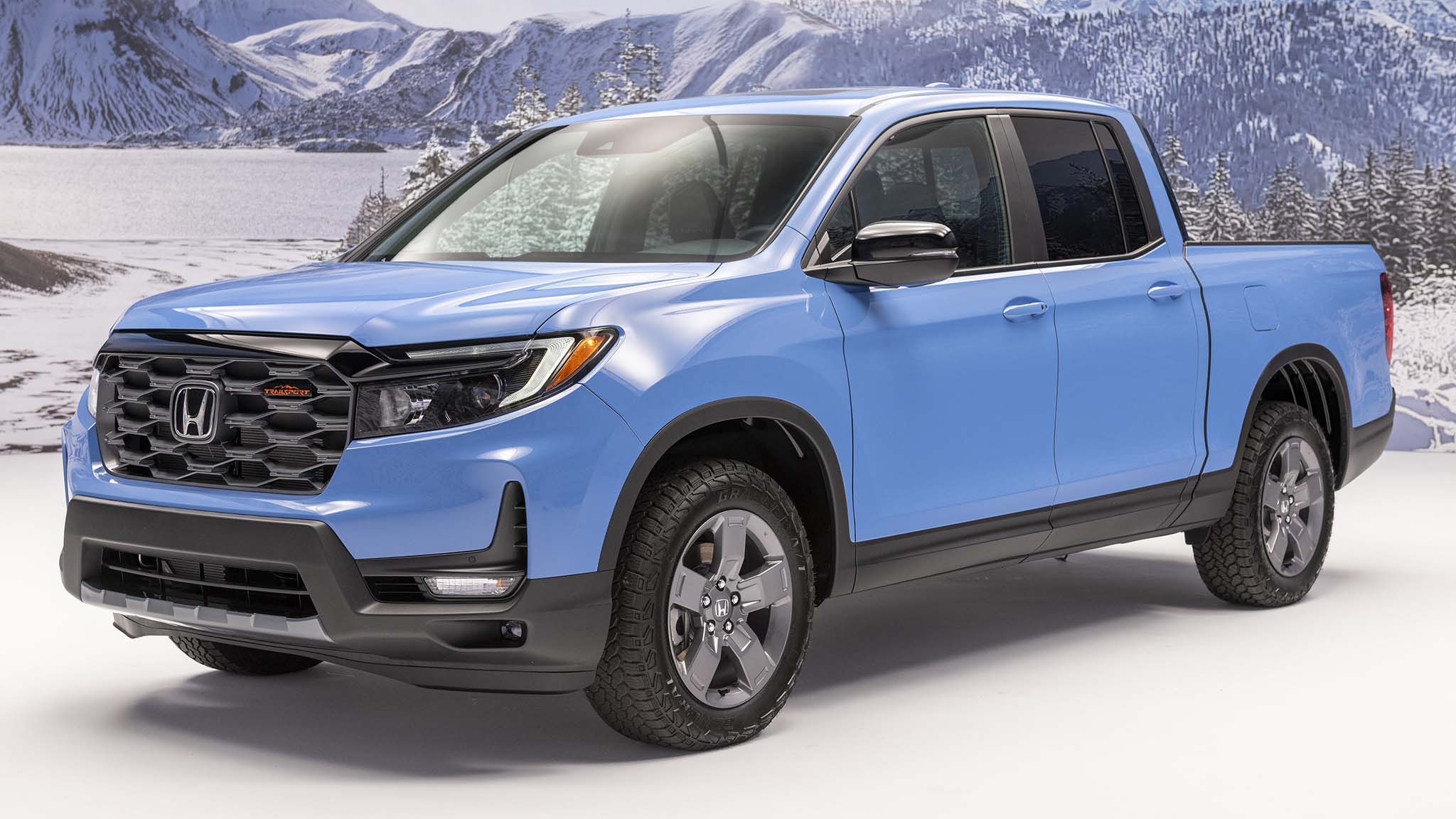
A mechanic should examine the engine for unusual knocking, oil leaks, and evidence of internal damage. If the seller reports that the engine was replaced, obtain the invoice and verify the replacement unit’s details.
The Ridgeline should not automatically be rejected because of this investigation. However, buyers should avoid treating a clean exterior, low mileage, or an attractive asking price as proof of engine reliability. Confirm the VIN’s recall status and obtain an independent inspection before committing to the purchase.