Fuel is one of the most visible expenses of owning a car, but it is not always the biggest annual bill. For some vehicles, insurance premiums can exceed what owners spend filling the tank over an entire year.
This is especially relevant for expensive performance cars, luxury models, and vehicles with costly repairs or higher accident risks. The comparison depends on where the owner lives, their driving record, coverage limits, and annual mileage.
To make the difference meaningful, each example needs to compare estimated U.S. insurance costs with fuel expenses using consistent assumptions, rather than relying on sticker prices or broad stereotypes.
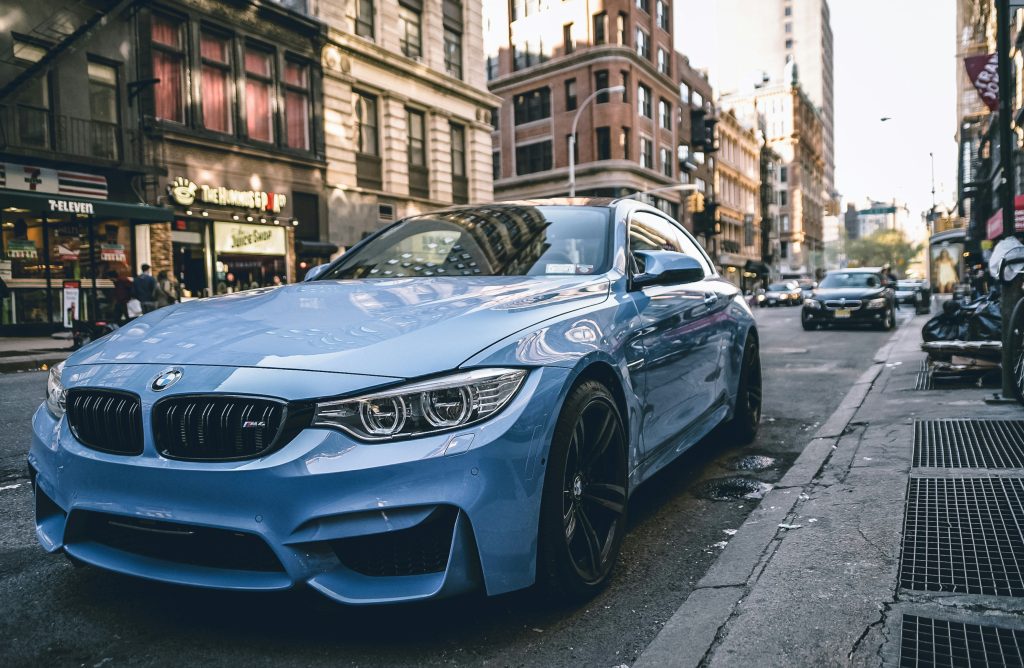
1. BMW M5
The BMW M5 makes a particularly striking case for this comparison because its insurance bill is more than twice its estimated annual energy cost.
The Zebra’s 2026 data puts the sedan’s average insurance premium at approximately $7,819 per year, or $652 per month. That is a substantial recurring expense before the owner pays for maintenance, tires, registration, or financing.
Fuel costs are more complicated here because the M5 is a plug-in hybrid. Its 4.4-liter V8 works with an electric motor and a rechargeable battery. The EPA lists an estimated combined annual cost of $3,100 for electricity and gasoline, based on 15,000 miles of driving. That leaves insurance roughly $4,719 higher than the estimated annual energy bill.
The difference is not simply a reflection of how much fuel the engine consumes. The M5 is a high-performance luxury sedan with expensive components, substantial replacement value, and advanced technology.
A collision can involve costly bodywork, sensors, electronics, and specialized mechanical parts. Insurers consider expected claim severity and repair expenses when setting rates, not just the car’s fuel economy.
One important ownership consideration is that the EPA’s energy estimate is based on a specific driving and charging pattern. Drivers who rarely plug in may spend more on gasoline than the published figure suggests. Even so, insurance is the larger expense in this comparison, making it essential to get a quote before purchasing the car.
2. Audi S8
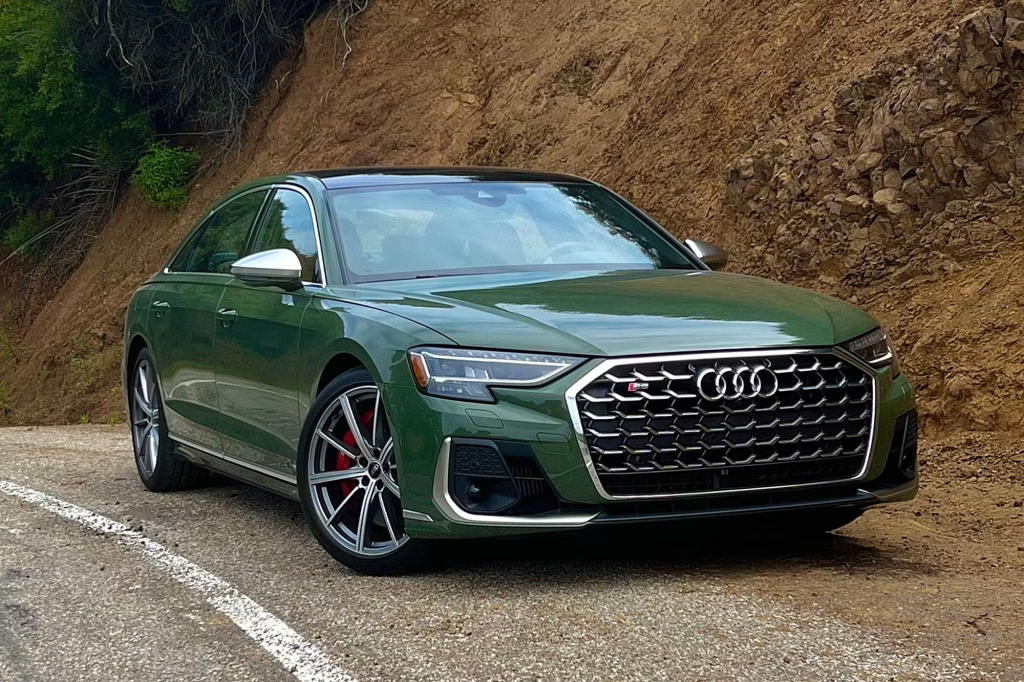
The Audi S8 is designed to deliver the comfort of a full-size luxury sedan without giving up serious performance. Its twin-turbocharged V8, all-wheel-drive system, and sophisticated cabin make it an impressive highway car. Those same premium engineering and repair considerations can make its insurance bill surprisingly high.
The Zebra estimates the S8’s average insurance cost at $7,069 annually, equivalent to about $589 per month. That is the second-highest figure in its 2026 list of the most expensive vehicles to insure.
By comparison, the EPA estimates annual fuel spending at approximately $4,300 for the 2026 S8, assuming 15,000 miles of driving on premium gasoline. Insurance therefore exceeds the fuel estimate by about $2,769 a year.
The S8’s fuel economy is not especially generous. Its EPA rating is 18 mpg combined, with 15 mpg in city driving and 24 mpg on the highway. Yet even with premium gasoline and a relatively thirsty V8, the projected fuel bill remains below the insurance estimate.
Why does coverage cost so much? The vehicle combines a high purchase price with advanced driver assistance systems, luxury electronics, and performance hardware. Repairs after a serious collision can require expensive parts and specialized labor. The insurer must account for the potential cost of replacing or repairing the car, not merely its engine size.
For buyers considering a used S8, the original insurance estimate should not be treated as a personal quote. Get coverage prices using the exact model year, ZIP code, and driver details before committing to the purchase.
3. Audi RS 7
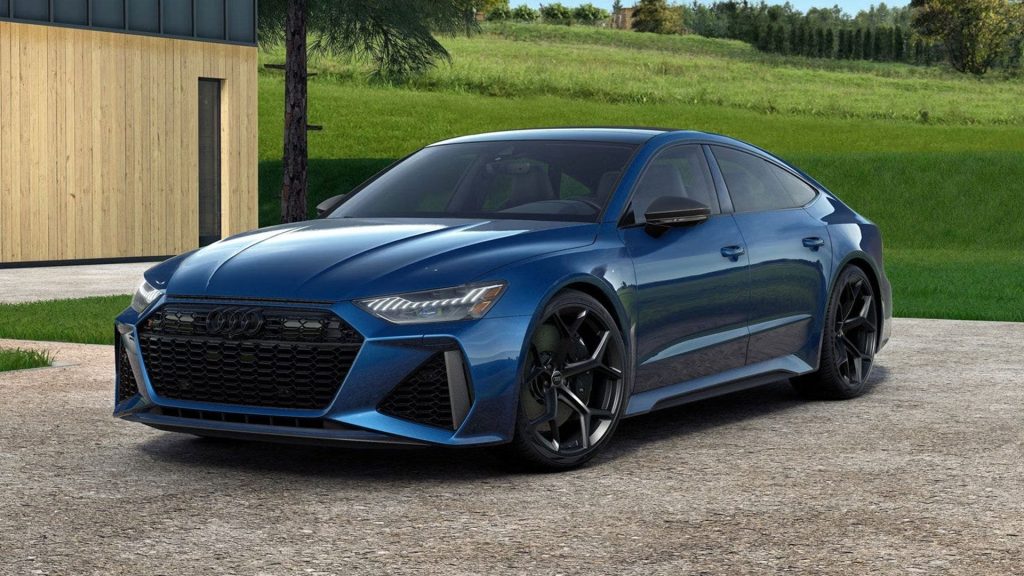
The Audi RS 7 is a performance-focused luxury sportback that combines a powerful V8 with a practical hatchback-style rear design. Its shape may look more understated than some traditional supercars, but its ownership costs are anything but ordinary. Insurance is one expense that can catch buyers off guard.
According to The Zebra’s 2026 estimates, the RS 7 costs approximately $7,065 per year to insure, or around $589 per month. The EPA estimates that the 2026 model consumes $4,700 worth of premium gasoline annually, assuming 15,000 miles of driving. That puts the insurance bill about $2,365 above its estimated yearly fuel expense.
Its fuel economy helps explain why the gasoline bill is still substantial. The EPA rates the 4.0-liter twin-turbo V8 at 16 mpg combined, with 14 mpg in city driving and 21 mpg on the highway. The engine delivers serious performance, but frequent urban driving can make fuel spending climb beyond the published estimate.
Insurance companies also have to account for the cost of repairing a vehicle with performance hardware, sophisticated electronics, and expensive body components.
A collision involving the RS 7 can require specialized parts and labor, while its high replacement value can increase the potential payout for a total loss. These factors help explain why its premium is considerably higher than the fuel estimate.
Buyers should consider more than just fuel efficiency when estimating the car’s running expenses. It is advisable to obtain an insurance quote before completing the purchase and compare offers from several providers rather than settling for the first price received.
4. Mercedes-Benz S-Class
Luxury ownership often means paying for technology and comfort long after the initial purchase. The Mercedes-Benz S-Class illustrates that point particularly well. It is a flagship sedan packed with advanced equipment, but the cost of protecting it can be considerably higher than the amount spent on gasoline.
The Zebra’s 2026 insurance analysis estimates an annual premium of $6,574, which works out to roughly $548 per month. For a fuel comparison, the 2026 S580 4MATIC provides a useful reference.
The EPA rates it at 20 mpg combined and estimates annual premium-gasoline spending at approximately $3,750 for 15,000 miles. Insurance therefore costs about $2,824 more per year than the estimated fuel bill.
That gap is significant for a sedan that is not even among the least efficient vehicles in this group. The S580’s 4.0-liter twin-turbo V8 and all-wheel-drive system require premium gasoline, but its 20-mpg combined rating keeps the projected fuel expense below the insurance estimate.
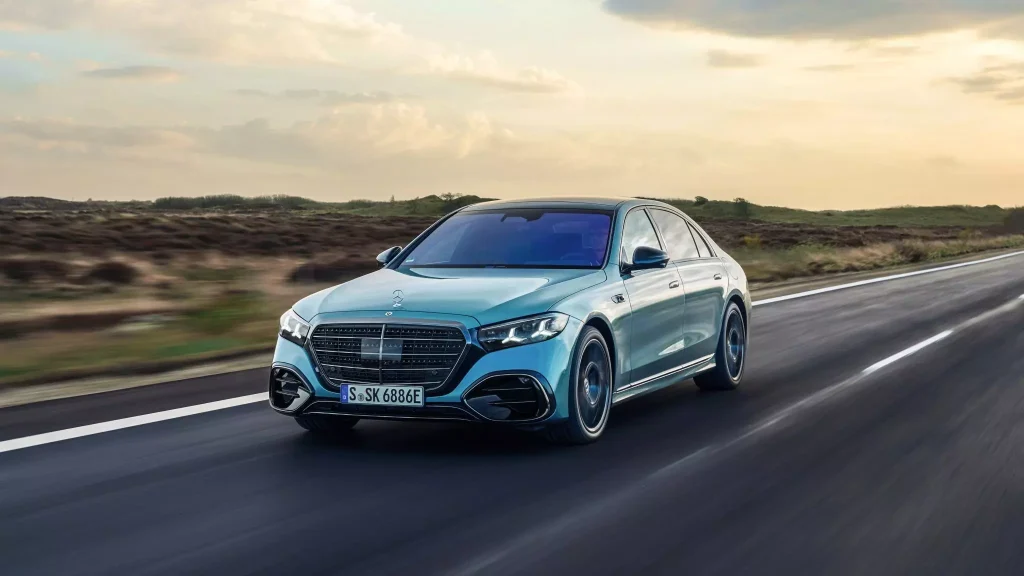
Why does the premium remain so high? The S-Class uses sophisticated driver-assistance systems, electronic controls, luxury interior equipment, and complex mechanical components. Damage to sensors, cameras, lighting units, or body panels can make repairs expensive. Its high replacement value also matters when insurers calculate potential losses.
It is worth noting that the insurance estimate applies to the S-Class range, whereas the fuel cost calculation is based specifically on the S580 4MATIC. Different variants may come with varying fuel consumption rates and insurance premiums. Buyers should therefore verify the figures for their chosen model instead of assuming these estimates will reflect their actual expenses.
5. Mercedes-Benz SL-Class
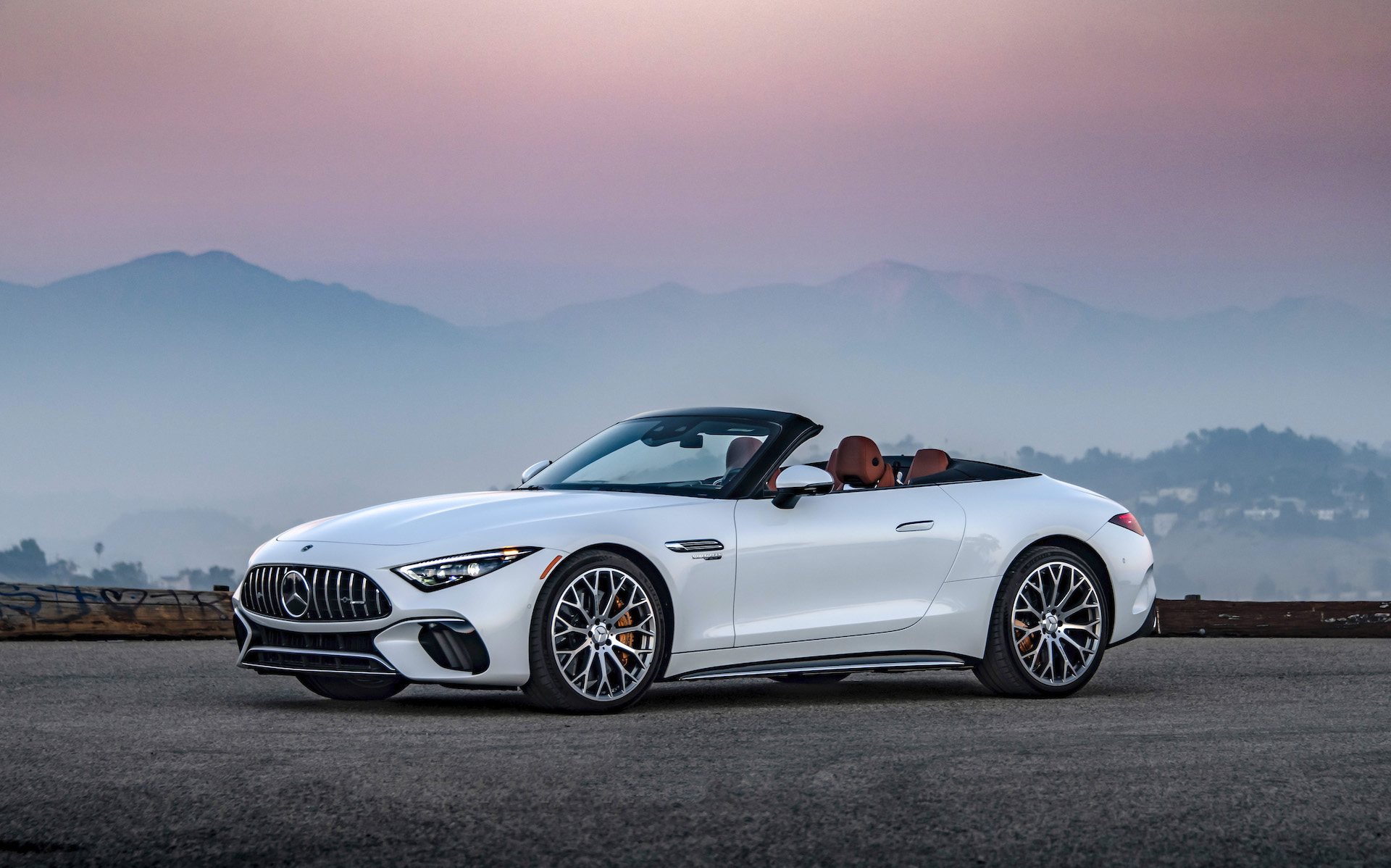
A convertible can be an expensive car to own even when it is driven only on weekends. The Mercedes-Benz SL-Class combines open-top motoring with high-performance engines and a premium interior, but its insurance estimate shows how much the cost of protecting a luxury vehicle can add up.
The Zebra’s 2026 ranking places the SL-Class fifth among its most expensive vehicles to insure, with an estimated annual premium of $6,364, or approximately $530 per month. For a fuel comparison, the 2026 AMG SL55 4MATIC+ is a useful example.
The EPA rates this version at 16 mpg combined and estimates annual premium-gasoline spending at about $4,850 under its standardized driving and fuel-price assumptions. Insurance is therefore approximately $1,514 higher.
The SL’s fuel consumption is hardly surprising. Its 4.0-liter twin-turbocharged V8 prioritizes performance, and the car’s powertrain and luxury equipment can make repairs more expensive than those of an ordinary convertible. Damage to the roof mechanism, bodywork, sensors, or specialized lighting can also increase the cost of a claim.
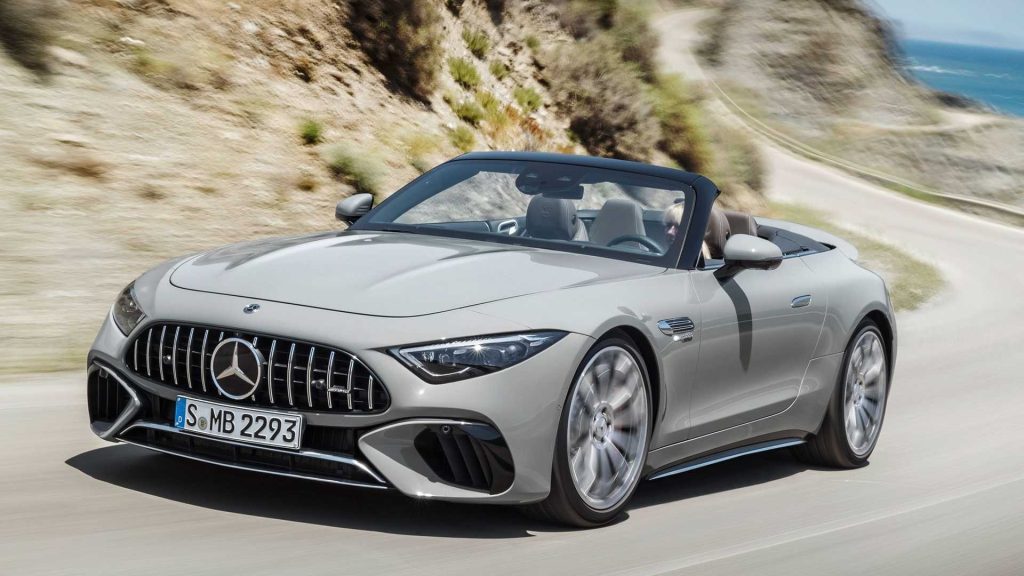
There is a trim distinction worth keeping in mind. The SL43 uses a smaller four-cylinder engine and has a better EPA combined rating of 22 mpg. Its fuel bill would be lower than the SL55’s, although the insurance estimate applies to the SL-Class range rather than one exact engine configuration.
For someone shopping for a used SL, an insurance quote should be part of the pre-purchase inspection process. A lower used-car price does not automatically translate into an inexpensive policy.
6. BMW X6 M
The BMW X6 M takes the shape of a luxury SUV and gives it the performance hardware of a high-powered sports model. Its combination of a twin-turbo V8, all-wheel drive, and premium equipment makes it appealing to drivers who want speed without choosing a traditional two-door car. It also places the vehicle in a costly insurance category.
The Zebra’s 2026 ranking estimates the X6 M’s annual insurance premium at $6,233, equivalent to roughly $519 per month. The EPA lists the 2026 X6 M Competition at 15 mpg combined and an annual fuel cost of approximately $5,000. That leaves insurance about $1,233 higher than the estimated gasoline expense.
The fuel figure reflects the Competition version’s 4.4-liter V8 and its appetite for premium gasoline. Its EPA rating falls to 13 mpg in city driving and 18 mpg on the highway. Drivers who spend most of their time in traffic may therefore find their actual fuel expenses higher than the standardized estimate.
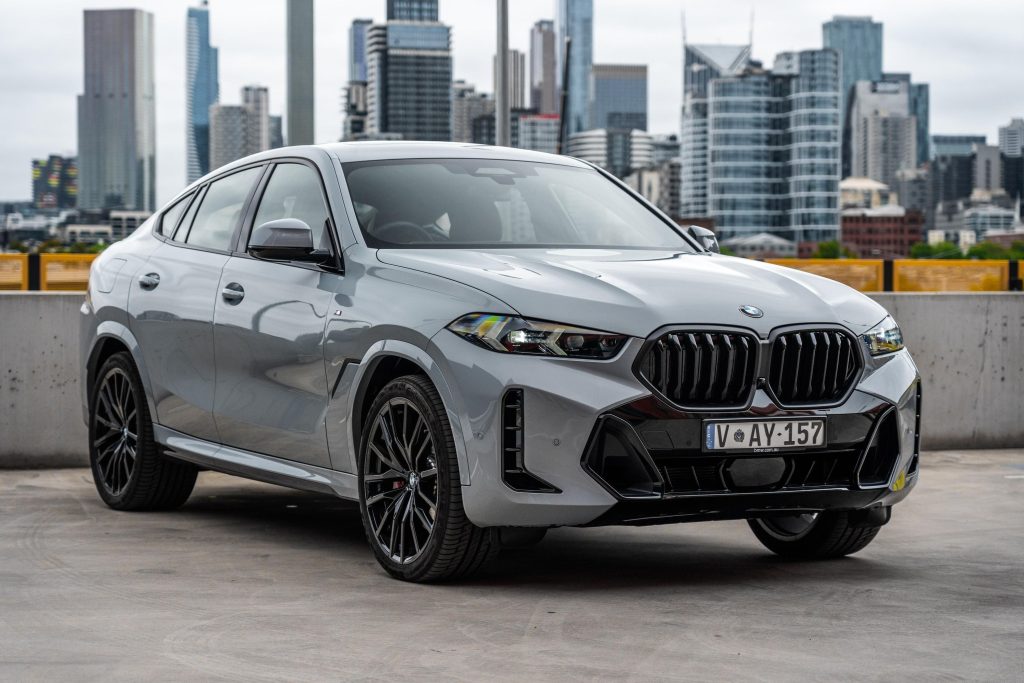
Insurance costs have a different set of drivers. A high replacement value, expensive performance components, and potentially costly collision repairs can all influence premiums. The X6 M also carries substantial weight and power, so insurers assess more than its fuel consumption when estimating risk.
The difference between the two expenses is relatively small, showing that fuel and insurance can both account for a significant portion of the cost of owning a performance SUV. Prospective buyers should compare insurance quotes based on their preferred model year and trim level, then estimate fuel expenses according to their expected driving distance.
7. Mercedes-AMG GT
The Mercedes-AMG GT is built around performance rather than low running costs. Its aggressive styling and powerful engine make it a very different proposition from an ordinary luxury coupe, and the insurance bill reflects the financial exposure associated with owning a high-performance vehicle.
The Zebra’s 2026 ranking places the AMG GT among the ten most expensive vehicles to insure, with an estimated annual premium of $6,073, or about $506 per month. For comparison, the 2026 AMG GT 55 4MATIC+ Coupe returns 16 mpg combined according to the EPA.
Using the EPA’s annual driving assumption of 15,000 miles and its premium-gasoline price assumption, estimated fuel spending comes to approximately $4,850 per year. That puts insurance around $1,223 above fuel.
The engine is a major reason fuel costs remain high. The GT 55 uses a 4.0-liter twin-turbocharged V8, and its EPA rating drops to 14 mpg in city driving. Frequent short trips, traffic, and enthusiastic acceleration can push real-world fuel consumption higher.
Insurance is a separate challenge. Performance components, specialized bodywork, expensive replacement parts, and a high vehicle value can increase the cost of repairing or replacing the car after a serious claim. Even a relatively minor collision can involve costly sensors, lighting, or exterior components.
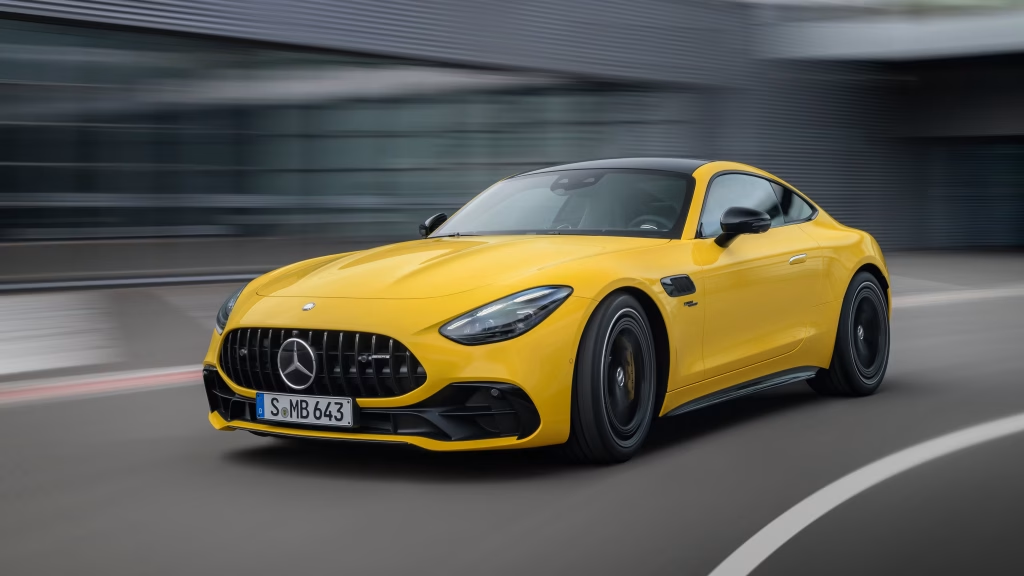
The insurance cost for the GT may vary depending on several factors, including the driver’s age, location, driving record, deductible, and level of coverage. Even so, this comparison highlights the importance of considering expenses beyond premium fuel when planning to own a performance coupe.
Get an insurance quote before purchasing, especially if you are considering a used example whose purchase price may look more affordable.
8. Lucid Air
The Lucid Air changes the comparison because it does not burn gasoline at all. As an electric luxury sedan, it uses electricity for propulsion, making its energy expense much lower than the fuel bills of many powerful gasoline cars. However, its insurance estimate remains among the highest in The Zebra’s 2026 ranking.
The Zebra estimates annual insurance for the Lucid Air at $6,040, or approximately $503 per month. The EPA lists the 2026 Air Pure rear-wheel-drive model with 19-inch wheels at an estimated annual electricity cost of just $500.
On those assumptions, insurance is approximately 12 times the cost of charging energy, a difference of $5,540 per year.
The EPA’s figure assumes 15,000 miles of annual driving and standardized electricity pricing. Actual charging costs depend on the owner’s electricity rate, charging losses, driving habits, and how often the vehicle uses public fast chargers.
Owners who rely heavily on more expensive public charging can spend considerably more than the estimate.
Why is the insurance figure so much larger? The Air is a premium electric vehicle with advanced technology and expensive components. Repairing collision damage can involve specialized procedures, electronic systems, and high-cost parts.
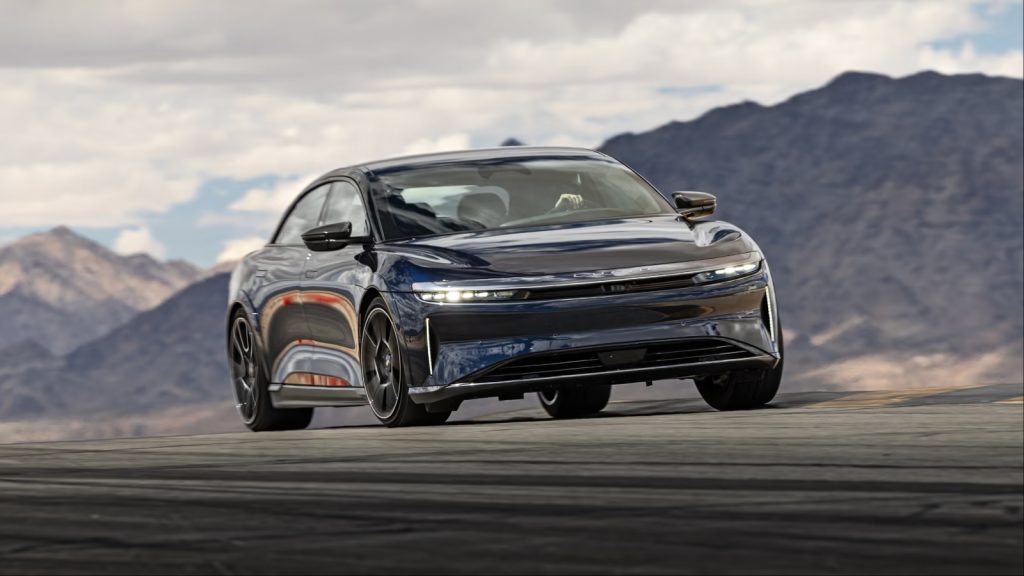
Battery-related damage can also create significant financial exposure for an insurer. These factors can influence premiums even when the car’s energy cost is modest.
Trim selection matters, too. The EPA’s $500 estimate applies specifically to the Pure rear-wheel-drive configuration with 19-inch wheels. Other Air versions consume more electricity and have different annual energy estimates. Buyers should compare insurance quotes and charging costs for the exact version they plan to own.
9. Porsche Panamera
The Porsche Panamera offers a different kind of performance experience. It has the comfort and practicality of a large luxury sedan, but its engineering and driving character are closer to a sports car.
That combination can make it expensive to insure, even though its fuel consumption is not as extreme as some V8-powered vehicles in this list.
The Zebra’s 2026 figures put the Panamera’s average annual insurance premium at approximately $5,791, or about $483 per month. For a consistent fuel comparison, the 2026 Panamera with the 2.9-liter V6 is a useful reference.
The EPA’s 2026 Fuel Economy Guide lists an estimated annual fuel cost of $3,700, based on its standardized annual mileage and premium-gasoline assumptions. Insurance therefore costs approximately $2,091 more per year than fuel.
The Panamera’s EPA combined rating is 21 mpg, with 18 mpg in city driving and 25 mpg on the highway. That is considerably better than the 15 to 16 mpg ratings of some V8-powered cars in this article. However, the car still requires premium gasoline, and frequent city driving can increase the amount spent at the pump.
Its insurance expense reflects a different side of ownership. The Panamera is a premium vehicle with sophisticated electronics, advanced safety equipment, and expensive mechanical components.
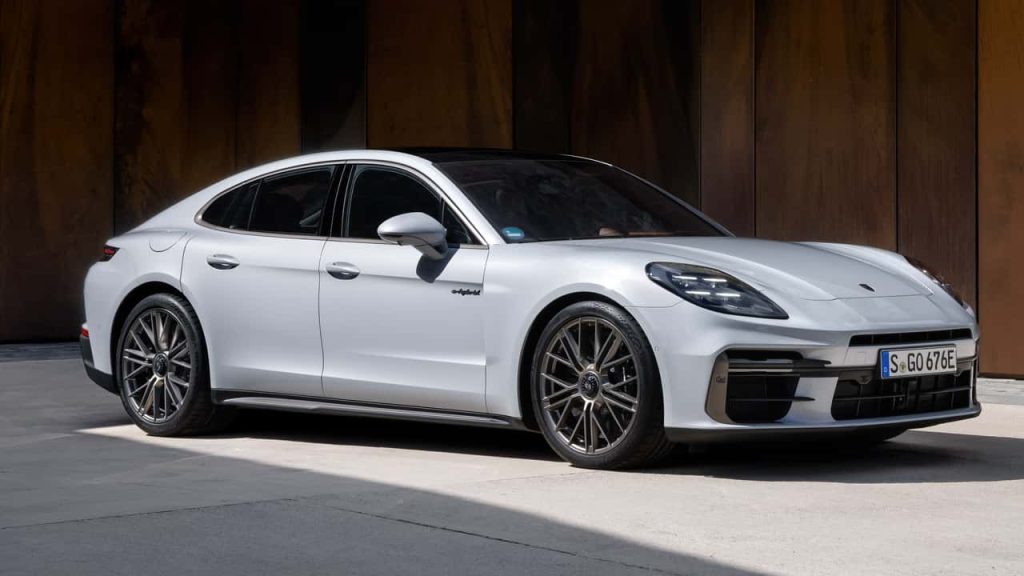
A collision can involve costly repairs, while its replacement value can increase the insurer’s potential payout. Those factors help explain why insurance can exceed fuel spending even when the car delivers relatively respectable mileage for its class.
For prospective owners, the important number is not just the monthly payment. Add insurance, fuel, maintenance, tires, and registration before deciding whether the car fits your budget. A Panamera that looks affordable on the used market may still carry substantial annual ownership expenses.