
When a car gets damaged in an accident, its market value becomes an important factor in the insurance claim process. The amount an insurer offers may be lower than the owner’s expectations, creating confusion and financial concerns.
Insurance companies assess several factors before deciding how much a vehicle is worth, including its age, mileage, condition, repair history, and current market demand.
Understanding these factors can help car owners prepare for valuation discussions and identify possible errors in an insurer’s assessment. This article explains nine common reasons an insurer can lower your car’s valuation and what owners should know.

1. Your Car’s Age and Depreciation
A car loses value as it gets older. Depreciation is a natural part of vehicle ownership, and insurance companies consider it when calculating a vehicle’s current worth. A brand-new car usually has a higher market value than the same model after several years of use.
Most insurers apply depreciation based on the vehicle’s age and applicable insurance policy terms. As the car gets older, its estimated value generally decreases. This can affect the amount considered during an insurance claim, particularly when the vehicle suffers major damage or is declared a total loss.
The original purchase price does not determine the vehicle’s present market value. Even if an owner purchased a car at a premium price, its resale value may have declined significantly over time. Insurers usually consider what the vehicle could reasonably sell for in the current market.
In India, the Insured Declared Value (IDV) plays an important role in comprehensive car insurance policies. IDV represents the insured vehicle’s approximate current value after accounting for depreciation. It is generally used as the basis for calculating the maximum claim amount in total loss and theft cases, subject to policy conditions.
For standard private cars, insurance regulations prescribe depreciation rates for determining IDV. These rates generally increase as the vehicle ages. Cars between three and five years old are usually assessed using a mutually agreed IDV rather than the fixed depreciation percentages applicable to newer vehicles.
Owners should understand that depreciation does not always reflect the actual condition of a vehicle. A well-maintained car may remain in better condition than another vehicle of the same age. However, the insurer’s valuation process may still consider standard depreciation when calculating the insured amount.
Before renewing a policy, compare the proposed IDV with the prevailing market value of similar vehicles. Setting an excessively low IDV can reduce the potential payout in a total loss situation. Selecting a reasonable insured value helps maintain a better balance between premium costs and financial protection.

2. High Mileage and Extensive Usage
The number of kilometres a car has travelled can influence its market value. Vehicles with high mileage generally experience more wear and tear than cars driven less frequently. Insurers may consider the odometer reading when assessing the condition and resale potential of a damaged vehicle.
A car used for 100,000 kilometres may have experienced more mechanical stress than a similar model with 30,000 kilometres on its odometer. Components such as the engine, transmission, suspension, brakes, and clutch can deteriorate with regular use. These factors may affect the estimated resale price.
High mileage does not automatically mean a vehicle is in poor condition. Some cars cover considerable distances while receiving regular servicing and timely maintenance. However, insurers may still consider extensive usage when determining the vehicle’s market worth, depending on the valuation method and claim circumstances.
Commercial use can also influence vehicle valuation. Cars used for taxis, ride-hailing services, delivery operations, or frequent business travel may experience more intensive usage than privately owned vehicles. This can affect their resale value because potential buyers may expect greater component wear.
A vehicle’s maintenance records can help establish its actual condition. Service invoices, authorised workshop records, and receipts for major repairs provide useful evidence that the owner has maintained the car properly. These documents may support a more accurate assessment during a valuation dispute.
Owners should check whether the odometer reading recorded in the insurer’s inspection report matches the actual reading. Incorrect mileage information can lead to an inaccurate assessment. Any discrepancy should be reported with supporting photographs or service records.
Regular maintenance remains important for preserving a vehicle’s resale value. Replacing worn components, maintaining correct tyre pressure, and following recommended service intervals can help prevent unnecessary deterioration. These steps may not eliminate mileage-related depreciation, but they can demonstrate responsible ownership.
3. Previous Accident History
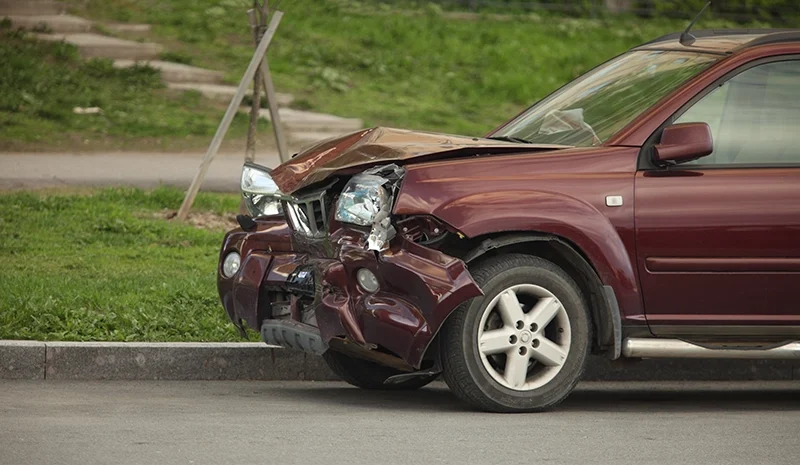
A car that has been involved in previous accidents may receive a lower valuation. Even after professional repairs, a vehicle with a recorded accident history can attract less interest from potential buyers. Insurers may consider this history when assessing the vehicle’s current market condition.
Accident damage can affect several parts of a car, including its chassis, body panels, suspension, steering system, and safety components. Serious structural damage may reduce the vehicle’s resale value because buyers often worry about its long-term reliability and safety.
The extent of previous damage matters. Minor scratches, small dents, and cosmetic repairs usually have a different impact from major collisions involving structural components. An insurer may consider the severity of earlier damage when determining whether the vehicle has suffered a reduction in market value.
Previous insurance claims can also provide information about a vehicle’s accident history. Insurers may review available claim records, inspection reports, and repair documents to understand the nature of earlier incidents. This information can influence their assessment if it indicates significant damage.
Poor-quality accident repairs can create additional concerns. Misaligned body panels, uneven paintwork, incorrect welding, and replacement parts of questionable quality may suggest that the vehicle was not restored properly. These issues can reduce buyer confidence and affect the car’s estimated market price.
Car owners should maintain documents related to previous accidents and repairs. Workshop invoices, photographs taken before and after repairs, and inspection certificates can help establish the quality of completed work. Professional repair documentation may be particularly useful when an insurer questions the vehicle’s condition.
If the insurer includes damage from an earlier accident in its current valuation, owners should review the inspection report carefully. The assessment should distinguish between old damage and the damage caused by the latest incident. Clear documentation can help prevent unrelated repairs from unfairly affecting a new claim.
4. Poor Maintenance and Vehicle Condition
A vehicle’s physical and mechanical condition plays a major role in determining its market value. Cars that receive regular servicing generally have better resale prospects than vehicles with neglected maintenance. Insurers may consider visible damage, mechanical problems, and maintenance deficiencies during the valuation process.
Exterior condition is usually among the first things an assessor examines. Scratches, dents, faded paint, rust, broken lights, and damaged bumpers can reduce the vehicle’s estimated worth. Significant body damage may suggest that the owner has not maintained the vehicle properly.
Interior condition also matters. Torn seats, damaged dashboard components, broken switches, unpleasant odours, and worn carpets can affect buyer interest. A neglected interior may create the impression that other parts of the vehicle have also received insufficient attention.
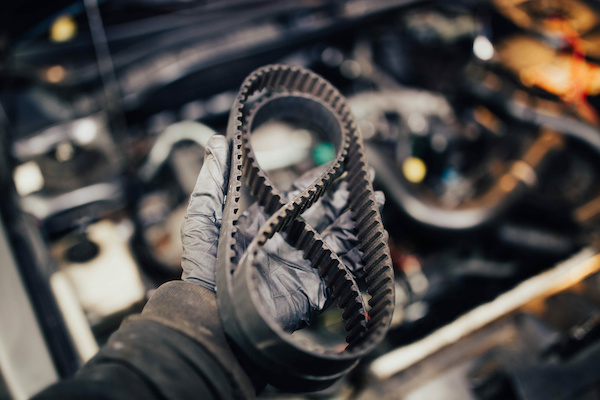
Mechanical problems can have a greater impact on valuation. Engine leaks, transmission issues, faulty suspension, overheating, and unusual noises may indicate expensive repairs. Insurers may consider these problems when determining the vehicle’s condition and estimated resale value.
Tyres are another important factor. Uneven tread wear, damaged sidewalls, and heavily worn tyres can indicate poor maintenance or alignment issues. Since tyre replacement involves additional expenses, potential buyers may offer less for a vehicle that needs immediate attention.
A consistent service history can help demonstrate responsible ownership. Records showing regular oil changes, filter replacements, brake inspections, and scheduled servicing provide evidence that the vehicle has received appropriate care. These documents can support a more accurate condition assessment.
Before an insurance inspection, owners should ensure that the vehicle’s maintenance records are available. Any recent repairs or replacements should be supported by genuine invoices. While routine cleaning cannot reverse mechanical deterioration, a clean and properly documented vehicle makes it easier to assess its actual condition.
5. Modifications and Non-Standard Accessories
Vehicle modifications can affect insurance valuation because not every modification increases a car’s resale value. Some changes may appeal to individual buyers, while others can make the vehicle less attractive to the general market. Insurers may consider whether modifications are approved, declared, and properly documented.
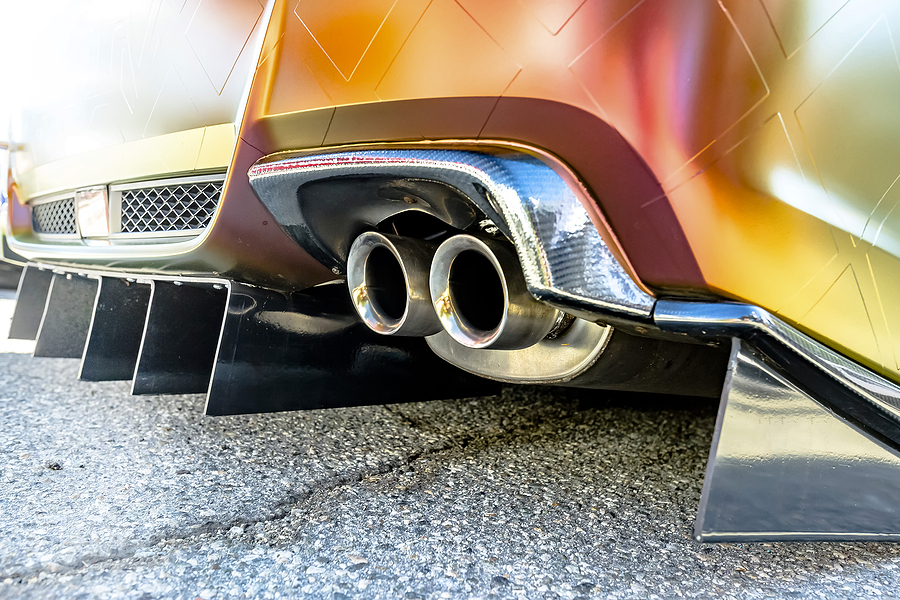
Common modifications include aftermarket alloy wheels, performance exhaust systems, modified suspension, body kits, upgraded headlights, and engine tuning. These changes may increase the owner’s investment in the vehicle, but their cost does not necessarily translate into an equal increase in market value.
Undeclared modifications can create complications during insurance claims. If an owner changes important vehicle components without informing the insurer, the modifications may not receive coverage under the policy. Depending on the policy terms and the nature of the changes, undeclared alterations may also affect claim settlement.
Safety-related modifications require particular attention. Changes to braking systems, suspension components, steering mechanisms, or engine performance should meet applicable legal and technical requirements. Poorly installed modifications may create safety concerns and reduce the vehicle’s market appeal.
Aftermarket accessories also require proper documentation. Expensive infotainment systems, upgraded sound equipment, roof carriers, and specialised lighting may not automatically form part of the vehicle’s insured value. Some policies require accessories to be declared separately and may charge an additional premium.
Owners should distinguish between factory-fitted equipment and accessories installed after purchase. Factory-fitted features are generally considered as part of the vehicle’s standard configuration, while additional equipment may require separate consideration under the insurance policy.
Before making significant changes, check the insurer’s modification and accessory declaration requirements. Keep purchase invoices, installation receipts, and approval documents where applicable. Accurate declarations can help avoid disagreements about coverage and ensure that eligible accessories receive appropriate consideration.
6. Reduced Demand for Your Car’s Model
Market demand has a direct influence on a vehicle’s resale value. Even a well-maintained car can receive a lower valuation if buyers are no longer interested in its model. Insurers may consider current market conditions when estimating what the vehicle is worth.
A model that was popular several years ago may lose demand as newer vehicles enter the market. Updated designs, improved fuel efficiency, modern safety features, and advanced technology can influence buyer preferences. Older models may consequently experience a decline in resale prices.
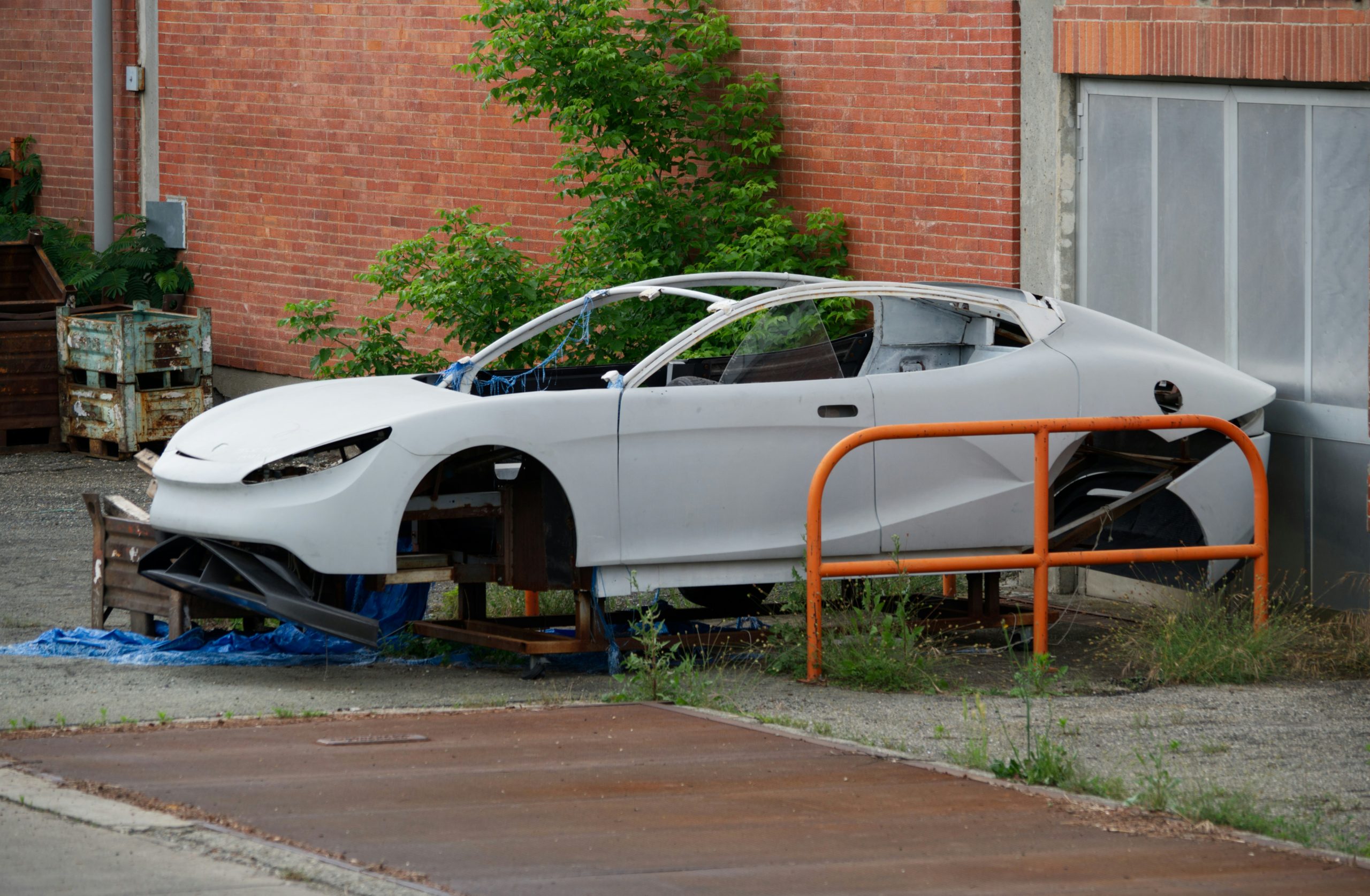
Discontinued models can also face valuation challenges. When a manufacturer stops producing a particular vehicle, the availability of replacement parts and long-term service support may become concerns for buyers. However, the effect depends on the model’s reputation and the availability of aftermarket support.
Fuel type can influence demand as well. Changes in fuel prices, emission requirements, and buyer preferences may affect the resale value of petrol, diesel, and alternative-fuel vehicles differently. Local regulations and restrictions can also influence demand in particular cities.
Regional market conditions are equally important. A particular model may attract strong demand in one location but have limited resale opportunities in another. Road conditions, service centre availability, fuel preferences, and local vehicle regulations can all influence buyer interest.
Insurers may refer to comparable listings, dealer quotations, and available resale information when estimating market value. If similar vehicles are selling at lower prices, the insurer may use those figures to support its valuation. However, comparisons should involve vehicles with reasonably similar specifications and conditions.
Car owners should research the current resale prices of comparable models before accepting a valuation. Checking listings with similar manufacturing years, mileage, fuel types, and variants can provide a clearer picture of market conditions. This information may help identify whether the insurer’s estimate is reasonable.
7. Missing Documents and Incomplete Ownership Records
Vehicle documentation provides important information about ownership, maintenance, and legal status. Missing or incomplete records can make it difficult for an insurer to verify certain details. This may create delays during assessment and affect how confidently the vehicle’s value can be established.
The Registration Certificate (RC) is among the most important documents. It contains essential vehicle information, including registration details, chassis number, engine number, and ownership information. Inaccurate or inconsistent details may create questions during the claim verification process.
A valid insurance policy is also necessary for establishing coverage. Owners should check that the policy details match the vehicle’s registration information. Differences in registration numbers, engine details, or ownership records may require correction before a claim can proceed smoothly.
Service records help establish the vehicle’s maintenance history. Without these documents, an assessor may have limited information about previous servicing and component replacements. This does not automatically justify a lower valuation, but missing records can make it harder to demonstrate the vehicle’s condition.
Purchase invoices and repair bills can also support a valuation assessment. These records help verify the original specifications, additional accessories, and major replacements. They may be particularly useful when the insurer questions whether certain equipment was factory-fitted or installed later.
Ownership transfers should be completed correctly. If a vehicle has changed hands, the registration records should reflect the current registered owner. Incomplete transfer procedures may create complications regarding policy ownership and claim eligibility.
Owners should keep digital and physical copies of essential vehicle documents. Important records include the RC, insurance policy, Pollution Under Control (PUC) certificate where applicable, servicing invoices, repair bills, and accessory purchase receipts. Organised documentation makes it easier to resolve questions during an insurance assessment.

8. Incorrect IDV Selection at the Time of Policy Renewal
The Insured Declared Value is an important part of a comprehensive car insurance policy. It represents the approximate insured value of the vehicle and generally determines the maximum payable amount in total loss and theft claims, subject to the policy’s terms and conditions.
Selecting an IDV that is too low can create financial difficulties when a major claim occurs. For example, if a car has a reasonable market value of ₹7 lakh but its insured value is set considerably lower, the owner may receive less compensation than expected in a covered total loss situation.
A lower IDV can also result in a reduced insurance premium. This may appear financially attractive during policy renewal, but the potential savings should be compared with the reduced protection. Choosing the lowest available IDV without considering the vehicle’s actual value can be a costly decision.
Insurers generally provide an IDV range during policy renewal. The available options may differ depending on the vehicle’s age, manufacturer, model, variant, and applicable valuation guidelines. Owners should review these figures rather than automatically accepting the lowest suggested amount.
A higher IDV generally increases the own-damage premium because the insurer takes on a greater potential financial liability. However, choosing an excessively high figure is not necessarily beneficial. The declared value should remain realistic and consistent with the vehicle’s prevailing market value and policy requirements.
It is important to understand that IDV is not the same as the amount an owner originally paid for the car. It also does not necessarily represent the exact price a buyer would offer in a private sale. It is an insurance valuation used for specific purposes under the policy.
Before renewing the policy, compare quotations from different insurers and review the IDV offered by each company. Check whether the proposed value reasonably reflects the vehicle’s age and condition. This can help avoid unnecessary financial losses when a major claim arises.
9. Availability and Cost of Spare Parts
The availability and cost of replacement parts can influence a vehicle’s resale value. Cars with readily available and reasonably priced components are often easier to maintain. Vehicles that require expensive or difficult-to-source parts may attract lower offers from potential buyers.
Imported vehicles can face additional valuation challenges. Replacement parts may need to be sourced from overseas suppliers, increasing purchase costs and delivery times. These expenses can discourage buyers who are concerned about future maintenance.
Discontinued models may also experience difficulties with spare parts availability. If manufacturers stop supplying certain components, owners may have to rely on specialised dealers or aftermarket suppliers. Limited availability can make routine repairs more complicated and expensive.
The cost of major components matters as well. Expensive engine parts, electronic control units, automatic transmission components, and specialised sensors can increase the estimated cost of ownership. Buyers may consider these potential expenses before deciding how much to pay for a used vehicle.
An insurer assessing a damaged car may consider the cost and availability of replacement components when evaluating repair feasibility. If the estimated repair expenses approach or exceed the applicable total loss threshold, the claim may be handled differently under the policy terms.
However, expensive spare parts do not automatically mean that an insurer can reduce every type of claim payment. The effect depends on whether the assessment concerns the vehicle’s pre-accident market value, repair costs, IDV, or the terms governing a total loss settlement.
Owners of vehicles with specialised components should retain maintenance records and genuine replacement part invoices. These documents can help establish that the vehicle has been maintained using suitable components and that major repairs have been completed properly.