Understanding insurance deductible rules is essential for drivers who want to avoid unexpected expenses after an accident or vehicle damage. A deductible determines how much money a policyholder must pay before their insurance company covers an eligible claim.
While choosing a higher deductible may reduce monthly or annual premiums, certain policy conditions can increase out-of-pocket costs when drivers need financial assistance. Many motorists overlook important details about claim limits, repair costs, multiple incidents, and coverage exclusions.
Knowing how these rules work helps drivers make informed decisions, manage insurance expenses, and avoid costly surprises when filing a vehicle insurance claim.
1. Choosing a Higher Deductible Can Increase Out-of-Pocket Expenses
Selecting a higher deductible is a common way for drivers to reduce their insurance premiums. Insurance companies generally charge lower premiums when policyholders agree to pay more toward covered repairs before coverage applies.
This arrangement can provide savings over time, particularly for motorists who rarely file claims. However, the financial advantage depends on whether drivers can afford the selected deductible when an accident occurs.
A higher deductible means the policyholder must contribute more money toward an eligible insurance claim. For example, if a vehicle requires repairs costing $4,000 and the policy has a $1,500 deductible, the driver generally pays $1,500 while the insurer covers the remaining $2,500, subject to policy terms and coverage limits.
The problem becomes more serious when drivers experience unexpected financial difficulties. Someone who selects a high deductible to save money on premiums may struggle to arrange the required payment after a collision. Without sufficient emergency savings, even a relatively minor accident can create financial pressure.
Drivers should compare premium savings with the additional amount they would need to pay after an accident. Saving $15 per month may not justify accepting an additional $1,000 in deductible responsibility if that amount would be difficult to manage.
Another important consideration is the age and value of the vehicle. Older cars with lower market values may not justify expensive insurance coverage with high deductibles. Repair costs can quickly approach the vehicle’s actual cash value, making the deductible an important part of the financial decision.
Insurance providers may offer different deductible options for collision and comprehensive coverage. These amounts do not always need to match. A driver might choose a lower deductible for comprehensive coverage while accepting a higher amount for collision protection, depending on personal circumstances and available policy options.
Before selecting a deductible, motorists should review their savings, monthly expenses, driving habits, and vehicle replacement costs. The right amount should provide a reasonable balance between affordable premiums and manageable claim expenses.
Reviewing deductible options during policy renewal can also help drivers avoid unnecessary financial exposure. A small premium increase may provide meaningful protection if it reduces the amount required after a covered incident.
2. Collision and Comprehensive Deductibles Can Apply Separately
Many drivers assume their vehicle insurance policy has a single deductible that applies to every type of claim. In practice, collision and comprehensive coverage often have separate deductible amounts. Understanding this distinction is important because the amount payable depends on the type of damage and the coverage responsible for the loss.
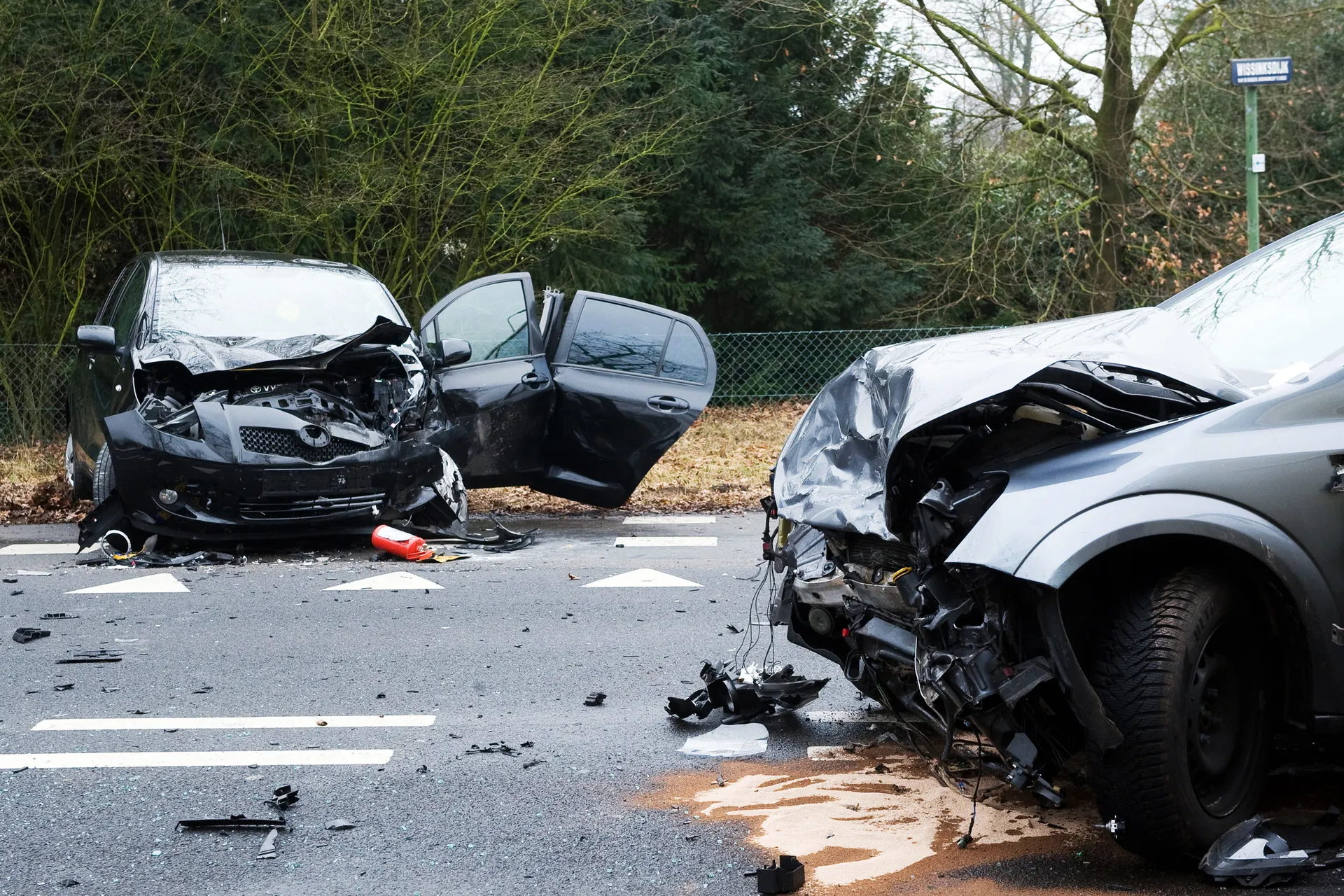
Collision coverage generally applies when an insured vehicle is damaged through contact with another vehicle or object. Common examples include hitting a parked car, striking a roadside barrier, or losing control and colliding with a tree. The policyholder usually pays the applicable collision deductible before the insurer contributes toward covered repair costs.
Comprehensive coverage generally handles certain losses that do not involve a collision. Depending on the policy, these may include theft, vandalism, fire, falling objects, hail, and animal-related damage. A separate comprehensive deductible may apply when the driver files this type of claim.
Having two deductibles can increase the total amount a driver pays during a year if separate incidents occur. For example, a motorist might experience storm damage in one month and a collision several months later. If both claims fall under different coverage sections, each deductible may apply independently.
The distinction becomes particularly important when damage involves multiple causes. An accident involving a vehicle and a falling object may require the insurer to determine which coverage applies to each part of the loss. The final deductible treatment depends on the circumstances and the specific policy language.
Some insurers provide different deductible options for comprehensive coverage because certain non-collision losses may be more common in particular locations. Drivers living in areas with frequent storms, heavy traffic, or significant wildlife activity may want to consider these risks when choosing coverage.
Motorists should also understand that comprehensive and collision deductibles are generally separate from liability coverage. Liability insurance typically pays for covered injuries or property damage suffered by other parties when the insured driver is legally responsible. It generally does not pay for repairs to the policyholder’s own vehicle.
Reading the declarations page can help drivers identify the deductible assigned to each coverage type. This document usually summarizes important policy information, including coverage limits, premiums, and deductible amounts.
Understanding these differences before an accident occurs can prevent confusion during the claims process. Drivers should ask their insurance providers to explain how each deductible works and whether any special conditions apply to particular types of losses.

3. Multiple Accidents Can Lead to Multiple Deductible Payments
A single deductible payment may seem manageable, but several separate accidents can increase insurance expenses considerably. Insurance policies generally apply deductibles according to the covered loss or claim rather than automatically limiting drivers to one payment per year.
For instance, a driver may damage a vehicle in a parking lot and experience a separate collision several weeks later. If the incidents are treated as two independent claims, the insurer may require the driver to pay the applicable deductible for each covered loss.
This rule can become expensive for motorists who frequently drive through congested areas or regularly travel long distances. Even minor accidents can create repair bills that require substantial contributions from the vehicle owner.
The timing of incidents also matters. When two accidents happen close together, drivers sometimes assume they can combine the damage into a single insurance claim. However, insurers generally investigate the circumstances to determine whether the damage resulted from one event or multiple incidents.
Accurate documentation is particularly important in these situations. Photographs, repair estimates, accident reports, and incident dates can help establish when the damage occurred. Providing clear information allows the insurance company to evaluate the claim under the appropriate policy provisions.
Drivers should avoid waiting too long to report separate incidents. Delayed reporting can make it harder to establish the cause of damage and may create complications during claim investigations. Policyholders should follow their insurer’s reporting requirements and provide truthful information.
Some policies contain specific provisions for related damage or multiple losses arising from a single event. These provisions may affect how deductibles are applied. However, drivers should not assume that several damaged areas automatically qualify for one deductible.

4. Filing a Claim for Minor Damage May Not Always Be Financially Beneficial
Insurance exists to protect drivers from significant financial losses, but filing every small damage claim may not be the most practical decision. When repair costs are close to the deductible, the amount received from the insurance company may be limited or nonexistent.
Consider a vehicle with $900 in repair damage and a $1,000 collision deductible. In this situation, the policyholder would generally need to pay the entire repair bill because the covered damage does not exceed the deductible.
A similar problem occurs when repair expenses are only slightly higher than the deductible. If repairs cost $1,200 and the deductible is $1,000, the insurer may contribute just $200, assuming the damage is covered and the claim is approved.
For some drivers, filing such a claim may provide limited financial value. The decision becomes more complicated when considering the possibility that a claim could affect future premiums, depending on the insurer’s rules and the driver’s location.
Before submitting a claim, motorists should obtain a repair estimate and compare it with the deductible shown in their policy. This simple calculation provides a clearer picture of the potential insurance payment.
However, drivers should not ignore significant damage simply because they are concerned about future insurance costs. Hidden structural problems, damaged safety equipment, or mechanical issues may increase repair expenses beyond the original estimate.
It is also important to understand reporting requirements. Some insurance contracts require prompt notification of certain accidents or losses, even when the policyholder does not immediately intend to request payment. Drivers should review their obligations rather than assume that an unfiled claim has no reporting implications.
5. Deductibles Can Apply Even When Another Driver Causes the Accident
Many motorists believe they never need to pay a deductible when another driver causes an accident. This assumption can lead to confusion when a claim involves an uninsured motorist, disputed liability, or delays in determining responsibility.
When a driver uses their own collision coverage to repair their vehicle, the applicable deductible may still apply even if another motorist appears responsible. The insurance company may later attempt to recover the payment from the responsible driver’s insurer or through a legal recovery process.
This process is commonly known as subrogation. It allows an insurer that has paid a covered claim to pursue recovery from the party responsible for the loss, subject to applicable law and policy terms.
If the insurer successfully recovers money, the policyholder may receive a full or partial deductible reimbursement. However, reimbursement is not always immediate or guaranteed. It depends on whether recovery is possible and how the recovered amount is allocated.
Uninsured motorist property damage coverage may provide an alternative in certain situations. Availability, eligibility requirements, and deductible rules vary by state and insurance provider. Some policies may offer this protection with a lower deductible or no deductible under specific conditions.
Disputed liability can create further complications. If both drivers provide different accounts of the accident, insurers may need to investigate statements, photographs, police reports, and other evidence before determining responsibility.
Drivers should collect relevant information at the accident scene when it is safe to do so. This may include the other driver’s contact information, insurance details, vehicle registration, witness information, and photographs of the damage.
6. Insurance Deductibles May Be Higher for Certain Types of Damage
Insurance policies do not always apply the same deductible to every covered incident. Some insurers offer different deductible structures based on the type of loss, vehicle characteristics, location, and selected coverage options.
Windshield damage is a common example. Certain insurers provide separate glass coverage with a reduced deductible or no deductible for eligible repairs. Other policies apply the standard comprehensive deductible, which may make replacing damaged glass more expensive for the vehicle owner.
Weather-related damage can also create unexpected expenses. Hailstorms, falling branches, flooding, and severe winds may cause significant vehicle damage. Comprehensive coverage may apply to eligible losses, but the deductible still depends on the terms of the contract.
In areas exposed to hurricanes or other severe weather events, some policies may contain special windstorm or named-storm deductible provisions. These deductibles can be calculated differently from standard fixed-dollar amounts.
For example, a policy may include a percentage-based deductible tied to the insured value of the vehicle or another specified coverage amount. This can result in a larger payment than drivers expect if they only consider the standard deductible printed on their insurance documents.
The location where a vehicle is registered or primarily kept may influence the coverage options available. Insurers assess different risks when designing policies, and regional regulations may also affect deductible provisions.
Drivers should pay close attention to exclusions and limitations. Flood damage, for example, is generally associated with comprehensive coverage when included in the policy, but coverage depends on the contract and the circumstances of the loss. Liability-only insurance does not ordinarily cover damage to the policyholder’s own vehicle.

7. Deductibles Usually Apply Before Insurance Coverage Pays for Repairs
A common misunderstanding among policyholders is that insurance companies pay repair shops first and collect the deductible afterward. In many situations, the deductible is deducted from the approved claim payment or collected from the policyholder before the remaining repair costs are settled.
For example, assume a covered accident results in $5,000 of approved repair expenses and the policy has a $750 deductible. The insurance company may pay $4,250, while the driver remains responsible for the remaining $750.
When an insurer pays a repair shop directly, the driver may need to pay the deductible to the shop before the vehicle is released. The exact payment arrangement depends on the insurer, repair facility, and claims process.
This requirement can create difficulties for drivers who do not have enough available cash. Even when an insurance company approves a claim, repairs may be delayed until the deductible amount is arranged.
Some repair facilities offer payment plans or financing options, but these arrangements are separate from the insurance contract. Drivers should review any financing agreement carefully, including interest rates, fees, and repayment conditions.
It is also important to understand the difference between an insurance estimate and the final repair bill. Initial estimates may change when technicians identify hidden damage after removing vehicle panels or inspecting internal components.
When additional damage is discovered, the repair shop may submit a supplementary estimate to the insurance company. The insurer then reviews the additional work to determine whether it falls within the covered loss.
8. A Deductible Does Not Guarantee Coverage for Every Repair
Paying a deductible does not mean an insurance company must cover every type of vehicle damage. A deductible applies only when a loss qualifies under the relevant policy coverage and satisfies the required conditions.
For example, collision coverage may pay for eligible damage caused by an accident, but it generally does not cover routine maintenance or ordinary mechanical wear. A vehicle experiencing engine failure because of age or inadequate maintenance would not normally qualify as a collision claim.
Comprehensive coverage also has limitations. It may cover theft, fire, vandalism, or certain weather-related losses, but it does not automatically protect against every possible cause of vehicle damage.
Policy exclusions play an important role in determining whether a claim qualifies. Common exclusions may involve intentional damage, racing activities, certain commercial uses, or losses that fall outside the purchased coverage.
Drivers who use personal vehicles for business purposes should check whether their insurance policy allows the intended activity. Certain delivery or rideshare arrangements may require additional coverage or a specialized policy.
Another issue involves inaccurate information provided when purchasing insurance. If a policyholder gives incorrect details about vehicle ownership, usage, drivers, or the location where the car is primarily kept, the insurer may investigate whether the policy was issued using accurate information.
Maintenance records can also become relevant when an insurer investigates the cause of damage. While ordinary wear is generally excluded, a loss involving a covered event may require careful evaluation to separate accident-related damage from pre-existing problems.

9. Policy Changes Can Affect Your Deductible Without Proper Attention
Insurance policies can change during renewal or when drivers request modifications to their coverage. These changes may affect deductible amounts, premiums, and the financial responsibility associated with future claims.
Some motorists focus primarily on the premium displayed during renewal and overlook changes to the deductible. A lower annual payment may appear attractive, but it could come with a higher deductible that increases expenses after an accident.
Drivers should compare their current policy with the renewal documents before accepting new terms. Important details include collision deductibles, comprehensive deductibles, coverage limits, exclusions, and additional endorsements.
Changing vehicles can also affect deductible decisions. A newer vehicle may have higher repair or replacement costs than an older model. Drivers should consider whether their existing deductible remains suitable for the replacement vehicle.
Adding another driver to a policy may also change premiums and coverage conditions. Young or inexperienced drivers can influence insurance costs, and policyholders should understand how the insurer handles deductibles when multiple listed drivers use the insured vehicle.
Some insurance companies offer deductible reductions through optional programs, safe-driving benefits, or loyalty arrangements. These features may reduce the amount a policyholder pays after a qualifying claim, but eligibility requirements and restrictions vary.
It is important to read the terms of these programs rather than assume that every claim qualifies for a reduced deductible. Certain incidents, coverage types, or policy periods may be excluded from the benefit.