
A total loss can create financial challenges that extend far beyond the damage to a vehicle or property. When an insurance company declares an asset a total loss, policyholders often expect the settlement to cover their expenses and help them move forward.
However, several insurance charges, deductions, and additional costs may affect the final amount they receive. Understanding these expenses can help individuals prepare for unexpected financial responsibilities, review their policy carefully, and avoid unnecessary surprises during the claims process.
Knowing what to expect also makes it easier to communicate with insurers and make informed decisions after a major loss.
1. Insurance Deductible Charges
An insurance deductible is the amount a policyholder must pay toward a covered claim before the insurer provides the remaining payment. This charge can apply even when a vehicle or property has been declared a total loss. The deductible is generally specified in the insurance policy and depends on the coverage selected when the policy was purchased.
For example, if a vehicle has an insured settlement value of $20,000 and the policy includes a $1,000 deductible, the insurer may subtract that amount from the settlement. The policyholder would then receive $19,000, assuming no other adjustments apply.
The deductible amount varies depending on the insurance company, coverage type, and policy terms. Some policies offer lower deductibles in exchange for higher premiums, while others allow customers to choose larger deductibles to reduce their regular insurance costs.
In situations involving accidents caused by another driver, the deductible may be recoverable through the other driver’s insurance, depending on liability findings and applicable laws. Some insurers also waive the deductible under specific circumstances.
Policyholders should review their declarations page to identify the applicable deductible before accepting a settlement. Understanding this figure helps prevent confusion when the final payment differs from the vehicle’s estimated market value.
Comprehensive and collision coverage may have separate deductibles. For instance, damage caused by theft, flooding, or falling objects may fall under comprehensive coverage, while collision coverage generally applies to accidents involving another vehicle or object.
It is also important to understand that a deductible is not necessarily a separate bill. Insurers commonly subtract it directly from the settlement amount rather than requesting an additional payment.
Before agreeing to the final claim calculation, ask the insurance representative to explain how the deductible was applied. A clear breakdown can help identify errors and ensure the settlement follows the policy’s conditions.

2. Outstanding Loan Balance
When an insured vehicle is financed, the remaining loan balance can become a major financial concern after a total loss. Insurance companies generally calculate settlements using the vehicle’s actual cash value immediately before the incident, rather than the amount the owner originally paid or still owes.
If the insurance settlement is lower than the outstanding loan balance, the vehicle owner may remain responsible for paying the difference. This situation is commonly known as negative equity.
For example, imagine a driver owes $25,000 on a vehicle, but the insurance company determines its actual cash value to be $21,000. After a $1,000 deductible, the settlement may be $20,000. The driver could still owe $5,000 to the lender.
The loan agreement does not automatically disappear when the vehicle is declared a total loss. Borrowers must continue meeting their financial obligations until the lender confirms that the debt has been settled or otherwise resolved.
The difference can be particularly difficult for people who recently purchased a vehicle with a small down payment. Depreciation can reduce the vehicle’s market value faster than the loan principal decreases.
Gap insurance may help cover the difference between the eligible insurance settlement and the remaining loan balance. However, coverage limits, exclusions, and deductible treatment depend on the specific agreement.
Drivers should contact their lender after receiving a total loss determination. Requesting an updated payoff statement helps establish the exact amount required to close the account.
Reviewing loan protection options before purchasing a vehicle can also reduce future financial exposure. Buyers who finance a large portion of a vehicle’s purchase price should understand how negative equity could affect them after an accident.

3. Gap Insurance Costs
Gap insurance is designed to protect vehicle owners when the outstanding loan or lease balance exceeds the amount paid by standard auto insurance after a covered total loss. The coverage can be particularly useful for people who finance expensive vehicles or make relatively small down payments.
The term gap refers to the financial difference between the insurance settlement and the remaining amount owed to the lender. Without suitable protection, the vehicle owner may need to pay this difference using personal funds.
Gap coverage is available through certain auto insurers, dealerships, lenders, and specialized insurance providers. The price varies according to the provider, vehicle, financing arrangement, and coverage conditions.
For example, a vehicle owner might owe $30,000 when an accident occurs, while the insurer values the damaged vehicle at $24,000. If the applicable deductible is $1,000, the standard settlement could leave a $7,000 difference before considering any gap coverage.
However, gap insurance does not necessarily cover every financial obligation. Some agreements exclude overdue payments, extended warranties, unpaid insurance premiums, or additional fees associated with the loan.
Certain policies also limit the maximum amount they will pay. Owners should examine these restrictions before assuming the entire outstanding balance will be covered.
Gap insurance may already be included in a lease agreement or purchased through a dealership. Reviewing existing documents can prevent customers from paying twice for similar protection.
After a total loss, policyholders should contact both the primary auto insurer and the gap insurance provider. The gap insurer usually requires documentation showing the vehicle valuation, deductible, settlement amount, and current loan balance.
Understanding these requirements before filing a claim can make the process easier. It also helps borrowers identify whether they have any remaining financial responsibility after the standard insurance settlement.
4. Vehicle Storage and Towing Charges
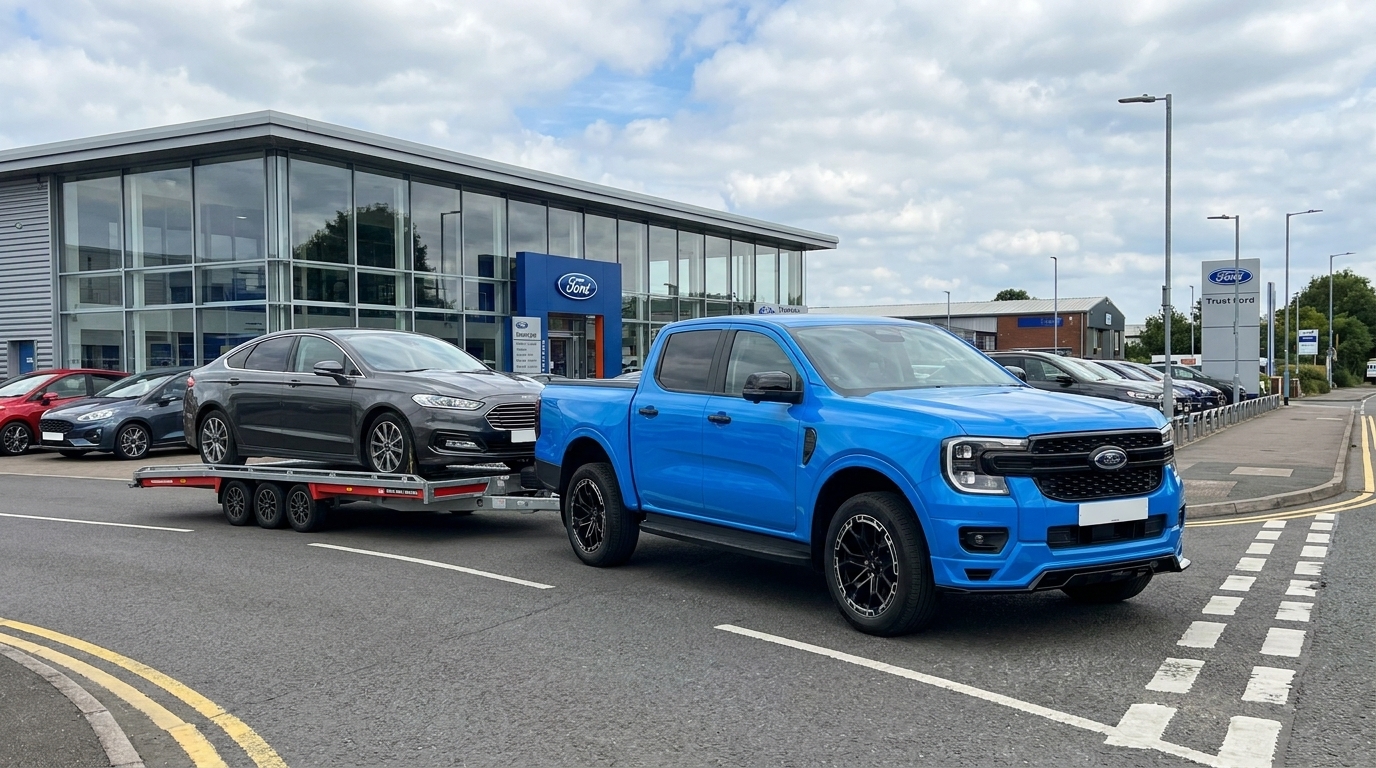
A damaged vehicle may need to be transported from the accident location to a repair facility, salvage yard, or approved storage location. These services can create additional expenses after a total loss, particularly when the vehicle cannot be driven safely.
Towing charges depend on several factors, including distance, vehicle condition, location, and the service provider. Recovery operations involving damaged vehicles may cost more than ordinary roadside assistance.
Storage fees can also accumulate while the insurance company investigates the claim. Some facilities charge daily rates for keeping damaged vehicles on their premises, which can become expensive when the settlement process takes longer than expected.
Insurance policies sometimes include coverage for reasonable towing and storage expenses following an insured accident. However, payment limits and approval requirements differ between providers.
Policyholders should ask their insurance representative which towing companies and storage facilities are approved. Using an authorized provider may reduce disputes about reimbursement.
It is also important to keep receipts, invoices, and written communication related to vehicle transportation. These documents provide evidence of the expenses and make it easier for the insurer to evaluate reimbursement requests.
Once a vehicle has been declared a total loss, the owner should discuss its removal arrangements with the claims representative. Leaving the vehicle at a storage facility without confirming responsibility for ongoing charges can create avoidable expenses.
Taking action promptly can help control storage costs. However, owners should never authorize the release or disposal of a vehicle without understanding the insurer’s requirements and any applicable ownership transfer arrangements.

5. Rental Car and Transportation Expenses
A total loss can leave a vehicle owner without reliable transportation. Rental cars, taxis, rideshare services, and public transportation may become necessary while the insurance claim is being processed and a replacement vehicle is arranged.
Rental reimbursement coverage can help pay for temporary transportation following a covered accident. This benefit is generally optional and may include a daily spending limit and a maximum number of covered days.
For instance, a policy might provide $40 per day toward a rental vehicle, subject to a total coverage limit. If the selected rental car costs more than the permitted amount, the policyholder may need to pay the difference.
Some insurers continue rental coverage until a specified period after making a total loss settlement offer. The exact deadline depends on the policy language and applicable regulations.
Policyholders should not assume that rental expenses will be covered indefinitely. They should contact the claims department to confirm the approved rental period and the maximum reimbursement amount.
People who do not have rental reimbursement coverage may need to arrange transportation independently. These expenses can become significant when replacement vehicles are expensive or difficult to find.
Keeping receipts for eligible transportation expenses is important. Depending on the policy and circumstances, the insurer may reimburse certain costs, but coverage should be confirmed before assuming payment is available.
Reviewing rental reimbursement limits when purchasing auto insurance can help prevent financial pressure later. A slightly higher coverage limit may provide greater flexibility during a lengthy claims process.

6. Vehicle Registration and Administrative Fees
Replacing a vehicle after a total loss can involve several administrative expenses. These charges are generally separate from the insurance deductible and may not be included in the standard settlement.
Vehicle registration fees are among the most common expenses. Depending on the state or country, buyers may need to pay for registration transfers, new plates, title documentation, or other government-required services.
Some locations also charge vehicle inspection fees before a replacement car can be registered. Requirements vary depending on the vehicle’s age, condition, emissions standards, and local regulations.
Sales tax may also apply when purchasing a replacement vehicle. In certain jurisdictions, insurance settlements or replacement purchases qualify for specific tax treatment, while others require buyers to pay applicable taxes in full.
Administrative charges can also arise when transferring ownership documents or closing financing arrangements. These costs depend on local procedures and the lender’s requirements.
Policyholders should maintain copies of their registration documents, purchase agreements, and receipts. Such records may be useful when discussing reimbursement or replacement-related benefits with an insurer.
Some auto insurance policies offer additional coverage for registration-related expenses or replacement costs. These benefits are not universal, so customers should review their policy documents carefully.
Before purchasing a replacement vehicle, it is sensible to calculate the expected registration, title, and tax expenses. Including these amounts in the replacement budget can prevent unexpected financial pressure.

7. Unpaid Insurance Premiums
Insurance premiums are regular payments made to maintain an active insurance policy. When a vehicle is declared a total loss, the policy does not necessarily end automatically, and outstanding premium obligations may still affect the account.
If a policyholder has missed a scheduled payment, the insurer may deduct an outstanding amount from the claim settlement when permitted by the policy and applicable law.
For example, an account with an unpaid premium of $300 may have that amount reflected in the final settlement calculation. The exact treatment depends on the insurance agreement and local regulations.
Customers who pay premiums monthly should review their billing statements after receiving a total loss determination. This helps identify outstanding amounts and prevents misunderstandings about settlement deductions.
Policyholders should also ask whether any prepaid premium is refundable after the damaged vehicle is removed from the policy. Refund eligibility depends on the insurer’s billing practices, policy cancellation date, and other coverage arrangements.
Drivers who replace their vehicle may be able to transfer their existing policy to the new car. However, premiums may change because of differences in vehicle value, safety features, location, and coverage requirements.
It is important not to cancel insurance prematurely. A replacement vehicle may require continuous coverage, and financing agreements often require borrowers to maintain specific insurance protections.
Requesting a written account statement from the insurer can clarify outstanding premiums, refunds, and other billing adjustments. This information makes it easier to understand the final financial position after a total loss.

8. Salvage Value and Ownership Deductions
When an insurance company declares a vehicle a total loss, the damaged vehicle may still have some remaining value. This amount is commonly known as salvage value and represents what the vehicle could be worth through resale, dismantling, or recovery of usable parts.
In a standard total loss settlement, the insurer may take ownership of the damaged vehicle in exchange for paying the agreed settlement amount. The salvage value is generally reflected in the insurer’s financial calculations.
However, some vehicle owners may choose to retain the damaged vehicle. This arrangement is often called owner-retained salvage.
When the owner keeps the vehicle, the insurer may deduct its estimated salvage value from the settlement. This means the policyholder receives less money because they retain an asset that still has potential value.
For example, if a vehicle’s agreed actual cash value is $18,000 and its estimated salvage value is $3,000, an owner-retained settlement may be reduced by that amount, along with any applicable deductible.
Keeping a damaged vehicle can involve additional expenses. Owners may need to arrange transportation, storage, repairs, inspections, and title-related documentation before the vehicle can be used or sold.
Some jurisdictions issue salvage or rebuilt titles to vehicles that have sustained substantial damage. These titles can affect resale value, registration eligibility, and future insurance options.
Before accepting an owner-retained settlement, customers should ask the insurer for a detailed explanation of the salvage valuation and applicable deductions. They should also investigate local rules governing damaged vehicle ownership.
Comparing the financial benefits of retaining the vehicle with the costs of repairs and disposal can help owners make a sensible decision. A lower settlement may not be worthwhile if restoring the vehicle requires substantial additional spending.

9. Replacement Vehicle and Coverage Adjustment Costs
Purchasing a replacement vehicle after a total loss can introduce additional insurance expenses. The new vehicle may have a different market value, repair cost, safety rating, theft risk, or insurance classification than the previous one.
These factors can influence the premium charged by the insurer. A more expensive replacement vehicle may require higher comprehensive and collision premiums, particularly when it is financed.
Drivers may also need to adjust their coverage limits. For example, someone who previously carried basic liability coverage might need comprehensive and collision protection to meet a lender’s requirements.
A replacement vehicle may have additional insurance requirements because of its financing arrangement. Lenders commonly require sufficient physical damage coverage to protect their financial interest in the vehicle.
Some customers may choose additional benefits, such as roadside assistance, rental reimbursement, or new car replacement coverage. These options can increase the annual or monthly insurance premium.
Policyholders should also consider the cost of insuring vehicles with expensive parts or advanced technology. Features such as specialized sensors, electronic systems, and costly replacement components can influence repair expenses and insurance pricing.
When replacing a totaled vehicle, it is advisable to request an insurance quote before completing the purchase. This allows buyers to understand the expected premium and include it in their transportation budget.
Reviewing several insurance options can help identify suitable coverage at a competitive price. However, customers should compare policy limits, exclusions, deductibles, and benefits rather than choosing a provider based only on the lowest quoted premium.