Most drivers pay close attention to what happens in front of their vehicles, but what about the back seat? The items you carry, the way passengers sit, and even how you arrange your belongings can affect your safety and compliance with traffic laws. Something as ordinary as an open bottle, an unsecured toolbox, or a child sitting without the proper restraint could lead to a traffic citation or an unexpected police stop.
Some violations are easy to overlook because they happen behind the driver’s seat. However, knowing what to watch for can help you avoid unnecessary fines and keep everyone in your vehicle safer. Here are eight things in your back seat that deserve your attention before your next drive.
1. Unbuckled passengers
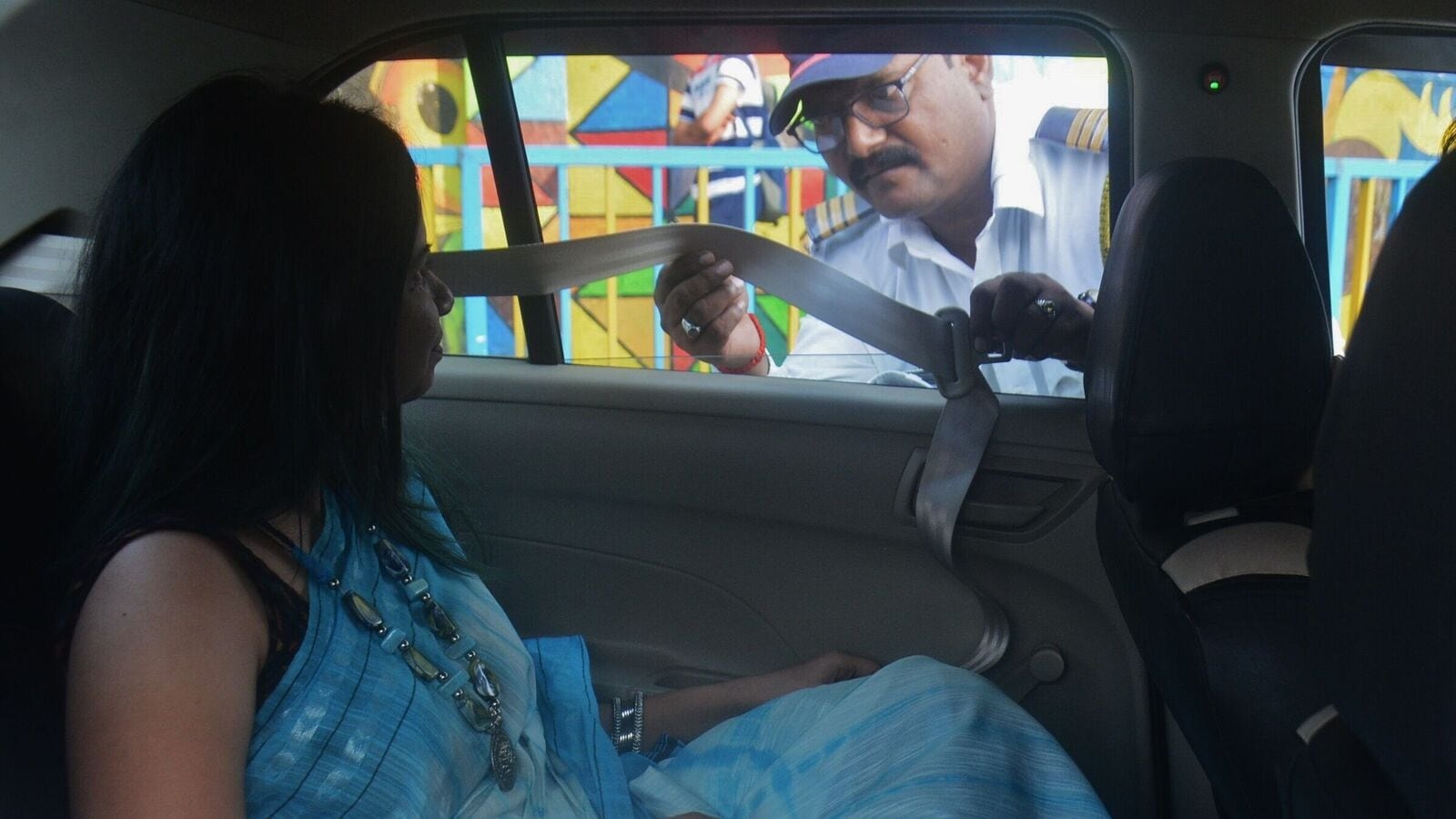
That familiar reminder to buckle up applies to everyone inside your vehicle, not just the driver and front-seat passenger. If someone is sitting in the back without wearing a seat belt, you could face a traffic citation depending on the laws in your state.
Many states require adult passengers to wear seat belts regardless of where they sit. Some also hold drivers responsible for ensuring that younger passengers are properly restrained. The specific rules, age requirements, and penalties vary by jurisdiction.
It is easy to overlook this issue when taking a short trip. A friend might climb into the back seat and promise to buckle up later, or a passenger may remove the seat belt because it feels uncomfortable. Neither situation makes riding without a restraint safe or lawful.
Before starting the engine, check that everyone has fastened their seat belt correctly. The shoulder strap should cross the chest, while the lap belt should sit low across the hips. Avoid placing the belt behind the back or underneath the arm.
Even a brief drive to a nearby store can involve sudden braking or a collision. An unbuckled passenger can suffer serious injuries and may also strike other occupants inside the vehicle.
2. Improperly seated or unrestrained children
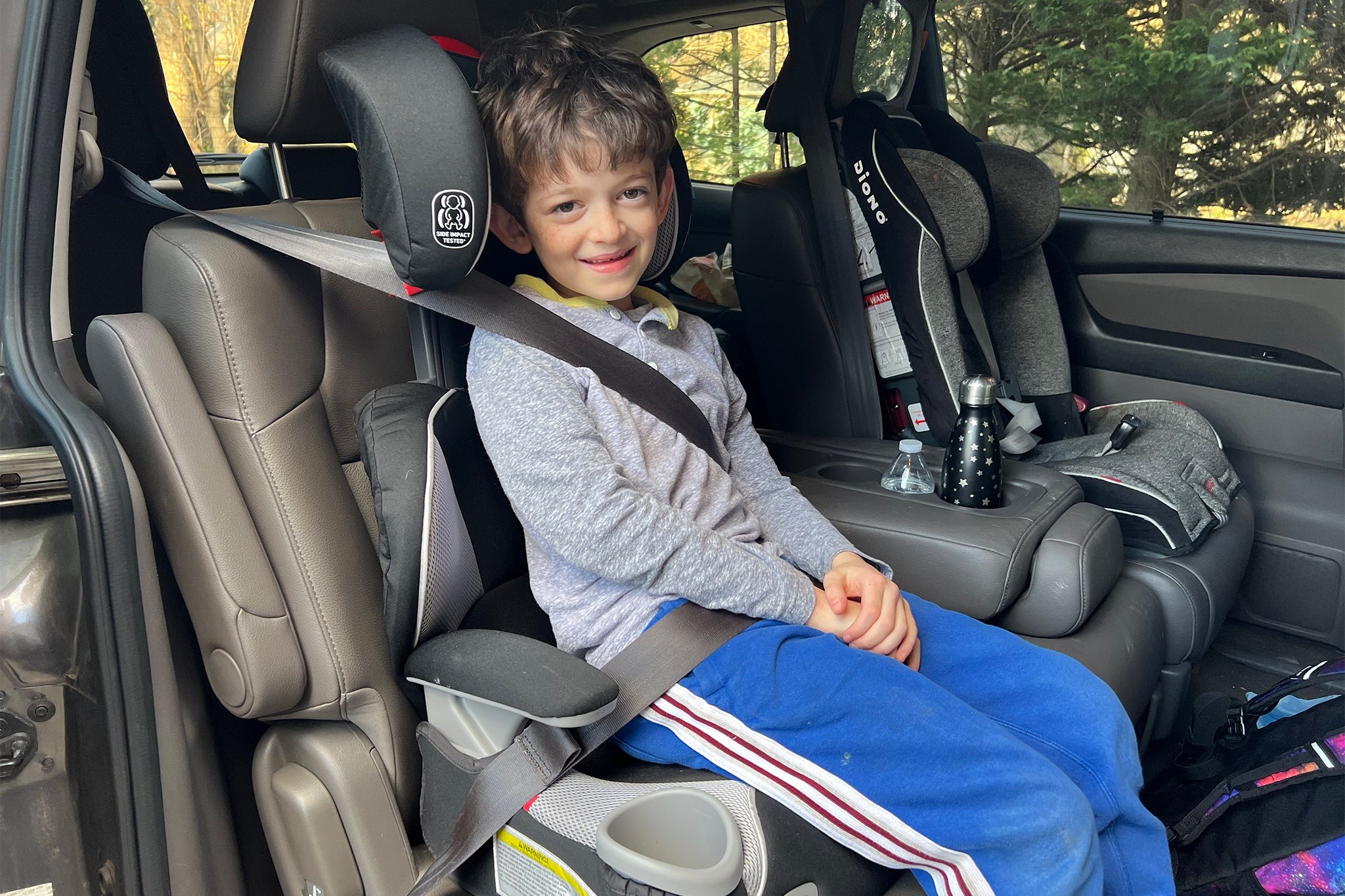
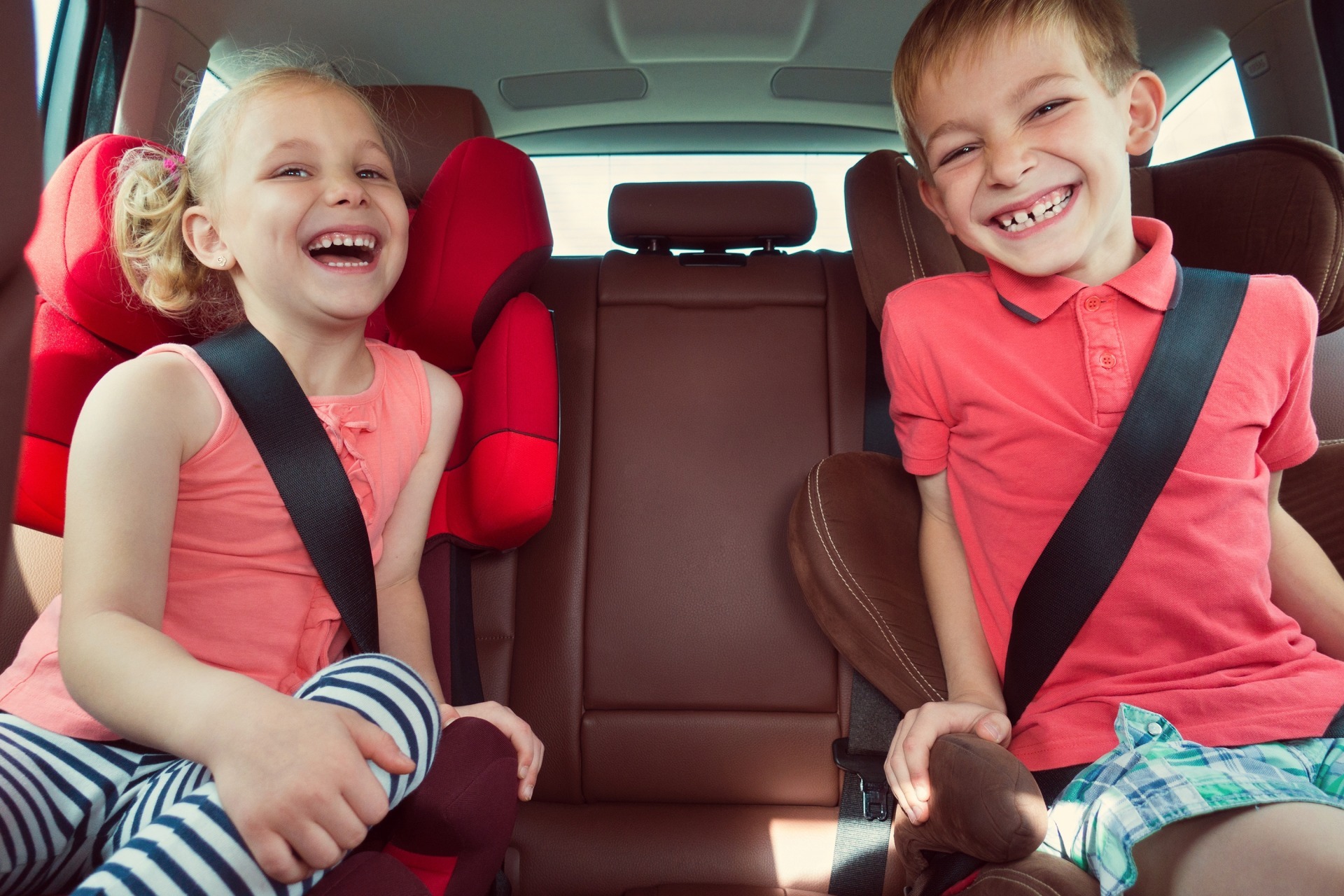
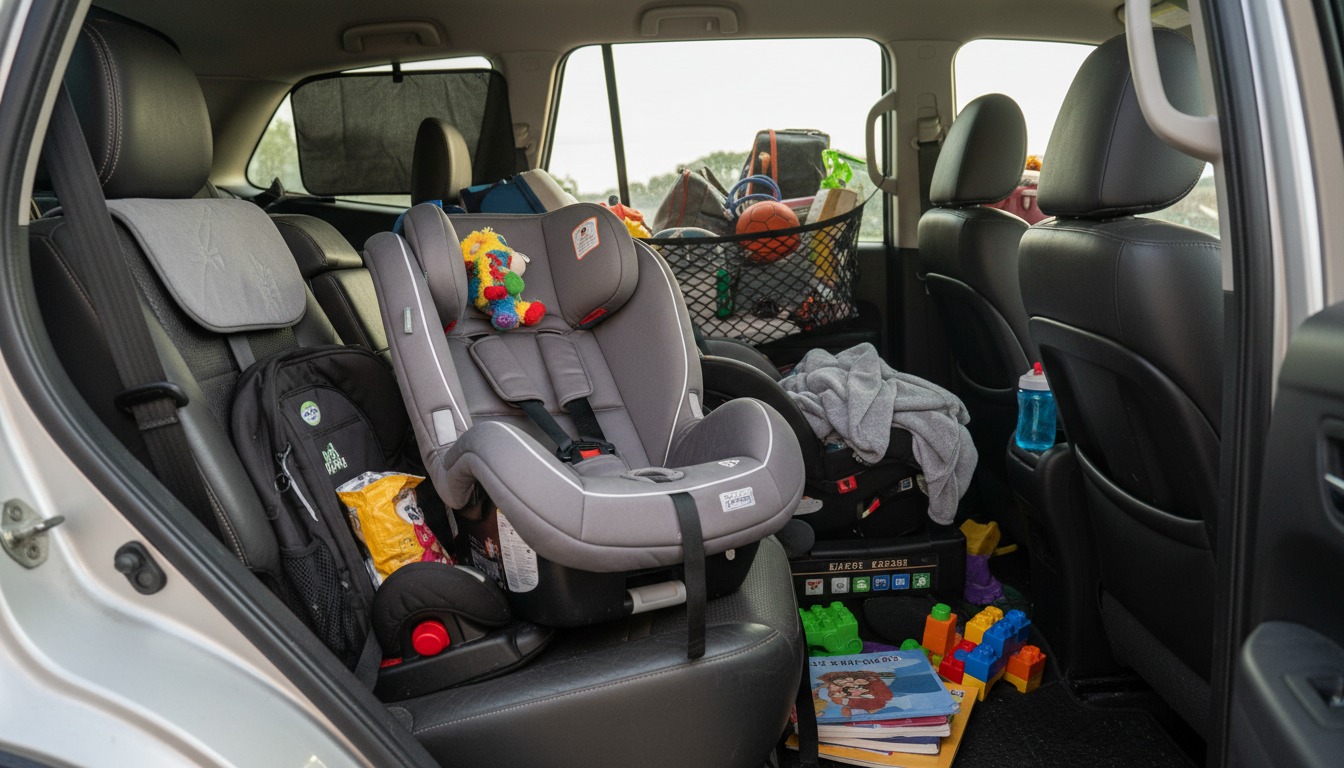
Children need more than a regular seat belt when their age, height, or weight requires a specialized restraint. Placing a young child directly on the back seat without the appropriate safety equipment can expose you to a traffic citation.
Child passenger safety laws differ across states, but they commonly establish requirements for rear-facing car seats, forward-facing seats, booster seats, and standard seat belts. These rules are designed to provide appropriate protection as children grow.
For instance, a toddler should not be allowed to ride freely on someone’s lap, even if the trip is only a few minutes. Likewise, an older child who has not reached the required height or weight may still need a booster seat to ensure that the vehicle’s seat belt fits correctly.
Position matters, too. Some vehicles have seating restrictions involving airbags, specialized restraint systems, or seating locations without suitable anchors. Always check your vehicle’s owner’s manual and applicable child passenger safety laws.
Before setting off, make sure the car seat is installed correctly and that its harness fits snugly. Loose straps, twisted belts, and incorrectly positioned booster seats can reduce the protection the equipment provides.
A child riding safely is not just about avoiding a ticket. It is about making sure the youngest passengers have the protection they need during every journey.
3. Open alcohol containers
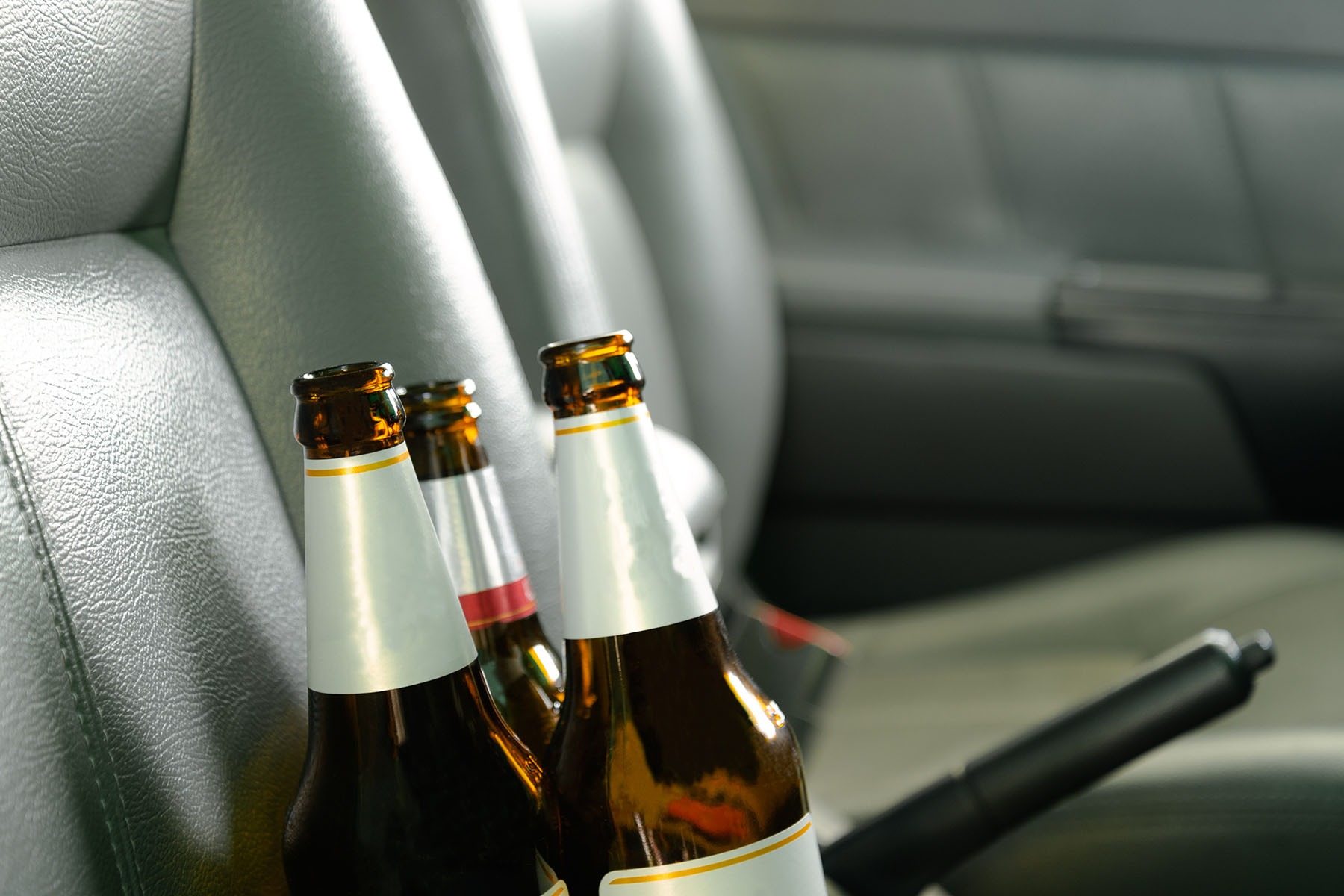
An open bottle of beer, a partially consumed wine bottle, or an unfinished alcoholic drink in the back seat could create an unnecessary legal problem. Even when the driver has not consumed any alcohol, the presence of an open container may violate local traffic laws.
Many US states have open-container restrictions that prohibit drivers and passengers from possessing open alcoholic beverages in the passenger area of a vehicle. However, the precise rules vary. Certain states have exceptions for specific vehicle types, passenger arrangements, or licensed transportation services.
An open container does not automatically mean the driver is impaired, but it can attract an officer’s attention during a traffic stop. Depending on the circumstances, the situation may lead to additional questions or a DUI investigation.
Consider a road trip where a passenger leaves an unfinished alcoholic drink in the rear cup holder. You might think nothing of it because you are completely sober. Yet, if your state prohibits open alcoholic beverages in the passenger compartment, the passenger’s drink could still create a violation.
The safest approach is to keep alcoholic beverages unopened and stored according to local transportation laws. If you have leftover drinks, avoid placing open containers in the passenger area.
Check your state’s regulations before transporting alcohol, especially when traveling across state lines. A rule that applies in one location may not be identical in another.

4. Illegal drugs or drug paraphernalia
Loose pills, drug-related equipment, and prohibited substances in your back seat can create serious legal trouble. Even when these items belong to a passenger rather than the driver, their presence inside the vehicle may lead to questions during a traffic stop.
Drug laws vary by state and substance. Some substances are prohibited, while others may be legally possessed under specific medical or recreational regulations. Prescription medications also have rules concerning lawful possession and transportation.
For example, carrying prescription medication in an unlabeled container may raise questions about whether the medication belongs to you and whether you are authorized to possess it. Similarly, drug paraphernalia may be restricted depending on its intended use and the laws in your jurisdiction.
Visible illegal substances or prohibited equipment can give officers a reason to investigate further, depending on the circumstances and applicable search laws. However, the discovery of an item does not automatically establish that the driver owns it or committed an offense.
Before traveling, make sure any medication you carry is legally prescribed or otherwise lawfully possessed. Keep prescription information available when appropriate, and avoid transporting substances or equipment that violate local regulations.
If a passenger leaves questionable items in your vehicle, do not simply assume they are harmless. Ask what they are and make sure you understand the legal requirements before transporting them.
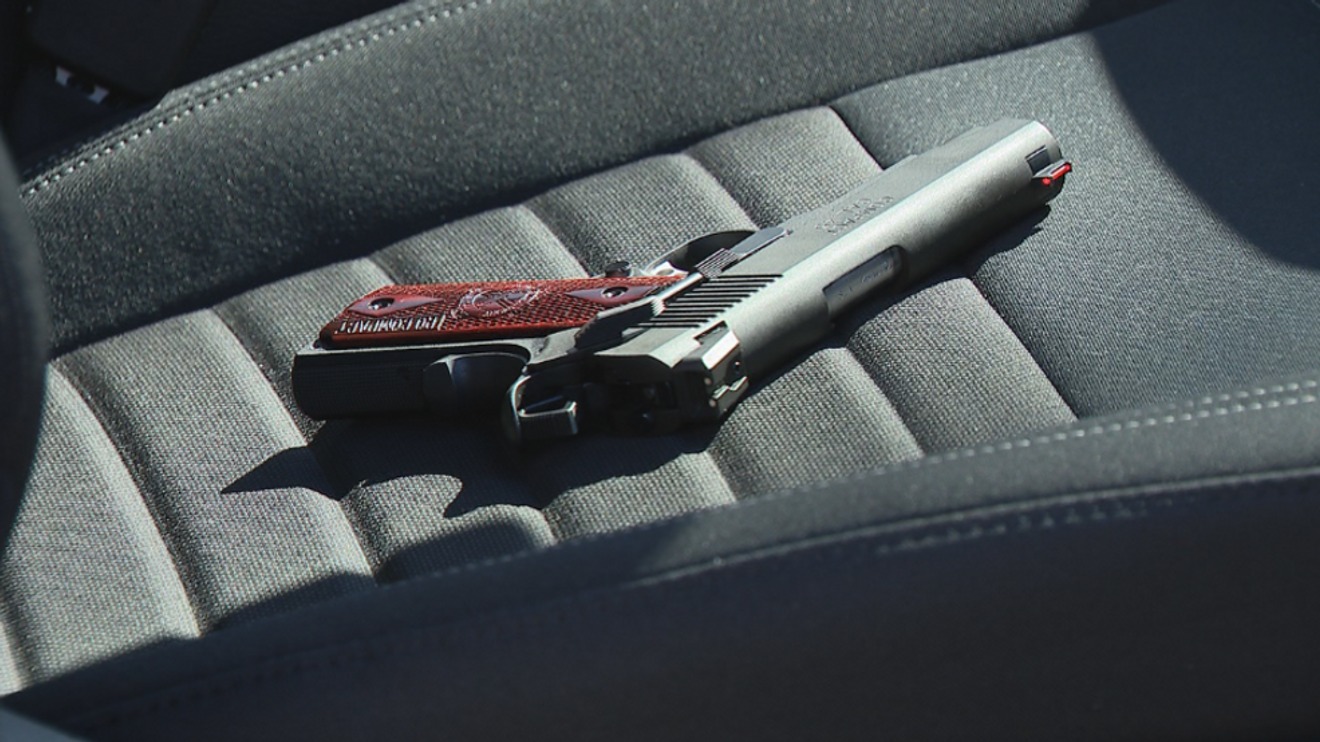
5. Unlawful weapons or sharp objects
A firearm, large knife, or other restricted weapon lying on the back seat can attract unwanted attention during a traffic stop. Depending on state and local laws, possessing or transporting certain weapons without the required authorization may result in a citation, confiscation, or criminal charges.
Firearm transportation rules differ considerably across the United States. Some states allow certain firearms to be transported without a permit under specific conditions, while others impose additional requirements concerning licensing, vehicle access, and storage.
Knives also have restrictions. Certain jurisdictions regulate blade length, concealed carry, specific knife designs, or possession in designated locations. An item that is lawful to own may still be restricted in particular settings.
Imagine a passenger leaving a large knife on the back seat after a camping trip. Although the item may have a legitimate purpose, carrying it openly or transporting it in a particular manner could violate local rules.
Never assume that owning a weapon automatically gives you permission to carry it anywhere. Check the laws covering your location, destination, and any states you will pass through.
Keep lawful weapons secured in accordance with applicable transportation requirements. Avoid leaving firearms or sharp objects loose where passengers can reach them or where they could become dangerous during sudden braking.
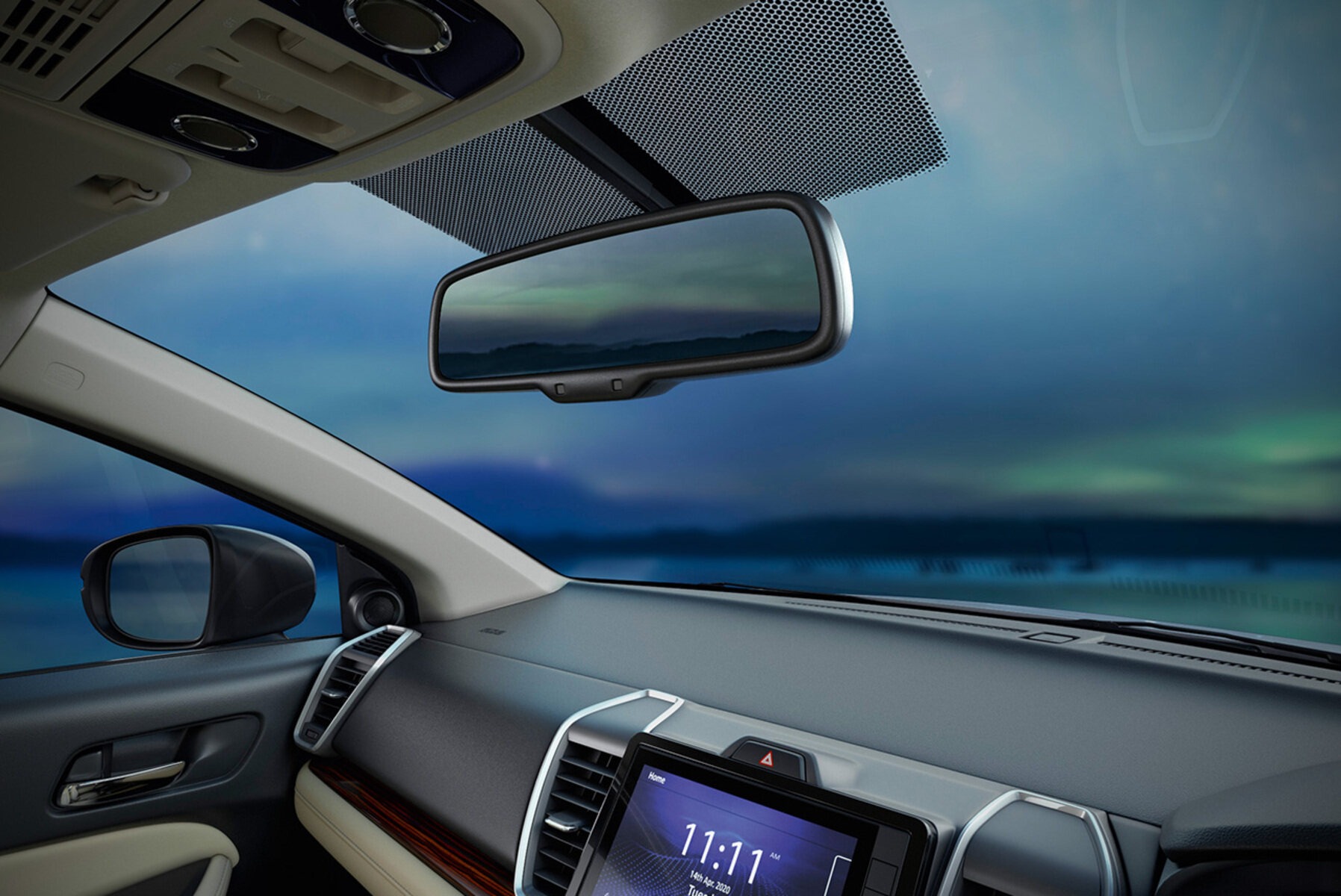
6. Items blocking rear visibility
Your rear window is not simply there to make the vehicle look complete. It helps you see traffic behind you, identify approaching vehicles, and make safer driving decisions.
Unfortunately, drivers sometimes fill their back seats with large boxes, luggage, shopping bags, or other bulky objects that block the rear windshield. A tall stack of equipment might seem harmless when the vehicle is parked, but it can become a safety problem once you start driving.
Some states have laws requiring drivers to maintain an adequate view through their windows or mirrors. Depending on the vehicle and applicable regulations, obstructing rear visibility may lead to a traffic citation.
For example, imagine loading several large storage boxes into your sedan until they cover most of the rear window. You may still be able to see through your side mirrors, but your direct rear view is severely restricted.
Window shades, oversized decorations, and improperly placed cargo can also interfere with visibility.
Before leaving, arrange your belongings so they do not block your view. Use the trunk when possible, and avoid stacking items higher than necessary. If your vehicle has limited rear visibility by design, make sure the required side mirrors are properly adjusted and unobstructed.
Good visibility gives you more time to react when another vehicle approaches, a pedestrian crosses behind you, or traffic slows unexpectedly.
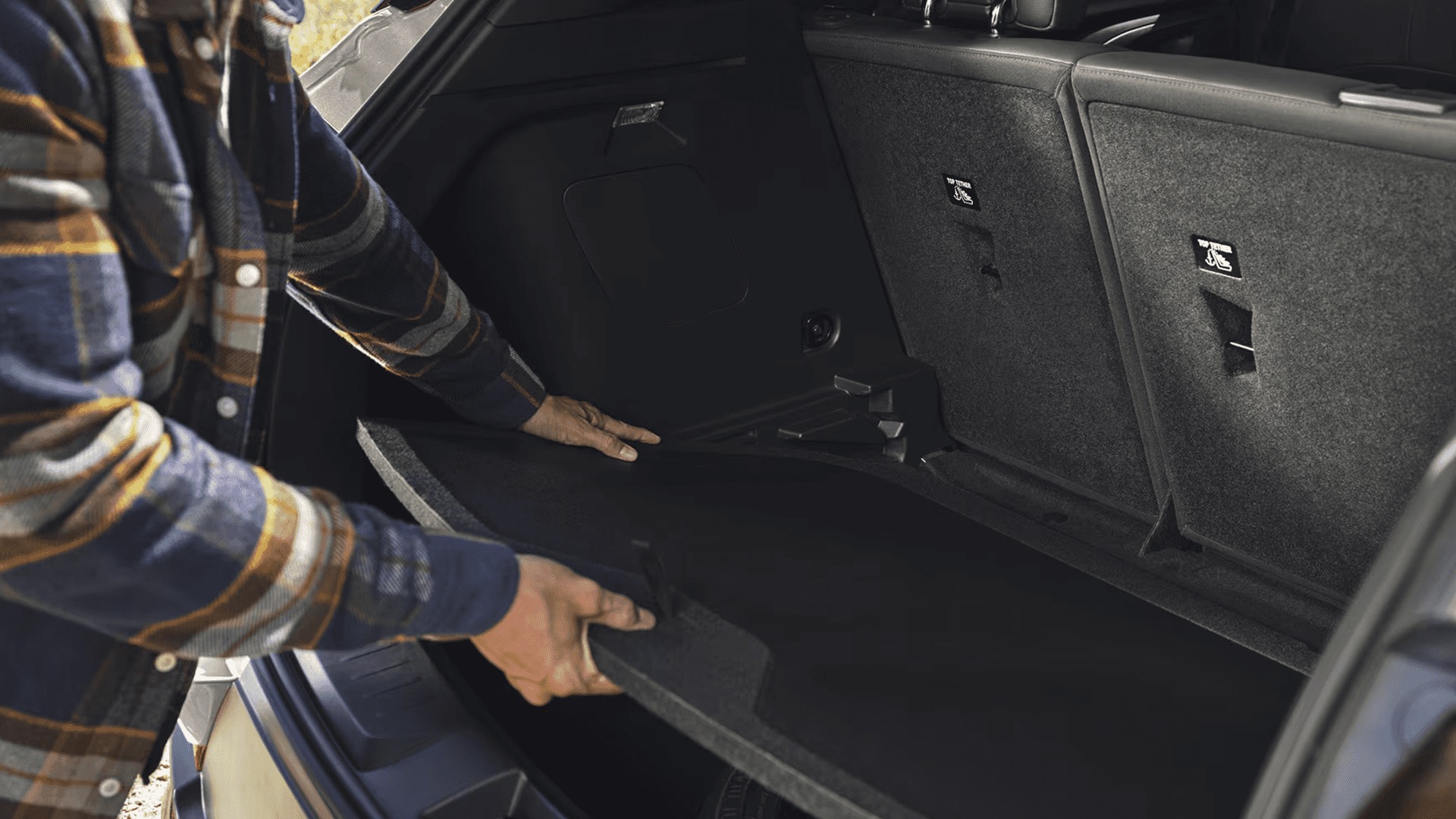
7. Unsecured heavy or sharp cargo
A toolbox, metal equipment, heavy suitcase, or collection of sharp objects might appear harmless when placed on the back seat. However, these items can become dangerous projectiles if you brake suddenly, make a sharp turn, or get involved in a collision.
Traffic laws in many jurisdictions require drivers to secure cargo properly and prevent objects from creating hazards. Although specific requirements vary, loose equipment that interferes with safe vehicle operation may result in a citation.
Think about carrying a heavy toolbox across the back seat without securing it. If another driver suddenly stops in front of you, the toolbox could slide forward with considerable force. It might strike a passenger, damage the interior, or interfere with your ability to control the vehicle.
Sharp objects create additional concerns. Exposed tools, blades, metal rods, or broken equipment can injure passengers even during an ordinary trip.
The best approach is to make sure all cargo is properly secured before setting off. Use sturdy straps, built-in storage areas, cargo nets, or the trunk to keep belongings in place. Keep heavier items positioned low and spread the weight evenly to maintain stability while driving.
Avoid placing loose tools or equipment next to passengers, especially children. If an item is too large or heavy to transport safely inside the passenger compartment, consider using an appropriate cargo area or vehicle.
Also check that your belongings do not obstruct doors, seat belts, or emergency exits. A properly secured load helps protect everyone and reduces the risk of an unsafe-load citation.
8. Suspicious or contraband goods
Not everything that creates trouble during a traffic stop looks dangerous. Unlabeled chemical containers, suspected stolen merchandise, restricted products, and other questionable goods can raise concerns when officers see them inside your vehicle.
For example, imagine transporting several sealed packages for someone you recently met. You have no idea what is inside, but the person assures you that the items are harmless. If an officer notices suspicious packaging or receives information suggesting that the goods may be stolen, you could face additional questions.
Certain chemicals and hazardous materials also have transportation requirements. Depending on the substance, quantity, and vehicle type, special packaging, labeling, or documentation may be required.
Possessing stolen property can create legal problems even if you did not personally steal it. Whether someone can be charged depends on the applicable law and factors such as their knowledge of the property’s origin.
Be careful about agreeing to transport packages, equipment, or merchandise for people whose intentions you do not understand. Ask what you are carrying and request appropriate documentation when necessary.
Keep receipts for valuable purchases and make sure regulated goods are transported according to applicable rules. If you cannot identify an item or confirm that it is lawful to carry, do not casually place it in your back seat.
A little caution before starting your trip can save you from unnecessary police attention, unexpected legal expenses, and potential traffic violations.