
Buying a car may seem like a simple process of picking a vehicle, negotiating the price, signing the documents, and driving away. Yet, the sticker price is only one part of what buyers ultimately pay.
Dealerships also generate revenue through financing, extended warranties, add-on products, and dealer-installed accessories. These extras can significantly increase the final bill, with some bringing sellers hundreds or even thousands of dollars in additional profit.
Understanding where dealerships make their money can help you recognize unnecessary expenses, ask better questions, and negotiate with greater confidence. Before signing your next purchase agreement, take a closer look at these seven areas where car dealers often earn some of their highest profits.

Financing Markups and Interest Rates
The price of a vehicle is not the only number worth examining when you arrange financing at a dealership. The interest rate attached to your loan can also create income for the seller.
Here is how it works. A dealership may receive an interest rate offer from a bank or another lending institution, commonly called the buy rate. The dealer may then offer you a higher rate, with the difference generating additional income known as finance reserve or dealer markup.
For example, imagine a lender approves a loan at 6%, but the dealership offers you a rate of 8%. That two-percentage-point difference can generate extra revenue for the dealership, depending on the lender’s compensation arrangement and applicable limits.
The tricky part is that a slightly higher monthly payment may not seem alarming. Yet when the loan runs for five, six, or seven years, the additional interest can become expensive for the buyer.
A smart approach is to obtain financing quotes from banks and credit unions before visiting the dealership. Compare the annual percentage rate (APR), loan duration, total interest, and monthly payment rather than focusing on one figure.
Dealer financing can still be convenient, but accepting the first rate offered without comparison may cost you more than necessary.
Extended Warranties and Vehicle Service Contracts
Few things sound more reassuring than being told that expensive vehicle repairs will be covered after the factory warranty expires. This is why extended warranties and vehicle service contracts are among the products dealerships actively promote during the purchase process.
These agreements provide different levels of protection against certain mechanical and electrical failures. Depending on the contract, coverage may include the engine, transmission, air-conditioning system, electrical components, and other parts.
Dealerships can earn money by selling these contracts through third-party administrators or warranty providers. The amount they retain depends on the agreement, coverage, and selling price. Since the dealership may receive a commission, the retail price can be higher than the amount it pays to obtain the coverage.
But does every driver need one?
Not necessarily. A vehicle with a lengthy factory warranty may already have substantial protection. Someone purchasing a reliable used vehicle with a strong maintenance history may also prefer to save money for possible repairs instead.
Before agreeing, request the complete contract and check the exclusions, deductible, claim procedures, repair-location restrictions, and cancellation policy.
Pay particular attention to the difference between an exclusionary contract and a named-component contract. The former generally covers most components except those specifically excluded, while the latter covers only the parts listed.
An extended warranty can provide genuine peace of mind, but its value depends on the price, coverage, and likelihood of needing repairs.
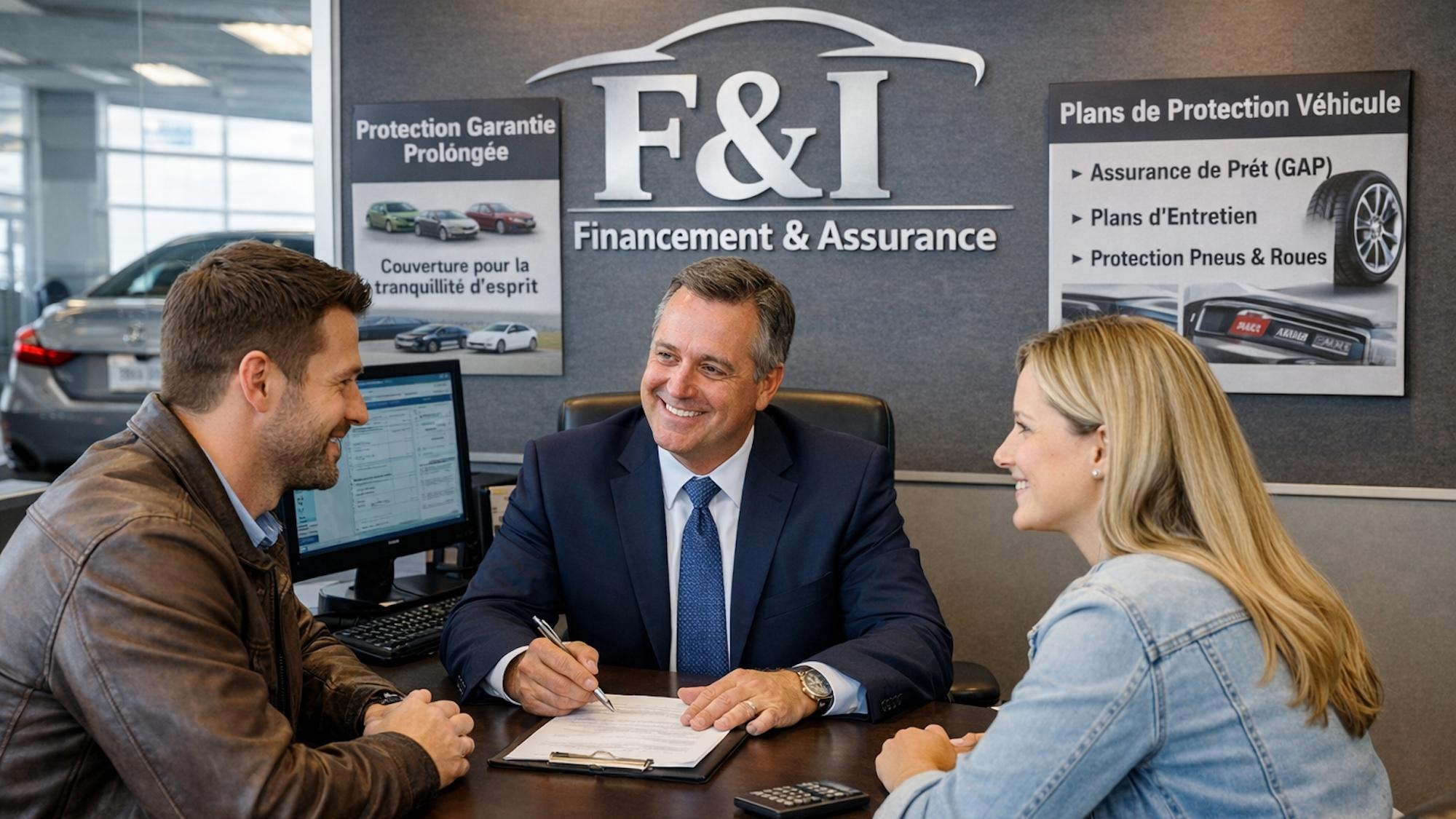
GAP Insurance and Other Protection Products
A vehicle can lose value much faster than some owners expect, particularly during the first few years of ownership. This creates a potential financial problem for drivers who finance most of their purchase.
Guaranteed Asset Protection, commonly called GAP insurance, is designed to address that situation. If your vehicle is stolen or declared a total loss after an accident, your regular auto insurance generally pays its covered market value rather than the remaining amount on your loan.
If you owe more than the insurance settlement, GAP coverage may pay the eligible difference, subject to the contract.
Dealerships frequently offer this product during the financing process because it can generate additional income through commissions or other compensation arrangements.
For example, suppose your outstanding loan balance is $28,000, but your insurer values the totaled vehicle at $23,000. You could be left responsible for a $5,000 difference, excluding other adjustments. An applicable GAP policy may cover that shortfall.
However, GAP insurance is not automatically necessary for every buyer. Drivers who make a substantial down payment or purchase a vehicle that holds its value well may have less exposure to this type of loss.
Also, check whether your existing auto insurer or lender offers GAP coverage at a lower price. Review exclusions, claim limits, and cancellation conditions before signing.
The dealership’s offer may be convenient, but convenience alone is not a good reason to pay more for protection.
Dealer-Installed Accessories and Appearance Packages
A freshly delivered vehicle can look even more appealing with upgraded wheels, tinted windows, premium floor mats, paint protection, and decorative additions. Dealerships understand this appeal, which is why accessories can become another profitable part of a vehicle transaction.
Some accessories are installed at the factory, while others are added by the dealership before the vehicle reaches the customer. Common examples include window tint, protective coatings, upgraded wheel packages, splash guards, cargo liners, and interior protection treatments.
The dealership may purchase these products and installation services at a lower wholesale cost before adding a markup to the amount charged to the buyer.
Consider a paint protection package advertised for several hundred dollars. Its actual application cost to the dealership may be considerably lower, depending on the product and labor involved. The difference can contribute to the dealership’s gross profit.
This does not mean every accessory is overpriced or unnecessary. Quality floor mats, cargo organizers, and genuine manufacturer accessories can provide practical benefits.
The problem arises when optional additions are presented as compulsory requirements for purchasing a vehicle. Some dealerships also advertise attractive vehicle prices before adding expensive accessory packages to the final agreement.
Ask for an itemized list of every accessory, its individual price, and whether you can decline it. If you like a particular addition, compare its price with independent retailers and other authorized sellers.
A vehicle should come with the equipment you actually want, not an expensive collection of extras you never requested.

Documentation Fees and Other Dealership Charges
You have agreed on a vehicle price, completed the test drive, and feel ready to sign. Then the paperwork arrives, showing several additional charges that were never part of your original discussion.
Documentation fees, commonly called doc fees, are among the charges that can increase a dealership’s income from a transaction.
These fees are generally intended to cover administrative work associated with preparing purchase documents, processing registration paperwork, and completing other transaction-related tasks. Depending on the dealership and local regulations, the amount can vary considerably.
Some dealerships charge relatively modest documentation fees, while others charge much higher amounts. Whether the fee is negotiable also depends on applicable state laws and dealership policies.
Other charges may include electronic filing fees, dealer preparation charges, vehicle inspection fees, and registration-related expenses. However, not every charge has the same purpose, and some may represent genuine government costs rather than dealership revenue.
The important thing is to distinguish legitimate taxes and registration expenses from additional dealer-imposed charges.
Request an itemized out-the-door price before agreeing to purchase. This figure should include the vehicle price, applicable taxes, registration expenses, and every dealership charge.
If a dealer introduces an unfamiliar fee at the final stage, ask for a clear explanation. You can also question whether an optional service has been included without your permission.
A transparent price breakdown makes it easier to compare offers from different dealerships and prevents unpleasant surprises during the signing process.
Trade-In Valuations and Used Vehicle Resales
Trading in your old vehicle can make purchasing another one much easier. You avoid the effort of advertising it privately, arranging inspections with strangers, and handling separate payment arrangements. However, dealerships can also earn attractive returns from trade-in transactions.
The process begins with an appraisal. A dealership examines your vehicle’s age, mileage, condition, maintenance history, accident records, and current market demand before making an offer.
The amount offered is usually below the price the dealership expects to receive when reselling the vehicle. This difference provides room for reconditioning expenses, advertising, administrative costs, and potential profit.
For instance, imagine a dealership offers you $12,000 for your used vehicle. After cleaning, repairs, and other preparation, it lists the car for $15,500. The difference is not automatically $3,500 in profit because the dealership still has expenses to cover, but it illustrates how trade-ins can create another income opportunity.
There is also a possibility that your old vehicle may be sent to a wholesale auction rather than sold directly to another customer. Its eventual resale value can still benefit the dealership’s business.
Before accepting an offer, research your vehicle’s market value using several online valuation services. Obtain quotes from other dealerships and consider a private sale if you are comfortable handling the process.
Most importantly, negotiate your trade-in separately from the price of the replacement vehicle. Combining both discussions can make it harder to identify an unfavorable offer.
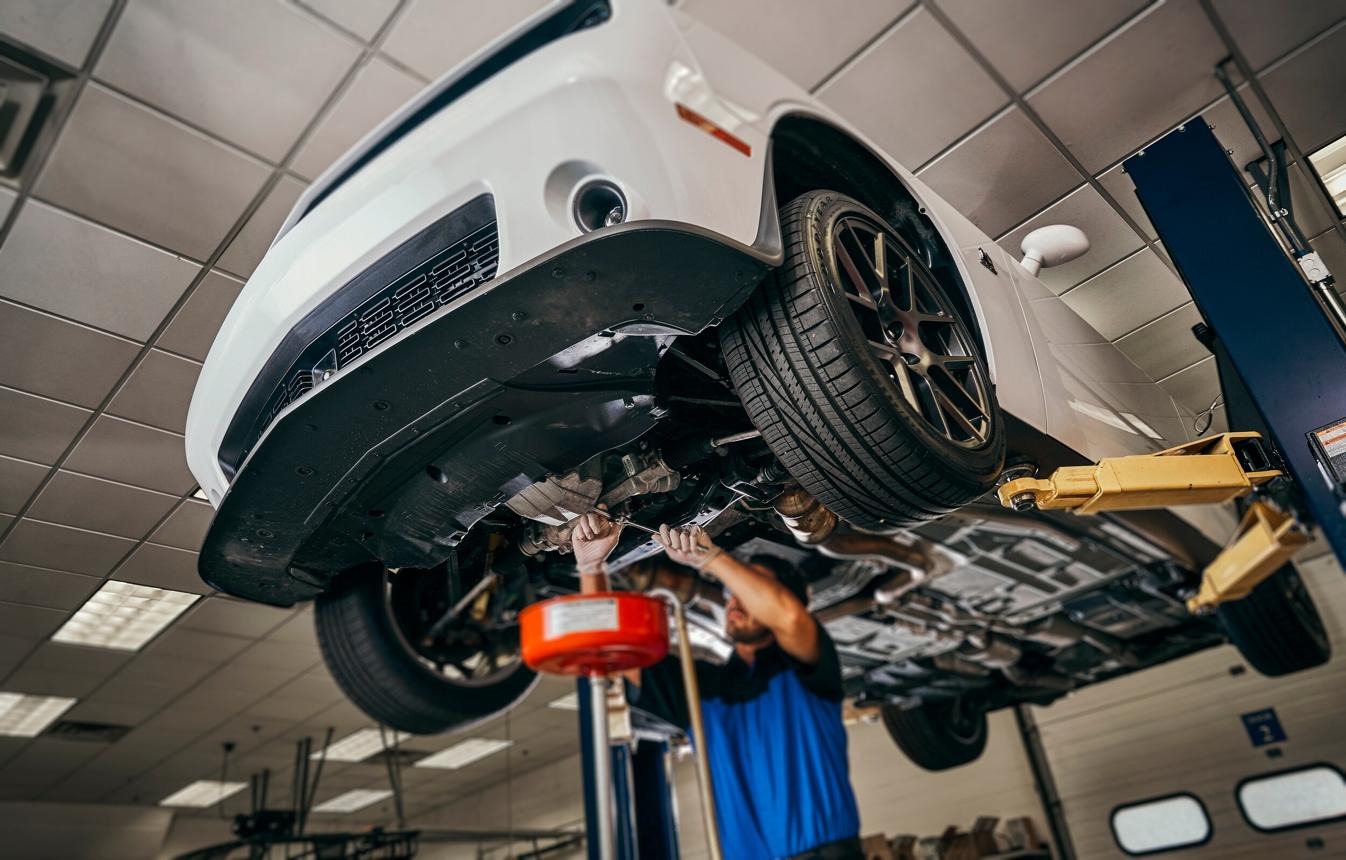
Maintenance Plans, Parts, and Dealership Services
The dealership’s relationship with you does not necessarily end when you drive away with your new vehicle. In fact, maintenance and repair services can provide some of its most reliable sources of income.
Many dealerships offer prepaid maintenance packages covering scheduled oil changes, tire rotations, inspections, and other routine services. These packages appeal to drivers who prefer paying upfront rather than handling individual maintenance bills.
Dealerships can earn money from these plans through the difference between their selling price and the cost of providing the promised services. Additional income comes from replacement parts, labor charges, and repairs that fall outside the package.
For example, a service department may recommend new brake pads, filters, tires, batteries, or other replacement components during routine maintenance visits. Genuine manufacturer parts can also carry higher prices than some aftermarket alternatives.
Industry financial data helps explain why dealerships value this department. A 2025 Morningstar report, using AutoNation’s 2024 financial figures, showed that service and parts generated 17.2% of revenue but contributed 46.2% of gross profit. This illustrates how profitable vehicle maintenance can be for dealership groups.
That does not mean dealership servicing is a bad choice. Factory-trained technicians, specialized equipment, and access to manufacturer-approved parts can be valuable, particularly for newer vehicles.
Still, compare maintenance package prices with the cost of paying for individual services. Review what is included, how long coverage lasts, and whether you can use another authorized repair facility.
A little research before accepting a service package can help you avoid paying for work you may never need.