An SUV redesign can bring more than fresh styling, a larger touchscreen, or additional horsepower. Sometimes, the most important changes happen underneath the body, where stronger structural components, improved airbags, and redesigned seat belts can make a measurable difference during a collision.
Crash-test results from the Insurance Institute for Highway Safety (IIHS) have demonstrated how significantly some SUVs improved after major redesigns. In other cases, newer testing standards have exposed weaknesses that older evaluations missed.
These eight examples show how redesigns changed crash-test performance and why checking the exact model year matters.
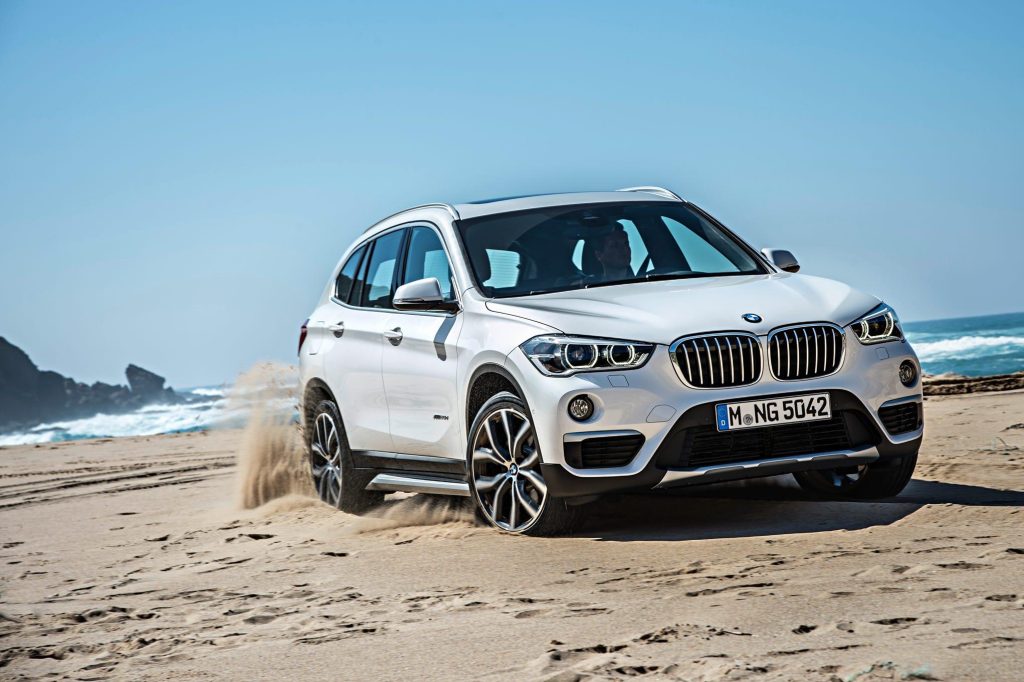
1. BMW X1 (2016)
The 2016 BMW X1 delivered one of the more impressive improvements in small SUV crash protection following a complete redesign. Its predecessor, the 2015 X1, received a marginal rating in the IIHS driver-side small overlap front test.
This evaluation simulates a collision in which only 25% of the vehicle’s front width strikes a rigid barrier at 40 mph. The test is particularly demanding because the impact can bypass major structural components designed for conventional frontal crashes.
BMW addressed the weakness when it introduced the second-generation X1 for 2016. The redesigned SUV earned a Good rating in the same small overlap evaluation, the highest possible result.
According to IIHS findings reported at the time, the older model experienced approximately 16 inches of footwell intrusion, trapping the crash-test dummy’s right foot.
In the redesigned version, maximum intrusion was approximately four inches at the lower door-hinge pillar and instrument panel. That represented a substantial improvement in occupant-space preservation.
The improvements extended beyond one test. The 2016 X1 also received good ratings in the moderate overlap front, original side, roof strength, and head restraint evaluations. Its available front crash prevention system earned an Advanced rating, helping the vehicle qualify for the IIHS Top Safety Pick+ award.
For used buyers, the difference between these two generations is worth remembering. A 2015 X1 and a 2016 X1 may look related, but their small overlap performance was not identical.
The redesigned version provided considerably better protection in this particular crash scenario, demonstrating why model-year distinctions matter when evaluating an SUV’s safety record.
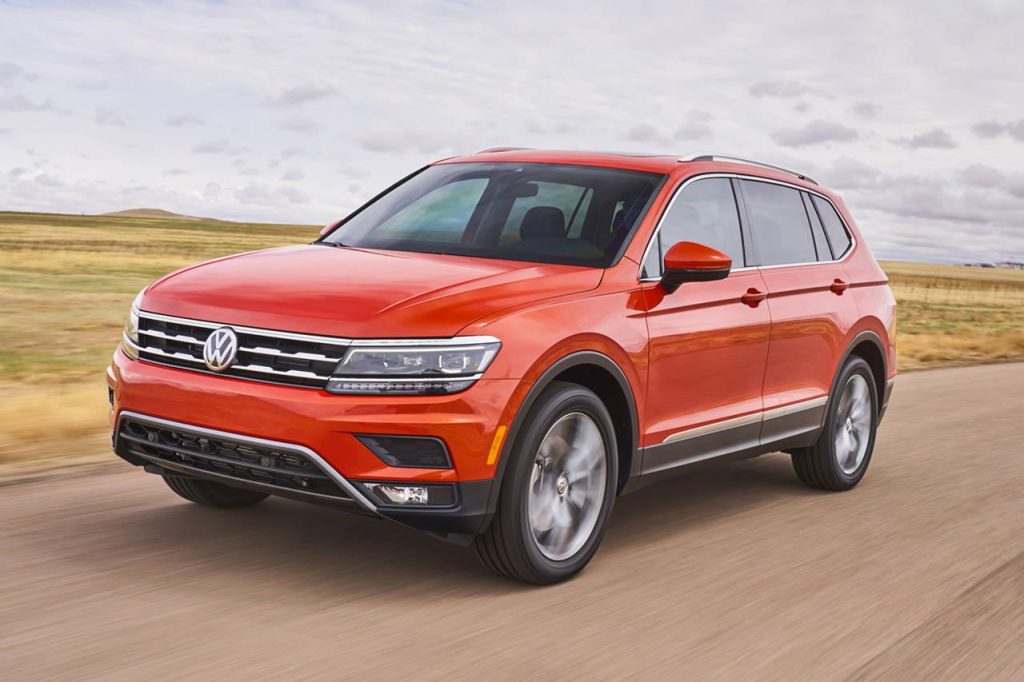
2. Volkswagen Tiguan (2018)
Volkswagen made a significant change when it introduced the redesigned Tiguan for the 2018 model year. The previous generation was a smaller SUV, while the new version moved into a larger midsize category in the United States.
However, the most interesting difference was not its increased size. The redesigned model also delivered substantially better performance in the demanding IIHS small overlap front crash test.
The outgoing Tiguan received a marginal rating in the driver-side small overlap evaluation. This meant its performance fell short of the Good rating required for the highest crashworthiness classification.
The 2018 redesign addressed that weakness, earning a Good rating in the same test. IIHS highlighted the improved structural protection, reporting less than two inches of maximum intrusion at the lower door-hinge pillar, footrest, and left portion of the toepan.
This improvement was important because small overlap crashes place considerable stress on the outer sections of a vehicle’s front structure. A stronger passenger compartment helps preserve survival space and reduces the likelihood of severe intrusion toward the driver.
The redesigned Tiguan also earned good ratings in the moderate overlap front, original side, roof strength, and head restraint evaluations. When equipped with qualifying front crash prevention technology, it earned the IIHS Top Safety Pick award in 2017.
Buyers considering a used Tiguan should distinguish between the earlier first-generation vehicle and the redesigned 2018 model. They should also check the specific vehicle’s equipment because award eligibility depended on its available safety technology.
The Tiguan’s redesign demonstrates that changes to structural engineering can matter much more than exterior styling when evaluating real-world crash protection.
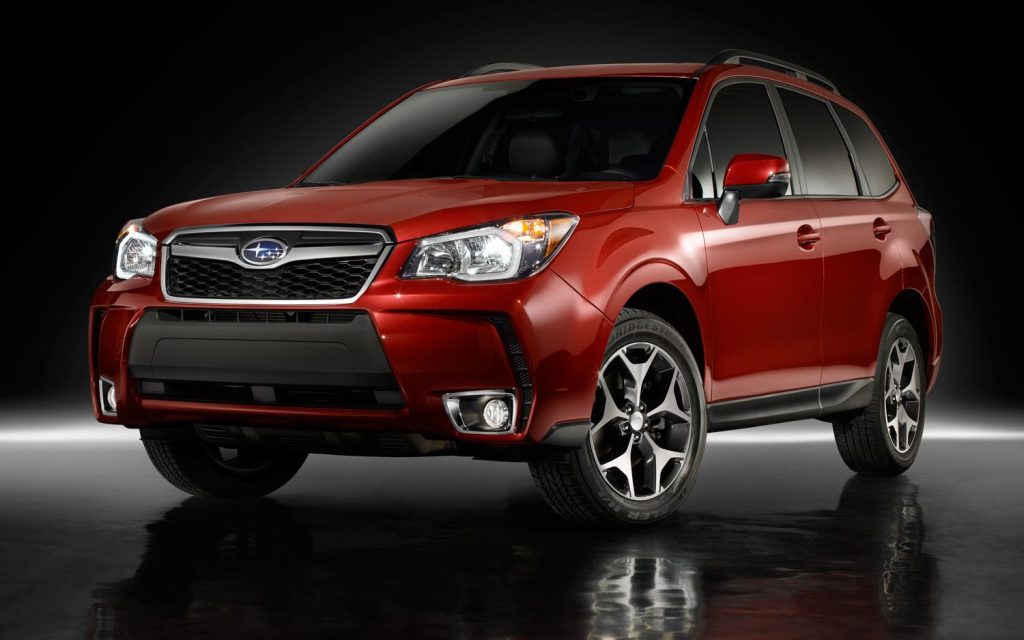
3. Subaru Forester (2014)
The 2014 Subaru Forester showed why a complete redesign can make a meaningful difference in crash protection. Introduced as the fourth-generation model, it became one of the first small SUVs to earn a Good rating in the challenging IIHS small overlap front crash test.
At the time, this was a significant achievement because many competing vehicles struggled to maintain sufficient protection when only a small portion of the front structure absorbed the impact.
The redesigned Forester received a good driver-side small overlap rating. IIHS reported that its occupant compartment maintained adequate survival space, while the frontal and side curtain airbags worked together to protect the driver’s head.
The risk of significant injuries to the dummy’s legs and feet was also assessed as low. The model earned good ratings in the original moderate overlap front, side, and roof strength and head restraint evaluations.
However, its results also reveal an important limitation. When IIHS introduced passenger-side small overlap testing, the 2014-2018 Forester received a marginal rating on that side, with a poor structural rating.
The passenger-side test recorded approximately 29 centimeters of lower hinge-pillar intrusion. Therefore, the good driver-side result should not be interpreted as equally strong protection in every frontal impact configuration.
The Forester’s redesign was still an important step forward, particularly because it demonstrated strong performance in a difficult crash scenario when many contemporary SUVs struggled.
Used buyers should distinguish between driver-side and passenger-side results when reviewing this generation. Checking the exact IIHS evaluation is more useful than relying exclusively on its Top Safety Pick+ badge.
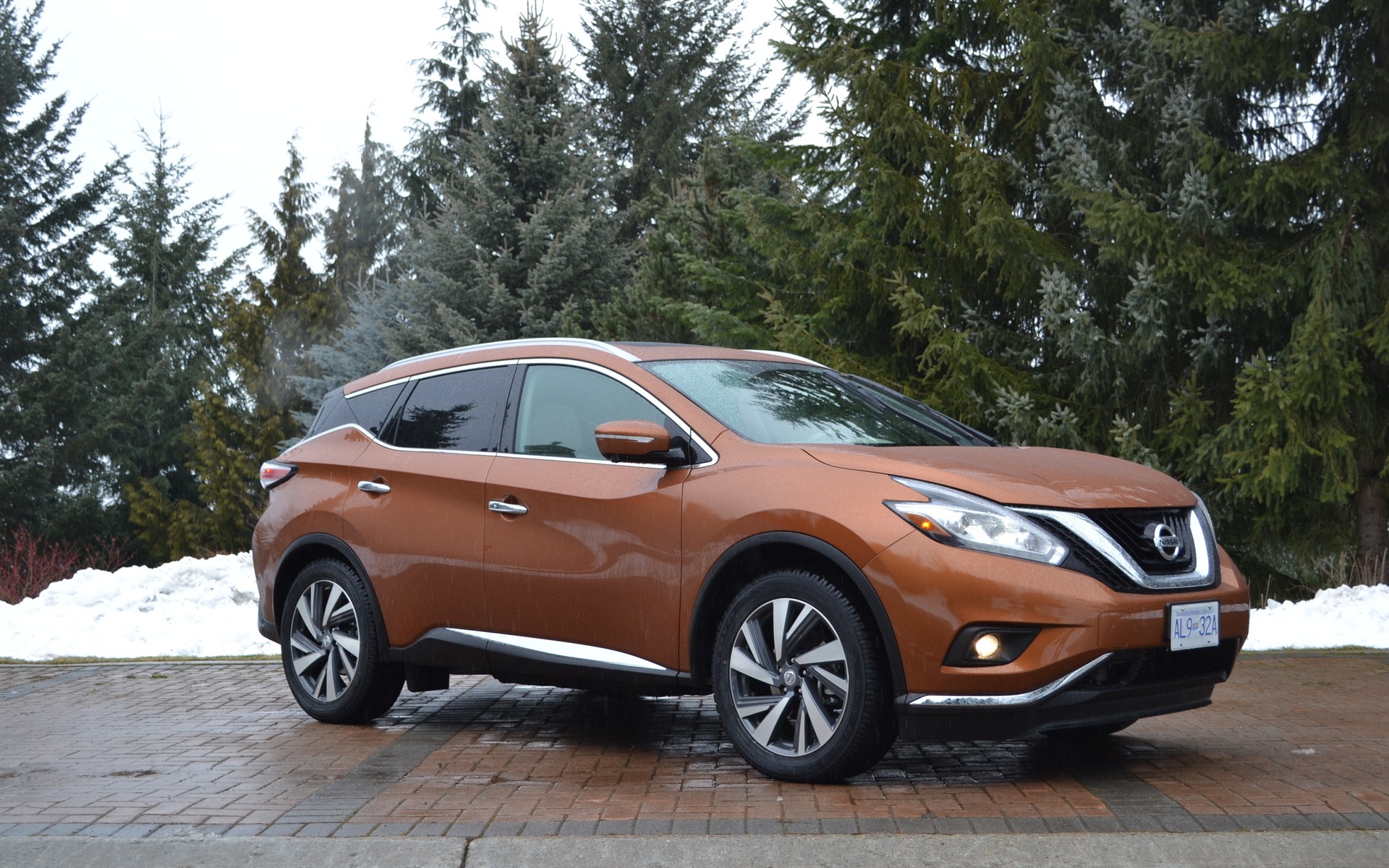
4. Nissan Murano (2015)
Nissan’s third-generation Murano arrived for 2015 with a redesigned body, updated interior, and significant attention to occupant protection.
Its crash-test results were particularly impressive in the small overlap front evaluation, where the previous generation’s structural performance had been a concern. The redesigned SUV earned a Good rating, placing it among the stronger midsize vehicles tested by IIHS at the time.
The Institute’s May 2015 findings highlighted how effectively the new Murano managed the impact. During the 40 mph small overlap test, maximum intrusion at the lower door-hinge pillar measured approximately five inches.
The occupant compartment held up well, and the crash dummy’s movement was controlled. Its head contacted the frontal airbag and remained supported until rebound, while the side curtain airbag provided adequate coverage.
There was another important improvement. Nissan’s redesign also raised the roof-strength rating from marginal on the previous generation to good.
This matters because roof strength is evaluated through a test that measures how well the roof structure resists crushing forces during a rollover scenario. Stronger roof construction can help preserve occupant space when a vehicle overturns.
The 2015 Murano also earned Good ratings in the moderate overlap front, original side, and head restraint evaluations. With its optional superior-rated front crash prevention system, it qualified for the IIHS Top Safety Pick+ award.
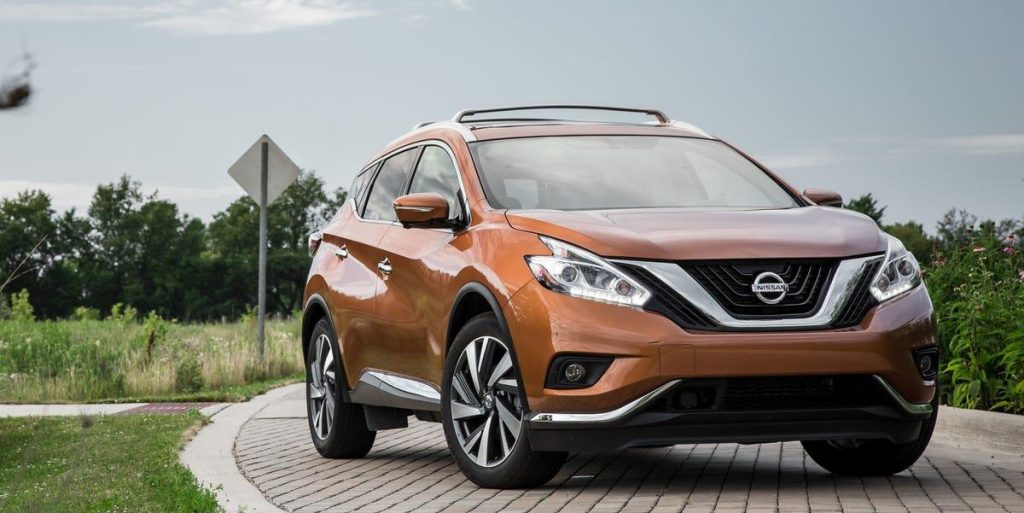
For used buyers, the 2015 redesign is an important dividing line. It delivered measurable structural improvements rather than simply changing the Murano’s appearance. Checking the vehicle’s manufacturing condition and safety equipment remains essential before purchasing one.
5. Hyundai Tucson (2016)
Hyundai’s 2016 Tucson represented a major generational change, and its crash-test performance gave buyers a reason to pay attention.
The redesigned compact SUV earned a Good rating in the IIHS driver-side small overlap front test, along with Good results in the original moderate overlap front, original side, roof strength, and head restraint evaluations.
The small overlap result was particularly important because the previous-generation Tucson had not established the same level of performance in this demanding evaluation. The 2016 redesign introduced a new structure that maintained the driver’s survival space reasonably well.
IIHS measured a maximum of approximately 2 inches of intrusion at several upper occupant-compartment locations, although the parking-brake pedal area experienced greater movement. The frontal and side airbags also helped control dummy movement during the impact.
The Tucson’s passenger-side performance also deserves attention. Its small overlap passenger-side evaluation received a good overall rating, although the structure and safety cage received an acceptable rating.
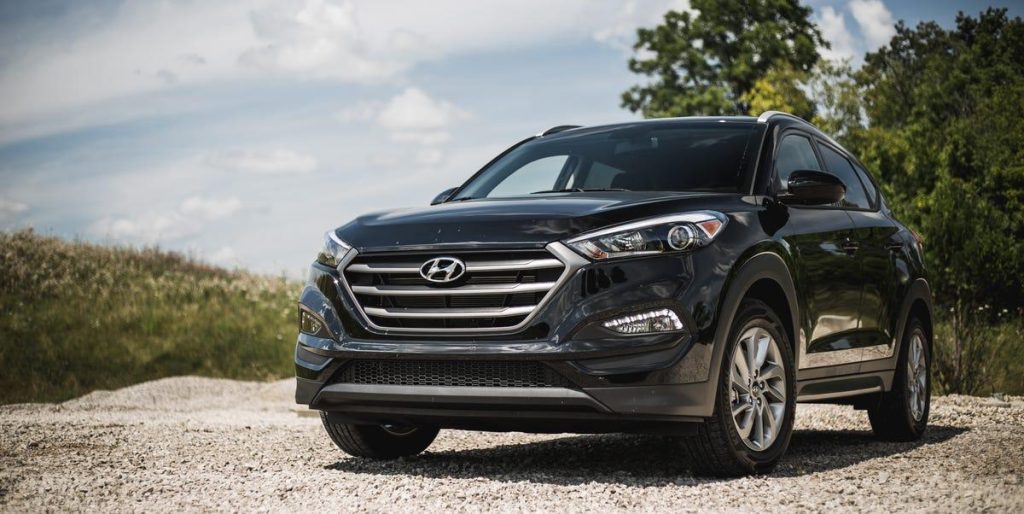
This distinction matters because a vehicle’s driver-side result does not automatically predict how it will perform when the opposite front corner absorbs the impact.
The model initially qualified for the IIHS Top Safety Pick+ award with optional front crash prevention. However, its later updated side-impact evaluation received a marginal rating. This illustrates how newer and more demanding tests can reveal weaknesses that earlier assessments did not identify.
For used buyers, the 2016 Tucson is an important example of a redesign that improved crash protection in a difficult frontal scenario. Nevertheless, inspect the exact vehicle’s safety equipment and remember that crash-test ratings describe controlled laboratory performance, not a guarantee of protection in every real-world accident.
6. Kia Sportage (2017)
The 2017 Kia Sportage brought a redesigned platform and important improvements to its crashworthiness performance.
The previous-generation 2016 Sportage received a Poor rating in the IIHS driver-side small overlap front test. That result indicated weaknesses in occupant protection when the vehicle’s front corner absorbed a concentrated impact.
The fourth-generation Sportage changed that picture. Its 2017 model received a Good rating in the driver-side small overlap evaluation, the highest possible score.
It also earned Good ratings in the passenger-side small overlap, original moderate overlap front, and original side tests. These results made the redesigned vehicle a substantially stronger performer in the small overlap assessment than its predecessor.
An interesting detail is that the redesigned Sportage shared its underlying platform with the 2016 Hyundai Tucson. IIHS used testing of the Tucson to assign several structural ratings to the Sportage.
The Institute’s records explicitly identify the shared platform and the respective redesign years, demonstrating how closely related vehicles can receive ratings based on verified common engineering.
There were still weaknesses outside the frontal crash results. The 2017 Sportage received a Marginal rating in the updated side-impact test, while its headlights were rated Poor. Consequently, its Top Safety Pick eligibility depended on qualifying optional front crash prevention equipment.
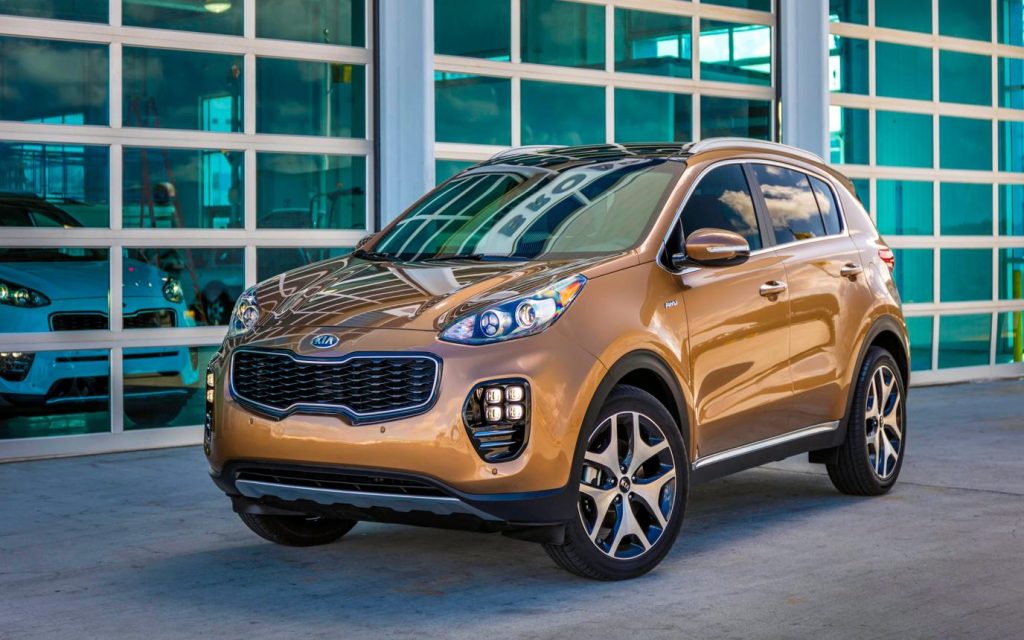
For prospective used buyers, the difference between the 2016 and 2017 model years is significant. The redesigned Sportage offered much better small overlap protection, but its performance in other safety evaluations should also be considered. A single Good rating does not tell the complete safety story.
7. Honda Pilot (2023)
Honda’s fourth-generation Pilot arrived for 2023 with a redesigned body structure, revised interior, and updated safety technology. One of the biggest improvements involved passenger-side frontal crash protection.
The previous-generation Pilot received an Acceptable rating in the IIHS passenger-side small overlap front test, preventing it from qualifying for the institute’s highest safety award under the 2022 criteria.
The redesigned 2023 Pilot achieved a Good rating in that evaluation. Honda also delivered Good results in the driver-side small overlap, original moderate overlap front, and updated side-impact tests. These improvements helped the SUV qualify for the 2023 IIHS Top Safety Pick+ award.
The new Pilot’s passenger-side performance was particularly noteworthy because the test evaluates what happens when the front passenger’s side of the vehicle strikes a barrier. It examines occupant-compartment intrusion, dummy injury measurements, and how effectively the restraint system controls passenger movement.
The 2023 model also received Superior ratings in both daytime and nighttime pedestrian front crash prevention evaluations. Its standard headlights earned Good ratings across the lineup, helping it satisfy the additional requirements for the Top Safety Pick+ designation.
There is one qualification worth mentioning. The redesigned Pilot received a Marginal rating in the newer IIHS updated moderate overlap front test, despite its Good rating in the original moderate overlap evaluation. These are separate tests with different procedures, so the results should not be confused.
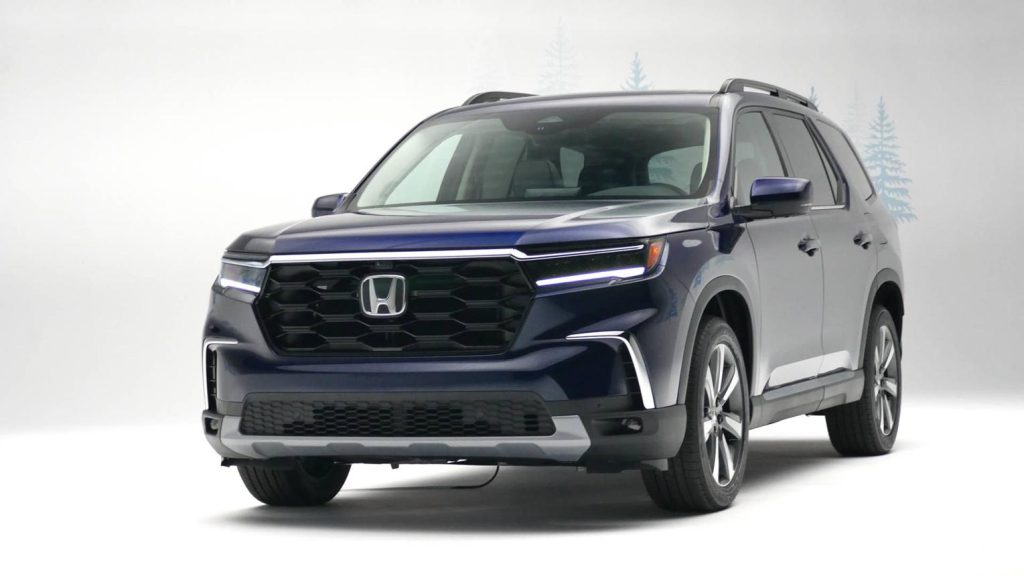
For used buyers, the 2023 redesign represents a meaningful safety improvement over its predecessor, particularly for passenger-side small overlap protection. Checking the exact model year and its IIHS test results is worthwhile before choosing between these two generations.
8. Hyundai Santa Fe (2017)
The Hyundai Santa Fe provides an interesting example of how manufacturers can improve crash protection without introducing an entirely new generation. Although the SUV was originally redesigned for 2013, Hyundai introduced substantial structural modifications for the 2017 model year after earlier crash-test results exposed weaknesses in frontal protection.
The previous versions received a Marginal rating in the IIHS driver-side small overlap front evaluation. Beginning with 2017 models, Hyundai reinforced the occupant compartment to improve protection in both small overlap and moderate overlap frontal crashes.
The company also modified the driver’s seat belt on vehicles built after March 2016 to improve restraint performance.
These changes produced a measurable improvement. The 2017 three-row Santa Fe earned a Good rating in the driver-side small overlap test, compared with the earlier Marginal result. Its structure and safety cage also received Good ratings. The model retained Good results in the original moderate overlap front, original side, roof strength, and head restraint evaluations.
However, the passenger-side small overlap test produced an Acceptable rating, with a Marginal structural rating. This means the improvements were not equally great in every crash configuration. The distinction is important when comparing safety records because protection can differ depending on which side absorbs the impact.
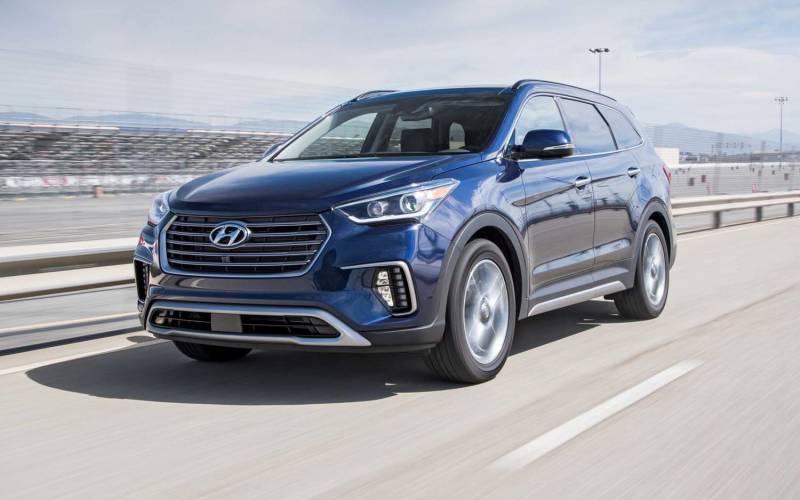
The 2017 Santa Fe qualified for the IIHS Top Safety Pick+ award when equipped with qualifying optional front crash prevention equipment and specified headlights.
Used buyers should check the manufacturing date, particularly because the seat-belt modification applied to vehicles built after March 2016. The 2017 model demonstrates that targeted structural reinforcement and restraint improvements can significantly change crash-test results without requiring a completely new generation.