
Buying a used car requires more than checking its condition, mileage, and asking price. The vehicle’s title documents are equally important because they establish legal ownership and help authorities verify whether the car can be registered in a new owner’s name.
Certain title-related issues can delay registration, create financial complications, or prevent the transfer from being completed. Buyers who overlook these problems may face unexpected expenses and lengthy administrative procedures.
Understanding common used-car title problems before making a purchase can protect your investment, reduce paperwork complications, and help you make a confident decision when choosing a pre-owned vehicle.
1. Missing or Lost Vehicle Title Documents
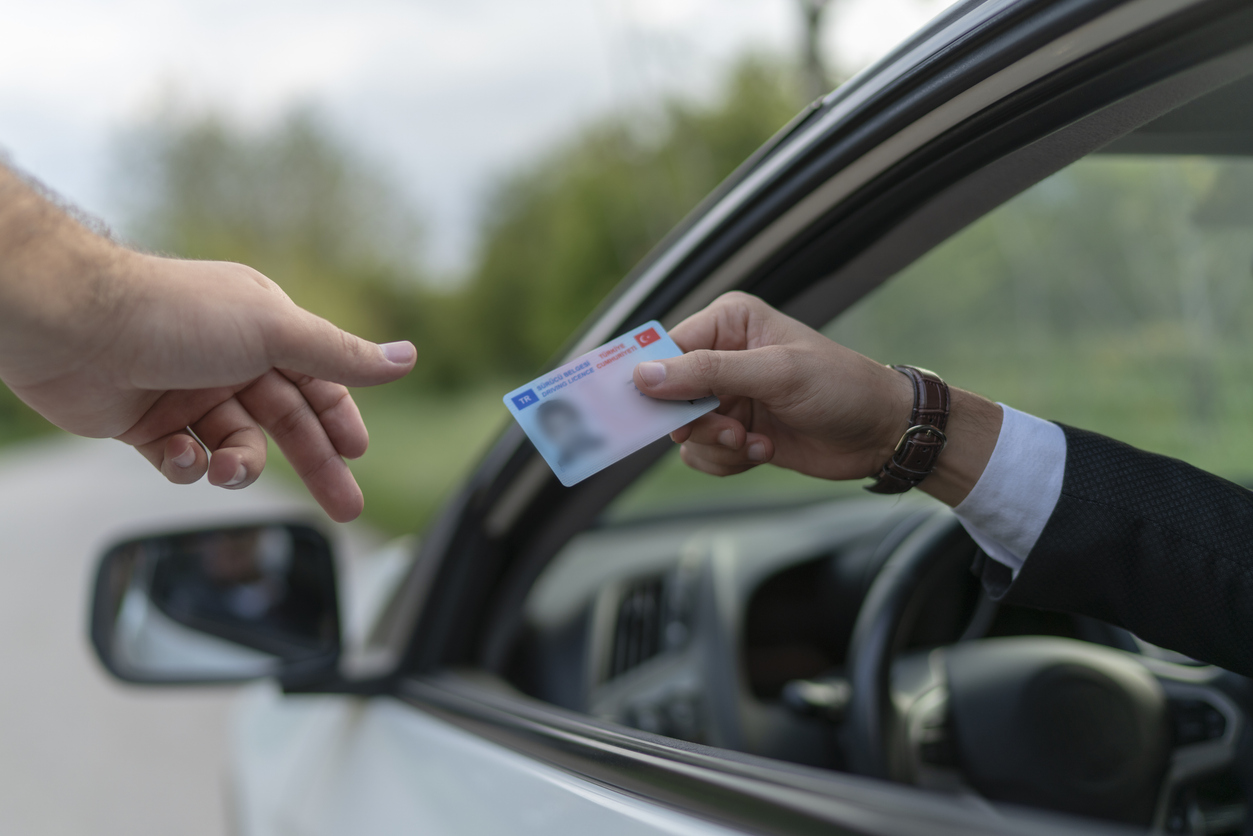
A missing vehicle title is a serious concern when purchasing a used car. The title serves as an official ownership record and helps establish the seller’s legal right to transfer the vehicle. Without the required document, registration authorities may refuse to process the ownership change until the missing paperwork is replaced or verified.
Some sellers lose their original title documents during relocation, personal transitions, or years of vehicle ownership. While losing a title does not automatically indicate fraud, buyers should never treat the situation casually. The seller must follow the applicable procedure for obtaining a duplicate title before completing the transaction.
Purchasing a vehicle without confirming the title status can create unnecessary complications. Even when the seller provides a bill of sale, that document may not be sufficient to establish transferable ownership. Registration authorities generally require specific ownership documents according to local regulations.
Buyers should ask the seller to explain why the original title is unavailable. A reasonable explanation should be supported by official documentation showing that a replacement has been requested or issued. Verbal assurances are not a substitute for legally acceptable records.
A duplicate title may be available through the relevant transport authority or motor vehicle department. However, the application process, required identification, fees, and processing time vary by jurisdiction. Buyers should confirm these requirements before paying for the vehicle.
It is also important to compare the seller’s identification with the ownership information available in official records. If the seller cannot establish a legitimate connection to the registered owner, the transaction should be postponed until the ownership issue is resolved.
In some cases, the original title may be held by a lender because the vehicle has an outstanding loan. This situation requires additional verification, as the seller might not have the legal authority to transfer clear ownership without satisfying the lender’s requirements.
Before completing the purchase, obtain the necessary replacement or verified ownership documents and confirm that the vehicle qualifies for registration. Taking these precautions can prevent disputes and protect buyers from becoming responsible for someone else’s documentation problems.
2. Outstanding Loan or Lien on the Vehicle
An outstanding loan can create a major obstacle when transferring a used car. When a vehicle is purchased through financing, the lender may retain a legal interest in it until the borrower repays the outstanding amount. This interest is commonly recorded as a lien or similar financial restriction.
Buyers should understand that possession of a vehicle does not always mean the seller has complete authority to transfer ownership. A person may use and maintain a car for several years while the financing agreement remains active.
If the seller transfers the vehicle without addressing the outstanding loan, the new owner may encounter registration delays. Depending on local laws and the financing arrangement, the lender may also retain rights that affect the vehicle.
A lien release or appropriate clearance document is generally required to establish that the financial obligation has been satisfied. The exact document depends on the jurisdiction and the lender’s procedures.
Before purchasing, request written confirmation of the loan balance and repayment status. Contacting the financing institution through verified contact details can help confirm whether the vehicle is eligible for transfer.
Buyers should be particularly cautious when a seller requests full payment before arranging loan clearance. A safer transaction may involve paying the outstanding balance directly to the lender and arranging for the remaining amount to be paid to the seller under a documented agreement.
In India, vehicles purchased through financing may have a hypothecation entry in the Registration Certificate. Removing this entry generally requires the prescribed financing termination documents and an application to the relevant Regional Transport Office.
Never rely solely on a seller’s promise that the loan has already been repaid. Verify the updated records and obtain the necessary clearance before completing the ownership transfer.

3. Incorrect Information on the Vehicle Title
Errors in vehicle ownership documents can prevent a smooth registration process. Even small differences in the owner’s name, address, vehicle identification number, or engine details may create questions during document verification.
A mismatch between the title and the seller’s identification is particularly important. For example, an incorrectly spelled name or an incomplete surname may make it difficult for authorities to establish that the person selling the vehicle is the registered owner.
Vehicle identification numbers also require careful checking. The VIN or chassis number is used to distinguish a particular vehicle from others. If the number on the ownership document differs from the number stamped on the vehicle, registration may be delayed until the discrepancy is investigated.
Incorrect engine information can create similar complications. Engine replacements, repairs, or administrative recording errors may result in differences between the physical vehicle and its official documentation.
Address discrepancies should also be reviewed before submitting a transfer application. A previous address does not necessarily invalidate ownership, but supporting identification and prescribed address-related documents may be required.
Buyers should compare every important detail across the available records. This includes the Registration Certificate, insurance documents, pollution certificate, seller identification, and any applicable transfer paperwork.
If an error is discovered, the registered owner should approach the relevant authority and request a correction through the prescribed procedure. Altering documents manually or submitting inconsistent information can make the situation more complicated.
A careful document review before payment can save considerable time. Buyers should complete the transaction only after understanding how any discrepancies will be corrected and whether they affect the vehicle’s eligibility for registration.
4. Salvage, Flood-Damaged, or Rebuilt Vehicle Title
A vehicle’s previous accident or damage history can influence its legal status. Cars that have experienced severe collisions, flooding, fire damage, or structural problems may receive special title classifications in certain jurisdictions.
A salvage title generally indicates that an insurer or relevant authority has classified a vehicle as a total loss or severely damaged vehicle under applicable rules. The exact definition varies between locations.
Some damaged vehicles are repaired and inspected before being allowed back on public roads. Depending on the local system, they may receive a rebuilt or reconstructed classification. Such a designation does not necessarily prevent registration, but additional requirements may apply.
Flood-damaged vehicles deserve particular attention because water can affect electrical systems, safety equipment, wiring, sensors, and mechanical components. Some problems may not become noticeable until weeks or months after purchase.
Buyers should not assume that a repaired exterior means the vehicle is safe or legally cleared. Structural repairs, replacement components, and previous insurance claims should be reviewed carefully.
In India, buyers should check the vehicle’s registration details and available insurance or accident records. The term salvage title is more commonly associated with certain foreign vehicle registration systems, so buyers should not assume that every jurisdiction uses the same classification.
An independent inspection can help identify evidence of serious previous damage. A qualified mechanic can examine the chassis, suspension, electrical components, airbag systems, and signs of water exposure.
Before purchasing a rebuilt or severely damaged car, confirm that the vehicle meets the applicable inspection and registration requirements. A lower purchase price may not compensate for extensive repair costs, safety concerns, or restrictions on road use.
5. Undisclosed Ownership or Title Transfer History
A vehicle may pass through several owners during its lifetime. Problems arise when previous ownership transfers were never properly recorded or when the seller cannot establish a clear chain of ownership.
For example, a person may purchase a car from a previous owner but fail to complete the official transfer. Years later, that person may attempt to sell the vehicle without having the registered ownership details updated.
This creates a documentation gap that can prevent the next transfer from being approved. Authorities may require additional declarations, supporting records, or cooperation from the person whose name appears in the official registration database.
Buyers should check whether the person selling the car is the registered owner. If the seller is acting on behalf of someone else, proper authorization and legally acceptable supporting documents may be necessary.
The number of previous owners should also be reviewed. A high ownership count is not automatically a problem, but unexplained changes or inconsistencies in the ownership history deserve further investigation.
In India, the Registration Certificate contains important ownership information, including the registered owner’s details. Buyers can use the official Parivahan portal or approach the relevant RTO to verify available vehicle information.
It is also important to examine the sale agreement, previous transfer records, and other supporting documents. These records can help establish whether earlier transactions were completed properly.
Avoid purchasing a vehicle based only on an informal agreement between the seller and a previous owner. A legally documented transfer is essential for establishing a reliable ownership record.
Resolving previous ownership gaps before payment is generally much easier than trying to correct them after the seller becomes unavailable. Buyers should insist on a clear and verifiable ownership history.
6. Stolen Vehicle Records or Suspicious Ownership Claims
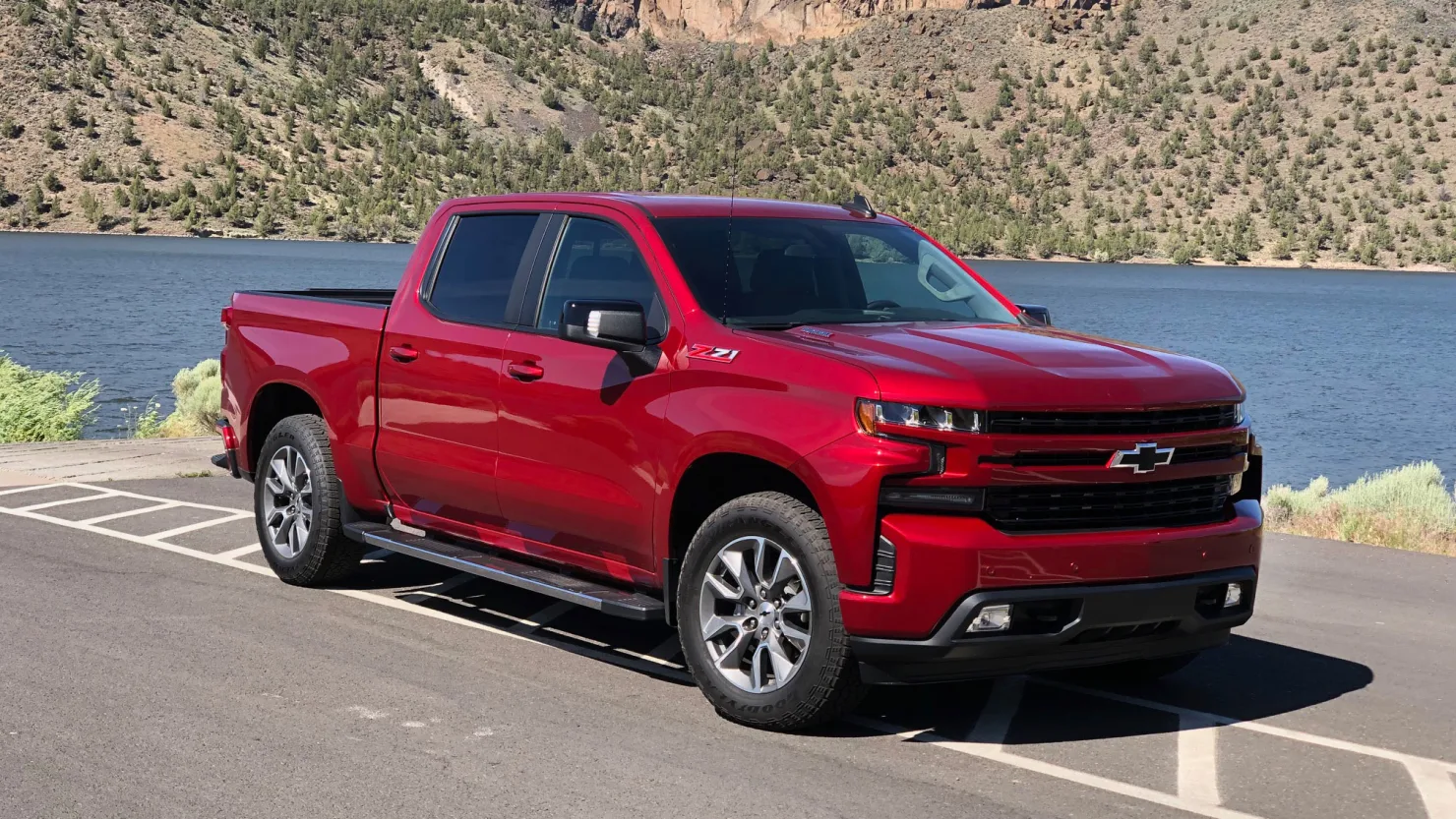
A stolen vehicle record can completely prevent a legitimate ownership transfer. If authorities identify a car as stolen, registration or transfer procedures may be suspended while the matter is investigated.
This is among the most serious risks associated with buying a used vehicle. An attractive price or a convincing seller cannot replace proper ownership verification.
Some stolen vehicles are sold using forged documents, altered identification numbers, or misleading ownership information. Unsuspecting buyers may believe they are purchasing a legally owned vehicle when the underlying records indicate otherwise.
Buyers should compare the chassis number and engine number with the details recorded in the Registration Certificate. Any sign of tampering, alteration, or unusual markings should be treated as a serious warning.
It is equally important to verify the seller’s identity. The name on the registration documents should correspond with the person conducting the sale, unless valid legal authorization supports the transaction.
In India, buyers can check available vehicle information through official transport department services. Where necessary, they should also seek verification from the local RTO or police authorities.
Be cautious if a seller refuses to provide identification, avoids a physical inspection, or pressures you to complete the transaction immediately. These behaviours do not independently prove wrongdoing, but they justify additional checks.
If the vehicle appears in a stolen vehicle database or the identification numbers seem altered, do not proceed with the purchase. Contact the appropriate authorities and allow them to verify the matter.
A proper background check can protect buyers from financial loss, legal disputes, and the possibility of purchasing property that does not legally belong to the seller.
7. Unpaid Taxes, Traffic Fines, or Registration Penalties
Outstanding vehicle-related dues can complicate the ownership transfer process. Depending on the jurisdiction, unpaid road taxes, registration charges, penalties, or other government liabilities may need to be cleared before registration can proceed.
These obligations can remain associated with the vehicle or its registered owner, depending on the applicable legal framework. Buyers should therefore check the available records rather than assuming that the seller has settled every outstanding amount.
Traffic fines are another area that deserves attention. Unpaid challans may create complications during certain vehicle-related administrative procedures. The exact impact depends on the type of violation and the rules followed by the relevant authority.
In India, buyers can check available traffic challan information through the official eChallan portal. The Parivahan platform can also help verify certain registration-related details.
Road tax requirements may differ depending on the state, vehicle category, registration history, and intended place of use. A vehicle moving from one state to another may require additional documentation and compliance with local tax rules.
Buyers should request receipts or official proof for any payments claimed by the seller. Screenshots of informal payment messages should not replace verified government records.
It is also useful to ask the seller whether any notices, pending penalties, or legal demands have been received. Such information should be independently checked wherever official verification is available.
Before finalizing the sale, calculate the cost of clearing any outstanding dues and determine who is legally responsible for paying them. This arrangement should be recorded in the sale agreement.
Checking unpaid taxes and penalties in advance can prevent unexpected expenses and help ensure that the vehicle is ready for the registration process.

8. Missing No Objection Certificate for Interstate Transfer
Buying a used car registered in another state can involve additional documentation. An interstate transfer may require a No Objection Certificate, commonly called an NOC, from the original registering authority.
The NOC generally confirms that the vehicle has no unresolved restrictions preventing the proposed transfer or re-registration, subject to the applicable requirements. It is an important document when moving a vehicle permanently to another state.
Without the required NOC, the receiving RTO may not be able to complete the registration process. Buyers may need to obtain additional clearances or resolve pending issues with the original registering authority.
In India, the NOC process is governed by the applicable provisions of the Motor Vehicles Act and related rules. Form 28 is commonly associated with an application for obtaining an NOC.
The process may involve verification of vehicle records, outstanding taxes, financing details, and other applicable requirements. If the vehicle has active hypothecation, lender-related clearance may also be necessary.
Buyers should confirm whether the seller has already obtained the NOC or whether it must be arranged before the transfer. They should also check whether the receiving state requires any additional documents or procedures.
It is important to distinguish between temporary travel and permanent relocation. A vehicle used temporarily in another state may have different requirements from a vehicle being permanently transferred and re-registered there.
Additional expenses may include applicable road tax, registration charges, inspection fees, and other statutory payments. These costs should be considered before agreeing on the purchase price.
Before buying an out-of-state vehicle, contact the original and receiving RTOs to understand the complete process. Confirming the paperwork in advance can prevent long delays and unexpected administrative difficulties.
9. Forged, Altered, or Duplicate Registration Documents
Fake or altered vehicle documents pose a serious risk to used-car buyers. Fraudulent sellers may modify registration details, create counterfeit certificates, or present documents that appear genuine but do not match official records.
Some documents may contain incorrect owner information, altered vehicle identification numbers, or fabricated clearance details. These inconsistencies can prevent registration and may expose buyers to legal complications.
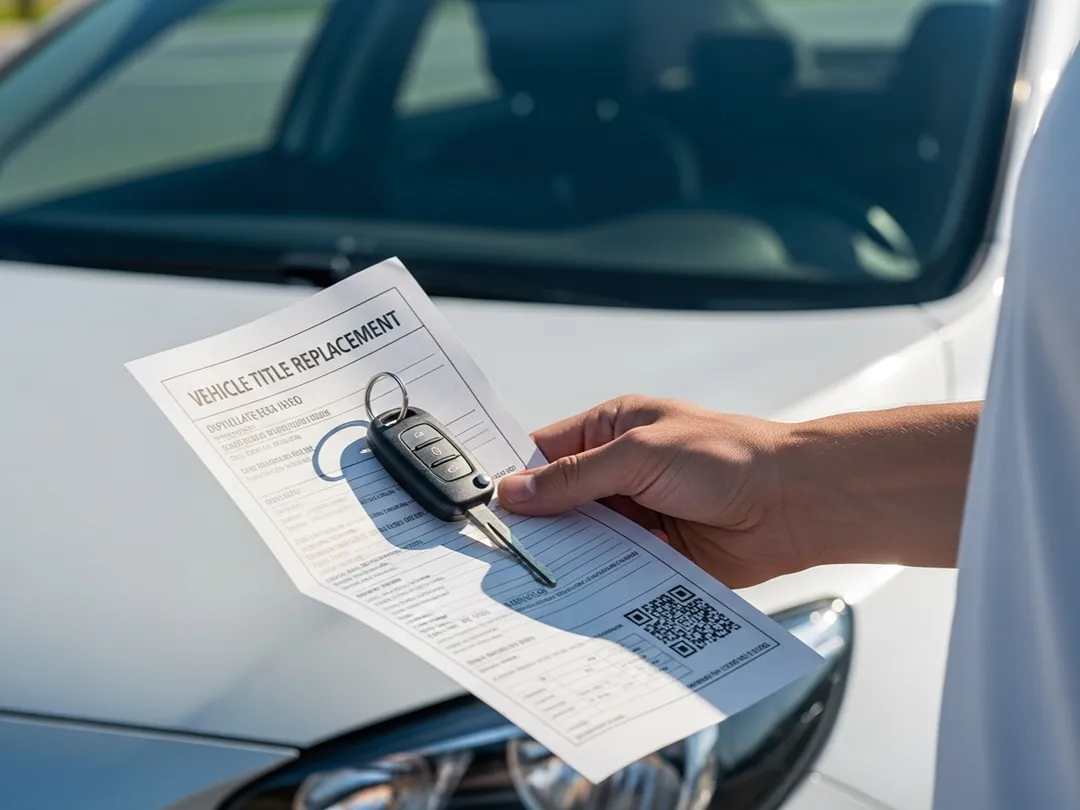
A duplicate Registration Certificate is not necessarily suspicious. Vehicle owners can apply for a duplicate when the original is lost, damaged, or destroyed. However, the duplicate must be issued through the appropriate official process.
Buyers should verify the Registration Certificate through official government channels. In India, the Parivahan portal and relevant state transport department services provide access to certain vehicle-related records.
Physical inspection is equally important. The chassis and engine numbers should match the information recorded in the official documents. Any visible evidence of tampering requires immediate attention.
Be careful when dealing with sellers who provide only photocopies or digital images of important documents. Request the original or officially issued digital records that can be independently authenticated.
The vehicle’s insurance status, pollution certificate, and other applicable records should also be reviewed. Inconsistent dates, incorrect registration details, or unexplained changes may indicate documentation problems.
If a document appears suspicious, contact the issuing authority for verification. Do not attempt to correct questionable paperwork yourself or proceed based on a seller’s explanation alone.
Authenticating the documents before making payment is one of the most effective ways to avoid registration problems. A legitimate transaction should always be supported by verifiable records and a clear ownership trail.