
A vehicle’s steering system is essential for maintaining control, responding to road conditions, and avoiding unexpected hazards. When a steering component fails, drivers may experience heavy steering, delayed responses, or a sudden loss of power steering assistance.
These problems can make ordinary driving difficult and increase the risk of serious accidents. Several vehicle manufacturers have issued recalls involving steering gears, electric power steering systems, steering column connections, and related components.
Understanding these recalls helps vehicle owners recognize potential warning signs, check whether their cars are affected, and arrange necessary repairs before a steering problem puts them at risk.
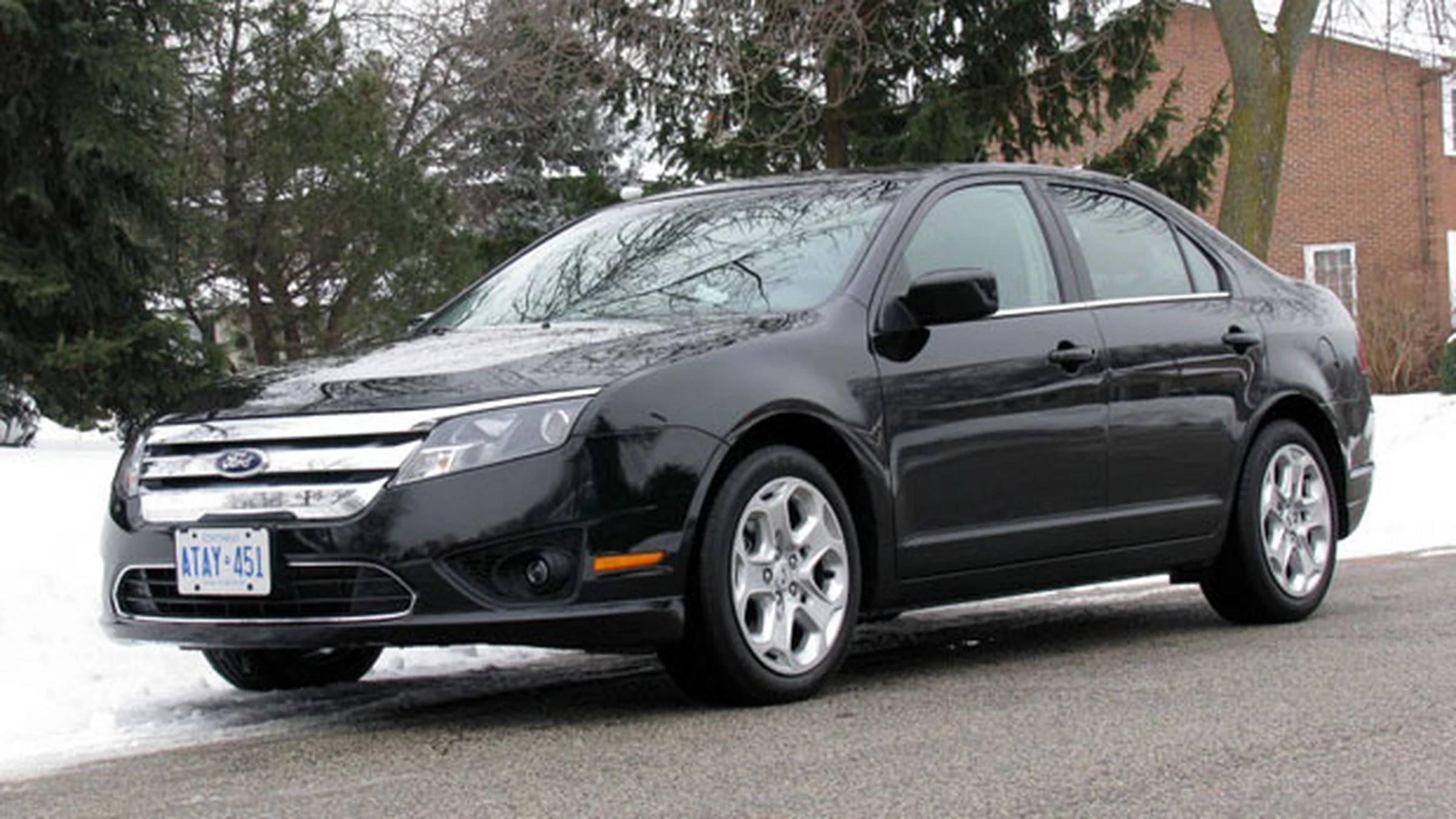
1. Ford Fusion, Mercury Milan, and Lincoln MKZ Steering Recalls
Ford has issued recalls involving power steering problems in several passenger vehicles, including certain Fusion, Milan, and MKZ models. These vehicles use electric power steering systems that rely on electronic sensors, control modules, and mechanical components to provide steering assistance. A problem within this system can make the steering wheel unexpectedly difficult to turn.
One significant concern is the loss of electric power steering assistance. When the system stops providing assistance, drivers may notice an immediate increase in steering effort. The vehicle can remain mechanically steerable, but controlling it becomes considerably harder, particularly during low-speed driving.
The affected steering systems rely on electronic signals to determine how much assistance the driver needs. If a component fails or the system detects an internal problem, the power steering assistance may become unavailable. This can happen without the gradual warning signs drivers normally expect from traditional mechanical failures.
Certain Ford Fusion, Mercury Milan, and Lincoln MKZ vehicles from the relevant model years were included in steering-related recall campaigns. The precise vehicles covered depend on production dates, equipment, and the specific recall campaign. Owners should not assume that every vehicle from these model lines has the same defect.
Drivers may notice warning messages on the dashboard, an illuminated power steering warning light, or unusually heavy steering. In some cases, the change in steering effort can happen while the vehicle is moving. This can create a dangerous situation when the driver needs to make a quick correction.
The problem is particularly concerning during parking, turning at intersections, and maneuvering through crowded streets. These situations require frequent steering input, and unexpected loss of assistance can increase the physical effort needed to control the vehicle.
Ford owners should check their vehicle identification number against the manufacturer’s recall database or the National Highway Traffic Safety Administration database. If an outstanding recall applies, an authorized dealership can explain the required repair and arrange the necessary service according to the recall instructions.

2. Ford Escape and Mercury Mariner Power Steering Problems
Certain Ford Escape and Mercury Mariner vehicles have also been affected by recalls involving electric power steering assistance. These compact SUVs depend on their steering systems to provide consistent handling during city driving, highway travel, and parking. A malfunction can make the steering wheel noticeably heavier without much warning.
The steering concern involved the electronic power steering system, including components responsible for detecting steering input and delivering assistance. When the system develops a fault, the driver may experience reduced or completely unavailable power steering assistance.
Electric power steering differs from older hydraulic systems because it uses an electric motor rather than relying entirely on hydraulic pressure. This arrangement can improve efficiency, but it also introduces electronic components that must function correctly for consistent steering assistance.
Certain 2008 through 2011 Ford Escape and Mercury Mariner vehicles were included in a power steering recall campaign. The exact applicability should be confirmed through the vehicle’s VIN because production configurations and recall coverage can differ.
A driver may first notice that the steering wheel requires considerably more effort than usual. The change can be particularly noticeable when turning into a parking space or navigating a narrow street. Some drivers may also notice a steering warning indicator.
Sudden changes in steering effort can be difficult to manage because drivers naturally expect the vehicle to respond consistently to their input. A steering system that becomes harder to operate can affect the driver’s ability to make quick movements during an emergency.
Owners of potentially affected Escape and Mariner models should check for outstanding recall work. If the vehicle is included, they should contact an authorized Ford dealership and request an inspection. Recall repairs should be completed according to the manufacturer’s instructions rather than postponed until symptoms become noticeable.
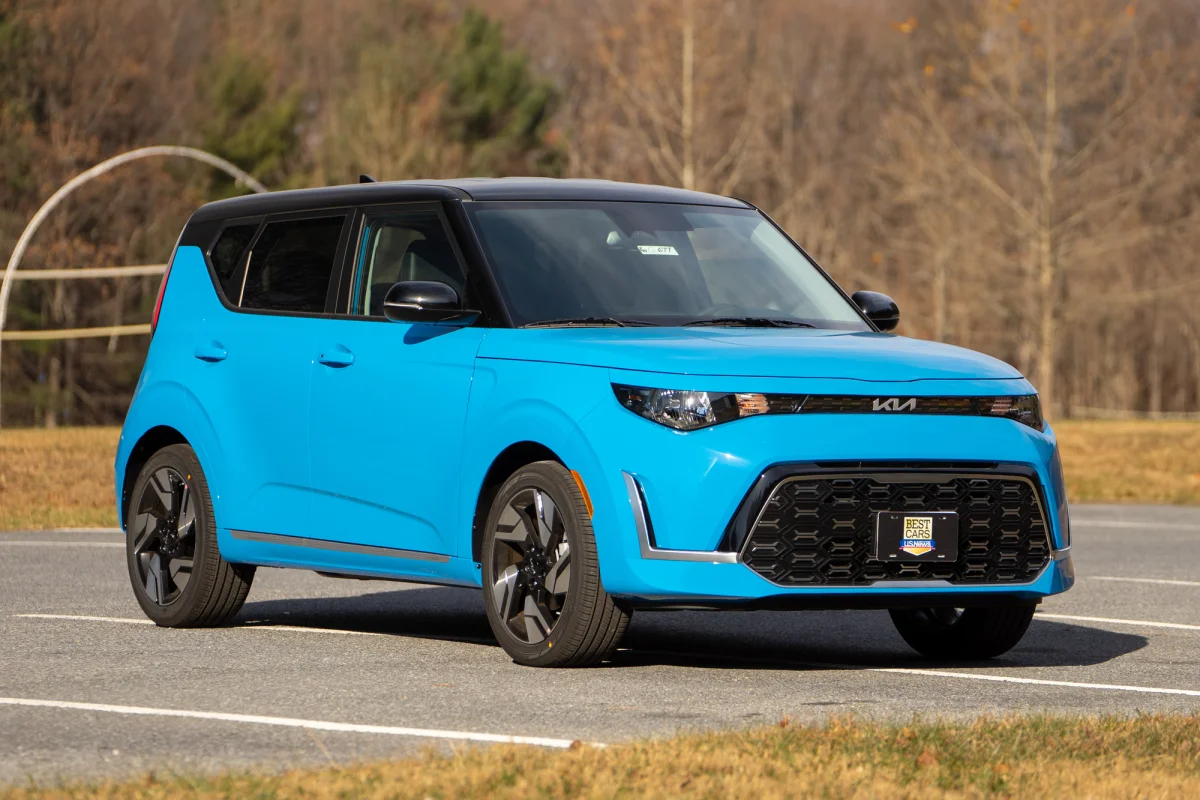
3. Kia Soul Steering Gear and Pinion Plug Recall
Certain Kia Soul vehicles have been affected by a steering-related recall involving the pinion plug inside the steering gear assembly. This component plays an important role in keeping the steering mechanism properly assembled and allowing steering input to reach the wheels.
The concern involved the possibility that the pinion plug could loosen or detach. If the affected component moves out of position, the steering system may lose its ability to transfer the driver’s input correctly. In a difficult situation, this can result in a complete loss of steering control.
The problem is particularly serious because steering gear components are responsible for translating movement from the steering wheel into movement at the front wheels. Any separation or failure within this assembly can have direct consequences for vehicle handling.
Certain 2014 through 2016 Kia Soul vehicles were included in a recall addressing this steering gear concern. Coverage also depended on the specific vehicle configuration and production details. Owners should use their VIN to establish whether their particular vehicle is affected.
Drivers may experience unusual noises, changes in steering response, or difficulty maintaining predictable steering control. However, the absence of noticeable symptoms does not prove that the steering assembly is safe. A developing mechanical problem may remain unnoticed until it becomes more serious.
A loose steering component can create additional concerns during cornering, sudden braking, or emergency maneuvers. Drivers depend on the steering gear to maintain a direct connection between their steering input and the vehicle’s direction.
Kia owners should take this recall seriously and contact an authorized dealership to verify their vehicle’s status. If the recall remains outstanding, the required repair should be scheduled promptly. Owners should also report any unusual steering noises or changes in handling during the service appointment.

4. Chevrolet Silverado and GMC Sierra Electric Power Steering Concerns
Certain Chevrolet Silverado and GMC Sierra vehicles have experienced steering-related problems involving electric power steering assistance. These full-size pickup trucks require dependable steering performance because of their weight, size, and intended use. A malfunction can make them more difficult to control, especially during low-speed maneuvers.
Electric power steering systems use electronic controls and an electric motor to reduce the physical effort required to turn the steering wheel. If the system experiences an electrical or electronic malfunction, the driver may lose some or all of the assistance.
The loss of assistance does not necessarily mean that the steering wheel becomes completely disconnected from the front wheels. However, the additional steering effort can make the vehicle harder to control, particularly when moving slowly or carrying a heavy load.
Certain GM pickup truck model years have been subject to steering-related service campaigns and recalls. The precise defect and affected production range must be identified through the individual recall notice. It is important not to treat every Silverado or Sierra model as affected by the same steering problem.
Drivers should pay attention to warning messages, sudden changes in steering effort, and unusual behavior when turning. A steering system that works normally during one journey may still develop an intermittent fault that requires professional diagnosis.
The consequences can be more significant when a pickup truck is towing a trailer or carrying substantial cargo. Added weight and changing road conditions can increase the demands placed on the vehicle’s handling systems.
Owners should check the official GM recall database or NHTSA records using their VIN. If a steering-related campaign applies, they should arrange the recommended repair through an authorized Chevrolet or GMC dealership. They should also request clarification about whether the issue involves a safety recall, a service update, or a separate technical concern.

5. Nissan Altima Steering Column Connection Problems
The Nissan Altima has been associated with steering-related recall concerns involving steering column connections. The steering column transfers the driver’s movement from the steering wheel toward the steering gear. A problem with a connecting fastener or joint can interfere with this important mechanical connection.
Certain Nissan vehicles have been subject to recall campaigns addressing steering column or steering connection issues. The concern with a loose or improperly secured connection is that the steering mechanism may not respond as intended when the driver turns the wheel.
A steering column contains several interconnected components. These components must remain properly secured to maintain consistent movement between the steering wheel and the steering mechanism. A loose connection can introduce excessive movement, unusual noises, or reduced steering response.
The severity of a steering connection problem depends on the affected component and the extent of the defect. In serious circumstances, a failed connection can prevent the driver from maintaining reliable directional control.
Drivers may notice unusual clicking sounds, excessive steering wheel movement, or an unexpected change in steering response. These symptoms should never be ignored, particularly when they develop suddenly or become more noticeable during normal driving.
Steering problems can become especially dangerous at higher speeds because even a brief interruption in directional control can make it difficult to maintain the intended driving path. Drivers may also have limited time to react when a vehicle behaves differently than expected.
Altima owners should check the recall history of their specific vehicle instead of relying solely on the model name or manufacturing year. An authorized Nissan dealership can verify outstanding recalls and inspect the steering column connections. Any identified safety defect should be corrected before the vehicle returns to normal use.

6. Vehicles With Electric Power Steering Control Module Defects
Electric power steering control modules are responsible for managing the assistance provided by the steering system. They receive information from sensors, interpret steering input, and regulate the electric motor. When a control module develops a fault, the system may provide inconsistent assistance or stop working.
Several vehicle manufacturers have issued recalls involving electronic power steering components. These campaigns can involve different makes, models, and production years, so it is important to identify the specific recall rather than assume that all electric power steering systems share the same defect.
A control module malfunction may occur because of an internal electronic problem, a software issue, an electrical connection fault, or another manufacturing defect. The exact cause depends on the vehicle and the recall notice.
When power steering assistance disappears, the driver may suddenly need considerably more physical effort to turn the steering wheel. This can be particularly challenging when making sharp turns, entering a parking space, or navigating a narrow road.
Some vehicles provide a dashboard warning when the electric power steering system detects a malfunction. Others may experience a change in steering assistance that requires professional diagnosis. Warning indicators should always be investigated rather than dismissed.
Electronic steering problems can be difficult to identify through a basic visual inspection. Technicians may need diagnostic equipment to read fault codes, examine system operation, and determine whether the control module is functioning according to manufacturer specifications.
Vehicle owners should check whether their particular make and model has an outstanding electric power steering recall. If a recall applies, the manufacturer generally provides instructions for the corrective action. Owners should obtain confirmation that the required work has been completed and recorded.
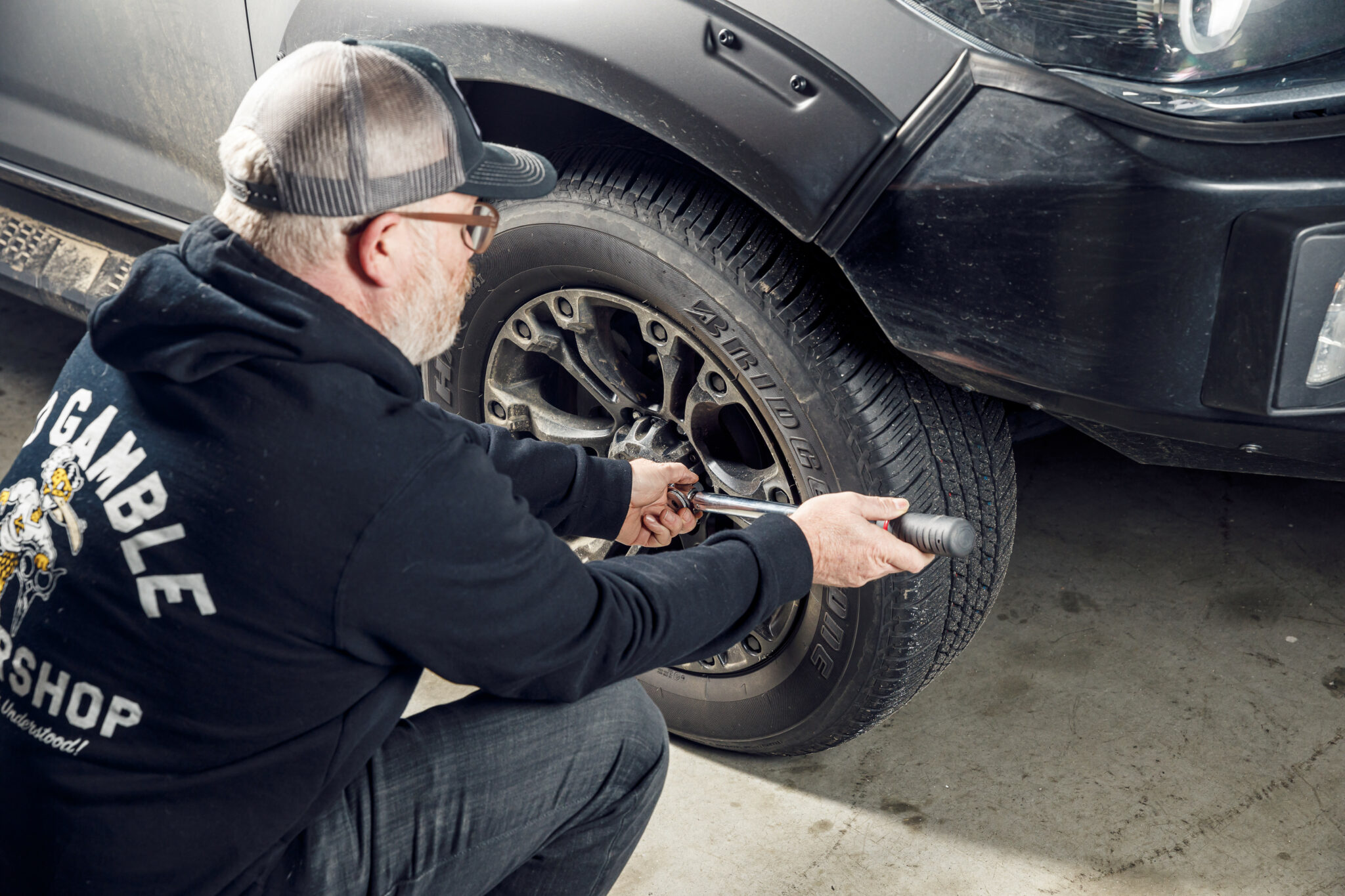
7. Vehicles With Steering Torque Sensor Failures
Steering torque sensors help determine how much force the driver applies to the steering wheel. The electric power steering system uses this information to provide the appropriate level of assistance. A faulty sensor can therefore affect how the steering system responds to driver input.
Certain Ford vehicles have been included in recall campaigns involving power steering system problems associated with electronic components. Depending on the specific defect, the system may provide reduced assistance or stop providing assistance altogether.
A torque sensor failure can create an unpredictable driving experience. The driver may notice that the steering wheel becomes unusually heavy or that the amount of assistance changes unexpectedly. Such behavior can make it harder to maintain consistent control.
The problem may become more noticeable during parking and low-speed driving because these situations require greater steering assistance. Drivers may also experience difficulty making quick corrections when navigating traffic or avoiding obstacles.
A faulty torque sensor does not always produce an obvious mechanical noise. In some cases, the first noticeable indication may be a steering warning light or a sudden change in steering effort. This makes proper diagnostic testing important.
The steering system should never be considered safe simply because the vehicle can still be driven. A malfunctioning sensor may affect the consistency of steering assistance, and continued operation could expose the driver to unexpected handling difficulties.
Owners should review manufacturer recall notices and confirm whether their vehicle is covered. If the problem is associated with an outstanding safety recall, they should arrange the specified repair. Drivers experiencing sudden steering changes should seek professional assistance rather than continue driving normally.

8. Vehicles With Steering Shaft and Intermediate Shaft Defects
The steering shaft and intermediate shaft form important connections within a vehicle’s steering system. These components transfer rotation from the steering wheel toward the steering gear, allowing the front wheels to change direction when the driver turns the wheel.
Manufacturing defects, improper assembly, worn connections, or damaged components can interfere with this transfer of movement. Depending on the affected part, the driver may experience excessive steering play, unusual noises, or reduced steering response.
Some vehicle recalls have addressed steering shaft connections and related mechanical concerns. The precise risk varies between campaigns. A problem involving a fastener is different from a defect involving the shaft itself, so the recall notice must be reviewed carefully.
A damaged or improperly secured steering shaft connection can become increasingly concerning if the connection deteriorates during regular vehicle operation. In severe cases, the driver may lose reliable control over the direction of the vehicle.
Drivers may notice clunking sounds when turning, vibration through the steering wheel, or an unusual amount of free movement before the wheels respond. These symptoms can indicate a problem that requires immediate inspection.
Mechanical steering components are exposed to repeated movement and vibration. They must be manufactured and installed correctly to maintain dependable operation throughout the vehicle’s service life. A defect in an important connection can compromise this reliability.
Vehicle owners should check whether the manufacturer has issued a steering shaft recall for their specific vehicle. If a recall applies, an authorized dealership can inspect the affected components and complete the prescribed repair. Any noticeable steering looseness or unusual movement should also be reported without delay.

9. Vehicles With Steering Gear Assembly Defects
The steering gear assembly plays a central role in controlling a vehicle’s direction. It converts the driver’s steering input into movement that changes the angle of the front wheels. A manufacturing or assembly defect in this component can affect the vehicle’s ability to respond correctly.
Steering gear problems can involve internal gears, connecting components, fasteners, seals, or other parts of the assembly. Depending on the defect, a vehicle may experience excessive steering play, unusual resistance, inconsistent response, or a loss of directional control.
Some automotive recalls have addressed steering gear assembly defects that could compromise safe vehicle operation. The Kia Soul pinion plug recall is a notable example of how a relatively small component within the steering gear can create a serious safety concern.
A steering gear failure can be particularly dangerous because drivers rely on this assembly every time they change direction. If the connection between the steering wheel and the wheels becomes compromised, the vehicle may not respond as expected.
Early warning signs can include unusual noises, steering vibration, difficulty turning, or inconsistent handling. However, some defects may not produce noticeable symptoms before the problem becomes severe.
The condition of the steering gear is especially important during emergency maneuvers. Drivers need immediate and predictable responses when avoiding road hazards, changing lanes, or navigating sharp curves. Any unexpected steering behavior can reduce the time available to react.
Owners should verify whether their vehicle is included in a steering gear recall by checking its VIN. If an outstanding recall applies, they should contact the manufacturer or an authorized dealership for the prescribed repair. Steering gear defects should never be treated as minor maintenance issues.