Buying a car online can save time, offer more choices, and help buyers compare prices before visiting a seller. However, the convenience of digital marketplaces also creates opportunities for fraudsters to target people searching for affordable vehicles. Many scams begin with an attractive listing, a convincing seller, or a request for a small advance payment.
Buyers often focus on the vehicle’s price, condition, and availability while overlooking warning signs in the payment process. Understanding common online car deposit scams can help shoppers protect their money, verify sellers, and make informed decisions before transferring funds or committing to a purchase.
1. Fake Car Listings With Attractive Prices
Fake car listings are among the most common tricks used to collect deposits from online buyers. Scammers advertise vehicles at prices significantly lower than similar models in the market.
These advertisements often include attractive photographs, detailed descriptions, and claims about excellent mechanical condition. The purpose is to attract attention and encourage interested buyers to contact the seller quickly.
Fraudsters frequently copy photographs and vehicle descriptions from genuine advertisements. They may take images from dealership websites, classified platforms, or social media posts. Since the pictures show an actual vehicle, buyers may assume that the seller owns the car. However, the person behind the advertisement may have no connection to the vehicle.
Once a buyer expresses interest, the seller usually creates a sense of urgency. They might claim that several people have already contacted them or that another customer is ready to purchase the vehicle. This pressure encourages buyers to send a deposit before arranging an inspection.
The seller may request an advance payment to reserve the car. They often describe the amount as small compared with the vehicle’s total price. Buyers who fear losing a good deal may transfer the money without verifying the seller’s identity or ownership documents.
After receiving the deposit, the scammer may stop responding, delete the advertisement, or block the buyer. In some cases, they continue communicating and demand additional payments for transportation, documentation, or other invented expenses.
A very low asking price should always encourage careful investigation. Buyers should compare the advertised amount with prices for similar vehicles, considering the model year, mileage, condition, and location. A price that seems unusually attractive may indicate a fraudulent advertisement.
Request recent photographs, a live video showing the vehicle, and documents that establish ownership. Arrange an independent physical inspection before paying any deposit. If the seller refuses reasonable verification, consider it a serious warning sign.
The safest approach is to treat every unfamiliar listing with caution. A genuine seller should be willing to answer questions, provide relevant documentation, and allow a proper inspection. Never let an attractive price influence a decision to transfer money without sufficient verification.

2. Advance Payment Scams Through Fake Sellers
Advance payment scams involve sellers who request money before buyers can see or verify the advertised vehicle. The seller may appear friendly, professional, and knowledgeable about the car. They often provide convincing explanations for why an initial payment is necessary, making the transaction seem like a normal business arrangement.
A common claim is that the vehicle is in high demand. The seller may say that several potential customers are interested and that a deposit is required to hold the car. Buyers who have been searching for a suitable vehicle for weeks may feel pressured to secure the opportunity immediately.
Some fraudsters claim they are working away from the vehicle’s location. They may explain that the car is stored in another city, that they cannot attend an inspection, or that a delivery company will handle the process. These explanations are designed to prevent direct contact with the vehicle.
The requested deposit may appear reasonable. For example, a seller might ask for a small percentage of the asking price as a reservation fee. Since the amount seems manageable, buyers may overlook the fact that they have not verified the seller or inspected the car.
Once payment is received, communication may become inconsistent. The seller could delay the promised meeting, invent problems, or demand additional charges. Eventually, the buyer may discover that the seller has disappeared and the advertised vehicle was never available for sale.
Buyers should understand that a deposit is not automatically a sign of a legitimate transaction. A genuine seller should provide verifiable identification, ownership information, and clear payment terms. The reason for requesting an advance should be reasonable and supported by written documentation.
Before paying anything, arrange a meeting at a safe location and inspect the vehicle. Confirm that the person receiving the money is the registered owner or an authorised representative. Keep written records of all discussions and agreements.
Avoid sending money simply because someone claims another buyer is waiting. A legitimate vehicle purchase should allow enough time for basic checks. If the seller refuses verification or creates unnecessary urgency, walking away is usually the safer decision.
3. Fake Escrow Service Scams
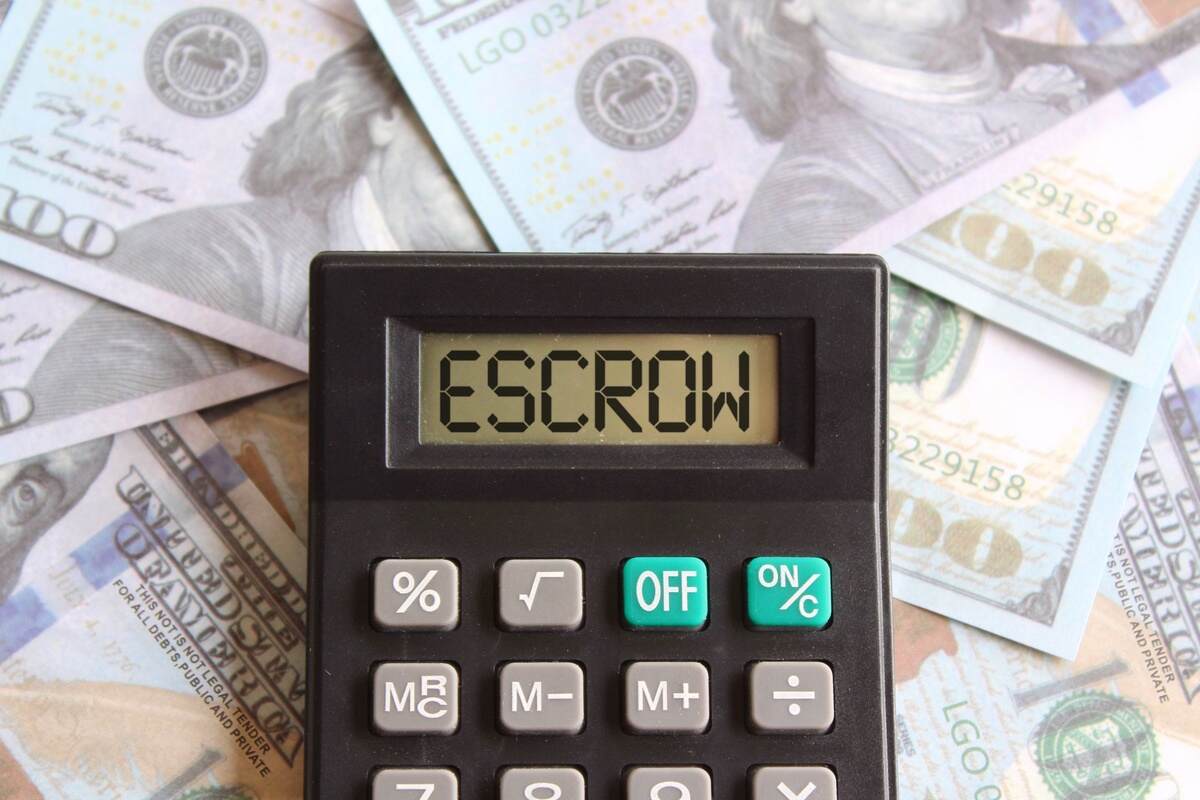
Escrow services are designed to protect buyers and sellers by holding money until agreed transaction conditions are satisfied. In a genuine arrangement, an independent and trustworthy service manages the payment. Unfortunately, scammers sometimes create fake escrow websites or impersonate legitimate payment providers to collect deposits from unsuspecting car buyers.
The scam often begins when a seller suggests using a particular escrow company. They may explain that this arrangement protects both parties and makes an online purchase safer. For buyers unfamiliar with escrow services, the suggestion can sound professional and reassuring.
Fraudsters may provide a website link that resembles an established payment platform. The website could contain professional graphics, customer support details, transaction instructions, and security statements. These features can make a fraudulent service appear genuine.
After visiting the website, buyers are instructed to register, provide personal details, or transfer money into an account. The platform may display a confirmation message suggesting that the payment has been secured. However, the service is controlled by the scammer rather than an independent company.
Some fake escrow operations request additional payments after the initial deposit. They might describe these charges as insurance, account verification, release fees, or transaction processing costs. Each request creates another opportunity for financial loss.
A major warning sign is a payment service selected and controlled entirely by the seller. Buyers should never assume that a website is legitimate simply because it looks professional or uses familiar security terminology. Fraudulent websites can imitate genuine companies with considerable accuracy.
Before using an escrow provider, independently verify its legal identity, official website, contact information, and operating history. Contact the company through details obtained from its official website rather than relying on links or phone numbers supplied by the seller.
Never transfer money to an unverified escrow account. A genuine independent service should clearly explain its responsibilities, payment protection arrangements, refund conditions, and dispute procedures. If these details cannot be confirmed, do not proceed with the transaction.
4. Shipping and Delivery Deposit Scams
Shipping deposit scams target buyers who want to purchase vehicles located in different cities or regions. The seller may claim that the car can be delivered directly to the buyer’s home. This arrangement sounds convenient, especially for people who cannot travel to inspect vehicles in person.
The fraudster usually advertises a car at an attractive price and claims that transportation is available. They may say that they regularly sell vehicles to customers in other locations and have an established delivery arrangement. These statements help create an impression of a reliable business.
After receiving the buyer’s interest, the seller requests a deposit to arrange transportation. They may describe it as a booking fee, vehicle loading charge, insurance payment, or delivery reservation amount. The buyer is told that the vehicle will be dispatched once the money arrives.
Some scammers create fake shipping company websites and send documents containing fabricated tracking numbers. These materials may make buyers believe that the vehicle has entered the delivery process. In reality, no transportation service has been arranged.
The scam can become more expensive when fraudsters request additional payments. They may claim that the vehicle is being held at a checkpoint, requires special insurance, or cannot be released until another fee is paid. Buyers who have already transferred money may feel pressured to continue paying.
To avoid this problem, independently verify the transportation company before making any payment. Contact the company through its official communication channels and confirm whether it has actually received an instruction to transport the vehicle.
Ask for the vehicle’s current location, registration details, and recent photographs. If possible, arrange an independent inspection before authorising shipment. A legitimate transport provider should be able to explain its charges and delivery procedures clearly.
Do not send money to an individual simply because they claim to represent a shipping company. Confirm every arrangement directly with the service provider and keep copies of invoices, payment records, and written agreements. If the seller refuses these checks, reconsider the purchase.
5. Identity Theft Through Fake Deposit Forms
Some online car deposit scams are designed to collect personal information rather than immediate payments. Fraudsters create fake reservation forms, vehicle booking pages, and verification documents that ask buyers to provide sensitive details. These forms may appear to be part of a normal car purchasing process.
The seller might claim that personal information is required to reserve the vehicle. They could request a full name, residential address, phone number, email address, identification details, or banking information. Buyers may provide these details because they believe the seller needs them to prepare the paperwork.
In certain cases, the scammer sends a link to a fake dealership website. The page may display vehicle photographs, company information, and an online booking option. Buyers are encouraged to complete the form and pay a small reservation amount.
The information collected can be misused for identity theft, impersonation, fraudulent account applications, or targeted scams. Even if no money is taken during the initial interaction, sharing sensitive information with an unknown person can create long-term risks.
Fraudsters may also use the information to make future messages appear more convincing. For example, they could contact the buyer using their name and vehicle preferences while pretending to represent a financial institution, insurance company, or dealership.
Buyers should examine every form before submitting information. A legitimate seller may need certain details during a vehicle transaction, but requests should be relevant to the specific stage of the purchase. There is rarely a valid reason to share banking passwords, one-time passwords, or complete payment card security details with a private seller.
Check whether the dealership has an established online presence and independently verify its contact information. Look for consistent business details, a genuine physical address, and official communication channels. Avoid opening suspicious links received through unknown messages.
Use secure payment channels and provide only the information necessary for the transaction. Never share account passwords or verification codes with anyone claiming to arrange a car deposit. Protecting personal information is just as important as protecting the money used to purchase the vehicle.
6. Fake Dealership and Online Showroom Scams
Fake dealership scams involve fraudsters pretending to operate legitimate vehicle businesses. They may create professional-looking websites, social media pages, or online showrooms featuring several cars for sale. The advertisements often include detailed specifications, competitive prices, and claims about customer satisfaction.
These fraudulent businesses may copy the names, logos, photographs, and contact details of genuine dealerships. A buyer searching for a particular model might find a website that appears established and trustworthy. However, the person operating it may have no connection to the business being impersonated.
Some scammers use fake customer reviews to strengthen their credibility. They may publish positive comments, display fabricated testimonials, or share photographs of supposed buyers collecting their vehicles. Such content can make an unfamiliar dealership appear more reliable than it really is.
After receiving an inquiry, the fake representative may offer a reservation discount. They could claim that a special price is available only after a deposit has been paid. Buyers are encouraged to transfer the money quickly to avoid missing the advertised offer.
The dealership may also provide fabricated invoices and booking confirmations. These documents can contain company logos, transaction references, and payment instructions. However, professional formatting does not establish that a business is genuine.
One useful precaution is to verify the dealership independently. Search for its official business registration, physical location, publicly listed telephone number, and established customer presence. Contact the business using information obtained from independent sources rather than details provided in the advertisement.
If the seller claims to represent a known dealership, contact that dealership directly and ask whether the advertised vehicle and sales representative are genuine. Do not assume that a familiar logo or company name proves authenticity.
7. Payment Redirection and Fake Bank Details
Payment redirection scams occur when fraudsters manipulate buyers into transferring deposits to accounts that do not belong to the actual vehicle owner or authorised dealership. These scams can be difficult to identify because the vehicle listing and initial conversations may be genuine.
A fraudster might contact the buyer while pretending to be the seller’s representative. They could claim that the original payment account is unavailable or that the dealership has recently changed its banking details. The buyer is then given a new account number and asked to complete the deposit.
In other situations, scammers impersonate sellers through compromised email accounts or messaging profiles. They may send updated payment instructions shortly before the transaction is completed. Since the communication appears connected to an existing conversation, buyers may not question the change.
Fraudsters can also create fake invoices containing bank details that resemble those of a legitimate business. They may use similar company names or alter small details in the account information. A buyer who checks only the invoice design may fail to notice the difference.
Once the money reaches the fraudulent account, recovering it can be difficult. The scammer may withdraw or transfer the funds quickly. Even when the buyer reports the incident immediately, a successful recovery is not guaranteed.
Always verify payment details directly with the registered owner or dealership through a previously confirmed contact number. If banking information changes unexpectedly, pause the transaction and request independent confirmation.
Check that the account holder’s name matches the seller or authorised business receiving the payment. If the account belongs to an unrelated individual, ask for a clear explanation and supporting documentation before proceeding.

8. Fake Refund and Cancellation Fee Scams
Fake refund scams usually target buyers who have already paid a deposit or are considering cancelling a vehicle booking. The fraudster may initially present themselves as a genuine seller before creating a problem that supposedly requires additional payment.
A seller might promise that the deposit is refundable if the buyer changes their mind. Once the buyer requests a cancellation, the seller introduces unexpected conditions. They may claim that an administrative fee, account clearance charge, or refund processing payment must be completed first.
In some cases, scammers pretend that a refund has already been initiated. They send a fabricated transaction receipt or confirmation message showing that the money is being processed. The buyer is then asked to pay a separate fee to release the amount.
Fraudsters may also impersonate bank employees or customer support representatives. They contact the buyer and claim that the refund is blocked because additional verification is required. The buyer may be asked to provide account credentials, one-time passwords, or payment information.
Another variation involves fake payment links. The scammer sends a link that supposedly allows the buyer to receive a refund. However, the page may collect sensitive information or authorise an unintended payment instead.
Before paying a vehicle deposit, request a written refund policy. The document should explain the conditions under which the deposit can be returned, the expected processing time, and any legitimate deductions that may apply.
9. Fake Vehicle Inspection and Documentation Scams
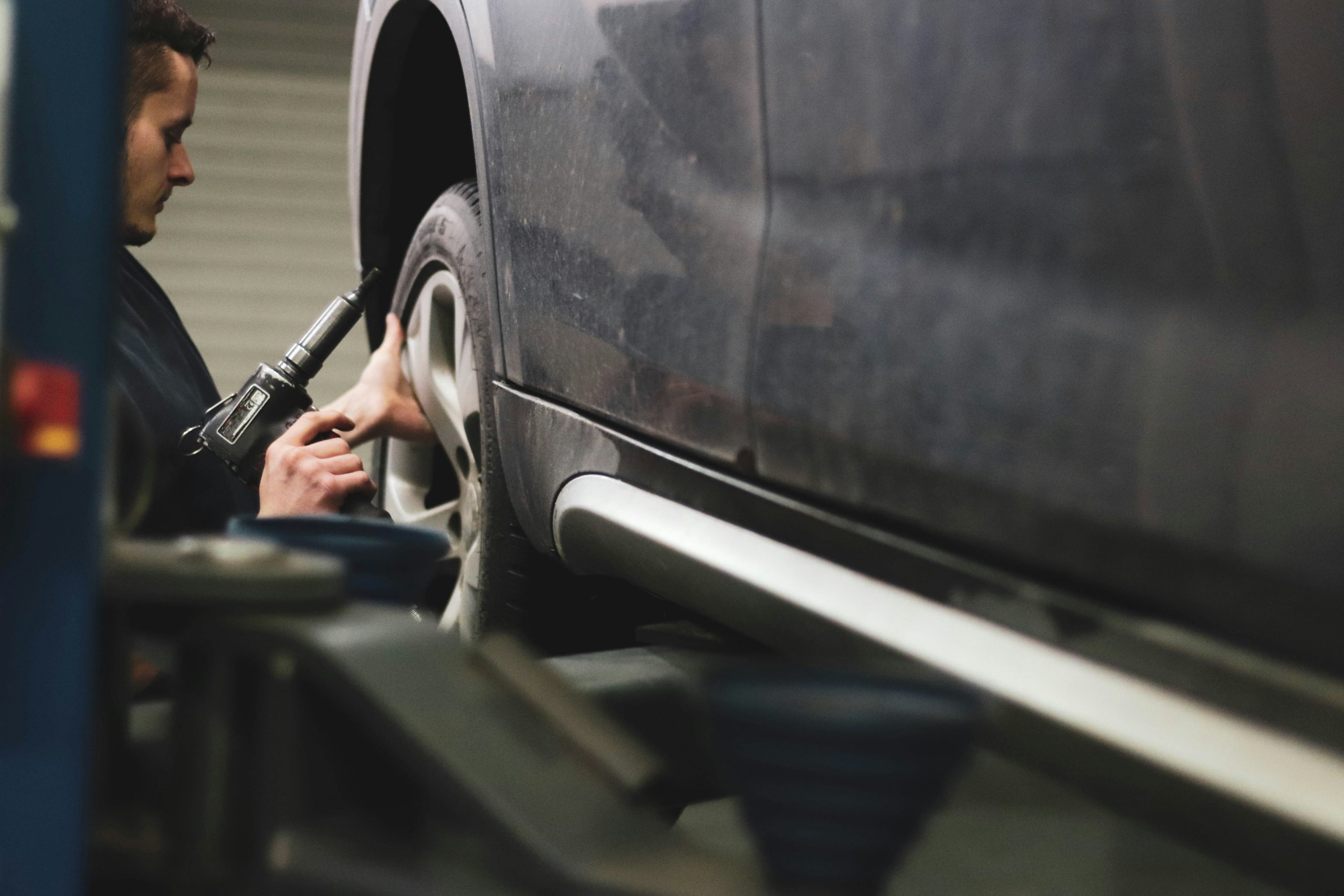
Vehicle inspection and documentation scams exploit buyers who want to confirm a car’s condition before making a deposit. Fraudsters understand that buyers often rely on inspection reports, registration records, and ownership documents when purchasing a used vehicle.
A scammer may provide a fabricated inspection certificate claiming that the car has passed mechanical, safety, and roadworthiness checks. The document might contain a workshop name, inspection date, technician details, and a list of vehicle components.
Some sellers direct buyers to a particular inspection website and claim that a report is available there. The website may be fraudulent and designed to collect payment or personal information. Buyers are asked to purchase a report before the seller agrees to proceed with the transaction.
Fake ownership documents are also used to create a false sense of security. A seller may share edited registration certificates, insurance papers, or identification documents. These materials can look convincing when buyers do not know how to verify official records.
In certain cases, fraudsters ask buyers to pay a documentation or verification deposit before providing the promised paperwork. Once the payment is received, the seller may disappear or continue demanding additional fees.
Buyers should arrange an independent inspection through a qualified mechanic or recognised inspection service. Avoid relying entirely on reports selected and supplied by the seller. An independent professional can check the vehicle’s mechanical condition and identify possible discrepancies.