Owning a car beyond 150,000 miles can be financially rewarding when the vehicle has a reliable engine, durable transmission, and affordable replacement parts. Many drivers assume that high mileage automatically means expensive repairs, but certain models continue delivering dependable performance with reasonable maintenance costs.
Choosing the right vehicle makes a significant difference in long-term ownership expenses. Factors such as engine design, service history, fuel economy, parts availability, and mechanical simplicity influence how much an older car costs to maintain.
This guide highlights nine cars known for long-term reliability and practical ownership, helping drivers make informed decisions when choosing a high-mileage vehicle.
1. Toyota Corolla
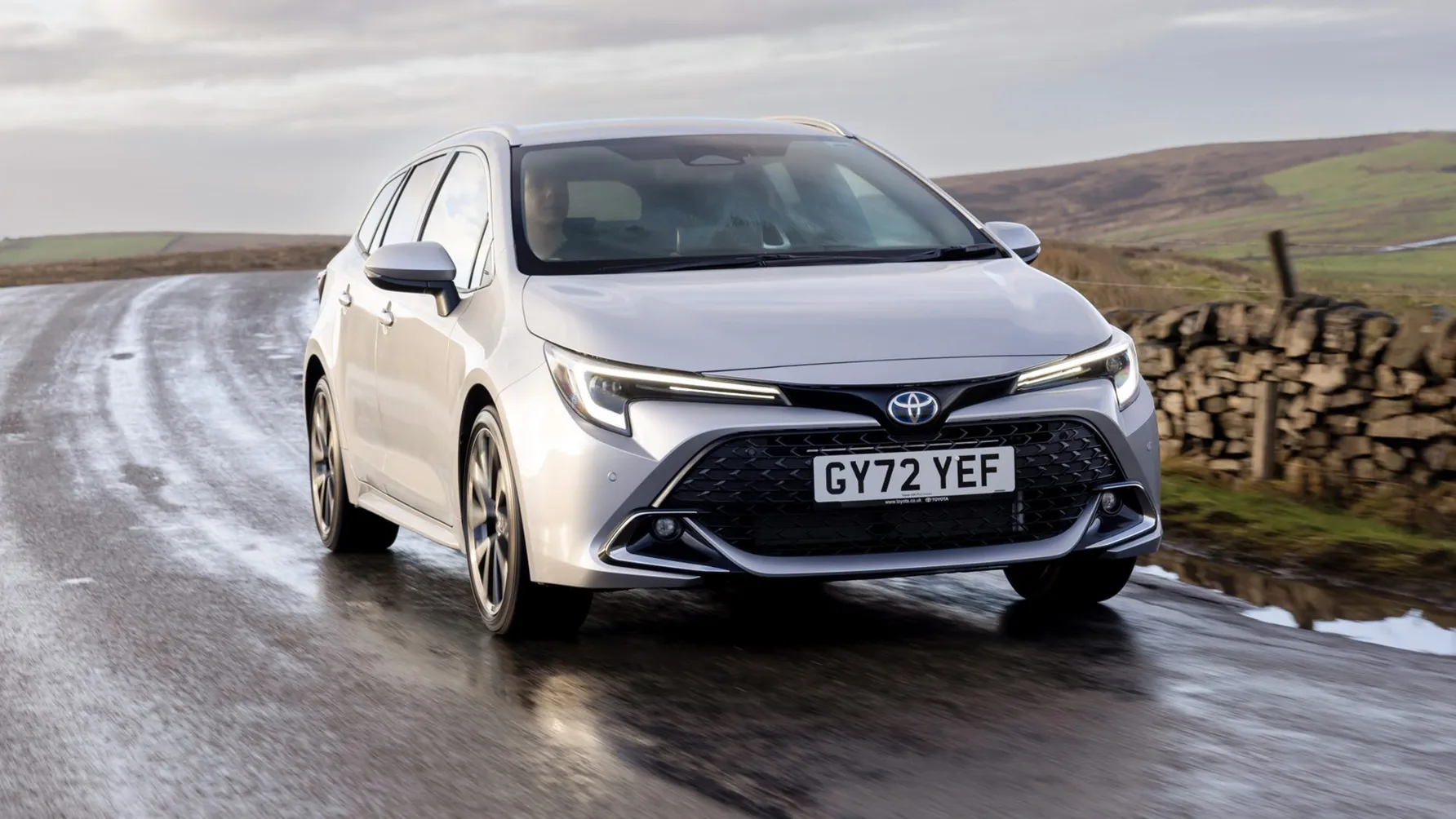
The Toyota Corolla has a long-standing reputation for reliability, making it a practical choice for drivers who want low maintenance expenses after 150,000 miles.
Its straightforward mechanical design, widely available replacement parts, and efficient engines help keep ownership costs manageable. Many Corolla models can cover substantial distances when owners follow the recommended service schedule.
The engine is designed for everyday driving rather than high-performance demands. This approach helps reduce unnecessary mechanical stress during regular commuting. Routine oil changes, air filter replacements, spark plug servicing, and coolant maintenance play important roles in keeping the engine healthy.
Transmission condition deserves attention in older Corolla models. Automatic transmissions can provide dependable service when their fluid is maintained according to the manufacturer’s recommendations. Buyers should check for delayed shifting, unusual noises, and fluid leaks before purchasing a high-mileage example.
The Corolla’s suspension system is generally affordable to service. Components such as shock absorbers, struts, stabilizer links, and control arm bushings eventually wear out, particularly on vehicles driven over rough roads. These repairs are common for older cars and do not necessarily indicate serious mechanical problems.
Replacement parts are readily available in many markets, making repairs easier and more affordable. Independent mechanics are also familiar with the Corolla’s mechanical systems. This reduces the likelihood of expensive specialist labour for ordinary maintenance and repair work.
Fuel efficiency adds to its financial appeal. A well-maintained Corolla can deliver economical everyday transportation, helping owners reduce their regular running expenses. Actual fuel consumption depends on the model year, engine, transmission, driving conditions, and maintenance history.
Before purchasing a Corolla with more than 150,000 miles, inspect the cooling system, engine mounts, suspension, brakes, and transmission. Check for oil consumption, neglected servicing, and previous accident damage. A vehicle with complete maintenance records is generally a safer purchase than one with an unknown history.
The Toyota Corolla remains a sensible option for buyers who value dependable transportation and predictable maintenance expenses. Its practical engineering, affordable servicing, and strong reputation make it suitable for long-term ownership.
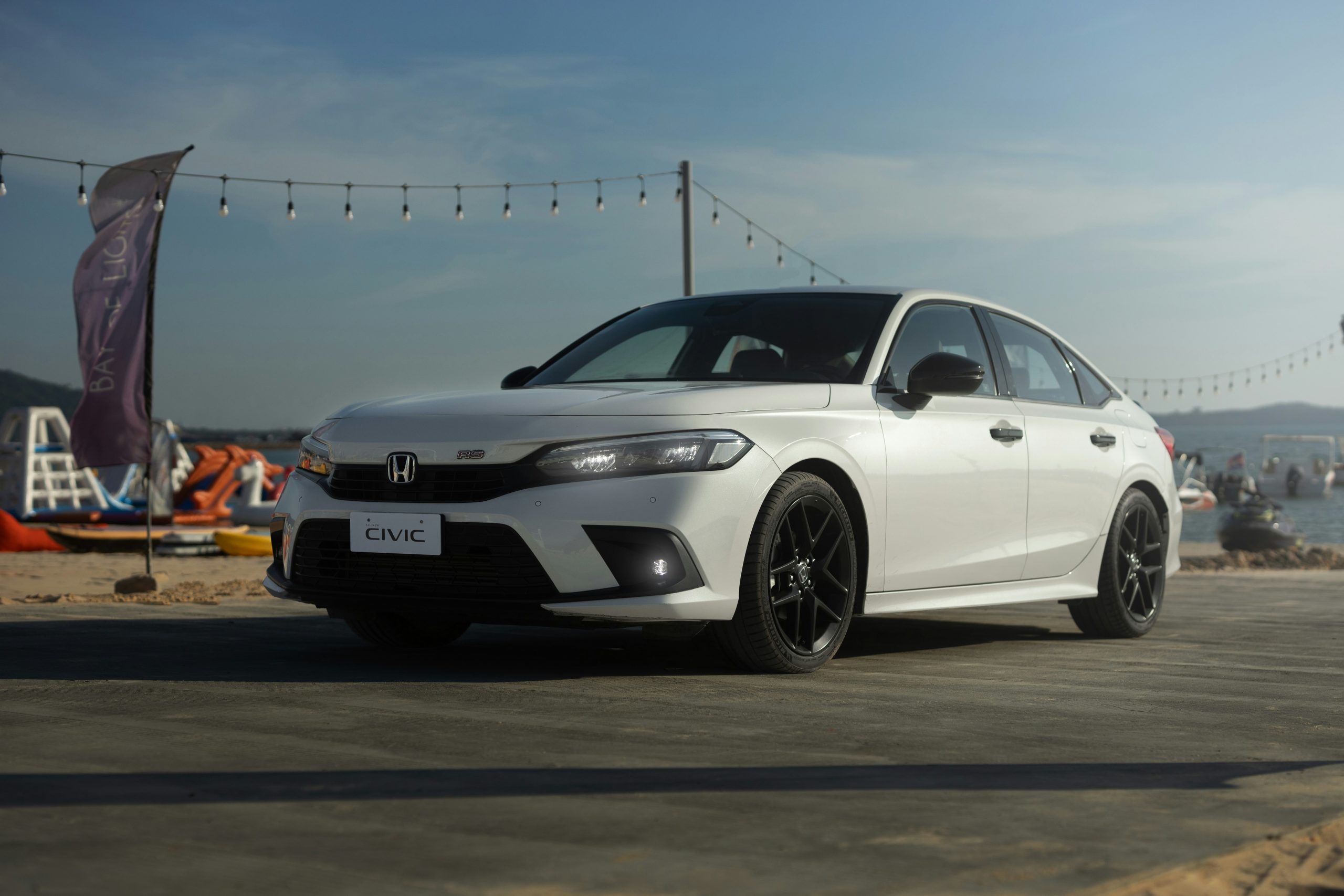
2. Honda Civic
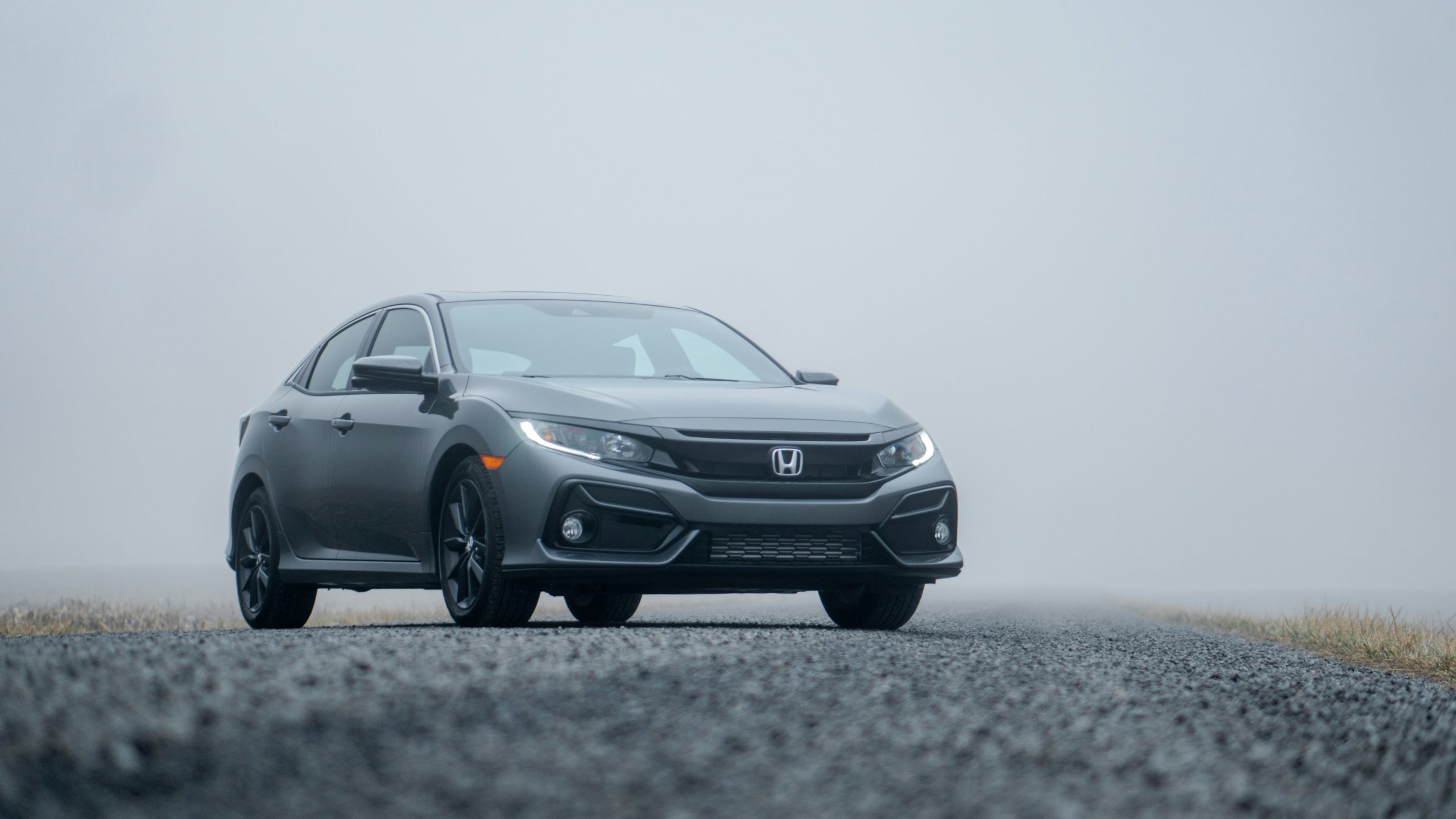
The Honda Civic is another popular choice for drivers seeking affordable maintenance at higher mileage. Its efficient engines, practical construction, and extensive parts availability contribute to its long-term appeal. Properly maintained examples can continue providing dependable transportation well beyond 150,000 miles.
Honda engines are generally known for their durability and efficient operation. Regular oil changes are particularly important because engine lubrication directly affects internal components. Owners should use the oil specification recommended for their particular model and avoid extending service intervals unnecessarily.
Transmission maintenance is equally important. Older automatic and continuously variable transmission models require appropriate fluid servicing. Using the correct transmission fluid helps maintain smooth operation and reduces avoidable wear. Any slipping, shuddering, or unusual shifting behaviour should receive professional attention.
The Civic’s suspension and steering components may require replacement as mileage increases. Worn bushings, ball joints, wheel bearings, and shock absorbers can affect handling and driving comfort. These components are generally available through aftermarket suppliers, giving owners several repair options.
The vehicle’s braking system is relatively straightforward to maintain. Brake pads, rotors, calipers, and brake fluid require periodic inspection. Replacing worn parts at the appropriate time helps maintain stopping performance and prevents additional damage to related components.
Parts availability is a major advantage of owning a Civic. Its popularity means that many independent workshops have experience servicing different generations. Owners can usually find replacement filters, belts, sensors, suspension components, and other commonly required parts without difficulty.
When inspecting a high-mileage Civic, pay attention to engine leaks, cooling system condition, transmission behaviour, and electrical components. Certain model years have specific mechanical concerns, so buyers should research the exact generation rather than assuming every Civic has identical reliability.
For people who need an economical daily driver, the Honda Civic offers a practical combination of efficiency, comfort, and repair accessibility. A carefully maintained example can remain useful for many years without requiring unusually expensive routine servicing.
3. Toyota Camry
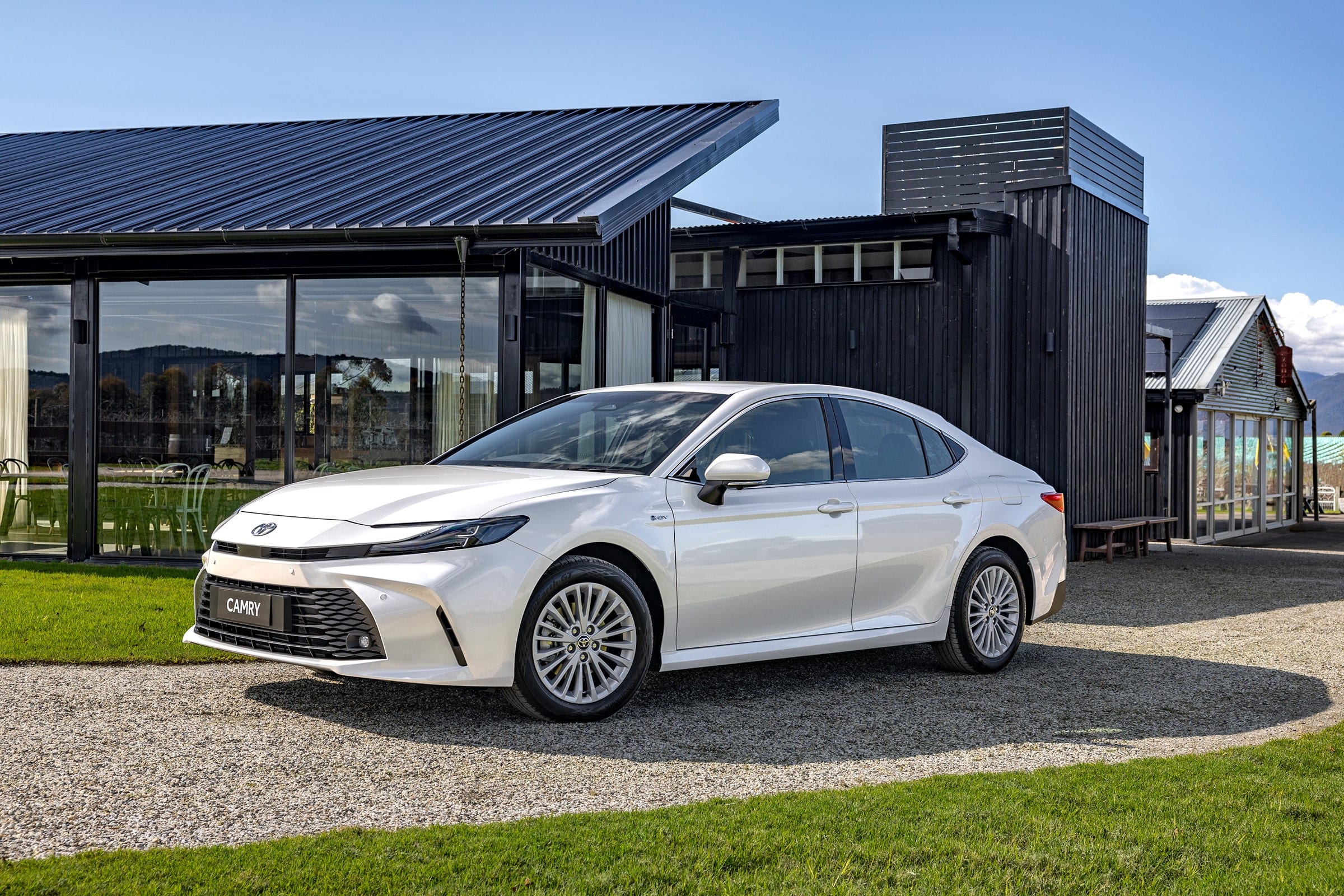
The Toyota Camry is a strong candidate for drivers who want a comfortable midsize sedan with manageable long-term maintenance expenses. Its larger cabin, smooth driving experience, and durable engine options make it suitable for families and regular commuters.
Many Camry generations feature naturally aspirated four-cylinder engines that offer a relatively simple mechanical layout. These engines can provide extended service when owners maintain proper lubrication, cooling, and ignition systems. Regular inspections help identify developing problems before they become expensive repairs.
Some Camry models also feature V6 engines. These provide stronger acceleration and smoother highway performance, but maintenance requirements can differ from those of four-cylinder versions. Certain repairs may involve additional labour because of the more complex engine layout.
Transmission condition is essential when purchasing a Camry with high mileage. Buyers should look for smooth gear changes, consistent acceleration, and evidence of previous fluid servicing. A transmission that has been neglected can become a major ownership expense.
The suspension system contributes to the Camry’s comfortable ride. Over time, struts, bushings, stabilizer links, and wheel bearings can wear out. Replacing these components when necessary helps maintain stability and reduces uneven tyre wear.
Toyota’s broad parts network makes routine Camry repairs relatively accessible. Independent repair shops can usually handle common mechanical work, including brake servicing, cooling system repairs, belt replacement, and suspension maintenance. This flexibility helps owners control labour expenses.
A high-mileage Camry should receive a careful inspection before purchase. Check the engine for leaks, examine the radiator and hoses, test the air conditioning, and inspect the transmission. Some model years also have known oil consumption or transmission-related concerns that deserve attention.
The Toyota Camry is particularly attractive to drivers who want a spacious vehicle without moving into a more expensive luxury category. With documented servicing and sensible driving habits, it can provide dependable transportation beyond 150,000 miles.
4. Honda Accord
The Honda Accord combines comfortable driving characteristics with a reputation for long-term durability. Its spacious interior, practical engineering, and strong parts availability make it a popular option in the used-car market. Owners who maintain their vehicles properly can often keep them running well beyond 150,000 miles.
Four-cylinder Accord models are generally attractive to budget-conscious buyers. Their engines provide a useful balance of performance and fuel efficiency. Regular oil changes, air filter replacements, spark plug servicing, and cooling system inspections help maintain reliable operation.
V6 versions offer additional power and smoother acceleration. However, some generations require more attention to timing belt servicing and related components. Buyers should verify whether scheduled timing belt replacements have been completed when applicable.
Transmission maintenance should receive particular attention. Different Accord generations use different transmission designs, and their servicing requirements vary. A professional inspection can identify slipping, vibration, delayed engagement, or other warning signs before purchase.
The Accord’s suspension components are widely available. Older vehicles may need new struts, control arm bushings, ball joints, or stabilizer links. These repairs are expected as mileage increases and can restore handling quality when completed correctly.
The braking system is also relatively easy for independent workshops to service. Regular inspections of brake pads, rotors, calipers, and fluid help maintain safe operation. Owners should address brake noises, vibrations, or reduced stopping performance promptly.
Electrical systems, air conditioning, and engine sensors deserve attention in older examples. A faulty alternator, deteriorating battery, or malfunctioning sensor can create problems that affect everyday usability. Checking these systems during a pre-purchase inspection helps avoid unexpected expenses.
The Honda Accord is a practical choice for buyers who want more interior space than a compact sedan provides. Its long-term ownership potential depends heavily on model year, engine selection, previous repairs, and consistent maintenance.
5. Mazda3
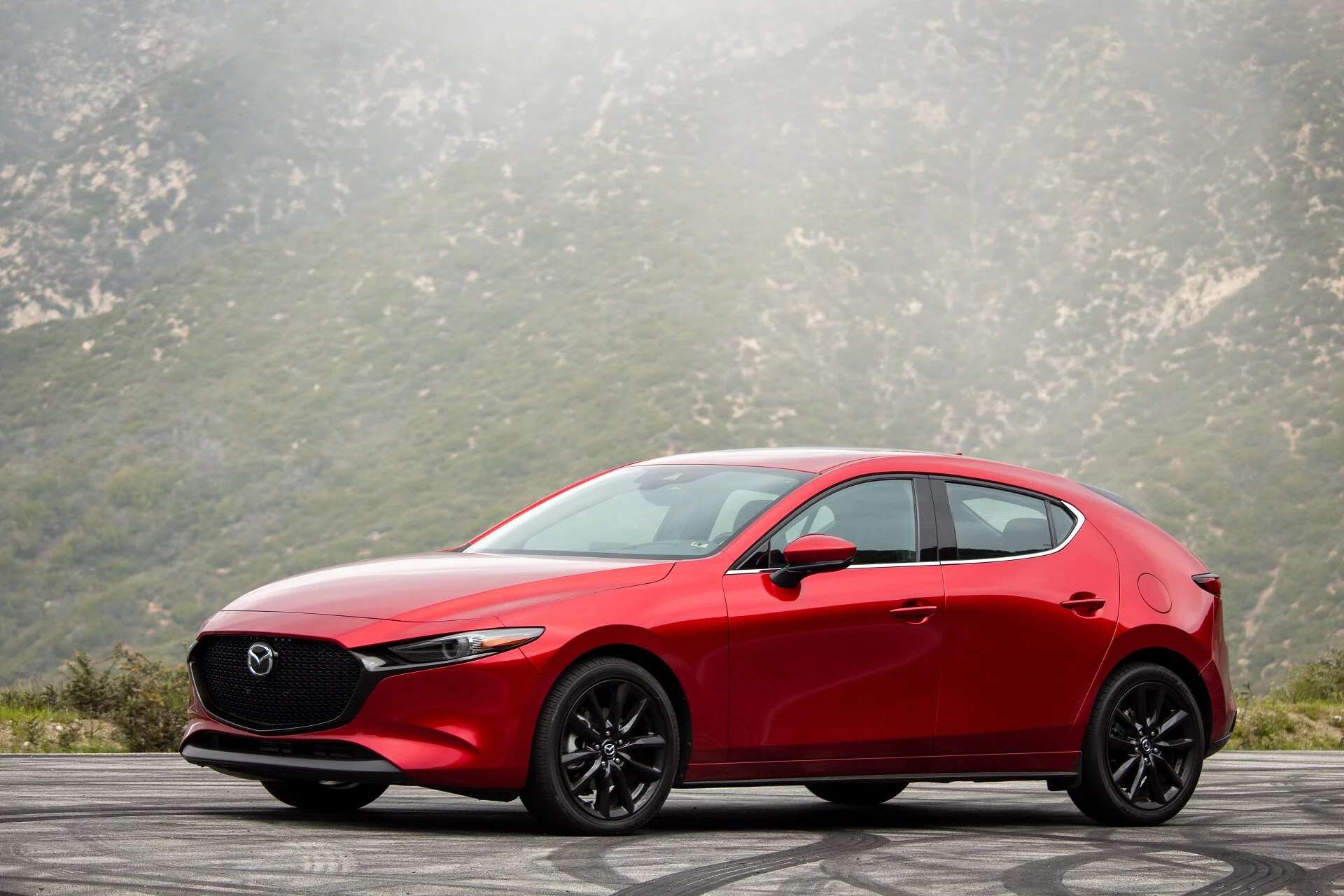
The Mazda3 is a compact car that combines enjoyable handling with relatively practical ownership costs. Its responsive steering, comfortable cabin, and efficient engine options make it appealing to drivers who want something more engaging than a basic commuter vehicle.
Many Mazda3 models use naturally aspirated petrol engines. These engines have fewer complex systems than certain modern turbocharged alternatives, which can help simplify long-term maintenance. Regular oil changes and proper cooling system care remain essential.
The transmission is another important consideration. Mazda3 models have used manual and automatic transmissions across different generations. A well-maintained transmission should operate smoothly without grinding, slipping, or unusual noises.
Suspension maintenance becomes increasingly important after 150,000 miles. Worn dampers, bushings, mounts, and wheel bearings can affect the car’s handling. Fortunately, commonly replaced components are available through aftermarket suppliers in many markets.
Rust prevention deserves special attention when buying an older Mazda3. Vehicles operated in areas with road salt or high moisture exposure may develop corrosion around the underbody, wheel arches, and structural sections. A thorough inspection can help identify problems that are not immediately visible.
The Mazda3’s fuel economy makes it attractive for everyday commuting. Actual consumption varies according to engine size, transmission type, driving habits, and vehicle condition. Proper tyre pressure, clean filters, and timely servicing can help maintain efficient operation.
Owners should also inspect the cooling system, engine mounts, brakes, and electrical connections. Older vehicles may develop minor issues involving sensors, door locks, or air conditioning components. Addressing small problems early can prevent additional inconvenience.
For drivers who appreciate responsive handling without wanting a premium-brand maintenance budget, the Mazda3 is worth considering. Selecting a model with a complete service history is particularly important when purchasing one with substantial mileage.

6. Toyota Prius
The Toyota Prius offers an economical ownership experience through its hybrid powertrain. Its combination of a petrol engine and electric motor reduces fuel consumption, particularly during city driving. For drivers covering significant annual distances, fuel savings can make a meaningful difference.
The hybrid system uses regenerative braking to recover energy during deceleration. This reduces reliance on conventional friction brakes under many driving conditions. As a result, brake pads and rotors may last longer than those in some traditional petrol vehicles, depending on usage and driving conditions.
The petrol engine is designed to work alongside the electric motor. This arrangement can reduce engine workload in certain driving situations. However, proper maintenance remains necessary, including oil changes, coolant servicing, spark plug replacement, and air filter inspections.
The hybrid battery is a major consideration when purchasing a Prius with more than 150,000 miles. Battery performance can gradually decline with age, temperature exposure, and usage. A professional hybrid-system diagnostic test can help determine its condition before purchase.
Battery cooling components also require attention. Blocked cooling passages or dirty ventilation filters can affect battery temperature management. Keeping the cooling system clean helps support proper operation and reduces unnecessary thermal stress.
The Prius uses specialised hybrid components, meaning some repairs require technicians familiar with hybrid vehicles. Buyers should confirm that suitable repair facilities are available locally. Battery replacement costs can vary considerably depending on the generation, replacement type, and labour charges.
A high-mileage Prius should be inspected for hybrid battery condition, inverter operation, engine performance, transmission-related components, and cooling system health. Diagnostic scans can reveal warning codes that may not be obvious during a short test drive.
The Toyota Prius can be an excellent option for drivers who prioritise fuel savings and efficient commuting. Its long-term maintenance costs can remain reasonable when the hybrid system is healthy, and the vehicle has received consistent professional care.
7. Lexus ES
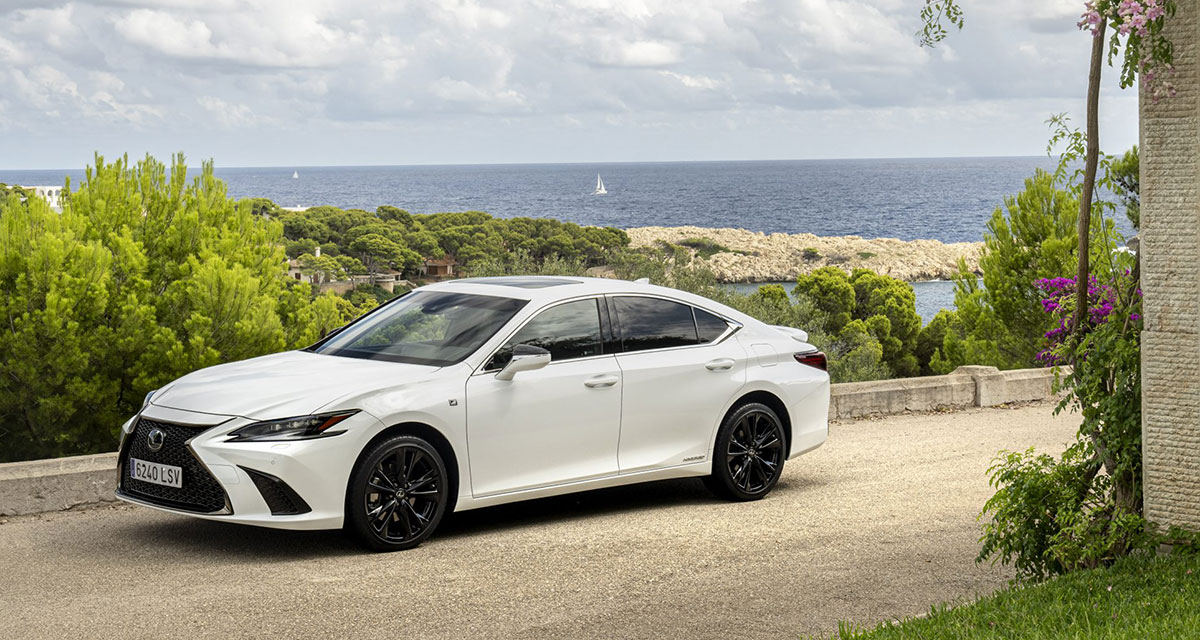
The Lexus ES provides a more comfortable and refined driving experience while sharing engineering foundations with certain Toyota models. This connection gives the sedan access to established mechanical technology and a broad service network in markets where Lexus and Toyota vehicles are supported.
Many Lexus ES models use naturally aspirated V6 engines. These powerplants are designed for smooth performance and can cover substantial mileage with proper servicing. Routine maintenance includes engine oil changes, coolant replacement, spark plug servicing, and inspection of belts and hoses.
Some generations also feature four-cylinder engines or hybrid powertrains. Maintenance costs vary depending on the exact version. Buyers should identify the engine and transmission fitted to the vehicle before estimating future expenses.
The ES offers a comfortable suspension setup that prioritises a smooth ride. Age and mileage can eventually affect struts, control arm bushings, mounts, and other suspension components. Replacing worn parts can restore ride quality and improve stability.
Luxury equipment can introduce additional repair expenses. Features such as power seats, electronic climate control, advanced audio systems, and automatic accessories may develop faults as the vehicle ages. These systems are separate from the basic engine and transmission maintenance requirements.
Replacement parts for common mechanical components are generally accessible through Toyota and Lexus parts networks. However, genuine Lexus parts and certain electronic components may cost more than comparable items for mainstream Toyota sedans. Independent specialists can sometimes provide more economical servicing.
A pre-purchase inspection should cover the engine, transmission, suspension, cooling system, electrical features, and air conditioning. Buyers should also check whether the vehicle has received the correct maintenance for its specific generation.
The Lexus ES is suitable for drivers who want a quieter, more comfortable sedan without choosing a complicated European luxury model. Its maintenance expenses can remain manageable, but the condition of its electronics and comfort features should not be overlooked.
8. Honda Fit
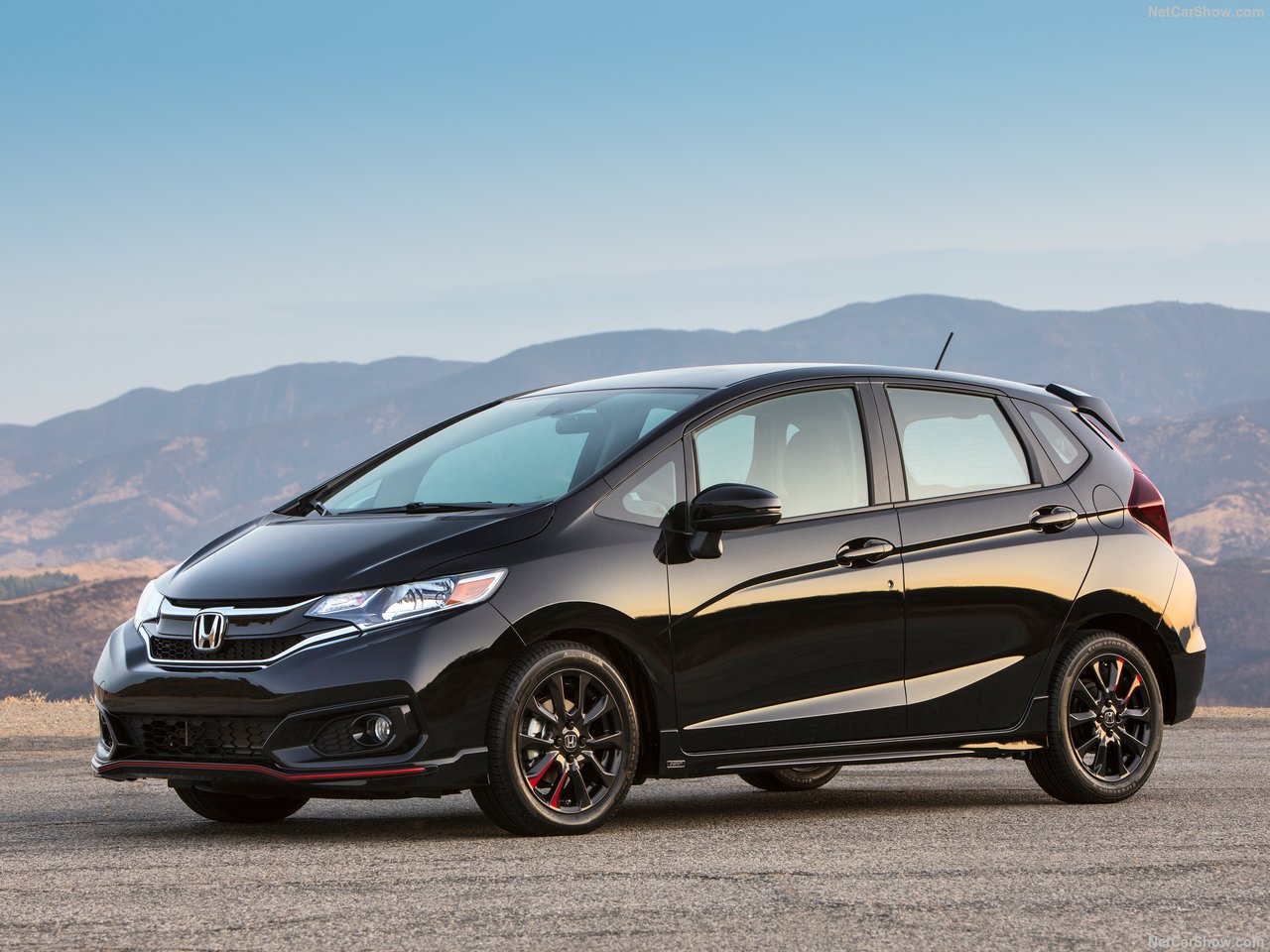
The Honda Fit, also known as the Honda Jazz in several international markets, is a compact hatchback with a practical interior and efficient engine options. Its small size, versatile seating arrangement, and relatively straightforward mechanical design make it attractive for economical daily transportation.
The Fit’s compact petrol engines are designed to balance efficiency and everyday performance. Routine oil changes, air filter replacements, spark plug servicing, and coolant inspections help maintain their condition. Proper servicing is especially important as the vehicle accumulates mileage.
Transmission selection matters when buying an older Fit. Different generations have used manual transmissions, conventional automatic transmissions, and continuously variable transmissions. Each design has specific maintenance requirements, so buyers should check the service history carefully.
The CVT-equipped versions require particular attention to correct transmission fluid and scheduled servicing. Using the wrong fluid or ignoring maintenance can contribute to premature wear. Smooth acceleration and consistent operation should be checked during a test drive.
Suspension components can gradually wear out with age. Shock absorbers, struts, control arm bushings, and wheel bearings may require replacement. Since the Fit is relatively lightweight, many routine mechanical repairs can be handled without the complexity associated with larger vehicles.
Its compact dimensions and efficient engine make the Fit suitable for urban driving. Parking is easier, and fuel consumption is generally economical. These characteristics help reduce regular ownership expenses, especially for people who commute frequently.
Buyers should inspect the cooling system, engine mounts, brakes, transmission, and electrical equipment. Older examples should also be checked for accident repairs, corrosion, and neglected maintenance. A complete service history can provide useful evidence of responsible ownership.
The Honda Fit is a practical choice for individuals and small families who need affordable transportation. Its flexible cabin, efficient operation, and accessible replacement parts make it a useful option for long-term ownership.
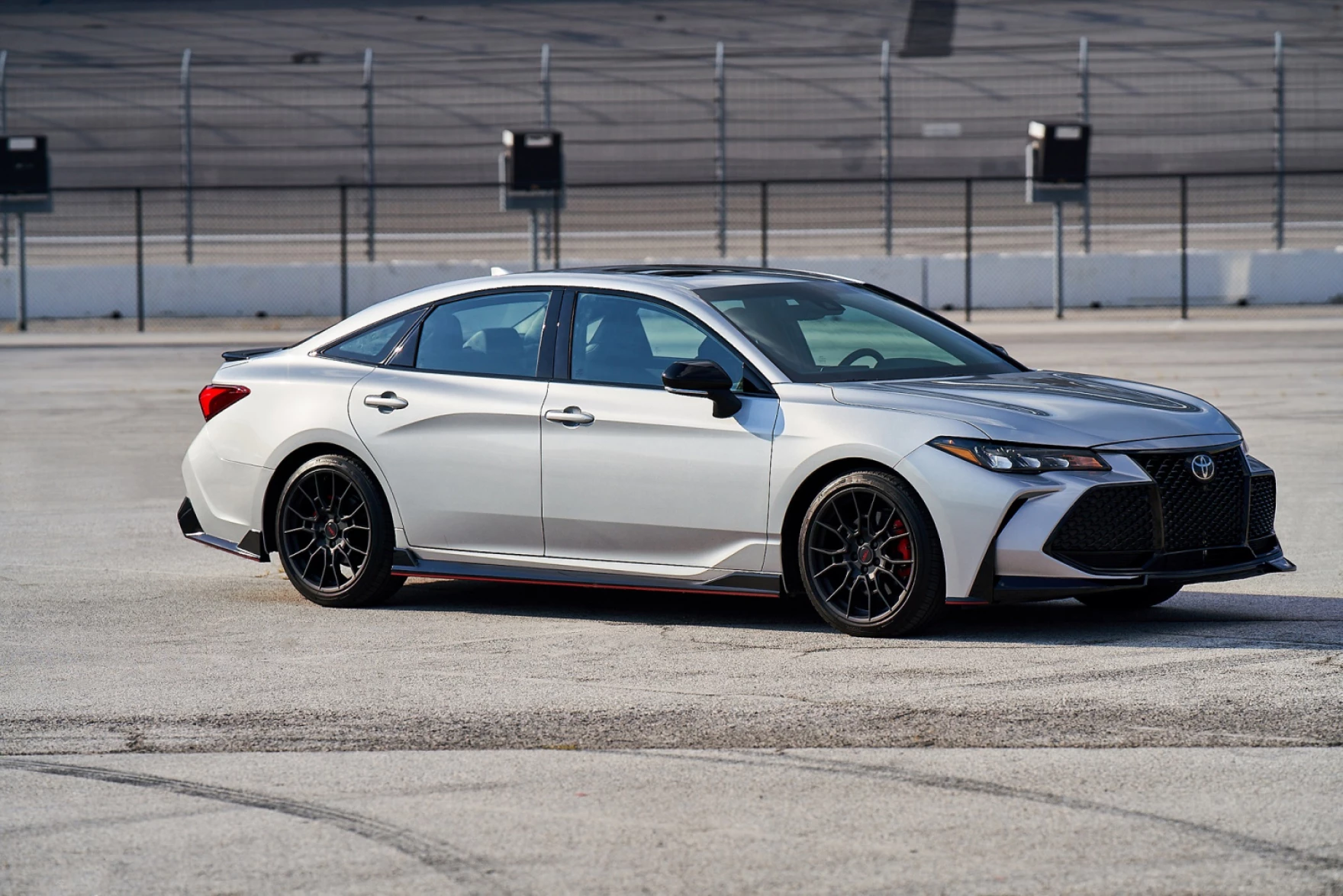
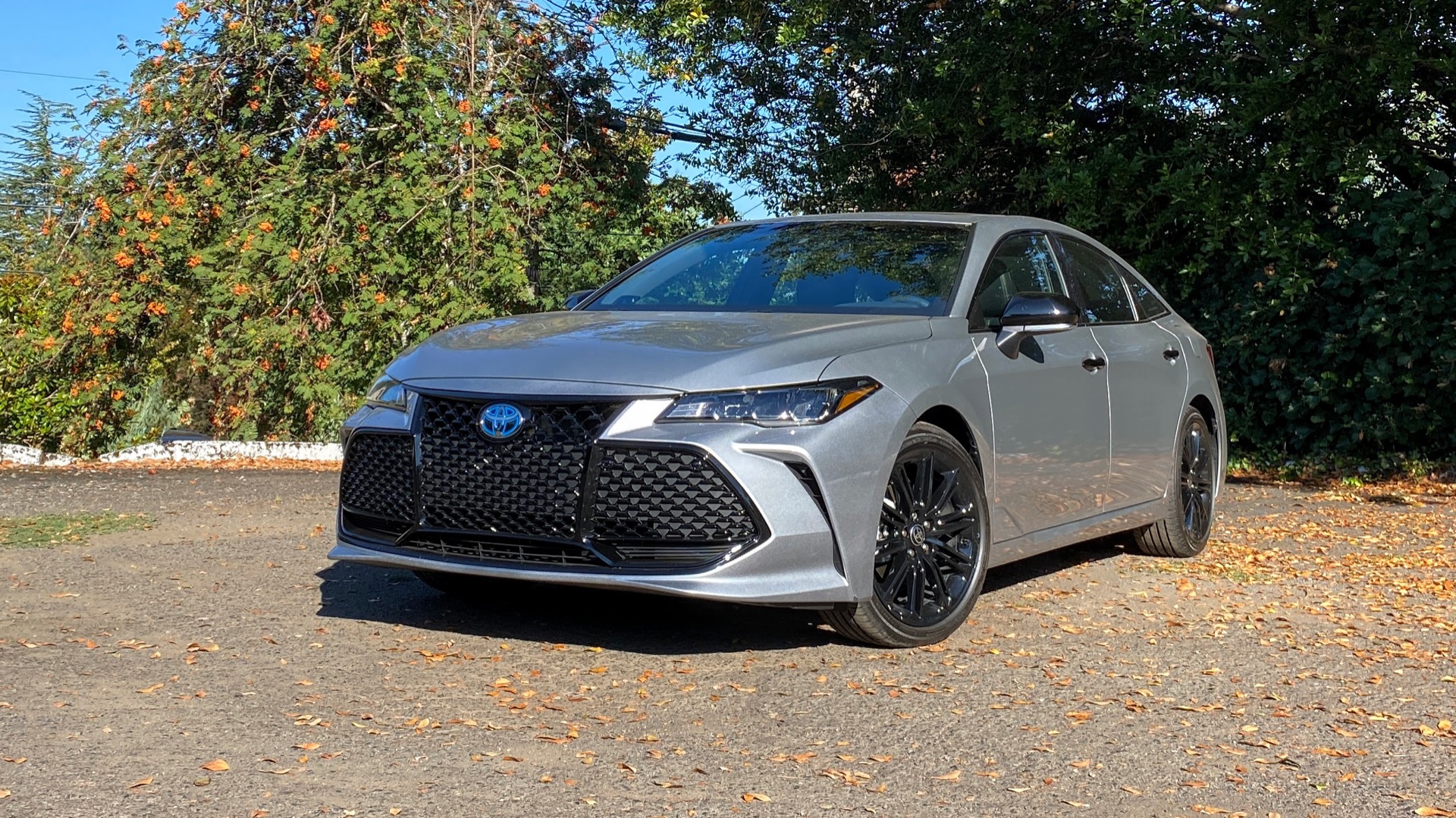
9. Toyota Avalon
The Toyota Avalon is a full-size sedan designed to provide spacious seating, smooth performance, and comfortable highway driving. Its naturally aspirated engine options and Toyota engineering make it an interesting choice for buyers seeking a large used vehicle with reasonable long-term maintenance potential.
Many Avalon generations use V6 engines that provide strong acceleration without relying on turbocharging. These engines can deliver extended service when properly maintained. Regular oil changes, coolant servicing, spark plug replacement, and inspections of engine accessories help support long-term reliability.
Some models share mechanical components with other Toyota vehicles. This can improve parts availability and make routine repairs easier for independent workshops. Common maintenance items such as filters, brake components, and suspension parts are generally accessible through established suppliers.
Transmission servicing is essential for an older Avalon. Buyers should check for smooth shifting, unusual noises, fluid leaks, and signs of previous overheating. The correct maintenance procedure depends on the transmission fitted to the particular model year.
The Avalon offers a comfortable suspension system, but components eventually wear out. Struts, control arm bushings, ball joints, and wheel bearings may require replacement after years of use. These repairs are normal for high-mileage vehicles and should be included in ownership cost estimates.
Because the Avalon is a larger sedan, tyre and brake expenses may be higher than those of compact cars. Owners should consider tyre size, replacement quality, and local parts prices when calculating long-term running costs.
Electronic features and cabin equipment also deserve inspection. Power windows, seat adjustments, climate controls, sensors, and infotainment systems can develop faults with age. Repairing these features may cost more than servicing the engine or replacing standard mechanical components.
The Toyota Avalon is a worthwhile consideration for drivers who want a spacious, comfortable sedan with established mechanical technology. A well-maintained example can offer years of useful service, provided buyers carefully evaluate its condition and previous maintenance.