
Fuel quality plays an important role in keeping a vehicle reliable, efficient, and safe on the road. Most drivers expect gasoline or diesel from a gas station to meet proper quality standards, but contaminated fuel can sometimes enter the supply.
Water, dirt, rust, sediment, and other unwanted substances may affect engine performance and damage important components. Recognizing the warning signs early can help drivers avoid expensive repairs and unnecessary breakdowns.
From unusual engine behavior to reduced fuel efficiency, several symptoms may indicate a problem with the fuel purchased from a gas station. Understanding these signs helps drivers make informed decisions.
1. Your Engine Starts Running Roughly After Refueling
A sudden change in engine performance after visiting a gas station can indicate a possible fuel quality issue. If your vehicle was running normally before refueling but begins shaking, vibrating, or idling unevenly afterward, contaminated fuel could be responsible.
Gasoline and diesel engines depend on a consistent supply of clean fuel. When unwanted substances enter the fuel system, the engine may struggle to maintain the correct combustion process. This can lead to noticeable vibrations and inconsistent engine operation.
Water contamination is a common concern because water does not burn like gasoline or diesel. When water enters the combustion process, it can interfere with proper ignition and cause the engine to run irregularly.
Drivers may notice rough idling when waiting at traffic lights or sitting in a parking area. The engine might shake more than usual, and the vehicle may feel less stable even when the accelerator is not being pressed.
In some cases, dirt and sediment can also restrict fuel delivery. These particles may collect inside filters or interfere with fuel injectors, preventing the engine from receiving the proper amount of fuel.
Pay attention to when the symptoms begin. If rough running appears shortly after filling the tank and was not present during previous journeys, the timing may provide a useful clue.
However, rough engine operation does not automatically mean the gas station supplied contaminated fuel. Faulty spark plugs, ignition coils, clogged filters, and other mechanical problems can produce similar symptoms.
If the issue continues, have a qualified mechanic inspect the fuel system. Avoid repeatedly driving a vehicle that shakes severely or struggles to remain running, as continued operation may increase the risk of further damage.
2. Your Vehicle Suddenly Loses Power
Unexpected power loss is another warning sign that may point toward contaminated fuel. Drivers often notice this problem when accelerating, climbing hills, overtaking other vehicles, or carrying additional passengers.
An engine requires a steady supply of fuel to produce the power needed for different driving conditions. Contaminants can interfere with fuel delivery, making it difficult for the engine to respond properly when more power is required.
Water mixed with fuel can disrupt combustion and cause noticeable performance changes. The engine may hesitate when the accelerator is pressed, or it may struggle to maintain speed on an incline.
Sediment and dirt can also contribute to reduced power. These particles may clog the fuel filter or interfere with the operation of fuel injectors, limiting the amount of fuel reaching the engine.
Some drivers experience a delayed response when accelerating. The vehicle may feel unusually sluggish, even when the accelerator is pressed firmly. This behavior can become more noticeable during highway driving.
In diesel vehicles, contaminated fuel can create additional problems because modern diesel injection systems operate under high pressure. Water and abrasive particles can damage sensitive fuel system components.
If power loss begins immediately after refueling, keep a record of the station, purchase time, and fuel quantity. This information can help a mechanic assess whether the problem is connected to the latest fuel purchase.
Do not continue driving if the vehicle loses power severely or becomes unsafe to control. Arrange a professional inspection to identify the cause and prevent additional engine or fuel system damage.
3. Your Engine Misfires Frequently
Engine misfires occur when the air and fuel mixture does not burn properly inside one or more cylinders. Contaminated fuel can contribute to this condition by interfering with the combustion process.
A driver may notice sudden jerking, irregular acceleration, or a brief loss of engine power. These symptoms can make the vehicle feel uncomfortable and unpredictable, especially when driving at higher speeds.
Water contamination can affect the ability of fuel to support normal combustion. When an engine receives fuel containing excessive water, certain cylinders may fail to operate consistently.
Dirt and other particles can also affect fuel injectors. Injectors are designed to deliver precise amounts of fuel in a controlled spray pattern. Deposits or contamination can interfere with this process and create an improper fuel mixture.
Misfires may become more noticeable during acceleration because the engine requires more fuel to produce additional power. Drivers might experience hesitation, shaking, or repeated interruptions in engine performance.
In many vehicles, a misfire can trigger the check engine light. Some vehicles may also display a flashing warning light, which can indicate a serious misfire that could damage the catalytic converter.
It is important to remember that contaminated fuel is not the only possible explanation. Worn spark plugs, damaged ignition coils, faulty sensors, and mechanical problems can also cause misfires.
A professional diagnostic inspection can help determine whether the issue involves fuel contamination or another engine component. If the check engine light flashes, reduce driving and arrange prompt assistance rather than continuing your journey.
4. Your Fuel Efficiency Drops Unexpectedly
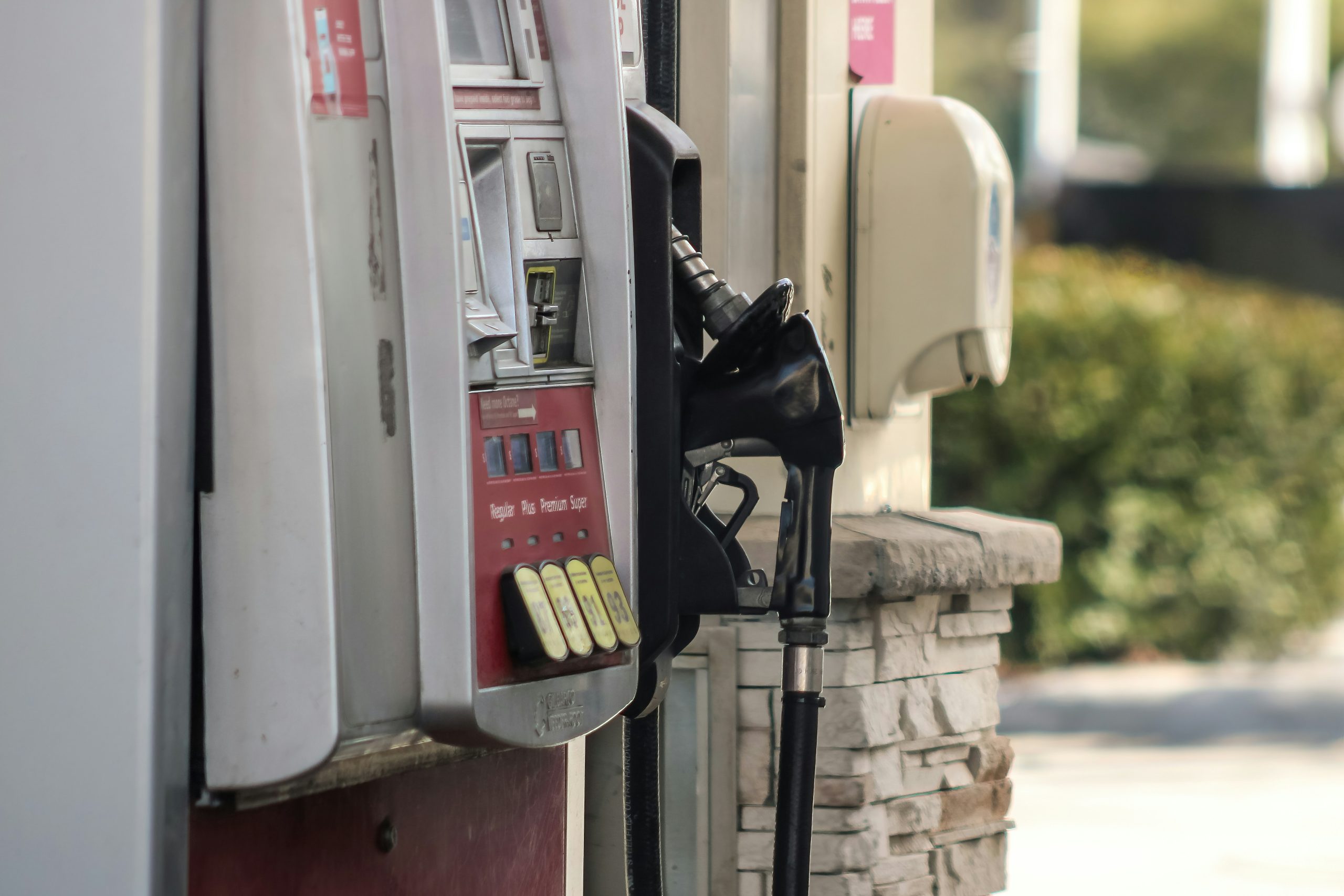
A sudden reduction in mileage can indicate that something is affecting your vehicle’s fuel delivery or combustion efficiency. If you find yourself visiting the gas station more frequently than usual, fuel quality may deserve attention.
Engines are designed to operate with a specific balance of air and fuel. When contamination interferes with combustion, the vehicle may consume more fuel while producing less useful power.
Water contamination can reduce the amount of usable combustible fuel available to the engine. The vehicle may struggle to maintain normal performance, leading to inefficient operation.
Contaminated fuel can also affect injectors and filters. When fuel delivery becomes inconsistent, the engine control system may adjust its operation to compensate, depending on the vehicle and the nature of the fault.
Drivers might notice that a full tank does not last as long as it normally does. This change may be particularly noticeable during regular commuting routes that previously delivered consistent mileage.
Keep in mind that fuel economy can change for several other reasons. Heavy traffic, low tire pressure, aggressive acceleration, air conditioning use, and engine maintenance problems can all increase fuel consumption.
To identify a possible pattern, compare mileage across several refueling sessions. Record the distance traveled, fuel purchased, and driving conditions rather than relying only on the dashboard estimate.
If fuel efficiency drops sharply after purchasing fuel from a particular station, consider having the vehicle inspected. A mechanic can check the fuel filter, injectors, sensors, and other systems to determine whether contaminated fuel is contributing to the problem.

5. Your Vehicle Struggles to Start
Starting difficulties can be another indication that the fuel entering your vehicle is not meeting the required quality standards. If your engine previously started quickly but now takes several attempts, investigate the change.
For an engine to start properly, it needs an appropriate mixture of air and fuel, sufficient compression, and a functioning ignition system in gasoline vehicles. Contaminated fuel can interfere with the fuel delivery and combustion processes.
Water in gasoline can cause starting problems because it does not provide the energy needed for combustion. If enough water reaches the engine, the vehicle may crank without starting or start briefly before stalling.
Diesel engines can also experience starting difficulties when their fuel contains water or other contaminants. Water can interfere with proper fuel injection and may affect components that require clean diesel.
Some drivers notice that the engine starts normally in the morning but becomes difficult to restart after a short stop. This behavior can occur with several fuel-related and mechanical problems, so the full symptoms matter.
A clogged fuel filter is another possible cause. When dirt and sediment accumulate, the engine may not receive enough fuel during startup, resulting in delayed ignition or repeated cranking.
Pay attention to whether the starting issue appeared immediately after refueling. If it did, record the details and avoid repeatedly turning the ignition key or cranking the engine for extended periods.
If the vehicle refuses to start, arrange professional assistance. A mechanic can test fuel pressure, inspect the filter, examine the fuel sample when appropriate, and determine whether contamination is responsible.
6. You Notice Unusual Smoke or Exhaust Odors
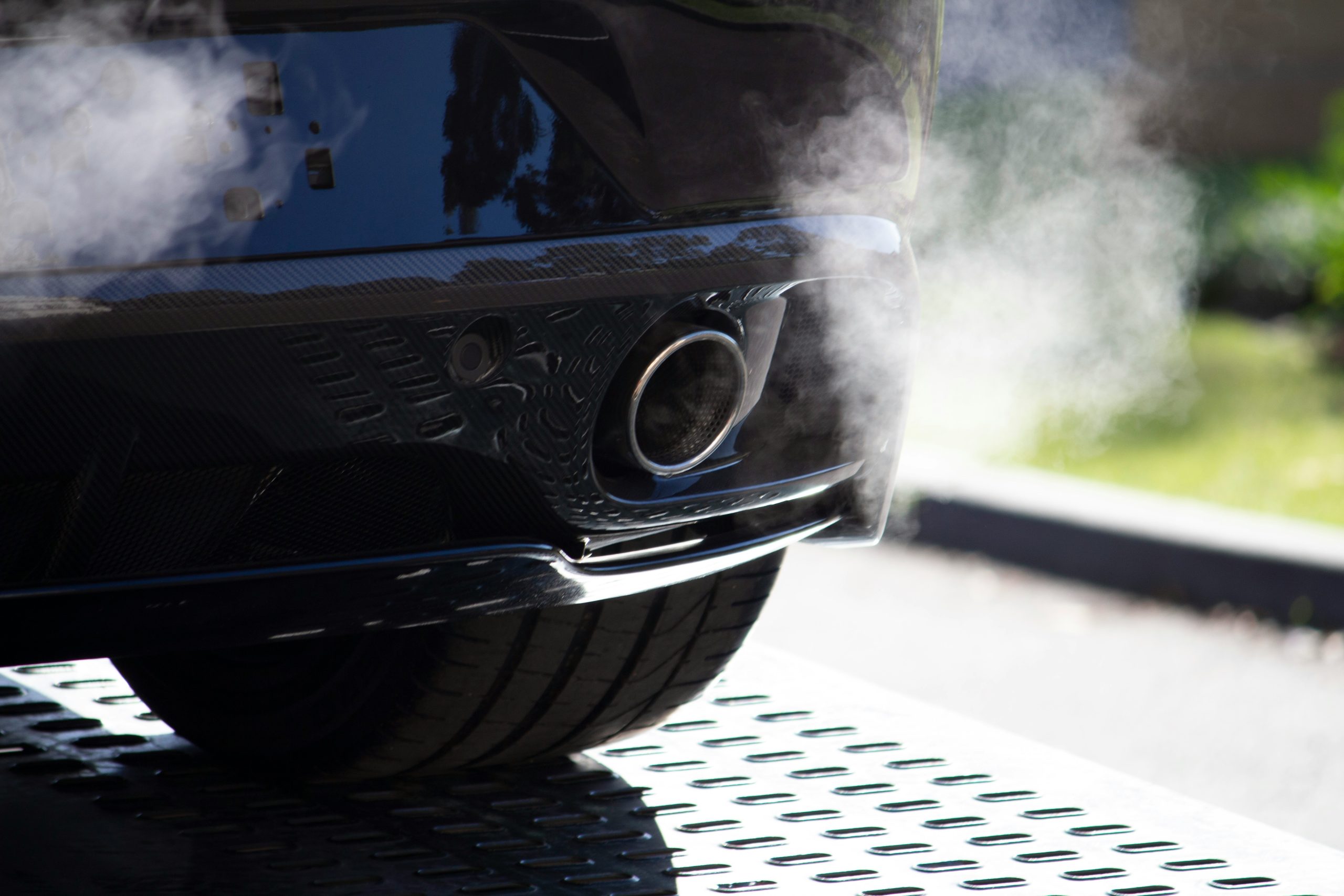
Changes in exhaust appearance or smell can sometimes indicate that the engine is not burning fuel correctly. Contaminated fuel may contribute to abnormal combustion, which can produce unusual exhaust behavior.
Black smoke from a diesel vehicle can indicate excessive fuel, insufficient air, or incomplete combustion. Fuel system contamination may contribute to the problem if it affects injector performance or fuel delivery.
White smoke can have several possible explanations. In some diesel engines, excessive white smoke may occur when fuel does not burn completely. However, white exhaust can also indicate coolant entering the combustion chamber or condensation during cold starts.
Blue smoke generally suggests that engine oil is entering the combustion process. This is not a typical direct sign of contaminated fuel and may indicate an oil-related mechanical problem.
Drivers may also notice a stronger or unusual fuel smell around the vehicle. An abnormal gasoline or diesel odor can sometimes be associated with incomplete combustion, fuel leaks, or problems in the fuel system.
It is important to distinguish between exhaust odors and the smell of raw fuel. A strong gasoline smell near the vehicle should never be ignored because it may indicate a fuel leak or another potentially dangerous condition.
If unusual smoke appears immediately after refueling, consider it alongside other symptoms such as rough idling, hesitation, and reduced power. Multiple changes occurring together can help a mechanic narrow down the possible cause.
Avoid driving if you notice heavy smoke, a strong raw-fuel smell, or signs of a fuel leak. Stop in a safe location, switch off the engine when appropriate, and seek professional assistance.
7. Your Check Engine Light Turns On After Refueling
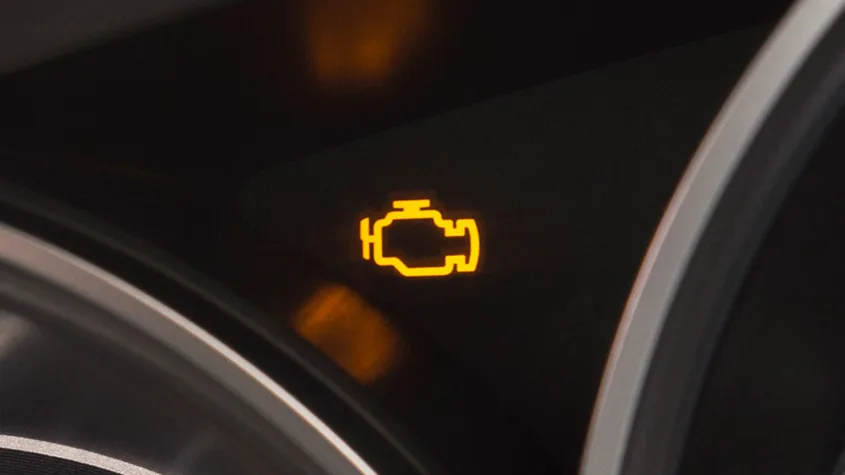
Modern vehicles use electronic sensors and onboard diagnostic systems to monitor engine performance. When the system detects an issue, it may activate the check engine light on the dashboard.
Contaminated fuel can sometimes trigger this warning by affecting combustion, fuel pressure, or the operation of fuel injectors. The vehicle’s computer may detect irregular readings and store a diagnostic trouble code.
A driver may notice the warning light shortly after leaving a gas station. If the vehicle also begins running roughly, hesitating, or losing power, the combination deserves immediate attention.
Water contamination can affect combustion quality and cause irregular engine operation. In some situations, the resulting changes may be detected by the vehicle’s oxygen sensors or other monitoring systems.
Fuel quality problems can also influence emissions. When combustion becomes less efficient, the vehicle may produce higher levels of certain pollutants, prompting the onboard diagnostic system to record a fault.
However, the check engine light does not identify contaminated fuel by itself. Loose fuel caps, faulty oxygen sensors, ignition problems, catalytic converter issues, and many other conditions can activate the warning.
A diagnostic scanner can retrieve the stored trouble codes and help identify the affected system. A mechanic may also inspect fuel pressure, injector performance, and the condition of the fuel.
Never ignore a flashing check engine light. It can indicate an active misfire that may damage the catalytic converter. Reduce driving and seek professional help promptly, particularly when the vehicle is running poorly.
8. Your Vehicle Stalls or Shuts Down Unexpectedly
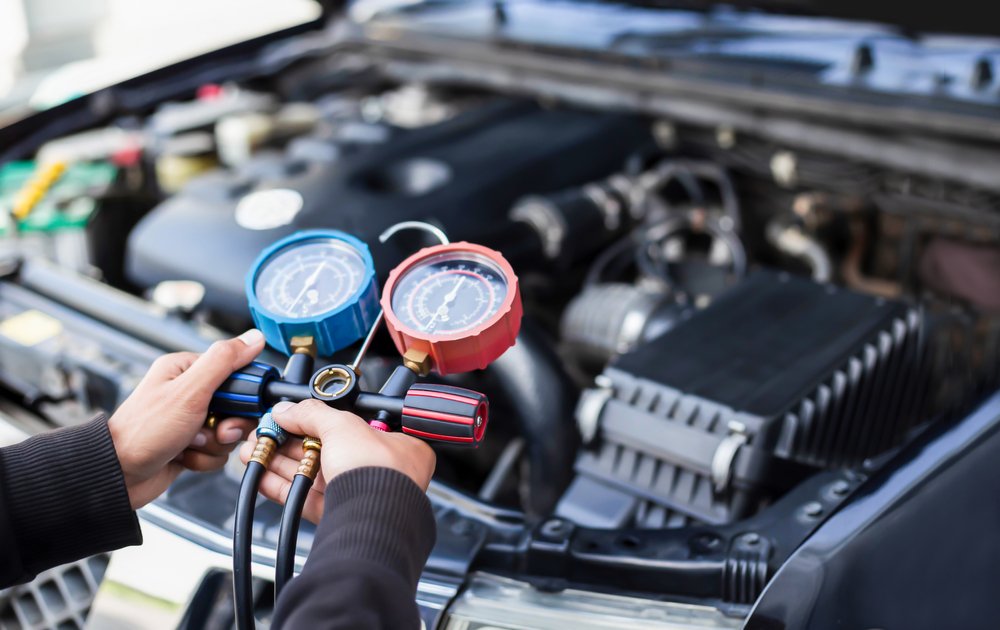
Unexpected stalling is among the more serious symptoms associated with possible fuel contamination. When an engine cannot receive a consistent supply of usable fuel, it may stop running without warning.
Water, dirt, and sediment can interfere with fuel delivery. If contamination blocks the fuel filter or affects the fuel pump and injectors, the engine may struggle to maintain normal operation.
Drivers may first notice brief interruptions in power. The vehicle might jerk, hesitate, or feel as if it is about to shut down before recovering temporarily.
In more serious situations, the engine may stall while the vehicle is moving. Losing engine power can make steering and braking more difficult, depending on the vehicle, creating a potentially dangerous driving situation.
Water contamination can be particularly concerning in diesel vehicles. Water may collect in the fuel system and cause damage to sensitive injection components if it is not detected and addressed.
Sediment can also restrict the flow of fuel, particularly when a contaminated tank contains a significant amount of unwanted material. A restricted supply may prevent the engine from operating consistently.
If stalling begins after a recent refueling visit, avoid restarting the vehicle repeatedly without understanding the cause. Continued operation may circulate contaminants through additional fuel system components.
Arrange for the vehicle to be inspected and, if necessary, transported to a repair facility. A qualified technician can assess the fuel condition, inspect affected components, and recommend appropriate cleaning or repairs.