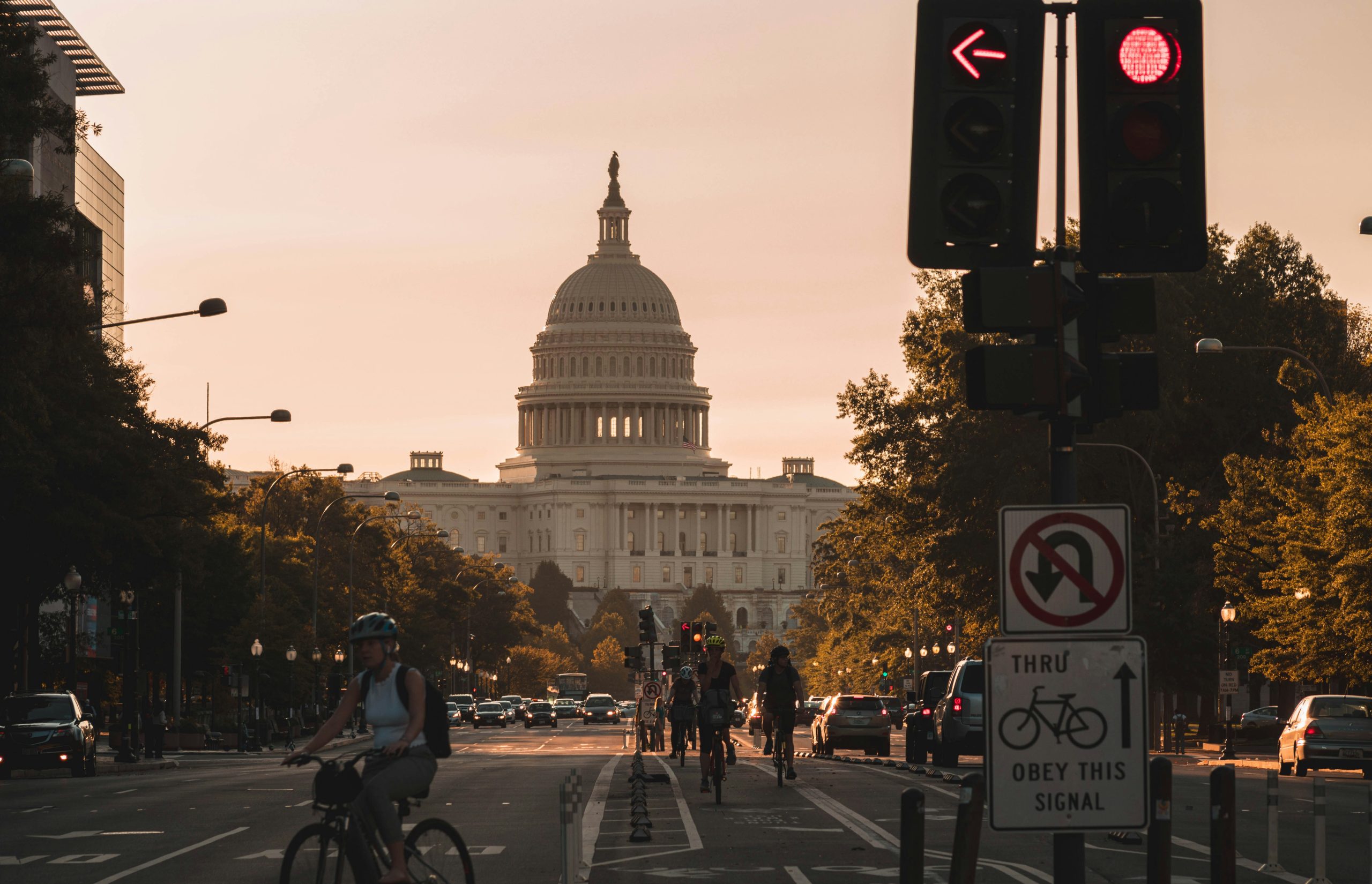
Parking in front of a driveway may seem like a minor mistake, but it can create serious problems for homeowners, tenants, and other road users. Across the United States, traffic laws restrict drivers from blocking private driveways, residential entrances, and certain access points.
Depending on the state and local regulations, motorists who ignore these restrictions may receive parking tickets, pay fines, or face additional penalties. Understanding where these rules apply can help drivers avoid unnecessary expenses and disputes with neighbors. Here are 10 states with laws and penalties for blocking a driveway, along with important details every motorist should know.

1. California
California has strict parking regulations that protect access to private driveways. Under California Vehicle Code Section 22500(e), drivers generally cannot stop or park a vehicle in front of a public or private driveway. The restriction helps residents enter and leave their properties without dealing with vehicles obstructing the entrance.
The rule applies to residential neighborhoods, commercial properties, and other locations with established driveway access. A driver cannot assume that a short stop is acceptable simply because the vehicle remains occupied. Local enforcement officers can issue citations when a vehicle violates the applicable parking restrictions.
The financial penalty depends on the location and the applicable fine schedule. Cities and counties may establish different parking citation amounts, so motorists should check the local authority’s current schedule rather than assume that every California city charges the same amount.
Blocking a driveway can cause considerable inconvenience to property owners. Someone trying to leave for work, attend an appointment, or respond to an emergency may find their vehicle trapped behind an illegally parked car.
California also has additional parking restrictions involving sidewalks, intersections, crosswalks, and fire hydrants. A vehicle parked near a driveway may violate more than one rule, depending on its position and the surrounding circumstances.
Residents who encounter a blocked driveway can contact their local parking enforcement department or police department through its non-emergency contact number. Authorities can explain whether the vehicle qualifies for a citation or removal under local regulations.
Drivers should pay attention to driveway markings, curb restrictions, and posted signs. Even when an entrance appears unused, parking across it can still create a legal problem. Leaving sufficient clearance is the simplest way to avoid a ticket.
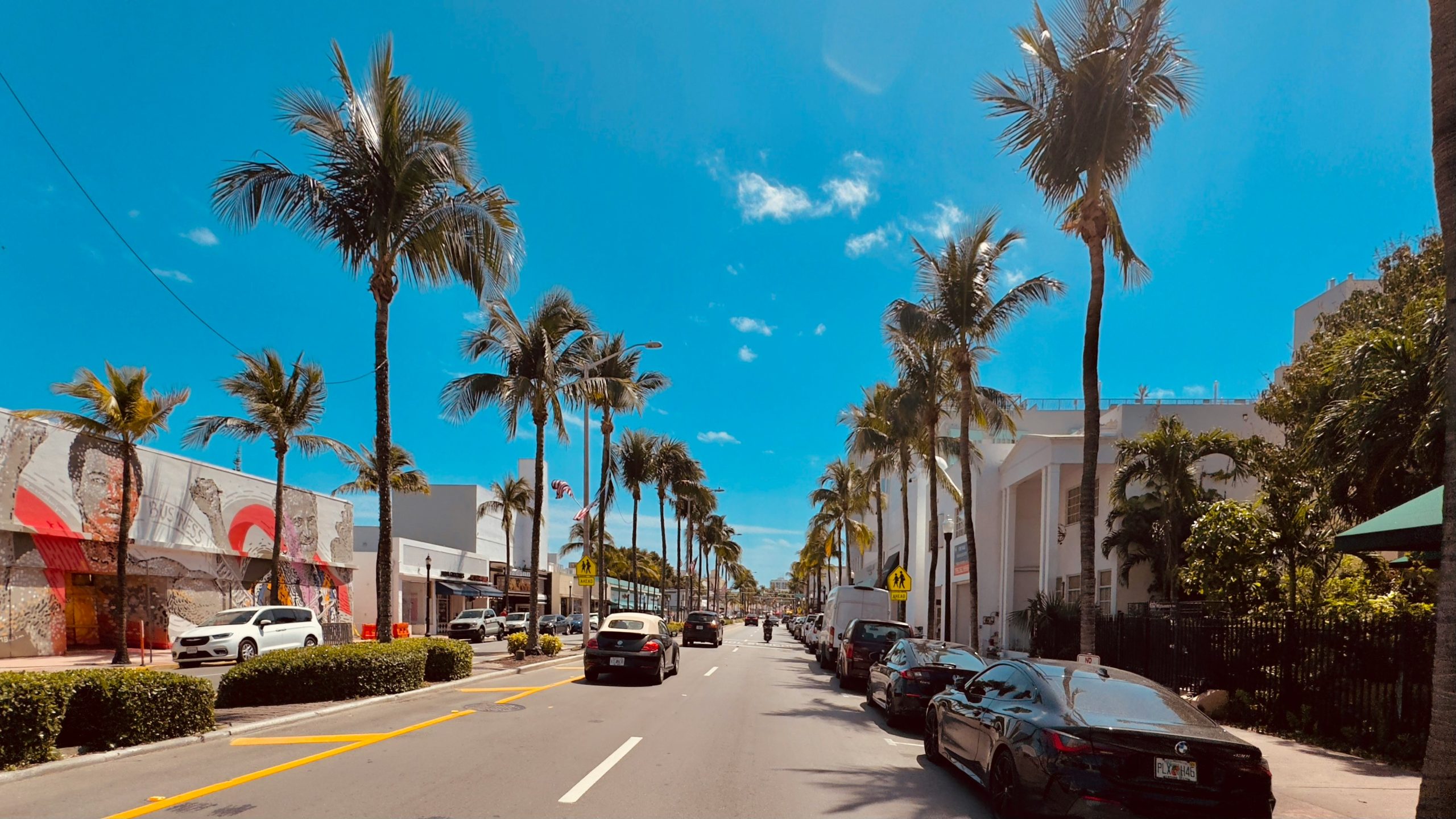
2. Florida
Florida restricts parking in front of driveways through Florida Statutes Section 316.1945. The law identifies locations where stopping, standing, or parking a vehicle is prohibited, including in front of a public or private driveway.
The restriction applies to drivers throughout the state. Residential streets, apartment complexes, and commercial properties can all have driveway access points that require protection from improperly parked vehicles.
A motorist who parks across a driveway may receive a traffic citation. The exact amount depends on the applicable violation and local penalty schedule. Additional administrative charges may also apply when a citation remains unpaid or proceeds through the relevant enforcement process.
The regulation protects residents who need regular access to their garages, parking areas, and private roads. It also helps reduce disagreements between neighbors by establishing clear expectations about where vehicles can legally park.
Florida drivers should remember that remaining inside a vehicle does not automatically make an otherwise prohibited parking position legal. A brief stop can still violate the law if the vehicle is stopped in a restricted location.
Property owners who find their driveway blocked can contact local law enforcement or parking enforcement. The appropriate department can assess the situation and explain whether a citation or towing procedure is permitted.
Visitors should look for signs and markings before leaving their vehicles near residential entrances. Checking the available parking space takes very little time and can prevent an expensive mistake.
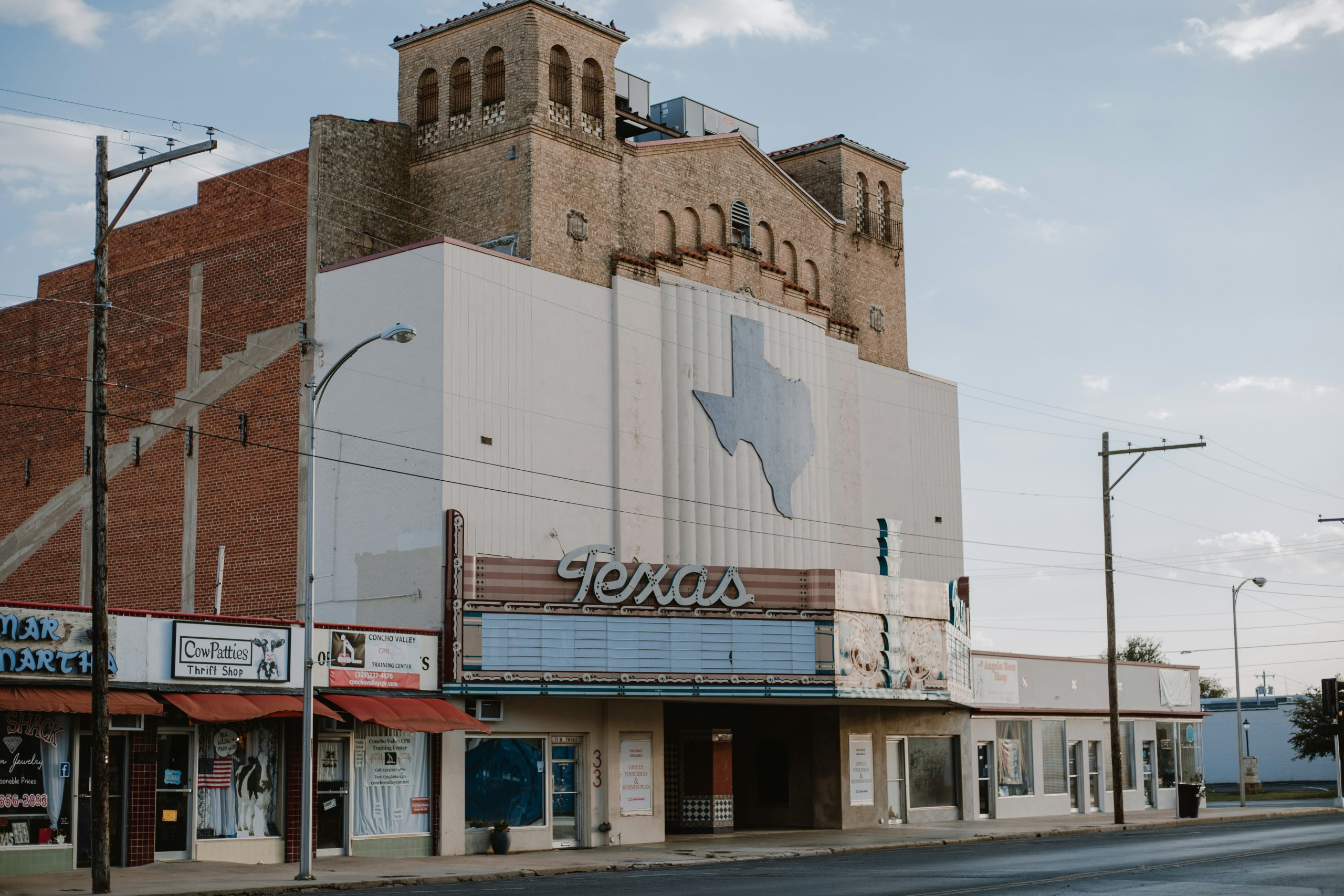
3. Texas
Texas has parking restrictions designed to prevent vehicles from interfering with residential and commercial access. Texas Transportation Code Section 545.302 addresses prohibited stopping, standing, and parking locations, including areas in front of public and private driveways.
The regulation applies to drivers using public streets across Texas. Parking across a driveway can prevent residents from moving vehicles in and out of their property. It can also interfere with deliveries, maintenance work, and emergency access.
Violations can result in parking citations. The actual fine depends on the applicable offense, municipal ordinances, and local court schedules. Drivers should not assume that a single statewide dollar amount applies to every driveway obstruction.
Cities such as Houston, Dallas, Austin, and San Antonio enforce parking restrictions through their respective local authorities. Enforcement procedures and citation amounts may differ between municipalities.
Texas drivers should also understand that parking restrictions can apply even when a driveway belongs to a private residence. The absence of a visible vehicle inside the property does not make blocking the entrance acceptable.
Residents can report vehicles obstructing their driveways through the appropriate city department or local police non-emergency service. Providing the vehicle’s location and registration details can help officials assess the complaint.
Motorists can avoid these penalties by parking within designated spaces and keeping driveway entrances clear. Paying attention to curb markings and nearby signs is particularly important in busy residential neighborhoods.

4. New York
New York has parking restrictions that protect access to private driveways and property entrances. Under New York Vehicle and Traffic Law Section 1202, parking and stopping restrictions apply to specified locations, including areas that obstruct driveways.
The law helps prevent vehicles from interfering with residents who need to enter or leave their properties. Driveway access is particularly important in densely populated areas where street parking is limited and available spaces are in high demand.
New York City also has local parking regulations that prohibit parking in front of private driveways. Drivers who violate these rules may receive parking tickets, with penalties determined by the applicable violation and local regulations.
The amount of a parking ticket can vary depending on the jurisdiction and the specific offense. New York City parking penalties should not be treated as identical to those imposed in Albany, Buffalo, Rochester, or smaller municipalities.
Blocking a driveway can also create difficulties for people who depend on their vehicles for daily transportation. Residents may be unable to leave for work, collect children from school, or attend scheduled appointments.
People experiencing driveway obstruction can report the situation to local parking enforcement or the appropriate law enforcement agency. In New York City, residents can use official city reporting services to submit certain parking complaints.
Drivers should check parking signs carefully before leaving their vehicles. A space that appears available may be restricted because it provides access to a residential garage, commercial entrance, or private parking area.
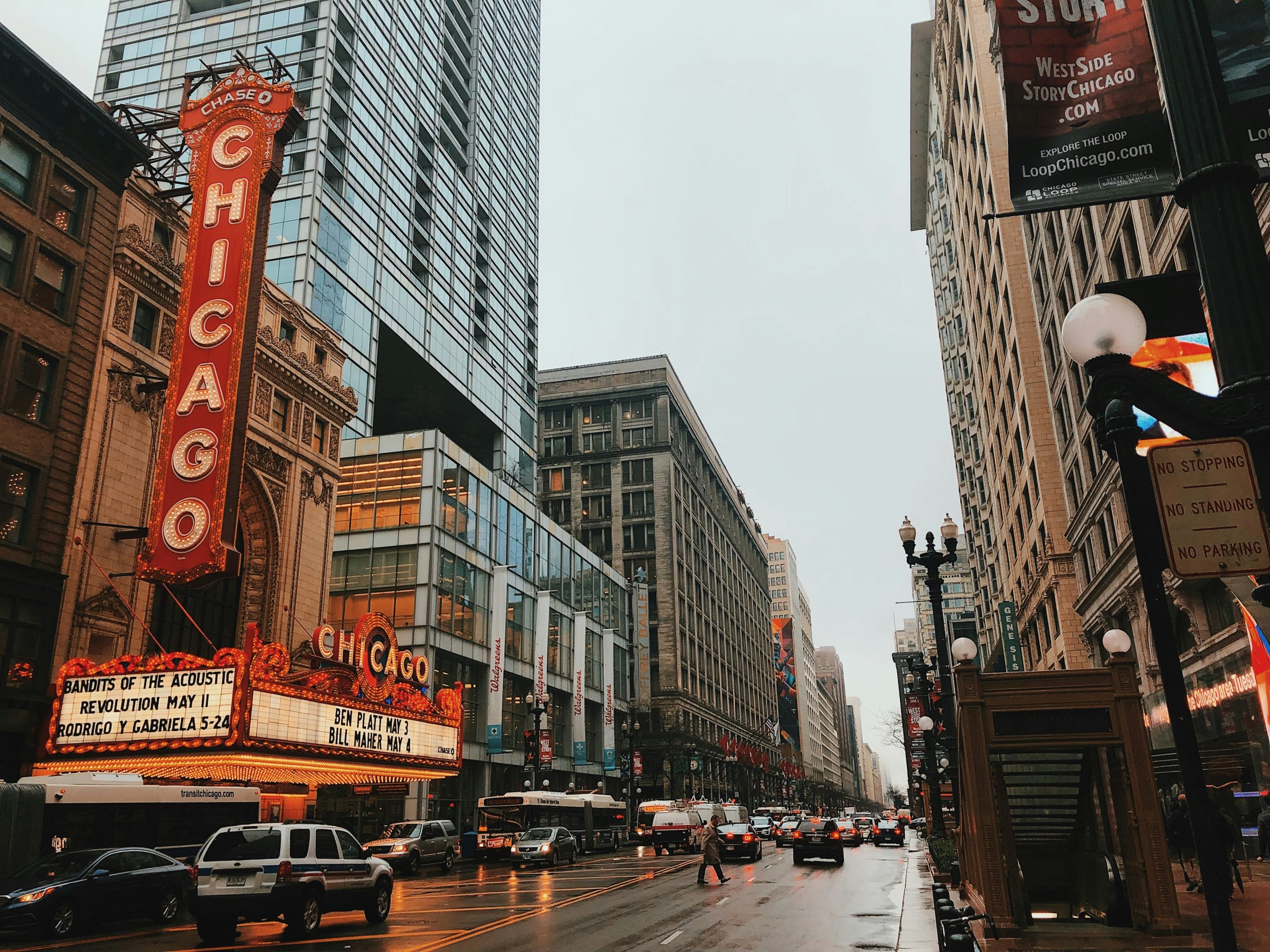
5. Illinois
Illinois has specific rules governing where motorists can legally park. Under 625 ILCS 5/11-1303, parking is restricted in locations that interfere with access to public and private driveways.
The law applies across the state, including residential neighborhoods and commercial areas. Drivers must ensure that their vehicles do not obstruct entrances that allow residents, employees, visitors, or service providers to access private property.
A person who parks in front of a driveway may receive a citation. The fine depends on the applicable local ordinance and enforcement schedule. Municipalities have authority to establish parking penalties within the limits of state law.
Chicago and other Illinois municipalities enforce parking regulations through local departments. Their procedures for reporting violations, issuing tickets, and arranging vehicle removal may differ.
Blocked driveways can create significant inconvenience for families with multiple vehicles. A resident who needs to move a car from a garage or driveway may be unable to do so when another motorist occupies the entrance.
Property owners can contact municipal parking enforcement or local police when a vehicle blocks their driveway. They should provide accurate information about the obstruction and avoid attempting to move someone else’s vehicle themselves.
Illinois motorists can prevent these problems by checking driveway boundaries and avoiding restricted curb areas. A legal parking space should provide sufficient clearance for surrounding properties and entrances.

6. Massachusetts
Massachusetts has parking regulations that prohibit motorists from obstructing driveways and certain property entrances. State and local rules work together to maintain access to residential and commercial properties.
Drivers should pay particular attention to Massachusetts General Laws Chapter 90, Section 17, which addresses parking restrictions and penalties. Local parking ordinances also play an important role in determining how driveway obstruction violations are handled.
Parking in front of a private driveway can result in a citation when the applicable regulations prohibit the vehicle’s position. The amount charged depends on the specific violation and the municipality’s established fine schedule.
Cities and towns across Massachusetts may have different parking enforcement systems. Boston, Worcester, Springfield, and other communities publish their own parking regulations and procedures for handling violations.
A blocked driveway can be particularly inconvenient during winter. Snow accumulation, limited street parking, and narrow residential roads can make access problems more difficult for property owners.
Residents who discover an obstructed driveway should contact their local parking department or police non-emergency service. Officials can determine whether the vehicle violates state or municipal restrictions and explain the available options.
Motorists should avoid parking too close to driveway entrances, even when they believe the property is not currently being used. Respecting access points helps prevent disputes and reduces the possibility of receiving a parking ticket.

7. Georgia
Georgia has laws and local parking regulations that address vehicles obstructing driveways. The rules are intended to protect access to private property and prevent motorists from creating unnecessary obstacles on public roads.
Georgia Code Section 40-6-203 establishes restrictions on where vehicles may stop, stand, or park. Drivers should also consider applicable municipal ordinances, which can provide additional parking restrictions for residential and commercial areas.
Parking across a private driveway can lead to a citation when the vehicle violates the relevant state or local rule. The precise penalty depends on the jurisdiction and the nature of the offense.
Local authorities in Atlanta, Savannah, Augusta, and other Georgia communities manage parking enforcement under their respective procedures. The citation amount and reporting process may differ from one city to another.
Driveway obstruction can affect more than homeowners. Apartment residents, business operators, delivery drivers, and visitors may also need unobstructed access to designated entrances.
Residents should document the location and circumstances of a blocked driveway before contacting local enforcement. Clear information can help officials identify the correct property entrance and assess the reported violation.
Georgia motorists should take care when parking along narrow residential streets. Leaving driveways clear, observing posted signs, and following local restrictions can help prevent tickets and unnecessary neighborhood disagreements.
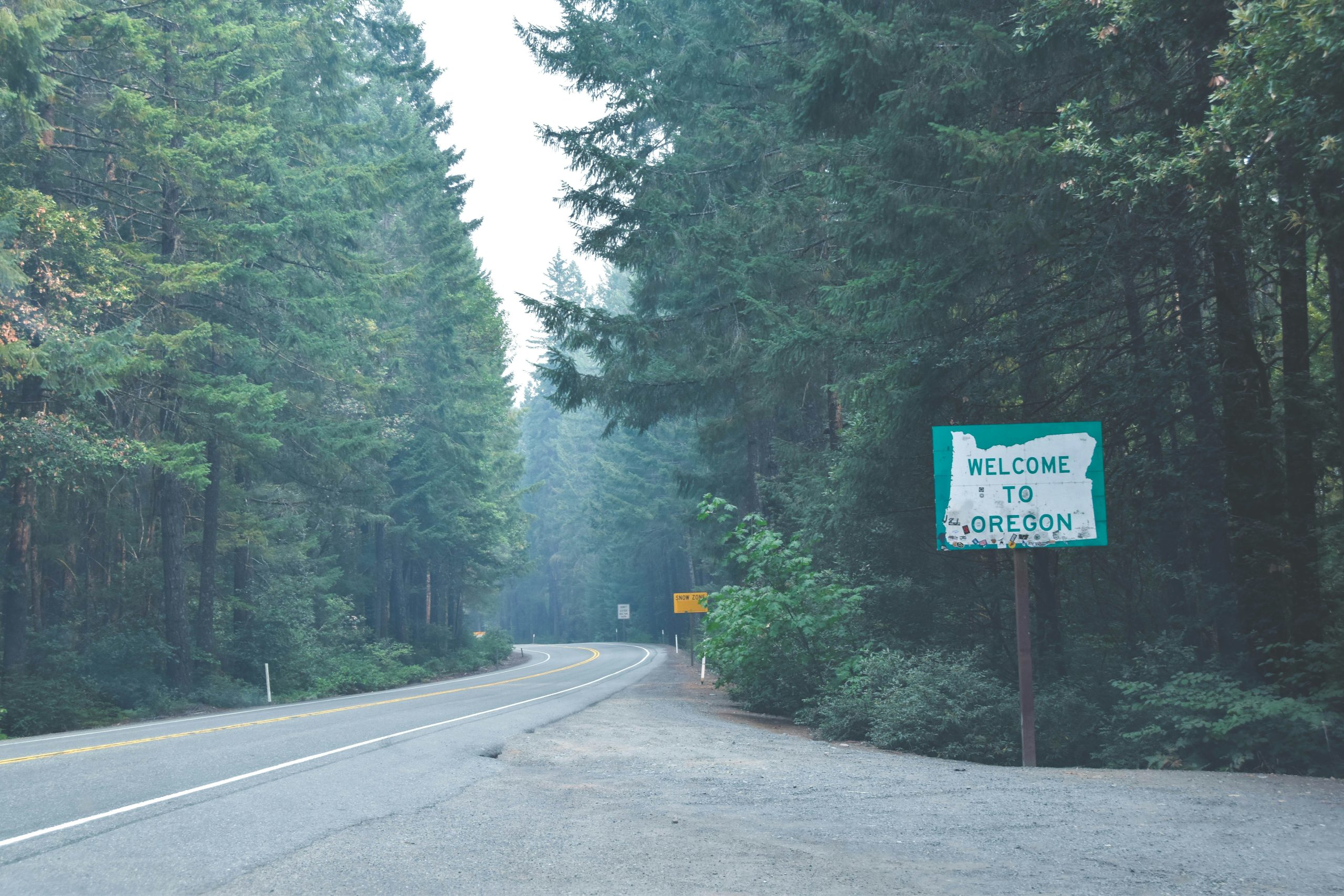
8. Oregon
Oregon has parking restrictions that protect residential and commercial driveway access. Oregon Revised Statutes Section 811.550 identifies locations where parking is prohibited, including areas that obstruct driveways.
The law applies to vehicles parked on public roads and streets within the state. Drivers must ensure that their parking positions do not prevent property owners from using their driveways.
Motorists who violate these restrictions can receive parking citations. The amount of the fine depends on the applicable offense and the local enforcement process. Some municipalities also impose additional administrative charges.
Portland and other Oregon cities have local parking rules that work alongside state traffic laws. Drivers should review local restrictions because parking enforcement procedures and fine amounts can differ by location.
Blocked driveways can create problems for residents who need reliable access to their garages and parking areas. They may also interfere with contractors, delivery services, and emergency response personnel.
People dealing with a blocked driveway can contact their city parking enforcement department or local police non-emergency service. Officials can explain whether the vehicle qualifies for a citation or other enforcement action.
Oregon drivers should always check the surrounding area before parking. Avoiding restricted entrances and following curb markings can reduce the risk of fines and help maintain safe access throughout residential neighborhoods.

9. Washington
Washington State has regulations that prevent motorists from parking in places that interfere with property access. Revised Code of Washington Section 46.61.570 establishes several parking restrictions, including restrictions involving public and private driveways.
The regulation helps protect residents who depend on clear access to their properties. A vehicle parked across a driveway can prevent someone from entering or leaving a garage, private parking area, or residential entrance.
Drivers who violate applicable parking restrictions may receive citations. The amount depends on the specific offense and the local jurisdiction’s fine schedule. Cities can establish additional rules governing parking enforcement.
Seattle, Spokane, Tacoma, and other Washington municipalities handle parking complaints through local departments. Residents should consult the appropriate city authority to understand the available reporting options.
Driveway obstruction can become especially frustrating in neighborhoods with limited street parking. When motorists use private entrances as convenient stopping points, property owners may experience repeated access problems.
Residents can report violations to their local parking enforcement agency. Providing the street address, vehicle description, and details about the obstruction can make the complaint easier to assess.
Washington motorists should avoid stopping or parking across driveways, even when the intended stop is brief. Following parking regulations helps protect property access and reduces the risk of receiving a citation.

10. North Carolina
North Carolina has traffic regulations governing where vehicles can legally stop or park. State law and municipal parking ordinances work together to prevent motorists from obstructing driveways and other important access points.
North Carolina General Statutes Section 20-162 addresses prohibited parking locations. Drivers should also check local ordinances because municipalities can establish additional restrictions for streets and residential areas.
Parking across a driveway can lead to a citation when the vehicle violates an applicable restriction. The financial penalty depends on the specific offense and the local court or municipal fine schedule.
Cities such as Charlotte, Raleigh, Durham, and Greensboro enforce parking rules through local authorities. Each municipality may have its own procedures for handling complaints and issuing citations.
A blocked driveway can disrupt ordinary household activities. Residents may be unable to move their vehicles, receive deliveries, or access their property without first resolving the obstruction.
Property owners who encounter this problem can contact local parking enforcement or police through the non-emergency service. Officials can review the circumstances and determine the appropriate response.
Drivers should remain mindful of driveway entrances when selecting street parking spaces. Keeping these areas clear is a simple way to avoid penalties and maintain positive relationships with neighbors.