Engine recalls rarely feel urgent until a truck starts knocking on the highway. By then, the repair bill can reach five figures. A recall remedy exists to prevent exactly that. Many owners ignore recall letters. Some assume the notice is junk mail. Others believe a software update cannot matter.
That assumption can be costly. Several remedies below involve a full engine replacement at no charge. Others protect warranty rights that disappear without proof of completed work.
This list covers seven vehicle groups with engine recalls, remedies, or warranty extensions that deserve a second look. Each entry was checked against public safety filings and news coverage available through late 2026.
Vehicle counts, years, and fixes come from those records. Remedies also change over time. Some have been expanded, and a few are under federal review. Checking a VIN takes about two minutes.
1. GM Trucks and SUVs With the 6.2L L87 V8 (2021–2024)
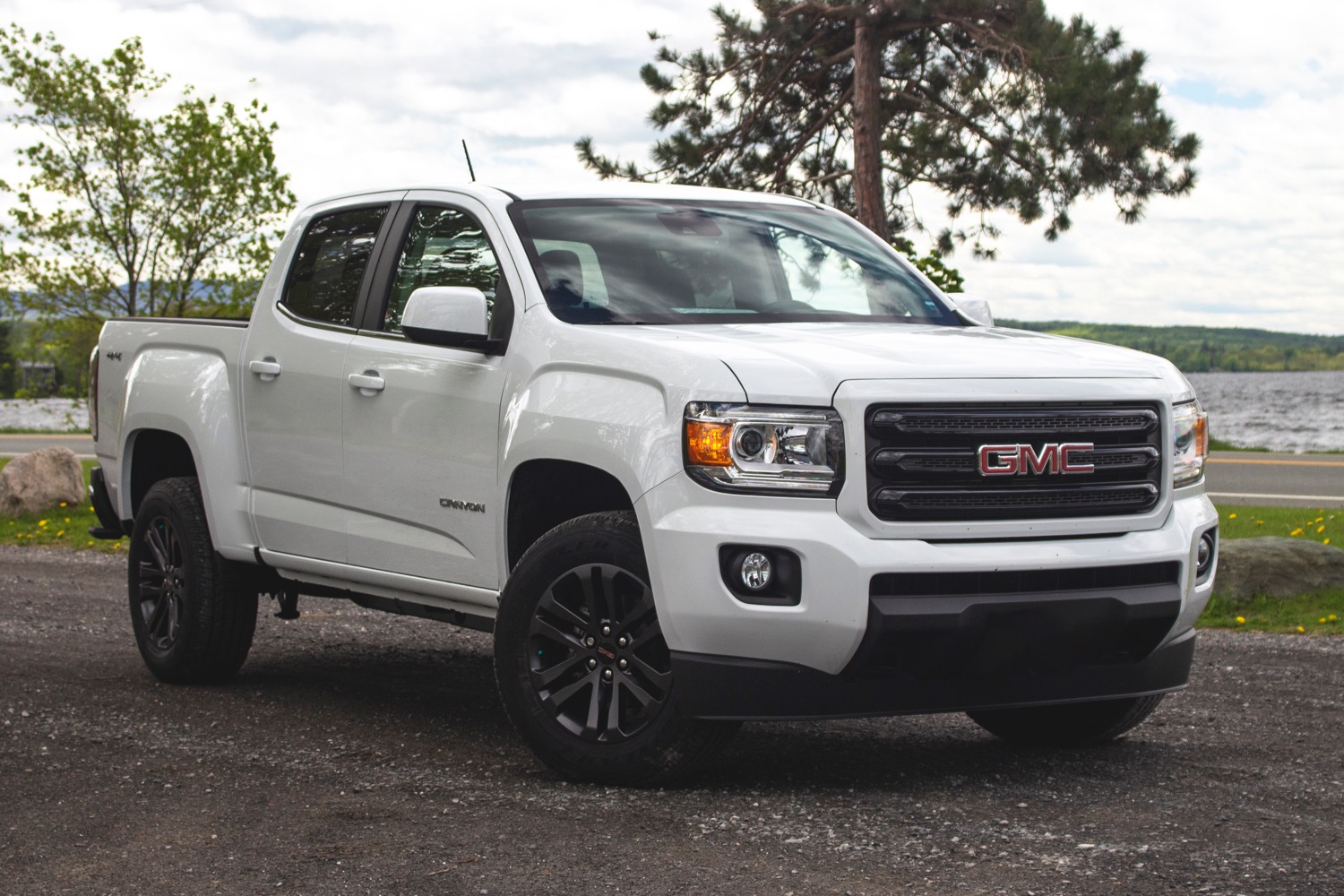
General Motors recalled 597,630 vehicles in the United States in April 2025. The campaign, numbered 25V-274, targets the naturally aspirated 6.2L L87 V8.
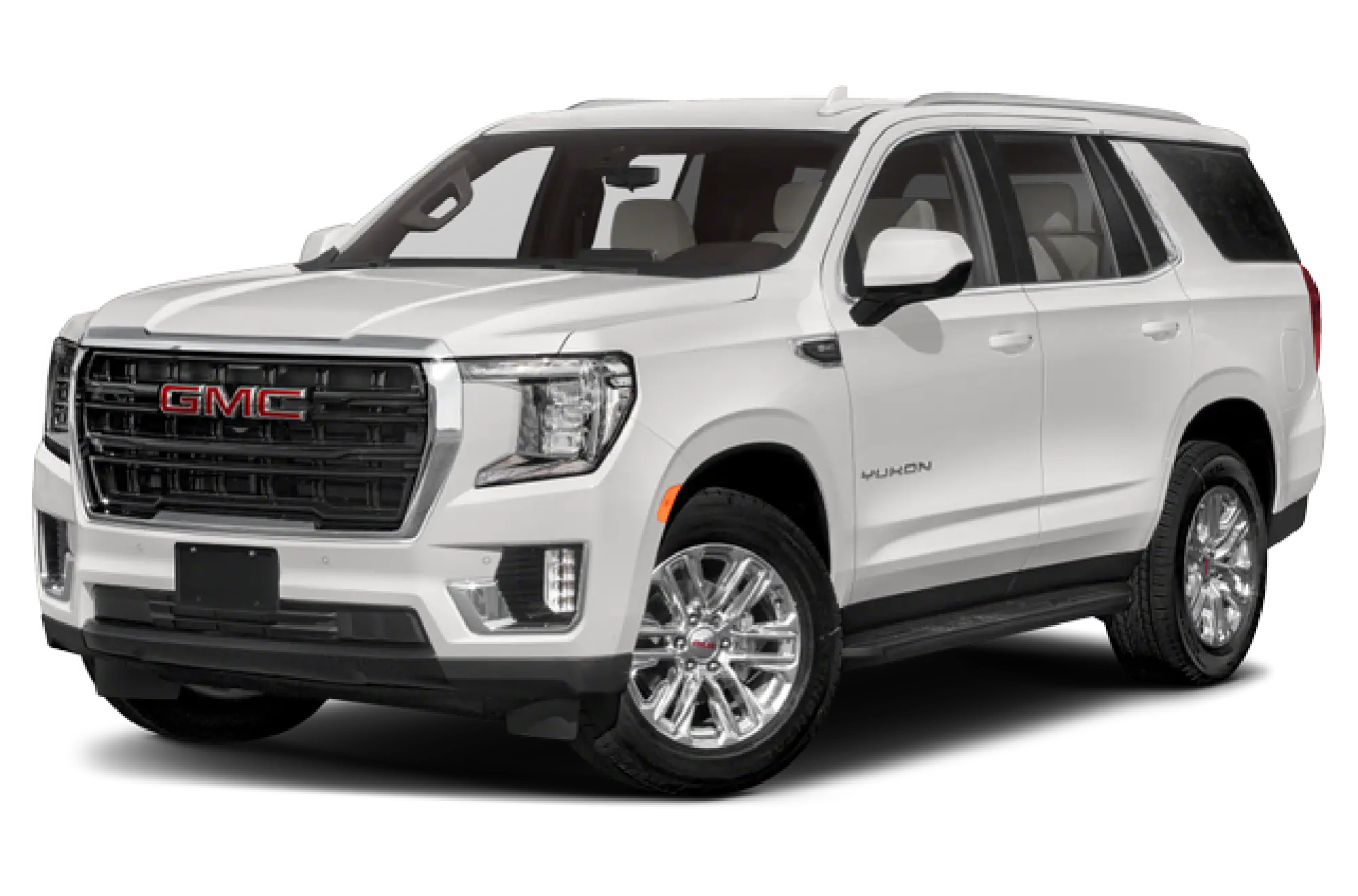
Covered models include the Silverado 1500, Sierra 1500, Tahoe, Suburban, Yukon, and Yukon XL. The Escalade and Escalade ESV are also included.
The Sierra 1500 is the largest group, at roughly 153,000 trucks. The Silverado 1500 follows with about 107,000. Only engines built between March 1, 2021, and May 31, 2024 qualify. Other engines are outside the recall.
The problem sits in the connecting rods or crankshaft components. Manufacturing flaws can wear the bearings and leave the engine seized. In the worst cases, a rod can break through the block. That is why the notice should never be ignored.
The remedy begins with a dealer inspection. The result decides what happens next. Engines that pass get an oil change with a thicker oil. GM guidance has pointed dealers to Mobil 1 0W-40 instead of the original 0W-20.
Engines that fail are repaired or replaced. Some replacements use remanufactured engines because demand is so high. This recall now needs a second look. NHTSA opened an investigation in January 2026 after owners reported engine failures following the remedy.
By August 2026, regulators had logged 499 complaints of post-remedy failure. The probe has widened to nearly 998,000 vehicles, including 2026 models.
GM says it has improved crankshaft and rod manufacturing. Regulators are now checking whether engines outside the recall are also at risk. Owners should confirm on the VIN that the recall is closed. The repair order should be kept in a safe place.
Knocking, growling, or low oil pressure warnings call for an immediate stop. Driving on a failing bearing can turn a repair into a replacement.
Buyers of used trucks should ask for proof of completed recall work. A clean inspection record adds real value at resale. Scheduling early is wise. An engine replacement is a long job, and parts supply can be tight.
2. Toyota Tundra and Lexus LX/GX With the V35A Twin-Turbo V6
Toyota’s 3.4L twin-turbo V6 has been at the center of a long recall story. The engine code is V35A-FTS. The first campaign, 24V-381, arrived in May 2024. It covered 102,092 gas-only 2022–2023 Tundra and Lexus LX 600 vehicles.
Hybrid versions were not part of that first recall. Only a specific engine configuration was included. Toyota traced the problem to machining debris left in the engine during manufacturing. That debris can stick to the crankshaft main bearings.
Failed bearings bring rough running, knocking, stalling, or a no-start condition. Loss of drive power at speed is the real danger. The remedy is unusually strong. Dealers replace the engine assembly with a new one, free of charge.
The job takes about 13.6 hours of repair time. Toyota rolled it out in phases because parts were limited. Early-built vehicles received remedies first. The last Tundra phase launched in May 2025, and Lexus followed in June 2025.
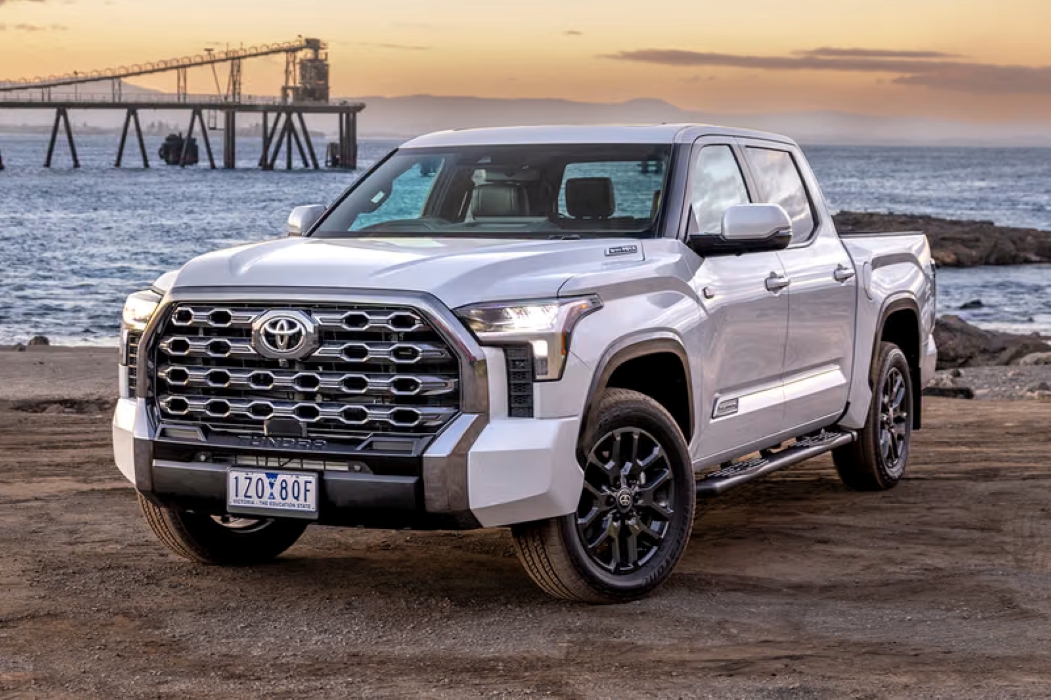
A second recall, 25V-767, came in November 2025. It widened coverage to 2022–2024 Tundra, 2022–2024 Lexus LX, and 2024 Lexus GX models. Lexus GX units built between May 31, 2023, and April 10, 2024 are among those named. LX models in the second recall run from February 2022 to April 2024.
A further 2026 filing, 26V-320, covers engines from the Alabama plant. Those were built after the earlier recalls but before an improved main bearing arrived.
This means one VIN check may not be enough. Owners should look for every open campaign, not only the first. Engine knock, metallic noise, or a check engine light needs a dealer visit. Heavy towing should wait until the truck is cleared.
Toyota customer service can explain remedy timing. Lexus owners should use the Lexus line instead. Keep a copy of the completed work order. A replaced engine should come with clear paperwork.
Used Tundra buyers should check recall status with care. A truck with an open campaign can be a poor bargain. Owners who already paid for engine work should raise it with the dealer. Recall notices often address past repair costs.
3. Honda and Acura Models With the 3.5L V6 Connecting Rod Bearing Recall
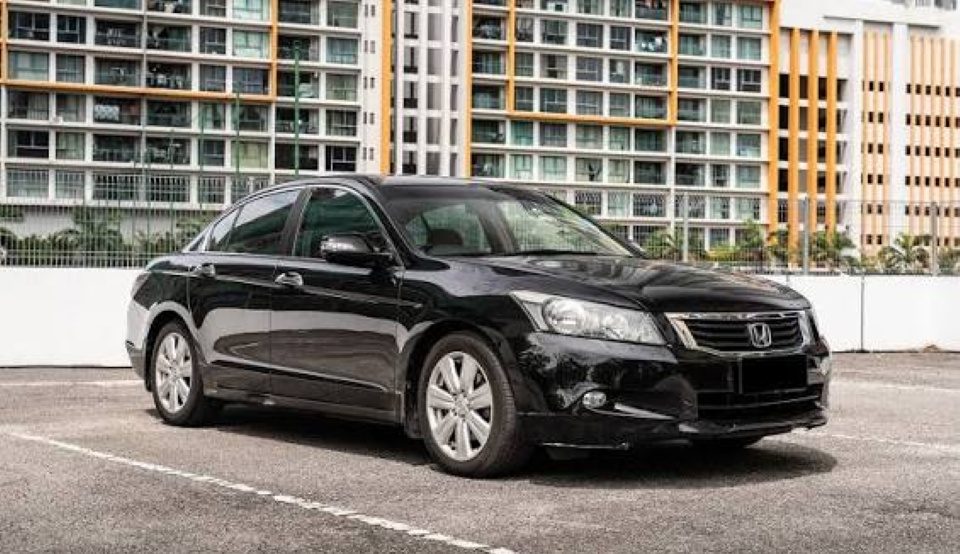
Honda issued recall 23V-751 in November 2023. It covered nearly 249,000 vehicles in the United States. The list includes 2015–2020 Acura TLX and 2016–2020 Acura MDX models. It also covers 2016 and 2018–2019 Pilot, 2017 and 2019 Ridgeline, and 2018–2019 Odyssey vehicles.
All use the same 3.5L V6. The gaps in model years are real, because no crankshafts were made for 2017 Pilot or 2018 Ridgeline engines. Honda blamed a manufacturing defect in the engine crankshaft. That defect can cause the connecting rod bearing to wear early and seize.
A seized bearing can wreck the engine. The engine may stall, stop while driving, or refuse to start. Honda says it received its first market complaint in 2020. Equipment setup and inspection processes were improved that same year.
The remedy is inspection first. Dealers repair the engine or replace it as needed, free of charge. Owner letters began arriving in early 2024. Many owners still never opened them.
A vehicle outside the listed build window may still have the same problem. Owners have reported frustration when failures fell outside recall dates.
That tension is worth knowing. Federal regulators also opened a separate investigation into rod bearing failures across more than 1.4 million Honda and Acura vehicles.
Local reporting described one family who fought for a year before Honda provided an engine at no cost. Their case shows why documentation matters.
Warning signs include rattling or knocking, especially at startup. A bearing noise should never be written off as normal. Keep every service record. Regular oil changes strengthen any goodwill or warranty request.
Owners of the 2016 Pilot, 2017 Ridgeline, and older TLX models should pay special attention. These cars are older and often past standard warranty limits.
A recall repair does not expire with the warranty. That makes it one of the best free repairs available. Check the VIN on the Honda or Acura recall page. Then call a dealer and ask whether an inspection is booked.
4. Hyundai and Kia Vehicles With Theta II Engines (2010–2019)
Hyundai and Kia have spent years dealing with Theta II engine failures. The 2.0L turbo and 2.4L gasoline direct injection versions drew the most attention.
A 2019 class-action settlement reshaped the fix. Both brands agreed to extend warranty coverage and install new engine software. That software is the Knock Sensor Detection System, or KSDS. It watches engine vibration for patterns that suggest early bearing wear.
If a problem is detected, the system alerts the driver. It can also limit engine power to reduce the chance of failure. The settlement extended the powertrain warranty to a lifetime warranty for certain engine repairs. Coverage focuses on connecting rod bearing wear or damage.
There is a catch. The KSDS update must be completed first. Covered vehicles include certain 2015–2019 Sonata models. Certain 2013–2018 Santa Fe Sport, 2019 Santa Fe, and 2014–2015 and 2018–2019 Tucson vehicles also appear in Hyundai service documents.
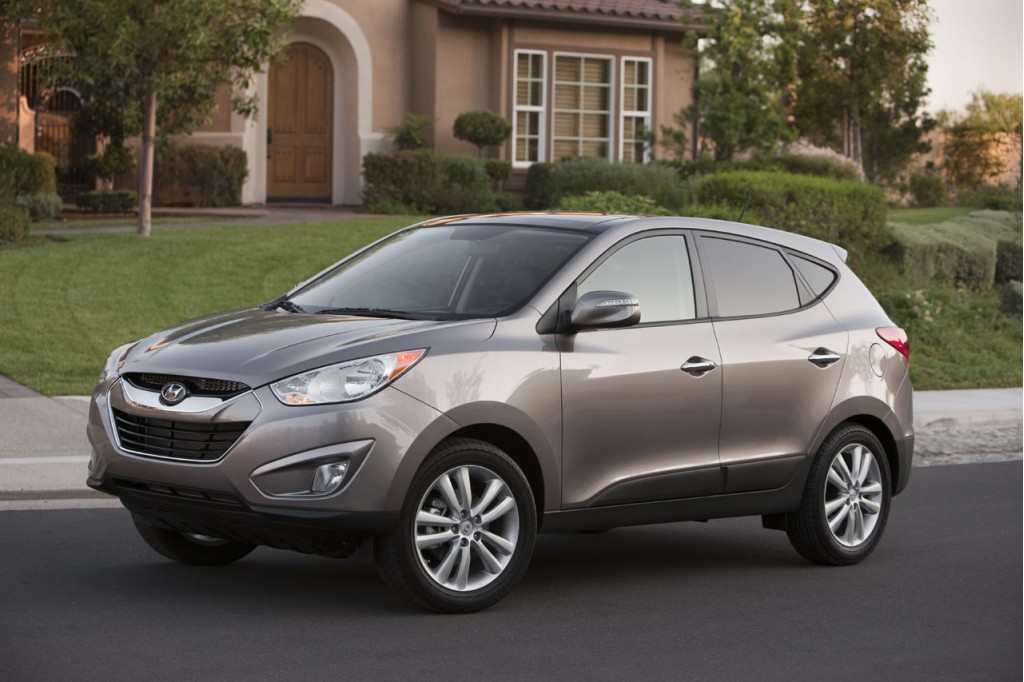
Kia models include Optima, Sportage, and Sorento versions. Exact eligibility depends on engine type and build date. Kia added a newer recall, 23V-877, in December 2023. It covers about 79,812 model year 2011 Sorento vehicles with the 2.4L multi-point injection engine.
That remedy involves KSDS software and an engine inspection. If needed, the engine is replaced. Kia also provides extended warranty coverage of 15 years or 150,000 miles for related engine repairs. Owners must have the software installed.
A check engine light with code P1326 is a key warning. It suggests the knock sensor system has found a problem. Owners should not wait after seeing that code. A prompt dealer visit may lead to a covered engine replacement.
Warranty coverage excludes damage from neglect. Oil change records are the best defense against a denied claim. Vehicles with replaced engines may need to be registered for the lifetime warranty.
Hyundai offers a registration program for some of them. Ask the dealer for proof that the KSDS update was done. Without it, the lifetime coverage may not apply.
5. Ford Escape and Bronco Sport With the 1.5L EcoBoost
Ford’s 1.5L three-cylinder engine has produced several recalls. The most serious involve cracked fuel injectors and underhood fire risk. The first campaign, 22V-859, arrived in November 2022. It covered 2020–2023 Escape and 2021–2023 Bronco Sport models.
That remedy added a drain tube. The tube sends leaking fuel away from hot engine parts. A cracked injector can leak a large amount of fuel. Ford’s analysis found rates of up to 19 liters per hour.
A second recall, 24V-187, came in March 2024. It covered 42,652 vehicles, including 2022 Escape and 2022–2023 Bronco Sport models. Those fixes proved incomplete. In July 2025, Ford filed recall 25V-467 for 694,271 vehicles.
That recall covers 2021–2024 Bronco Sport and 2020–2022 Escape models. Ford’s own recall page later cited about 858,000 vehicles under reference 25S76.
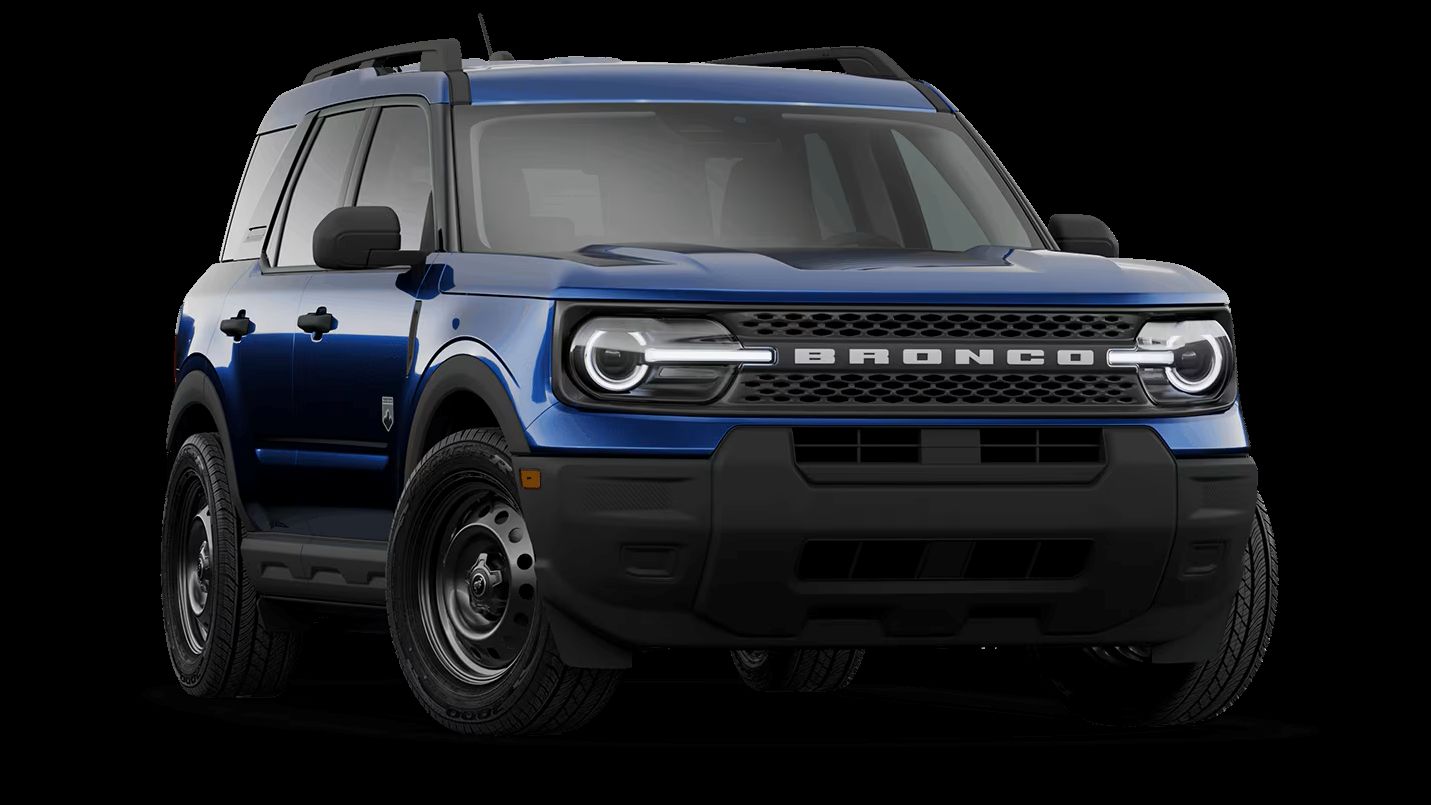
Ford reported eight underhood fires tied to injector cracking. It reported no known injuries. Consumer Reports noted that vehicles fixed under earlier recalls need the new repair. That detail surprises many owners.
A separate 2025 recall covers 404 vehicles. It involves brittle cylinder heads that can lose their plugs and leak oil. That one affects certain 2023–2025 Escape and 2025 Bronco Sport vehicles. The cause was an error in heat treatment.
The remedy is an inspection and, if needed, cylinder head replacement. Replacement cylinder heads sold as parts may also be affected. A strong fuel smell near the top of the engine is a warning sign. Owners should stop using the vehicle and call a dealer.
Parking outside the garage is a sensible precaution while waiting on parts. A fire risk deserves caution. Owners should check every Ford campaign on the VIN. A single vehicle may have several open items. Keep every repair receipt from earlier recall visits. They help prove which work was completed and when.
6. Nissan Rogue, Altima, and Infiniti Models With Bearing Recalls
Nissan’s engine bearing recalls are among the biggest of the decade. They began in June 2025 with campaign 25V-437. That recall covered about 444,000 vehicles. It included 2021–2024 Rogue, 2019–2020 Altima, 2019–2022 Infiniti QX50, and 2022 QX55 models.
The cause was a manufacturing defect in engine bearings or supporting parts. Metal debris can build up in the oil. Regulators had been investigating since December 2023. Complaints included engine knock and metal shavings in oil pans.
The remedy centers on an oil pan inspection. If specific metal debris is found, Nissan replaces the engine at no cost. If no debris appears, dealers change the oil and reprogram the engine computer. Three-cylinder models also get a new oil pan gasket.
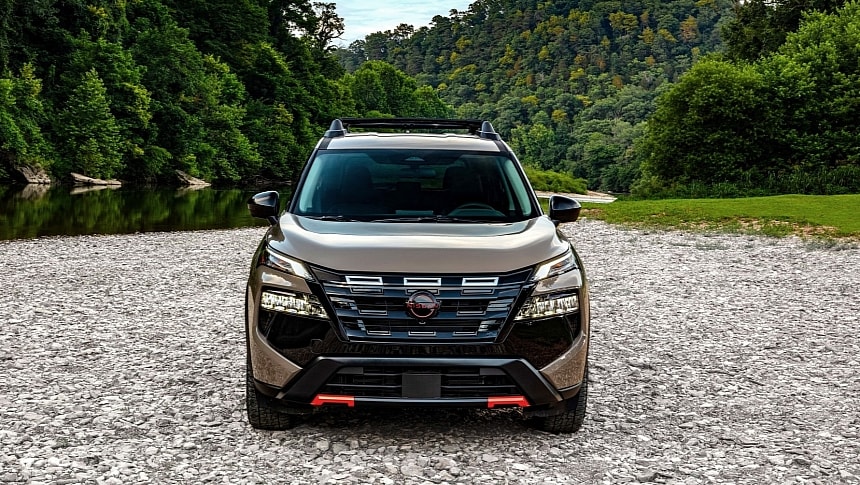
In February 2026, Nissan expanded the action under 26V-080. It covers 323,917 Rogue SUVs from model years 2023–2025 with the 1.5L VC-Turbo three-cylinder.
Nissan found additional bearing seizures after the first fix. High oil temperature emerged as a contributing factor. The new remedy reprograms the engine computer, checks diagnostic codes, and includes a test drive. The visit should take about an hour.
If debris is found, a replacement can take up to 15 hours. Nissan estimates only about 0.6 percent of vehicles will need a new engine. Nissan reported 690 warranty claims tied to the issue. It said it knew of no accidents or injuries from the bearing seizures.
Owner letters were scheduled for March 27, 2026. Many owners may still be waiting on an appointment. A separate recall, 26V-081, addresses a throttle body gear problem. Some Rogues are affected by both.
Warning signs include knocking, rough starts, stalling, and oil on the ground. Any of these means the vehicle should be inspected right away. Owners should insist on the full inspection. A software-only visit may not be the whole job. Used Rogue shoppers should run the VIN before buying. Open bearing recalls can affect both safety and price.
7. 2026 Ford Explorer, Bronco, Bronco Sport, Mustang, and Ranger With EcoBoost Engines
Ford issued a fresh engine recall in August 2026. Campaign 26V-548 covers 10,001 vehicles. All are 2026 models. The group includes 3,071 Explorers, 1,062 Broncos, 237 Mustangs, and 432 Rangers with the 2.3L EcoBoost.
Another 5,199 Bronco Sport vehicles carry the 1.5L EcoBoost. Both engines share a faulty part. The problem is the piston dome. A bond failure between a nickel-resistant insert and the aluminum can crack the piston.
The pistons came from a supplier, Dong Yang Piston in Mexico. A loosened lock nut on a machining tool caused intermittent damage. Ford found the issue during an end-of-line test at its Chicago plant. The first teardown did not reveal the failed piston at once.
As of August 12, Ford counted 38 failures at its plants. Another 13 failures in the field were flagged as possibly related. A cracked piston can cause sudden engine failure. Loss of drive power at speed raises crash risk.
Owners may get no warning. The check engine light may not appear before the failure. The remedy is an inspection of every affected engine. Vehicles that fail get a new long block at no charge.
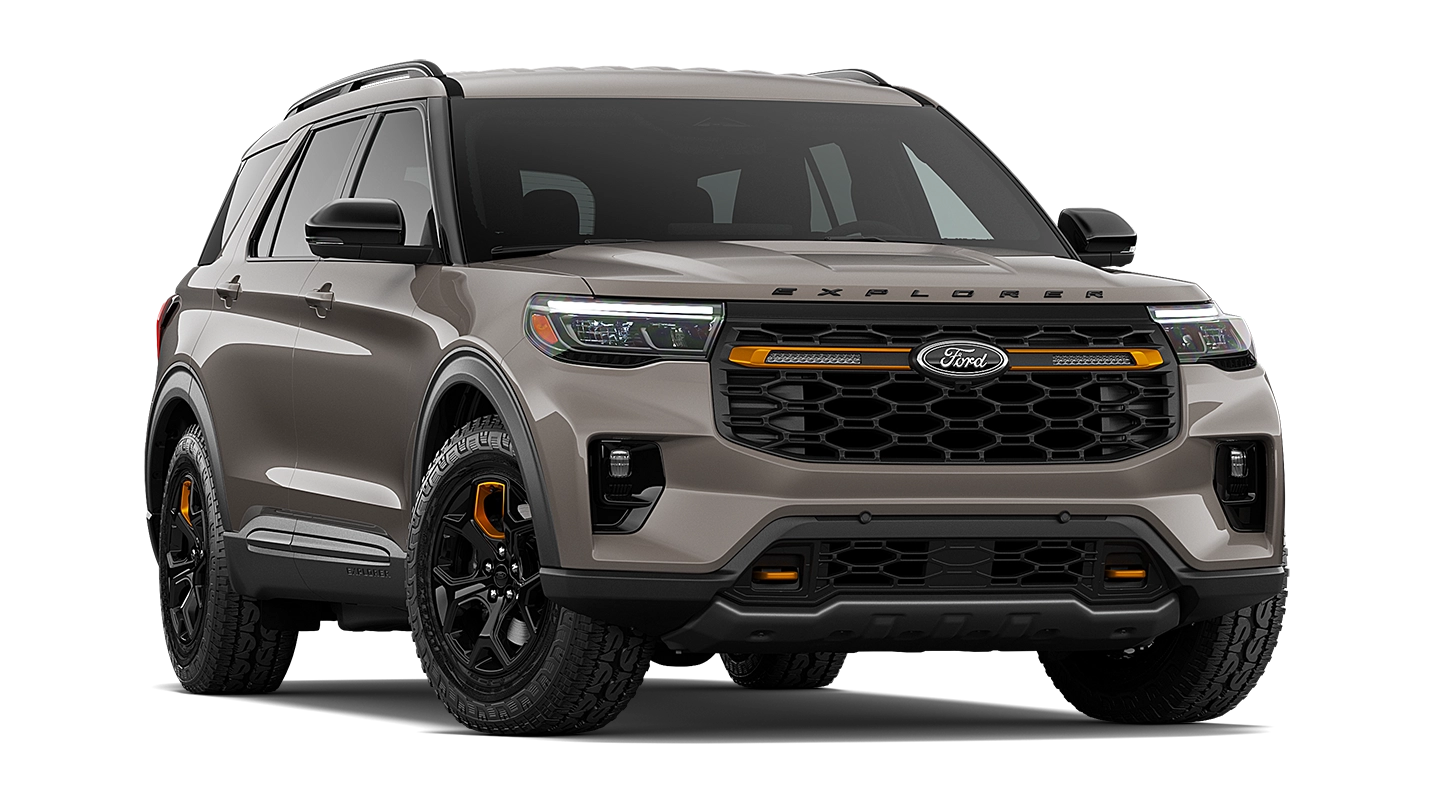
Owner notifications were due by September 11. VINs became searchable on the national recall site on August 28. New-car owners should not assume a warranty makes this minor. A failed engine means downtime, even if the repair is free.
Ford also filed smaller 2026 engine recalls. One covered 2.3L engines that may be missing a piston pin circlip, including 210 Explorers and some Mustangs.
Another involved a connecting rod bearing that may seize in a handful of 2026 Explorers. Only six vehicles were listed. These small campaigns show why a VIN check matters. A vehicle can be included even when the population is tiny.
Anyone shopping for a late-2026 Ford should ask about open recalls. Dealers must fix recalled new vehicles before sale. Owners should run their VIN on the Ford site and the national lookup. If a campaign is open, book the inspection without delay.