
Buying a used car can be a practical way to save money, but the process comes with risks that buyers should never ignore. A vehicle may look clean, have a reasonable price, and come with convincing paperwork, yet its ownership history could hide serious problems.
Vehicle title scams can leave buyers with financial losses, legal disputes, unexpected repair bills, or a car they cannot legally register. Understanding how these schemes work is essential before signing any agreement or transferring money. From title washing to forged ownership documents, knowing the warning signs can help you protect your money and avoid costly mistakes.

1. Title Washing Scams
Title washing is a fraudulent practice in which someone attempts to hide a vehicle’s previous damage history by obtaining a new title that does not accurately reflect its condition. This often involves moving a vehicle between states or jurisdictions with different title reporting requirements.
A car that was previously declared a total loss by an insurance company may receive a different title classification after being registered elsewhere. The change can make the vehicle appear less damaged than it actually was.
Sellers who use this tactic generally want buyers to believe they are purchasing a regular used vehicle. They may advertise the car as having a clean title, even when it previously carried a salvage or rebuilt designation.
Flood-damaged vehicles are frequently associated with title washing. Water exposure can damage electrical systems, electronic sensors, wiring, and mechanical components. Some problems may not become noticeable until weeks or months after the purchase.
Buyers should be cautious when a vehicle has recently moved across several states without a convincing explanation. Multiple title transfers within a short period may indicate an attempt to hide information about its history.
Checking the vehicle identification number (VIN) is an important step in identifying this type of fraud. A VIN history report can reveal previous title records, reported accidents, insurance claims, and other available information.
It is also important to understand that a clean title does not automatically mean a vehicle has never been damaged. Reporting systems have limitations, and not every accident or insurance claim appears in a vehicle history database.
Before completing the purchase, compare the title information with available vehicle history records and arrange an independent mechanical inspection. If the seller cannot explain inconsistencies in the vehicle’s ownership history, consider walking away.
2. VIN Cloning and Identity Theft
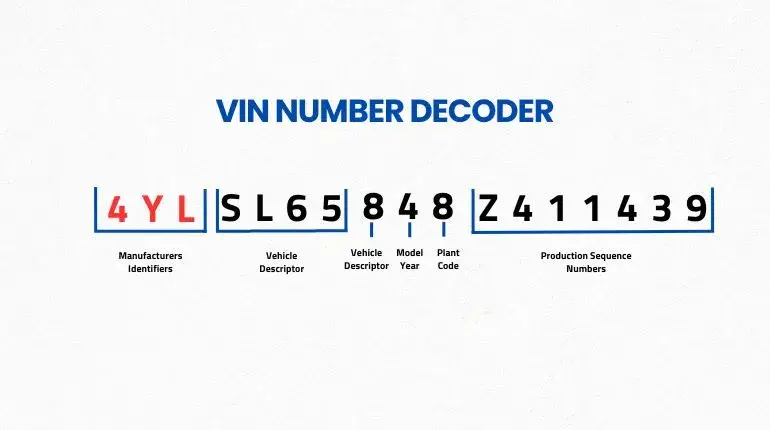
VIN cloning is a serious vehicle fraud scheme in which criminals copy the identification number of a legally registered vehicle and place it on a different vehicle. The purpose is to make a stolen or illegally obtained car appear legitimate.
Every motor vehicle has a unique VIN assigned by its manufacturer. This number connects the vehicle to important records, including registration, ownership, manufacturing details, and insurance information.
In a cloning scam, criminals use the VIN of a similar vehicle that has a clean legal history. They may alter identification documents and other records to make the stolen vehicle appear to belong to the legitimate owner.
Buyers can unknowingly purchase a cloned vehicle because its paperwork may look genuine. The problem often becomes apparent when authorities discover that two different vehicles are using the same identification number.
Once the fraud is discovered, the buyer may lose possession of the car. Law enforcement agencies can seize a vehicle suspected of being stolen, leaving an innocent purchaser facing a lengthy investigation and potential financial loss.
One important warning sign is a mismatch between the VIN printed on the title and the number displayed on the vehicle. Buyers should carefully compare all available identification markings before completing a transaction.
The VIN should also match the manufacturer’s records and the vehicle’s physical characteristics. Differences in model year, engine specifications, trim level, or production details can indicate that something is wrong.
Avoid purchasing a vehicle when the seller refuses to provide identification documents or discourages independent verification. A legitimate transaction should allow enough time to confirm that the vehicle’s identity and ownership records are genuine.

3. Forged Vehicle Title Documents
Forged title documents are used by scammers to make an unauthorized vehicle sale appear legal. These documents may contain fabricated ownership details, altered registration information, or counterfeit government markings.
The goal is usually to convince a buyer that the seller has the legal right to transfer ownership. Since many buyers are unfamiliar with official title documents, fraudulent paperwork can sometimes pass an initial visual inspection.
Some criminals create completely fake titles, while others modify genuine documents. They may change the registered owner’s name, remove information about previous damage, or alter details related to the vehicle’s legal status.
A forged title can create serious problems when the new owner attempts to register the vehicle. Government agencies may reject the documents, leaving the buyer unable to complete the ownership transfer.
In certain situations, a person selling a vehicle may have a genuine title document but may not be the person legally authorized to sell it. This can happen when documents are stolen, misused, or transferred without the owner’s consent.
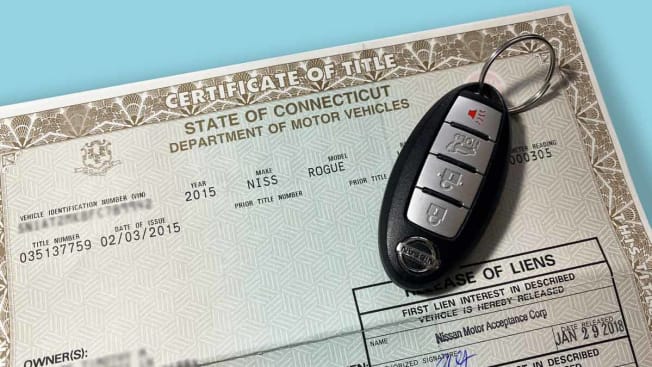
Buyers should examine the document carefully for inconsistent fonts, unusual spacing, missing security features, spelling errors, and suspicious alterations. However, appearance alone is not enough to establish authenticity.
The safest approach is to verify the title directly through the appropriate motor vehicle authority. In the United States, buyers can contact their state’s Department of Motor Vehicles (DMV) or equivalent agency to confirm the document’s status.
Never rely solely on photocopies, photographs, or documents provided through messaging applications. Ask to see the original title and ensure that the seller’s identification matches the information recorded on it.
4. Open Title or Floating Title Scams
An open title scam involves selling a vehicle without properly recording an intermediate ownership transfer. This practice is sometimes called title jumping or title skipping.
In a normal transaction, the seller signs the title and the buyer completes the required ownership transfer with the relevant motor vehicle authority. An open title situation occurs when someone purchases a vehicle but does not register it in their own name before selling it again.
Some private sellers use this method to avoid registration fees, taxes, or responsibilities connected with vehicle ownership. However, criminals can also use it to hide their involvement in fraudulent transactions.
For example, a person may purchase a vehicle from its registered owner and immediately advertise it for sale without completing the required transfer. The next buyer receives paperwork that still identifies the previous owner.
This creates uncertainty about who legally owns the vehicle. If the previous owner reports a problem, disputes the sale, or has unresolved financial obligations connected to the car, the new buyer may face complications.
Open titles can also make it difficult to establish a clear chain of ownership. Authorities may question the transaction if the person selling the car cannot demonstrate that they acquired legal ownership.
Buyers should be particularly careful when the seller’s name does not match the name printed on the title. A reasonable explanation and supporting documentation should be provided before any payment is made.
Always follow the official title transfer process in your jurisdiction. Confirm that the necessary signatures, dates, disclosures, and registration requirements have been completed correctly.
5. Salvage Title Concealment
Salvage title concealment happens when a seller hides the fact that a vehicle has previously suffered damage serious enough to receive a salvage designation. This type of fraud can expose buyers to expensive repairs and safety concerns.
A salvage title is generally issued when an insurance company or relevant authority determines that a vehicle has suffered significant damage. The exact rules and financial thresholds vary by jurisdiction.
Vehicles can receive salvage classifications after major collisions, fires, floods, theft recoveries, or other events that result in substantial damage. The classification is intended to inform future buyers about the vehicle’s history.
Fraudulent sellers may attempt to remove references to the salvage designation from paperwork or advertise the vehicle without mentioning its previous condition. Some may also use misleading descriptions to make the car appear suitable for ordinary road use.
The biggest concern is that serious structural damage may not be visible during a short inspection. A vehicle could have repaired frame components, compromised safety systems, or hidden mechanical problems.
A rebuilt title does not necessarily mean that a vehicle is unsafe. In many jurisdictions, it indicates that a previously salvaged vehicle has undergone the required repairs and inspections. However, buyers should understand the distinction between salvage and rebuilt classifications.
Before purchasing a vehicle with a questionable history, request repair invoices, inspection records, and available photographs of its previous damage. These documents can help establish what happened and how the vehicle was repaired.
An independent inspection by a qualified mechanic or body repair specialist is essential. If the seller refuses to allow an inspection or avoids discussing the car’s history, the purchase may carry unnecessary risks.

6. Undisclosed Liens and Outstanding Loans
An undisclosed lien is a financial claim placed against a vehicle because of an unpaid loan or other legal obligation. Buyers who fail to identify an existing lien may encounter serious ownership problems after purchasing the car.
When someone finances a vehicle, the lender may retain a legal interest in it until the loan has been fully repaid. Depending on local laws, the lender may be listed as a lienholder on the vehicle title.
A seller who still owes money on a car may attempt to sell it without informing the buyer. They might claim that the title is clear or promise to settle the outstanding loan after receiving payment.
This arrangement can be risky because the lender’s legal rights may remain attached to the vehicle. If the seller fails to repay the debt, the lender may have the right to pursue the vehicle under applicable laws.
Buyers should never assume that possession of a physical title document proves there are no outstanding financial obligations. The title may contain lien information, or the relevant records may need to be checked separately.
Before paying for the vehicle, verify its lien status through the appropriate motor vehicle or public records authority. Requirements differ between states and countries, so buyers should follow the procedures applicable to their location.
If a seller has an outstanding loan, the transaction should be handled through a properly documented process involving the lender. Payment arrangements should clearly establish how the loan will be settled and how the lien will be released.
Keep copies of all payment records, lender confirmations, release documents, and ownership transfer paperwork. These records can provide important evidence if a dispute develops after the sale.
7. Odometer Rollback and Mileage Fraud
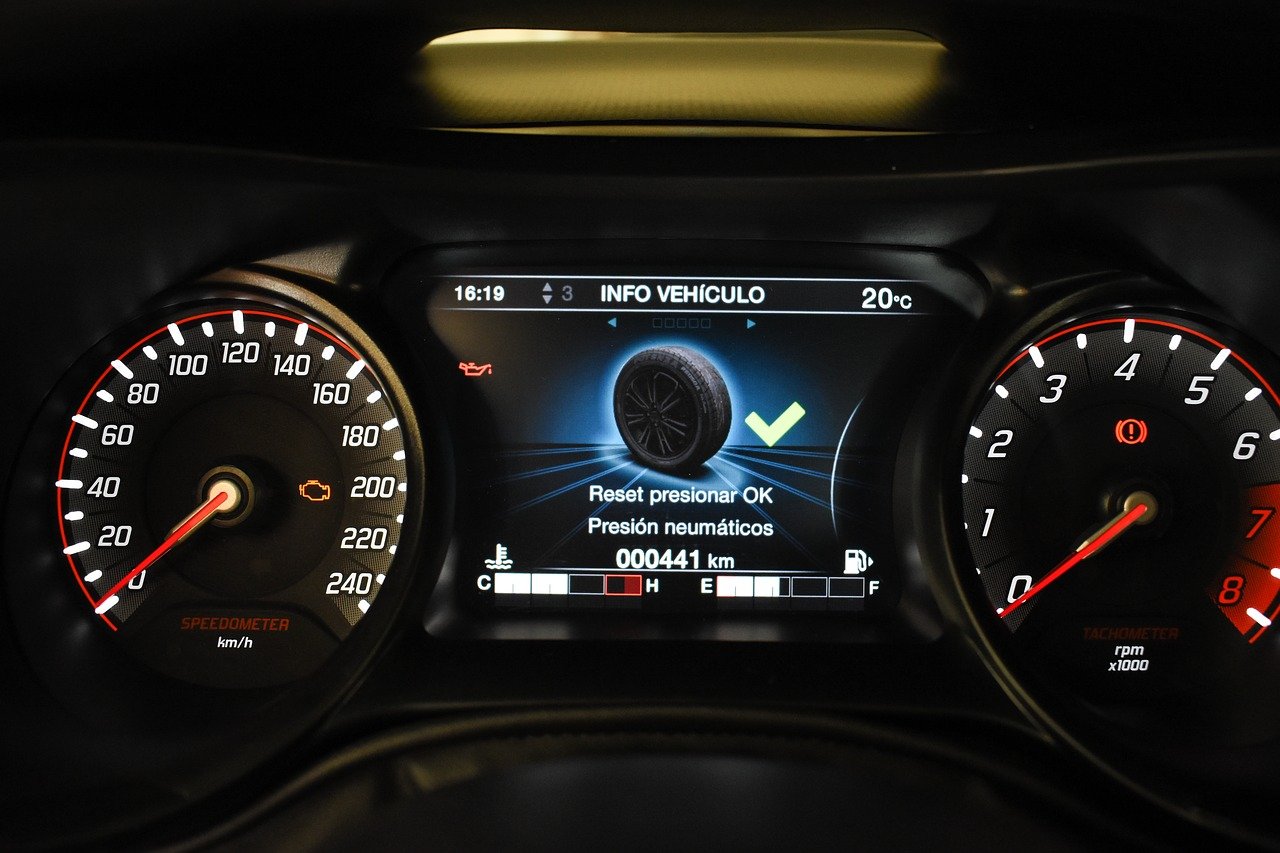
Odometer rollback is a vehicle scam in which someone changes or misrepresents a car’s recorded mileage to make it appear less used. Although it is not always a title fraud scheme, it frequently involves falsified ownership and vehicle history documents.
Mileage plays a major role in determining a used car’s market value. Vehicles with lower recorded mileage generally attract higher prices because buyers often associate them with less wear and tear.
A dishonest seller may alter the odometer reading or manipulate available records to create the impression that the vehicle has traveled fewer miles than it actually has.
Modern vehicles commonly use digital odometers, but digital displays do not guarantee protection against tampering. Fraudulent modifications can still occur, making independent verification important.
Mileage inconsistencies may appear in previous service invoices, inspection certificates, registration records, or vehicle history reports. For example, a maintenance record showing higher mileage than the current odometer reading should immediately raise questions.
Physical wear can also provide useful clues. Excessively worn steering wheels, pedals, seats, and interior controls may not match the mileage displayed on the dashboard.
However, physical condition alone cannot prove odometer fraud. A vehicle driven mainly on highways may show less wear than a similar car used frequently in heavy traffic.
Request maintenance records and compare mileage entries across multiple years. If the seller cannot explain significant inconsistencies, avoid relying on the displayed reading when evaluating the vehicle’s price or condition.
8. Identity Theft Through Vehicle Title Transfers
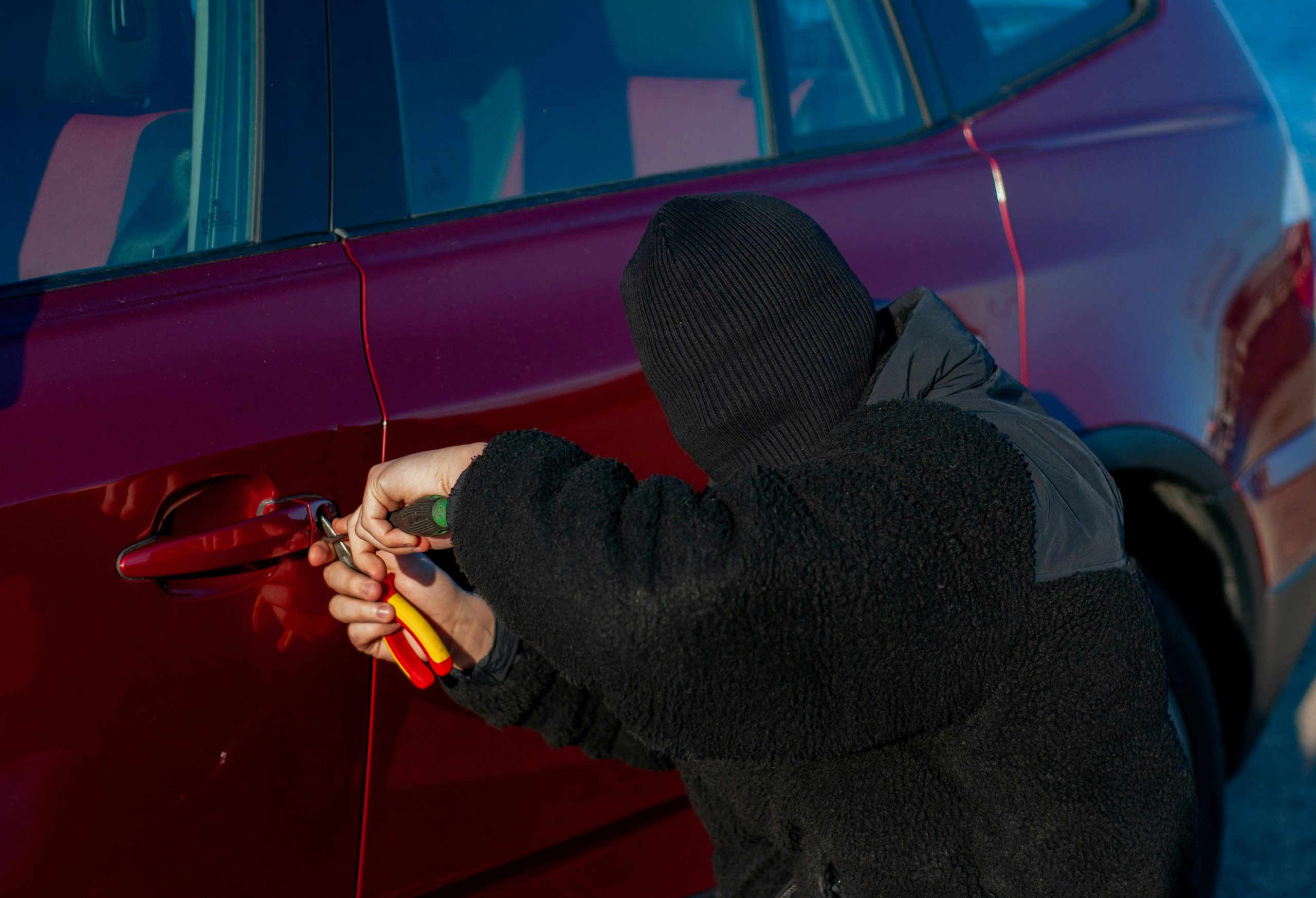
Identity theft involving vehicle title transfers occurs when criminals use another person’s personal information to gain control of a vehicle or complete an unauthorized ownership transfer. This type of fraud can affect both buyers and registered vehicle owners.
Scammers may obtain personal information through stolen documents, phishing messages, fraudulent websites, or other unauthorized methods. They can then use that information to create misleading ownership paperwork.
In some cases, criminals attempt to transfer a vehicle into their own name without the registered owner’s knowledge. They may later sell the car to an unsuspecting buyer using documents that appear legitimate.
A buyer who purchases such a vehicle may discover that the seller never had legal authority to transfer ownership. The actual registered owner may challenge the transaction, creating a complicated legal dispute.
Identity theft can also involve fraudulent powers of attorney or authorization documents. These papers may be presented as proof that the seller has permission to complete the transaction on behalf of someone else.
Buyers should verify the identity of the person selling the vehicle. The name on the seller’s government-issued identification should match the registered ownership information, unless there is a legitimate and properly documented reason for the difference.
If someone claims to represent the registered owner, request appropriate authorization and verify it with the relevant authority or the owner directly. Do not accept verbal assurances as a substitute for official documentation.
Registered owners should also monitor important vehicle and registration correspondence. Unexpected title transfer notifications, unfamiliar registration requests, or unexplained changes in ownership records should be reported promptly to the relevant authorities.
9. Fake Dealer and Curbstoning Scams
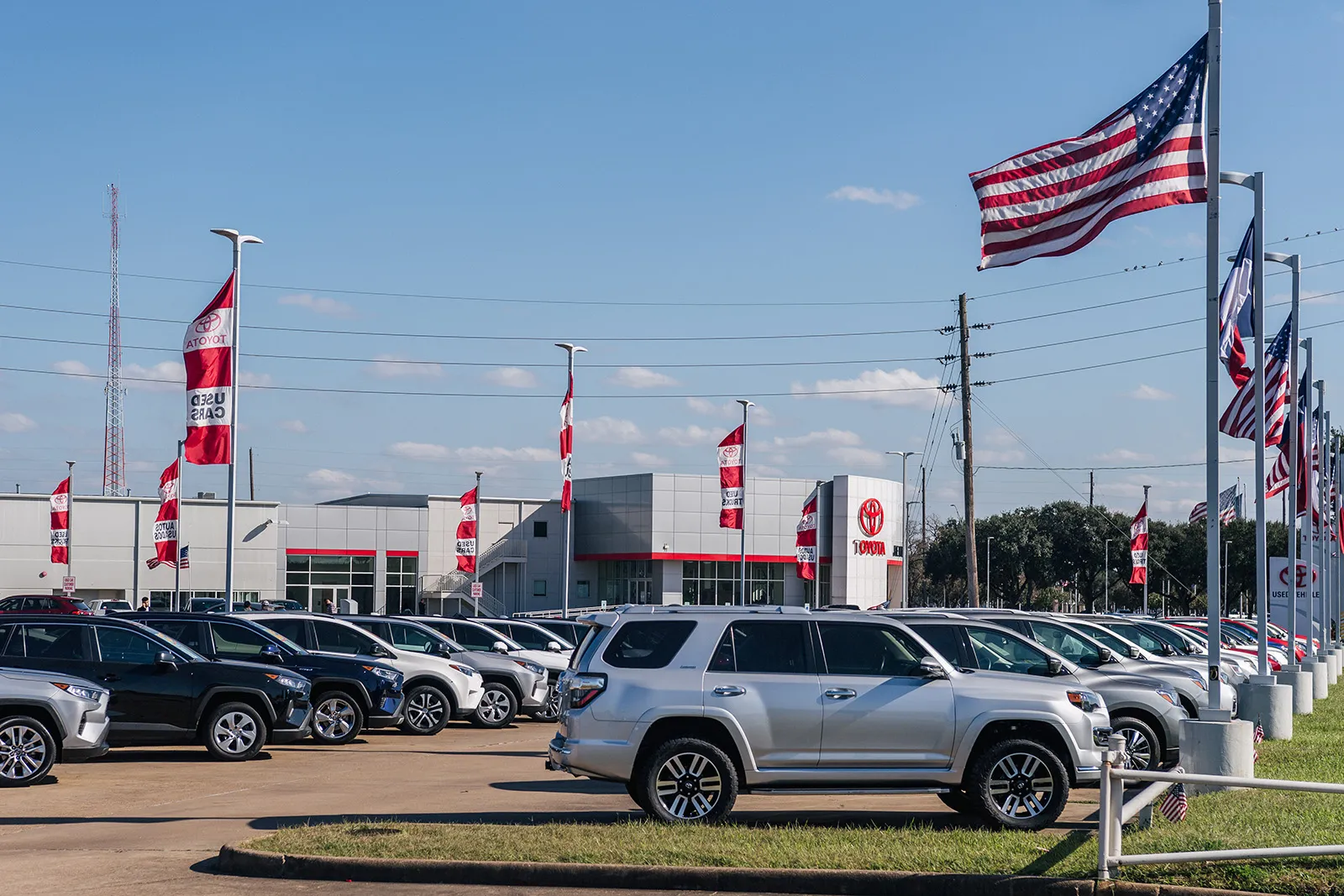
Curbstoning refers to the illegal or improperly disclosed sale of vehicles by individuals who operate like dealers without meeting the licensing requirements that apply in their jurisdiction. These sellers often advertise cars through online marketplaces, classified websites, and local listings.
Some curbstoners purchase vehicles through auctions or private transactions and resell them without following the required dealer registration procedures. Their advertisements may present them as ordinary private sellers rather than commercial operators.
This practice can make it difficult for buyers to determine who is responsible for the vehicle’s condition, paperwork, and ownership history. It may also allow dishonest sellers to avoid certain legal disclosure requirements.
Fake dealers sometimes use business names, temporary contact details, and convincing advertisements to appear established. They may claim to have access to a large inventory while refusing to provide a verifiable business address.
A common warning sign is a seller who has several vehicles listed under different names or accounts. Repeated advertisements with similar descriptions and contact details may suggest that the person is operating as an unlicensed dealer.
Some fraudulent sellers also pressure buyers to complete transactions quickly. They may claim that several people are interested in the vehicle or demand an immediate deposit to secure the deal.
Before purchasing, check whether the seller is properly licensed if local laws require it. Ask for the vehicle’s original title, ownership history, maintenance records, and any required sales disclosures.
Avoid sending money to an unfamiliar seller before verifying the vehicle and paperwork. A legitimate seller should be willing to provide reasonable documentation and allow sufficient time for inspection and ownership checks.