
Buying four new tires is a significant vehicle maintenance expense, and the price displayed on a tire shop’s website or sales quote rarely tells the complete story. Additional charges for installation, balancing, disposal, valve stems, tire pressure monitoring systems, and other services can increase the final bill.
Understanding these costs before making a purchase helps drivers compare tire shops accurately and avoid unexpected expenses. Whether you are replacing worn tires, upgrading to a different model, or preparing your vehicle for long-distance travel, knowing which fees to review can help you make a practical decision and get better value for your money.
1. Tire Installation Fees
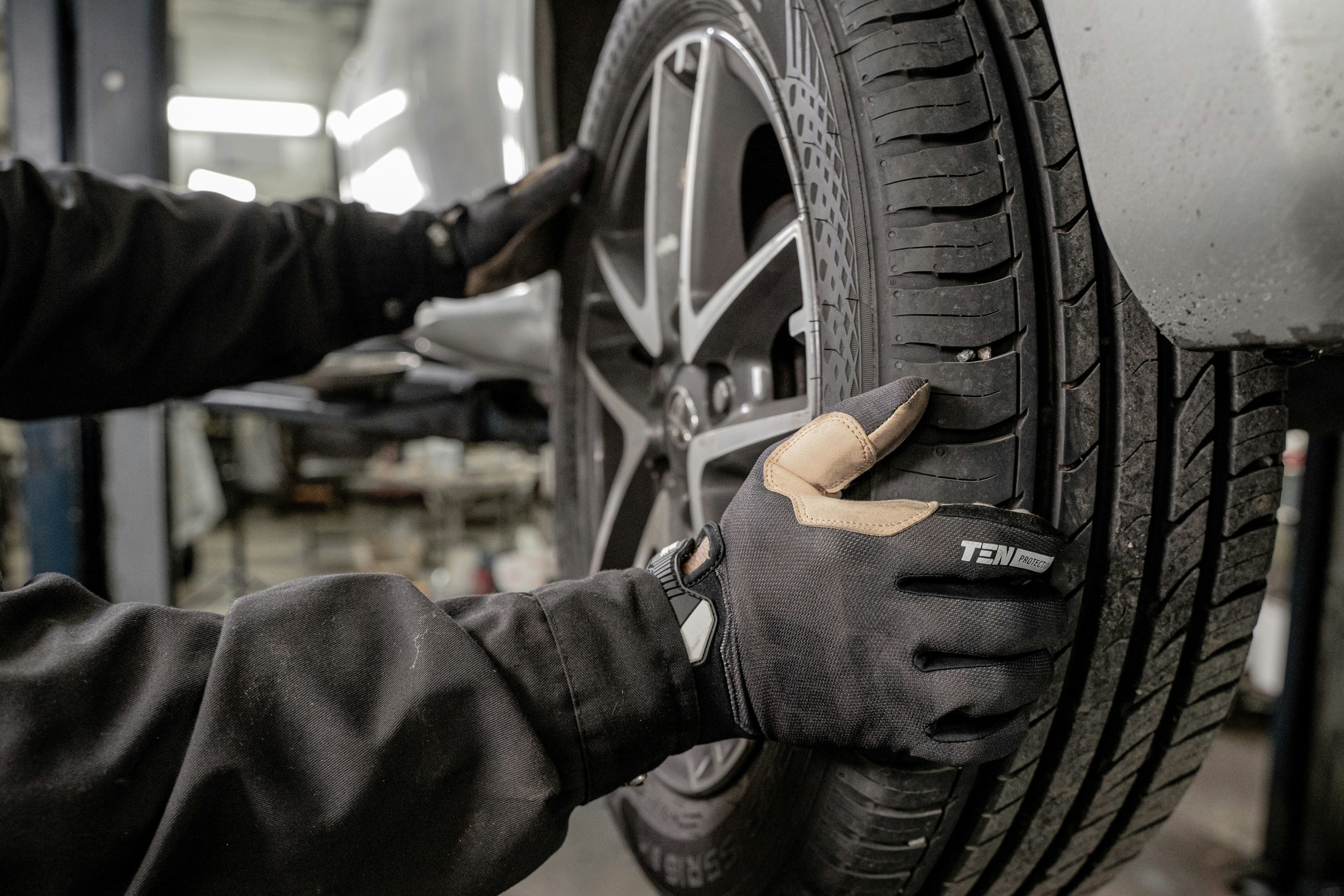
Tire installation is a basic service that most drivers need when purchasing a complete set of four tires. The installation fee generally covers removing the existing tires from the wheels, mounting the replacement tires, and preparing them for use. However, the services included in this charge can vary between tire shops.
Some retailers advertise low tire prices but charge separately for installation. Others offer installation as part of a package. Comparing these pricing structures helps you understand whether a shop is genuinely affordable or simply advertising a lower starting price.
Ask the shop whether its installation charge applies per tire or to the complete set. A fee of $25 per tire, for example, becomes $100 when purchasing four tires. This difference can affect your budget, particularly when additional services are required.
It is also important to confirm whether the installation price includes wheel removal and reinstallation. Most professional tire shops include these basic tasks, but checking the service breakdown prevents confusion when reviewing the invoice.
Some vehicles require additional labor because of their wheel design, tire dimensions, or specialized equipment requirements. Low-profile tires, larger wheels, and certain performance tire configurations may involve higher installation charges.
Before agreeing to the purchase, ask whether the shop charges extra for installing tires on alloy wheels. Certain wheel finishes require additional care and specialized equipment to reduce the risk of scratches or other damage.
You should also confirm whether the quoted installation fee includes the shop’s standard labor warranty. A clear explanation of the service coverage makes it easier to understand what assistance is available if an installation-related issue occurs.
When comparing four-tire packages, calculate the complete installation expense rather than focusing on the advertised tire price. A shop with slightly higher tire prices may provide better value if installation and essential services are already included.
2. Wheel Balancing Fees
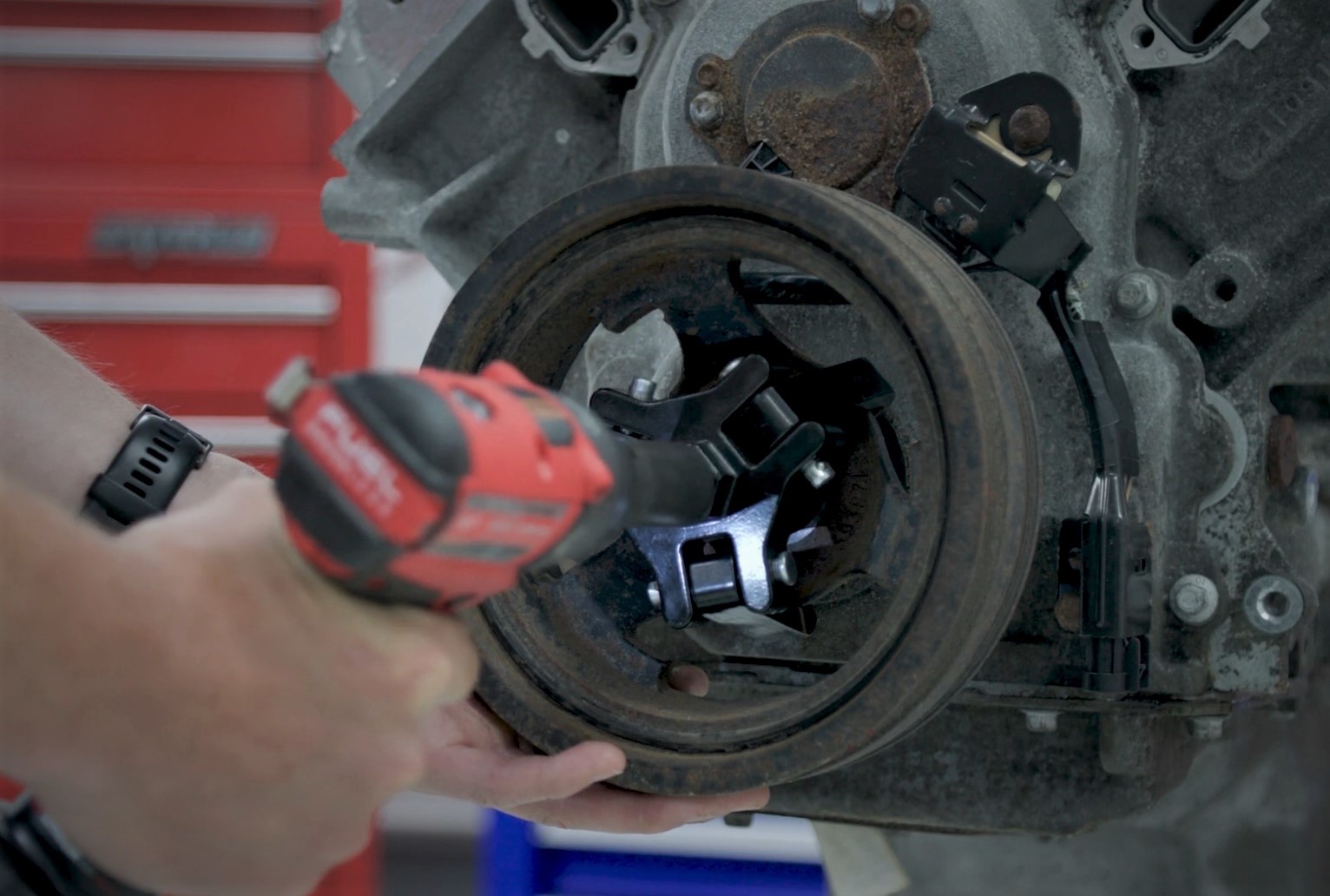
Wheel balancing is an important service performed when installing new tires. It helps distribute the combined weight of the tire and wheel assembly evenly around the axle. Proper balancing reduces unwanted vibration and supports a smoother driving experience.
When a wheel is unbalanced, drivers may notice shaking through the steering wheel, particularly at certain highway speeds. Unusual vibration can also contribute to uneven tire wear and place additional stress on suspension components.
Most tire shops use computerized balancing equipment to identify weight differences around each wheel assembly. Technicians then attach small balancing weights to appropriate locations to correct the imbalance.
Some retailers include standard wheel balancing in their installation package. Others list it as a separate charge for every tire. Ask for clarification before approving the service, especially when comparing promotional offers.
If the shop charges $15 per wheel, balancing four tires would add $60 to your purchase. This amount may seem small compared with the total tire cost, but several individual fees can significantly increase the final invoice.
It is also worth asking whether the quoted price includes road-force balancing. This is a more specialized procedure that measures variations in tire and wheel stiffness under load. It may help diagnose certain vibration problems that conventional balancing does not resolve.
Road-force balancing is not necessary for every vehicle or every tire replacement. A technician may recommend it when persistent vibration continues after standard balancing or when a particular tire and wheel combination requires additional diagnosis.
Always confirm that the shop has included the appropriate balancing service in writing. Knowing the exact charge for all four wheels makes it easier to compare offers and avoid paying twice for services included in another package.

3. Tire Disposal and Recycling Fees
When purchasing four replacement tires, you will usually need to decide what happens to the old set. Tire disposal and recycling fees cover the handling and processing of used tires through appropriate waste management channels.
Many tire shops charge a small environmental or disposal fee for each tire they remove. This charge may be collected separately from installation, depending on the retailer’s pricing policy and local regulations.
The amount can differ depending on the location, applicable environmental requirements, and recycling arrangements. Some shops include disposal in their installation package, while others display it as an individual line item.
For example, a disposal charge of $5 per tire adds $20 to a four-tire purchase. Checking this fee in advance helps prevent surprises when the final invoice is prepared.
It is worth asking whether the shop sends old tires to an authorized recycling facility. Used tires can be processed into materials for rubberized surfaces, construction applications, and other products, depending on local recycling capabilities.
You should also confirm whether the disposal fee applies when you choose to keep your old tires. Some retailers may remove the charge if you take responsibility for the used tires, while others may have different policies.
Drivers should avoid leaving unwanted tires in unauthorized locations. Improper disposal can create environmental concerns, contribute to waste accumulation, and provide breeding areas for mosquitoes when tires collect standing water.
Before purchasing, compare the disposal charges at different retailers and ask whether the quoted amount covers all four tires. A transparent recycling policy and clearly stated fees make the buying process easier to manage.
4. Tire Pressure Monitoring System (TPMS) Service Fees
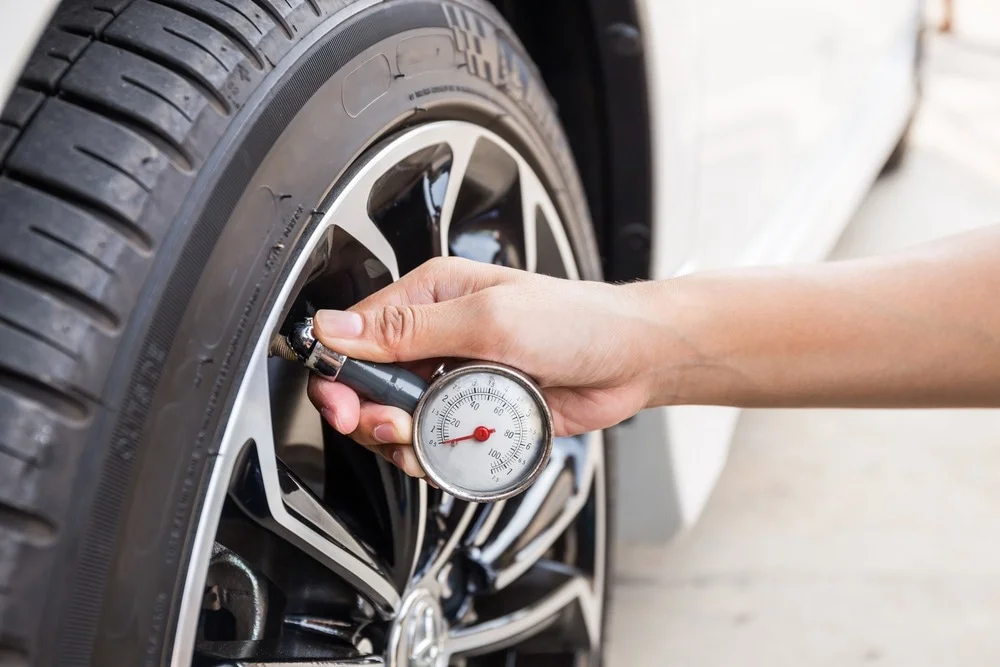
Modern vehicles commonly use a Tire Pressure Monitoring System, known as TPMS, to alert drivers when tire pressure falls below recommended levels. This system helps drivers identify pressure-related problems before they become more serious.
Many TPMS systems use sensors installed inside the wheels to monitor tire pressure. These sensors communicate information to the vehicle’s electronic system, which displays a warning when pressure conditions require attention.
During tire replacement, technicians must work carefully around these sensors. Improper handling can damage a sensor, its valve stem, or related components, potentially leading to additional repair expenses.
Some tire shops charge a separate TPMS service fee when replacing tires. This may cover sensor inspection, servicing compatible components, checking system operation, or resetting the monitoring system when required.
The exact service depends on the vehicle and the type of TPMS installed. Direct systems use individual pressure sensors, while indirect systems estimate pressure changes through information provided by the vehicle’s wheel speed sensors.
Ask whether the shop includes TPMS inspection in its installation package. If it charges separately, request a breakdown of what the service covers and whether all four wheels are included.
Sensor replacement is a different expense from routine TPMS servicing. If a sensor is damaged, malfunctioning, or has an exhausted battery, the shop may recommend replacing it. Request a separate estimate rather than assuming sensor replacement is part of the standard tire installation charge.
It is also useful to ask whether the shop can program or relearn the sensors for your particular vehicle. Confirming compatibility before installation helps avoid warning lights and unnecessary return visits.

5. New Valve Stem Fees
Valve stems are small components that allow air to enter and remain inside a tire. They are attached to the wheel and play an important role in maintaining proper tire pressure.
Rubber valve stems can deteriorate over time because of heat, environmental exposure, road conditions, and general aging. Cracked or damaged stems may allow air to escape, resulting in gradual pressure loss.
When installing four new tires, replacing worn valve stems is a sensible maintenance consideration. However, the type of valve stem required depends on the wheel design and the vehicle’s equipment.
Standard rubber valve stems are generally less expensive than specialized metal or TPMS-compatible valve assemblies. Vehicles with direct tire pressure monitoring systems may require compatible service kits or replacement components.
Some tire retailers include standard valve stems in the installation price. Others charge separately for each replacement stem or list the components as part of a tire service package.
Ask whether the quoted price covers four new valve stems. If your vehicle has TPMS sensors, confirm that the shop will use compatible components rather than ordinary replacement stems that may not fit the existing setup.
Technicians may also recommend replacing rubber seals, valve cores, and other small service components when appropriate. These parts can help maintain a reliable seal and reduce the likelihood of air leakage.
Before approving additional charges, ask for an explanation of the recommended components. You should understand whether the replacement is necessary because of normal wear, existing damage, or the requirements of your vehicle.
Comparing valve stem fees across tire shops helps you identify packages that include essential installation components. It also prevents small individual charges from becoming unexpected additions to the final bill.

6. Tire Protection and Road Hazard Warranty Fees
Tire protection plans are optional products offered by many tire retailers. They are designed to provide financial assistance when tires experience certain types of damage during normal driving.
Road hazards can include nails, screws, sharp debris, and other objects that cause punctures. Depending on the warranty terms, a protection plan may cover qualifying repairs or replacement costs.
Some retailers include limited road hazard protection with specific tire purchases. Others offer it as an additional service that customers can purchase separately.
The price of a protection plan may depend on the tire brand, tire size, purchase amount, and coverage period. For a four-tire purchase, the total cost can become significant if the retailer charges separately for every tire.
Before purchasing coverage, read the terms carefully. Some plans cover repairable punctures but exclude sidewall damage, cosmetic damage, improper inflation, racing, or damage caused by neglect.
It is also important to understand whether the warranty provides a free replacement or a prorated benefit. A prorated policy may require you to pay part of the replacement cost based on the remaining tread depth.
Ask whether the protection plan includes labor, mounting, balancing, and disposal when a damaged tire qualifies for replacement. A warranty that covers only part of the expense may offer less value than expected.
Compare the additional protection cost with the manufacturer’s existing tire warranty and the retailer’s standard coverage. Avoid paying for overlapping benefits without understanding what each policy actually provides.
7. Wheel Alignment Fees
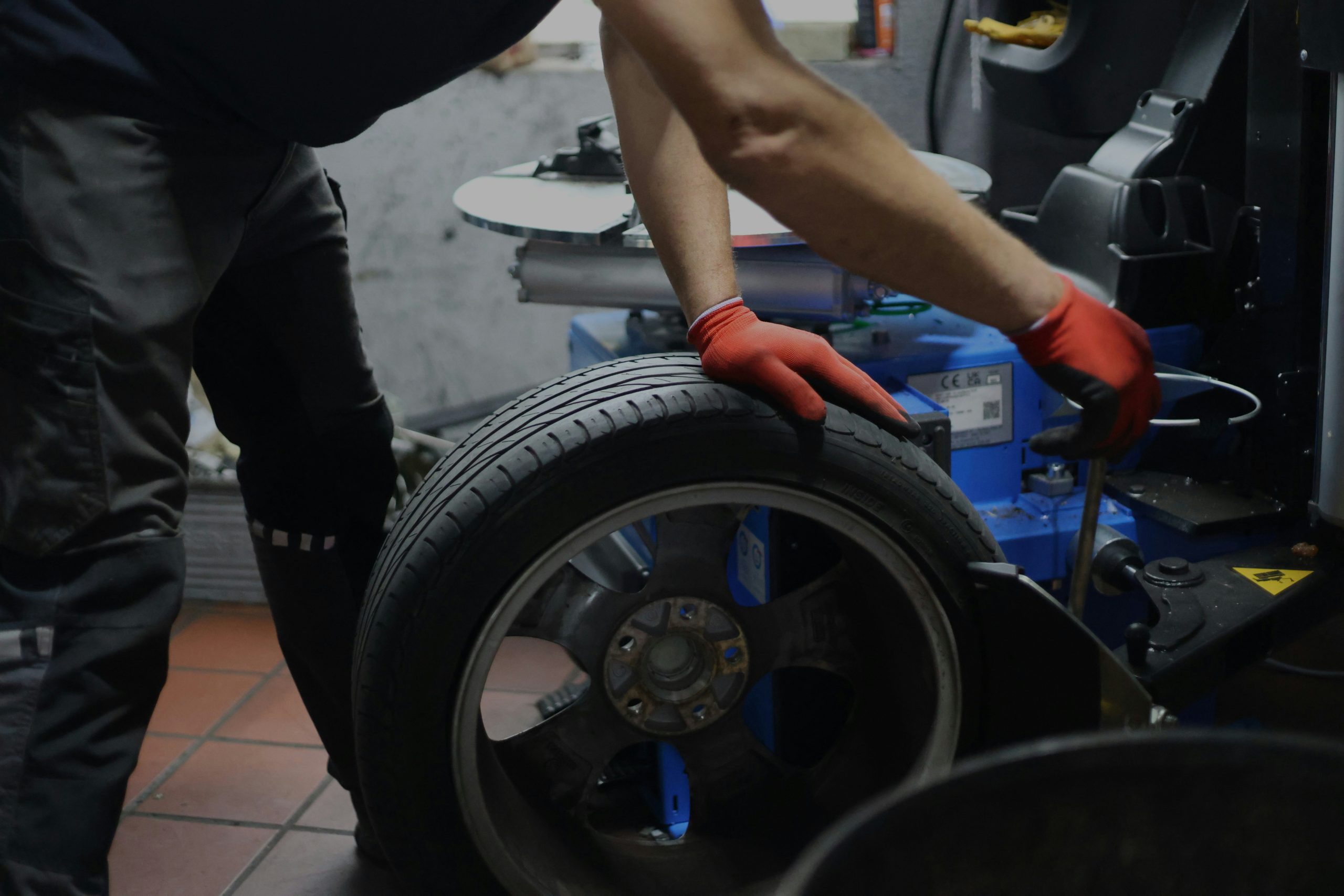
Wheel alignment is a service that adjusts the angles of a vehicle’s wheels according to manufacturer specifications. Proper alignment helps maintain predictable handling, steering stability, and even tire wear.
When replacing four tires, a shop may recommend checking the alignment before completing the job. This is particularly useful if the previous tires show uneven wear or the vehicle pulls to one side.
Misalignment can develop after hitting potholes, striking curbs, or driving over rough roads. Suspension wear and damaged steering components can also affect wheel alignment.
A standard alignment inspection may be included in certain tire installation packages. However, a complete adjustment is often charged separately. Ask whether the shop is offering an inspection, a front-wheel alignment, or a four-wheel alignment.
The appropriate service depends on the vehicle’s suspension design and manufacturer specifications. Many modern vehicles require four-wheel alignment checks, while some models have limited adjustment options.
Alignment fees can vary based on the vehicle type, equipment, and amount of work required. Larger vehicles and models with specialized suspension systems may involve higher labor charges.
It is important to remember that new tires do not automatically require an alignment. If your vehicle tracks straight and the existing tires show even wear, the technician may find that no adjustment is necessary.
Request a before-and-after alignment report when the service is performed. This document shows the measured wheel angles and helps you understand whether the adjustments brought them closer to the manufacturer’s recommended specifications.

8. Tire Balancing Weights and Additional Hardware Fees
Balancing weights are small components attached to a wheel to correct weight differences in the tire and wheel assembly. They are essential for achieving proper balance during installation.
Most professional tire shops use either clip-on weights or adhesive weights, depending on the wheel design and balancing requirements. The correct type helps maintain balance while reducing the risk of damaging the wheel finish.
Some retailers include balancing weights in their standard balancing fee. Others may list them separately, particularly when specialized adhesive weights or particular finishes are required.
When purchasing four tires, ask whether the balancing charge covers all necessary weights and installation materials. This helps you determine whether the advertised balancing price represents the complete service.
Certain alloy wheels require additional attention because exposed clip-on weights may affect their appearance or finish. Adhesive weights are commonly used where the wheel design or manufacturer’s recommendations make them more appropriate.
Other hardware may also be required during installation. Depending on the vehicle, this can include replacement lug nuts, wheel locks, center caps, or other wheel-related components.
However, these items are not automatically necessary whenever new tires are installed. A shop should explain why a particular component needs replacement and whether the existing hardware can be safely reused.
Ask for separate prices for any additional hardware before authorizing the work. This makes it easier to distinguish essential installation expenses from optional appearance-related upgrades.
A detailed estimate should identify whether balancing weights and standard installation materials are already included. Clear pricing reduces confusion and helps you compare tire shops on equal terms.
9. Shop Supplies, Environmental, and Miscellaneous Service Fees
Some tire retailers add shop supply or miscellaneous service charges to cover materials used during installation and maintenance work. These charges may appear under different names depending on the business.
A shop supply fee may cover items such as lubricants, cleaning materials, protective supplies, and other consumables used by technicians. However, the exact items included can differ between retailers.
Environmental fees may also appear on the invoice. These charges can be associated with waste handling, recycling, or other location-specific requirements.
Some retailers charge a separate fee for tire pressure checks, disposal handling, or administrative processing. Others include these services in the standard installation package.
When comparing four-tire prices, do not ignore small miscellaneous charges. A few dollars per tire can add up quickly when the same fee is applied across the entire set.
Ask the retailer to explain every additional charge before approving the purchase. If a fee is described only as miscellaneous, request details about the service or materials it covers.
You should also confirm whether taxes are calculated before or after certain service charges. Local tax rules can affect the final amount, so the advertised price may differ from the total payable.
A professional tire shop should provide an itemized estimate that clearly identifies tire prices, installation labor, service charges, taxes, and optional products. This makes it easier to identify unnecessary additions.
Comparing these smaller expenses helps you avoid paying more than expected. A transparent invoice is a useful sign that the retailer is willing to explain its pricing and services.