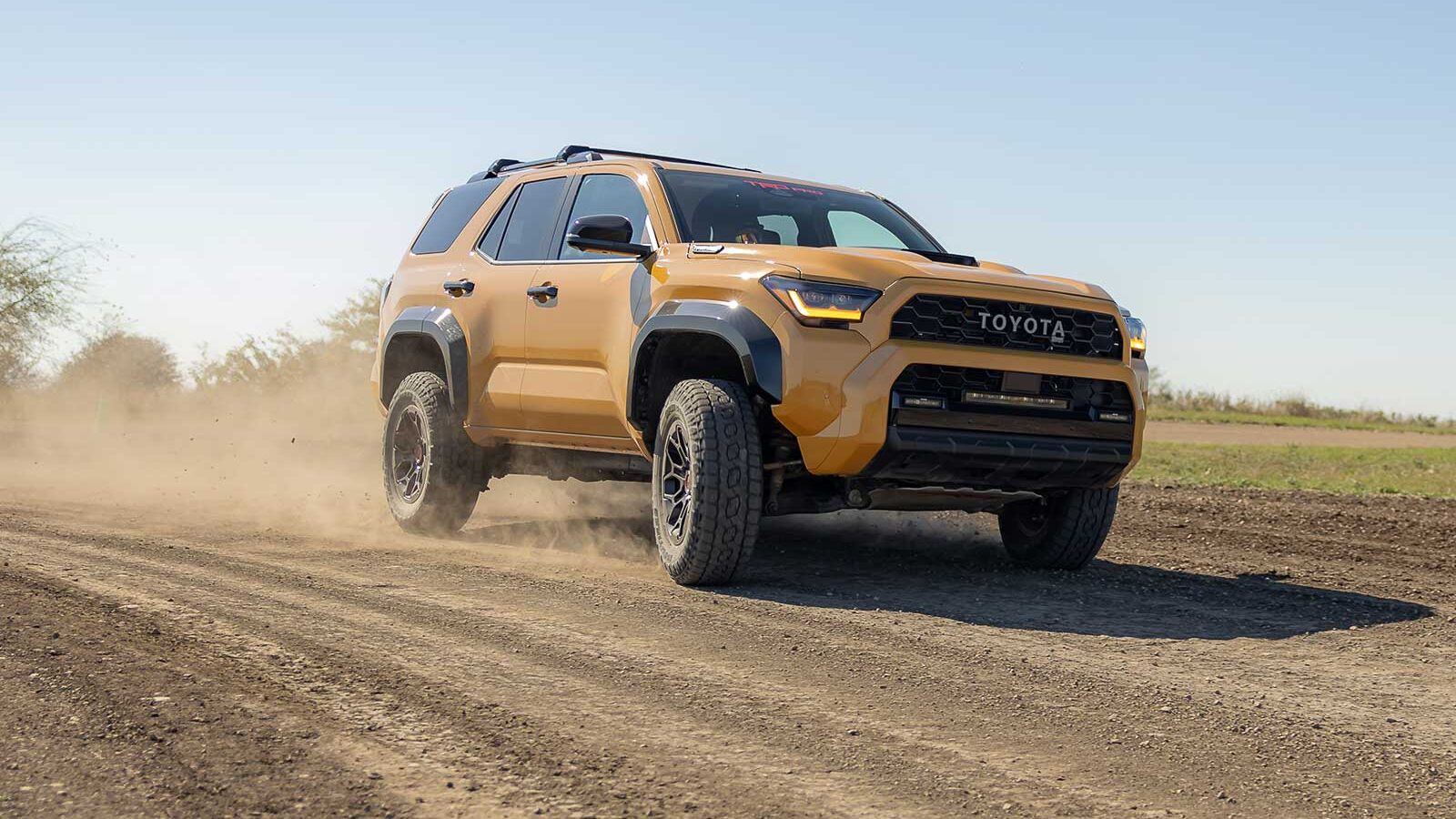
Toyota is increasing prices across the 2027 4Runner lineup while adding more comfort equipment to several trims. The biggest change affects the entry-level SR5, whose starting price rises by $1,220 compared with the previous model year.
The increase brings its advertised starting figure to $45,085 when the destination charge is included, although the vehicle’s base MSRP is $43,490. In return, buyers get standard heated front seats and eight-way power-adjustable front seats.
Toyota has also introduced new appearance details for selected grades, while the SUV retains its existing engines and body-on-frame platform.
Entry-Level SR5 Takes the Biggest Price Increase
The 2027 Toyota 4Runner SR5 receives the largest price increase in the updated lineup. Its MSRP rises from $42,270 for 2026 to $43,490 for 2027, an increase of $1,220.
Adding Toyota’s $1,595 delivery, processing, and handling charge brings the starting figure to $45,085 before taxes, registration, and dealer-installed options. This is why the new entry-level 4Runner is being described as crossing the $45,000 threshold.
The higher price comes with additional standard equipment. The SR5 now includes heated front seats and eight-way power-adjustable driver and front passenger seats. These features were previously associated with more expensive versions of the SUV, so their arrival gives the base grade a more comfortable cabin without requiring buyers to move up the trim ladder.
The power-seat upgrade also extends to the TRD Sport and TRD Off-Road. Toyota has made eight-way power-adjustable front seats standard on these grades, while heated front seats are now standard across the entire 2027 4Runner range.
The distinction matters because not every trim receives the same combination of seat adjustments and other comfort equipment.
The SR5 continues to serve as the entry point for buyers who want the 4Runner’s rugged construction without paying for specialized off-road hardware or premium interior features.
Standard equipment includes an 8-inch Toyota Audio Multimedia touchscreen with wireless Apple CarPlay and Android Auto, a Smart Key System, a Blind Spot Monitor, and a tow-hitch receiver. Third-row seating and four-wheel drive remain available depending on configuration.
The price increase is not limited to the SR5. Toyota has raised prices across the lineup, although the size of the adjustment varies considerably. The TRD Sport and TRD Off-Road each increase by $870, while several premium grades receive smaller increases of around $190. The hybrid Platinum rises by $490, and the TRD Pro increases by $270.
Toyota Adds New Colors and Equipment to Higher Trims
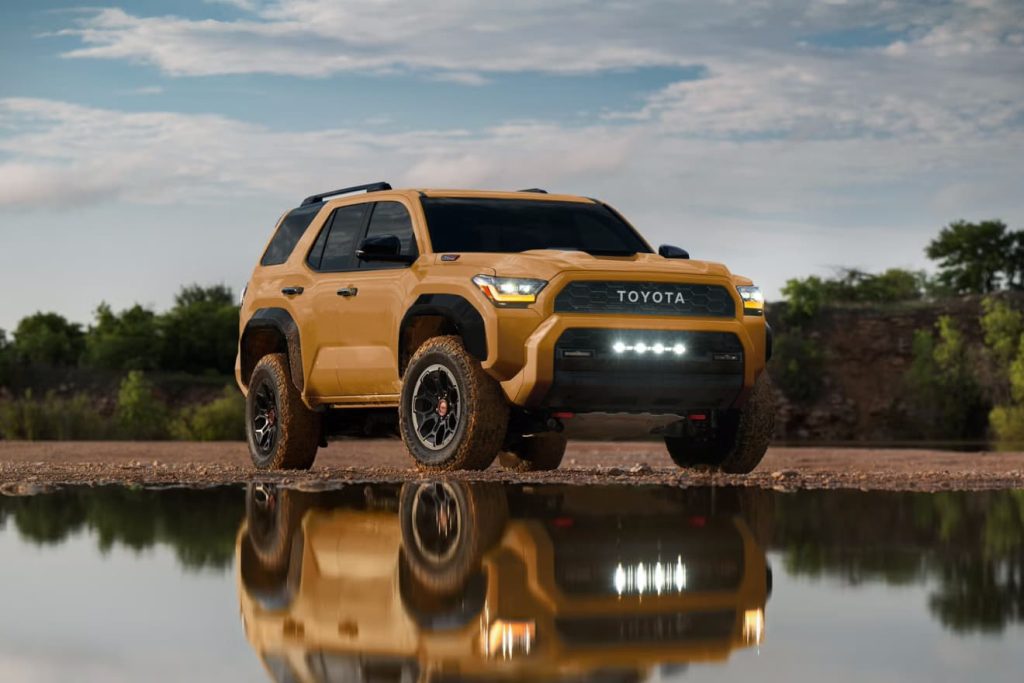
Beyond the price changes, Toyota has introduced several smaller updates to distinguish the 2027 4Runner from its predecessor. The most noticeable exterior addition is Hot Honey, a new color exclusive to the TRD Pro.
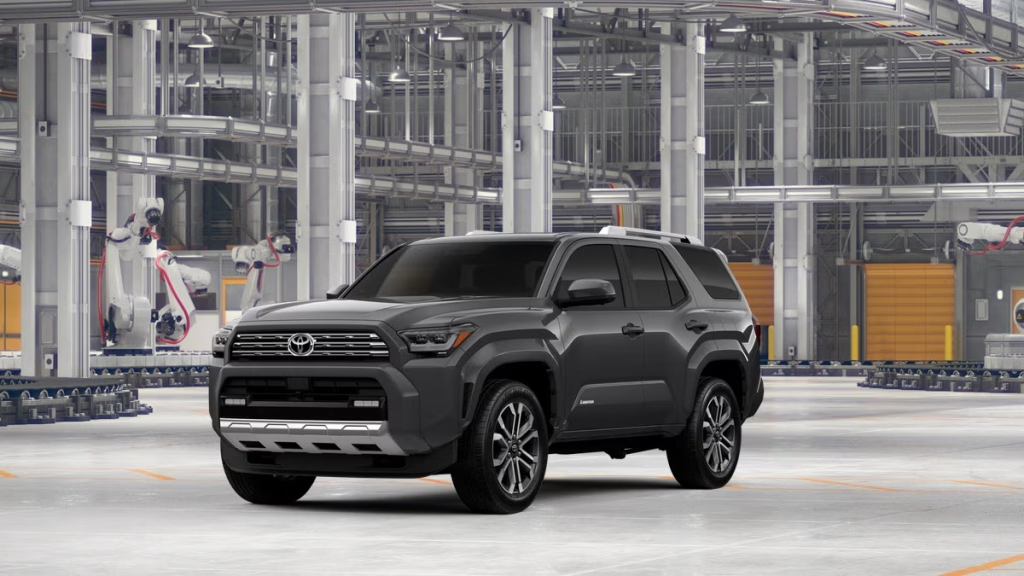
Buyers choosing this shade will pay an additional $695. Toyota has also renamed its existing Black exterior finish to Inked across the lineup. The change is cosmetic, with no mechanical differences associated with the new name.
The TRD Pro also gains standard red-painted front tow hooks. This adds a more distinctive appearance to the off-road-focused model while reinforcing its recovery-oriented equipment.
The truck continues to use FOX QS3 2.5-inch internal bypass shocks with rear piggyback-style remote reservoirs, 33-inch Toyo all-terrain tires, and Toyota’s Stabilizer Disconnect Mechanism.
These features help the TRD Pro handle uneven terrain by improving suspension articulation and wheel contact.
The Trailhunter remains a separate option for buyers interested in overlanding equipment. It features Old Man Emu forged shocks, bronze-finished wheels, 33-inch all-terrain tires, and an ARB roof rack. Its equipment is designed for extended off-road trips where carrying additional gear and managing rough terrain are important considerations.
Toyota has also added a small premium detail to the Platinum grade. It now receives front-door puddle lamps that project the 4Runner logo onto the ground when the doors open. The feature gives the SUV a more distinctive presentation, although it does not change its performance or capability.
The updates are relatively limited compared with a full model redesign. Toyota is carrying forward the current generation’s exterior proportions, body-on-frame construction, and general interior layout. Buyers will therefore find the same basic 4Runner formula, with additional standard comfort features and selected appearance changes.
These additions also reflect the different roles played by the SUV’s grades. The SR5 is aimed at buyers seeking everyday utility, the TRD Sport offers a more road-focused appearance and suspension setup, and the TRD Off-Road adds equipment for trail driving.
The Limited and Platinum provide more premium appointments, while the TRD Pro and Trailhunter focus on different types of off-road use.
Engines and Off-Road Capability Carry Over for 2027
Toyota has not announced a new engine or major mechanical redesign for the 2027 4Runner. The standard i-FORCE powertrain remains a turbocharged 2.4-liter four-cylinder producing up to 278 horsepower and 317 lb-ft of torque.
It is paired with an eight-speed automatic transmission. Buyers can choose between rear-wheel drive and available four-wheel-drive configurations on selected grades.
The available i-FORCE MAX hybrid system combines the turbocharged engine with an electric motor integrated into the powertrain. It produces up to 326 net combined horsepower and 465 lb-ft of torque.
Toyota offers this setup on selected higher grades, including the TRD Off-Road, Limited, TRD Pro, and Trailhunter configurations. The hybrid powertrain is standard on the TRD Pro and Trailhunter.
The additional torque gives the hybrid version a different character, particularly when accelerating or travelling over difficult surfaces. However, buyers should remember that the hybrid system is not available across every trim. Those wanting the SR5, for example, will continue to receive the standard gasoline engine.
The 4Runner retains its body-on-frame TNGA-F platform, which it shares with other Toyota trucks and SUVs. Its construction is intended to support demanding use, while available features such as Multi-Terrain Select, Crawl Control, and an electronic locking rear differential help drivers manage different surfaces.
The Stabilizer Disconnect Mechanism is standard on the TRD Pro and Trailhunter, allowing additional front suspension articulation when tackling uneven trails.
Towing capacity depends on the selected powertrain and configuration. Toyota lists a maximum of up to 6,000 pounds for the 2027 4Runner, so buyers should check the specifications for their exact model rather than assume every version can tow the maximum amount.
Available towing technology includes trailer assistance features designed to make reversing and maneuvering easier.
The updated pricing makes the differences between trims particularly important. The SR5 has a base MSRP of $43,490, while the TRD Sport starts at $49,620 and the TRD Off-Road at $51,560.
Higher equipment levels include the TRD Sport Premium at $54,300, Limited at $57,090, and Platinum at $64,850. At the top of the range, the Trailhunter starts at $68,590 and the TRD Pro at $68,870, before destination charges and other costs.
Toyota has also retained Toyota Safety Sense 3.0 as standard equipment across the lineup. The package includes driver-assistance technologies such as a pre-collision system, lane-departure alert, and adaptive cruise control. This gives even the entry-level SR5 access to the same core safety technology offered on more expensive versions.
For buyers considering the 2027 model, the main question is whether the additional standard equipment justifies the higher entry price. Heated seats and power adjustments make the SR5 more comfortable, but the $1,220 increase is substantial compared with the smaller adjustments applied to several other trims.
Customers should also compare remaining 2026 inventory, since discounts on outgoing models could make them attractive alternatives.
The 2027 update does not transform the 4Runner mechanically. Instead, Toyota is adding convenience features, adjusting prices, and making selected styling changes while keeping its established off-road hardware.
The result is a more generously equipped entry-level SUV, but one that now asks buyers to spend more before adding options or choosing four-wheel drive.