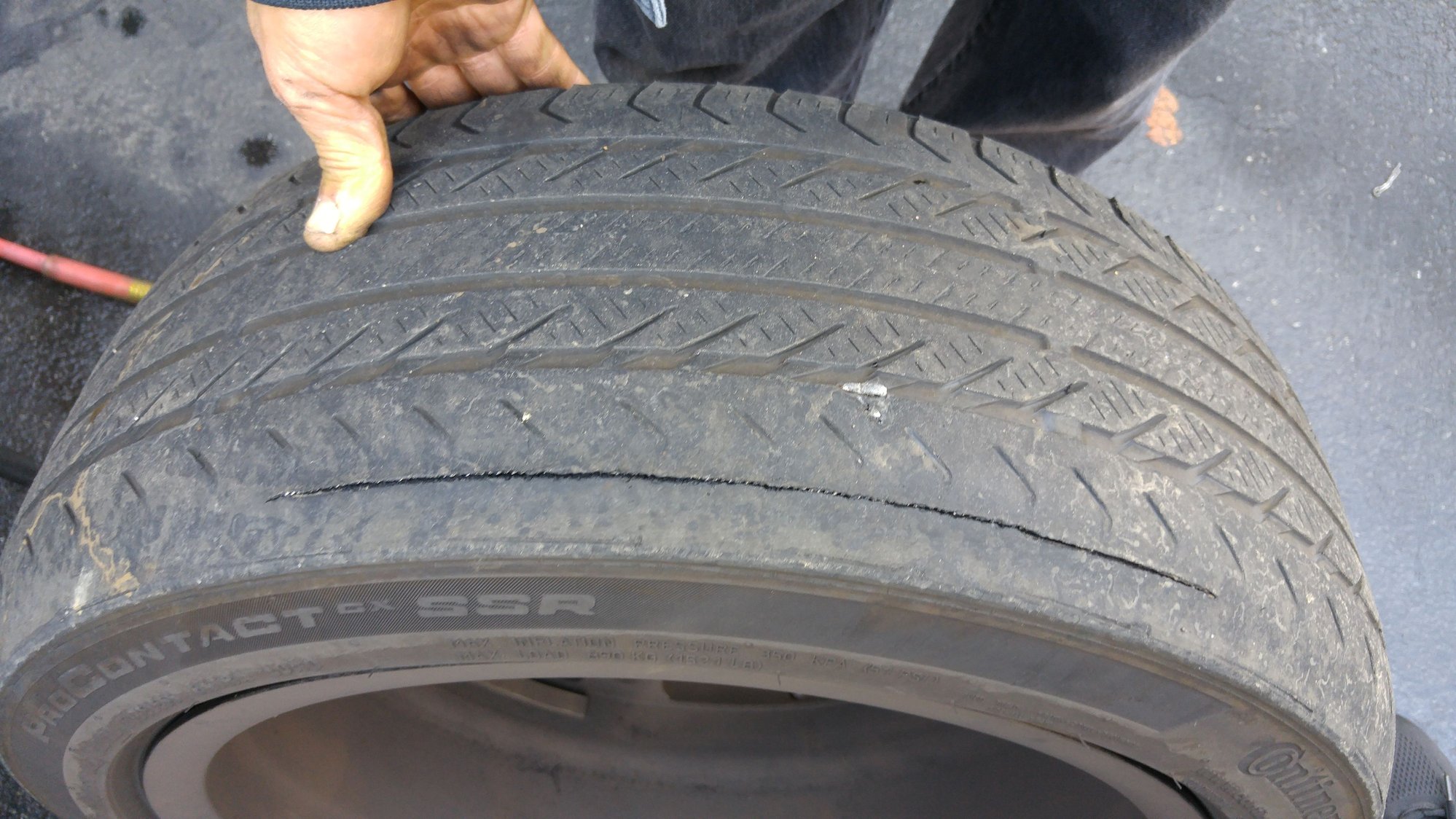
Bald tires are more than a maintenance problem because they can turn an ordinary drive into a serious safety risk, particularly on wet highways. Across the United States, states enforce tire regulations through minimum tread-depth requirements, vehicle inspections, and rules against damaged or unsafe tires.
Although the commonly used legal threshold is 2/32 of an inch, certain states impose additional requirements on commercial vehicles or apply detailed inspection standards.
These differences matter because drivers can face inspection failures or legal consequences for operating vehicles with unsafe tires. Here are seven states where tire regulations deserve particular attention.
1. Texas
Texas has particularly important tire requirements for commercial vehicles, especially those operating on heavily travelled highways. The state’s vehicle inspection criteria distinguish between steering-axle tires and other tires, meaning the minimum acceptable tread depth is not identical across every wheel.
According to the Texas Department of Public Safety, a tire installed on a vehicle’s steering axle must be rejected during the applicable safety inspection if its tread measures less than 4/32 of an inch in any major tread groove.
For other tires, the rejection threshold is less than 2/32 of an inch. Exposed body ply or belt material, tread separation, and certain structural defects also result in rejection.
That 4/32-inch requirement is particularly significant for commercial trucks because their front tires influence steering control. A truck with insufficient front-tire tread cannot pass the applicable inspection simply because its rear tires still have adequate depth.
There is an important distinction for ordinary motorists. Texas ended mandatory annual safety inspections for most noncommercial vehicles on January 1, 2025. However, that change did not make unsafe tires legal.
State equipment and safety requirements still apply, and drivers should not interpret the end of routine inspections as permission to operate vehicles with dangerously worn tires.

Texas, therefore, deserves attention for its stricter commercial steering-axle standard and its detailed tire rejection criteria. Drivers operating commercial vehicles should check tread depth regularly rather than waiting for an inspection appointment.
The official inspection criteria also identify exposed cords, sidewall separation, cuts exposing structural material, and overloaded tires as rejection conditions. These requirements make it clear that tread depth is not the only factor determining whether a tire is safe for highway use.
2. New Jersey
New Jersey applies a straightforward minimum tread-depth requirement, but its regulations become more demanding for certain commercial vehicles and passenger-carrying transportation services.
Under New Jersey Administrative Code Section 13:20-32.19, tires on vehicles covered by the inspection standards must have at least 2/32 of an inch of tread depth.
The requirement is more demanding for the front tires of several specified vehicle categories. Commercial motor vehicles registered under the relevant state provisions, certain buses, taxicabs, limousines, and jitneys must maintain at least 4/32 of an inch on each front tire. Their rear tires must retain at least 2/32 of an inch.
This distinction is important because front tires play a direct role in steering and directional control. A commercial vehicle cannot rely on acceptable rear-tire condition to compensate for insufficient tread on its front axle.
New Jersey’s regulations also go beyond a simple measurement. Tires must not have exposed cords or structural damage, including bumps, knots, bulges, and evidence of tread separation. Vehicles can also face inspection problems if tires on the same axle have mismatched nominal sizes, construction types, or profiles.
Another detail worth remembering concerns tire markings. Tires designated for farm use, off-highway use, or racing purposes cannot simply be installed on vehicles registered for ordinary public-road use.

For private motorists, the 2/32-inch minimum is the central legal benchmark under these inspection provisions. Commercial drivers, however, need to pay closer attention to the higher front-tire requirement.
New Jersey’s approach makes tire maintenance especially important for businesses transporting passengers or operating commercial fleets. Checking all four tires with a tread-depth gauge before inspections can help prevent avoidable rejection and identify tires that need replacement.
3. Pennsylvania
Pennsylvania takes tire safety seriously through its mandatory annual vehicle safety inspection program. Its regulations establish a minimum tread-depth requirement for ordinary passenger vehicles while imposing a higher standard on the front tires of heavier vehicles. This distinction makes the state particularly important for commercial drivers.
Under 67 Pa. Code Section 175.80, an inspected tire fails if two adjacent tread grooves have less than 2/32 of an inch of tread remaining at any point. However, front tires on vehicles with a gross vehicle weight exceeding 10,000 pounds must retain at least 4/32 of an inch.
That additional requirement recognizes the importance of maintaining sufficient tread on the steering axle.
The inspection process also examines tire condition beyond the depth measurement. Exposed tire cords, visible bulges, tread separation, and certain improper repairs can result in rejection. A tire repaired with a blowout patch or boot is also grounds for failure under the regulation.
Another detail that motorists should understand is that Pennsylvania does not simply evaluate whether a tire looks worn. Inspectors must check the actual tread grooves and consider whether the wear indicators are contacting the road in two adjacent grooves. Consequently, a tire that appears acceptable from a distance may still fail inspection.

For private vehicle owners, the 2/32-inch threshold is the important legal benchmark. Commercial operators need to pay closer attention because their heavier vehicles can face the additional 4/32-inch front-tire requirement.
Pennsylvania’s annual inspection system makes neglecting tire maintenance particularly inconvenient. Drivers who arrive with insufficient tread or structural tire damage can face inspection rejection and must address the problem before obtaining a passing result.
4. North Carolina
North Carolina has detailed tire-safety provisions that go beyond simply checking whether a tire has reached the wear indicators. Its regulations specify how tread depth must be measured, identify structural defects that make tires unsafe, and establish a separate standard for heavier vehicles.
Under North Carolina General Statutes Section 20-122.1, vehicles subject to the state’s safety equipment inspection must have at least 2/32 of an inch of tread depth at two or more locations around the tire’s circumference in two adjacent major tread grooves. Tires with exposed cords, visible tread separation, or chunking are also considered unsafe.
Commercial vehicles face a stricter requirement. Vehicles with a gross vehicle weight rating of at least 10,001 pounds must maintain at least 4/32 of an inch on steering-axle tires. Nonsteering axle tires must retain at least 2/32 of an inch in any major tread groove. This distinction is especially relevant to trucking companies and commercial fleet operators.
North Carolina also specifies how inspectors should perform the measurement. Under Administrative Code Rule 19A NCAC 03D .0538, a calibrated tread-depth gauge must be used.
Where two adjacent grooves are not available near the center of a tire, measurements are taken at the center around its circumference. The tire must also be completely lifted off the ground during inspection.
Another important detail is that motorists cited for violating the safe-tire law have 15 calendar days to correct the issue. If they obtain an inspection certificate confirming that their tires meet the legal requirements within that timeframe, it may serve as a defense against the violation.

These requirements make North Carolina particularly relevant for commercial motorists. A truck that meets the ordinary passenger-car tread threshold may still fail the state’s stricter steering-axle standard.
5. Virginia
Virginia has specific tire regulations that make it important for drivers to monitor tread wear before their vehicles reach the state’s inspection stations. Under Virginia Code Section 46.2-1043, operating a vehicle with tires below the legal tread-depth threshold is prohibited. The standard applies to motor vehicles, trailers, and semitrailers travelling on public highways.
The minimum legal tread depth is 2/32 of an inch. However, Virginia does not determine compliance through a single measurement taken anywhere on the tire.
Inspectors must examine two adjacent major tread grooves where the tread is thinnest, checking three equally spaced locations around the tire’s circumference. If both grooves measure below 2/32 of an inch at all three locations, the tire fails the requirement.
There are additional restrictions for commercial vehicles. Virginia’s official motor vehicle safety inspection manual identifies front tires on buses, trucks, and tractor trucks with less than 4/32 of an inch of tread as grounds for rejection.
This is particularly important for commercial operators because steering-axle tires require more tread than ordinary passenger-car tires.
The state also prohibits tires with exposed structural material, dangerous cuts, and certain forms of damage. A tire can therefore fail inspection even when its remaining tread depth appears sufficient.
Another important point is that Virginia’s inspection rules cover more than tread measurements. Inspectors examine tire construction, suitability for highway use, and wear indicators. A tire with wear indicators contacting the pavement in the specified adjacent grooves can also be rejected.

For everyday motorists, the 2/32-inch minimum is the primary legal benchmark. Commercial drivers should pay closer attention to the higher steering-axle standard.
Virginia’s measurement procedure makes it especially important to check tires at several points instead of relying on a single reading from the center of the tread.
6. New York
New York is another state where drivers cannot afford to ignore tire condition. Its mandatory annual vehicle inspection program includes a detailed examination of tires, and vehicles must remain in safe operating condition whenever they are driven on public roads.
According to the New York Department of Motor Vehicles, passenger vehicles must maintain at least 2/32 of an inch of tread depth in two adjacent major tread grooves showing the most wear. This is the minimum acceptable measurement under the state’s inspection requirements.
However, commercial vehicles face a higher threshold. The front tires of motor vehicles, excluding trailers, with a maximum gross weight of 10,000 pounds or more must maintain at least 4/32 of an inch. The same higher requirement applies to truck tractors. Other tires generally must meet the 2/32-inch standard.
New York also considers structural damage when determining whether a tire can pass inspection. Exposed fabric, significant cuts reaching the body cords, and visible bumps, bulges, or knots indicating structural separation can result in rejection. A tire does not become roadworthy simply because its tread depth remains above the minimum.
The state also requires all registered vehicles to pass an inspection at least once a year. Motorists must complete a new inspection before their current sticker reaches its expiration date.

For commercial operators, the higher front-tire threshold is particularly important. A truck with front tires measuring below 4/32 of an inch can fail even when its rear tires retain sufficient tread.
New York’s regulations also demonstrate why checking only the tire’s center is insufficient. Inspectors take measurements in the two adjacent major grooves showing the greatest wear.
Drivers should consider replacing tires before they reach the legal minimum, particularly when regularly travelling through rain or snow. The legal threshold is a compliance requirement, not a guarantee of adequate traction in every condition.
7. Georgia
Georgia deserves attention for its detailed commercial vehicle tire inspection requirements. The state’s Department of Driver Services includes tire condition and tread depth among the essential components checked during commercial vehicle inspections.
These standards are particularly important for truck drivers, fleet operators, and businesses transporting heavy loads across interstate highways.
Georgia’s commercial vehicle inspection guidance establishes a minimum tread depth of 4/32 of an inch for steering-axle tires and 2/32 of an inch for all other tires. This distinction is important because the front tires directly influence steering control, especially when a commercial vehicle is carrying substantial weight.
The inspection does not stop at measuring tread depth. Inspectors also examine tire inflation, sidewall condition, cuts, and other visible damage. Exposed body plies, damaged valve stems, and sidewall bulges can indicate a potentially dangerous tire condition.
The Georgia Department of Driver Services specifically explains why these checks matter. Low tread depth increases hydroplaning risk, reduces traction, and increases stopping distances. Underinflation can also cause excessive heat buildup, increasing the possibility of tire failure.
Another important consideration involves dual-wheel commercial setups. Inspectors must check whether dual tires have mismatched diameters, since differences can affect how weight is distributed between the tires.

These requirements make routine maintenance particularly important for Georgia’s trucking industry. A commercial vehicle might have acceptable tread on its rear tires but still fail an inspection because its steering tires do not meet the 4/32-inch threshold.
Private passenger-vehicle owners should be aware that the 4/32-inch and 2/32-inch tread-depth requirements are part of Georgia’s commercial vehicle inspection guidelines. These figures should not be interpreted as universal legal minimums that apply to all privately owned passenger cars.
For trucking businesses, however, the message is clear. Checking tread depth, tire pressure, and visible damage before beginning a journey can help prevent inspection problems and reduce the risk of tire-related incidents on busy highways.