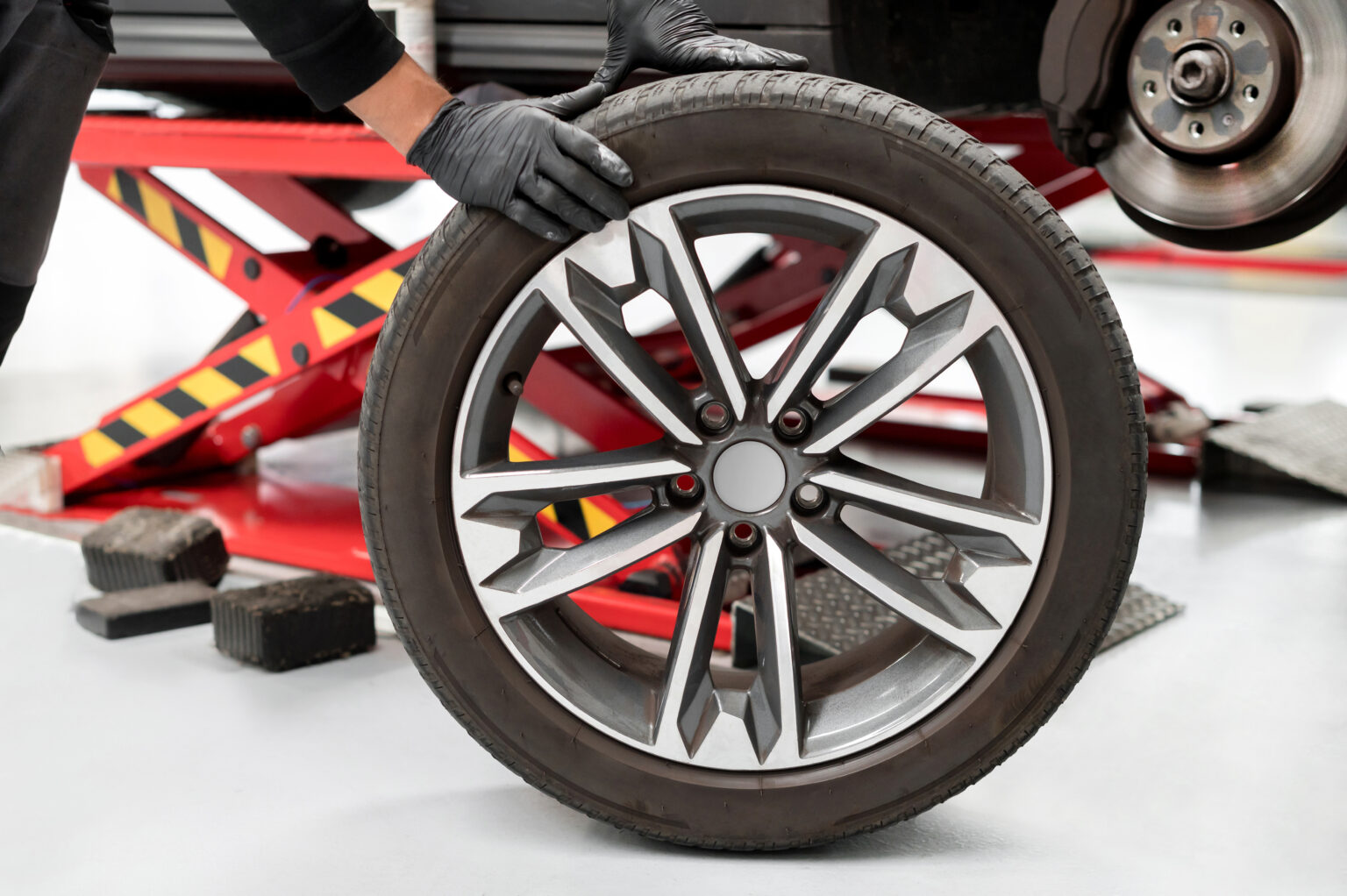
A tire warranty can look like a valuable safety net when you are comparing prices, but the fine print often determines how much protection you actually receive.
A mileage guarantee does not necessarily mean free replacement, and a manufacturer’s defect warranty will not automatically cover damage from potholes, nails, or poor maintenance.
Some claims also depend on keeping receipts, following rotation schedules, and meeting strict eligibility conditions. Before paying for a new set, buyers should understand what the warranty excludes, what evidence they must retain, and which costs may still come out of their pockets.
1. A Mileage Warranty Usually Does Not Promise Free Replacement
A tire carrying a 60,000-mile treadwear warranty may seem to offer a simple guarantee that the manufacturer will replace it if it wears out before reaching that mileage. However, these warranties rarely work as a straightforward replacement promise and typically come with specific conditions and limitations.
Mileage warranties commonly provide a prorated adjustment, meaning the manufacturer calculates a credit based on how much of the warranted tread life was achieved. The buyer may still have to pay part of the replacement tire’s price, along with applicable taxes, mounting, balancing, and other service charges.
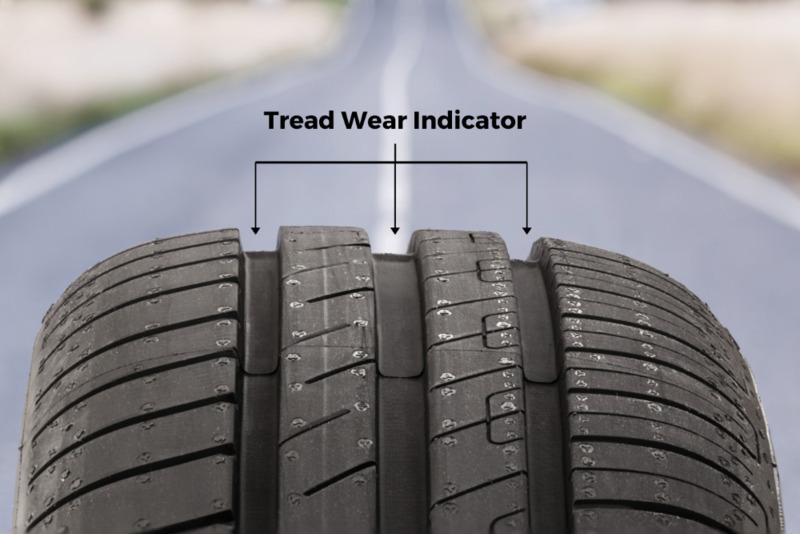
Goodyear’s U.S. tread-life warranty, for example, explains that tires wearing evenly down to the treadwear indicators before reaching their warranted mileage may qualify for a prorated replacement.
The original purchase invoice must show information including the tire description, installation date, and vehicle mileage. The advertised mileage figure is therefore a condition-based warranty limit, not a guarantee that a replacement set will cost nothing.
The calculation also depends on the tire’s actual condition. A tire that wears unevenly because of alignment problems or improper inflation may not qualify, even if it reaches the treadwear limit well before the advertised mileage.
Buyers should ask the retailer to explain the manufacturer’s adjustment formula and whether the warranty applies to the exact tire size and model being purchased.
It is also worth checking whether the warranty is limited to the original buyer and the vehicle on which the tires were initially installed. Selling the car or transferring the tires to another owner could void the mileage coverage. Before relying on the advertised treadwear rating, make sure you understand the warranty conditions and have the terms documented in writing.
2. Road Hazard Protection May Be Sold Separately
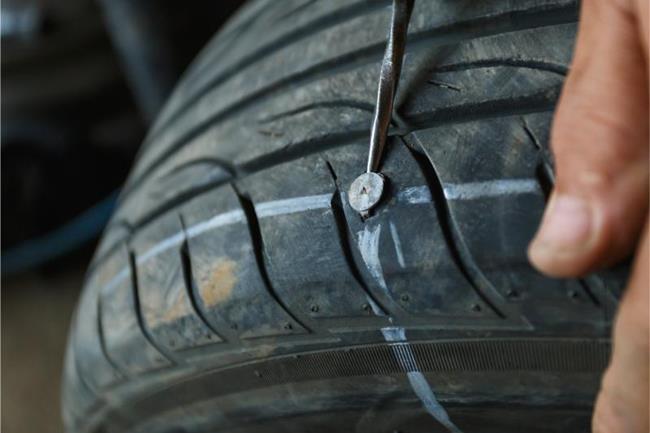
A nail through the tread, a sharp piece of metal, or a pothole impact can ruin a tire long before its tread wears out. Many buyers assume the manufacturer’s warranty will cover these incidents because the tire failed during ordinary driving.
In reality, standard tire warranties commonly distinguish manufacturing defects from damage caused by road conditions. That difference can leave an owner paying for a replacement even when the tire is relatively new.
Michelin’s U.S. warranty guidance specifically identifies punctures, cuts, impact damage, and similar road-hazard injuries as exclusions from its standard workmanship and materials coverage.
Michelin also explains that a sidewall bulge can result from striking a curb, pothole, or another object, rather than from a manufacturing defect. A retailer may need to inspect the tire to determine the cause.
Goodyear’s highway passenger and light-truck tire warranty likewise excludes road hazards, including punctures, cuts, snags, and impact breaks. The company notes that some retailers offer separate road-hazard or repair coverage.
That is a different agreement from the manufacturer’s standard warranty, so buyers should not assume it is automatically included with the tire purchase.
Before completing the purchase, find out whether the quoted price includes road-hazard protection, how long the coverage remains valid, and whether it pays for tire repairs, replacements, or both. Pay attention to exclusions and claim restrictions, as some plans limit the number of claims, exclude cosmetic damage, or require an inspection of the damaged tire before repairs can be approved.
Keep the receipt and policy document together. Without separate coverage, a puncture or pothole injury may become an out-of-pocket expense, regardless of the tire’s remaining tread or age.
3. Missing Tire Rotation Records Can Weaken a Warranty Claim
Buying tires with a long treadwear warranty is only the first step. Some manufacturers require owners to rotate their tires at specified intervals and keep records showing that the work was completed. If you cannot demonstrate that the tires received the required maintenance, a mileage-warranty claim may be rejected or become difficult to establish.
Goodyear’s U.S. tread-life warranty requires tire rotations according to the recommendations of Goodyear or the vehicle manufacturer. It also asks customers to present the original purchase invoice showing the tire description, installation date, and mileage.
These requirements matter because front and rear tires can wear at different rates, particularly on vehicles with different weight distribution or drivetrain layouts.
Bridgestone has similar documentation requirements. Its warranty guidance says owners must regularly inspect and rotate their tires according to the applicable recommendations and provide proof showing the service date, mileage, and location. A service receipt containing those details can serve as evidence.
The practical problem often appears months or years after installation. An owner may remember having the tires rotated but no longer have the paperwork. A retailer may be unable to verify the service, especially if the work was performed at a different shop. That can complicate a claim even when the tires appear to have worn prematurely.
Before leaving the tire store, ask how often rotation is required for the specific tire and vehicle combination. Keep invoices from every rotation, whether the work is done by the selling dealer, an independent shop, or another service center.
Make sure each record includes the date and odometer reading. A simple maintenance folder can prevent a missing receipt from becoming an expensive warranty problem.
4. Poor Inflation and Alignment Can Put Coverage at Risk
A tire warranty does not protect against every problem that develops while driving. Manufacturers commonly exclude damage or irregular wear caused by incorrect inflation, neglected alignment, overloading, and other maintenance issues.
This is an important limitation because these problems can shorten tire life even when the product itself has no manufacturing defect.
Bridgestone’s U.S. warranty lists improper inflation, overloading, wheel misalignment, worn suspension components, and insufficient maintenance among conditions that may fall outside coverage.
It also identifies failure to follow recommended rotation practices as an exclusion. Goodyear’s warranty documents contain similar restrictions for damage associated with underinflation, overloading, and improper vehicle or tire maintenance.
Consider a vehicle driven for months with tire pressure below the manufacturer’s recommendation. The shoulders of the tread may wear faster, while excess heat and stress can contribute to tire damage.
Incorrect alignment can create a different pattern, such as uneven or feathered tread wear. When a warranty inspector finds evidence of these conditions, the manufacturer may determine that the wear resulted from maintenance rather than a defect in the tire.
Buyers should check the vehicle’s tire-pressure label, usually found on the driver’s door jamb, rather than relying on the maximum pressure printed on the tire sidewall.
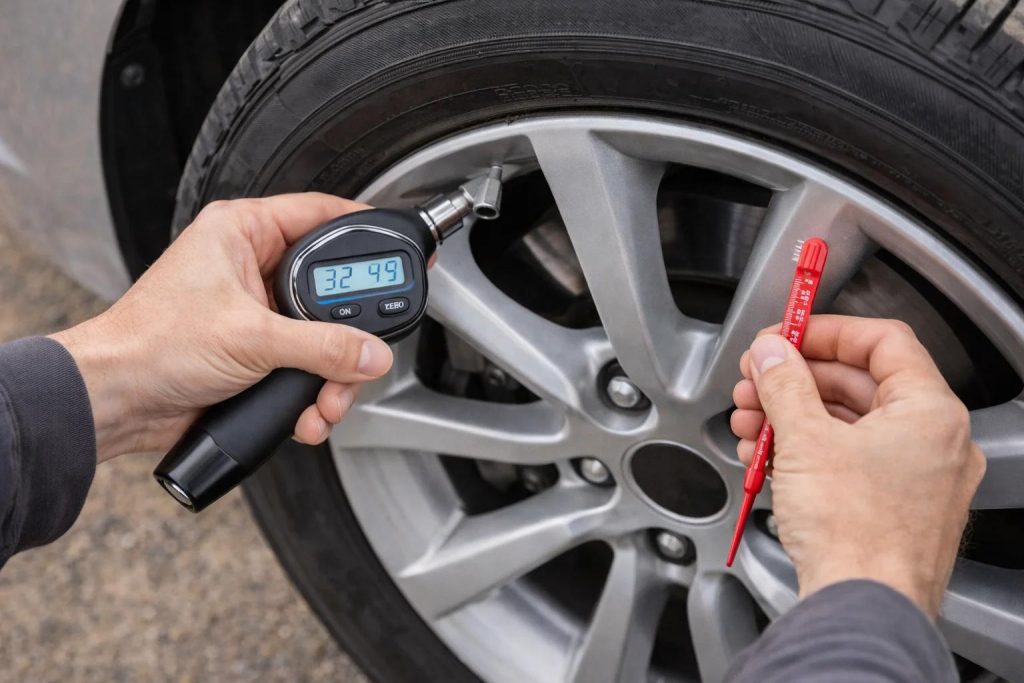
Follow the vehicle manufacturer’s maintenance schedule for alignment inspections, rotations, and load limits. Keep service records, and address unusual wear early instead of waiting until the tread is nearly gone.
At checkout, ask the retailer which maintenance conditions can invalidate the specific warranty. A high mileage rating offers limited value if the owner cannot meet the maintenance requirements attached to it.
5. The Warranty Clock May Start Before You Expect
A tire warranty may have a time limit as well as a mileage limit. Buyers sometimes focus on the advertised treadwear figure and overlook the number of years allowed for a claim. This matters when a vehicle is driven infrequently, stored for extended periods, or fitted with tires that remain in service long after their purchase.
Bridgestone’s U.S. warranty states that certain replacement tire coverage extends for up to five years from the purchase date when proof of purchase is available. Without proof, the manufacturer may use the tire’s manufacturing date to determine eligibility.
Its mileage warranty also has a five-year limit for the covered tires, subject to the stated conditions.
Yokohama uses a different time structure in its U.S. standard limited warranty for replacement passenger, light-truck, and temporary spare tires.
Its stated coverage runs for the life of the original usable tread or 60 months from purchase with proof, or 72 months from manufacture without proof, whichever comes first. These examples show why buyers should not assume every brand uses the same deadline.
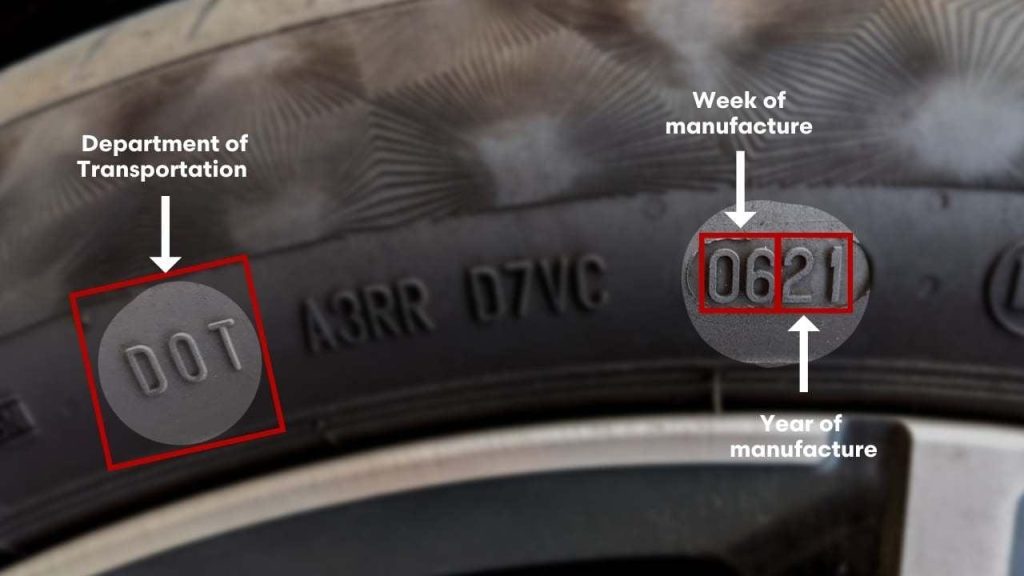
The manufacturing date is marked in the tire’s Department of Transportation identification number, commonly called the DOT code. The final four digits identify the week and year of manufacture. For example, a code ending in 2526 indicates production during the 25th week of 2026. That date can become important if the original receipt is lost.
Before purchasing, ask when the warranty period begins and whether the deadline is based on purchase, installation, or manufacture. Keep the dated invoice in a safe place. A tire with plenty of tread remaining can still fall outside a time-limited warranty.
6. Coverage May Not Transfer With the Vehicle or Tires
A tire warranty can be tied to the person who purchased the tires and the vehicle on which they were first installed. That restriction is easy to miss when buying a used vehicle, purchasing tires secondhand, or planning to move a set of tires to another car. The tires may still look nearly new, but their warranty benefits may not travel with them.
Goodyear’s U.S. tread-life warranty states that coverage applies only to the original purchaser and only when the tires remain on the vehicle where they were originally installed. It also excludes original-equipment tires supplied with a new vehicle from this particular tread-life warranty.
Yokohama’s U.S. warranty similarly excludes tires transferred from the vehicle on which they were originally installed. Its policy also distinguishes replacement tires from original-equipment tires, so buyers should check which warranty applies to the exact set fitted to their vehicle.
This distinction is especially important when shopping for a used car. A seller might advertise a vehicle with recently installed tires and mention that they carry a long mileage warranty.
That statement does not necessarily mean the next owner can claim the remaining mileage benefit. The manufacturer’s written terms determine whether the coverage continues after ownership changes.
There is also a difference between replacement tires bought from a retailer and tires installed by the automaker before the vehicle was sold. They may have different warranty documents, coverage periods, and claim procedures. Do not assume a replacement-tire mileage promise applies to factory-fitted tires.
Before purchasing, ask whether the warranty is transferable and whether it covers the original vehicle owner only. If buying a used vehicle, request the tire invoice and the actual warranty terms rather than relying on the seller’s description. Confirm eligibility directly with the tire manufacturer when the paperwork is unclear.
7. Buying From the Wrong Seller Can Affect Warranty Benefits
The price of a tire is not the only detail worth checking at checkout. Where you buy it can also affect which warranty benefits are available. Some manufacturers distinguish between authorized dealers and other sellers, while certain promotional benefits require registration or additional steps after purchase.
A buyer who assumes every retailer provides identical coverage may discover a problem only when making a claim.
Michelin’s U.S. Promise Plan illustrates why the seller matters. Michelin says buyers of eligible replacement passenger and light-truck tires must purchase from an authorized Michelin dealer to qualify for the Promise Plan benefits.
The plan includes a 60-day satisfaction guarantee, roadside assistance, and the manufacturer’s limited and treadwear warranties. Michelin also provides for tire registration or submission of a registration card as part of the stated eligibility process.
That does not mean every manufacturer’s standard tire warranty requires registration or an authorized retailer. Requirements vary by brand, product, and benefit. The important point is to identify the exact coverage being advertised.

A retailer might promote a manufacturer’s warranty, its own store guarantee, or an additional protection package. These are separate promises with potentially different claim rules.
Before paying, ask the seller to identify the warranty provider and give you the complete written terms. Check whether the retailer is authorized, whether registration is required, and how soon it must be completed. Also confirm where claims must be submitted and whether an inspection at an approved location is necessary.
Keep the itemized invoice, tire model and size, installation date, and any registration confirmation. If the seller advertises extra protection, get its separate policy rather than relying on a verbal explanation. A few minutes spent verifying eligibility can prevent confusion when you actually need warranty service.