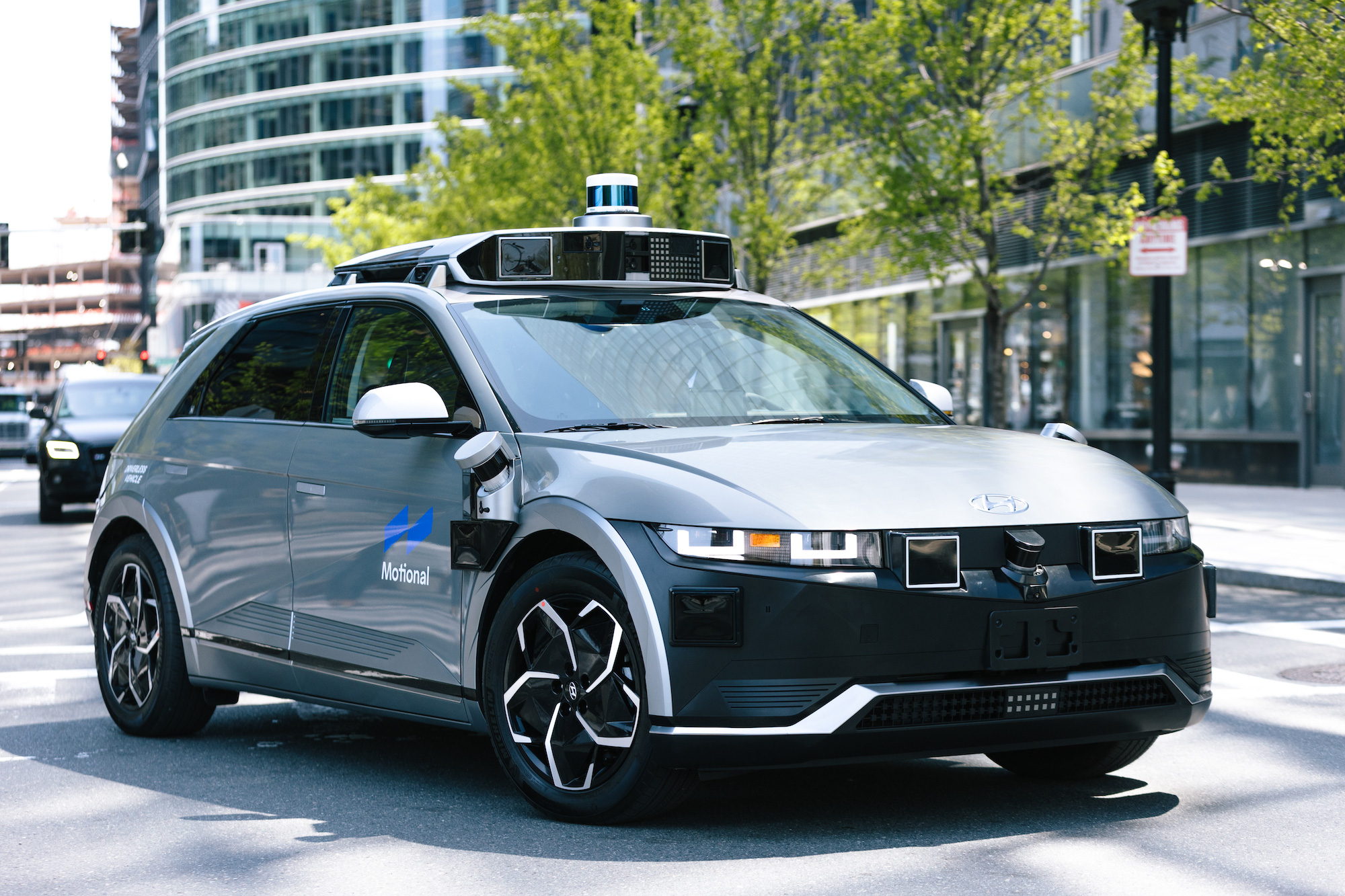
Hyundai Motor Group’s autonomous-driving company Motional has completed a series of safety reviews as it prepares to introduce commercial driverless robotaxi rides in Las Vegas.
The program involves the Hyundai IONIQ 5 robotaxi and has been assessed by independent safety organization TÜV SÜD, Hyundai Motor Group, and ride-hailing partner Uber.
The reviews represent an important step toward removing the human safety driver from passenger operations. Motional is targeting a commercial launch in Las Vegas, with the service expected to operate through Uber’s platform. The development brings Hyundai’s autonomous-driving ambitions closer to real-world passenger transportation.
Motional Completes Three Major Safety Reviews
Motional announced on November 19, 2026, that it had completed readiness reviews with TÜV SÜD, Hyundai Motor Group, and Uber. Each organization examined a different part of the planned driverless operation, covering the safety framework, vehicle engineering, and passenger service requirements.
The company says the reviews provide an important foundation for its upcoming commercial deployment in Las Vegas.
The independent assessment was conducted by TÜV SÜD, a German testing, inspection, and certification organization. It evaluated Motional’s safety case program against the Automated Vehicle Safety Consortium’s Best Practice for Safety Case Assessment, identified as AVSC-D-04-2025.
The assessment also examined the structure of the company’s driverless safety case and the evidence supporting its safety arguments.
A safety case is a structured collection of claims, explanations, and supporting evidence intended to demonstrate that an autonomous system can operate without unreasonable risk within a defined environment.
It is different from a simple vehicle inspection because it considers the technology, operational procedures, potential failures, and measures used to manage risks.
TÜV SÜD confirmed that Motional’s safety case structure conforms to the relevant industry best-practice framework. This provides an independent assessment of the company’s approach, but it should not be interpreted as a guarantee that accidents cannot occur or as a blanket government approval of every aspect of the robotaxi service.
The second review involved Hyundai Motor Group, which is Motional’s majority shareholder and development partner. The two companies examined how the IONIQ 5 robotaxi’s physical systems work with Motional’s autonomous-driving technology.
This is particularly important because the vehicle was developed for driverless operation rather than being an ordinary production car retrofitted with sensors and software afterward.
The third review involved Uber, Motional’s commercial partner. It focused on Uber’s Safety Guidelines for Autonomous Mobility and Delivery Providers, including organizational, vehicle, and operational safety.
The companies also conducted end-to-end testing covering passenger comfort, ease of use, and integration with the Uber application.
Together, these assessments address several requirements that must be considered before a robotaxi can carry passengers without a human safety driver. They do not eliminate the need for continuing testing and operational oversight, but they represent a significant readiness milestone for Motional.
Hyundai IONIQ 5 Robotaxi Was Designed for Driverless Operation
The vehicle at the center of the program is a specially developed version of the Hyundai IONIQ 5 electric SUV. Unlike autonomous prototypes that receive sensors and computing equipment after leaving the factory, Motional’s robotaxi was engineered for driverless operation through collaboration with Hyundai Motor Group.
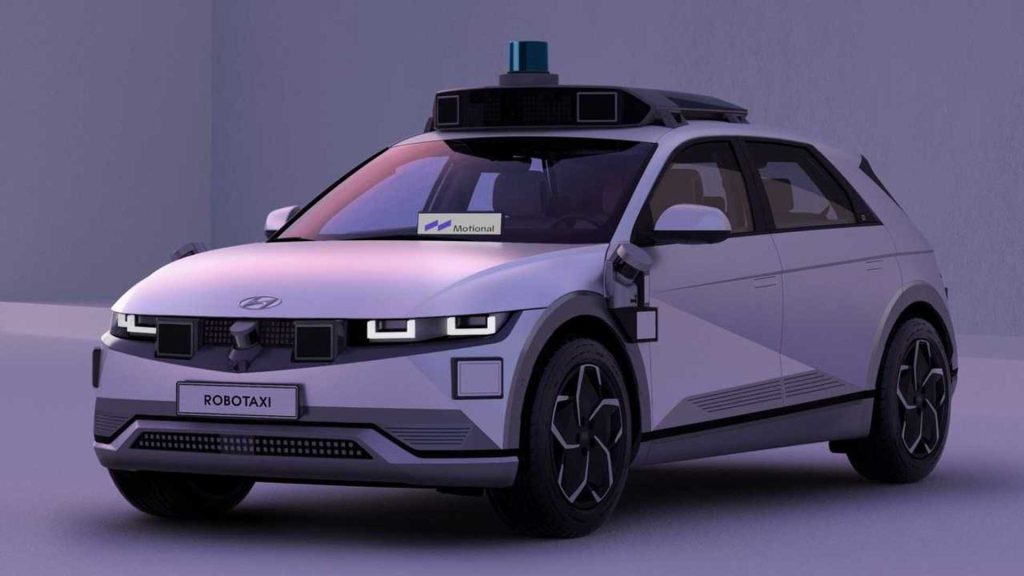
Its hardware and autonomous-driving systems are integrated during manufacturing at the Hyundai Motor Group Innovation Center Singapore.
The vehicle uses a combination of cameras, radar, lidar sensors, onboard computers, and autonomous-driving software to interpret its surroundings. These systems allow it to identify other vehicles, pedestrians, road markings, traffic signals, and potential obstacles.
The information is processed to determine how the vehicle should accelerate, brake, change lanes, and navigate through urban traffic.
A major part of the engineering program involves building redundancy into critical systems. Motional says the robotaxi has backup arrangements for essential functions, including steering, braking, electrical power, and onboard computing.
These safeguards are intended to prevent a single component failure from immediately compromising the vehicle’s ability to operate safely.
For example, redundant steering and braking systems can provide alternative operating capability if a primary component develops a fault. Multiple computing and power pathways also help the vehicle respond to certain technical problems.
If the autonomous system identifies a condition that prevents it from continuing safely, it can initiate a controlled maneuver to bring the vehicle to a stop.
Motional also states that its IONIQ 5 robotaxis meet U.S. Federal Motor Vehicle Safety Standards without requiring a special government exemption. This is an important distinction because autonomous vehicles must satisfy applicable vehicle safety requirements even when they are designed to operate without a human driver.
The company says its robotaxi was developed to meet the same federal vehicle safety framework used for conventional passenger cars.
The autonomous-driving system itself has undergone extensive testing. Motional describes a validation process involving computer simulations, closed-course testing, and supervised public-road driving.
Its safety framework also draws on established automotive and autonomous-vehicle standards, including functional safety and safety-of-the-intended-functionality practices.
Simulation is particularly useful because engineers can recreate unusual or dangerous traffic situations without exposing passengers or other road users to real-world risks.
The company can test how the vehicle responds to sudden braking, unexpected pedestrian movements, unusual road layouts, and other situations that may be difficult to encounter consistently during ordinary driving.
However, the robotaxi’s ability to operate without a safety driver will remain limited by its operational design domain. Autonomous vehicles are not necessarily capable of driving everywhere, in every weather condition, or on every type of road.
Their permitted operating areas and conditions depend on the technology’s validated capabilities and the company’s operational rules.
Las Vegas Becomes the First Major Commercial Test
Motional plans to introduce its driverless robotaxi service in Las Vegas, where it has already conducted supervised testing and prepared its operations. The city provides a demanding environment because its roads include busy entertainment districts, hotel entrances, pedestrian-heavy areas, and changing traffic conditions.
These situations give autonomous-driving engineers opportunities to assess how vehicles handle complex urban movements and passenger pickups.
The commercial service is expected to be integrated with Uber, allowing customers to request eligible robotaxi rides through a familiar ride-hailing platform. This partnership means Motional does not need to build an entirely separate passenger-booking network before entering commercial operations.
Uber can provide the customer-facing application and ride-hailing infrastructure, while Motional supplies and operates the autonomous vehicles.
The companies have already tested the passenger experience and integration between their systems. That work includes making sure riders can access their trips through the application and that the vehicle experience is understandable and convenient.
The companies have not yet disclosed a complete public launch schedule, fleet size, or detailed fare structure.
The planned launch is also significant for Hyundai because it demonstrates how its electric vehicle manufacturing capabilities can support services beyond conventional private ownership.
The IONIQ 5 platform provides the vehicle foundation, while Motional contributes autonomous-driving technology and operational experience. This division of responsibilities allows Hyundai to participate in the robotaxi market without independently managing every part of the ride-hailing business.
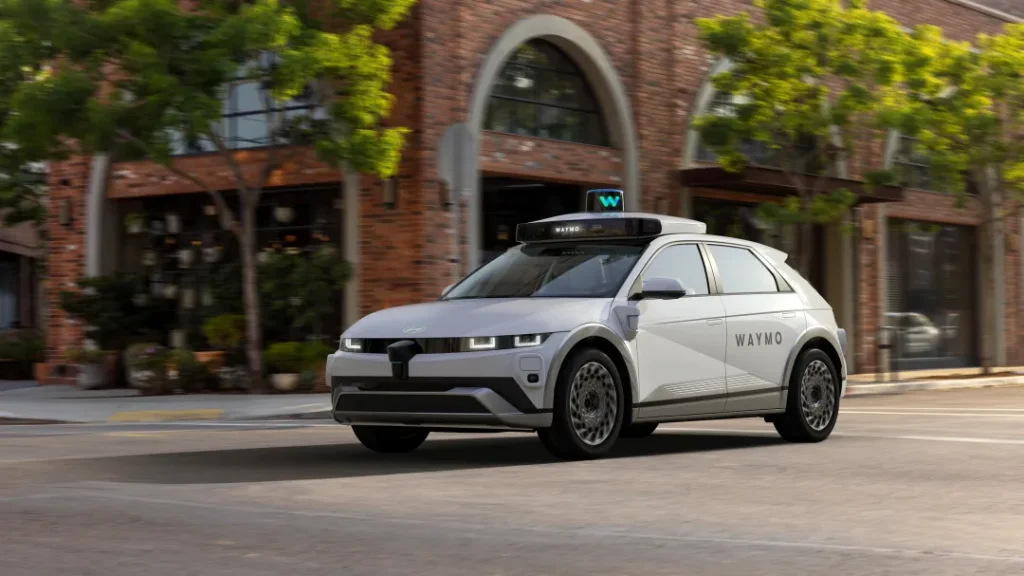
Competition in Las Vegas is already developing. Waymo operates commercial driverless services in the city, while other companies are preparing or expanding their autonomous mobility programs.
Motional will therefore need to demonstrate that its vehicles can provide a reliable passenger experience, not simply complete technical demonstrations. Consistent performance, passenger confidence, operating costs, and the ability to manage unexpected situations will all influence the service’s future.
Motional’s approach also includes remote vehicle assistance. The company explains that human operators can provide guidance when an autonomous vehicle encounters a difficult situation, but they do not remotely take control and drive the vehicle.
The autonomous system remains responsible for deciding whether the guidance is safe to follow or whether another response is necessary. This distinction is important when assessing what driverless operation actually means.
The completion of the safety reviews does not mean that Motional has solved every challenge associated with autonomous transportation.
Driverless services still need to handle changing road conditions, unusual behavior from other road users, emergency vehicles, passenger safety, and technical faults. Continuous monitoring and improvements will remain necessary after commercial operations begin.
For Hyundai Motor Group, the program represents a practical step toward turning autonomous-driving research into a passenger service. The IONIQ 5 robotaxi combines an established electric vehicle platform with purpose-built autonomous hardware, while TÜV SÜD and Uber have assessed different parts of Motional’s readiness process.
The next important milestone will be the start of commercial rides without a human safety driver. If the Las Vegas deployment proceeds as planned, it will allow Motional to demonstrate its technology in a real passenger environment.
The results could also influence how Hyundai approaches autonomous mobility partnerships and future driverless vehicle development.