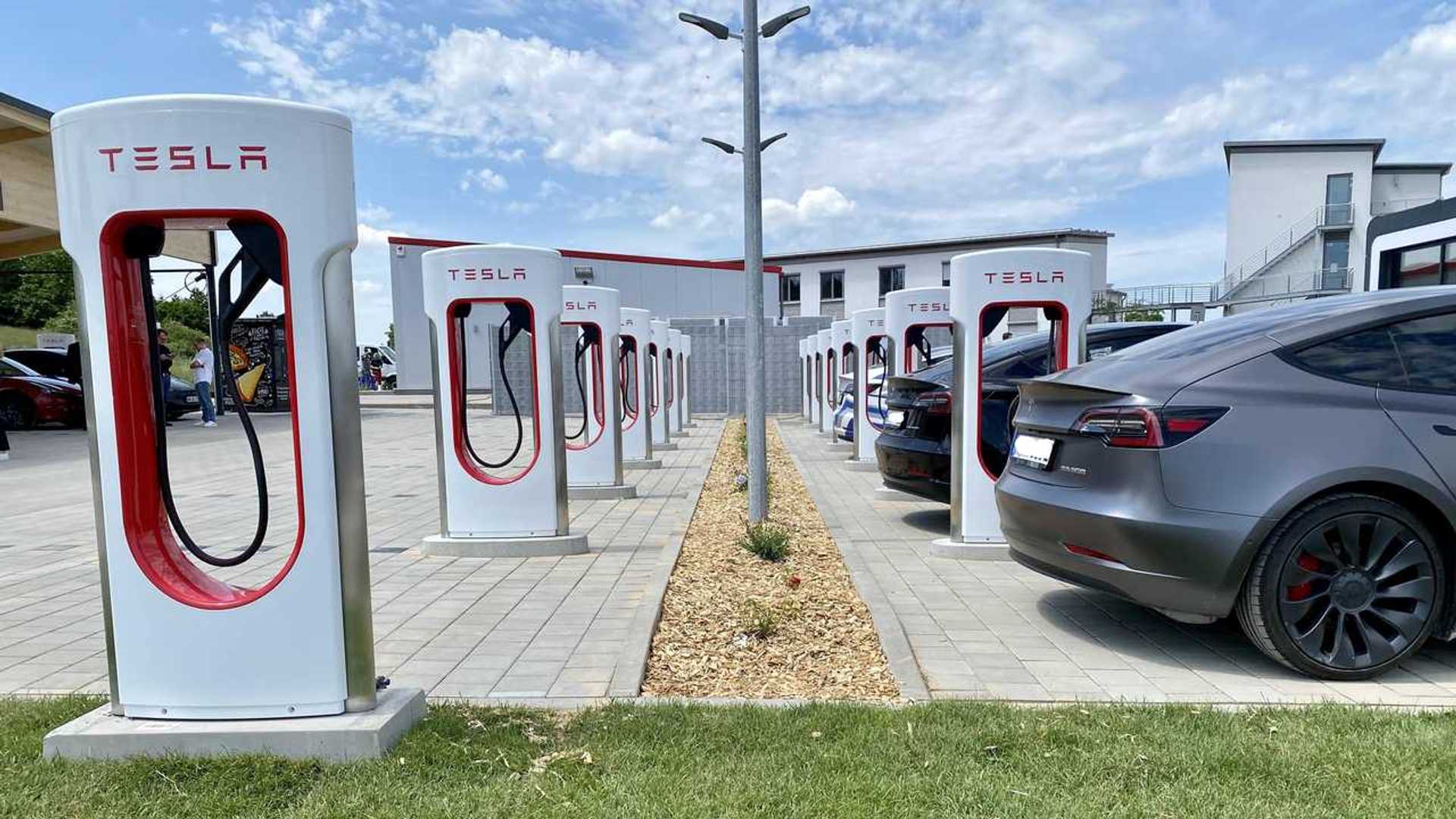
Tesla is expanding the charging infrastructure needed to support its all-electric semi-trucks, opening its first Megacharger station in Texas and bringing the reported public network to seven locations across four states.
The new facility in Mesquite, near Dallas, adds eight charging stalls to a network that now has 44. Each stall can deliver up to 1.2 megawatts, giving commercial operators access to charging speeds designed for heavy-duty electric trucks.
The expansion is an important step toward making long-distance electric freight more practical, although Tesla still has substantial infrastructure work ahead before its network can support widespread nationwide operations.
Texas Gets Its First Tesla Semi Megacharger Station
The new Megacharger facility is located in Mesquite, east of Dallas, and represents Tesla’s first public semi-charging station in Texas.
According to the November 25 report from MarkLines, the site has eight charging stalls, each rated to deliver up to 1.2 megawatts of power. Its opening brings the reported public network to seven locations, 44 stalls, and four states.
The location is significant because Texas is one of America’s most important freight markets. The Dallas-Fort Worth region connects major highways, distribution centers, warehouses, and industrial facilities.
Trucks regularly travel through the area while moving goods between the southern United States, the Midwest, and western markets. Placing a high-power charging facility near this transportation hub gives electric truck operators another potential stop along their routes.
The Mesquite station is part of Tesla’s wider effort to develop charging infrastructure specifically for the Semi. Unlike passenger-car superchargers, megachargers are designed around the much larger batteries and higher energy requirements of heavy commercial vehicles.
The equipment must also accommodate the practical needs of truck drivers, including the space required to maneuver large vehicles and, where supported, charge with a trailer attached.
The seven locations identified in the MarkLines report are spread across California, Georgia, Illinois, and Texas. The network includes Tesla-operated sites as well as installations at Pilot and Flying J travel centers.
These locations are important because they place charging equipment closer to existing trucking routes rather than limiting electric trucks to private company depots.
The partnership with Pilot is particularly relevant. Announced in January 2026, the agreement involves installing Megachargers at selected travel centers along major freight corridors, including routes such as Interstate 5 and Interstate 10.
Pilot’s existing locations provide access to facilities that professional drivers already use for fuel, food, parking, and other services. The charging network can therefore develop around established trucking infrastructure instead of requiring every site to operate as a standalone destination.
The new Texas station also gives Tesla a foothold in a state where it previously had several planned locations. Its opening is a practical milestone, but it does not mean the company has completed its wider Texas rollout.
Additional locations are still needed to connect major freight centers and make longer electric truck journeys easier to plan.
Megachargers Deliver Up to 1.2 Megawatts of Power
The defining feature of Tesla’s Megacharger system is its high charging output. Each stall can provide up to 1.2 megawatts, or 1,200 kilowatts, of power. That is considerably higher than the output available at most passenger-car fast-charging stations and reflects the energy requirements of heavy-duty electric trucks.
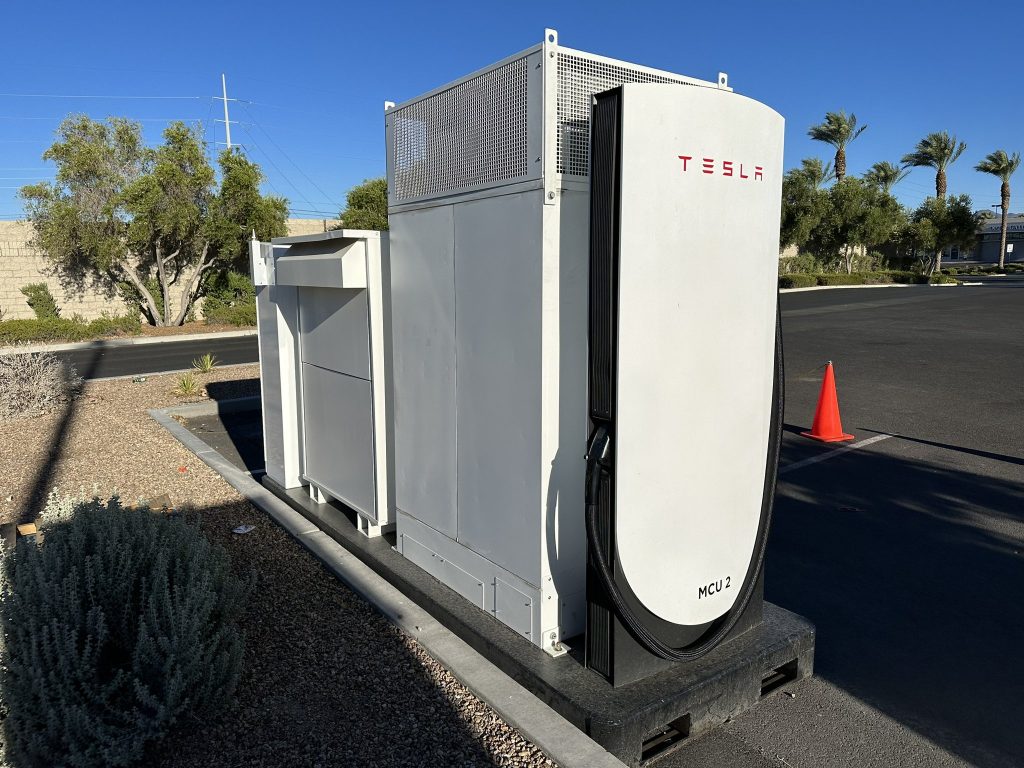
Tesla says a Megacharger can restore up to 60% of a semi’s battery charge in approximately 30 minutes.
Charging at that level is important for commercial operators because time spent stationary directly affects vehicle utilization. A diesel truck can refuel relatively quickly, so electric alternatives need charging systems capable of fitting into drivers’ scheduled breaks and delivery operations.
If a semi can recover a substantial amount of its usable range during a planned stop, fleet operators may find it easier to incorporate electric trucks into regular routes.
However, the 1.2-megawatt figure represents maximum available power rather than a guaranteed charging rate throughout every session.
Tesla explains that actual output depends on factors including the battery’s current charge level, temperature, and whether another truck is charging at the same Megacharger. Charging power can also vary as the battery approaches its upper charge limit.
Tesla’s charging instructions also show how the system is designed for fleet operations. Drivers connect the Megacharger handle directly to the Semi, after which charging begins automatically.
Payment is managed through the fleet’s Tesla for Business account rather than requiring drivers to pay separately at the station. Charging prices vary by location and may change depending on the time of day or site conditions.
The system is currently exclusive to Tesla Semi trucks. Tesla says its passenger-car Superchargers and Wall Connectors are not compatible with the Semi, while trucks manufactured by other brands cannot use Megacharger stations at present.
This limits the network to Tesla’s own commercial vehicle ecosystem, unlike some heavy-duty charging projects designed around broader industry standards.
The infrastructure also needs to handle the physical requirements of long-haul trucking. Tesla states that its Megacharger locations allow trucks to charge with trailers attached, although most sites require drivers to reverse into the charging position.
That may sound like a minor detail, but it can make a substantial difference to how easily a fleet integrates charging into its daily operations.
For truck operators, the benefits will depend on more than peak charging power. The number of available stalls, reliability, electricity pricing, site access, and distance between stations all influence whether an electric truck can complete a route efficiently. A powerful charger is useful only when it is located where a vehicle needs it and is available when the driver arrives.
Network Expansion Remains Essential for Long-Haul Electric Trucking
Tesla’s seven-location network represents progress, but the number of sites also highlights how much infrastructure is still required.
A handful of stations can support selected routes, yet nationwide long-haul operations need a much denser network connecting major distribution centers, industrial regions, and interstate corridors.
Tesla’s earlier planning documents indicated an ambition to establish approximately 37 Megacharger locations during 2026. Semi-program executive Dan Priestley has also discussed a target of 46 locations by early 2027.
The seven-site figure reported by MarkLines therefore illustrates the distance between the company’s initial infrastructure ambitions and the network available at that reporting point.
The expansion also relies on partnerships with travel center operators and other commercial businesses. When the pilot was announced, several new locations were reported to be under construction as of October, including facilities in Tulare, California, Fort Stockton, Texas, and North Las Vegas, Nevada.
Its longer-term collaboration with Tesla covers selected locations across several states and is intended to support charging along major freight corridors.
Tesla is not the only company investing in heavy-duty electric truck infrastructure. Greenlane, a charging network backed by Daimler Truck, NextEra Energy Resources, and BlackRock, is developing high-power charging locations for commercial vehicles.
Other truck manufacturers and energy companies are also examining ways to establish charging facilities that can serve fleets across regional and interstate routes. This competition could eventually give operators more choices in where they charge, although compatibility between charging systems remains an important consideration.
For Tesla, the Semi’s commercial success and the Megacharger rollout are closely connected. Fleet customers need confidence that trucks can complete their assigned routes without excessive downtime or dependence on a limited number of charging points.
Depot charging can cover predictable daily operations, but public megachargers become more important when trucks travel beyond their home regions or need additional energy between destinations.
Tesla’s own guidance indicates that the company expects charging to be managed around fleet requirements. Operators can set individual charging limits for their trucks through the Tesla for Business system, while drivers can use the vehicle’s route-planning tools to estimate the energy required to reach the next destination.
The company also recommends avoiding unnecessary charging beyond 90%, where charging speeds become slower.
The economics will matter just as much as the technology. Fleet operators must compare electricity costs, charging time, vehicle purchase prices, maintenance expenses, and the productivity of their trucks.
A fast charging station can help reduce downtime, but the business case depends on how much a fleet drives, the routes it serves, and whether its vehicles can be charged during scheduled stops.
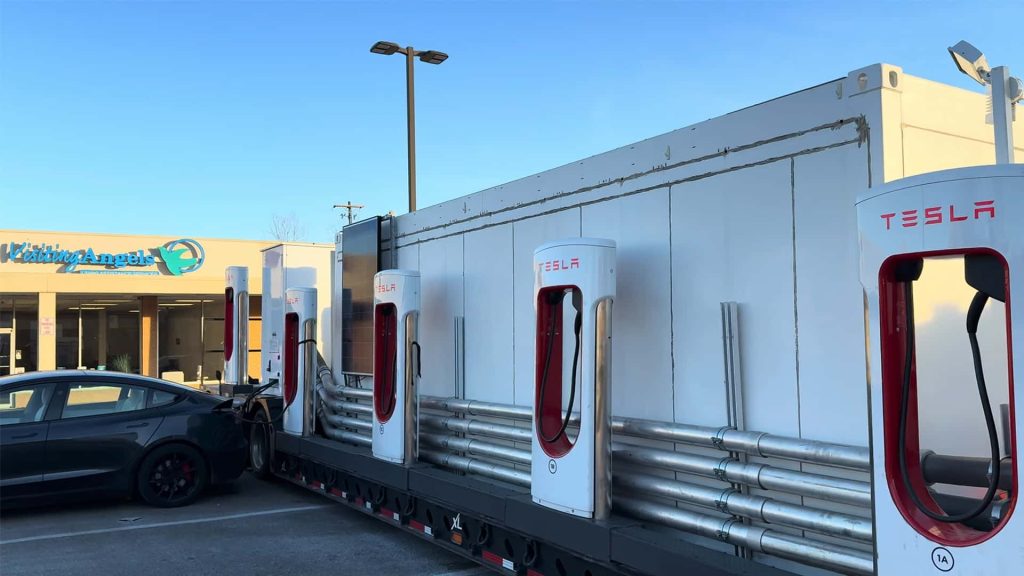
The Texas opening is therefore more than another charging location on Tesla’s map. It gives the company a presence in a major freight market and adds capacity to a network that will need to grow considerably if electric Semis are to operate across longer routes.
The next challenge is connecting individual stations into a dependable system rather than simply increasing the number of charging stalls.
For the trucking industry, the development demonstrates both the potential and the difficulty of electrifying heavy transport. Megawatt-level charging can make electric freight more practical, but widespread adoption will require reliable stations, competitive operating costs, and sufficient coverage along major highways.
Tesla has taken another step toward that goal with its Mesquite facility. Whether the network can expand quickly enough to support its ambitions will become clearer as additional stations open and more Semi trucks enter commercial service.