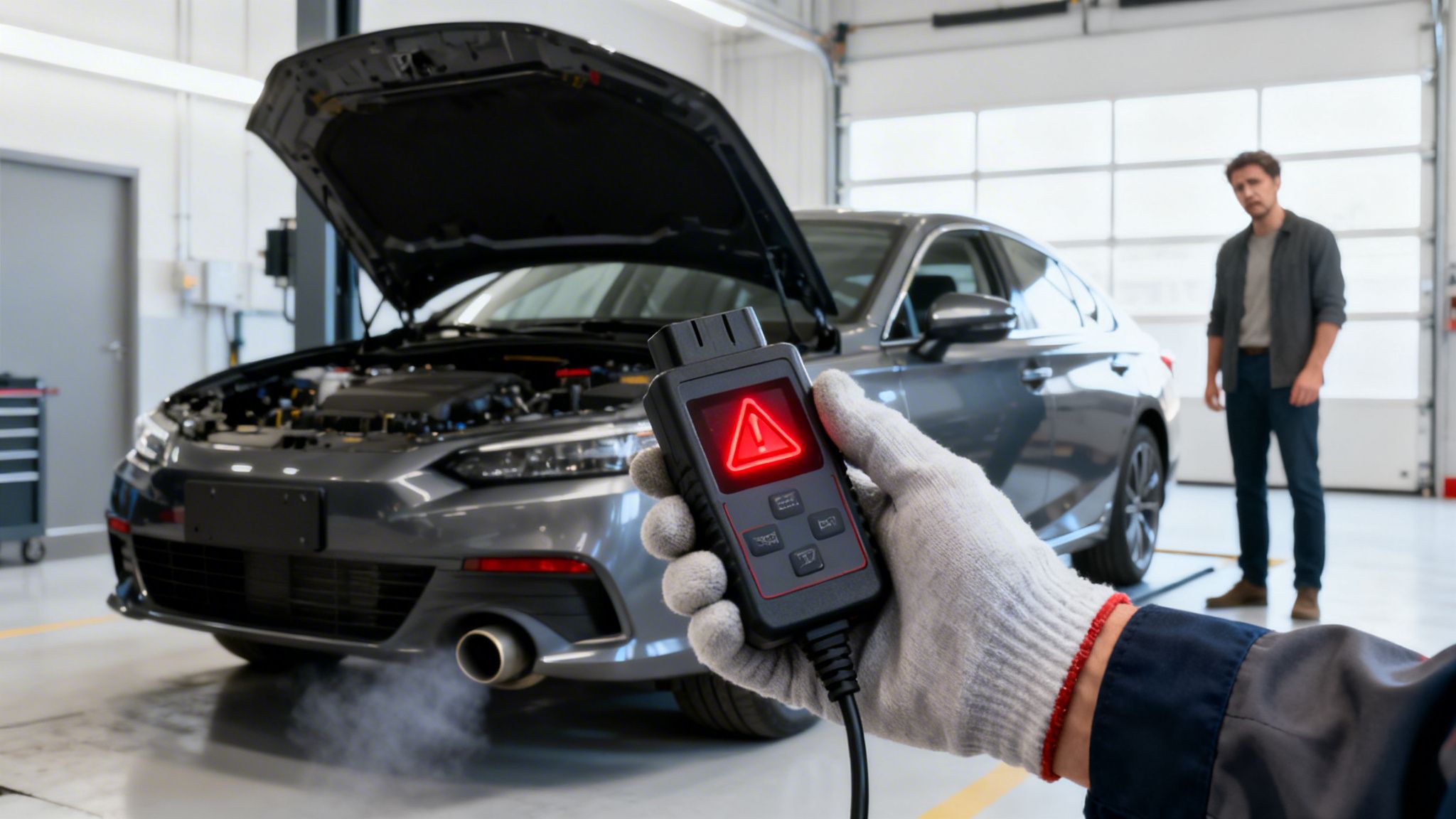
Modifying a car can improve its performance, appearance, or exhaust sound, but certain upgrades can create serious problems during an emissions inspection.
In the United States, emissions testing requirements vary by state, and some inspection programs check exhaust pollutants while others examine the vehicle’s onboard diagnostic system for trouble codes, readiness monitors, and emissions-related modifications.
Even a modification that makes a car sound better or produce more power can cause it to fail if it interferes with factory emissions equipment. Understanding which upgrades create problems can help owners avoid failed inspections, expensive repairs, and potential legal issues.
1. Catalytic Converter Removal or Replacement With a Straight Pipe
Removing a catalytic converter is one of the most direct ways to create an emissions-testing problem. Some owners replace the factory converter with a straight pipe because they want a louder exhaust or believe removing the restriction will improve engine performance.
However, the catalytic converter is an essential emissions-control component that reduces harmful pollutants before exhaust gases leave the vehicle.
A functioning catalytic converter helps control hydrocarbons, carbon monoxide, and nitrogen oxides, depending on the catalyst design and engine configuration.
Without it, the vehicle can produce substantially higher emissions than its certified configuration allows. This can cause a failure during a tailpipe emissions inspection, while vehicles undergoing an OBD inspection may also register catalyst-efficiency faults.
The problem is not limited to passing an inspection. Under the federal Clean Air Act, removing or rendering required emissions-control equipment inoperative is considered illegal tampering on vehicles used on public roads.
The EPA specifically identifies straight pipes replacing catalytic converters as an example of prohibited tampering.
California applies additional requirements through its Smog Check program. Inspectors can visually examine emissions equipment and reject vehicles with missing or tampered catalytic converters.
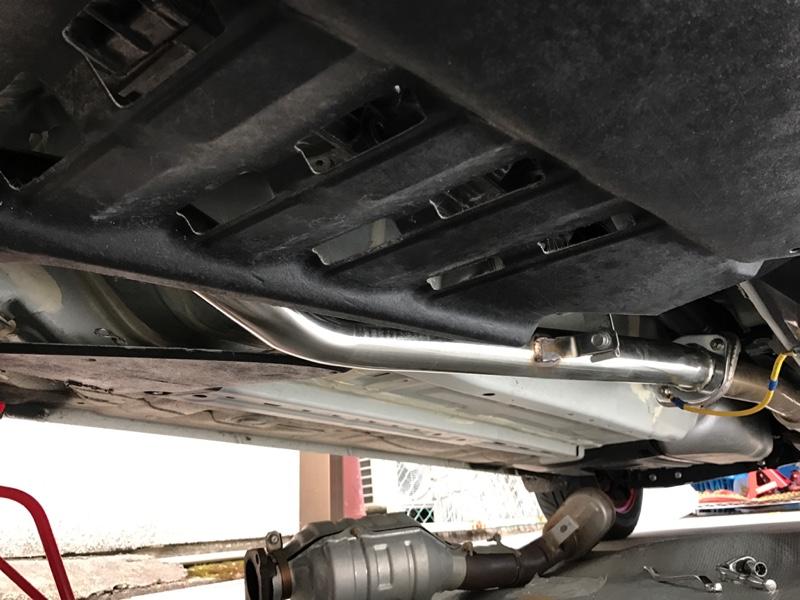
Another issue is the check engine light. Modern engine computers monitor catalytic converter performance using oxygen sensors positioned before and after the catalyst. Removing the converter can trigger a diagnostic trouble code, commonly P0420 or P0430, indicating catalyst-system efficiency below the required threshold.
Drivers should avoid straight-pipe replacements on emissions-controlled street vehicles. If a converter needs replacement, use an appropriate federally compliant part or a CARB-approved component where required. A louder exhaust is not worth the risk of failed inspections and expensive corrective work.
2. EGR System Deletes
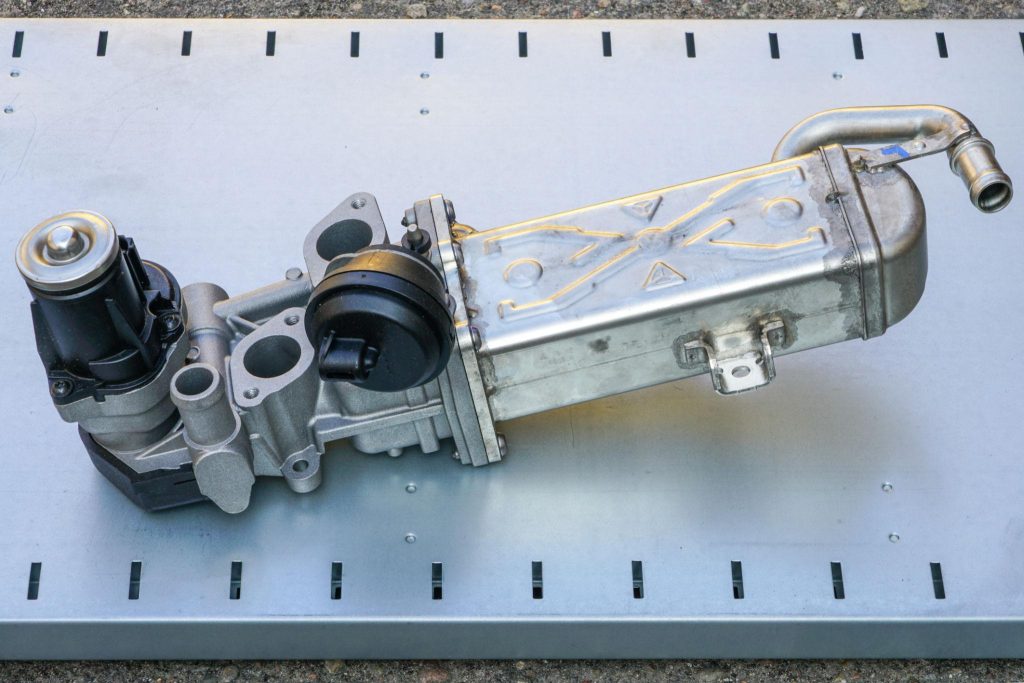
An Exhaust Gas Recirculation (EGR) system is designed to reduce nitrogen oxide emissions by directing a controlled amount of exhaust gas back into the engine’s intake.
This lowers combustion temperatures under certain operating conditions, helping the engine produce fewer nitrogen oxides. Removing or disabling this equipment can therefore create an immediate emissions-compliance problem.
EGR deletes are particularly common in discussions surrounding older diesel pickups and performance modifications. Some owners remove the valve, block the passages, or install aftermarket software that prevents the engine computer from recognizing the missing equipment.
Although these changes may be marketed as ways to avoid EGR maintenance, they interfere with a system that was part of the vehicle’s certified emissions configuration.
The EPA identifies products that block EGR systems as examples of aftermarket defeat devices. Federal anti-tampering rules prohibit making required emissions controls inoperative on vehicles used on public roads.
An EGR delete can also create diagnostic problems. Modern vehicles monitor EGR operation through sensors and commanded-flow checks. If the expected flow is missing, the engine computer may store diagnostic trouble codes and illuminate the malfunction indicator lamp.
During an OBD-based emissions inspection, an active emissions-related fault can fail.
California’s inspection requirements make this especially relevant. Its Bureau of Automotive Repair requires applicable emissions equipment to remain complete and installed in an approved configuration.
For owners experiencing recurring EGR problems, replacing a defective valve, cleaning permitted components, or repairing the control system is the appropriate solution.
A delete kit might appear cheaper initially, but it can create registration difficulties, legal exposure, and additional repair expenses when the vehicle needs to return to its original emissions-compliant condition.
3. Diesel Particulate Filter (DPF) Deletes
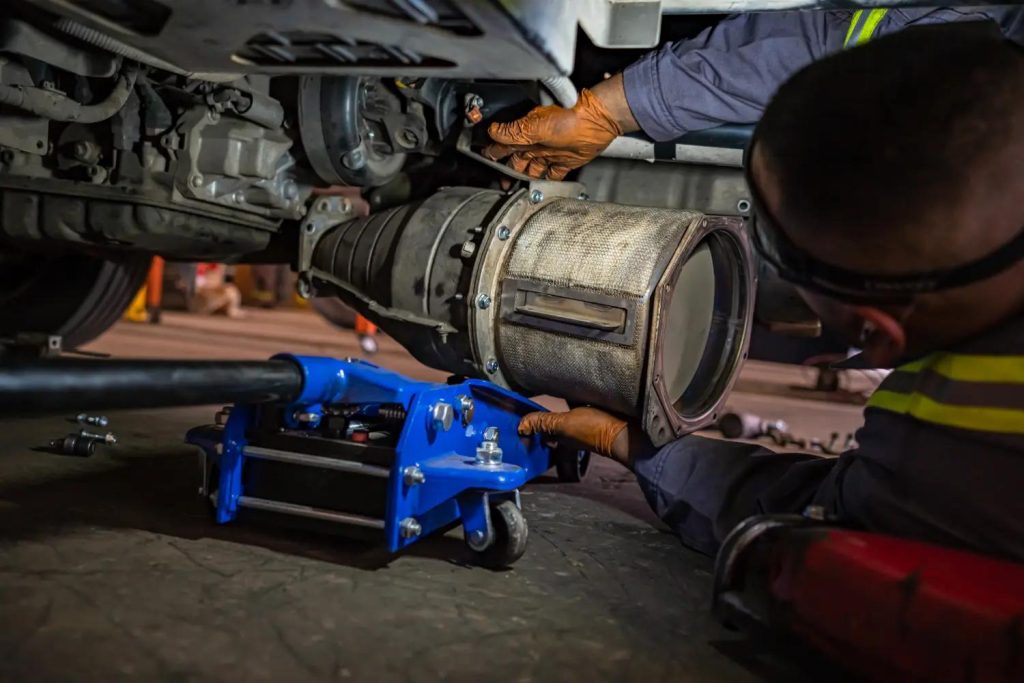
Removing the Diesel Particulate Filter (DPF) is a modification that can create serious emissions problems for diesel-powered vehicles. The DPF is designed to capture soot and particulate matter produced during diesel combustion.
It periodically burns accumulated soot through a process called regeneration, allowing the filter to continue operating without becoming excessively restricted.
Some owners remove the filter because they want to avoid regeneration-related maintenance or reduce exhaust restrictions. Aftermarket delete kits typically replace the original filter assembly with a modified exhaust section.
Although these products are sometimes marketed as performance upgrades, removing the factory DPF interferes with an essential emissions-control system.
The US Environmental Protection Agency specifically identifies diesel particulate filters as protected emissions-control equipment. Removing or disabling them on vehicles used on public roads can violate the federal Clean Air Act’s anti-tampering provisions.
A DPF delete can also create problems during an emissions inspection. Modern diesel vehicles use pressure and temperature sensors to monitor filter operation.
The engine computer checks whether exhaust flow and particulate-filter performance match expected values. When the filter is removed, these readings can become inconsistent, triggering diagnostic trouble codes and emissions-system warnings.
Some delete installations also involve modified engine software designed to suppress warning lights or disable diagnostic monitoring. That creates another compliance problem because the original emissions-monitoring functions are no longer operating as certified.
The consequences extend beyond inspection failure. A vehicle with missing emissions equipment may be difficult to register in states that conduct applicable visual or electronic inspections. It can also create complications when the owner attempts to sell the vehicle.
For diesel owners experiencing repeated DPF problems, the appropriate solution is to diagnose the cause of excessive soot accumulation, faulty sensors, or failed regeneration.
Replacing a damaged filter with a compliant component preserves the vehicle’s intended emissions performance and avoids the risks associated with a delete modification.
4. SCR and DEF System Deletes
Selective Catalytic Reduction (SCR) systems help modern diesel vehicles reduce nitrogen oxide emissions. They work by injecting Diesel Exhaust Fluid (DEF) into the exhaust stream, where it helps convert harmful nitrogen oxides into nitrogen and water through a chemical reaction inside the catalyst.
Removing this equipment can create major compliance problems, particularly on newer diesel pickups and SUVs.
An SCR delete generally involves removing or bypassing the SCR catalyst, disabling the DEF dosing system, or installing electronic devices that imitate signals from the original components. Some modifications also interfere with nitrogen oxide sensors that monitor exhaust treatment performance.
The EPA specifically identifies selective catalytic reduction systems and their associated controls as emissions equipment protected by federal anti-tampering rules. A product that disables these systems on a road-going vehicle can qualify as an illegal aftermarket defeat device.
The inspection consequences depend on the vehicle and the state’s testing program. An SCR-related fault can illuminate the check engine light and store emissions-related diagnostic codes.
On vehicles undergoing OBD testing, an active fault or an improperly functioning monitoring system can result in a failed inspection. California’s Smog Check program also checks emissions-related systems and modified software on applicable vehicles.
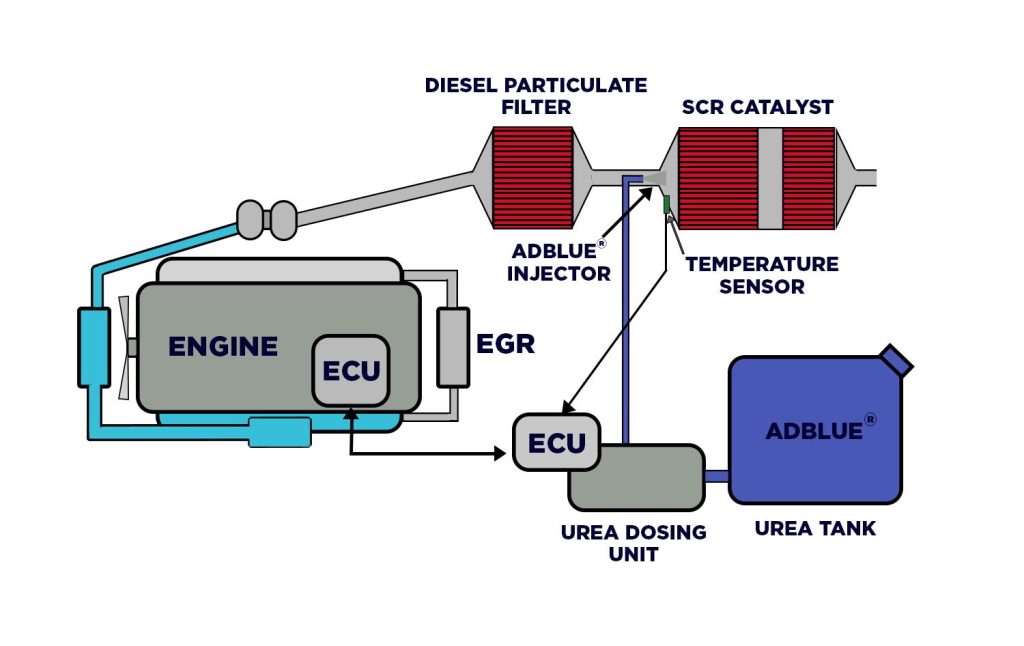
There is another reason this modification can become expensive. Many modern diesel vehicles use software-controlled protection strategies when the DEF system develops a serious fault. These can include warnings and restrictions on vehicle operation. Disabling the system does not provide a compliant solution to the original problem.
Owners should address faulty DEF heaters, dosing injectors, pumps, wiring, or NOx sensors through proper diagnosis. Replacing defective components with compliant parts is a more reliable approach than installing a delete kit.
A diesel vehicle may appear to run normally after an SCR modification, but that does not make the modification legal or emissions-compliant.
5. ECU Tunes That Disable Emissions Controls
An aftermarket ECU tune can change how an engine responds to throttle input, manages fuel delivery, controls ignition timing, and produces power. Not every performance tune automatically causes an emissions failure.
However, software that disables factory emissions controls or prevents the onboard diagnostic system from detecting faults can create serious inspection and legal problems.
Modern vehicles depend on carefully calibrated engine computers to manage emissions. These computers communicate with oxygen sensors, catalytic converters, exhaust gas recirculation systems, and other equipment.
A modification that changes the original emissions strategy can interfere with the vehicle’s ability to control pollutants.
One particularly problematic type of tune disables diagnostic trouble codes associated with missing or malfunctioning emissions equipment. It may also prevent certain readiness monitors from completing. Although the dashboard might no longer display a check engine warning, the underlying emissions problem has not necessarily been corrected.
The EPA has specifically taken enforcement action against aftermarket tuning software designed to overwrite factory emissions calibrations and disable emissions-monitoring functions.
In its settlement involving Derive Systems, the agency addressed software features capable of disabling rear oxygen sensors and other onboard diagnostic functions.
California makes the issue especially clear. Its Bureau of Automotive Repair states that modified or non-approved vehicle software can cause a Smog Check failure. The agency advises owners to restore manufacturer-original software or an approved calibration before inspection.
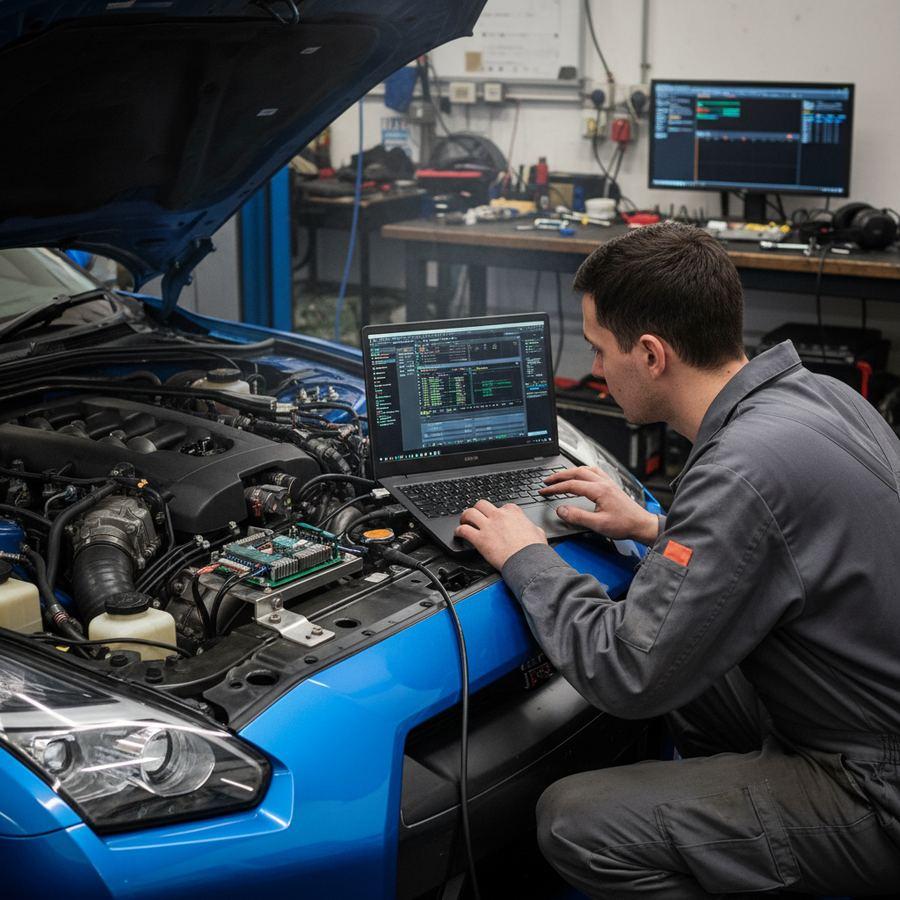
There is an important distinction between a compliant performance calibration and an emissions defeat tune. A properly approved modification does not automatically fail simply because it changes engine behavior. The problem arises when the software increases emissions or disables required equipment and monitoring.
Before purchasing a tuning device, check whether its calibration is approved for the specific vehicle and intended road use. A tune advertised primarily for removing emissions warnings is a major warning sign.
6. Aftermarket Cold-Air Intakes Without Required Approval
Cold-air intake systems are popular modifications because they can change engine sound and, depending on the design, improve airflow.
Many aftermarket kits replace the original airbox, intake tubing, or filter assembly with a larger or differently positioned setup. However, some systems can affect emissions-related equipment and create problems during inspections.
The main concern is not simply that the vehicle has a different air filter. Modern engines use sensors to measure incoming air and calculate the correct fuel delivery. An intake modification that changes airflow characteristics or interferes with the mass airflow sensor can cause the engine computer to receive inaccurate information.
That can lead to incorrect fuel mixtures, increased emissions, diagnostic trouble codes, and potentially a failed emissions inspection. An improperly designed intake may also leave required connections, hoses, or emissions-control components disconnected.
California has particularly specific rules for these modifications. Its Bureau of Automotive Repair requires inspectors to verify applicable California Air Resources Board Executive Order exemptions for certain aftermarket air induction components.
The inspection requirements specifically cover air cleaner assemblies on 1996 and newer vehicles and airflow sensors.
This does not mean every aftermarket intake automatically fails an emissions test. Some manufacturers produce intake systems with the necessary CARB exemption for specified vehicles. However, approval for one engine or model year does not automatically cover every vehicle.
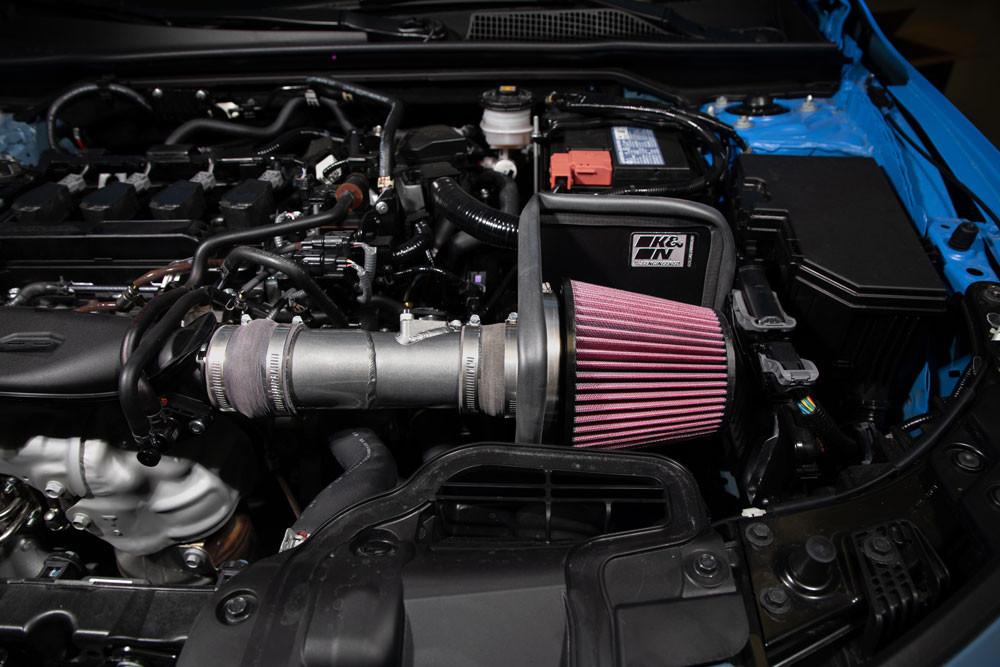
Before purchasing an intake kit, check its part number against the manufacturer’s emissions documentation. In California, look for the applicable CARB Executive Order number and confirm that it covers the exact vehicle application.
Keeping the original intake system is also a sensible option if the vehicle is approaching an inspection date. A visually attractive performance modification offers little benefit if it creates an avoidable registration problem.
7. Aftermarket Exhaust Headers Without Emissions Approval
Performance exhaust headers replace the factory exhaust manifold and are designed to improve exhaust flow from the engine’s cylinders. They are popular among enthusiasts building modified street cars because certain designs can improve engine performance when properly matched with other upgrades.
However, headers can also interfere with emissions compliance when they alter the original emissions-control arrangement.
The most important concern involves catalytic converter placement. Some factory exhaust manifolds incorporate catalytic converters close to the engine. This positioning helps the converters reach their operating temperature quickly after a cold start.
Certain aftermarket headers relocate or remove these integrated converters, changing how the emissions system operates.
If the replacement headers are not designed and approved for the specific vehicle, the modification can cause emissions problems. Oxygen sensor placement may also change, potentially affecting the readings used by the engine computer to monitor fuel mixture and catalytic converter performance.
California’s Smog Check procedures specifically address aftermarket headers and other modified components affecting emissions. Applicable parts must have the required CARB exemption, and inspectors can verify the associated Executive Order documentation.
Federal anti-tampering rules also prohibit modifications that render required emissions equipment inoperative. Therefore, replacing a factory catalytic converter arrangement with an unapproved exhaust configuration can create a compliance issue even if the engine appears to run normally.
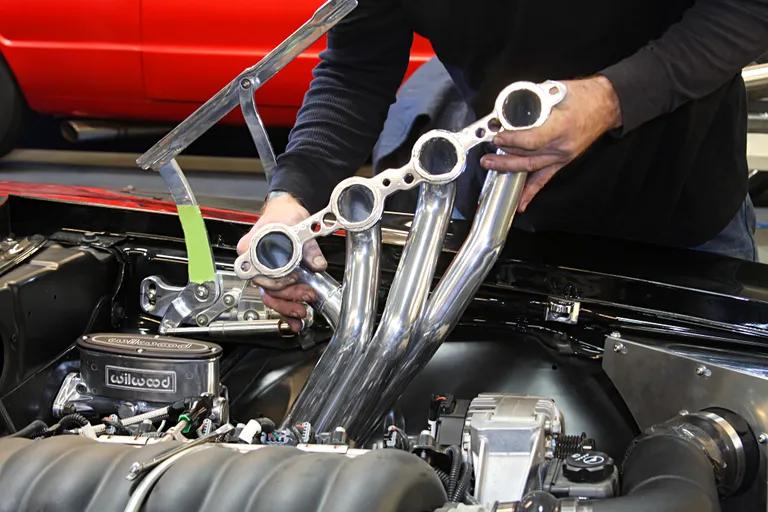
Before installing headers, check whether the manufacturer has approval for the exact vehicle, engine, and model year. Do not assume that a product advertised as street-friendly is automatically legal in every state.
For owners who want improved exhaust performance without risking inspection problems, retaining the original catalytic converter configuration or choosing an appropriately approved header system is the safer approach.
8. Oxygen Sensor Spacers and Defoulers
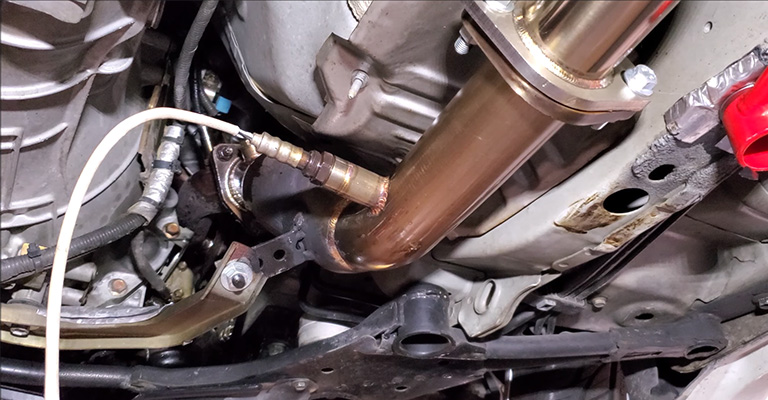
Oxygen sensor spacers, sometimes called defoulers, are small aftermarket components installed between an exhaust pipe and an oxygen sensor.
They are frequently advertised as solutions for preventing check engine lights after exhaust modifications. However, their intended use can create emissions-compliance problems, particularly when they are installed to hide a catalytic converter fault.
Modern gasoline vehicles generally use oxygen sensors positioned before and after the catalytic converter. The upstream sensor helps the engine computer manage the air-fuel mixture, while the downstream sensor helps monitor catalytic converter performance.
Comparing their signals allows the computer to determine whether the catalyst is working as intended.
A spacer changes the position of the downstream sensor relative to the exhaust flow. This can alter its readings and interfere with the vehicle’s ability to identify an inefficient or missing catalytic converter.
In some installations, the owner is effectively trying to prevent the computer from detecting an emissions-system problem rather than repairing the underlying fault.
The EPA identifies oxygen sensors as part of vehicle emissions-control systems and considers devices that defeat their monitoring functions potential violations of federal anti-tampering requirements.
A spacer does not guarantee that a vehicle will pass an emissions inspection. The engine computer may still detect a catalyst-efficiency problem, and applicable inspections can identify missing or improperly functioning emissions equipment.
California’s inspection system also checks the emissions-control configuration and onboard diagnostics on applicable vehicles.
The correct response to a P0420 or P0430 trouble code is to diagnose the cause. Possible problems include a deteriorated catalytic converter, exhaust leaks, defective oxygen sensors, or engine-management issues.
Replacing a faulty component with a compliant part is considerably safer than trying to disguise the warning. A small spacer may appear inexpensive, but it cannot restore the emissions performance of a damaged catalytic converter.
9. Evaporative Emissions System Deletes
The evaporative emissions system is easy to overlook because it does not directly treat exhaust gases coming out of the tailpipe. Nevertheless, it plays an important role in controlling pollution by preventing gasoline vapors from escaping into the atmosphere.
Removing its components or disconnecting its plumbing can cause emissions-related problems and lead to inspection failure.
Most modern gasoline vehicles use an Evaporative Emission Control System (EVAP) containing components such as a charcoal canister, purge valve, vent valve, fuel tank pressure sensor, and connecting hoses. Gasoline vapors are captured in the charcoal canister and later directed into the engine to be burned during normal operation.
Some owners remove the charcoal canister, install aftermarket fuel-system components, or disconnect EVAP hoses when modifying their vehicles. These changes can prevent the system from controlling fuel vapors correctly. Even if the vehicle drives normally, gasoline vapors may escape into the atmosphere.
An EVAP modification can also trigger diagnostic trouble codes. Common examples include P0440, P0441, P0442, P0446, and P0455, which relate to different evaporative-system faults. Depending on the vehicle and inspection program, an active emissions-related malfunction or incomplete readiness monitor can cause a failed OBD inspection.
The EPA’s federal emissions requirements include evaporative emissions from vehicle fuel systems, while federal anti-tampering rules prohibit disabling required emissions equipment.
California’s Smog Check program also uses onboard diagnostic inspections for most 2000-and-newer vehicles. A malfunction indicator light associated with the emissions system must be addressed before inspection.
Owners experiencing EVAP warnings should inspect the fuel cap, hoses, purge valve, vent valve, and charcoal canister rather than deleting the system. These components are essential to controlling fuel vapors, and restoring their proper operation is the appropriate way to protect emissions compliance.