Finding replacement tires is usually straightforward when a vehicle uses a common size fitted to thousands of other models. The situation changes when an automaker chooses unusually narrow tires, staggered front and rear dimensions, or specialized high-performance rubber.
Owners may discover that local tire shops carry few suitable options, while online retailers have limited stock or require special ordering. This does not mean replacement tires are impossible to buy.
It means these vehicles can demand more planning, careful size verification, and a willingness to contact specialist suppliers before a worn or damaged tire becomes an urgent problem.
1. 2014-2021 BMW i3
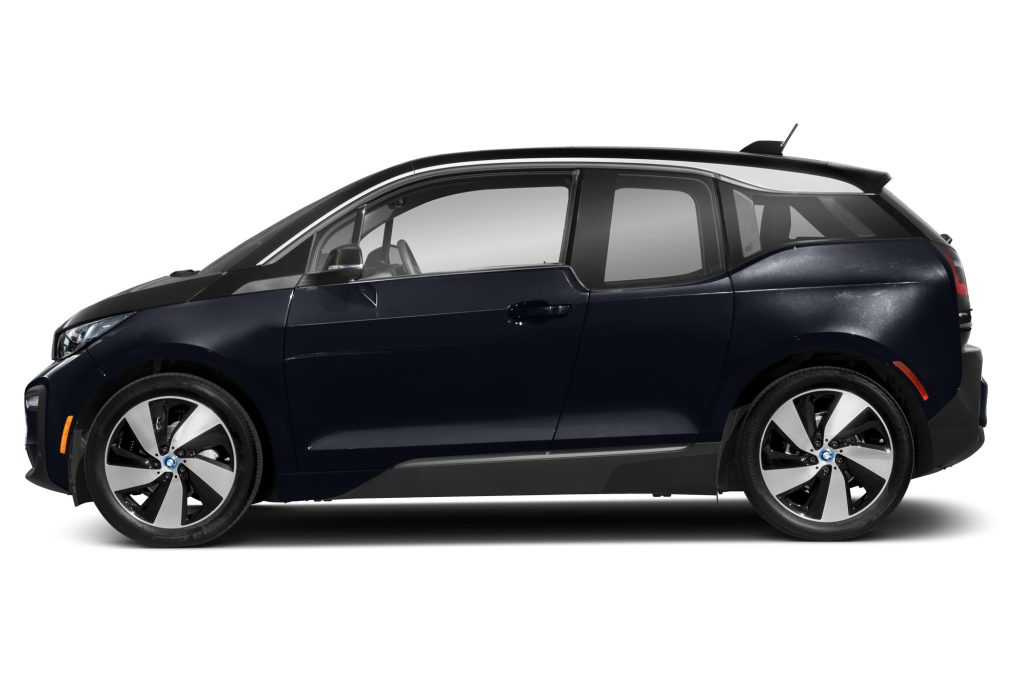
The unusual wheel setup is one of the biggest reasons replacement tires can become a challenge for this electric hatchback. Depending on the model year and wheel package, the original fitments include 155/70R19 tires, with a wider 175/60R19 size at the rear on staggered configurations.
Some versions also use 20-inch combinations, including 155/60R20 at the front and 175/55R20 at the rear. These are far less familiar dimensions than the 16-, 17-, and 18-inch sizes commonly stocked by general tire retailers.
The limited width is particularly important. A 155-section tire is unusually narrow for a modern passenger vehicle, and the 19-inch diameter makes the combination less common. Goodyear’s US vehicle listings confirm these factory size combinations across several model years.
Tire Rack’s current listing for the staggered 155/70R19 and 175/60R19 combination shows only two tire models, illustrating how restricted the selection can be compared with mainstream fitments.
Owners should not assume that a tire shop can simply substitute a more familiar size. The vehicle’s weight distribution, handling calibration, wheel dimensions, and tire load rating all matter. A replacement must also match the correct axle position when the car has different front and rear sizes.
Before the tread wears down, check availability for all four positions and ask whether the tires are in stock or need ordering. Confirm the exact size and specification on the driver’s door-jamb label or existing tire sidewall. Planning is much easier than searching for a compatible set after a puncture.
2. 2008-2018 Smart Fortwo
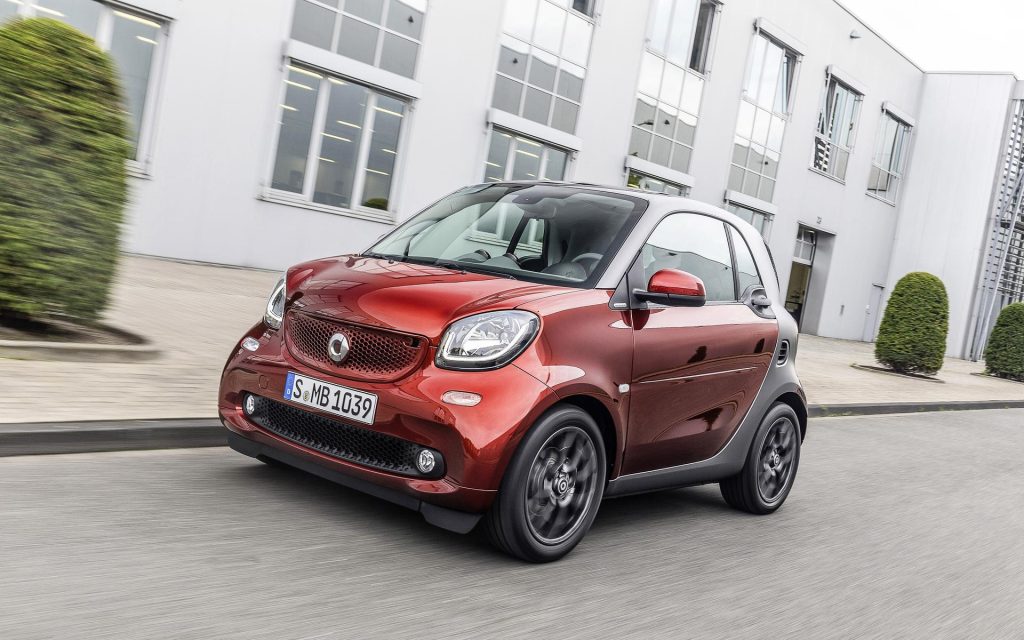
A tiny footprint does not necessarily mean easy tire replacement. Several generations of this two-seat city car use different front and rear tire dimensions, and some of the narrower sizes are not common choices for today’s passenger vehicles.
Michelin’s US fitment information lists combinations such as 155/60R15 at the front and 175/55R15 at the rear. Other versions use 165/60R15 and 195/50R15, while sportier configurations can have 16- or 17-inch rear tires.
That variety makes identifying the exact fitment essential. Searching only by model name can lead to the wrong result because the correct tire depends on the model year, trim, and wheel package.
Even when a retailer carries the rear size, it may not have the matching front tire in stock. A driver who needs both axles replaced may therefore have to contact more than one supplier or wait for a shipment.
Fortunately, the 175/55R15 tire size still has several available options. Tire Rack lists five models in this dimension, including all-season varieties. However, the front 155/60R15 size must also be considered separately. Finding suitable tires for one axle does not necessarily mean that the complete factory-approved tire combination is easy to obtain.
The safest approach is to check the tire placard before ordering and give the retailer the full front and rear specifications. Do not replace the staggered setup with four identical tires simply because that size is easier to find.
The manufacturer specifies different dimensions for a reason, and changing them without an approved fitment can affect handling and clearance. Owners who rely on this vehicle for daily commuting should start checking stock before the tires reach their wear limits.
3. BMW i8
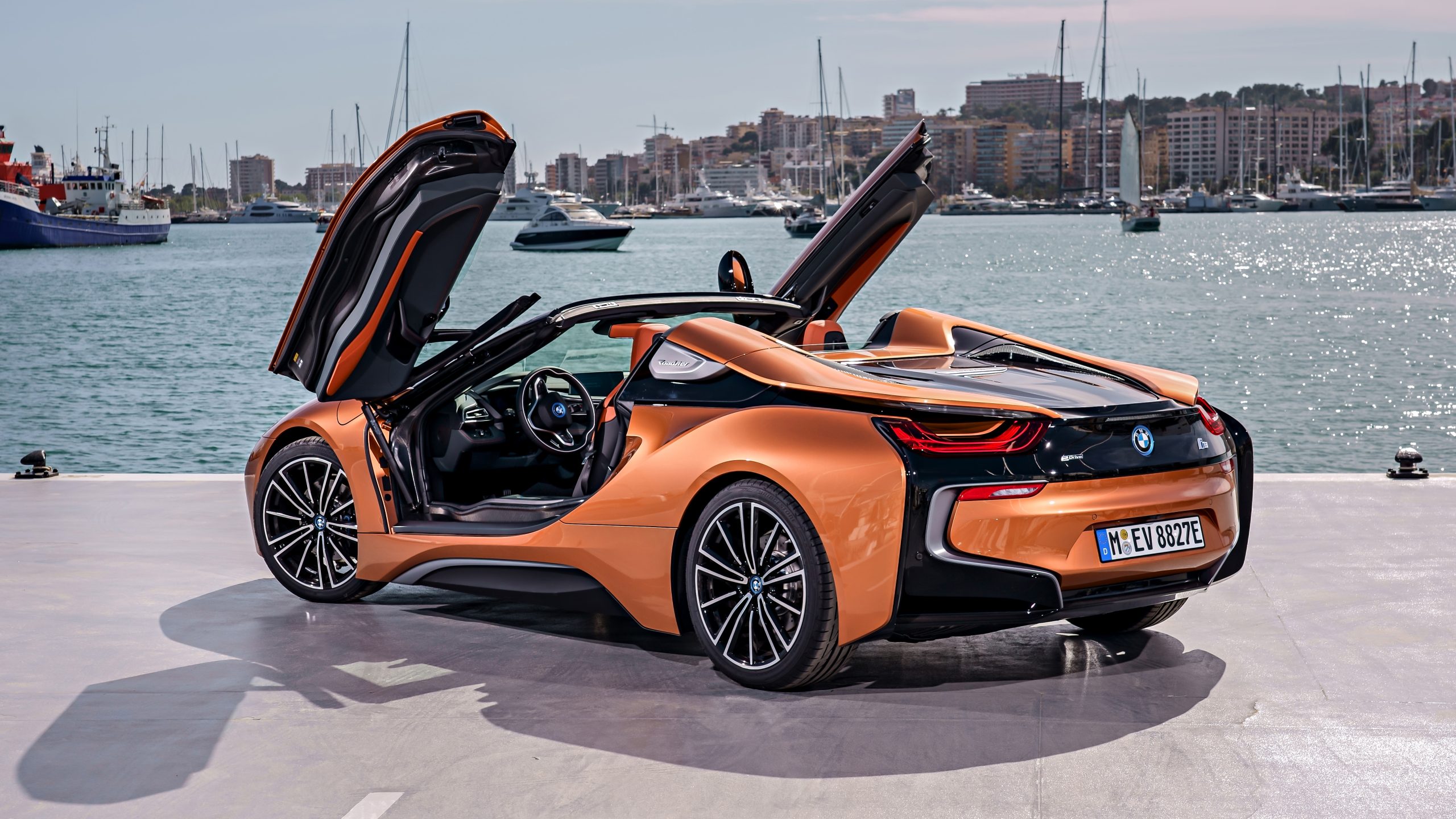
The BMW i8 combines an unusual wheel design with tire dimensions that are not typical of everyday passenger cars. Depending on the factory wheel package, the car uses staggered 20-inch fitments.
One approved combination is 195/50R20 at the front and 215/45R20 at the rear, while another uses 215/45R20 up front and 245/40R20 at the back. Bridgestone documented these specific i8-approved combinations when it developed tires for the model.
That staggered arrangement complicates replacement shopping. A retailer might be able to source the rear size but not the matching front tire in the same approved product line. The challenge becomes greater when an owner wants to preserve the original summer performance characteristics rather than choose a different tire category.
The i8 was engineered around low rolling resistance and responsive handling, so selecting a replacement based only on diameter is not enough.
Winter fitment also requires attention. Bridgestone listed a Blizzak LM-32 winter option in 215/45R20, but that does not mean every i8 configuration can use the same winter tire on all four corners. Wheel and tire compatibility must be checked against the car’s specific factory setup.
Owners should record the complete tire specifications before contacting retailers. Check the front and rear sizes separately, including load and speed ratings.

If a supplier suggests a substitute, ask for confirmation that it is approved for the exact wheel package and vehicle configuration. Avoid mixing unrelated tire models simply because they are available immediately.
The best strategy is to plan replacements as a complete set of compatible front and rear options. Contact a BMW specialist or a tire retailer familiar with performance fitments before the existing tires become worn. This is a car where waiting until the last minute can turn a routine purchase into a frustrating search.
4. 2012 Fisker Karma
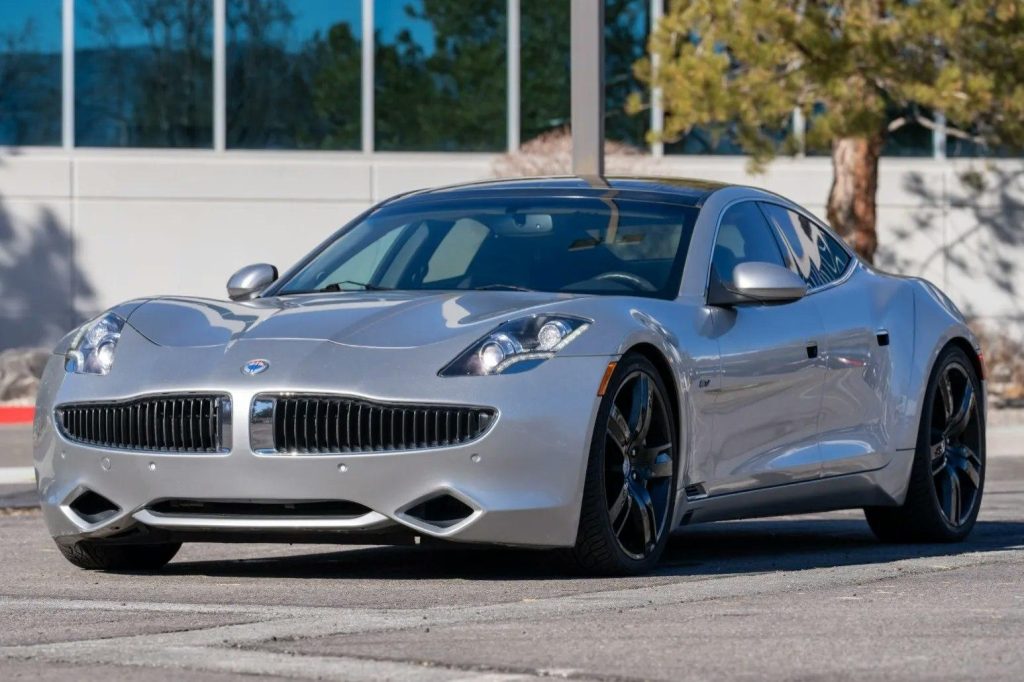
The Fisker Karma comes with a different set of tire-buying challenges because it is a limited-production luxury performance sedan equipped with large wheels in a staggered configuration, requiring different tire sizes for the front and rear axles.
Michelin’s US fitment listing identifies two configurations for the 2012 model. The 21-inch setup uses 245/40R21 tires at the front and 265/40R21 at the rear. The larger 22-inch combination steps up to 255/35R22 in front and 285/35R22 at the rear.
Those dimensions are not impossible to source, but they are far less routine than the sizes fitted to mainstream sedans. The 22-inch rear tire is particularly demanding because it combines a wide section with a relatively low sidewall.
A local shop may not keep it on the shelf, and finding a matching front tire from the same suitable product family can require additional calls or a special order.
The car’s limited production history adds another practical complication. Tire retailers may have less experience identifying the correct Karma fitment than they would with a common luxury sedan.
Owners should therefore avoid relying on a broad online vehicle search without confirming the exact wheel package. The original tire label and owner’s documentation should be the starting point.
There is also a reason not to choose a cheaper tire simply because its dimensions appear close. Load capacity, speed rating, wheel width compatibility, and the vehicle manufacturer’s specifications all matter. A tire that physically mounts on a wheel is not automatically an appropriate replacement.
Before purchasing, ask the retailer to confirm both axle sizes and the required ratings. If the car has the 22-inch package, check availability well before replacement becomes urgent. Keeping a record of the exact approved tire specifications can save considerable time when a puncture or worn tread forces an unexpected purchase.
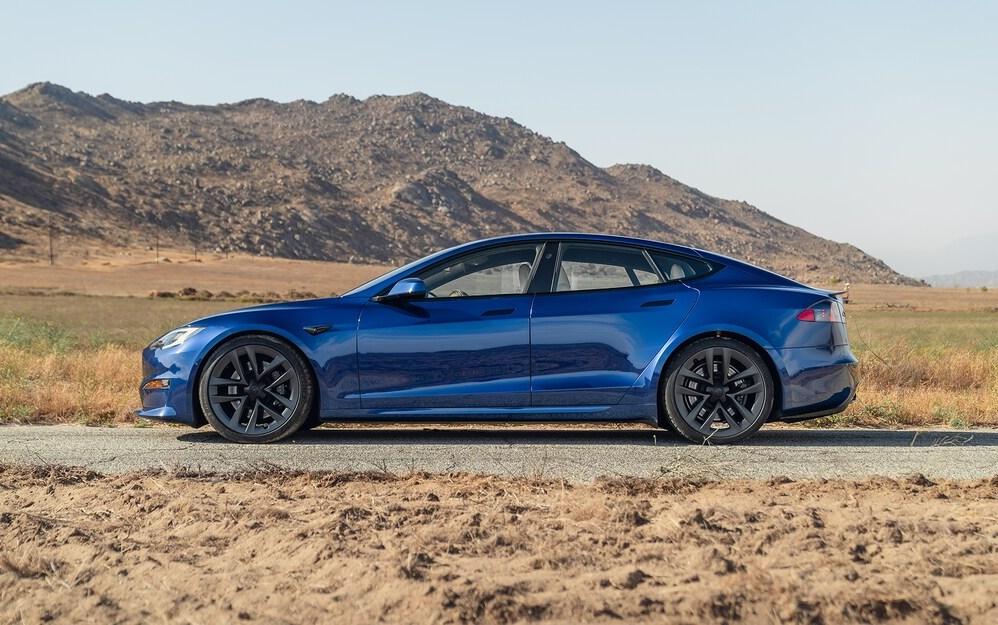
5. 2021-Present Tesla Model S With 21-Inch Wheels
Finding replacement tires becomes more challenging with the 21-inch wheel package compared with the standard 19-inch setup. For the US-market configuration, Tesla uses a staggered arrangement with 265/35R21 tires at the front and wider 295/30R21 tires at the rear.
The summer version uses the corresponding ZR-rated sizes. These combinations require owners to source two different tire dimensions rather than purchase four identical replacements.
The rear specification is particularly important because its wide tread and low sidewall narrow the range of suitable replacements. A retailer might list a tire with the correct diameter but not the required load capacity, speed rating, or performance characteristics.
That is why searching by wheel diameter alone is not enough. The complete sidewall specification must match the vehicle’s approved requirements.
Tesla’s service documentation also demonstrates that replacement selection is not simply a matter of choosing any tire in the correct size. For newer Model S vehicles, Tesla identifies specific recommended all-season and summer tire models for the 21-inch package.
The listed recommendations include Goodyear Eagle Sport all-season tires and Michelin Pilot Sport 4S summer tires. These recommendations are useful when owners want to preserve the manufacturer’s intended fitment.
Another consideration is seasonal use. A summer tire is not a suitable choice for regular driving in cold winter conditions. Owners living in colder parts of the United States should check for an appropriate winter or all-season setup that is approved for their vehicle.
Before ordering, confirm the model year, wheel package, front and rear sizes, and load and speed ratings. Also ask the supplier whether the tires are available together. Buying one axle at a time can create unnecessary delays if the matching product is discontinued or temporarily out of stock.
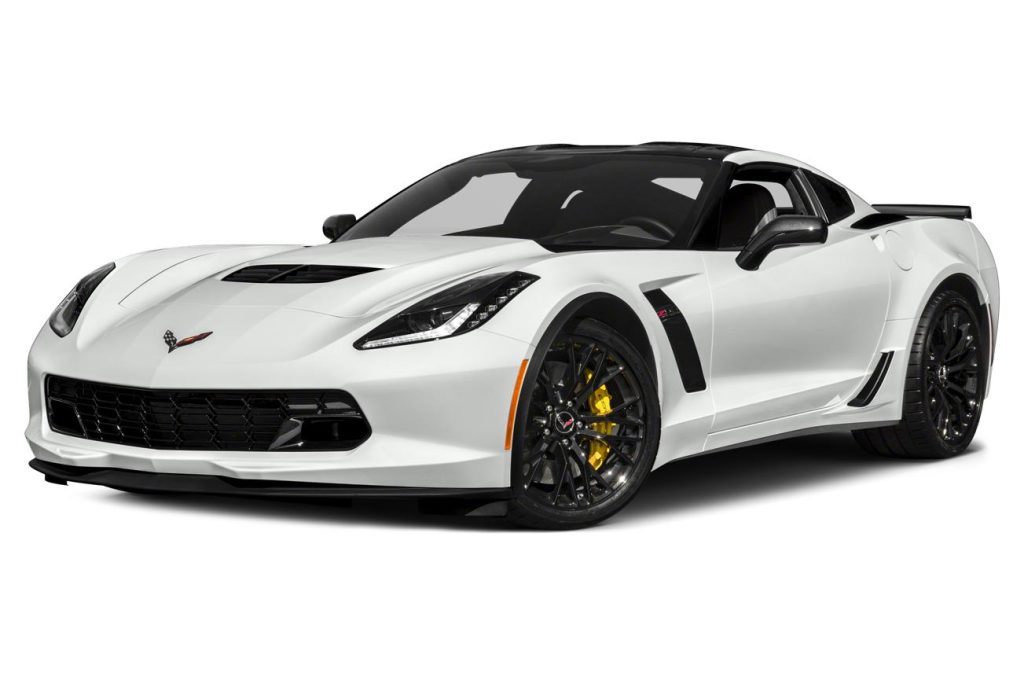
6. 2015-2019 Chevrolet Corvette Z06
The Z06 uses an extreme staggered tire arrangement that can make replacement shopping more complicated than it is for a regular sports coupe. The factory fitment on the 2015 model includes 285/30ZR19 tires at the front and enormous 335/25ZR20 tires at the rear.
The rear tire’s 335-millimeter section width and very short sidewall make it a specialized performance fitment rather than a common passenger-car size.
The original equipment specification adds another layer of difficulty. Chevrolet listed Michelin Pilot Super Sport summer-only run-flat tires for the Z06. The Z07 package used Michelin Pilot Sport Cup tires in the same dimensions.
These tire options should not be treated as equivalent, since their construction and intended applications can differ significantly. Choosing the correct type is particularly important for a high-performance vehicle built to handle demanding driving conditions.
Owners may find that a retailer can source the front tire but needs to order the rear separately. Even when both sizes appear in an online catalog, the same model and specification may not be available for both axles. A replacement should be selected as a compatible front-and-rear combination, not as two unrelated bargains.
Seasonal conditions deserve attention too. Chevrolet’s documentation warns against using summer-only tires in winter conditions because cold weather can adversely affect safety, performance, and durability.
Drivers in areas with freezing temperatures should discuss an appropriate alternative with a Corvette tire specialist rather than assuming the original summer setup works year-round.
Check the tire sidewalls and driver’s door information before ordering. Confirm the exact size, load and speed ratings, run-flat requirement, and approved wheel combination. Because the rear fitment is particularly specialized, it is sensible to check availability before the existing tread becomes critically worn.
7. 2009-2024 Nissan GT-R
The GT-R’s tire requirements are unusually specific because Nissan developed its original-equipment tires around the car’s high-performance suspension and all-wheel-drive system. US-market specifications include 255/40ZRF20 tires at the front and 285/35ZRF20 at the rear.
The “RF” marking identifies run-flat construction, while the ZR designation is associated with high-speed performance. Nissan’s press materials identify Dunlop high-performance run-flat tires as the factory equipment.
This is not a combination that every tire retailer keeps in stock. Both axle sizes are different, and owners need to pay attention to the exact construction and performance rating. Michelin’s US fitment guide lists the GT-R’s front and rear dimensions, including the relevant load and speed specifications.
However, a listing for the correct size does not automatically mean that every available tire is an approved replacement for every GT-R version.
Nissan has also emphasized the importance of using tires developed for the vehicle. Its published specifications explain that the original tire design is matched to the car’s suspension characteristics.
That makes casual substitutions particularly unwise. On an all-wheel-drive performance car, differences in tire dimensions, tread wear, and rolling circumference can affect how the drivetrain behaves.
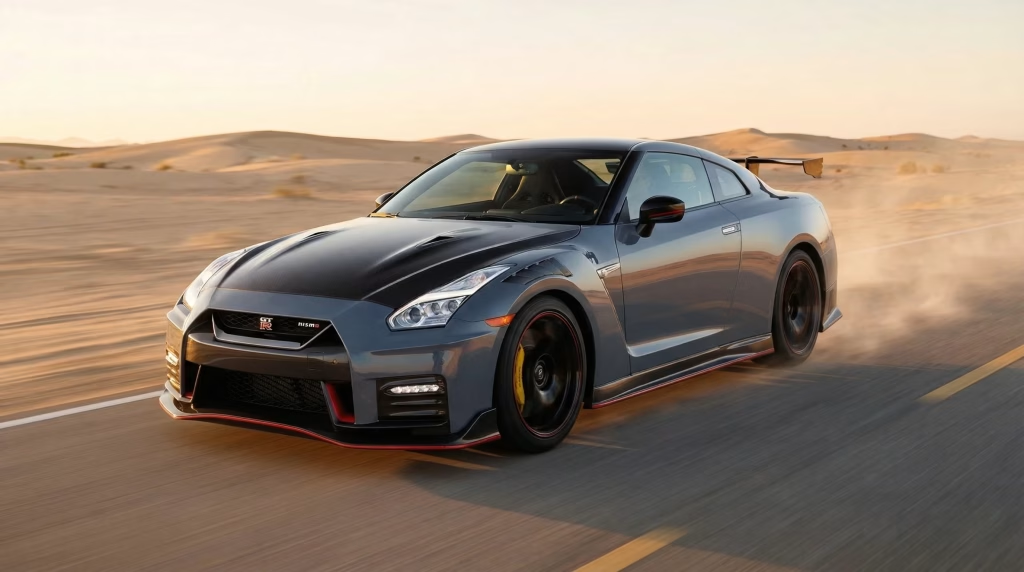
Owners should check whether the vehicle has standard, NISMO, or another special configuration before ordering. Confirm the exact front and rear sizes, load and speed ratings, and whether run-flat construction is required by the applicable specification. Do not assume that a conventional tire with similar dimensions is automatically suitable.
A GT-R owner should contact a performance-tire specialist rather than relying on a general online size filter. Ask whether the complete matching set is available and whether the supplier can confirm compatibility with the vehicle’s exact year and trim.
Planning helps avoid being left with an unusable car while waiting for a specialized tire shipment.