
A recall notice does not automatically mean your vehicle has been repaired. Even after visiting a dealership, a recall can remain unresolved because the wrong component was replaced, the required software update was missed, parts were unavailable, or the repair was never properly recorded.
That matters because an unfinished recall can leave the original safety risk in place. Drivers should not rely only on a service visit or a verbal assurance that everything is fixed. There are several practical clues that can help identify an incomplete repair, and checking them can prevent a dangerous problem from going unnoticed.
1. The Recall Still Appears as Unrepaired in a VIN Search
One of the clearest reasons to question a recall repair is seeing the same campaign listed as open after the dealership visit. In the United States, NHTSA provides a free recall lookup that lets owners check a vehicle using its 17-character Vehicle Identification Number.
If the search still identifies an unrepaired safety recall, do not assume the repair was completed simply because the vehicle was previously at a service center.
Start by checking the VIN on NHTSA’s official recall website. Compare the campaign number and defect description with the paperwork from your appointment. If the same recall remains outstanding, contact the dealership that performed the work and ask its service department to verify the repair status with the manufacturer.
Give them the date of the visit and the repair order number, if available. A manufacturer may need to correct a missing or improperly submitted completion record.
It is important to understand that an online record should be treated as a reason to investigate further, rather than immediate evidence that the technician neglected to complete the repair.
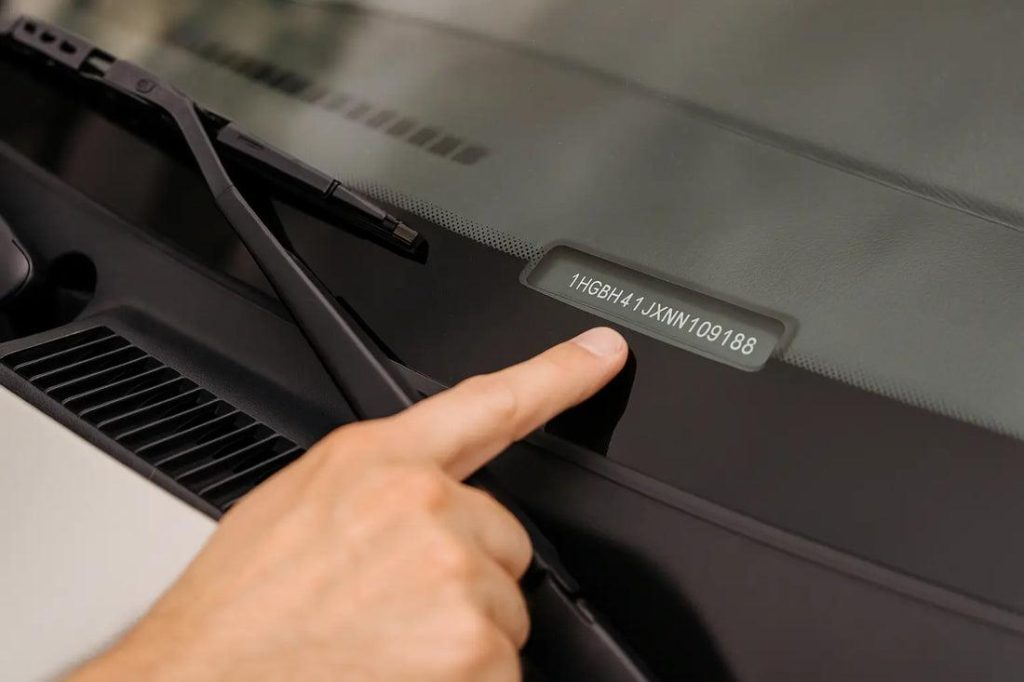
NHTSA explains that its VIN lookup does not display recalls that have already been repaired, and some newly announced recalls may not immediately appear. Manufacturer databases may also contain more current vehicle-specific information.
Ask the dealer to confirm whether the remedy was actually performed and whether the completion was submitted under the correct VIN and campaign number. If the repair cannot be verified, request another inspection and written confirmation.
Never dismiss an open recall result without checking it, particularly when the campaign concerns braking, steering, airbags, fuel leaks, or fire risks.
2. The Repair Invoice Does Not Clearly Identify the Recall Work
A service invoice should give you a reasonable way to identify what the dealership actually did. If the paperwork only says “vehicle inspected,” “customer concern checked,” or “recall visit,” without naming the campaign or describing the work, you have a good reason to ask for clarification.
An inspection is not necessarily the same as completing a recall remedy. Some campaigns require a component replacement, while others call for a software update, a wiring correction, or another specific procedure.
Look for the recall campaign number, the repair description, the date, and the vehicle identification details. The invoice may also include labor operation codes or parts information. These details help connect the work performed to the manufacturer’s official remedy instructions.
If the paperwork lists only a general inspection, ask whether the inspection was the complete remedy or simply a preliminary check to determine whether further work was needed.
This distinction matters because recall procedures are not interchangeable. A technician might inspect a component and find that it does not require replacement under the campaign’s instructions.
In another case, the inspection may identify a problem that requires additional work. The invoice should make the outcome understandable, even if it does not include every technical detail.
Contact the service department and request an itemized repair order or a written explanation of the recall operation. Ask the advisor to confirm whether the campaign was closed in the manufacturer’s system.
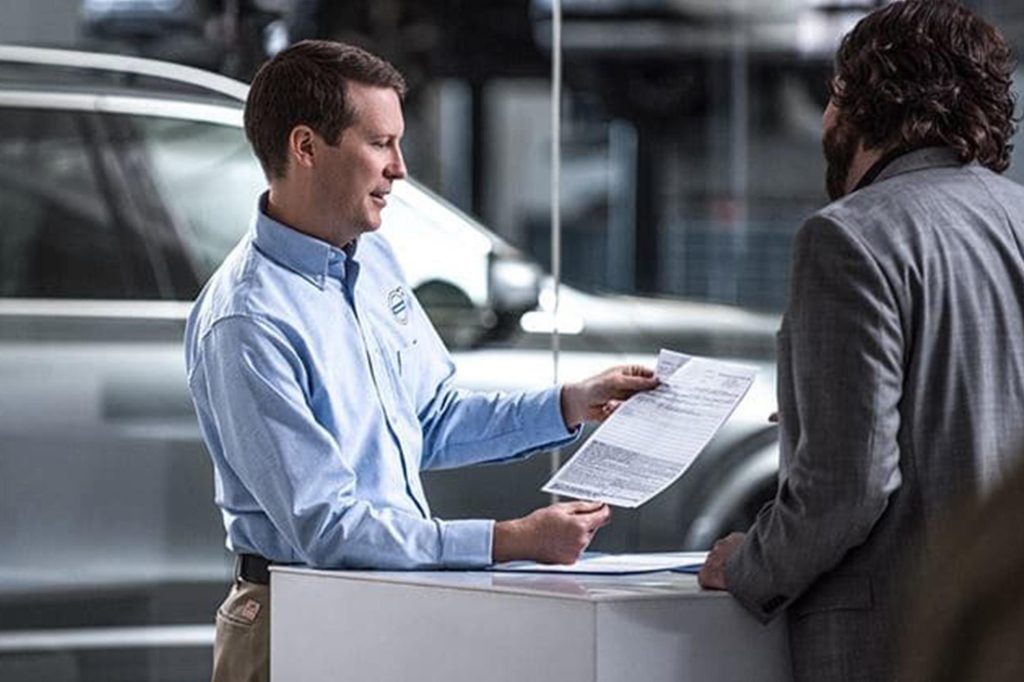
Keep the original paperwork and any revised documents together. If the dealer cannot explain what was completed, contact the manufacturer’s customer assistance department and provide the campaign number and repair-order details.
A vague invoice does not prove the repair was skipped, but it should never be treated as convincing evidence that the safety remedy was completed.
3. The Original Safety Problem Still Occurs After the Visit
A recall repair is supposed to address a specific safety defect. If the same problem continues after the vehicle leaves the dealership, the repair deserves another look. For example, a vehicle recalled for a braking defect may still experience the exact braking symptom described in the recall notice.
A vehicle involved in a steering-related campaign might continue to produce the same unusual steering behavior. These symptoms do not automatically prove that the recall work was incomplete, but they should never be ignored.
Before returning to the dealership, read the original recall notice carefully. It explains the defect, the potential safety consequence, and the remedy selected by the manufacturer. Compare that information with what you are experiencing now.
Write down when the symptom occurs, how frequently it happens, and whether it has changed since the service visit. If a warning message appears, photograph it. A short video can also help document an intermittent problem, provided recording it does not distract you while driving.
It is worth noting that completing a recall repair does not necessarily resolve every mechanical issue associated with the vehicle. Other independent problems may still develop and cause similar symptoms, even after the required recall work has been performed.
The dealership should therefore determine whether the continuing issue is connected to the recalled defect or requires a separate diagnosis. Ask the service advisor to document that assessment on the repair order.
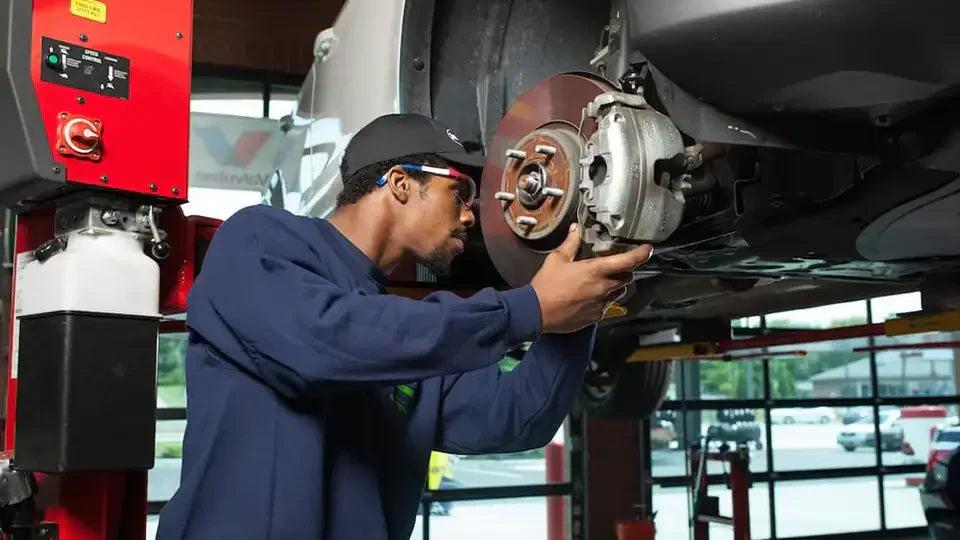
If the original safety symptom remains, request that the manufacturer review the repair history and the technician’s findings. You can also submit a vehicle safety complaint to NHTSA if you believe the defect remains unresolved.
Do not continue driving if the symptom makes the vehicle unsafe. Follow any stop-driving or other interim instructions in the recall notice. A completed appointment is not enough if the underlying safety concern has not actually been addressed.
4. The Dealership Says the Required Parts Were Not Available
A vehicle can arrive for a recall appointment and leave without receiving the actual repair because the necessary replacement parts have not reached the dealership. This situation is particularly important to recognize because an appointment, inspection, or service visit does not mean the recall has been completed.
If the service advisor tells you that the parts are on back order, the repair is generally still pending unless the manufacturer has provided a specific interim remedy that fully addresses the campaign’s requirements.
Read the paperwork before leaving. It should make clear whether the dealership completed the remedy or simply inspected the vehicle and placed an order for parts. Phrases such as “parts unavailable,” “repair pending,” or “customer to return” indicate that another step is required.
Ask whether the manufacturer has issued interim safety instructions. Depending on the defect, those instructions may involve limiting use of the vehicle or, in serious cases, not driving it until the repair is performed.
Do not accept a vague promise that the dealership will contact you eventually. Request a parts-order reference, an estimated follow-up date, and the service department’s contact information.
Ask whether the manufacturer offers another authorized repair location with the necessary parts. Some recall programs provide special arrangements, such as mobile service or vehicle pickup, but these options depend on the specific campaign and manufacturer.
Federal recall regulations require manufacturers to provide information about recalls for affected vehicles, including when a remedy is not yet available. That is why a parts shortage should be treated as an unresolved repair, not as a completed service visit.
Check the manufacturer’s recall-status page and NHTSA’s VIN lookup again after the parts arrive and the work is performed. Keep every appointment record until you receive confirmation that the actual remedy has been completed.
5. A Required Software Update Was Never Confirmed
Not every recall involves replacing a physical component. Some manufacturers issue recalls that require technicians to update a vehicle’s electronic control software. Depending on the campaign, the update may change how a safety system operates, correct a programming error, or prevent a faulty electronic response.
This can leave owners uncertain because the vehicle may appear unchanged after the service visit, making it difficult to determine whether the necessary update was successfully completed.
If your recall notice mentions a software update, ask the service department to confirm the specific campaign operation performed. The repair documentation should identify the recall and indicate that the software procedure was completed.
For certain campaigns, the manufacturer may also specify a software calibration number, updated module information, or a diagnostic procedure that the technician must follow. You can request the relevant details from the dealership rather than relying on a general statement that the vehicle was checked.
Pay attention if the service advisor says the vehicle was scanned but cannot confirm that the update was installed. Connecting a diagnostic tool and reading fault codes is not necessarily the same as carrying out a software remedy. Likewise, clearing a warning message does not establish that the manufacturer’s required programming change was completed.
It is also important to confirm that all required procedures were followed during the update. Depending on the vehicle, this may involve checking module compatibility, maintaining a stable battery voltage throughout programming, and verifying that the new software was installed correctly.
The exact process depends on the vehicle and recall instructions. Do not attempt to install unofficial software or make changes yourself to address a safety recall.
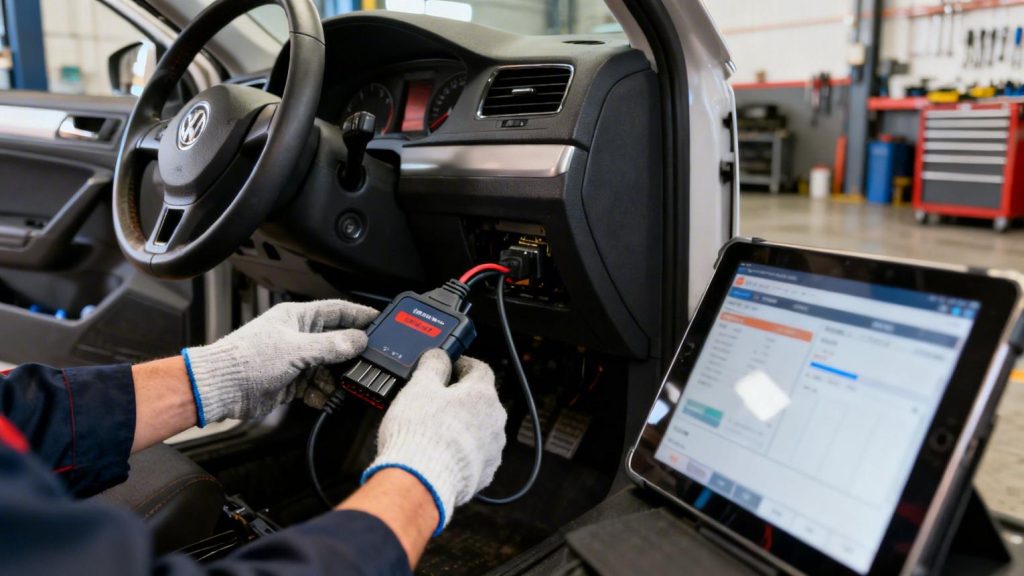
If the paperwork is unclear, contact the manufacturer’s customer assistance department with your VIN and recall campaign number. Ask whether its records show the required software remedy as complete.
Dealership technicians can also inspect the vehicle and verify the repair against the manufacturer’s service procedures. The key thing to remember is that when a recall requires a software update, a standard diagnostic scan alone is not sufficient evidence that the programming was completed.
6. The Same Recall Warning or Notification Keeps Returning
Some vehicles display recall-related messages through their infotainment systems or instrument clusters. If the same notification returns after a dealership visit, it is worth checking whether the recall remedy was completed and properly recorded.
However, do not confuse a manufacturer’s general reminder with a warning that a mechanical safety system has failed. These messages can have different meanings, and the vehicle’s owner’s manual or recall notice should explain the relevant instructions.
Start by photographing the message and recording when it appears. Check whether it specifically identifies a recall, asks you to visit a dealer, or reports a separate system malfunction.
Then compare the message with your service paperwork. If the dealer claims the recall was completed, ask the service department to verify the campaign status and determine whether the vehicle’s communication system has received the updated repair information.
A returning notification does not automatically mean the technician failed to perform the repair. Some systems may take time to receive updated information, and a separate software or connectivity issue could also cause a message to remain visible.
In other cases, the dealership may have completed the physical repair but failed to update the manufacturer’s records correctly. The service department should investigate rather than simply dismissing the message.
Do not clear the warning yourself and assume the issue is resolved. If the message concerns an urgent safety defect, follow the manufacturer’s instructions while arranging a prompt inspection. Ask the dealer to provide written confirmation that the recall remedy is complete and explain why the notification is still appearing.
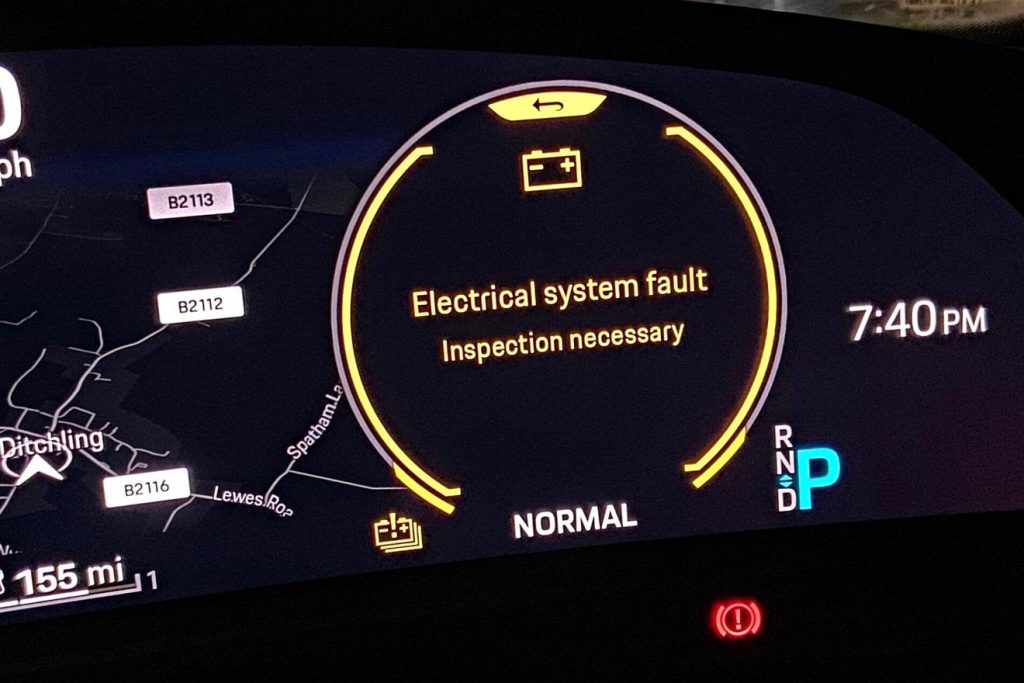
You can also check the VIN through NHTSA’s recall lookup and the manufacturer’s own recall-status system. If the campaign still appears as unrepaired, contact the manufacturer with the repair-order number.
Keeping the message photograph and service documents together makes it easier to establish exactly what happened and what still needs attention.
7. The Dealership Only Inspected the Vehicle Instead of Completing the Remedy
An inspection can be part of a legitimate recall procedure, but it is not always the final repair. Some campaigns require technicians to examine a component first and replace it only if it falls within the affected condition described by the manufacturer.
Other recalls require every eligible vehicle to receive a specific replacement, adjustment, or software update. The difference matters because an inspection-only visit should not be mistaken for a completed remedy when further work is required.
Read the recall notice and compare its instructions with the dealership’s paperwork. If the campaign calls for an inspection followed by replacement when a defect is found, the invoice should ideally explain the inspection result and whether additional work was necessary.
If the remedy requires a component replacement regardless of its apparent condition, a note saying “inspected, no issue found” deserves immediate clarification.
Ask the service advisor to clarify whether the inspection fully addresses the manufacturer’s recall requirements or if additional repairs are still necessary. Be sure to obtain the campaign number and a written record detailing the work carried out.
If the answer is that no replacement was needed, ask the dealer to show how that decision follows the official recall instructions. A technician should be able to explain the result without relying on vague assurances.
This is especially important when the recall involves parts that can fail without obvious external damage. A quick visual check may not be sufficient if the manufacturer specifies diagnostic testing, measurements, or a particular inspection method.
The required procedure depends on the individual campaign, so owners should avoid assuming that every inspection-only result is incorrect.
If the explanation does not match the recall notice, contact the manufacturer’s customer support team and request a review. You can also report a suspected unresolved safety defect to NHTSA. Keep the inspection report and repair order because they provide a record of what the dealership actually did.
8. The Manufacturer or Dealer Cannot Provide Written Confirmation
A verbal assurance that “the recall is taken care of” is not as useful as a service record showing exactly what was completed. If the dealership cannot provide a repair order, campaign number, or written confirmation, you have limited evidence that the required remedy was performed.
This does not automatically establish that the repair was skipped, but it leaves an important gap that should be resolved before you treat the recall as closed.
When a recall repair is completed, ask for a copy of the final repair order before leaving the dealership. It should identify your vehicle and document the recall operation. Depending on the campaign, the record may include parts installed, labor operations, software work, inspection findings, or other relevant details.
Not every manufacturer uses identical paperwork, so the absence of one particular detail is not proof of misconduct. What matters is whether the dealer can verify that the official remedy was completed on your VIN.
If you have already left without documentation, contact the service department and request a copy of the closed repair order. Give them the appointment date, your VIN, and any receipt or appointment confirmation you still have.
If the dealership cannot locate the record, contact the manufacturer’s customer assistance department. Ask it to check the vehicle’s recall history and confirm whether the campaign is marked complete.
NHTSA’s VIN lookup can provide another useful check by showing unrepaired recalls associated with a vehicle. Manufacturer records may offer additional detail, particularly when you need clarification about a particular repair.
Keep the final paperwork with your vehicle maintenance records so that you can establish the recall history if you sell the vehicle or visit another service center.
If neither the dealer nor manufacturer can verify the repair, request a fresh inspection and written resolution. You can also file a complaint with NHTSA if you believe a safety recall remains unresolved.
Keeping proper records serves a purpose beyond simply having paperwork on file. It provides clear evidence of the repairs that were agreed upon, the work actually completed, and any remaining issues that still need attention.