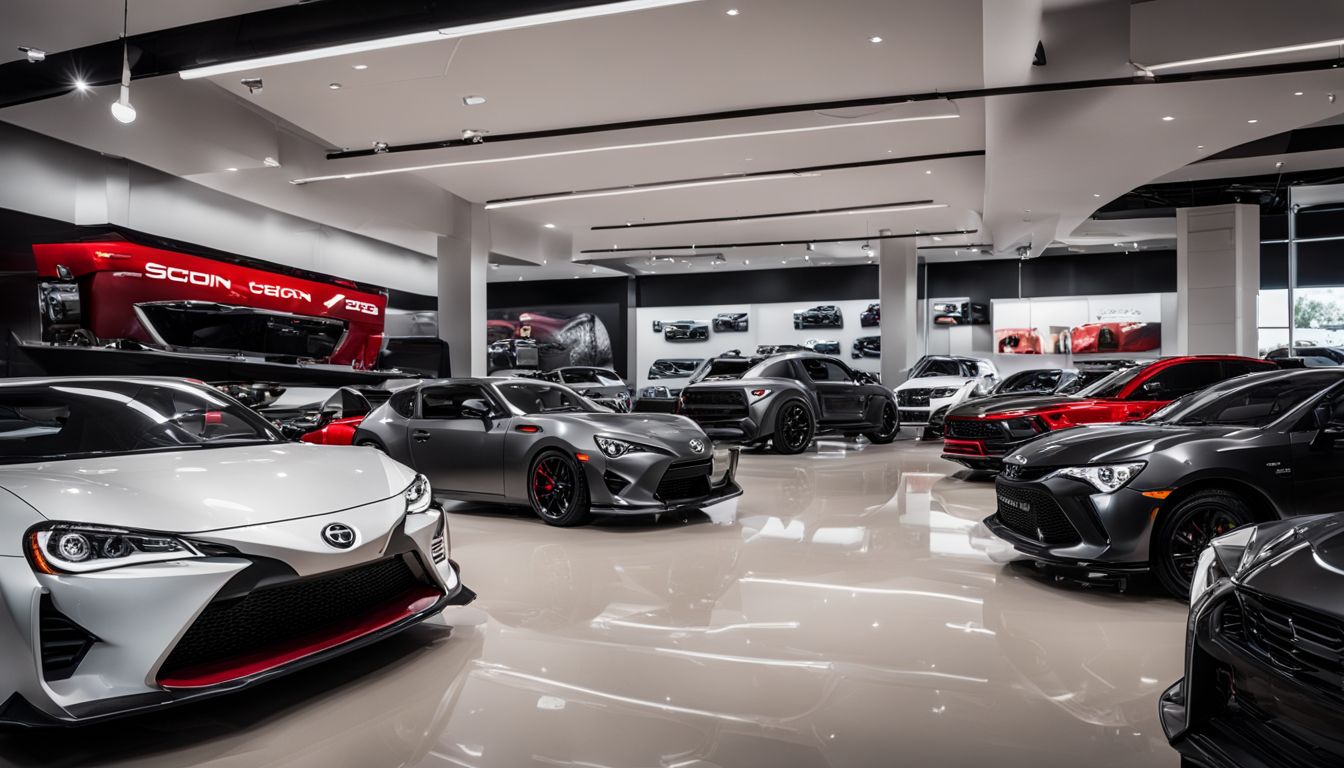
A vehicle’s advertised price does not always reflect the amount a buyer eventually pays at the dealership. Dealer-installed accessories can increase the final purchase cost through additional equipment, protection packages, cosmetic upgrades, and convenience features.
Some additions genuinely improve a vehicle, while others provide limited value compared with their selling price. The financial impact can also extend beyond the initial charge when accessories are included in an auto loan and financed with interest.
Understanding how these extras affect the transaction helps buyers compare offers accurately, negotiate more confidently, and avoid paying for equipment they never intended to purchase.
1. Paint Protection Packages Increase the Purchase Price
Paint protection is one of the most commonly promoted dealership accessories, particularly on new vehicles with attractive factory finishes. Dealers may offer ceramic coatings, paint sealants, clear protective films, or bundled exterior-care packages.
These products are marketed as ways to protect the paint from environmental contamination, road debris, fading, and everyday wear. However, the additional protection comes with a separate charge that can noticeably increase the purchase price.
The actual cost depends on the product and installation method. A basic paint sealant is different from a professionally installed paint protection film covering vulnerable body panels.
Ceramic coatings also vary in formulation, preparation requirements, and expected durability. Buyers should therefore ask exactly which product is being installed instead of accepting a general description such as premium paint protection.
The financial issue becomes more significant when the package is automatically added to the vehicle before it reaches the showroom. A salesperson might suggest that the coating is already installed and cannot be removed.
However, the Federal Trade Commission’s November 2026 pricing guidance makes clear that dealers cannot misrepresent optional accessories as mandatory or charge customers for options they never agreed to purchase.
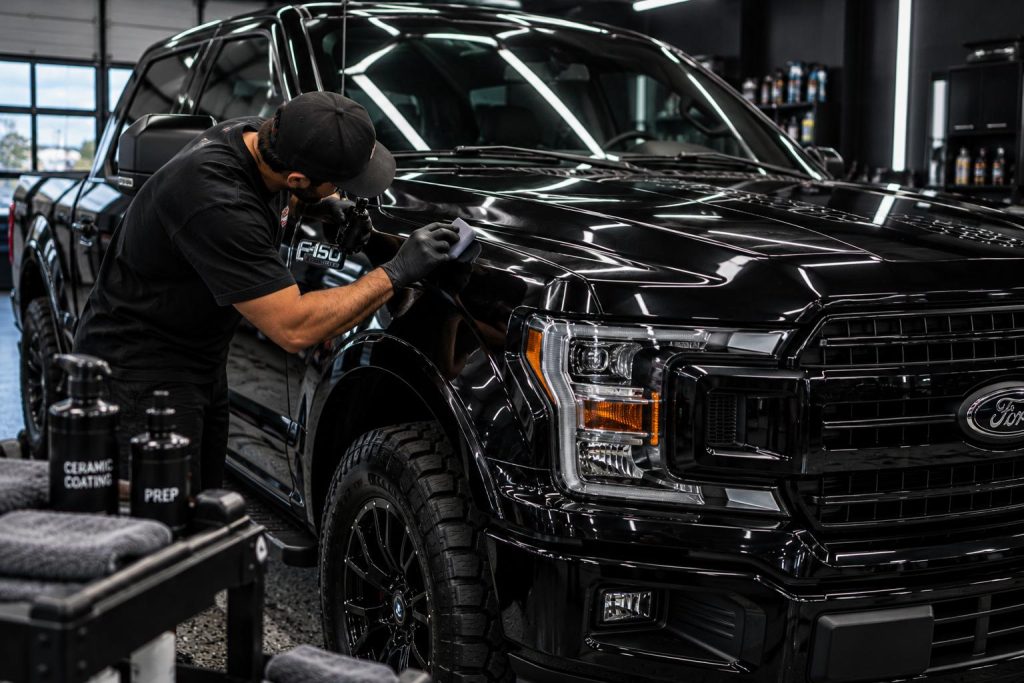
Consider a buyer who is quoted an additional $1,200 for a paint protection package. If that amount is included in a five-year auto loan, the buyer also pays interest on the accessory rather than simply paying its advertised price.
Before agreeing, request the product name, warranty details, installation documentation, and itemized price. Compare the package with independent detailing businesses because dealership-installed protection is not automatically better than outside alternatives.
2. VIN Etching Adds a Separate Security Charge
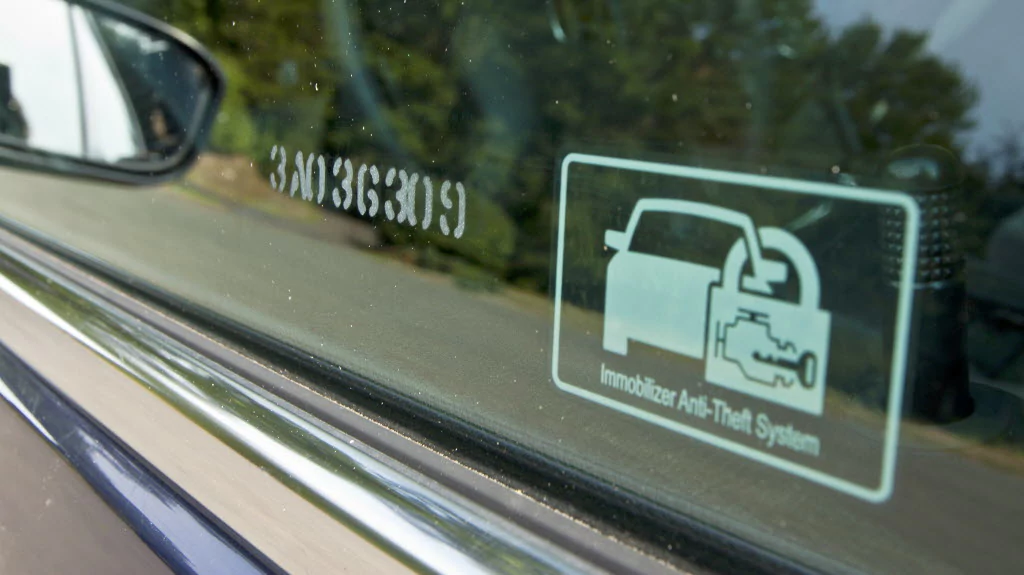
VIN etching is a security-related accessory that involves marking a vehicle’s identification number onto its windows. Dealerships commonly present it as a theft-deterrent measure because the markings can help identify glass associated with a particular vehicle.
However, the service can increase the purchase price without necessarily providing the level of protection buyers expect.
The process generally involves applying a stencil and chemical etching solution to the glass, permanently marking the VIN onto the window. Some dealerships advertise the service as a way to discourage thieves from stealing the vehicle or selling its glass separately.
Although identification markings can provide useful information, they do not prevent a vehicle from being stolen.
Consumer Reports estimates that dealerships have charged approximately $200 to $300 for VIN etching. That is a substantial amount for a service involving relatively simple marking work. The publication also notes that vehicles already have identification numbers in multiple locations, including under the hood and inside the doorjambs.
Another issue is how the accessory appears on the sales paperwork. Some buyers discover the charge only after reaching the finance office, where it may be listed under security protection, theft deterrent, or vehicle preparation. If the customer did not request the service, it should not simply be treated as an unavoidable purchase requirement.
The FTC’s pricing guidance states that dealers cannot misrepresent optional accessories as mandatory or charge for items customers have not agreed to purchase.
Before accepting VIN etching, ask whether it is optional, how much it costs, and whether it provides any insurance benefit. If the price seems excessive, decline it or compare independent providers. A small security-related accessory should never become an unexplained addition to a vehicle’s negotiated price.
3. Nitrogen-Filled Tires Increase the Accessory Bill
Nitrogen-filled tires are another dealership extra that can increase the final purchase price without delivering a dramatic everyday benefit. Dealers often promote nitrogen as a premium alternative to ordinary compressed air, claiming it helps maintain tire pressure for longer and reduces pressure fluctuations caused by temperature changes.
There is some technical basis behind the service. Nitrogen is less permeable through tire materials than oxygen, and using relatively pure nitrogen can reduce pressure loss over time.
However, ordinary compressed air already contains approximately 78% nitrogen. This means the difference between properly maintained conventional tires and nitrogen-filled tires is less significant than some dealership presentations suggest.
Consumer Reports has documented dealerships charging as much as $400 for nitrogen tire inflation. That is a considerable amount for a service that does not eliminate the need for regular pressure checks. Even nitrogen-filled tires gradually lose pressure and must be maintained according to the vehicle manufacturer’s recommendations.
The accessory can become more expensive when bundled with other dealership products. A buyer might see nitrogen inflation included alongside wheel protection, paint treatment, and interior protection. Although each item appears relatively inexpensive when presented separately, the combined package can add hundreds of dollars to the transaction.
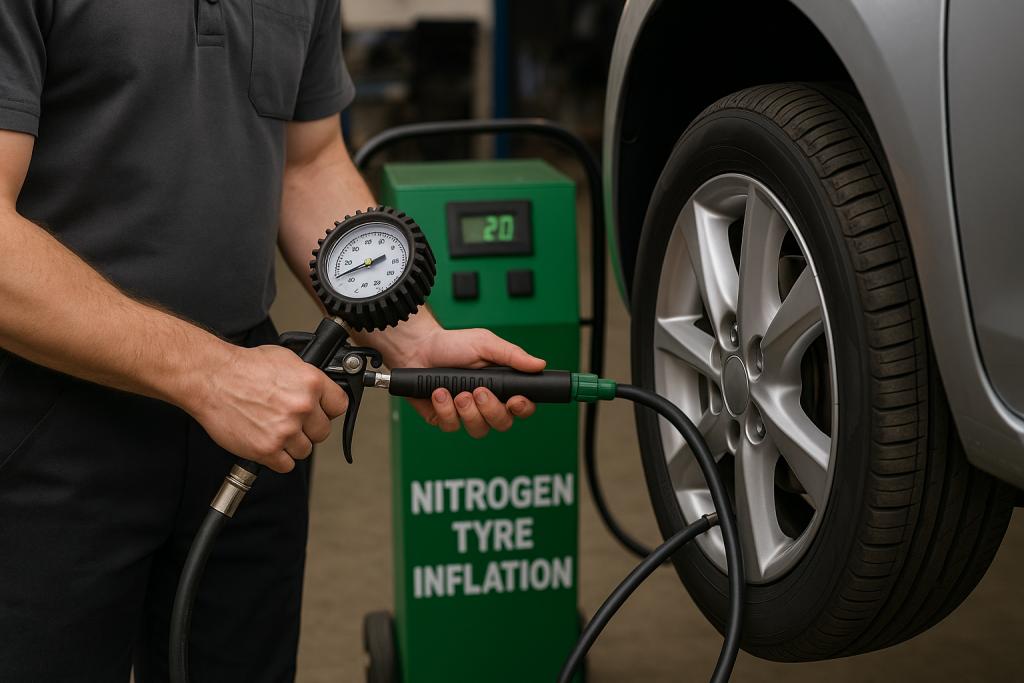
There is also a financing consideration. If nitrogen inflation is included in the vehicle loan, the buyer pays interest on a service that could otherwise be obtained separately.
Before accepting this upgrade, ask whether nitrogen inflation is optional and request its individual price. Regularly checking tire pressure with a reliable gauge is far more important than the gas used to inflate the tires.
The National Highway Traffic Safety Administration recommends checking tire pressure monthly and following the manufacturer’s recommended pressure.
For most everyday drivers, paying a substantial dealership premium for nitrogen is difficult to justify.
4. Wheel Locks and Security Accessories Add Extra Charges
Wheel locks are small security accessories designed to make unauthorized wheel removal more difficult. They replace one standard lug nut on each wheel with a specially keyed fastener.
Dealerships frequently offer them as protection against wheel theft, particularly on vehicles equipped with expensive alloy wheels. However, the final price can be considerably higher when the accessory is sold as part of a dealership-installed security package.
The equipment itself is relatively straightforward. A typical set includes locking lug nuts and a matching removal key. Some manufacturers offer branded wheel-lock kits specifically designed for particular vehicle applications. The key is necessary whenever the wheels need to be removed for tire replacement, brake servicing, or rotation.
The financial concern comes from the difference between the accessory’s actual retail cost and the dealership’s installed selling price.
A dealer may include wheel locks in a package alongside VIN etching, security registration, or other protective products. Buyers then have difficulty identifying how much they are paying for each individual component.
Consumer Reports advises buyers to question dealership security extras and distinguish useful equipment from expensive add-ons that can be purchased separately.
Wheel locks also have limitations. They are a deterrent rather than a guarantee against theft. A determined thief with the appropriate tools may still remove them, and losing the special key can complicate ordinary tire and brake service.
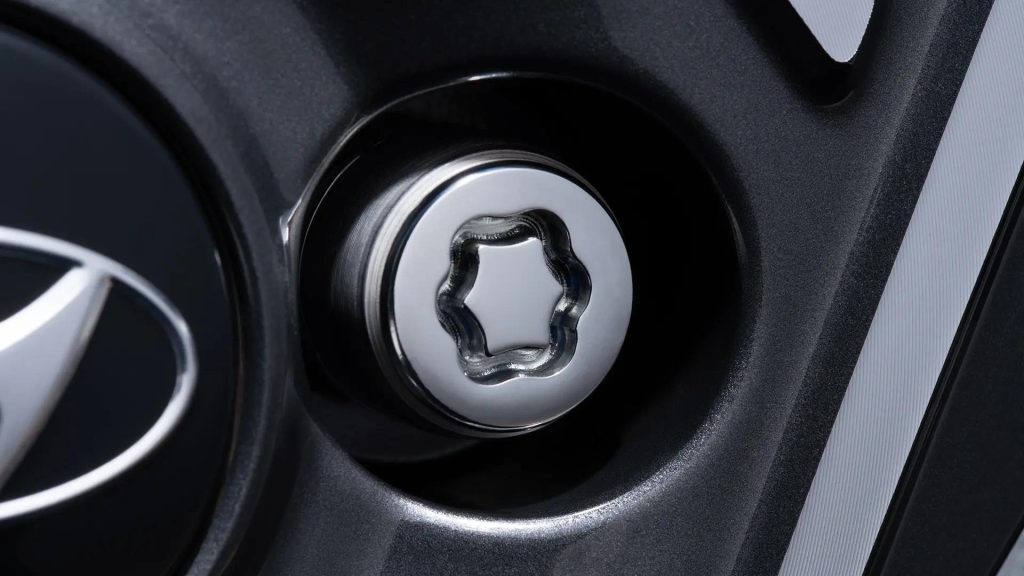
Before agreeing to the package, ask for the manufacturer’s part number and compare its retail price with the dealership’s quotation. Also check whether the vehicle already includes factory wheel locks.
If you want the accessory, negotiate its installed price separately instead of accepting an entire security bundle. This makes the additional charge easier to evaluate and prevents a relatively simple accessory from becoming an unnecessarily expensive part of the vehicle purchase.
5. Fabric and Interior Protection Packages
Interior protection packages are frequently offered to buyers who want to keep a new vehicle’s seats, carpets, and upholstery looking clean. Dealerships may advertise these treatments as protection against spilled drinks, food stains, dirt, and everyday wear.
While some products can provide useful resistance to staining, their presence on the sales invoice can increase the purchase price considerably.
These packages typically involve applying a chemical treatment to fabric surfaces or a protective coating to leather and synthetic upholstery. Some dealerships also include carpet treatments, dashboard protectants, and specialized cleaning products.
The actual materials and application methods vary, meaning two packages advertised under the same name may provide very different levels of protection.
The main financial concern is the difference between the dealership’s selling price and the cost of comparable aftermarket products. Some buyers may be charged several hundred dollars for a treatment that can be obtained from an independent detailing business for considerably less.
Consumer Reports has warned buyers about expensive dealership add-ons, including interior protection and other appearance-related products.
Another consideration is the warranty being advertised. A dealership might promise protection against stains or accidental damage, but buyers should examine the exclusions carefully. Some contracts require professional cleaning, limit the types of covered stains, or impose conditions before reimbursement is available.
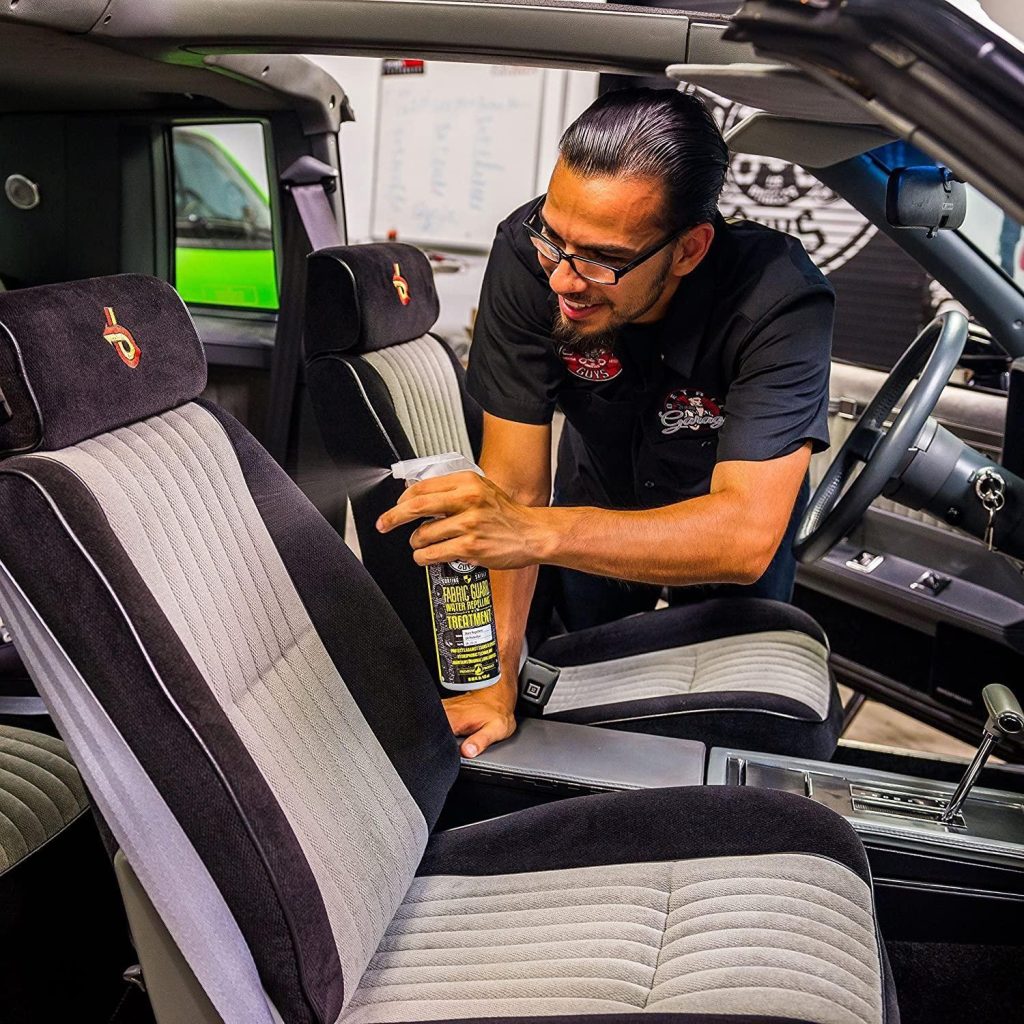
Financing the package also increases its actual cost. For example, a $600 interior treatment included in a 60-month loan will generate additional interest charges throughout the repayment period.
Before accepting this upgrade, ask for the exact product name, written warranty, covered materials, and individual selling price. Find out whether the vehicle already has factory-treated upholstery. If the package offers limited coverage or unclear benefits, declining it may be the more sensible financial decision.
6. Dealer-Installed Running Boards and Appearance Packages
Running boards, side steps, chrome trim, body accents, and appearance packages can make a new pickup look more distinctive.
These accessories are particularly popular on trucks because they can improve accessibility, protect certain body areas, or create a more personalized exterior. However, dealership-installed upgrades can add a noticeable amount to the vehicle’s final purchase price.
The cost depends on the equipment selected. Basic fixed running boards are generally less expensive than powered retractable systems, which require motors, wiring, mounting hardware, and additional installation work.
Chrome exterior packages may include several separate components, while appearance packages can combine grille inserts, special badges, wheel upgrades, and decorative trim.
One problem occurs when dealerships install these accessories before displaying the vehicle. Buyers may find that the advertised price has increased because the truck already has a dealer-installed package.
The salesperson may describe the additions as part of the vehicle’s required configuration, even though they were not requested by the customer.
The FTC’s CARS Rule was vacated by the US Court of Appeals for the Fifth Circuit in January 2025, so it should not be presented as a current nationwide requirement. However, existing federal consumer protection laws still prohibit deceptive pricing and misrepresentation of optional products.
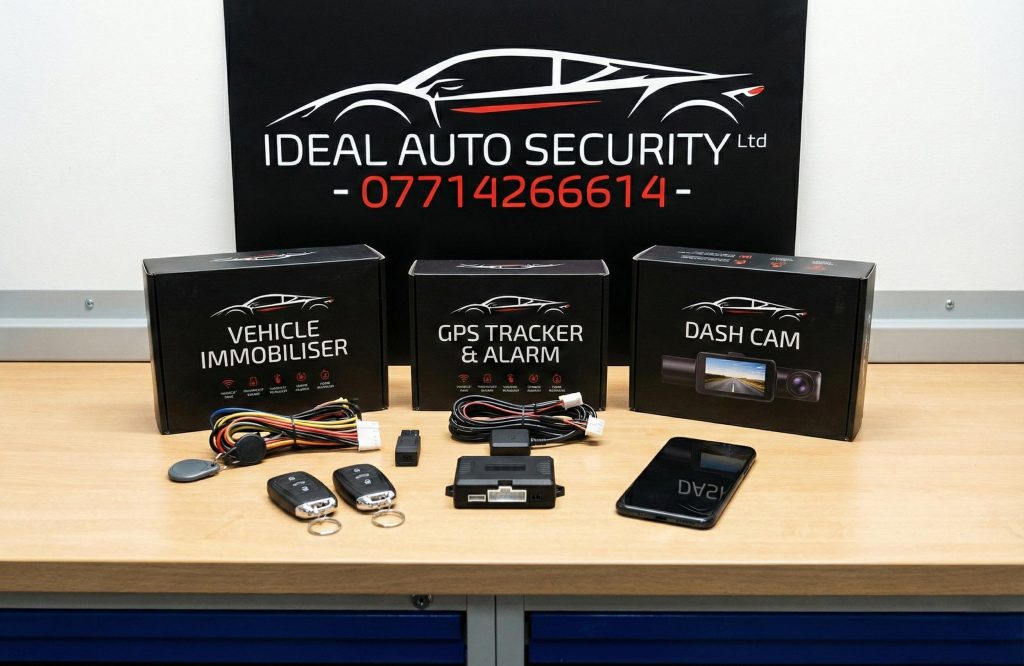
There is also a practical reason to inspect these accessories carefully. Poor installation can result in loose mounting points, damaged trim, electrical problems, or premature corrosion around drilled mounting locations.
Ask for an itemized list showing the manufacturer’s suggested retail price, accessory cost, and installation labor. Compare the dealership’s quotation with the manufacturer’s genuine accessory catalog and independent installers.
If you do not need the additional equipment, request a vehicle without the package or negotiate a reduction in the selling price. Appearance upgrades should be a choice, not an unexpected financial obligation.
7. Dealer-Installed Technology and Protection Bundles
Technology and protection bundles can be among the most expensive additions on a dealership invoice because they combine several products under a single package price. These bundles may include dash cameras, GPS tracking devices, alarm upgrades, remote-start systems, paint protection, window etching, and other electronic accessories.
Although some features provide genuine convenience, buyers should understand exactly what they are purchasing.
A common problem is that the dealership presents the package as one compulsory upgrade rather than listing each component separately. This makes it difficult to determine whether the individual products justify the total charge.
A dash camera, for example, may be useful for documenting road incidents, but its actual retail price can be much lower than the amount charged through a bundled dealership package.
GPS tracking systems require particular attention because some involve continuing subscription fees. The initial installation charge may not include cellular connectivity, tracking services, or renewal costs. Similarly, remote-start systems can have compatibility limitations and may require additional key programming or installation work.
The financial impact becomes greater when the package is included in the auto loan. A $1,500 accessory bundle financed over 60 months at 7% APR would cost approximately $1,485 in interest-free principal repayment plus about $290 in interest, assuming a fully amortizing loan with no additional fees. The total cost would therefore approach $1,790.
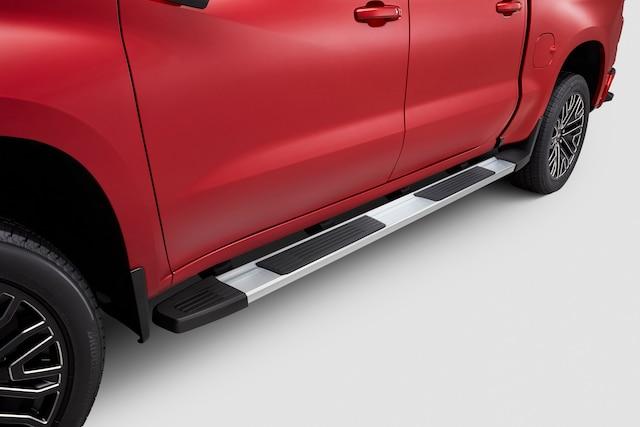
Before signing, request a complete breakdown of the package, including hardware, installation, activation, and recurring subscription charges. Check whether any features are already included in the vehicle’s factory equipment or connected-services plan.
The FTC’s consumer guidance encourages buyers to review all charges and question products they did not request.
If the dealer refuses to remove an unwanted optional bundle, consider another vehicle or dealership. Convenience and security features can be worthwhile investments, but their prices should be transparent, and their benefits should justify the additional expense.