A gear selector should respond predictably every time a driver chooses Park, Reverse, Neutral, or Drive. When its cable, linkage, locking mechanism, or electronic controls fail, the problem can go beyond an inconvenient shifter.
A vehicle may become stuck in Park, refuse to engage a gear, or indicate Park without the transmission actually reaching that position. Some documented failures have also created unintended movement and rollaway risks.
The following nine vehicles have had reported gear-selector or shift-linkage problems addressed through US safety recalls or manufacturer service actions. Not every vehicle of these model years is necessarily affected, so VIN verification is essential.
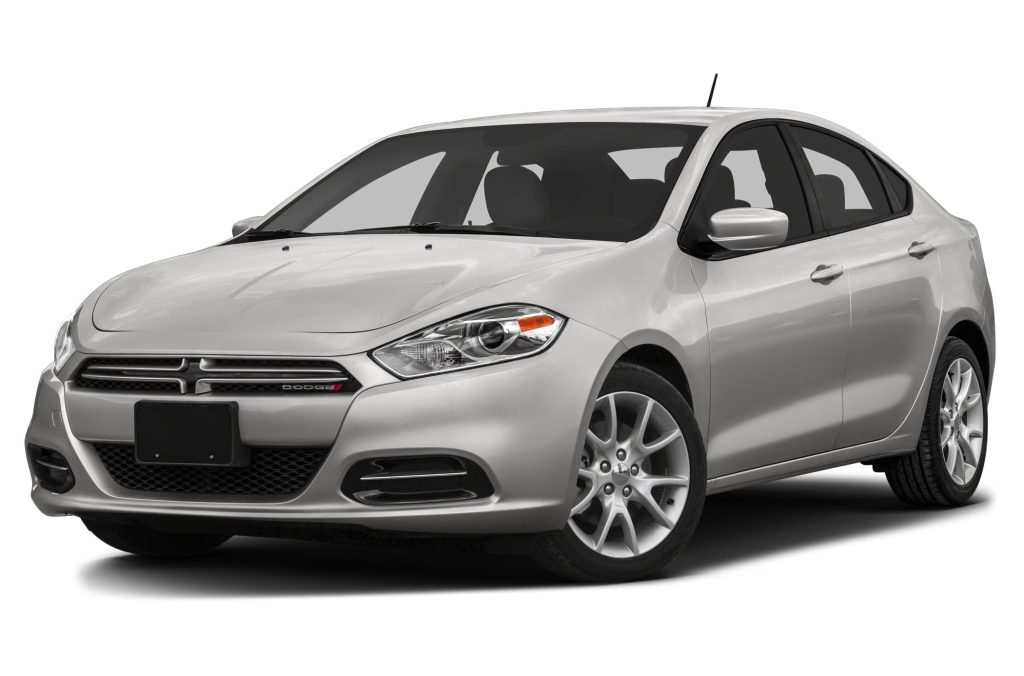
1. 2013-2016 Dodge Dart
The Dodge Dart has a documented shifter-cable problem serious enough to prompt a renewed US safety recall. In October 2025, Stellantis announced NHTSA campaign 25V674 covering certain 2013-2016 examples.
The recall affects approximately 298,439 vehicles, and the reported defect involves the cable connecting the gear selector to the transmission. If the cable detaches, moving the cabin shifter may no longer move the transmission into the selected position.
For the driver, the consequences can be particularly confusing. The selector may be moved toward Park, but the transmission may not actually engage Park. That can leave the car unable to secure itself against rolling.
Depending on when the connection fails, the driver may also find that the transmission does not respond properly when attempting to change gears. This is not simply a loose or unpleasant shifter feel. It is a mechanical connection failure between the control and the transmission.
There is an important history behind this campaign. Certain Dart vehicles had previously been included in recall 19V293 for a related shifter-cable issue. The 2025 action identifies concerns with the earlier remedy, meaning some vehicles that received the previous repair may need another corrective procedure.
Chrysler stated in its NHTSA filing that the new remedy was still under development when the recall was announced. Owners should therefore check the latest status rather than assume an earlier repair permanently resolved the issue.
If the selector suddenly feels unusually loose or the car does not respond as expected, stop somewhere safe and arrange professional assistance. Use the parking brake whenever the vehicle is parked, and follow the manufacturer’s recall instructions. Check the VIN through NHTSA because model year alone does not establish whether a particular Dart is included.
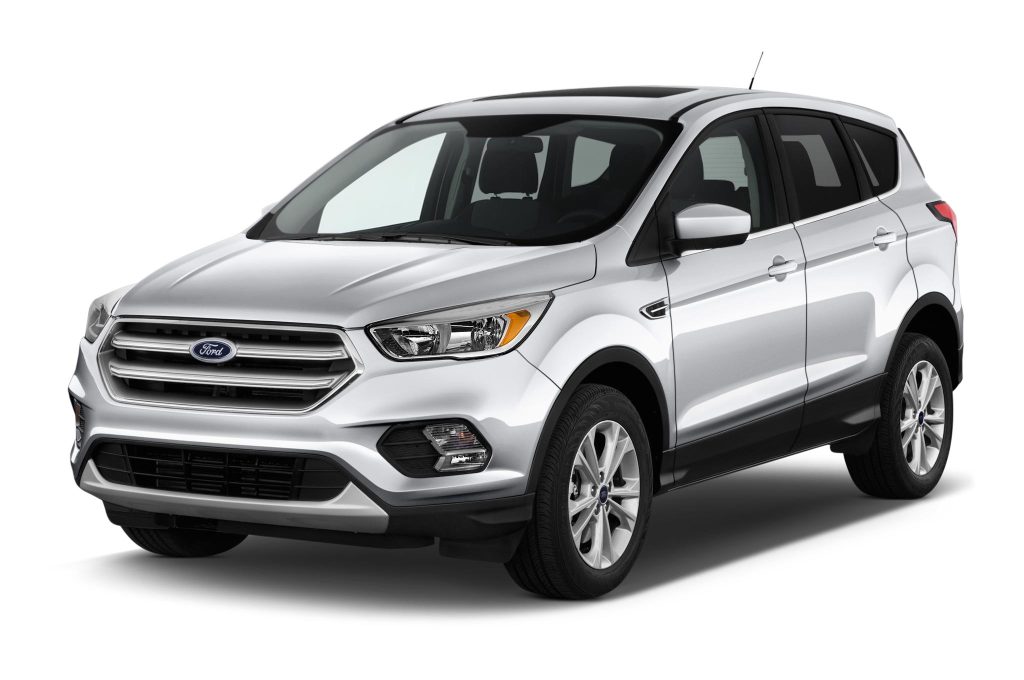
2. 2013-2019 Ford Escape
A small plastic bushing can cause a surprisingly serious problem in an automatic transmission. Ford recalled certain 2013-2019 Escape vehicles under NHTSA campaign 22V413 because the bushing connecting the shifter cable to the transmission could degrade or detach.
The campaign covered nearly 2.93 million vehicles across several Ford nameplates, including the Escape. When the connection fails, the transmission may not enter the gear selected by the driver.
The danger is not limited to being unable to move away from a parking space. A driver could move the selector into park while the transmission remains in another gear.
The vehicle might then roll unexpectedly if the parking brake is not applied. In another situation, the selected gear and actual transmission position could differ, creating an unexpected response when the driver presses the accelerator.
Ford’s recall remedy involved replacing the under-hood shift bushing and installing a protective cap over the shift-cable bushing. The repair was intended to address the connection problem rather than simply adjust the selector inside the cabin.
This distinction matters because a gear lever that appears to move normally does not prove that the transmission linkage is functioning correctly.
Owners should pay attention to unusual selector behavior, including a gear display that does not match the vehicle’s response, unexpected movement, or difficulty selecting the intended gear. These symptoms require prompt attention, although they can also have causes unrelated to the recall.
Not every escape from these model years is automatically included. Ford’s campaign applies to specific vehicles, and the exact eligibility must be confirmed by VIN. Check NHTSA’s recall database or ask a Ford dealer to review the vehicle’s repair history.
If the recall remains open, the manufacturer provides the remedy without charge. Do not rely on a previous owner’s assurance that the work was completed without checking the records.
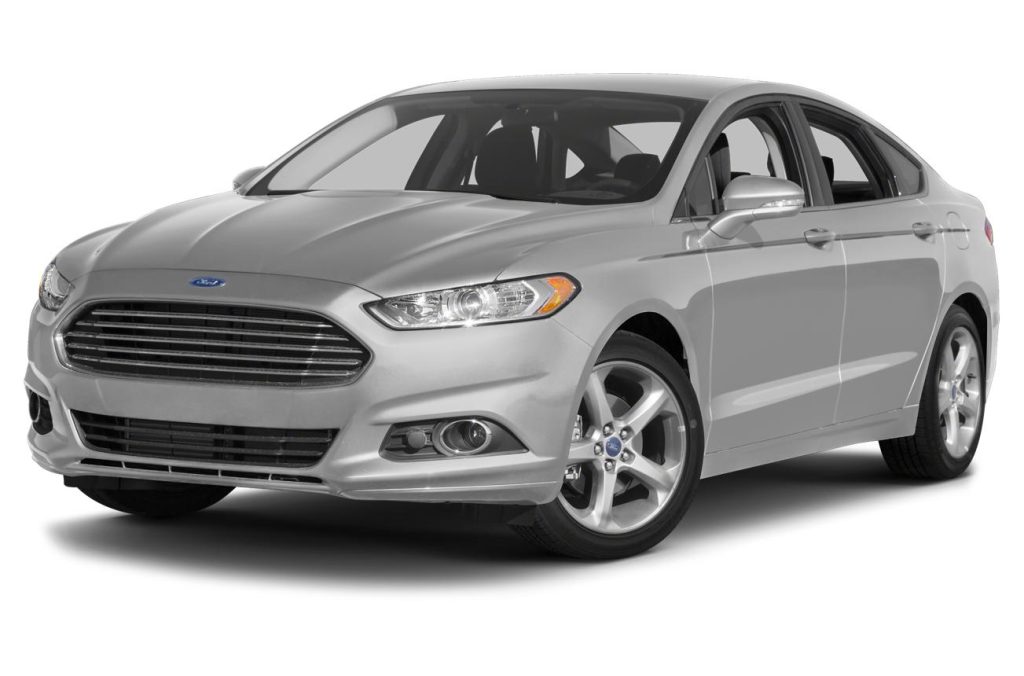
3. 2013-2016 Ford Fusion
The Ford Fusion is another vehicle included in Ford’s large transmission shifter cable bushing recall. The problem affected certain 2013-2016 models, with a particularly important earlier campaign covering some 2.5-liter versions under NHTSA recall 19V362.
Ford later included certain Fusion vehicles in the broader 22V413 campaign. The underlying concern was that the bushing connecting the shifter cable to the transmission could deteriorate and detach.
When that connection separates, the gear lever inside the cabin may no longer control the transmission correctly. A driver could move the selector into park while the transmission remains in another position.
The vehicle might then roll after the driver exits, particularly if the parking brake has not been applied. In other circumstances, the selected gear may not match the actual transmission position, creating unexpected vehicle movement.
One particularly concerning aspect is that the driver may not receive a warning message or audible chime when the transmission is not actually in park. That makes it possible for someone to believe the vehicle is secured when it is not. It also explains why this problem should not be dismissed as a minor shifter inconvenience.
Ford’s recall remedy for campaign 22V413 involved replacing the under-hood shift cable bushing and adding a protective cap. The earlier 2019 campaign also called for replacement of the affected bushing.
Because campaign coverage varies by engine, build date, and VIN, owners should not assume that every Fusion from these years has the same repair requirement.
If the selector feels disconnected, the gear display behaves unexpectedly, or the car does not respond to the selected position, have it inspected rather than continuing to drive. Apply the parking brake whenever parked. Check the VIN with NHTSA or a Ford dealer to establish whether the applicable recall has been completed.
4. 2013-2018 Ford C-Max
The Ford C-Max is less common on American roads than many conventional compact cars, but its inclusion in a major shifter-cable recall makes it relevant to used-car buyers. Certain 2013-2018 C-Max vehicles were included in NHTSA campaign 22V413.
Ford reported that the bushing attaching the transmission shifter cable to the transmission could degrade or detach. If that happened, the gear selected inside the cabin might not correspond with the transmission’s actual position.
This kind of failure can create two very different problems. A driver may find that the vehicle does not respond as expected when selecting a gear, potentially leaving it unable to move.
More seriously, the selector could indicate Park even though the transmission has not engaged Park. The car could then roll after the driver exits, increasing the possibility of a crash or injury.
The risk is particularly easy to underestimate because the cabin selector may continue to move normally. The problem is at the connection under the hood, not necessarily in the lever itself. A smooth-feeling gear selector therefore does not prove that the cable and transmission are communicating correctly.
Ford’s prescribed remedy under recall 22V413 was to replace the under-hood shift bushing and install a protective cap over the connection. The repair was provided without charge for vehicles included in the campaign.
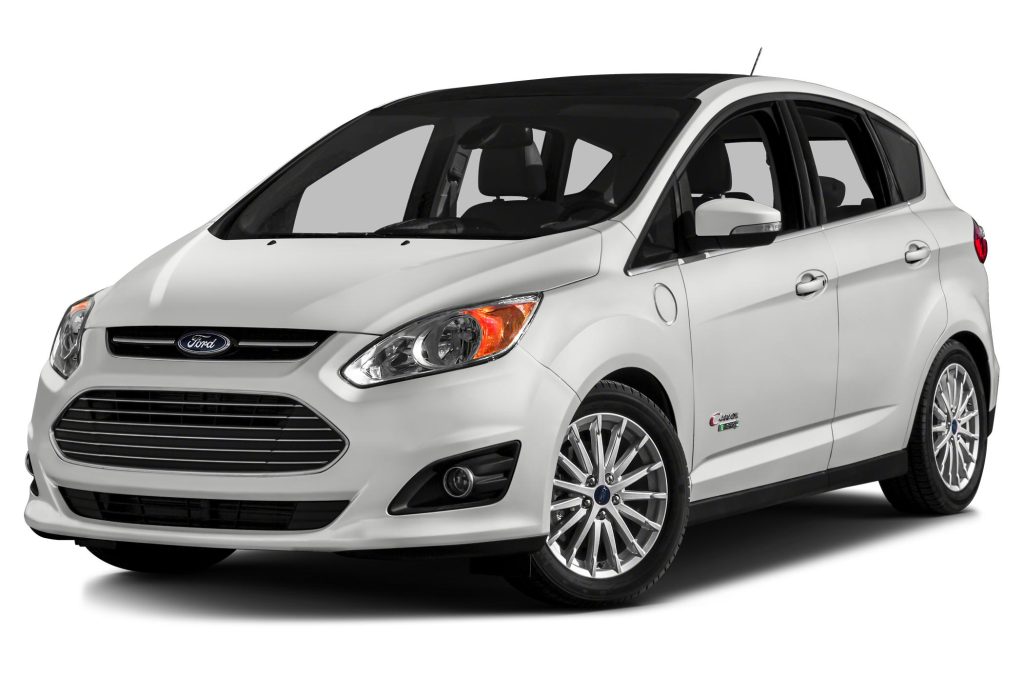
The recall documents identify affected production periods, but not every vehicle within the model-year range is automatically eligible.
When inspecting a used C-Max, ask the seller for documentation showing that the recall work was completed. Do not rely solely on a verbal assurance. Check the VIN through NHTSA’s recall lookup or ask a Ford dealer to review the service history.
If the vehicle develops an unexpected gear-position problem, use the parking brake and arrange professional inspection instead of repeatedly moving the selector to see whether it starts working again.
5. 2013-2021 Ford Transit Connect
A gear-selector problem can be especially disruptive in a commercial van because an unexpected failure may interrupt deliveries, service appointments, or daily business operations.
Certain 2013-2021 Ford Transit Connect vehicles were included in NHTSA recall 22V413, which addressed a deteriorating or detached transmission shifter cable bushing. Ford identified affected vehicles from different production periods, so the full model-year range should not be treated as universally affected.
The bushing connects the gear-selector cable to the transmission. When it becomes damaged or separates, the selector inside the cabin may no longer place the transmission into the intended gear.
A driver could move the lever to park while the transmission remains in another position. The van may then roll unexpectedly if the parking brake is not applied. It may also move in a direction that does not match the driver’s selection.
For a vehicle used to transport tools, packages, or equipment, this creates a practical problem beyond the immediate safety risk. A van that cannot reliably select Drive or Reverse may become unusable until it is inspected and repaired.
A driver who notices an inconsistent gear display or unusual selector response should not continue operating the vehicle in the hope that the problem will disappear.
Ford’s remedy for campaign 22V413 involved replacing the under-hood shift bushing and adding a protective cap. The recall repair was provided free of charge to eligible owners. The campaign’s technical documents list Transit Connect production periods that include 2013-2016 and 2018-2021 vehicles.
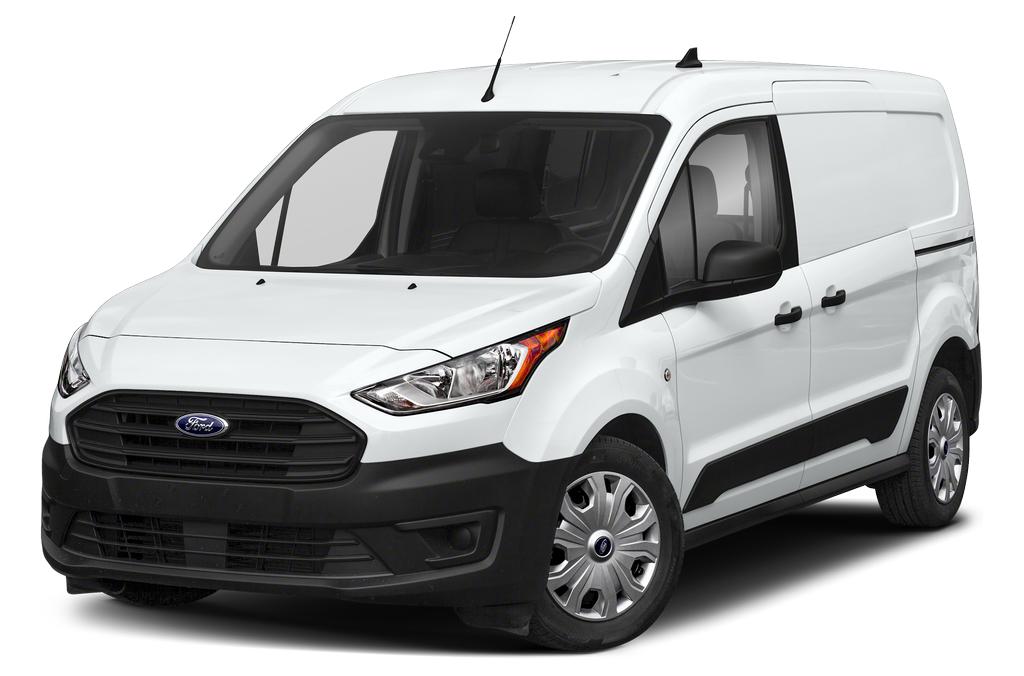
Fleet operators should check every vehicle individually by VIN rather than assuming that vans purchased together have identical recall status. Keep repair invoices with fleet maintenance records, and confirm that the campaign is marked complete in Ford’s system.
Drivers should apply the parking brake whenever they park, particularly if the recall has not yet been addressed. This is a documented safety campaign, not evidence that every Transit Connect has experienced a selector failure.
6. 2015-2018 Ford Edge
The Ford Edge uses a conventional cabin gear selector, but the component that connects it to the transmission can still create a serious problem. Certain 2015-2018 Edge vehicles were included in Ford’s 2022 shifter cable bushing recall, NHTSA campaign 22V413.
The manufacturer reported that the bushing attaching the shifter cable to the transmission could become damaged or detach.
The problem is not necessarily obvious from the driver’s seat. The lever may move through its normal positions even when the connection underneath the hood is no longer functioning correctly.
That can produce a mismatch between the gear selected by the driver and the transmission’s actual position. In a serious situation, the driver may select Park, exit the SUV, and discover that the vehicle has not been secured against rolling.
The same defect can interfere with normal gear selection. If the transmission does not receive the intended command, the vehicle may fail to move as expected or could respond in an unexpected direction.
These are the kinds of symptoms that deserve immediate attention rather than repeated attempts to operate the selector.
Ford’s recall procedure called for replacing the under-hood shift bushing and installing a protective cap over the shift cable connection. The work was intended to prevent the bushing from degrading or detaching. It was a manufacturer-funded recall remedy for vehicles identified as eligible under the campaign.
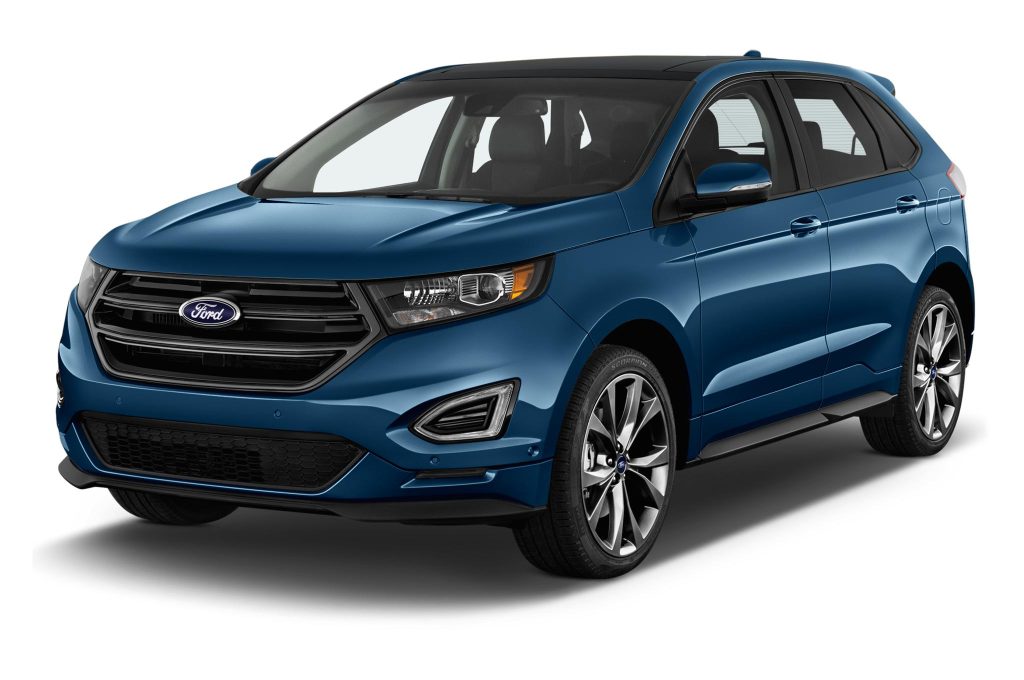
A used Edge should be checked for completed recall work before purchase. Ask for the repair documentation and verify the VIN through NHTSA or a Ford dealership. If the gear indicator and the vehicle’s behavior do not agree, do not assume the issue is an electronic display glitch.
Stop in a safe location, apply the parking brake, and arrange a professional inspection. The campaign applies only to certain vehicles, so a model year by itself is not enough to establish eligibility.
7. 2019 Ford Ranger
Unlike the bushing failures affecting several other Ford models, the 2019 Ranger recall involved the fasteners securing the transmission shift cable bracket to the transmission housing.
Under NHTSA campaign 19V366, Ford recalled certain Rangers because the fasteners could loosen or be missing. That could allow the transmission to remain in a different gear from the position indicated by the cabin selector. The campaign covered approximately 2,534 vehicles.
The consequences could be more serious than a shifter that feels loose. The driver might select Park while the transmission is not actually in Park.
Ford also warned that the ignition key could be removed without an instrument-panel warning or audible chime indicating that the transmission was not secured. If the parking brake was not applied, the pickup could move unexpectedly after the driver exited.
Another possible complication involved restarting the truck. Ford’s owner notification explained that the vehicle might not restart unless the actual transmission position was Park or Neutral.
A driver who believed the selector was correctly positioned could therefore be left with a vehicle that would not start, even though the lever appeared to be in the expected position.
The repair was different from the bushing replacement used in the broader Ford campaign. Dealers were instructed to inspect the transmission shift cable bracket fasteners, tighten them as necessary, and verify proper selector operation. The repair was provided without charge to eligible owners.
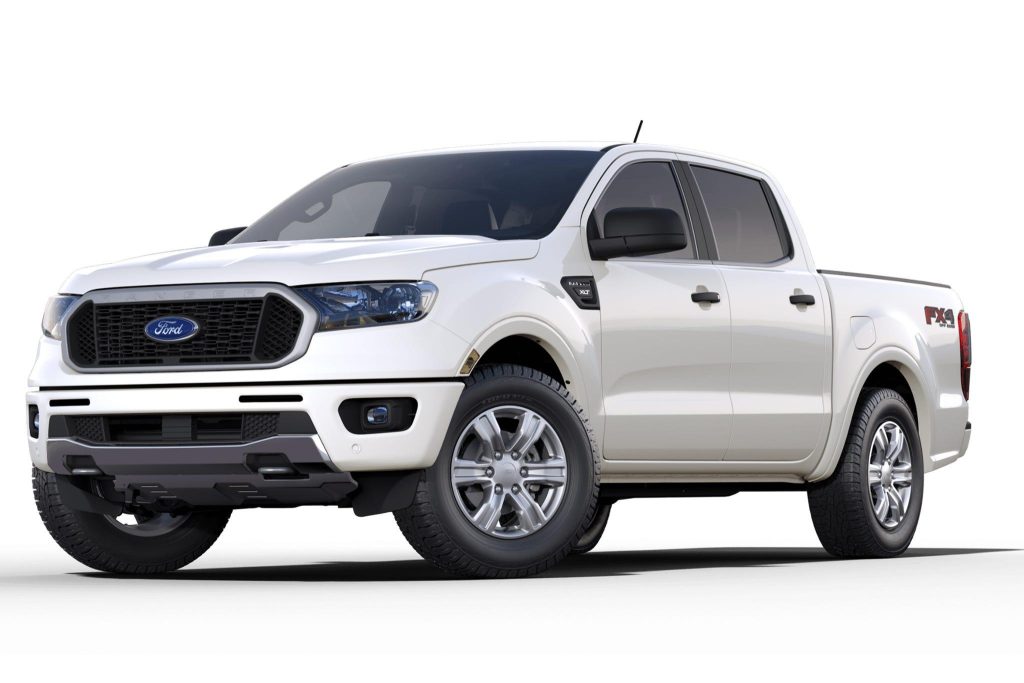
The issue was limited to a specific production period involving certain trucks manufactured at Ford’s Michigan Assembly Plant between March 5 and March 13, 2019. Therefore, buyers should not assume that all 2019 Ranger models are affected by this defect.
Owners should check their VIN before concluding. If the truck’s displayed gear does not match its behavior, avoid driving it until the selector and transmission linkage have been inspected.
8. 2010-2011 Cadillac SRX
A transmission shift cable that is not properly seated can turn an ordinary trip into a situation where the vehicle cannot move or cannot be secured in Park.
General Motors recalled certain 2010-2011 Cadillac SRX vehicles under safety campaign 11348 because the transmission shift cable could have been improperly installed. The cable could come out of its bracket, preventing the driver from shifting the transmission correctly.
The reported consequences were particularly concerning because the problem could affect both starting and gear selection. A driver might be unable to shift the transmission into or out of gear.
In another situation, the vehicle’s gear indication and the actual position of the transmission could become inconsistent. The driver might also be unable to restart the vehicle or select Park correctly.
Unlike a deteriorating plastic bushing, this campaign focused on the cable’s installation and routing. The cable needed to be properly positioned and seated in the transmission cable bracket.
That distinction is useful when discussing the problem because it was not a general claim that every SRX transmission or electronic selector was defective. The recall concerned certain vehicles with a specific assembly issue.
The safety concern extended beyond inconvenience. If the transmission was not actually in Park when the driver exited, the vehicle could roll away.
GM’s instructions therefore emphasized ensuring that the cable was correctly routed and secured. The manufacturer directed dealers to inspect the affected vehicles and correct the installation without charging eligible owners.
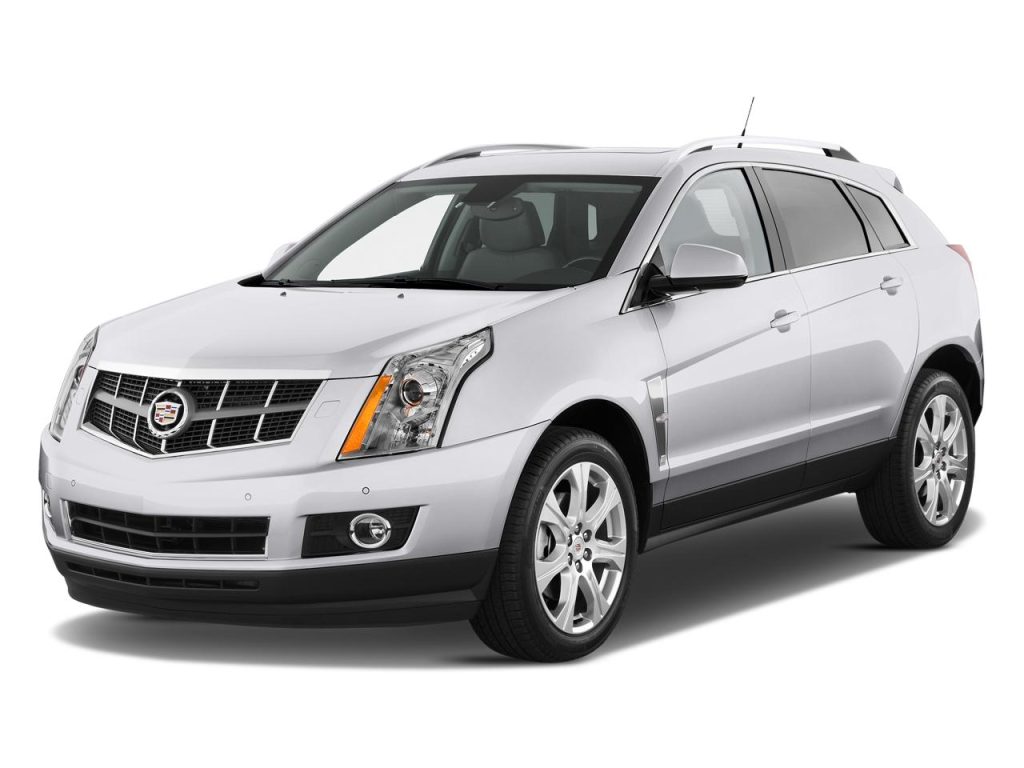
Anyone considering an older example should check whether the campaign was completed. A selector that suddenly refuses to engage a gear, an unexpected mismatch between the display and vehicle behavior, or an inability to restart deserves professional diagnosis.
These symptoms can have multiple causes, so they should not automatically be attributed to this recall. Confirm eligibility using the VIN through NHTSA or a Cadillac dealer, and do not rely only on the model year.
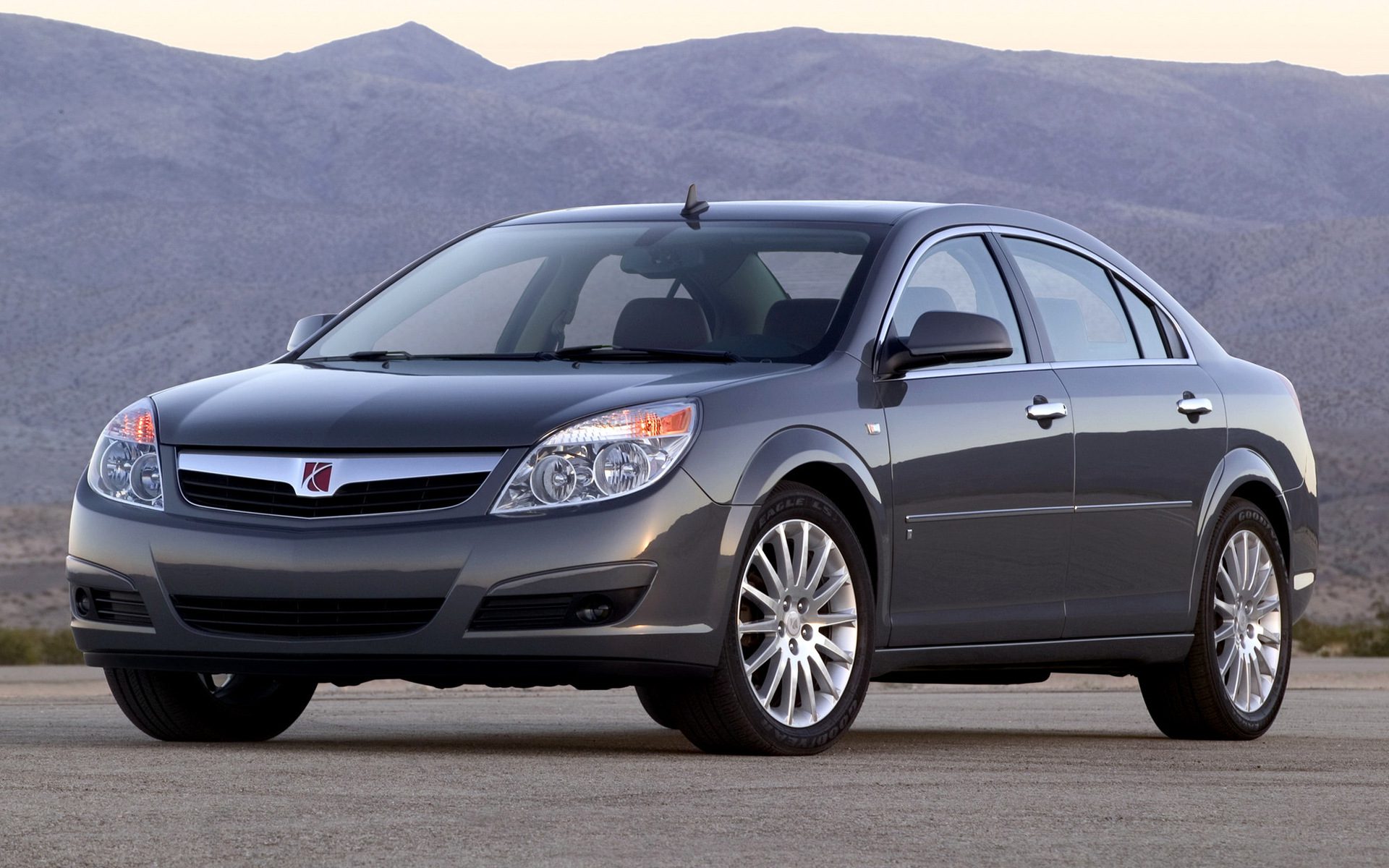
9. 2007-2010 Saturn Aura
A failing shift-cable end fitting can make a gear selector appear to work even when the transmission is no longer following its commands. General Motors addressed this risk through safety recall 12V460, also identified as campaign 12106.
It covered certain 2007-2010 Saturn Aura vehicles equipped with a four-speed automatic transmission. The issue involved locking tabs on the transmission shift cable that could fracture and separate.
Once those tabs break, the cabin selector and the actual transmission position may no longer match. A driver could move the lever to Park and remove the ignition key while the transmission remains in another gear.
The vehicle might then roll after the driver exits. GM also warned that the problem could prevent the vehicle from restarting, leaving an owner unable to continue a journey.
According to the recall documents, early symptoms included trouble shifting into certain gears or removing the ignition key, which could indicate that the cable was starting to break. If these warning signs were overlooked, the damage could worsen and eventually result in a complete loss of shifting capability.
This makes an inconsistent or increasingly difficult selector more than a minor annoyance on an affected vehicle.
GM’s recall remedy involved installing a retainer over the transmission shift cable end fitting. If the tabs had already fractured, the dealer was required to replace the shift cable. The repair was provided without charge to owners of eligible vehicles.
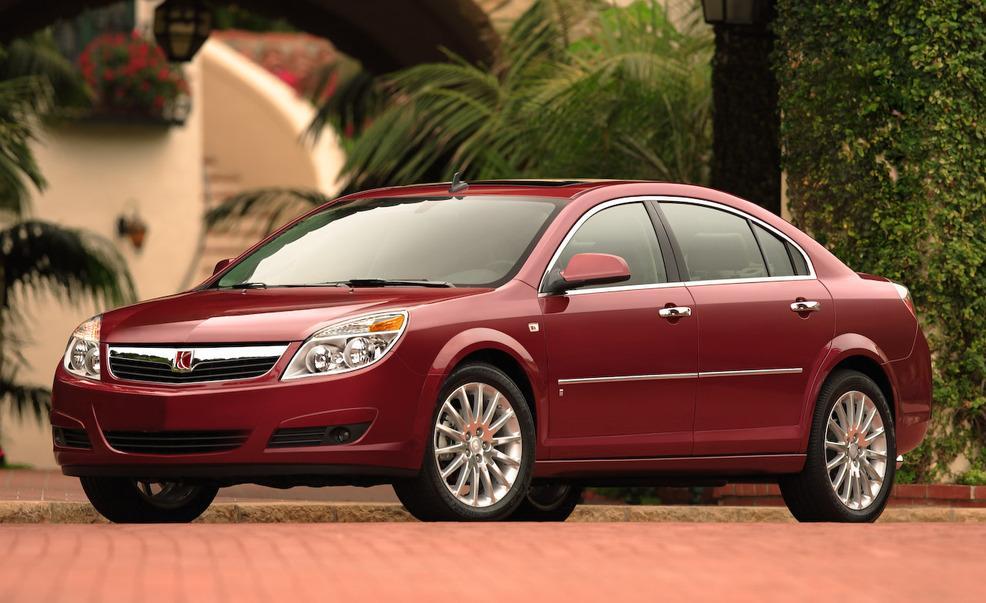
The campaign also covered certain other GM models and vehicles fitted with suspect replacement cables, but this entry focuses on the specific model named in the title.
Because these vehicles are now older, buyers should pay particular attention to documented recall history. Ask for proof of the completed repair and have the selector inspected if it feels unusually loose or difficult to operate.
Check the VIN with NHTSA or GM before assuming that the vehicle was included or repaired. Always apply the parking brake when leaving the vehicle.