A truck’s exhaust system does much more than carry fumes away from the engine. It can include exhaust manifolds, diesel particulate filters, catalytic converters, selective catalytic reduction equipment, sensors, and complex emissions-control hardware.
When one of these components fails, the repair bill can climb quickly, particularly on modern diesel pickups. Parts availability, labor time, engine configuration, and the need to replace integrated assemblies all affect the final price.
These seven trucks illustrate where exhaust-related repairs can become expensive, what components deserve attention, and why getting an accurate diagnosis matters before approving a costly replacement.
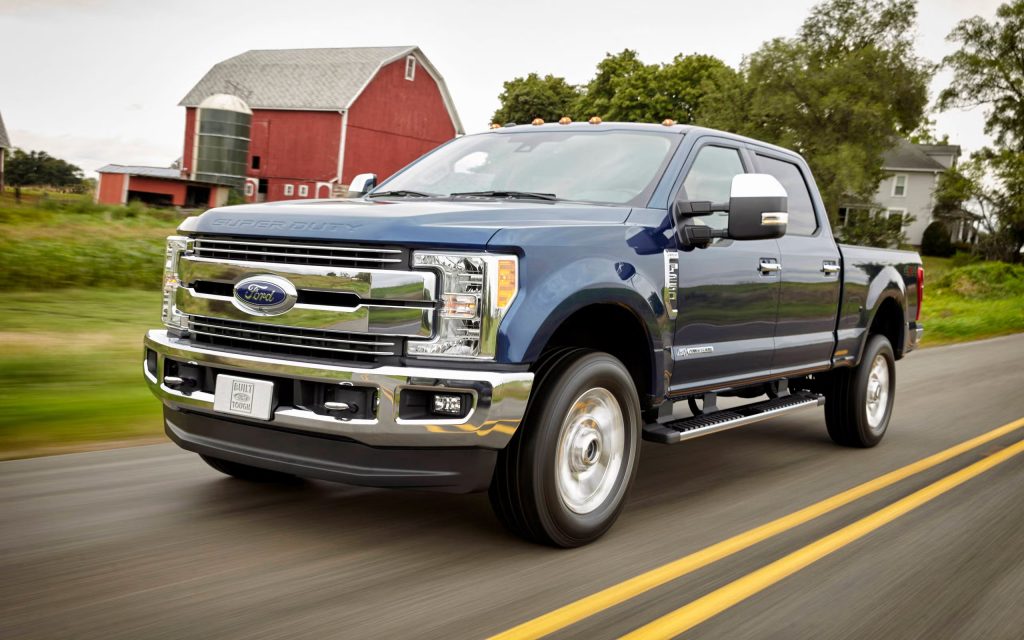
1. Ford F-250 Super Duty
The 6.7-liter Power Stroke diesel gives the F-250 substantial towing capability, but its emissions equipment can make an exhaust repair particularly expensive. One component to watch is the diesel particulate filter (DPF), which captures soot before exhaust gases leave the tailpipe.
The filter periodically burns off accumulated soot through a process called regeneration. Over time, however, noncombustible ash remains inside and may require professional cleaning. If the filter is cracked, melted, or too restricted to restore, replacement may be necessary.
The repair bill can be substantial. A 2026 cost guide from Empire Auto Protect places DPF replacement on Ford F-250 and F-350 trucks with the 6.7-liter Power Stroke at approximately $3,500 to $7,000, including parts and labor.
This is an industry estimate rather than a guaranteed Ford dealer quote. The actual price depends on model year, parts selection, labor rates, and whether related sensors or exhaust components also need attention.
Drivers should pay attention to repeated exhaust-filter warnings, frequent regeneration requests, reduced engine power, or a check engine light. These symptoms do not automatically mean the DPF itself has failed.
A faulty sensor, excessive soot production, or an engine problem can also prevent successful regeneration. Replacing the filter without identifying the cause may lead to another expensive repair.
Ford Super Duty buyers should also verify whether a particular truck has an outstanding emissions-related warranty or service coverage.
Before approving a replacement, ask the shop to check diagnostic codes, exhaust pressure readings, and the condition of the filter. A proper diagnosis can distinguish a cleanable filter from one that genuinely needs replacement.
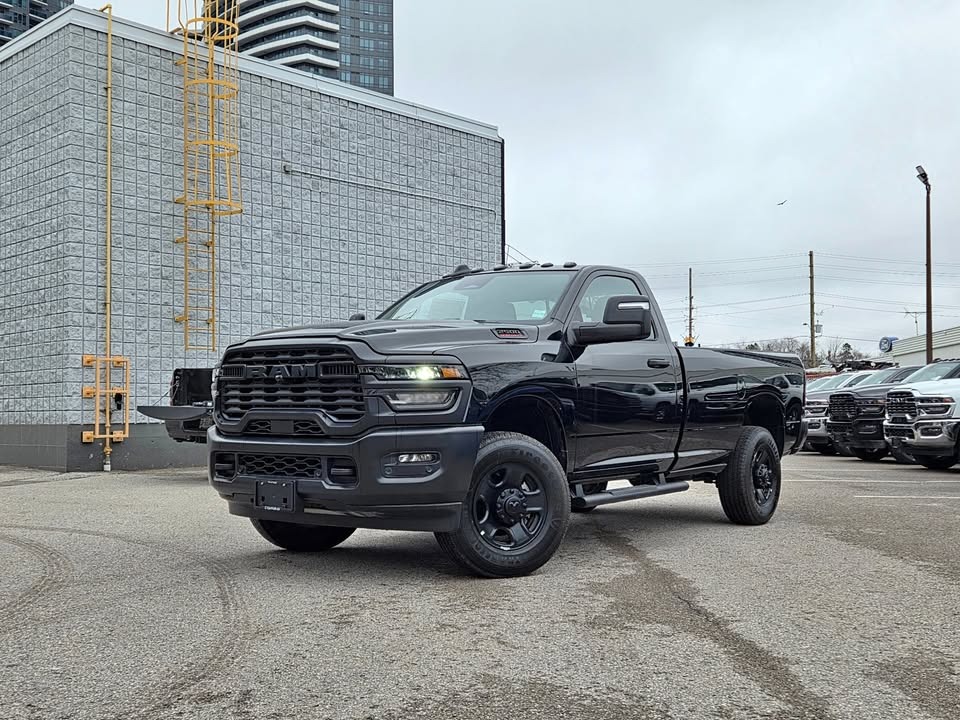
2. Ram 2500
The Ram 2500 equipped with the 6.7-liter Cummins diesel uses an exhaust aftertreatment system that can become costly when its particulate filter or related components develop problems.
The system includes a diesel particulate filter and selective catalytic reduction equipment, which works with diesel exhaust fluid (DEF) to reduce emissions. These parts operate together, so a warning that appears to involve the filter may require checks of sensors, DEF delivery, and the wider emissions system.
A DPF replacement estimate for Ram 2500 and 3500 trucks with the 6.7-liter Cummins can reach approximately $3,000 to $6,500, according to Empire Auto Protect’s 2026 cost guide. That is a broad estimate, not a fixed price for every model year or repair shop.
The final bill can change with the filter assembly, labor requirements, and any additional parts found to be defective.
There is also a documented example of a model-specific issue. Stellantis issued Technical Service Bulletin 25-005-24 for certain 2022 and 2023 Ram 2500 and 3500 pickups with the 6.7-liter Cummins.
It addresses a condition involving overly frequent DPF regeneration, a malfunction indicator lamp, and possible reduced engine performance. The bulletin’s prescribed repair includes DPF replacement when the specified fault code is present. This does not mean every truck from those years is affected, so eligibility must be checked by VIN.
Frequent regeneration, a persistent emissions warning, or reduced power deserves a proper diagnostic inspection. Ask the technician to identify whether the problem is soot accumulation, ash loading, a sensor fault, or another emissions-system issue.
Cleaning may be possible in some cases, but a damaged filter cannot be restored through regeneration alone.
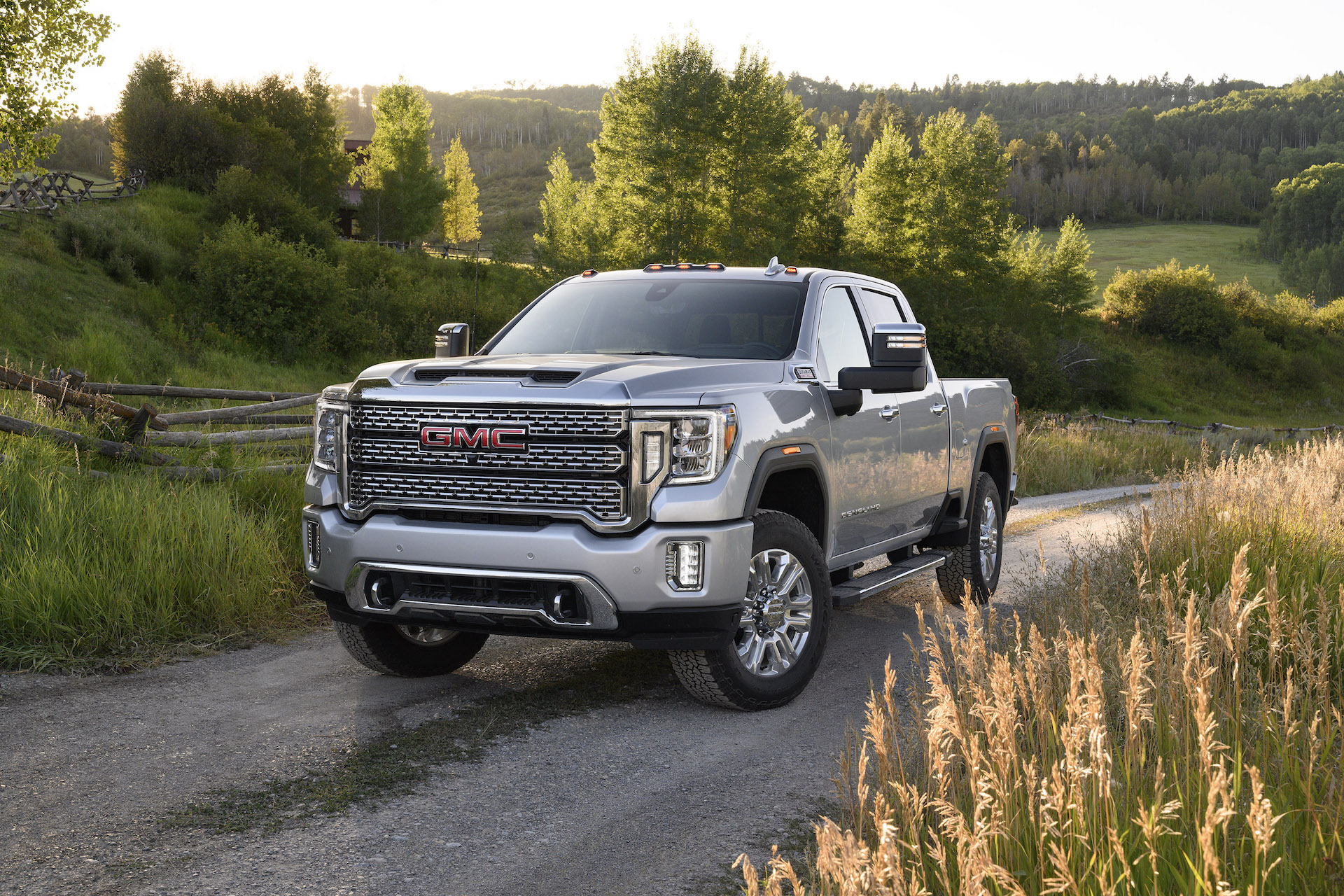
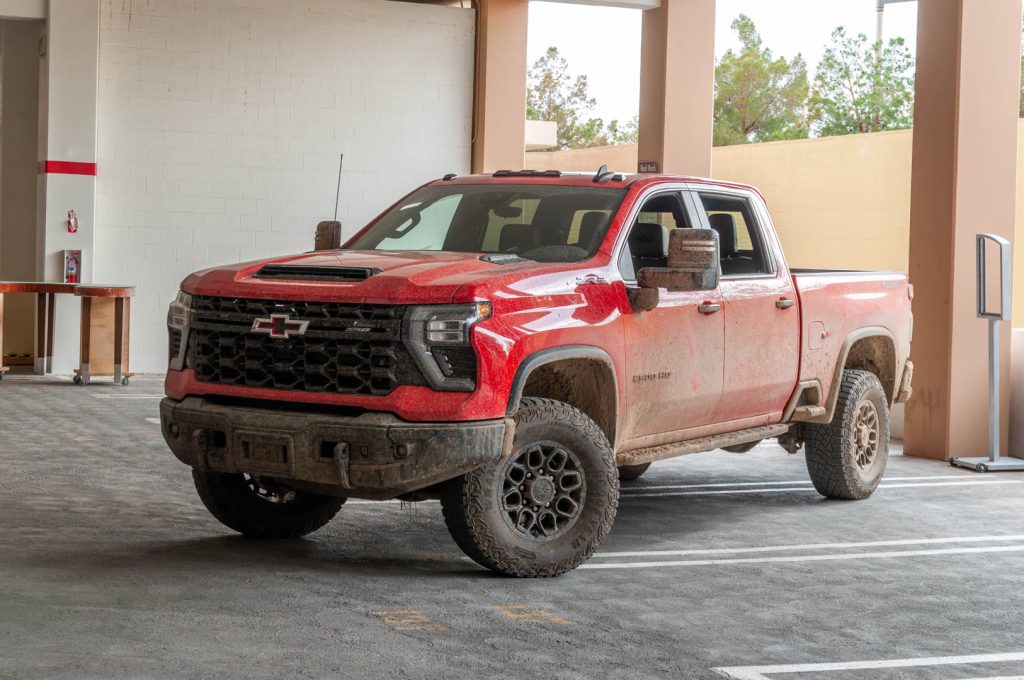
3. Chevrolet Silverado 2500HD
The Chevrolet Silverado 2500HD with the 6.6-liter Duramax diesel has an emissions system designed to handle the demands of heavy-duty work.
Its diesel particulate filter captures soot, while the selective catalytic reduction system uses diesel exhaust fluid to help reduce nitrogen oxide emissions. When the DPF becomes damaged or excessively restricted, the repair can cost several thousand dollars.
A 2026 repair-cost guide estimates DPF replacement on Chevrolet and GMC 2500HD trucks with the 6.6-liter Duramax at approximately $3,200 to $6,800, including parts and labor. This is a broad industry estimate, not a manufacturer-published price or a guaranteed quote for every model year.
The actual cost depends on the truck’s emissions configuration, the replacement assembly, labor rates, and whether sensors or related components also need attention.
A DPF warning does not automatically mean the filter needs to be replaced. Short trips, interrupted regeneration cycles, excessive soot production, or a faulty pressure sensor can contribute to filter-related warnings.
A technician should check the diagnostic trouble codes, differential pressure readings, and regeneration history before recommending an expensive assembly.
Older trucks may also develop exhaust leaks, particularly around the manifold and its connecting points. According to RepairPal, replacing the exhaust manifold on a Silverado 2500HD is estimated to cost between $651 and $838 across the model years listed. Actual expenses can vary depending on the truck’s year and condition. Corroded components and broken mounting bolts can also make the repair more difficult and drive up labor costs.
For owners who tow frequently, ignoring an emissions warning can lead to reduced engine power and disrupted work schedules. Get the system diagnosed early, and ask whether professional DPF cleaning is a suitable option before approving a full replacement.
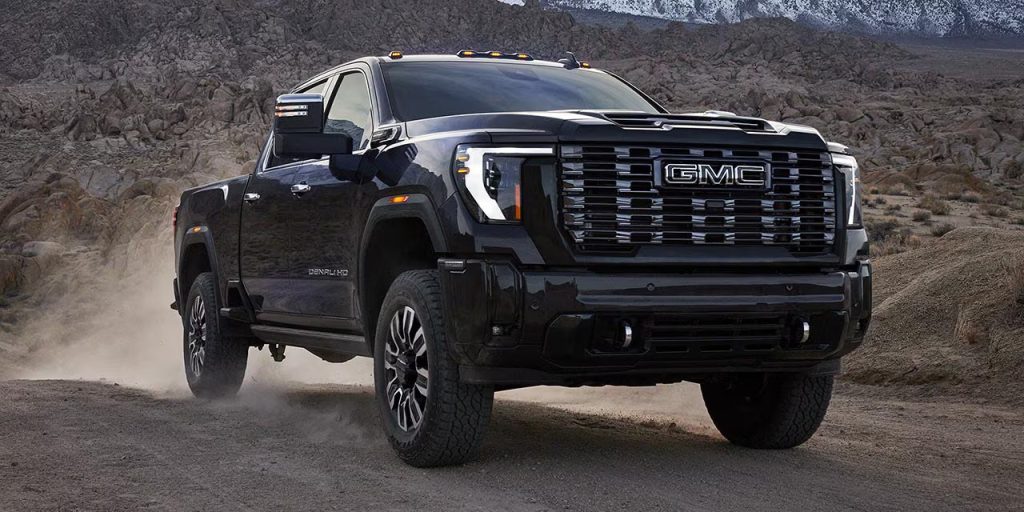
4. GMC Sierra 2500HD
The GMC Sierra 2500HD shares its 6.6-liter Duramax diesel powertrain and much of its emissions hardware with the Chevrolet Silverado HD. That means owners face similar potential repair costs when the diesel particulate filter, sensors, or exhaust aftertreatment equipment develops a fault.
The total repair cost can extend well beyond the price of the filter. Diagnostic work, removal and installation, replacement hardware, and any necessary sensor repairs can all contribute to a higher final bill.
For the Duramax-powered Chevrolet and GMC 2500HD family, a 2026 repair-cost guide places a DPF replacement at approximately $3,200 to $6,800, including parts and labor. The estimate should be treated as a planning range rather than a fixed Sierra-specific price.
Model year, emissions package, parts availability, and local labor rates all influence the final amount.
One reason these repairs can become complicated is that the aftertreatment system relies on several components communicating correctly. Exhaust temperature sensors and pressure sensors help the engine computer monitor conditions and manage regeneration.
If one sends inaccurate information, the truck may report an emissions fault even when the filter is not physically damaged. Replacing the DPF before checking those components can mean spending thousands without addressing the actual cause.
Owners should take repeated regeneration messages, a persistent check-engine light, or a reduced-power warning seriously. Ask the repair shop to provide the fault codes and explain which test confirms the failed component.
If the filter is simply loaded with soot, a manufacturer-approved regeneration procedure or professional cleaning may be possible. If it is cracked, melted, or contaminated with excessive ash, replacement may be the appropriate repair.
A careful diagnosis is especially important on a work truck. The right repair can prevent repeat visits and help avoid unnecessary downtime.
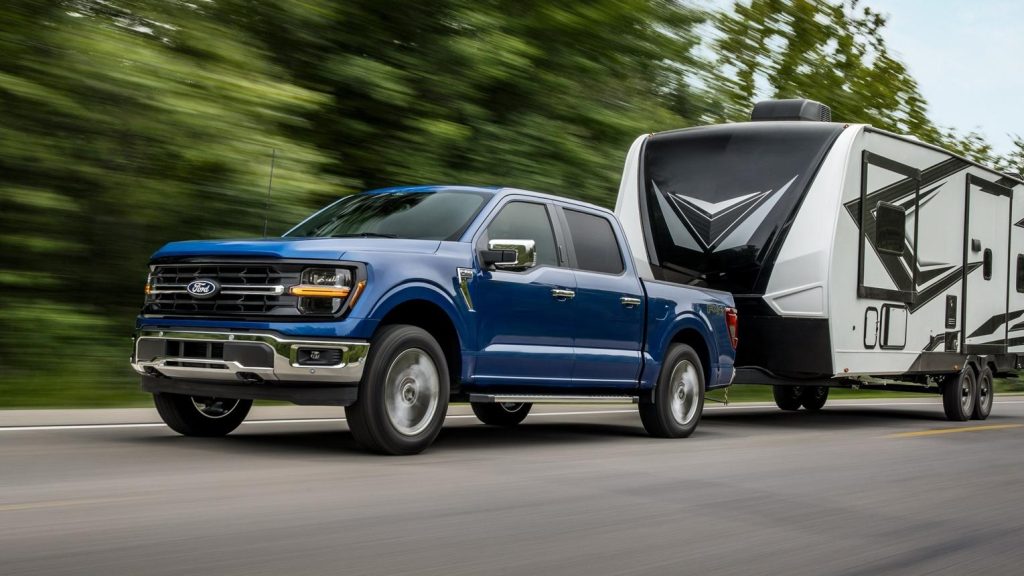
5. Ford F-150
The Ford F-150 may not have the same heavy-duty diesel aftertreatment equipment as a Super Duty, but its gasoline engines still have exhaust components that can generate expensive repair bills.
The exhaust manifold is particularly important because it collects hot gases from the engine cylinders and directs them toward the rest of the exhaust system. On turbocharged EcoBoost engines, exhaust leaks around the manifold and turbocharger connections can also affect performance.
RepairPal’s September 2026 estimate places an F-150 exhaust manifold replacement at approximately $886 to $1,152 across its listed model range. However, the price changes considerably by model year.
Its estimates for certain 2017 through 2020 trucks reach approximately $1,543 to $2,008, before taxes and fees. The difference shows why owners should obtain a quote for their exact year and engine rather than relying on a general average.
A cracked manifold or damaged gasket may produce a ticking sound, particularly when the engine is cold. Some drivers also notice exhaust fumes, reduced performance, or a check engine light.
These symptoms are not exclusive to manifold damage, so a technician should inspect the exhaust connections and check for leaks before recommending replacement.
The catalytic converter is another potential expense. RepairPal estimates an F-150 catalytic converter replacement at approximately $1,591 to $1,656, including parts and labor. That figure excludes taxes and fees and can vary with the vehicle’s configuration.
Do not replace a catalytic converter simply because an efficiency-related fault code appears. An exhaust leak, faulty oxygen sensor, or engine-running problem may be responsible. Identifying the original cause matters because an unresolved engine fault can damage a replacement converter.
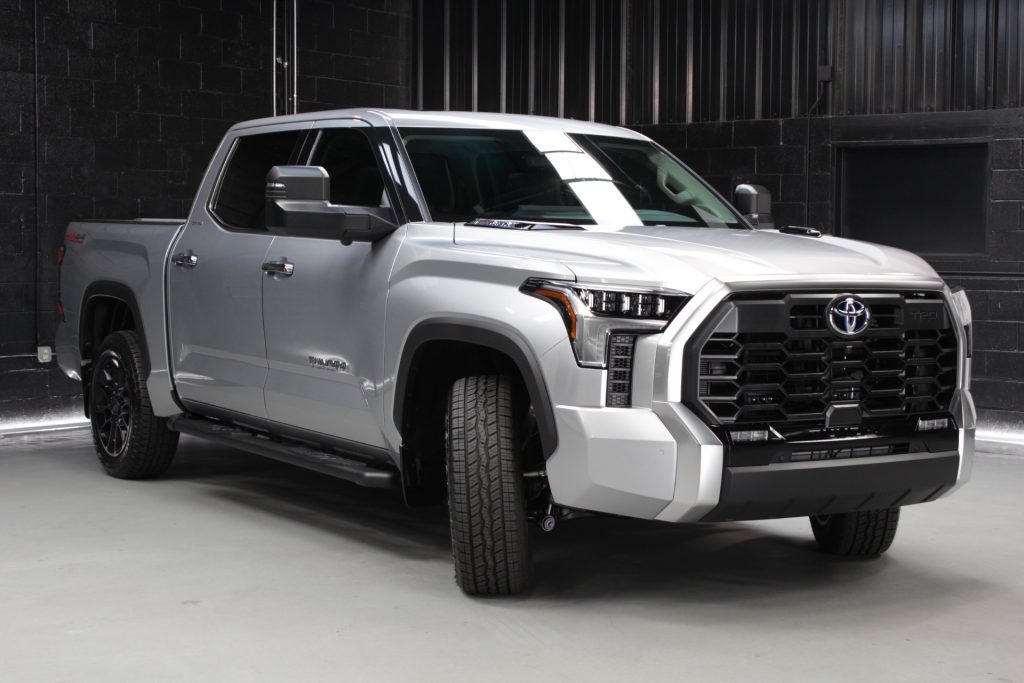
6. Toyota Tundra
The Toyota Tundra has a reputation as a full-size workhorse, but catalytic converter replacement can still become a significant ownership expense. Its exhaust system uses catalytic converters to reduce harmful emissions before gases exit the tailpipe.
These components contain precious metals and can be costly to replace, particularly when the repair involves more than one converter or requires additional exhaust work.
According to RepairPal’s September 2026 estimates, replacing the catalytic converter on a 2026 Tundra costs approximately $2,187 to $2,324, including parts and labor. Older models have considerably different estimates, with 2018 to 2021 Tundras ranging from approximately $3,471 to $3,516. These figures highlight how repair expenses can vary significantly depending on the model year.
These are model-year-specific estimates, not universal prices for every engine or configuration. Taxes, fees, and additional repairs are not included.
A failing converter may trigger a check-engine light, reduce engine performance, or produce a rattling sound if its internal structure breaks apart. However, an efficiency code does not prove that the converter itself is defective.
An oxygen sensor problem, exhaust leak, or incorrect air-fuel mixture can produce similar warnings. A proper diagnosis should include checking the relevant sensors and examining the exhaust system.
The Tundra can also face manifold-related repair costs. RepairPal lists an estimated $1,419 to $1,771 for exhaust manifold replacement across its model range, although the exact amount depends on the year.
Owners should avoid delaying repairs when an exhaust leak or converter fault is confirmed. Apart from emissions and drivability concerns, ignoring an underlying engine problem can damage replacement parts. Ask the repair shop to identify the failed component and explain why replacement is necessary.
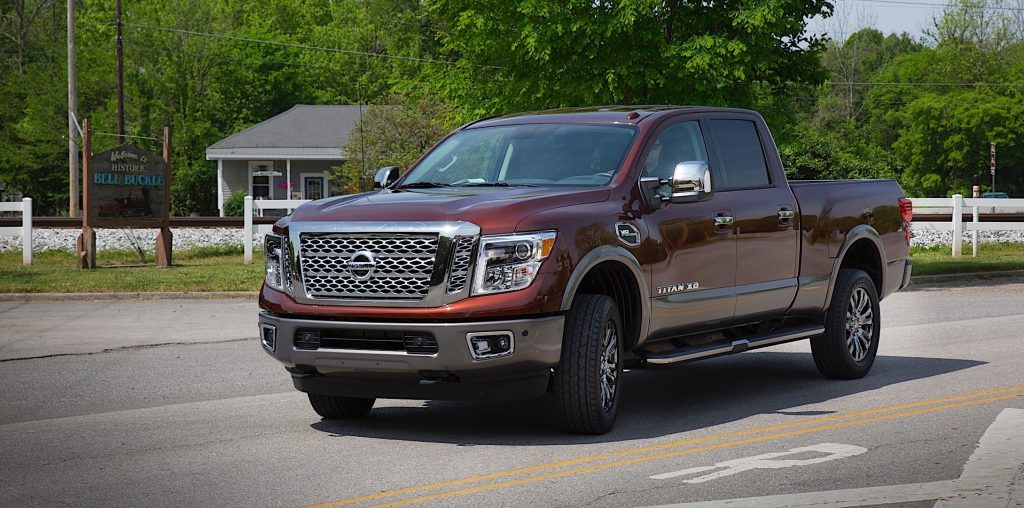
7. Nissan Titan
The Nissan Titan deserves attention because exhaust manifold repairs can be unusually expensive on certain second-generation models. Its 5.6-liter V8 uses exhaust manifolds to collect gases from the cylinders before directing them into the exhaust system.
A cracked manifold, leaking gasket, or damaged mounting hardware can create noise and allow exhaust gases to escape before reaching the catalytic converters.
RepairPal’s September 2026 estimates put exhaust manifold replacement on a 2023 Titan at approximately $4,755 to $5,908, excluding taxes and fees. The estimate includes a substantial labor component, listed at roughly $2,452 to $3,598.
That helps explain why this repair can cost far more than replacing a simple exhaust pipe or muffler. The estimate is specific to the listed model year and should not be applied automatically to every Titan.
Access is an important part of the expense. Exhaust components operate under repeated heating and cooling cycles, which can make fasteners difficult to remove.
If studs break or surrounding parts need to be moved for access, labor can increase. Some manifold designs also place catalytic converter components close to the engine, making the repair more involved.
Drivers may notice a ticking noise during cold starts, an exhaust smell, or unusual engine noise under acceleration. These symptoms do not confirm a cracked manifold by themselves. A technician should inspect the manifold, gaskets, fasteners, and nearby exhaust connections to locate the leak.
The catalytic converter can add another bill if it also needs replacement. RepairPal estimates a Titan catalytic converter replacement at approximately $1,033 to $1,184, although the exact cost varies by year and configuration.
For Titan owners, getting a detailed written estimate is particularly important. Ask whether the quoted repair includes broken-stud removal, new gaskets, and any necessary converter work.