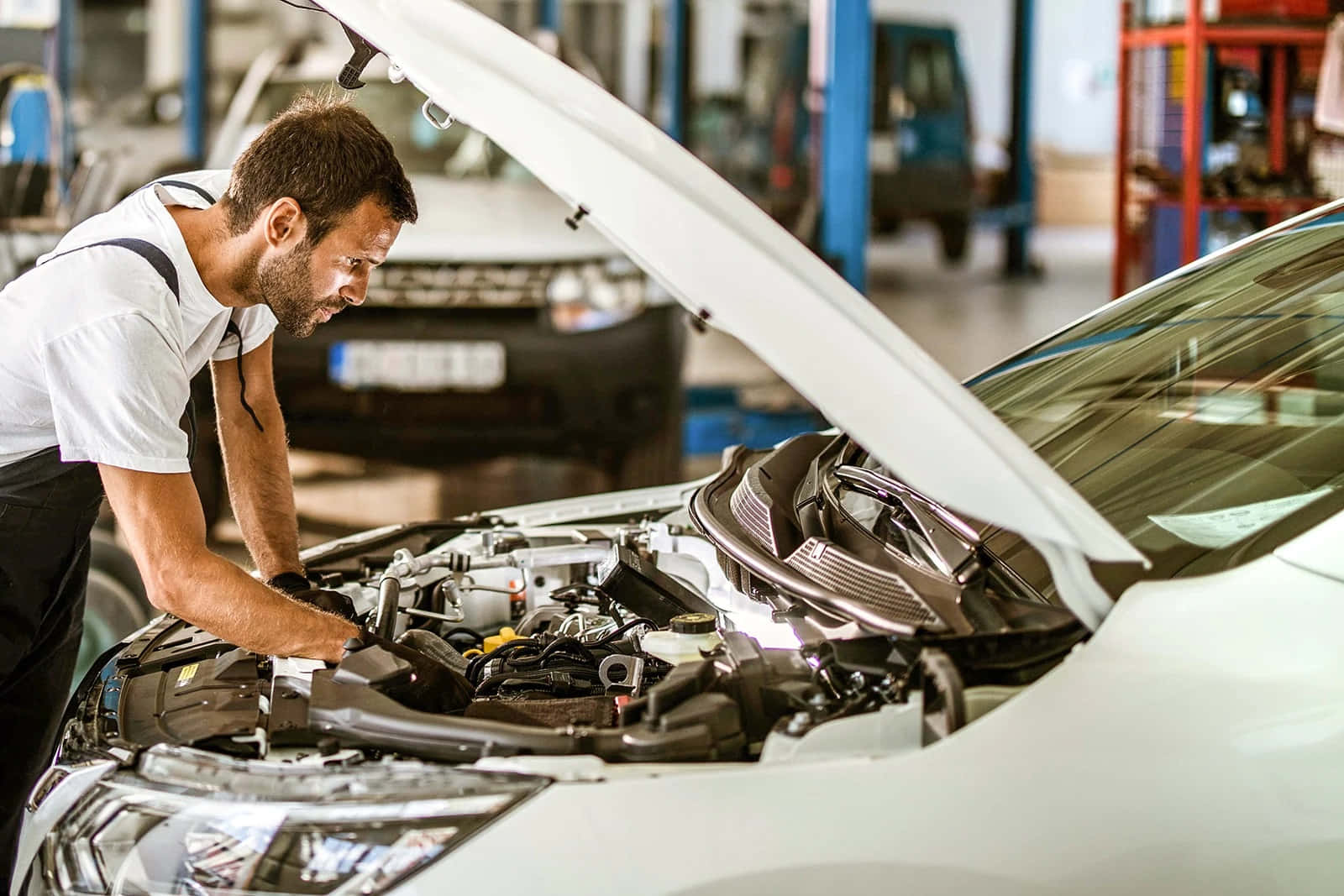
A major car repair does not always require buying every replacement component brand-new. In many cases, a professionally inspected used Original Equipment Manufacturer (OEM) part can restore a vehicle while costing considerably less than a new factory replacement.
These parts are recovered from other vehicles, allowing owners to obtain genuine components designed for the same manufacturer and model. However, condition, mileage, compatibility, warranty coverage, and installation costs all matter.
The following nine repair categories show where recycled OEM parts may offer worthwhile savings, along with precautions drivers should consider before approving their installation.
1. Damaged Hood Replacement
A damaged hood can be an expensive consequence of a front-end collision, but buying a brand-new factory panel is not always necessary. If the original hood is badly creased, bent, or unable to close securely, a recycled OEM replacement from a compatible donor vehicle may offer a more affordable repair.
One advantage of choosing a used original hood is that it was made specifically for the same vehicle model. Unlike some inexpensive aftermarket replacements, it retains the factory-designed mounting points, shape, and dimensions intended to ensure a proper fit.
That can make achieving correct alignment easier, although the replacement still needs careful inspection and adjustment.
There is measurable evidence that this approach can reduce parts costs. LKQ’s 2024 Sustainability Report compared a new OEM hood for a 2021 Chevrolet Equinox, listed at $1,117, with a recycled version priced at $625.
The report showed a 44% saving against the new factory part. These figures are an illustrative comparison from March 2025, not a guaranteed price for every vehicle or repair.
Before purchasing, inspect the replacement for dents, corrosion, damaged edges, and signs of previous repairs. Check whether it includes hinges, insulation, a latch, or other hardware, because some salvage listings cover only the bare panel. The donor vehicle’s year, trim, and equipment can also affect compatibility.
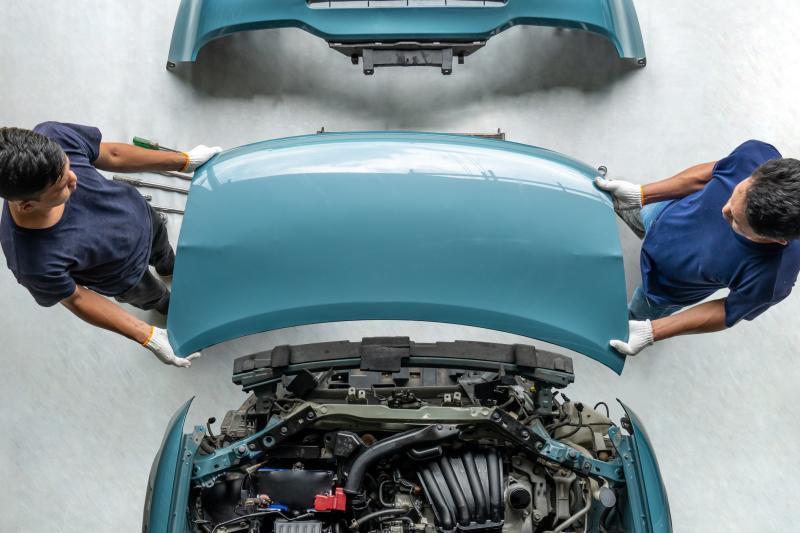
Do not overlook paint and labor. A hood in the correct factory color may reduce refinishing expenses, but paint can fade differently over time, so a perfect match is not guaranteed. Ask the body shop to compare the complete installed cost against a new OEM panel.
When the used part is straight, compatible, and properly warranted, it can be a sensible way to lower a collision repair bill.
2. Door Replacement After Collision Damage
Replacing an entire car door can involve more than repairing a dent. A serious impact may damage the outer panel, internal structure, hinges, window mechanism, or mounting points. When the damage makes replacement necessary, a used OEM door assembly can sometimes cost less than purchasing a new factory door and transferring its components.
The potential savings depend heavily on what comes with the donor door. Some salvage yards sell a complete assembly with the window glass, regulator, wiring, mirror, handle, and interior trim. Others provide only the door shell.
A complete assembly may reduce the number of parts that need to be purchased separately, but only if its equipment matches the vehicle being repaired.
Compatibility deserves particular attention. A door from the same model name may still differ by model year, body style, trim level, wiring configuration, or available features. Power windows, keyless entry, side-impact equipment, and other electronics can complicate an apparently straightforward swap.
The repair shop should verify the donor part using the vehicle identification number and applicable parts information before ordering.
A used door should never be accepted simply because it looks good in a photograph. Ask for clear images of its edges, hinges, seams, and lower sections. Check for rust, previous collision repairs, water damage, and distorted mounting points.
If the donor vehicle suffered a side impact, the shop should establish that the replacement door itself was not compromised.

There can be additional savings when the paint color is close to the original, although a professional paint assessment is still necessary. Get a written quote covering the door, transferred hardware, paint, installation, and any required electronic work.
A properly sourced recycled OEM door can reduce the parts bill without sacrificing the factory-designed fit, provided its condition and specifications are verified first.
3. Front Fender Replacement
A damaged front fender is one of the more straightforward body components to replace with a recycled OEM part. It sits around the front wheel opening and helps shape the vehicle’s exterior. A collision can leave it dented, creased, or badly scratched, and repairing extensive damage may cost more than fitting another panel.
A used factory fender can be an attractive alternative because it was originally manufactured for the vehicle’s design. Recycled parts suppliers such as LKQ list fenders among their available OEM collision components, alongside hoods, doors, and trunk lids.
These parts are removed from donor vehicles, inspected, and cleaned before being offered for resale.
The important step is matching the exact application. Fenders can differ between model years, body styles, trim packages, and production revisions. Some vehicles also have different openings or mounting arrangements for side markers, cameras, or other equipment. A body shop should confirm the part number or VIN compatibility before ordering.
Inspect the panel carefully for rust around its lower edge, dents near mounting points, cracked seams, and evidence of previous repairs.
Even a small distortion can make it difficult to achieve consistent gaps between the fender, hood, and door. Ask whether the listing includes liners, brackets, or attached trim, since these may need to be transferred from the damaged panel.
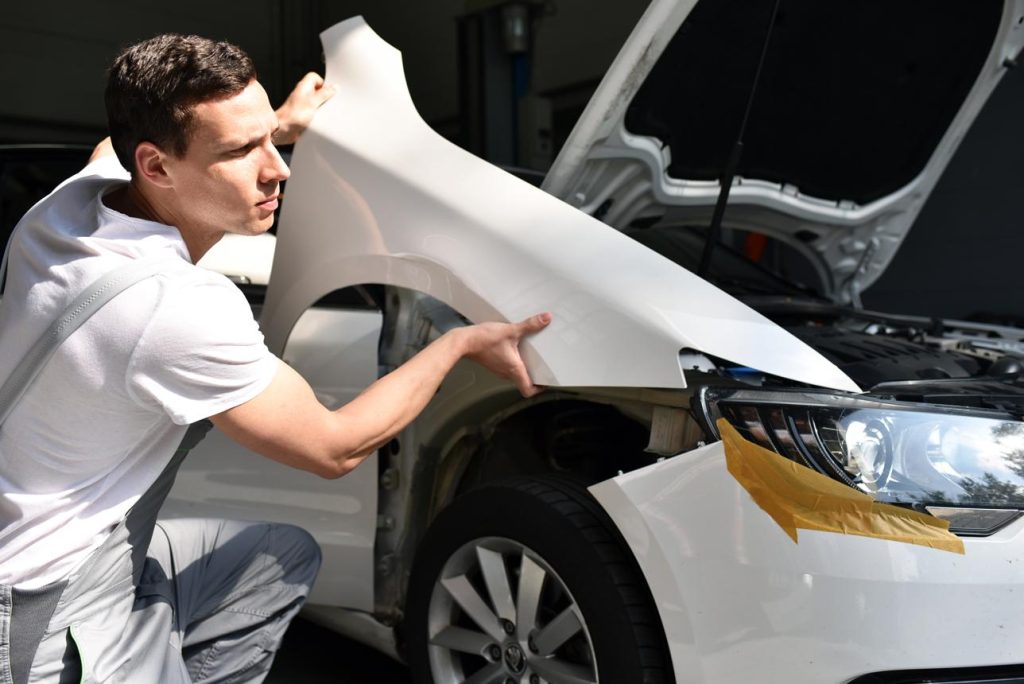
Paint is another cost to consider. A fender in the vehicle’s original color may reduce refinishing work, but fading and exposure can create a visible mismatch. Get a quote that includes preparation, paint blending if required, and installation.
When the panel is straight and correctly matched, a recycled OEM fender can reduce the parts expense without relying on a poorly fitting replacement.
4. Trunk Lid or Deck Lid Replacement
Rear-end collisions can leave a trunk lid badly distorted, preventing it from closing properly or allowing water into the cargo area. When the damage affects the panel’s shape, hinges, or latch alignment, replacing it may be more practical than attempting extensive metalwork. A used OEM trunk lid can offer a lower-cost route back to the vehicle’s original design.
This is a component commonly available through automotive recyclers. LKQ specifically lists trunk lids, also called deck lids, among its recycled sheet-metal products. Its recycled parts are sourced from donor vehicles and go through inspection and cleaning processes before sale.
The biggest advantage is that the replacement was originally built for a vehicle from the same manufacturer. However, do not assume every trunk lid from the same model will fit.
Sedan and hatchback versions are different, and changes between model years can affect the shape, mounting points, wiring, and trim. Some lids also have openings for backup cameras, badges, spoilers, or license-plate lamps that vary by trim.
Look closely at the inner frame, outer skin, edges, hinge areas, and latch mounting points. Rust, creases, or signs of a previous repair can make an apparently inexpensive panel a poor purchase. Ask whether the part includes the glass, hinges, wiring, spoiler, lock, or trim. A bare panel may require transferring several components from the original lid.
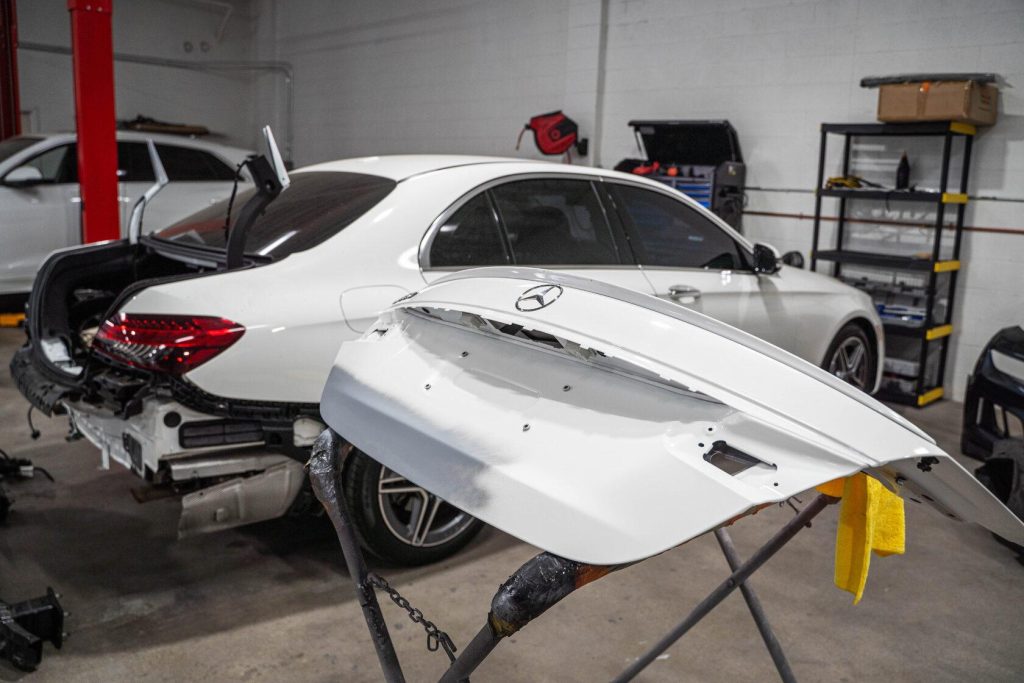
Paint can influence the final bill, too. A matching-color part may reduce refinishing costs, although a body shop may still need to blend adjacent panels.
Request a complete estimate covering the part, hardware transfer, paint, alignment, and installation. A properly inspected used OEM trunk lid can be a sensible saving when the original is beyond economical repair.
5. Bumper Cover Replacement
A scraped or cracked bumper cover can make an otherwise sound vehicle look badly neglected. Minor scratches may be repairable, but deep cracks, torn mounting tabs, or substantial deformation can make replacement the better option.
A recycled OEM bumper cover may cost less than ordering a new factory panel, particularly when the correct part is available from a donor vehicle.
Automotive recyclers list bumper assemblies and related collision components among their recycled inventory. LKQ describes its recycled parts as original equipment components removed from vehicles, then inspected and cleaned before resale.
That makes a used factory bumper cover worth considering when the damage is mainly cosmetic, and the replacement can be verified as undamaged.
There is an important distinction between the visible bumper cover and the structure behind it. The cover is the exterior panel, while the reinforcement bar, energy absorber, brackets, and other components help manage impact forces.
Replacing a cracked cover does not establish that the hidden structure is safe. After a collision, have a qualified repair facility inspect the reinforcement and mounting areas before deciding which parts need replacement.
Modern bumper covers can also contain openings or mounting provisions for parking sensors, radar-related equipment, cameras, fog lamps, and trim. A replacement from a different trim level may look similar but lack the correct features. Verify the exact part number and sensor configuration.
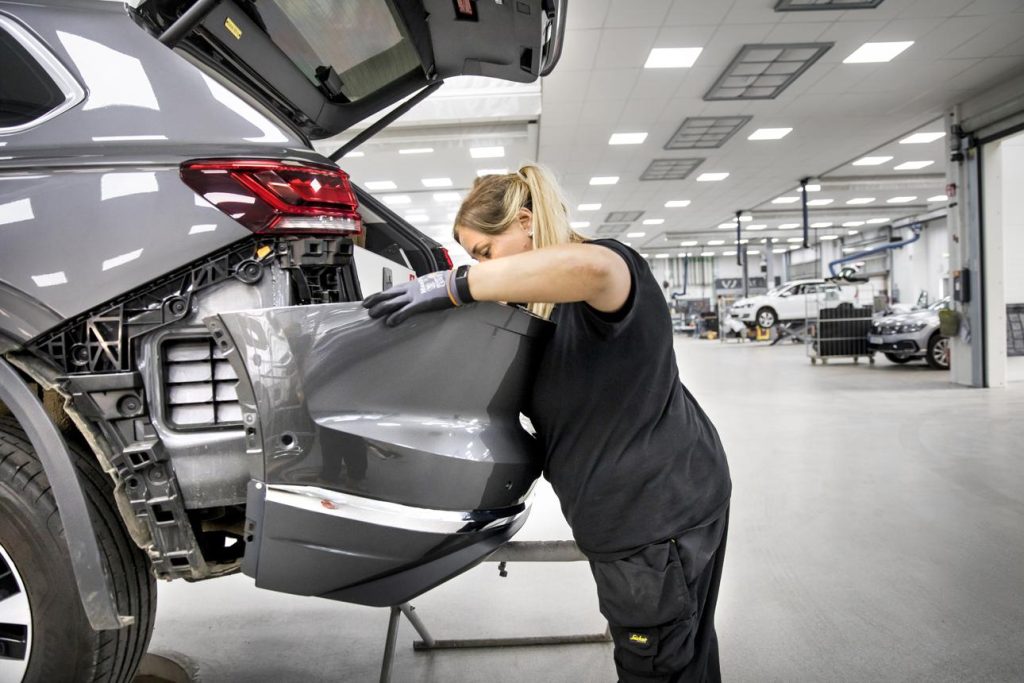
Check the cover for cracks, warped edges, damaged tabs, and previous plastic repairs. Confirm whether grilles, reflectors, brackets, and trim pieces are included. Paint and sensor-related work can add to the final cost, so compare the fully installed price rather than the panel price alone.
A used OEM cover is most appropriate when its condition and equipment match the vehicle exactly.
6. Headlight Assembly Replacement
A broken headlight assembly can turn a relatively minor front-end collision into a surprisingly expensive repair. The price rises further on vehicles equipped with LED lighting, adaptive headlights, or distinctive factory designs. In such cases, a used OEM assembly from a compatible donor vehicle may be worth comparing with the cost of a new replacement.
LKQ includes headlamps among the recycled collision parts available through its network. A recycled factory assembly can retain the original housing design, mounting arrangement, and intended appearance.
That can be useful when a driver wants to avoid a visibly different aftermarket unit, although the actual condition of the used component matters more than the label alone.
Before buying, inspect the lens for cracks, deep scratches, clouding, and signs of moisture inside the housing. Check every mounting tab because broken brackets can prevent the assembly from sitting securely.
Ask whether bulbs, control modules, wiring, and other electronics are included. Some modern headlight systems use separate modules that may not come with the housing.
Compatibility is especially important with lighting. Two versions of the same vehicle can use different assemblies depending on trim, production year, market specification, and lighting technology.
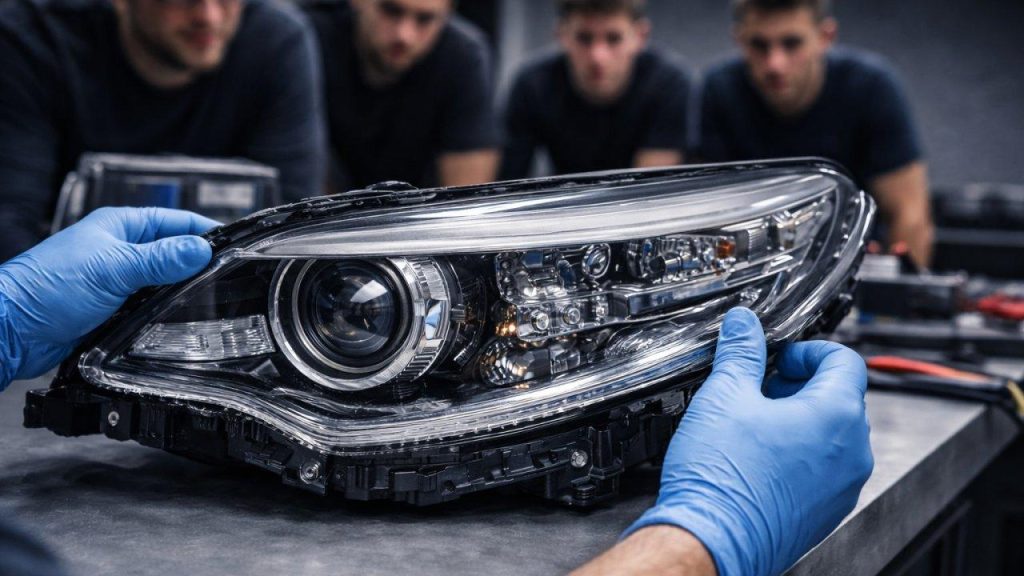
Adaptive or electronically controlled headlights may also require setup or calibration after installation. Have the repair shop verify the part number and any programming requirements.
A used assembly should not be installed if its beam pattern, lens condition, or structural integrity is questionable. Poor lighting can reduce visibility and create glare for other drivers.
Ask for the seller’s return policy and warranty, then compare the total cost after installation and any necessary aiming or calibration. A properly tested OEM headlight can offer savings, but safe illumination must remain the priority.
7. Taillight Assembly Replacement
A cracked taillight is more than an appearance problem. Water can enter the housing, electrical connections may corrode, and important rear lighting functions can stop working.
If the lens or housing is too damaged to repair reliably, replacing the complete assembly is often the practical solution. A recycled OEM taillight can be less expensive than buying a new factory unit.
This is another category supported by the recycled-parts market. LKQ lists tail lamps among the original equipment components available through its recycling operations. These parts are removed from donor vehicles and inspected as part of the supplier’s inventory process.
The main challenge is identifying the correct version. A vehicle may use different taillights for different model years, trims, or body styles. Some assemblies use conventional bulbs, while others feature LED elements or integrated turn signals. Even when two units look almost identical, their connectors, internal electronics, or mounting arrangements may differ.
Ask the seller for the donor vehicle details and the exact part number. Examine the lens for cracks, scratches, fading, and moisture marks.
Inspect the housing and mounting tabs for damage, and ask whether bulbs, wiring, and control modules are included. A low-priced assembly with missing electronics may not be a bargain once additional components are purchased.
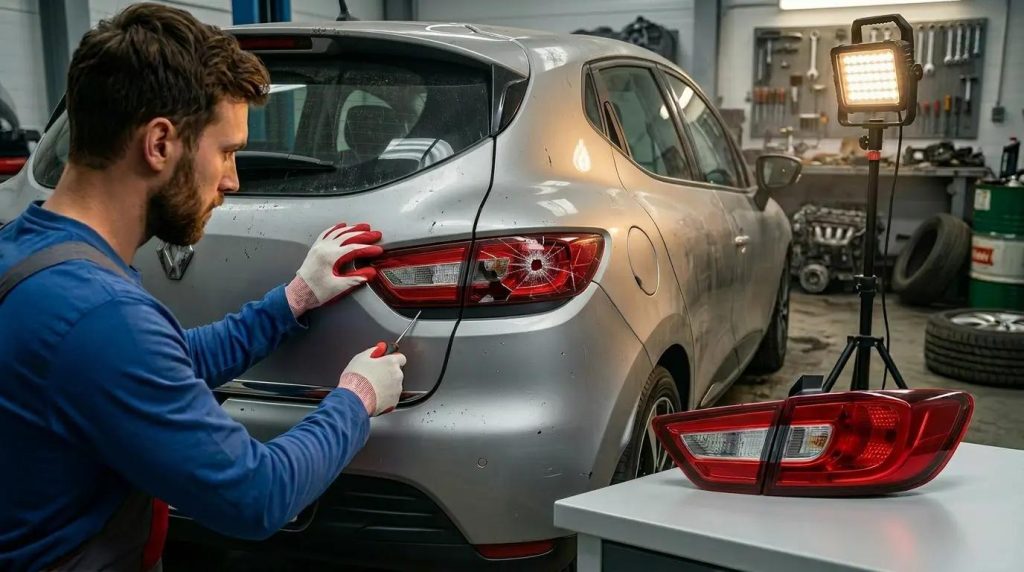
After installation, test the brake lights, turn signals, reverse lights, and running lights. Check that the housing seals correctly and does not allow water to enter. If the vehicle uses electronically controlled lighting, the repair facility should confirm whether any diagnostic procedure is necessary.
The final price should include the assembly, installation, replacement bulbs or modules, and any required programming. When the donor component is undamaged and correctly matched, a used OEM taillight can restore the factory appearance and lighting functions at a lower parts cost.
8. Side Mirror Assembly Replacement
A side mirror can be damaged by a parking collision, a narrow garage entrance, or contact with another vehicle. Sometimes only the mirror glass breaks, but an impact can also damage the housing, adjustment motor, folding mechanism, or mounting base.
When several components are affected, replacing the complete assembly may be easier than sourcing individual pieces.
A recycled OEM mirror is worth considering because it was originally designed for the vehicle’s mounting position and door shape. Automotive recyclers include mirrors among the collision components recovered from donor vehicles.
A correctly matched unit can help preserve the factory appearance and avoid the fitment problems that sometimes arise with generic replacement assemblies.
However, mirror specifications can vary significantly within a single model range. One version may have manual adjustment, while another includes power adjustment, heating, automatic folding, memory settings, blind-spot indicators, or a camera. Buying a cheaper mirror without the correct features can leave some functions inoperative or require additional parts.
Check the mirror housing for cracks, inspect the mounting points, and test the adjustment and folding mechanisms if possible. Look for moisture inside the indicator or camera housing.
Ask whether the glass, wiring connector, painted cover, and internal motor are included. The seller should confirm the donor vehicle’s year and trim, and the repair shop should verify the part number before installation.
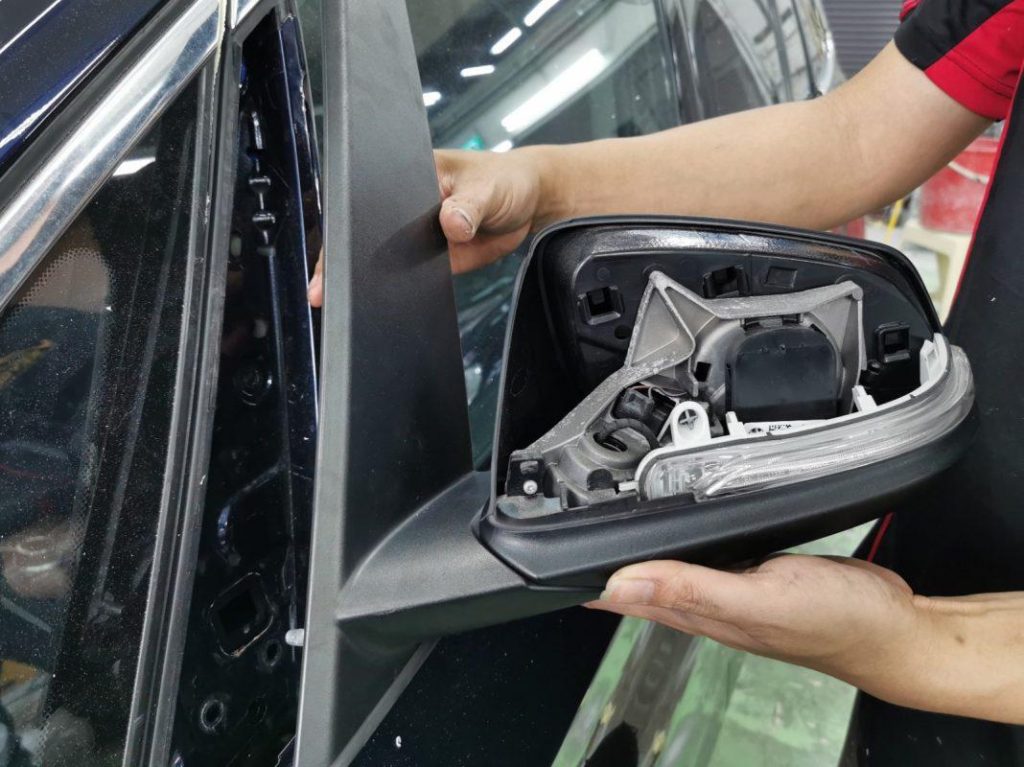
Paint can also affect the final cost. A mirror in the correct color may reduce refinishing work, but an older finish may not match the door perfectly. If a camera or blind-spot monitoring component is involved, ask whether calibration or system checks are required.
Compare the complete installed price, not just the used assembly. A tested, feature-matched OEM mirror can be a sensible saving, particularly when a new factory replacement is expensive.
9. Engine Control Module Replacement
When a vehicle’s engine control module develops an internal fault, replacement costs can extend beyond the price of the electronic unit itself. The module, commonly called the ECM or ECU, manages important engine functions and communicates with other vehicle systems.
A used OEM module may be considerably less expensive than a new factory unit, but this is a repair where compatibility and programming deserve particular attention.
Recycled automotive suppliers list engine computers among the mechanical and electrical components available from donor vehicles. LKQ, for example, includes engine computers in its inventory of recycled and remanufactured mechanical components.
The first step is confirming that the original module actually needs replacement. Warning lights, rough running, starting problems, or diagnostic trouble codes do not automatically prove that the computer has failed.
Wiring damage, poor grounds, faulty sensors, and power-supply problems can produce similar symptoms. A technician should perform proper diagnostic testing before ordering another module.
A used unit must match the vehicle’s engine, transmission, production year, and relevant hardware configuration. Matching the part number is essential, but it may not be sufficient.
Some modules require software updates, vehicle-specific programming, or security-system pairing. Anti-theft systems can prevent the engine from starting if the replacement module is not correctly configured.
Ask the supplier whether the module is tested, whether its donor vehicle information is available, and whether returns are allowed if programming or compatibility problems arise. Have the repair shop confirm that it can complete the required programming before purchasing the part.
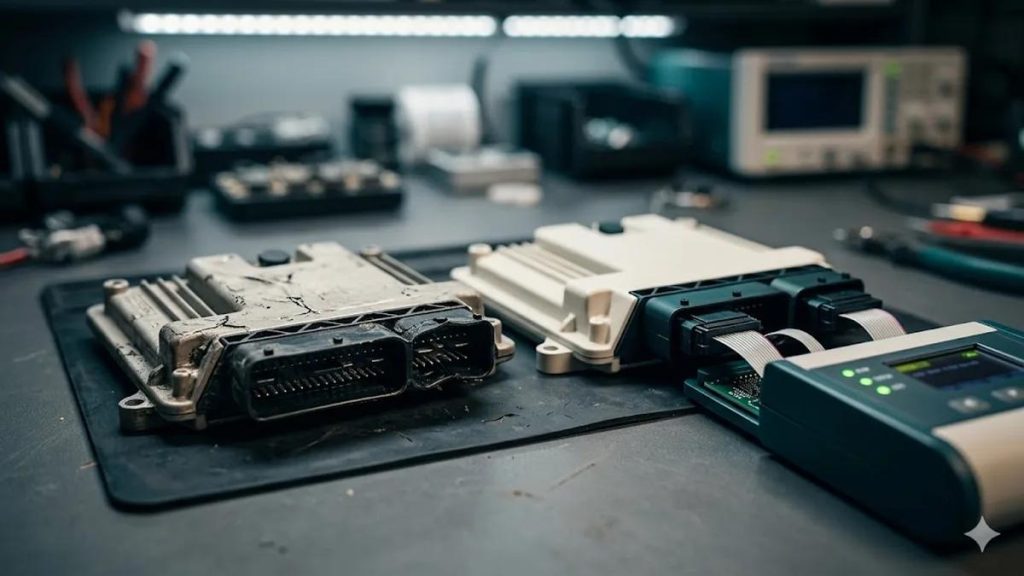
Do not compare the used module’s price with a new unit alone. Include diagnostic work, programming, installation, and any necessary security-system procedures. A recycled OEM computer can reduce the component cost, but only when the original fault is confirmed and the replacement can be properly configured.
One important consideration when buying used OEM parts is to prioritize components such as body panels, mirrors, and lighting assemblies, provided their condition and compatibility have been properly checked. However, not every secondhand component is a suitable replacement, so buyers should evaluate each part based on its intended use and safety requirements.
Do not buy used airbags or seat-belt assemblies, and follow manufacturer repair procedures for safety-critical components.