A transmission control module (TCM) helps manage automatic transmission operation by processing information from sensors and controlling gear changes. When this electronic component develops a fault, drivers may experience delayed shifts, unexpected gear changes, warning lights, or even a vehicle that refuses to move.
In some models, manufacturers have issued software updates, service campaigns, or extended warranty coverage to address documented TCM-related concerns. However, not every vehicle from an affected model year will develop the problem, and similar symptoms can have other causes.
These eight cars have documented transmission-control concerns worth checking before buying one used.
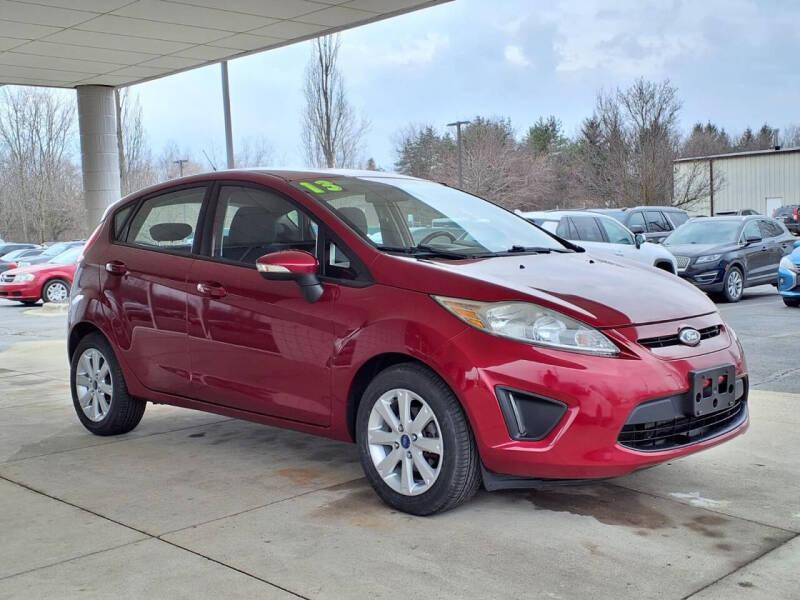
1. Ford Fiesta (2011-2015)
The Ford Fiesta’s reputation for affordable running costs can make it attractive in the used-car market, but certain automatic versions deserve extra attention. The concern involves the DPS6 six-speed PowerShift transmission, a dual-clutch unit fitted to specified 2011-2015 Fiesta models.
Ford acknowledged problems involving the transmission control module and introduced a customer satisfaction program that extended TCM coverage on eligible vehicles.
According to Ford’s program documentation filed with the National Highway Traffic Safety Administration (NHTSA), affected cars could experience intermittent loss of transmission engagement, a no-start condition, or a lack of power.
A check-engine light could also appear. Ford identified electrical circuit failures inside the TCM as a possible cause. The extended coverage was set at 10 years or 150,000 miles from the vehicle’s warranty start date, whichever came first.
The program applied only to vehicles equipped with the specified DPS6 automatic transmission, not every Fiesta sold during those years.
For a used-car buyer, the important distinction is between a genuine TCM fault and other problems that can produce similar symptoms. Ford’s own documentation cautions that loss of engagement, no-start complaints, and reduced power can have causes unrelated to the module. Replacing the TCM without proper diagnosis may therefore fail to solve the issue.
Before purchasing one, arrange a scan for stored transmission-related diagnostic trouble codes and ask for invoices showing previous TCM replacements or software work.
Check the vehicle identification number with a Ford dealer to establish whether the extended coverage or any applicable repair program was performed. A car that shifts inconsistently during a test drive should not be dismissed as having a minor software glitch.
2. Ford Focus (2012-2016)
The Ford Focus shared the DPS6 PowerShift automatic transmission with the Fiesta, which means certain 2012-2016 Focus models were included in Ford’s TCM coverage program. The issue is particularly relevant to buyers considering an automatic example.
A Focus with a manual gearbox does not have the same DPS6 transmission-related exposure, so checking the exact configuration is essential.
Ford’s Customer Satisfaction Program 14M02 covered specified Focus vehicles equipped with the DPS6 automatic. The company extended the transmission control module warranty to 10 years or 150,000 miles from the original warranty start date, whichever occurred first.
Its dealer guidance described possible symptoms including intermittent loss of transmission engagement, a no-start condition, and reduced power. Electrical circuit failures within the TCM were identified as one possible source.
Ford also stated that these symptoms could result from other faults, so diagnosis was required before treating the module as the cause.
That qualification matters because the DPS6 system can produce complaints that sound similar even when the TCM is not defective. A buyer should not assume that every shudder, hesitation, or harsh gear change points directly to the control module. The clutch system and other transmission components may need separate inspection.

During a pre-purchase inspection, ask a technician familiar with the DPS6 transmission to check module communication, scan for relevant trouble codes, and assess engagement from a cold start as well as after the vehicle warms up.
Request proof of any previous TCM replacement and confirm the car’s VIN-specific repair history with Ford. A low asking price may not represent a bargain if the seller cannot explain recurring transmission warnings or intermittent loss of drive.
3. Jeep Cherokee (2014-2015)
The nine-speed automatic transmission in certain early Jeep Cherokee models received several software revisions because its shift behavior did not always meet driver expectations. Some owners reported awkward gear changes, delayed responses, or inconsistent shifting.
These concerns prompted Chrysler to issue technical service bulletins requiring technicians to update the transmission control module (TCM) on specifically equipped vehicles.
One documented example is Service Bulletin 21-034-14, which covered certain 2015 Cherokee models fitted with the 948TE nine-speed automatic. The update revised TCM calibration, enabled a transmission adaptation procedure known as Quick Learn, and improved downshift response during normal driving.
Other bulletins addressed particular shift-quality and diagnostic concerns on specified 2014 models. These updates were not proof that every Cherokee had a defective control module, but they show why its software history matters when buying one used.
There is another important detail buyers should understand. NHTSA Recall 16V-529 covered certain 2014-2015 Cherokee vehicles with nine-speed transmissions because an electrical connection in the transmission wiring harness could have insufficiently crimped terminals.
The resulting fault could cause an unexpected shift into neutral. The recall remedy involved a transmission software update, but the underlying defect concerned the wiring connection, not simply a failed TCM.

When inspecting a used example, check the VIN for open recalls and ask a Jeep dealer whether the relevant software campaigns were completed. During the road test, pay attention to shifts when moving from park into drive or reverse, acceleration from a stop, and downshifts as the vehicle slows.
Have a technician scan the transmission system before purchase. A software update may address a calibration concern, but it cannot repair damaged wiring or worn internal transmission parts.
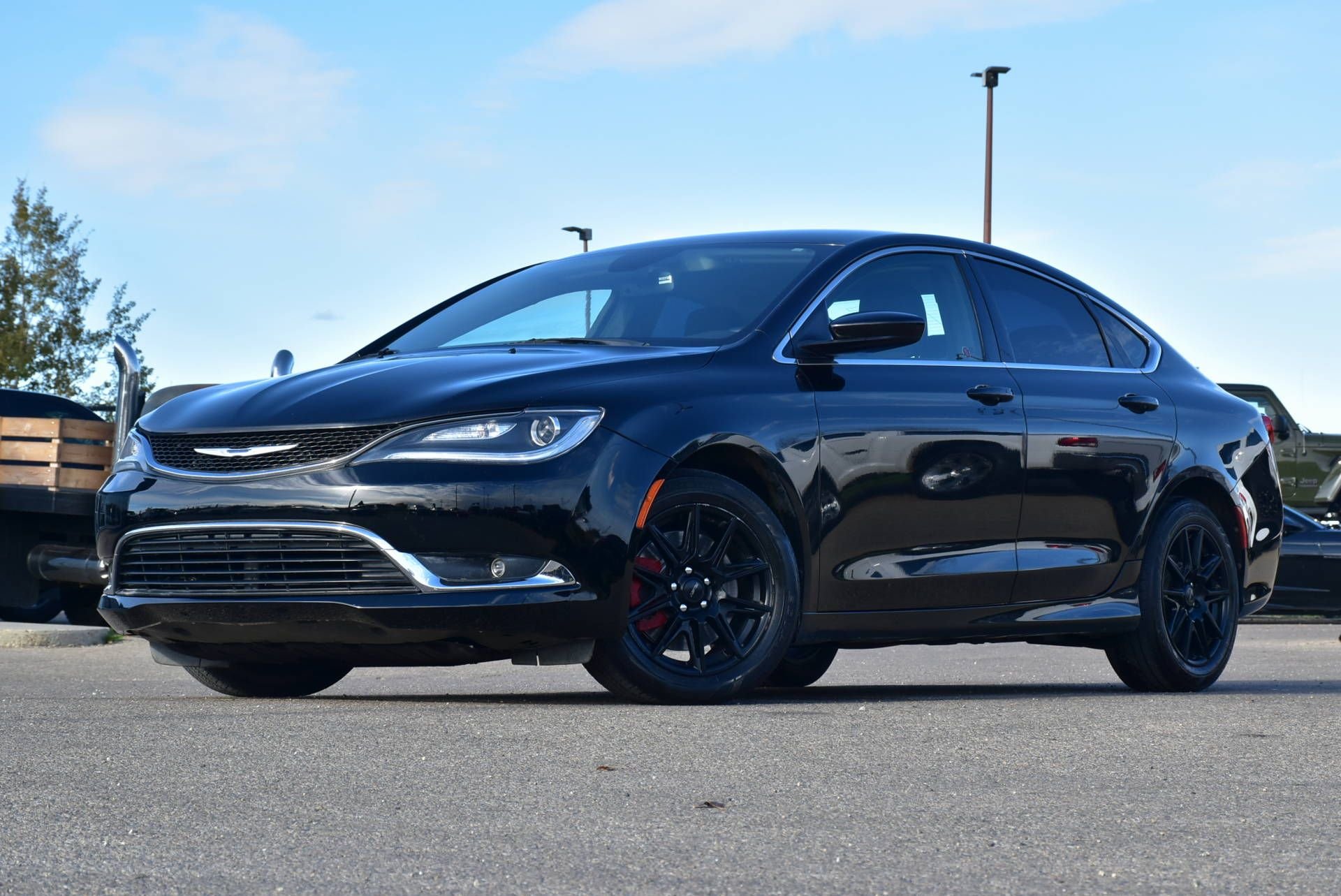
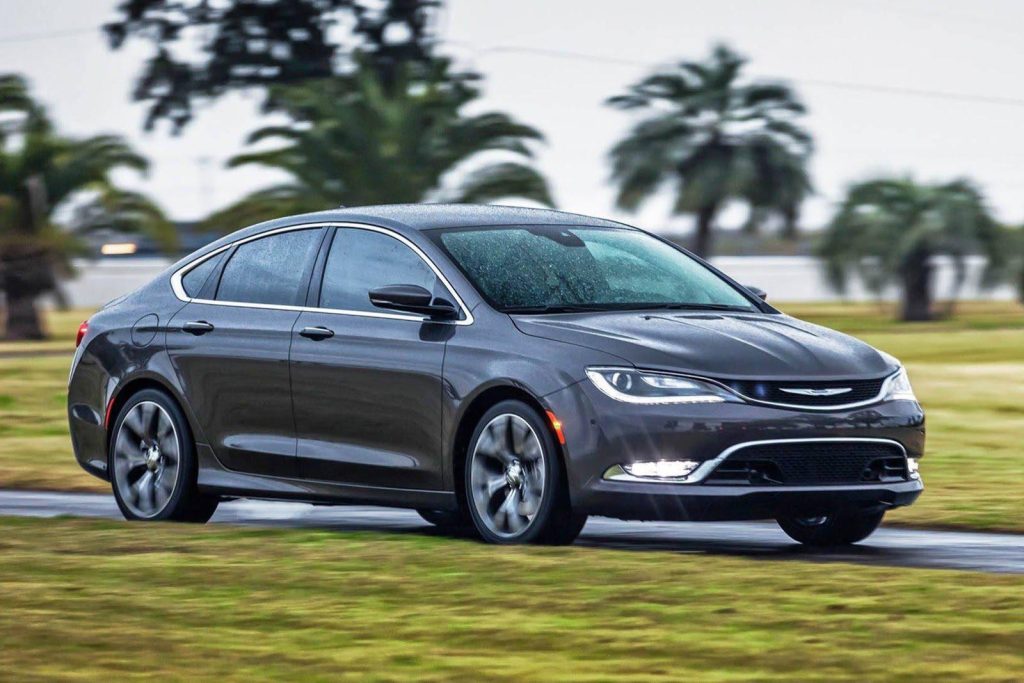
4. Chrysler 200 (2015)
The 2015 Chrysler 200 is another vehicle worth checking carefully if you are considering a used sedan with a nine-speed automatic transmission. Its connection to the 948TE transmission family brought it into several service actions involving shift quality and control-module programming.
The important point is that these were configuration-specific concerns, not evidence that every 200 left the factory with a defective TCM.
Chrysler issued Service Bulletin 21-001-15 for certain 2015 examples equipped with the 948TE nine-speed automatic and specified engines. The procedure called for reprogramming both the powertrain control module and the TCM.
The revised software changed clutch-application characteristics to address a condition in which the C-clutch could snap out of position. The bulletin also warned that failing to update both modules could result in undesirable shift quality.
A separate bulletin, 21-034-14, introduced TCM calibration changes to improve downshift response and support the transmission Quick Learn procedure.
The 200 was also included in NHTSA Recall 16V-529, which affected certain 2015 vehicles with the nine-speed transmission. The issue involved potentially insufficient crimps in transmission wiring harness connections.
A faulty connection could cause the transmission to shift unexpectedly into neutral, increasing the risk of a crash. Chrysler’s remedy involved updating transmission software, but buyers should understand that the recall described a wiring-related defect rather than a simple module failure.
Before buying, ask a Chrysler dealer to check the VIN for completed recall work and applicable service updates. A proper inspection should include a scan of the TCM, a check of transmission wiring connections, and a road test at different speeds.
Hesitation, abrupt engagement, or unexplained neutral selection deserves professional diagnosis. Do not accept a seller’s claim that the car merely needs a reset without supporting repair records.
5. Honda CR-V (2017-2018)
The fifth-generation Honda CR-V is generally a popular choice in the American used-SUV market, but certain 2017 and 2018 models with continuously variable transmissions (CVTs) received a software update for a specific transmission-control issue.
The concern involved diagnostic trouble code P2817, which could cause the transmission’s drive-position indicator to flash. It is important to understand that this bulletin describes a control-system calibration problem, not a finding that every CR-V has a physically defective TCM.
Honda Service Bulletin 19-047, dated April 25, 2019, identified 2017-2018 CR-V models across all trims. According to the manufacturer, the TCM could incorrectly interpret the drive-pulley oil pressure as being higher than it actually was, even when the pressure remained within specification.
The condition could set P2817, associated with shift solenoid valve O/P, and cause the D indicator to flash. Honda’s corrective action was to update both the powertrain control module software and the TCM software.
This distinction is useful when evaluating a vehicle with a transmission warning. A flashing indicator does not automatically mean the CVT needs replacement. The stored diagnostic code, software version, and actual operating data help determine whether the documented condition is present.

On the other hand, assuming that every warning can be fixed with a software update is equally unwise. A separate mechanical or electrical fault may produce similar symptoms.
Ask the seller whether the software update was completed and request a service invoice if available. During an inspection, check for warning lights and scan the transmission system for stored or pending codes.
The road test should include gentle acceleration, steady cruising, and slowing to a stop. Any shuddering, unusual noises, or repeated warning indicators should be investigated by a Honda technician. A VIN check and documented maintenance history are more useful than relying on the model’s reputation alone.
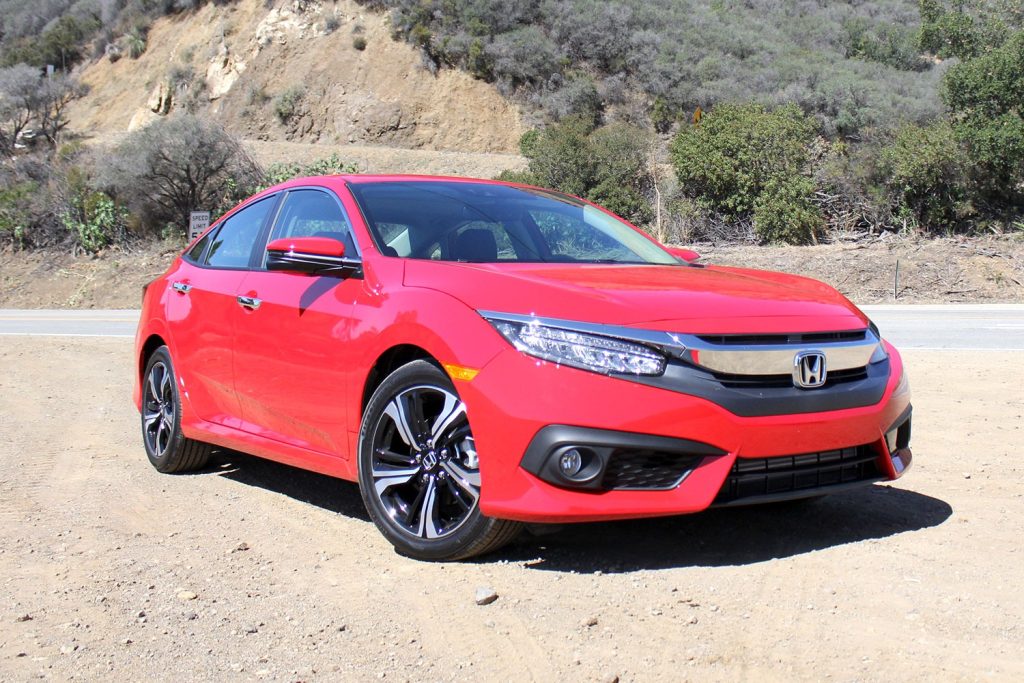
6. Honda Civic (2016-2018)
A used Honda Civic can be an appealing purchase because of its practical size and everyday efficiency, but buyers looking at certain CVT-equipped versions should check for a documented transmission software update.
Honda included specific 2016-2018 Civic models with the 1.5-liter engine and CVT in Service Bulletin 19-047. The concern was not a blanket failure of the transmission control module. Instead, the software could misinterpret a pressure reading and trigger a diagnostic fault.
The bulletin describes DTC P2817, which relates to shift solenoid valve O/P, also identified as pressure control solenoid H. When the TCM checked drive-pulley oil pressure, it could interpret the reading as higher than the actual pressure, even though the pressure was within specification.
A driver might notice the transmission’s D indicator flashing. Honda’s prescribed repair was to update the PGM-FI and TCM control units. The bulletin was published on April 25, 2019, and listed the affected Civic configurations as all trims with the 1.5-liter engine and CVT for the specified years.
For buyers, the engine and transmission combination matters. The bulletin does not apply indiscriminately to every Civic from those model years.
A car equipped with a different powertrain should not be treated as though it automatically shares this particular concern. Even among applicable cars, a previous software update does not guarantee that the transmission is free from unrelated problems.
Ask a Honda service department to verify the vehicle’s VIN and check whether the relevant calibration was installed. A diagnostic scan should identify any stored P2817 code and reveal whether other transmission faults are present.
On the test drive, watch the instrument panel for a flashing D indicator and assess how the car responds during acceleration and deceleration. If the warning appears, avoid accepting a quick reset as a complete repair. Get the cause confirmed before agreeing on a price.
7. Honda Accord (2018-2019)
The tenth-generation Honda Accord brought a modern cabin, updated technology, and several powertrain choices to the midsize sedan segment. However, buyers considering a CVT-equipped example should be aware of a specific transmission-control software concern documented by Honda.
The issue is particularly relevant because it could produce a dashboard warning even when the measured transmission pressure was within the correct operating range.
Honda’s Service Bulletin 19-047 included 2018-2019 Accord models equipped with a CVT, but the listed 2019 application was restricted by VIN range. The bulletin addressed diagnostic trouble code P2817.
In the described condition, the TCM could misread drive-pulley oil pressure as being higher than specification. This could cause the D indicator to flash, even though the actual pressure was not necessarily excessive.
Honda instructed technicians to update both the PGM-FI and TCM software to correct the condition. The bulletin identified the affected 2019 Accord VIN range as beginning with 1HGCV1F…KA000001 and ending with 1HGCV1F…KA070364.
That VIN limitation is important. It would be inaccurate to say that every 2019 Accord with a CVT was included. A buyer should have a Honda dealer verify the complete VIN rather than relying only on the model year.
The bulletin also does not establish that the TCM hardware itself was defective. It describes a software-related pressure interpretation problem and specifies a software correction.
When inspecting an Accord, check the dashboard for transmission warnings and have the vehicle scanned for P2817 and related codes. Request repair documentation showing whether the software update was completed.

A proper road test should include city traffic, moderate acceleration, and highway cruising, but a short drive cannot replace a diagnostic inspection. If the seller reports a previous flashing D indicator, ask for the original repair order.
A documented update and clean diagnostic results provide stronger reassurance than a verbal promise that the issue has disappeared.
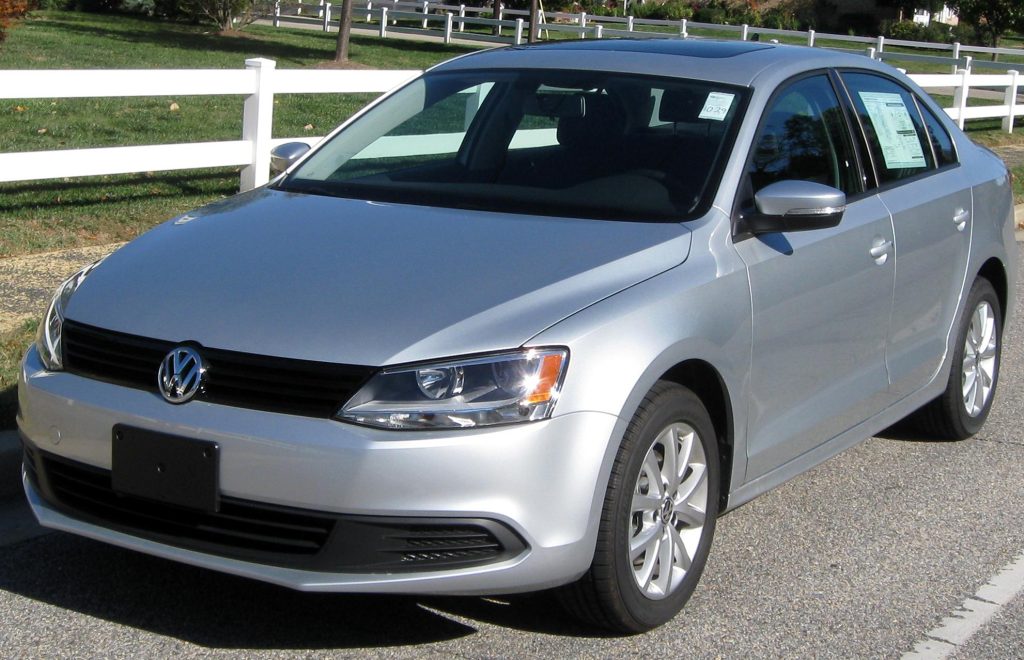
8. Volkswagen Jetta (2011)
The 2011 Volkswagen Jetta deserves a place on this list because Volkswagen issued a technical bulletin addressing harsh gear engagement through a transmission control module software update.
The concern applied to specified vehicles equipped with the 2.5-liter engine and six-speed automatic transmission. It is a useful example of how a TCM calibration issue can affect driving comfort without necessarily indicating that the entire transmission has failed.
Volkswagen Technical Bulletin 01 14 15, dated July 29, 2014, covered 2011 Golf, Golf Wagon, Jetta, and Jetta SportWagen models with the 2.5-liter engine and 09G six-speed automatic transmission.
The bulletin described harsh engagement when shifting from Park into Drive or Reverse. Volkswagen explained that updated TCM programming modified clutch operation by reducing pressure applied to the C1 clutch, which could cause the harsh engagement. The production solution was a transmission control module software update.
This is not the same as a recall for a universally defective control module. The bulletin identifies a specific drivability complaint and a programming change intended to improve it. It also does not mean every 2011 Jetta has experienced the condition. The vehicle’s engine and transmission configuration must match the bulletin’s application.
For a prospective buyer, the first step is to establish whether the car has the 2.5-liter engine and the relevant automatic transmission. Ask a Volkswagen service department to check the VIN and software history.
During the test drive, select Reverse and Drive several times with the vehicle stationary and the brake firmly applied. Engagement should be assessed by a qualified technician if it feels unusually abrupt.
Also test the transmission after the car has warmed up, because a brief cold-start inspection may not reveal every drivability concern. Obtain a diagnostic scan and review previous repair invoices before purchasing.
A software update may address the documented harsh engagement, but it cannot compensate for worn clutch components or other mechanical damage.