Choosing new tires is not simply about finding the cheapest set that fits your budget. The wrong tires can increase fuel expenses, wear out sooner, compromise handling, and even put additional stress on important vehicle components.
A tire that looks similar to your original equipment may have a different load capacity, tread design, or performance rating that makes it unsuitable for your vehicle. These differences are not always obvious when shopping.
Before making a purchase, it is worth understanding how the wrong tire choice can turn an apparently affordable replacement into a much more expensive decision.
1. Choosing the Wrong Tire Size Can Damage Your Vehicle
Tire size is one of the most important details to check before purchasing replacements. Choosing a tire simply because it fits the wheel or costs less can create problems that extend beyond appearance.
Every vehicle has manufacturer-recommended tire dimensions designed around its suspension, steering geometry, braking system, and wheel clearance. Installing an unsuitable size can interfere with these carefully established specifications.
For example, using tires with a larger diameter changes the distance the vehicle travels with each wheel rotation. This can affect speedometer accuracy, resulting in a difference between the speed displayed on the dashboard and the vehicle’s actual speed.
Depending on the size difference, an oversized tire may also rub against the wheel well, suspension components, or bodywork when turning or traveling over uneven roads. That contact can damage the tire itself and potentially require additional repairs.
Going smaller is not necessarily a better solution. An incorrectly sized tire may have a lower load capacity, altered handling characteristics, or insufficient clearance around the brakes. If the replacement requires different wheels or additional modifications, the initial savings can disappear quickly.
The U.S. Tire Manufacturers Association (USTMA) recommends checking the vehicle’s tire information placard, generally located inside the driver’s door area, or consulting the owner’s manual before buying replacements. The recommended size should be treated as the starting point rather than an optional suggestion.
A bargain tire that does not match the required specifications can eventually cost more through premature wear, inaccurate speed readings, clearance problems, and unnecessary mechanical work. Confirming the correct size before ordering is a much cheaper precaution than correcting an unsuitable installation later.
2. Ignoring the Load Rating Can Lead to Premature Tire Failure
A tire does more than support the vehicle’s weight. It must also safely carry passengers, luggage, cargo, and the additional forces generated during acceleration, cornering, and braking.
This is why load capacity deserves as much attention as tire dimensions. Buying a replacement with an insufficient load rating can create an expensive problem, particularly for SUVs, pickup trucks, and vehicles regularly used for hauling.
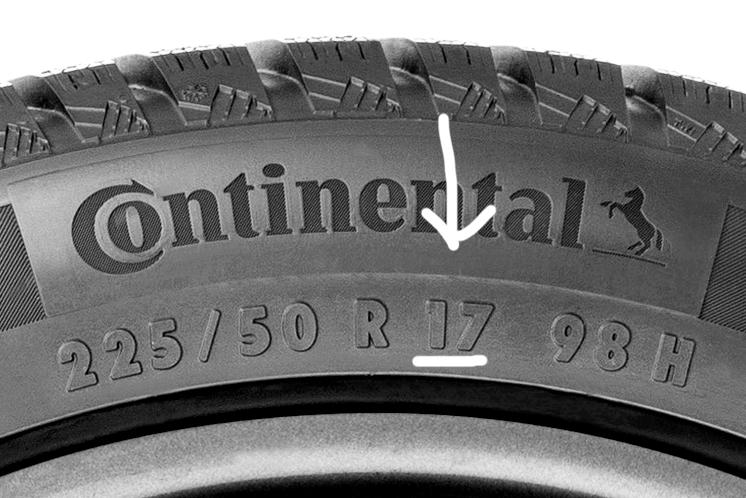
The load index printed on a tire’s sidewall identifies its standardized load-carrying capacity under specified conditions. However, buyers should not assume that two tires with similar dimensions automatically support the same weight.
Different constructions and tire specifications can produce different carrying capacities. The USTMA advises selecting replacement tires that meet the vehicle manufacturer’s required load capacity.
The financial consequences can become serious when an unsuitable tire is repeatedly exposed to loads beyond its capabilities. Excessive loading can increase tire flexing and heat buildup, potentially contributing to premature wear or tire failure.
A damaged tire may require an unexpected roadside replacement, towing assistance, or additional repairs. If a failure causes a collision, the financial consequences can be considerably greater.
Another cost to keep in mind is having to replace tires prematurely because they are not suitable for the vehicle. Choosing a cheaper option with inadequate specifications may lead to additional expenses if the tires cannot withstand normal driving conditions or need to be replaced sooner than expected.
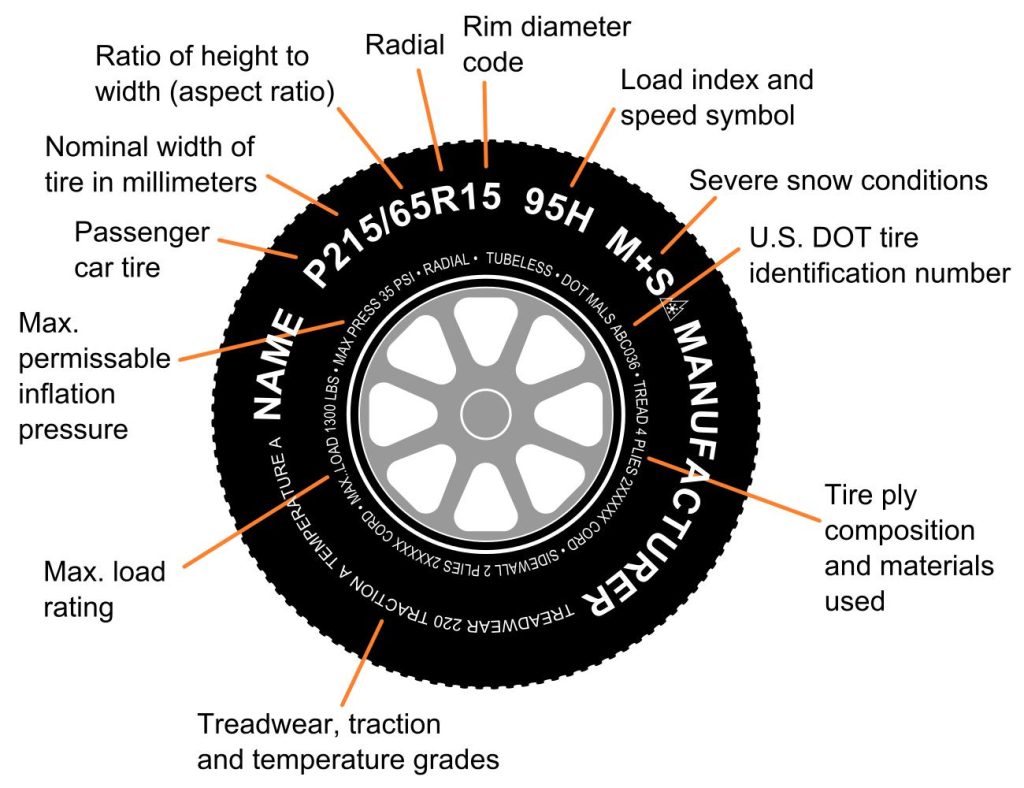
Before purchasing, check the load index on the original tire, the driver’s door placard, and the owner’s manual. Pay particular attention to the manufacturer’s requirements if the vehicle frequently carries heavy cargo or tows a trailer. Spending more on an appropriately rated tire is considerably cheaper than risking premature failure or repeatedly replacing unsuitable tires.
3. Buying Tires With the Wrong Speed Rating Can Limit Performance
A tire’s speed rating is not just a specification intended for sports cars. It indicates the maximum speed capability of a tire under specified load and operating conditions. Choosing a replacement with a lower rating than the vehicle manufacturer recommends can create safety concerns and potentially force the driver to change how the vehicle is used.
Speed ratings are represented by letters on the tire sidewall. Common examples include T, H, V, and W. Consumer Reports identifies these ratings as corresponding to maximum speeds of 118 mph, 130 mph, 149 mph, and 168 mph, respectively, under the applicable test conditions.
These figures are not recommended driving speeds. They describe the tire’s tested capability rather than a guarantee of safe operation at those speeds in every situation.
The problem arises when a buyer selects a cheaper tire without checking this specification. A replacement with a lower speed capability may not preserve the performance characteristics intended by the manufacturer.
According to USTMA guidance, if a replacement has a lower speed capability than specified, vehicle speed must be restricted to the replacement tire’s capability. Handling can also be affected.
This can be particularly inconvenient for drivers who regularly travel on American interstate highways or operate vehicles designed for higher-speed performance. It may also create complications when replacing tires again because the owner must identify an appropriate specification rather than simply choosing another inexpensive set.
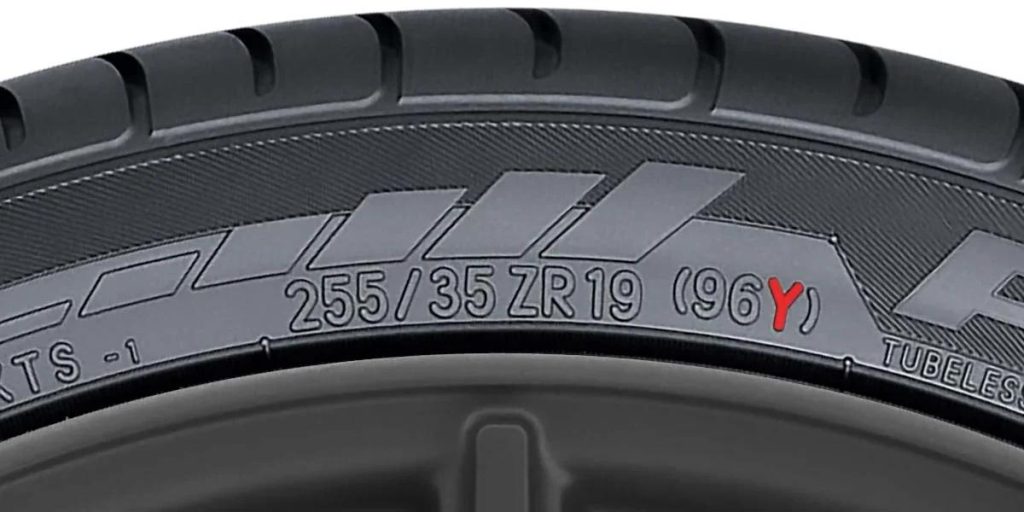
Before purchasing, compare the speed symbol on the existing tire with the vehicle manufacturer’s requirements. Do not assume that matching the physical tire dimensions is sufficient. Paying attention to this small sidewall marking can prevent an unsuitable purchase, unnecessary replacement expenses, and compromises in vehicle performance.
4. Choosing the Wrong Seasonal Tire Can Increase Wear and Fuel Expenses
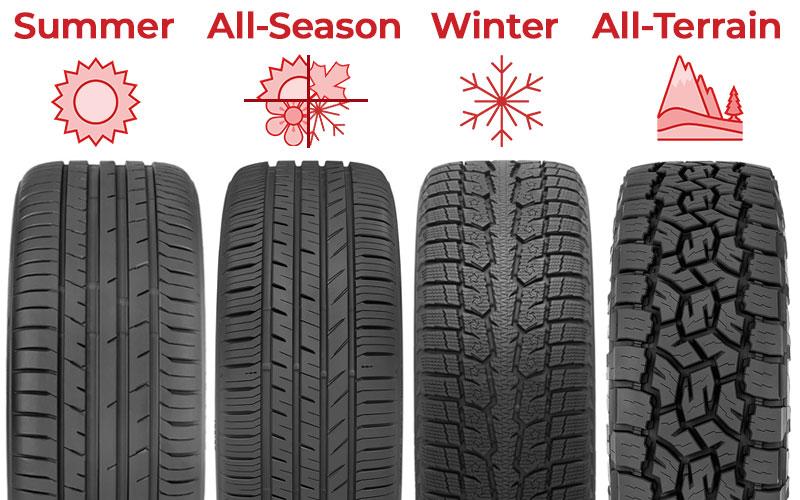
Not every tire is designed to perform equally well throughout the year. Summer, winter, and all-season tires use different rubber compounds and tread designs to handle particular temperatures and road conditions. Buying the wrong type can affect traction, increase wear, and create additional expenses when weather conditions change.
Summer tires are designed to provide strong handling and braking performance in warmer conditions. However, their rubber compounds can become less flexible in freezing temperatures.
Winter tires use specialized compounds and tread patterns to maintain grip in cold weather, including on snow and ice. All-season tires offer a compromise for drivers who experience moderate seasonal changes rather than consistently severe winter conditions.
The financial problem becomes apparent when a driver expects one tire category to handle conditions it was not designed for. For instance, using summer tires through a freezing winter can compromise traction and increase the likelihood of losing control.
Meanwhile, winter tires used throughout hot weather can experience faster tread wear because their softer compounds are not intended for prolonged high-temperature operation.
Replacing tires earlier than expected means paying for another set before the original purchase has delivered its intended service life. Drivers in regions with substantial winter snowfall may benefit from maintaining a separate winter set, despite the additional initial expense.
The right decision depends on local climate, driving habits, and the manufacturer’s recommendations. A driver in Florida has different seasonal requirements from someone regularly traveling through Colorado or Minnesota.
Choosing tires according to actual weather conditions can reduce unnecessary wear while maintaining appropriate traction.
5. Buying Cheap Tires With High Rolling Resistance Can Raise Fuel Costs
The purchase price is only one part of a tire’s lifetime expense. Another factor that deserves attention is rolling resistance, which describes the energy a tire loses as it rolls along the road. Tires with higher rolling resistance require more energy to keep the vehicle moving, potentially increasing fuel consumption over thousands of miles.
This difference may not be noticeable during a short test drive, but it can become financially significant over years of daily commuting.
Drivers who cover substantial annual mileage may spend more at gas stations if they choose tires that are less efficient than suitable alternatives. The effect depends on the tire design, vehicle, road conditions, inflation pressure, and driving habits.
The U.S. Department of Energy explains that properly inflated tires can improve fuel economy, while underinflation increases rolling resistance. NHTSA also identifies tire design and proper maintenance as important considerations for fuel efficiency.
However, selecting a tire solely because it advertises low rolling resistance is not necessarily the right approach. Buyers must also consider wet braking, handling, load capacity, and durability. A tire that saves a small amount of fuel but compromises important performance characteristics may not represent good value.
This consideration is particularly relevant for drivers with long daily commutes, delivery vehicles, and hybrids. Electric vehicle owners should also pay attention because rolling resistance influences driving range and charging frequency.
Before purchasing, compare independent tire test results and manufacturer specifications rather than relying entirely on the cheapest available option. A slightly more expensive tire with suitable efficiency characteristics may deliver better long-term value through reduced energy consumption and fewer compromises in everyday driving.
6. Selecting the Wrong Tread Pattern Can Increase the Risk of Expensive Repairs
Tread patterns influence how tires interact with different road surfaces. They help channel water away from the contact area, provide traction, and influence handling characteristics.
Choosing a tread design that does not match normal driving conditions can create unnecessary costs, especially when the vehicle regularly encounters wet roads, highways, or unpaved surfaces.
For example, an aggressive all-terrain tire may appear attractive because of its rugged appearance. However, installing this type on a vehicle primarily used for highway commuting may introduce additional road noise and rolling resistance compared with a suitable highway-oriented tire.
The result can be a less comfortable driving experience and potentially higher fuel expenses. The opposite situation can also become problematic. A highway-focused tire fitted to a vehicle regularly driven through muddy construction sites or rough trails may not provide the traction its owner expects.
Wheelspin and reduced grip can make certain journeys more difficult, while repeated exposure to unsuitable terrain can increase the likelihood of tire damage.
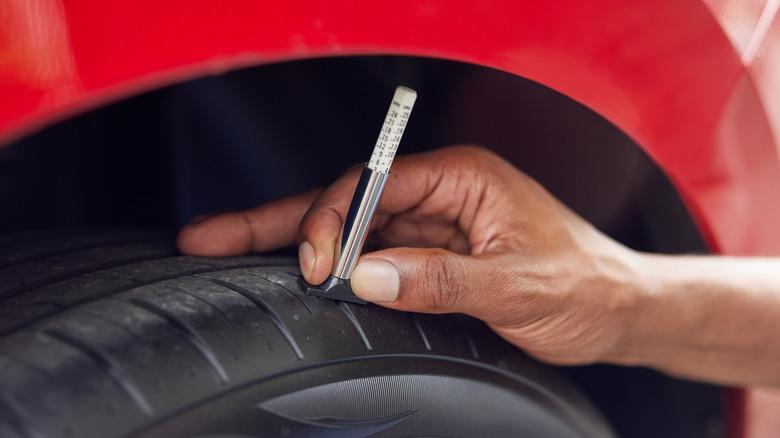
Wet-weather performance is another important consideration. Tread grooves and their design help move water away from beneath the tire. As tread wears down, the ability to maintain traction on wet roads decreases. NHTSA warns that tires should be replaced when tread depth reaches 2/32 of an inch.
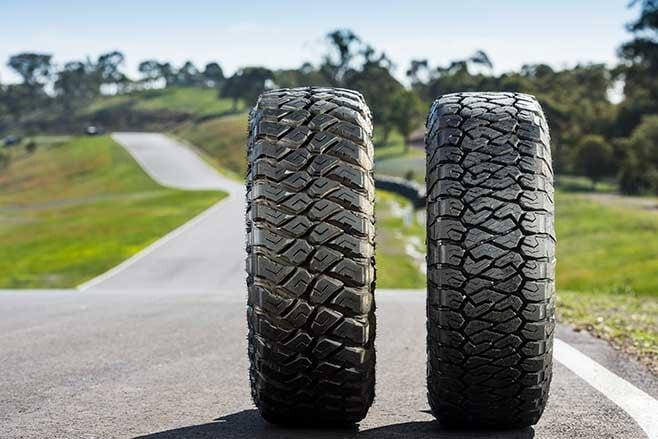
The best tread pattern is therefore not necessarily the most aggressive or expensive one. It should match the vehicle, climate, and surfaces encountered regularly. Comparing tire designs before buying can help avoid premature replacements, unnecessary fuel expenses, and the additional costs associated with unsuitable road performance.
7. Mixing Incompatible Tires Can Damage AWD and 4WD Systems
Replacing just one damaged tire can seem like the cheapest solution, but it is not always the most economical decision for vehicles equipped with all-wheel drive.
These systems distribute power between multiple wheels, and some designs are sensitive to differences in tire circumference. Installing a replacement that differs significantly from the remaining tires can create additional mechanical strain.
The problem is particularly important when the other three tires have already accumulated substantial mileage. Their tread depth may be considerably lower than that of a brand-new replacement. Even when the tires carry the same size designation, differences in actual rolling circumference can affect how the drivetrain operates.
Depending on the vehicle’s AWD design and manufacturer requirements, substantial differences can place additional demands on components such as the center differential, transfer case, or electronically controlled coupling. Repairs involving these components can cost considerably more than replacing an unsuitable tire.
USTMA specifically warns that replacing a single tire can negatively affect suspension, transmission, and tire treadwear. It recommends following vehicle manufacturer guidance when fewer than four tires are replaced.
If only two tires are installed, USTMA recommends putting the newer pair on the rear axle to help maintain stability, particularly on wet roads.
This does not mean every AWD vehicle automatically requires four new tires whenever one becomes damaged. Some manufacturers permit limited tread-depth differences, while others specify stricter replacement requirements. Certain vehicles also have different front and rear tire dimensions.
Check the owner’s manual before purchasing an individual replacement. A tire shop can measure the remaining tread and determine whether the existing tires meet the manufacturer’s compatibility requirements. Spending extra on a properly matched set can be far less expensive than risking drivetrain repairs.
8. Buying Tires With Poor Wet-Weather Grip Can Increase Accident Expenses
A tire can perform reasonably well on dry pavement but struggle when the road becomes wet. This difference matters because drivers encounter rain, standing water, and slippery surfaces throughout the year.
Choosing a replacement without considering wet-weather performance can increase stopping distances and make emergency maneuvers more difficult.
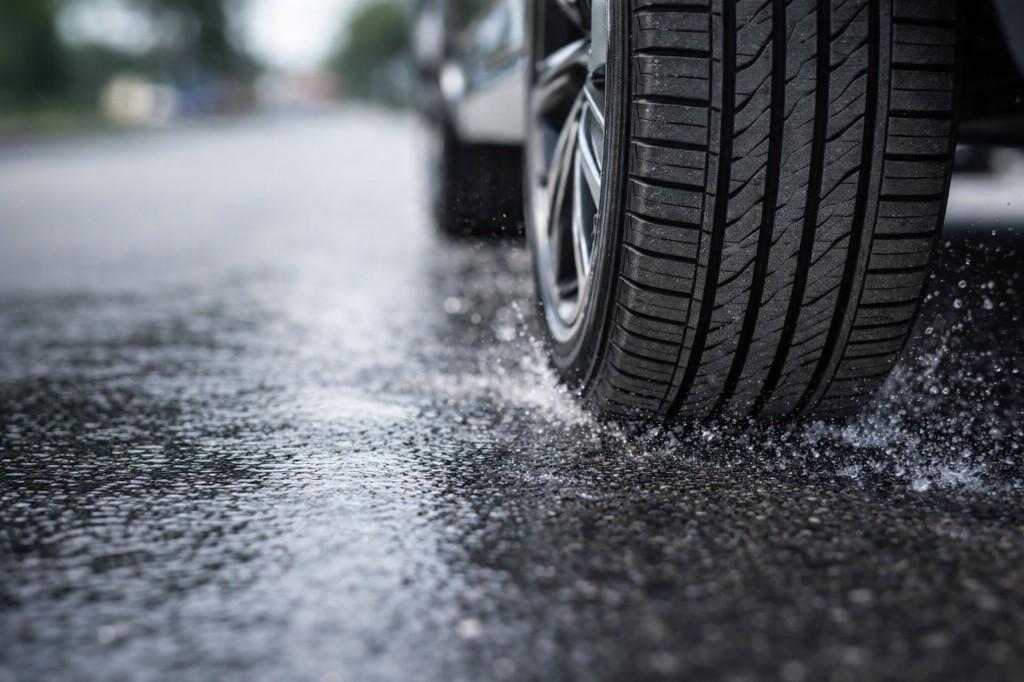
Tire tread design, rubber compounds, and the condition of the tread all influence wet-road grip. The grooves help channel water away from the contact patch, allowing the tire to maintain contact with the pavement. When a tire is poorly suited to wet conditions or has insufficient tread depth, its ability to resist hydroplaning can be reduced.
The financial consequences can extend far beyond purchasing another set of tires. Losing traction during braking or cornering can result in collisions involving bodywork, wheels, suspension components, and other vehicles.
Depending on the circumstances, drivers may also face insurance deductibles, repair bills, towing expenses, and potential increases in insurance premiums.
NHTSA identifies tire tread as an important factor in maintaining traction, particularly on wet and icy roads. Its guidance states that tires should be replaced when tread depth reaches 2/32 of an inch.
When comparing replacements, examine independent wet-braking test results rather than relying entirely on advertising claims or tread appearance. A tire with attractive pricing may not provide the wet-weather performance required for your driving environment.
Drivers in regions experiencing frequent rainfall should give this specification particular attention. Paying a little more for a suitable tire with stronger wet-road performance can help avoid much larger expenses associated with preventable accidents and loss of vehicle control.
9. Choosing Tires Without Checking Their UTQG Ratings Can Lead to Early Replacement
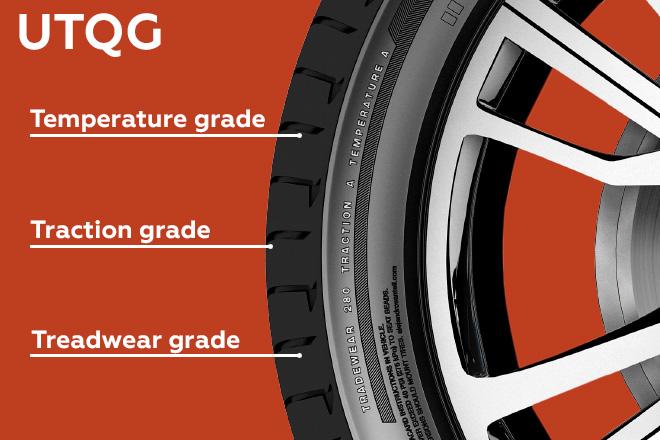
Two tires can look similar, carry the same dimensions, and still deliver noticeably different service lives. This is why checking the Uniform Tire Quality Grading (UTQG) information is useful when comparing replacement options in the United States.
The system provides information about treadwear, traction, and temperature resistance for many passenger car tires, helping buyers understand differences that are not immediately visible.
The treadwear grade is particularly relevant when considering long-term expenses. It provides a comparative indication of a tire’s wear performance against a government-prescribed reference tire under controlled testing conditions.
For example, a tire carrying a treadwear grade of 400 is assigned a higher comparative rating than one carrying a grade of 200. However, this does not mean the first tire will necessarily last exactly twice as long. Actual mileage depends on road conditions, inflation, alignment, driving habits, and maintenance.
Traction grades indicate performance in specified wet-braking tests, while temperature grades describe resistance to heat generation and the ability to dissipate heat under controlled conditions. These ratings should not be confused with a tire’s winter-weather capability or its actual expected lifespan.
The Federal Trade Commission requires UTQG information to be displayed on covered replacement passenger car tires, although certain categories, including winter tires and some specialized tires, are exempt.
Ignoring these ratings can lead buyers toward inexpensive tires that do not match their durability or performance expectations. However, the highest numerical rating is not automatically the best choice for every vehicle.
Compare UTQG grades alongside independent testing, warranty conditions, and the manufacturer’s recommendations. This additional research can help prevent premature replacement and make it easier to identify a tire that delivers better value throughout its useful life.