
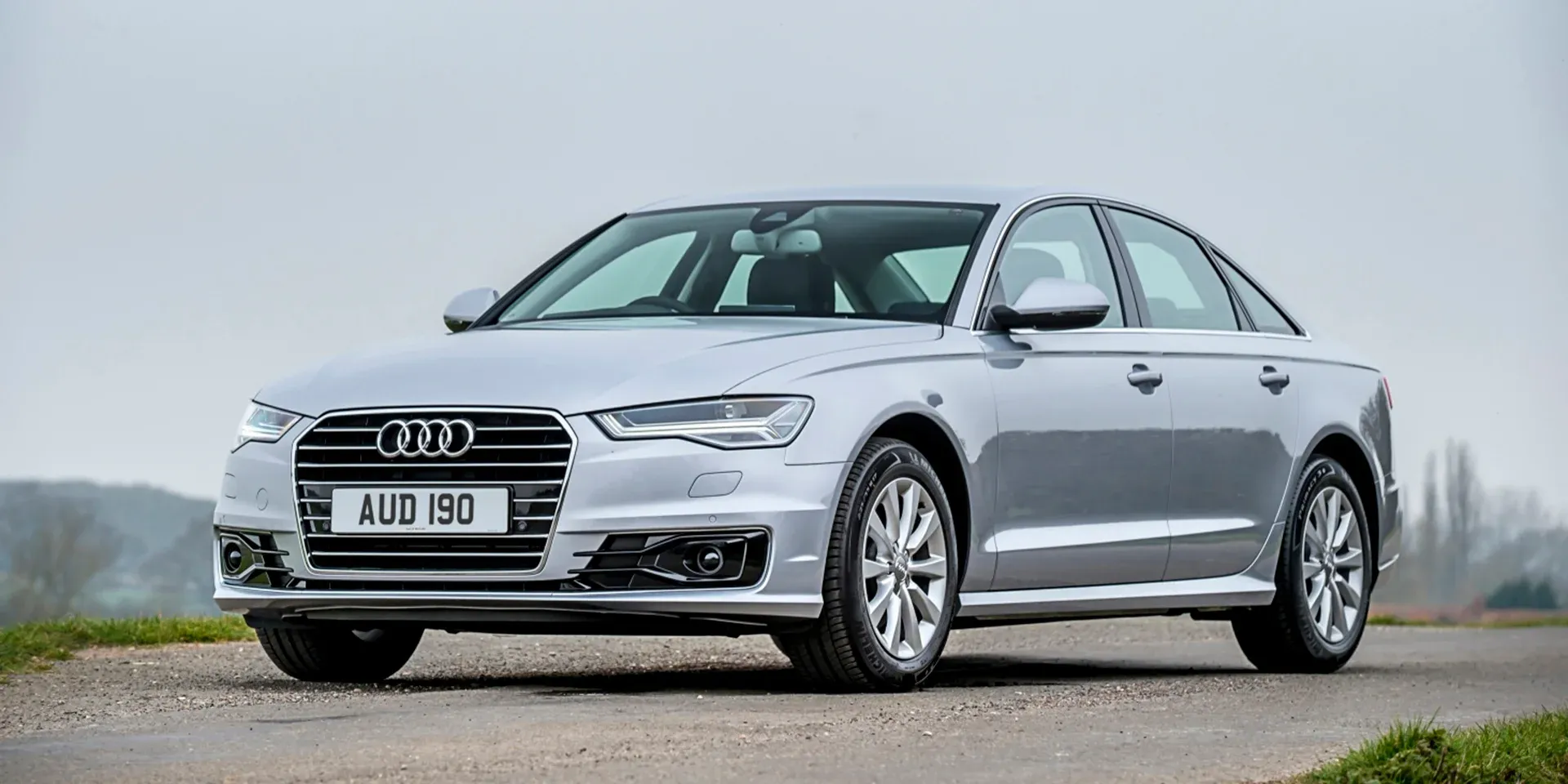
German engineering has earned both praise and criticism, but when it comes to Audi, the story isn’t as simple as “reliable” or “unreliable.” Some Audi models genuinely last when you treat them right, defying the stereotype that all German cars become money pits after their warranties expire.
Yes, they demand attention and proper maintenance, but reward diligent owners with years of sophisticated performance and luxury that cheaper alternatives simply can’t match.
Many people write off all Audis because they’ve heard horror stories from owners who skipped oil changes, ignored warning lights, and treated premium vehicles like budget rental cars.
Those cautionary tales are real, but they don’t represent what happens when you actually maintain these vehicles according to their needs. Certain Audi models have proven themselves remarkably durable when given the care they require.
This isn’t about defending every vehicle wearing four rings. Some Audi models truly are nightmares that drain bank accounts, no matter how well you maintain them.
But dismissing every Audi because of those problematic models means missing out on genuinely excellent vehicles that serve their owners faithfully for hundreds of thousands of kilometres.
Understanding which Audi models hold up and what they need to thrive makes the difference between automotive satisfaction and financial regret. These ten models represent Audi’s better efforts, vehicles that deliver on German engineering promises when you meet them halfway with proper care.
If you’re willing to invest in quality maintenance and use the right fluids at correct intervals, these Audis will surprise you with their longevity and continued performance.

1. Audi A4 B7 2.0T quattro (2005-2008)
Before direct injection complicated everything, this generation of A4 delivered straightforward turbocharged performance that responded well to proper care.
That FSI engine might not be the most powerful, but it certainly outlasted its more complicated successors when owners stayed on top of maintenance. Service these properly and you’ll easily see 300,000 kilometres without rebuilds.
Oil changes matter tremendously with these turbocharged motors. Skip them or use cheap oil, and you’re asking for trouble. Stick to manufacturer specifications, change every 8,000 kilometres maximum, and use quality synthetic oil that actually meets VW 502.00 standards.
This isn’t negotiable if you want longevity. Your turbocharger seals, timing components, and variable valve timing systems all depend on clean, fresh oil. Ignition coils fail regularly on these engines, but that’s normal maintenance rather than a design flaw.
Keep spares in your trunk because they’ll go bad eventually. When they fail, replace them immediately to prevent damage to catalytic converters. This is cheap preventative care that avoids expensive consequences.
Carbon buildup on intake valves requires walnut blasting every 80,000 to 100,000 kilometres. Direct injection means fuel never washes valves clean, so carbon accumulates gradually.
This service costs money but prevents rough running and maintains performance. Budget for it as regular maintenance rather than being surprised.
Timing belts need replacement every 120,000 kilometres, along with water pumps, tensioners, and rollers. This is expensive but necessary. Skip this service and you’ll destroy your engine when the belt breaks. Plan for this expense and have it done at proper intervals by competent mechanics who know these engines.
Suspension components wear normally, but aren’t terribly expensive to replace. Control arms, bushings, and tie rods all need periodic replacement. These are wear items, not reliability problems. Keep up with the maintenance, and the car drives beautifully for years.
Quattro all-wheel-drive systems are bulletproof when you change diff and transfer case fluids regularly. Most owners neglect these services, then complain when components fail prematurely. Fresh fluid every 60,000 kilometres keeps everything happy.
What makes this A4 generation special is how responsive it is to proper care. Treat it right and it rewards you. Neglect it and it punishes you severely. This is peak Audi for owners who actually maintain their vehicles.
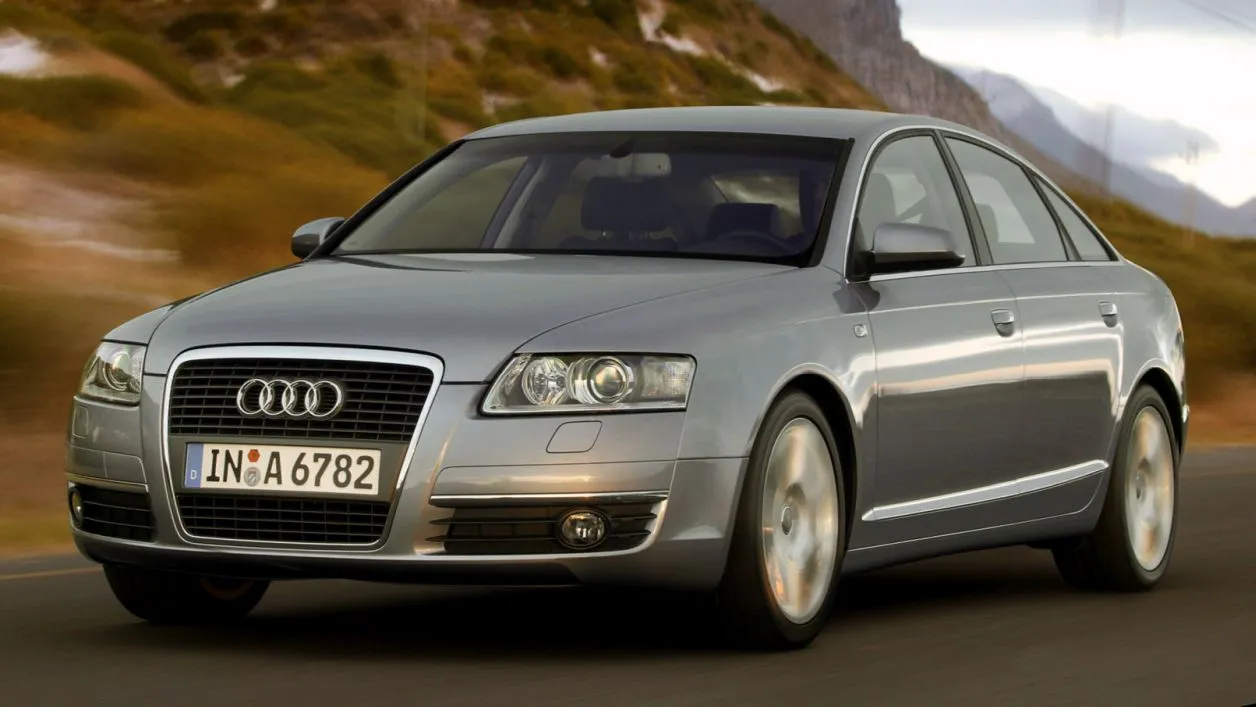
2. Audi A6 C6 3.2 FSI quattro (2005-2011)
Naturally aspirated V6 power without turbocharger complications makes this sedan surprisingly durable. That 3.2-litre engine is one of Audi’s more reliable motors when given proper attention.
Skip the timing belt service and you’ll regret it, but maintain it correctly and this V6 easily exceeds 400,000 kilometres without major issues.
Regular oil changes remain critical even without turbochargers. This engine has variable valve timing that depends on clean oil to function properly.
Sludge kills these motors faster than anything else, so religious oil changes are mandatory. Use quality synthetic oil that meets specifications and change it frequently.
Timing belts must be replaced every 110,000 kilometres without exception. This service is expensive but necessary. Water pump, tensioners, and rollers should be replaced simultaneously. Skipping this service means engine destruction when components fail.
Secondary air pump systems cause check engine lights regularly. These emissions components fail often but aren’t critical to engine operation. Many owners delete them entirely in areas where emissions testing is permitted. If you keep them, expect to replace pumps and valves periodically.
Transmission maintenance is crucial for longevity. These six-speed automatics need fluid changes every 60,000 kilometres despite Audi claiming a lifetime fill. Fresh fluid dramatically extends transmission life. Skip this service and you’ll rebuild or replace transmissions prematurely.
Suspension wears normally, but components are pricey. Air suspension models cost more to maintain than conventional setups. Budget accordingly if you choose air suspension for comfort. Conventional suspension is cheaper to maintain long-term.
Electronic issues crop up as they age. Window regulators fail. Central locking actuators die. These are annoying but not catastrophic. Budget for occasional electrical repairs as normal maintenance for older luxury cars.
What separates this A6 from problematic Audis is the naturally aspirated engine’s simplicity. Fewer things can go wrong when you eliminate turbochargers and direct injection. Proper care yields impressive longevity.
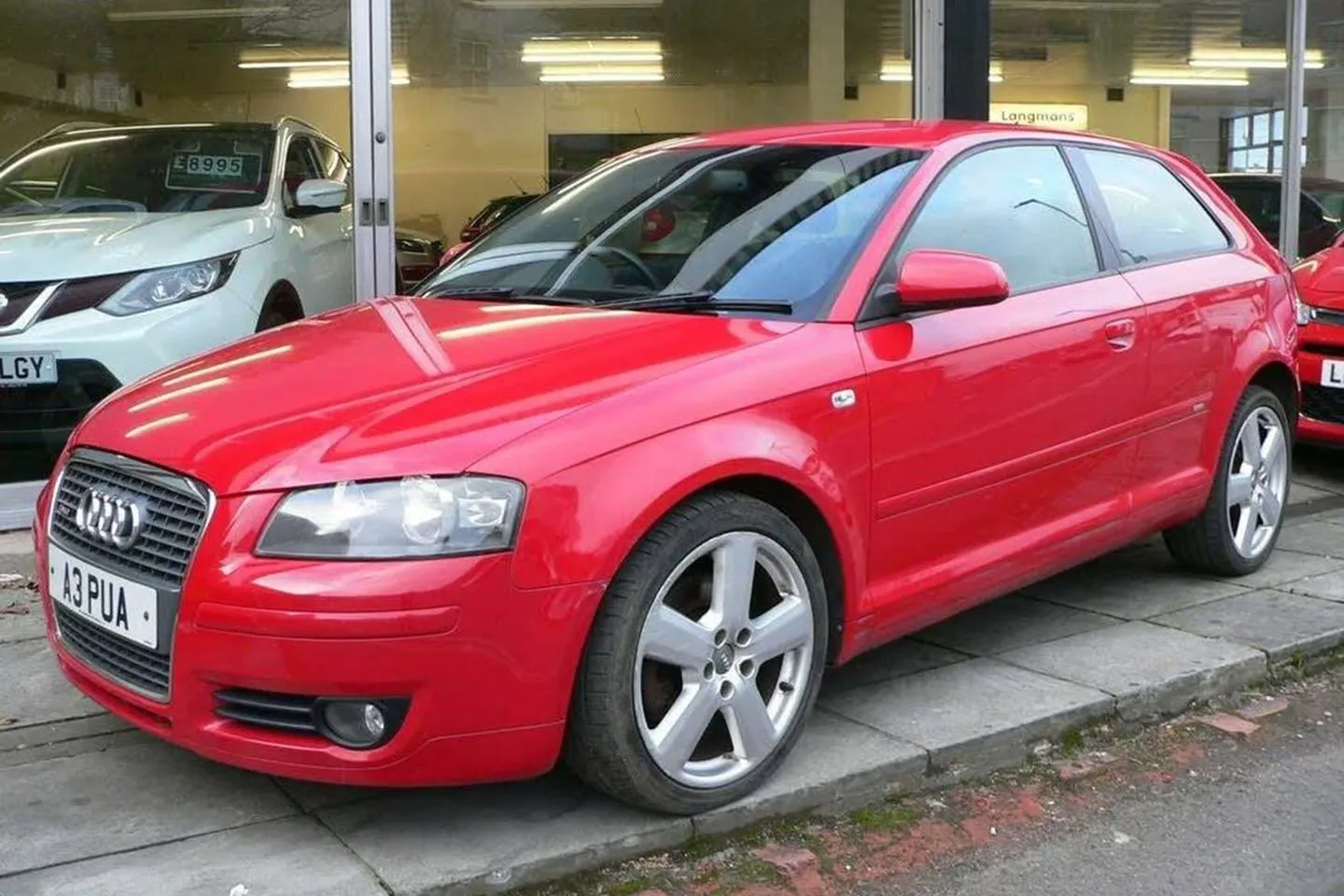
3. Audi A3 8P 2.0 FSI (2006-2013)
Compact luxury without excessive complications makes this hatchback surprisingly reliable. That naturally aspirated four-cylinder avoids turbocharger problems while delivering adequate performance.
Maintain them properly, and these run forever, proving German engineering can be dependable when designs prioritize durability.
Timing belts require replacement every 120,000 kilometres, just like other VAG motors. Water pumps should be replaced simultaneously to avoid future labour costs. This service is mandatory, not optional. Budget for it and have it done at proper intervals by competent technicians.
Direct injection means carbon buildup requires periodic cleaning. Walnut blasting every 80,000 kilometres maintains performance and prevents rough running. This isn’t cheap, but it’s necessary for long-term health. Consider it mandatory maintenance rather than an optional service.
DSG transmissions need fluid changes every 60,000 kilometres despite Audi’s lifetime fill claims. Fresh fluid dramatically extends transmission life and maintains smooth shifting. This service is inexpensive compared to transmission replacements. Don’t skip it.
Ignition coils and spark plugs need regular replacement. Keep spares because coils fail randomly. Replace plugs every 60,000 kilometres with quality parts that meet specifications. Cheap plugs cause misfires and damage catalytic converters.
PCV valves and diaphragms fail regularly, causing rough idle and increased oil consumption. Replace these every 100,000 kilometres preventatively. This cheap service prevents expensive problems with turbochargers and catalytic converters.
Suspension components are inexpensive compared to larger Audis. Control arms and bushings wear normally but cost a reasonable amount to replace. Keep up with suspension maintenance, and these drive beautifully for years.
Water pumps fail around 120,000 kilometres predictably. Replace them during timing belt service to avoid future breakdowns. Plastic impellers deteriorate, causing overheating and potential head gasket damage.
What makes this A3 appealing is how manageable maintenance costs remain despite German luxury. Parts are affordable, and service is straightforward. Proper care yields impressive longevity without bankruptcy.
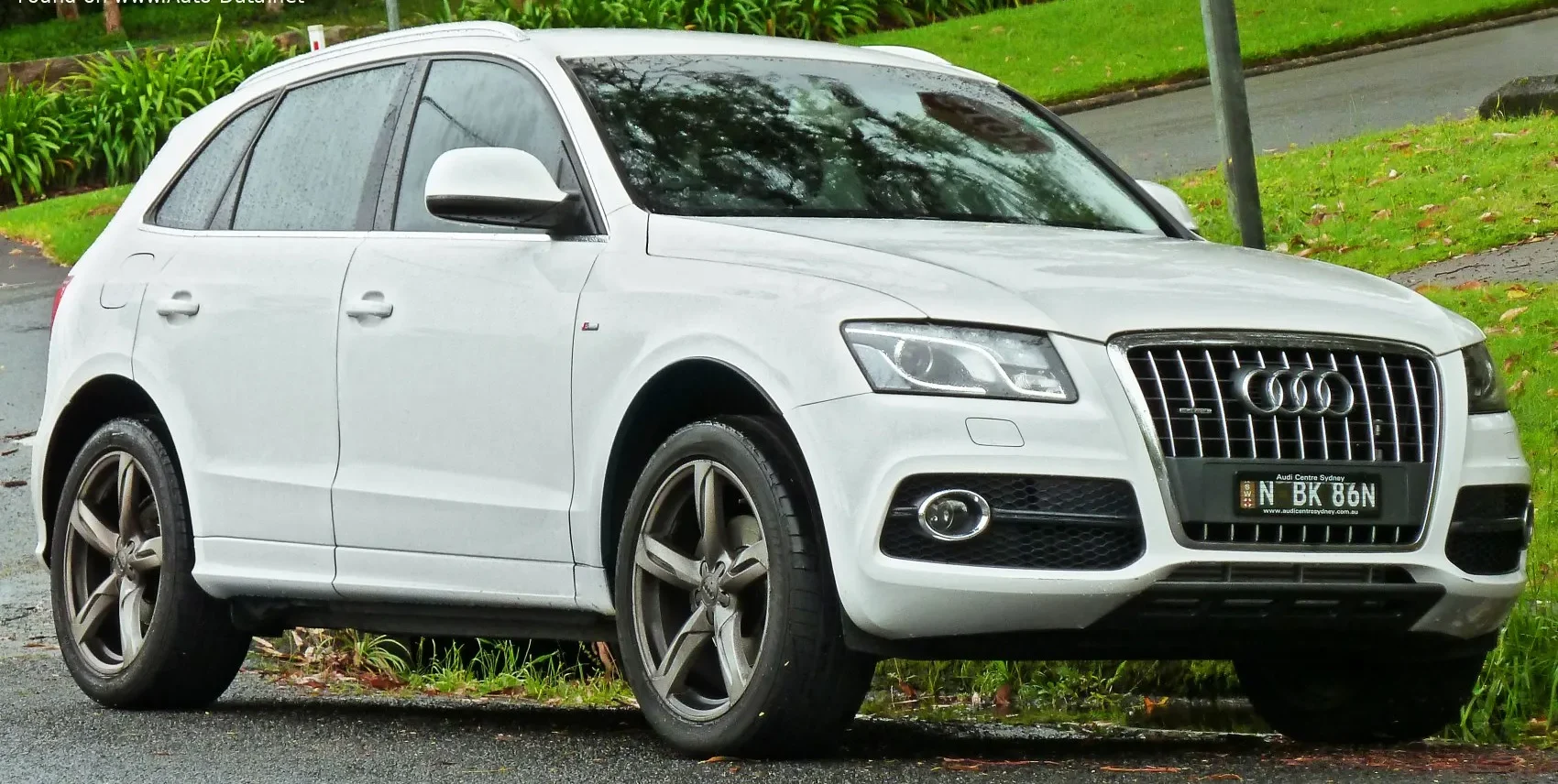
4. Audi Q5 8R 2.0T quattro (2009-2017)
First-generation Q5 models demonstrate that Audi crossovers can be reliable when treated properly. That EA888 turbocharged four-cylinder has issues in some applications, but in Q5s with proper maintenance, it serves faithfully. Stay on top of oil changes and timing chain maintenance, and these easily reach 300,000 kilometres.
Oil consumption is common with these engines, but not necessarily problematic. Check levels regularly and top off between changes. Allowing oil levels to drop causes timing chain problems and turbocharger damage. Carry extra oil in your vehicle always.
Timing chain tensioners need inspection and often replacement around 120,000 kilometres. Listen for rattling on cold starts. If you hear chain noise, address it immediately before catastrophic failure occurs. This repair is expensive but prevents complete engine destruction.
Water pumps fail regularly around 100,000 kilometres. Replace them preventively rather than waiting for failure. Overheating damages head gaskets and warps cylinder heads. This preventative service is cheap compared to engine repairs.
Turbochargers last reasonably well with proper oil changes. Use quality synthetic oil and change it frequently. Ensure proper warm-up and cool-down procedures. Let engines idle briefly after hard driving before shutting down. These simple practices extend turbocharger life dramatically.
DSG transmissions need fluid changes every 60,000 kilometres for longevity. Mechatronic units fail occasionally but aren’t terribly expensive to replace. Fluid changes prevent most transmission problems these vehicles experience.
Quattro all-wheel-drive systems are reliable when you service differentials and transfer cases regularly. Change fluids every 60,000 kilometres. This simple maintenance prevents expensive mechanical failures.
Carbon buildup requires periodic cleaning, like all direct injection engines. Walnut blasting every 80,000 kilometres maintains performance and prevents rough running. Budget for this service as regular maintenance.
What makes these Q5s worthwhile is how well they respond to proper care. Yes, they need attention, but they reward diligent owners with long service lives. This is German engineering at its best when owners meet maintenance requirements.
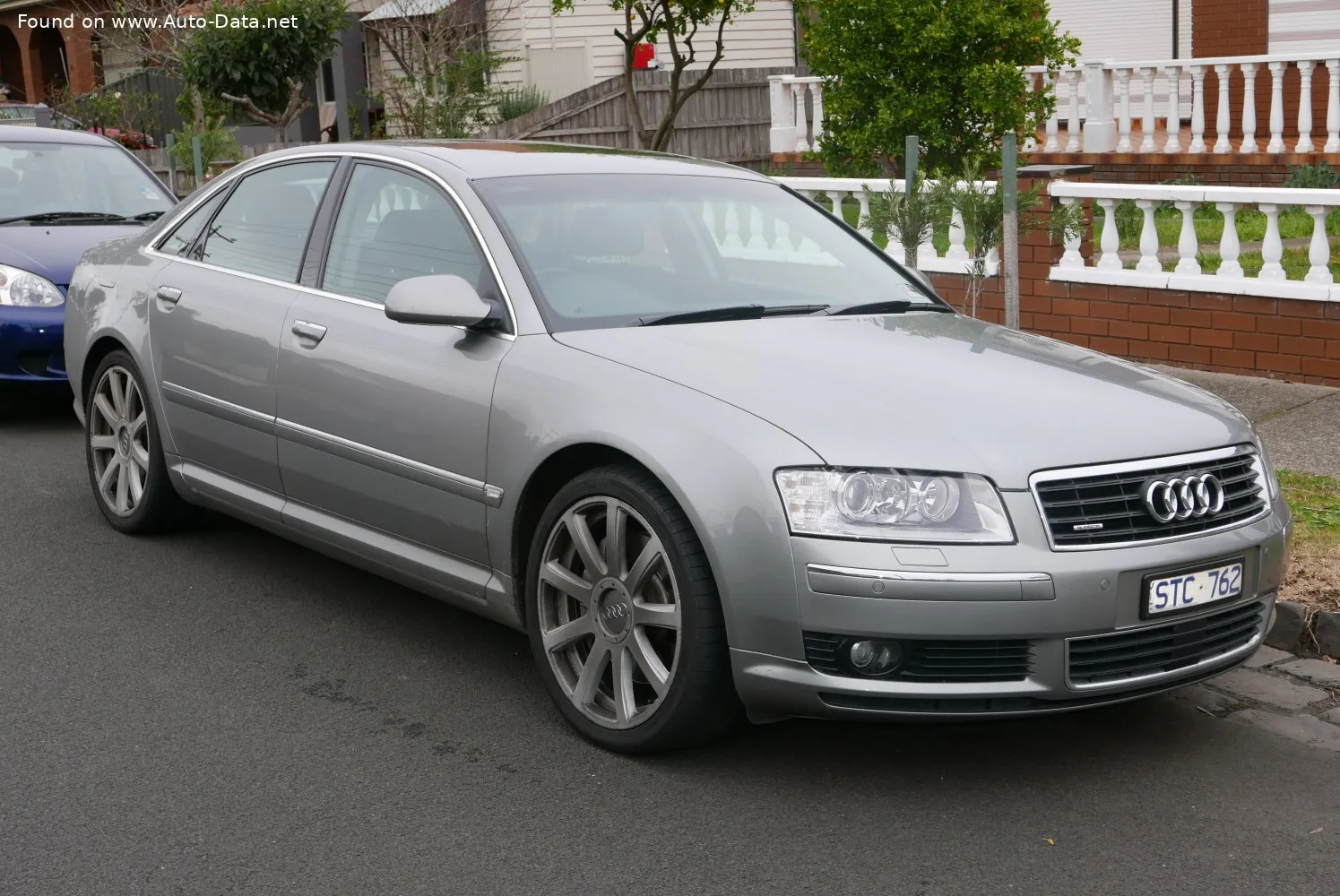
5. Audi A8 D3 4.2 FSI quattro (2004-2010)
Flagship sedans usually become maintenance nightmares, but this A8 generation bucks that trend when properly maintained. That naturally aspirated V8 is one of Audi’s more reliable engines.
Skip the timing belt service and it’s toast, but maintain it correctly and it easily exceeds 400,000 kilometres without rebuilds.
Timing belts must be replaced every 110,000 kilometres without fail. This service is very expensive because it requires removing the entire front of the car. However, it’s necessary. Engine destruction is guaranteed if you skip this service. Plan for it financially.
Oil changes every 8,000 kilometres maximum, keep this V8 happy. These engines have variable valve timing that depends on clean oil. Sludge accumulation causes catastrophic failures. Use quality synthetic oil that meets specifications and change it frequently.
Air suspension is expensive to maintain but provides amazing ride quality. Budget for compressor and strut replacements eventually. Conventional suspension conversions are possible if air suspension costs become prohibitive. Many owners convert successfully.
Electronic systems are complicated and fail occasionally. MMI systems crash. Sensors malfunction. These are annoying but not catastrophic. Budget for occasional electrical repairs as normal maintenance for luxury flagships.
Transmission fluid changes every 60,000 kilometres, extending transmission life dramatically. These six-speed automatics are reliable when properly maintained. Fresh fluid prevents the most common transmission problems.
Differential and transfer case fluid changes every 60,000 kilometres keep Quattro systems healthy. Most owners neglect these services, then blame Audi when components fail prematurely. Simple fluid changes prevent expensive mechanical failures.
What separates this A8 from unreliable luxury sedans is how well the naturally aspirated V8 responds to proper care. Yes, maintenance is expensive, but the car rewards diligent owners with impressive longevity and continued performance.
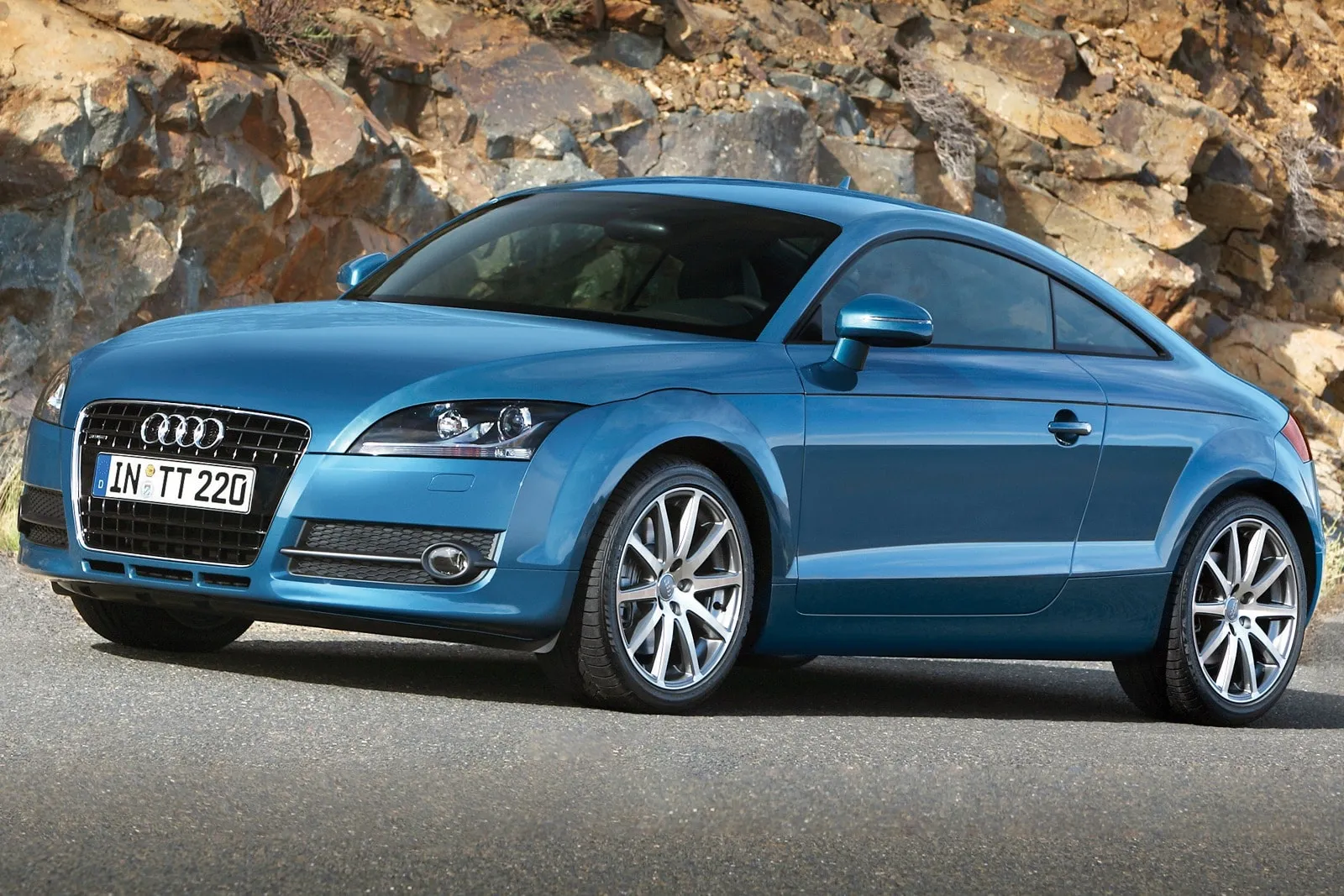
6. Audi TT 8J 2.0T quattro (2008-2015)
Sporty two-seaters demonstrate that performance and reliability can coexist. That turbocharged four-cylinder delivers strong performance while lasting surprisingly well with proper maintenance. Stay on top of oil changes and timing chain maintenance, and these easily reach 300,000 kilometres without major issues.
Oil consumption is normal with these turbocharged engines. Check levels between changes and top off as needed. Never let oil levels drop below the minimum. Low oil causes timing chain problems and turbocharger damage. Carry extra oil always.
Timing chain tensioners need attention around 120,000 kilometres. Listen for rattling during cold starts. Address chain noise immediately before catastrophic failure occurs. This repair is expensive but prevents complete engine destruction.
DSG transmissions are fantastic when properly maintained. Fluid changes every 60,000 kilometres keep them shifting smoothly. Mechatronic units occasionally fail but aren’t terribly expensive to replace. Proper maintenance prevents most transmission problems.
Turbochargers last well with proper oil changes and driving habits. Use quality synthetic oil and change it frequently. Allow a brief warm-up before hard driving. Let engines idle briefly after spirited driving before shutdown. These practices extend turbocharger life dramatically.
Water pumps fail around 100,000 kilometres predictably. Replace them preventively rather than waiting for failure. Overheating damages head gaskets and warps cylinder heads. Preventive replacement is cheap compared to engine repairs.
Carbon buildup on intake valves requires periodic cleaning. Walnut blasting every 80,000 kilometres maintains performance and prevents rough running. Budget for this service as regular maintenance rather than being surprised.
Suspension components are sportier and wear faster than standard models. Control arms, bushings, and tie rods need periodic replacement. These are wear items, not reliability problems. Keep up with them, and the car drives beautifully.
What makes these TT models appealing is how manageable maintenance remains despite performance orientation. Parts are available and service is straightforward. Proper care yields impressive longevity without astronomical costs.
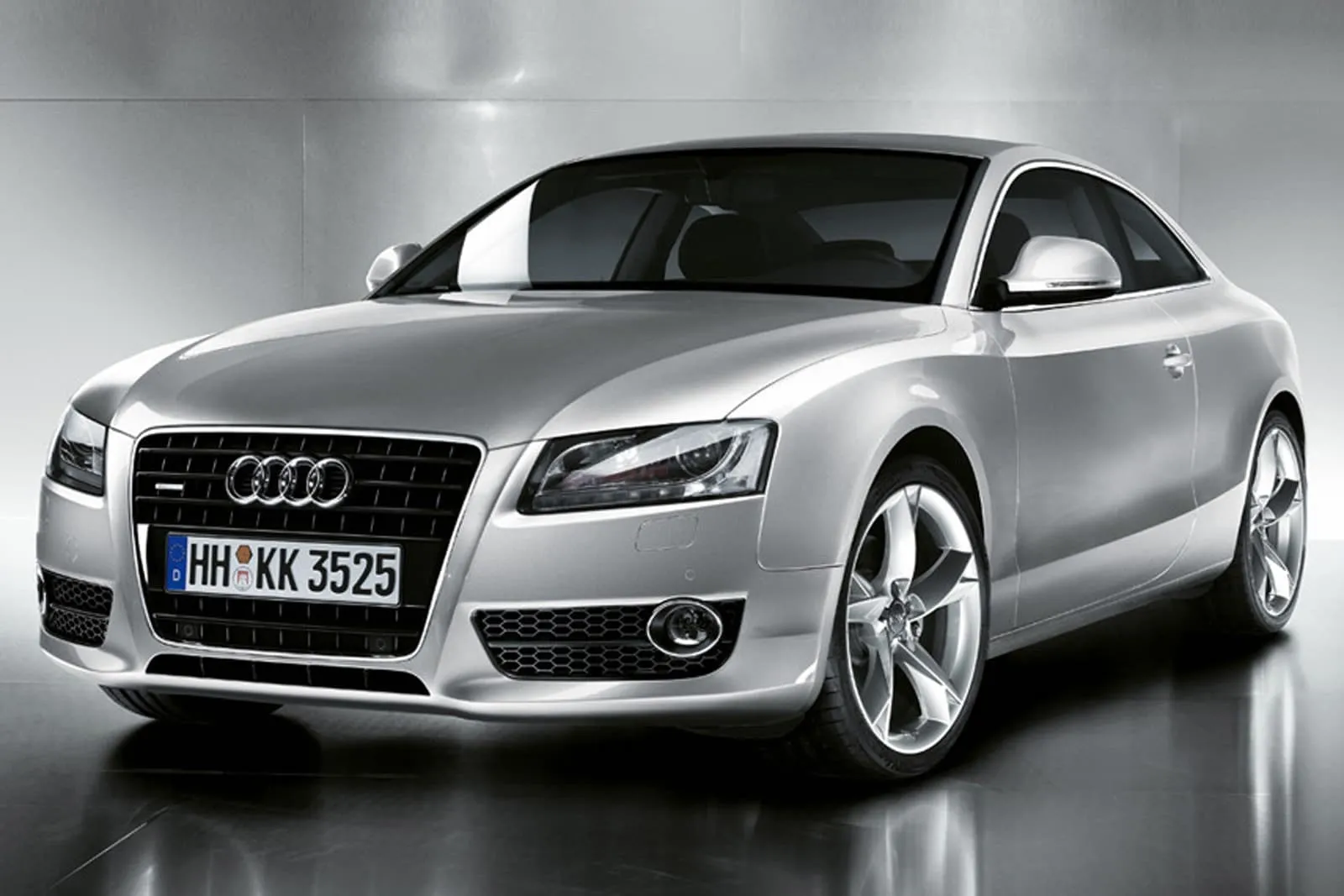
7. Audi A5 B8 2.0T quattro (2008-2016)
Coupe elegance combines with reasonable reliability in these beautiful Audis. That turbocharged four-cylinder delivers strong performance while lasting well with proper maintenance.
Stay on top of oil changes and address timing chain issues promptly, and these easily reach 300,000 kilometres without rebuilds.
Oil consumption is common but manageable. Check levels regularly and top off between changes. Never allow oil levels to drop below the minimum. Low oil damages timing chains and turbochargers. Carry extra oil in your vehicle always.
Timing chain tensioners require attention around 120,000 kilometres. Listen for rattling on cold starts. Address chain noise immediately before catastrophic engine failure. This repair is expensive but prevents complete engine destruction that costs far more.
Water pumps fail predictably around 100,000 kilometres. Replace them preventively rather than waiting for failure. Overheating damages head gaskets and warps cylinder heads. Preventive replacement is inexpensive compared to engine repairs.
DSG transmissions need fluid changes every 60,000 kilometres for longevity. These gearboxes are reliable when properly maintained. Mechatronic units fail occasionally but aren’t terribly expensive to replace. Fluid changes prevent the most common transmission problems.
Turbochargers last reasonably well with proper oil changes and driving habits. Use quality synthetic oil and change it frequently. Allow a brief warm-up before hard driving. Let engines idle briefly after spirited driving before shutdown. Simple practices extend turbocharger life dramatically.
Carbon buildup requires periodic cleaning, like all direct injection engines. Walnut blasting every 80,000 kilometres maintains performance and prevents rough running. Budget for this service as regular maintenance.
Suspension components wear normally, but aren’t terribly expensive to replace. Control arms, bushings, and tie rods all need periodic replacement. These are wear items, not reliability problems.
What makes these A5 models worthwhile is how beautiful they are while remaining reasonably reliable. Proper maintenance yields impressive longevity wrapped in a stunning design that ages gracefully.

8. Audi Q7 4L 3.0 TDI quattro (2007-2015)
Diesel power delivers impressive longevity in these large SUVs. That 3.0-litre TDI is one of Audi’s most reliable engines when properly maintained. Stay on top of oil changes and don’t neglect emissions systems, and these easily exceed 500,000 kilometres without major issues.
Oil changes are critical for diesel longevity. Use quality diesel-rated synthetic oil and change every 10,000 kilometres maximum. These engines accumulate soot that contaminates oil quickly. Frequent changes prevent internal wear and extend engine life dramatically.
Timing belts must be replaced every 160,000 kilometres without exception. This service is expensive but necessary. Water pumps, tensioners, and rollers should be replaced simultaneously. Skipping this service means engine destruction when components fail.
EGR systems require periodic cleaning to prevent issues. Carbon buildup causes problems if neglected. Clean EGR valves every 80,000 kilometres to maintain proper operation. This preventative service avoids expensive repairs and maintains emissions compliance.
DPF filters need proper regeneration cycles. Drive these SUVs on highways regularly to complete regeneration. Short trips prevent proper regeneration, causing filter clogging. Plan driving patterns to include regular highway use.
Injector failures happen occasionally but are manageable. Budget for occasional injector replacement as normal diesel maintenance. Quality fuel reduces injector problems dramatically. Use premium diesel from reputable stations.
Turbochargers last well with proper oil changes. Use quality oil and change it frequently. These variable geometry turbos are reliable when properly maintained. Clean oil is critical for longevity.
Transmission maintenance is crucial. Change fluid every 60,000 kilometres despite lifetime fill claims. Fresh fluid dramatically extends transmission life and maintains smooth shifting.
What makes these Q7 TDI models special is how diesel durability combines with luxury. Proper maintenance yields impressive longevity that justifies the initial investment.
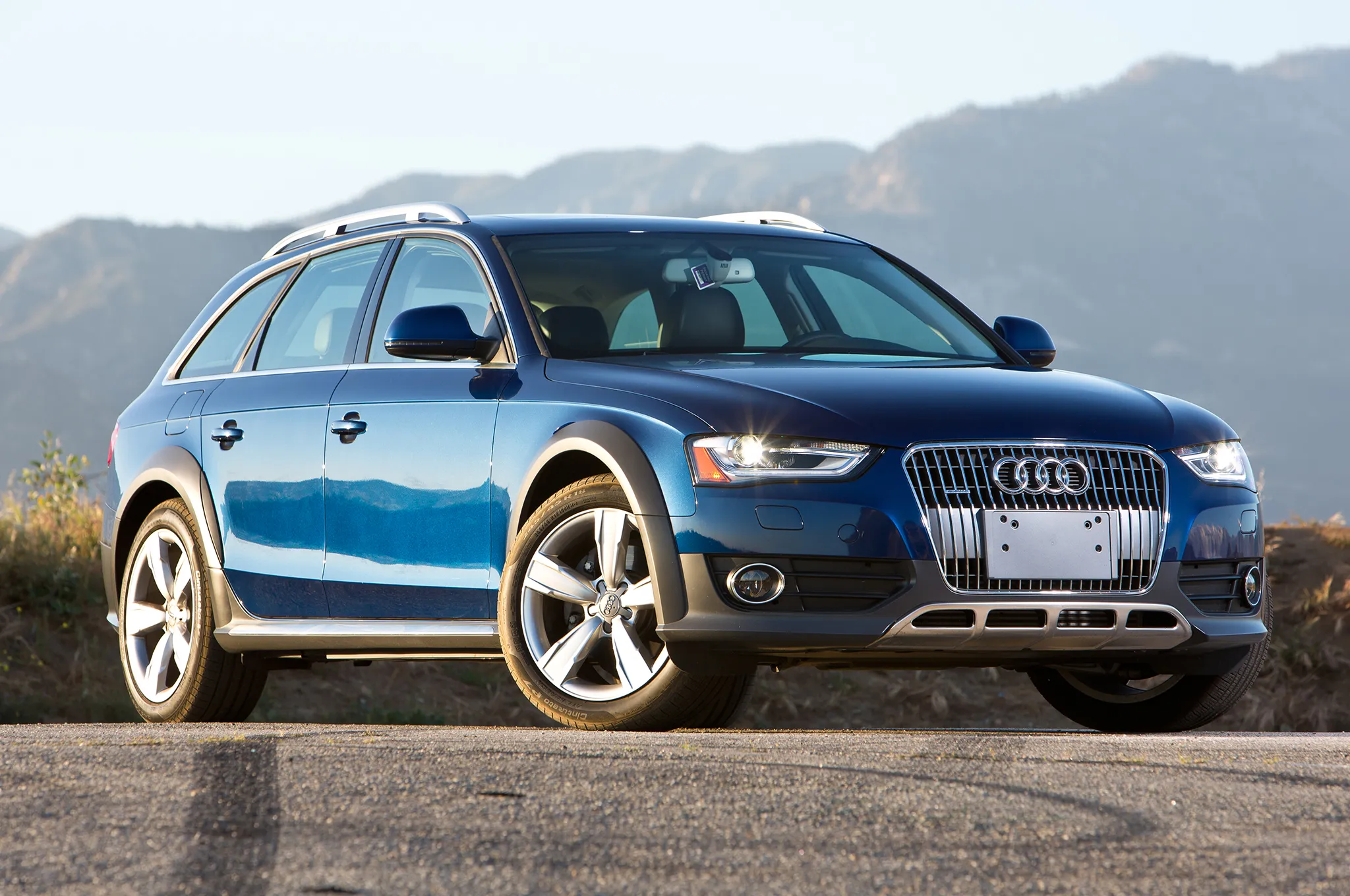
9. Audi A4 Allroad B8 2.0T quattro (2013-2016)
Wagon versatility with increased ground clearance creates practical vehicles that last well with proper care. That turbocharged four-cylinder delivers strong performance while remaining reasonably reliable when maintained correctly. Stay on top of oil changes and address timing chain issues promptly, and these reach 300,000 kilometres.
Oil consumption is normal with these turbocharged engines. Check levels between changes and top off as needed. Never let oil drop below the minimum. Low oil damages timing chains and turbochargers. Carry extra oil always.
Timing chain tensioners need attention around 120,000 kilometres. Listen for rattling on cold starts. Address chain noise immediately before catastrophic failure. This repair is expensive but prevents complete engine destruction.
Water pumps fail around 100,000 kilometres predictably. Replace preventively rather than waiting for failure. Overheating damages head gaskets and warps cylinder heads. Preventive replacement is cheap compared to engine repairs.
S tronic transmissions need fluid changes every 60,000 kilometres. These dual-clutch gearboxes are reliable when properly maintained. Mechatronic units fail occasionally but aren’t terribly expensive to replace.
Air suspension adds comfort but increases maintenance costs. Budget for compressor and strut replacements eventually. Many owners convert to conventional suspension successfully if air suspension costs become prohibitive.
Carbon buildup requires periodic cleaning. Walnut blasting every 80,000 kilometres maintains performance and prevents rough running. Budget for this service as regular maintenance.
Quattro systems are reliable with regular differential and transfer case fluid changes. Change fluids every 60,000 kilometres. This simple maintenance prevents expensive mechanical failures.
What makes these Allroad models appealing is how practical they are while remaining reasonably reliable. Proper maintenance yields impressive longevity in versatile packages.
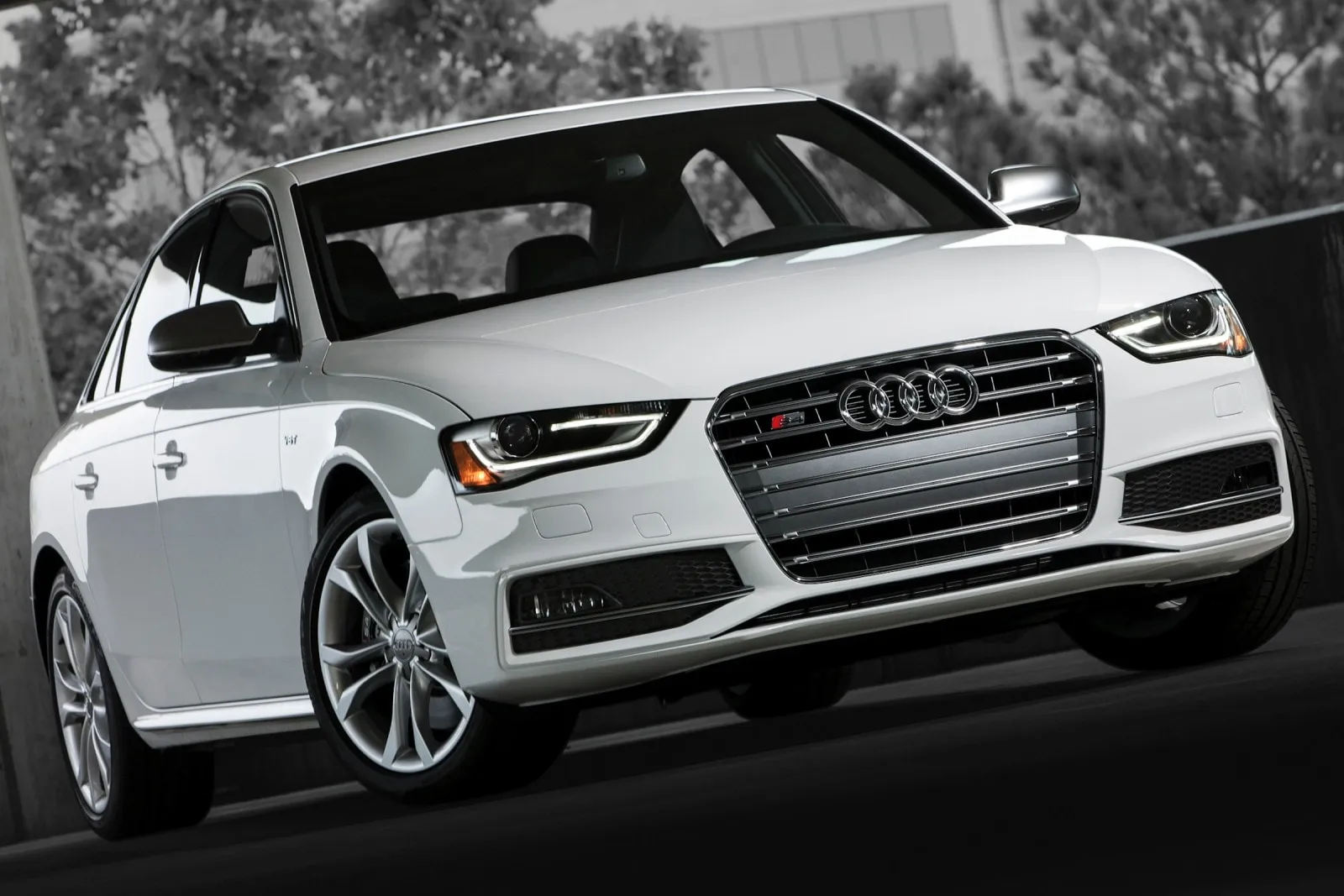
10. Audi S4 B8.5 3.0T quattro (2013-2016)
Performance sedans demonstrate that power and reliability can coexist. That supercharged V6 is one of Audi’s more reliable performance engines when properly maintained. Stay on top of oil changes and don’t neglect cooling systems, and these reach 250,000 kilometres without major issues.
Oil changes are critical for supercharger longevity. Use quality synthetic oil and change it every 8,000 kilometres maximum. These engines work hard and contaminate oil quickly. Frequent changes prevent internal wear and extend engine life dramatically.
Superchargers are reliable when oil changes are performed regularly. Unlike turbochargers, superchargers don’t depend on oil cooling, but they still need clean oil for longevity. These units last well with proper maintenance.
Cooling systems are critical for these high-performance engines. Water pumps, thermostats, and hoses all need attention. Replace water pumps preventatively around 100,000 kilometres. Overheating damages head gaskets on these engines quickly.
Carbon buildup requires periodic cleaning despite port injection. Direct and port injection combination reduces buildup compared to direct-only engines, but cleaning is still necessary eventually. Walnut blasting every 100,000 kilometres maintains performance.
Differential maintenance is crucial for these powerful sedans. Change diff and transfer case fluids every 40,000 kilometres. Hard driving stresses these components. Fresh fluid prevents expensive mechanical failures.
Suspension components wear faster than standard models due to performance orientation. Control arms, bushings, and tie rods need periodic replacement. These are wear items from spirited driving, not reliability problems.
Brakes wear quickly with performance driving. Budget for pads and rotors frequently. This is normal wear from hard use, not a reliability issue.
What makes these S4 models special is how much performance they deliver while remaining reasonably reliable. Proper maintenance and accepting higher wear from performance driving yield impressive longevity.
