
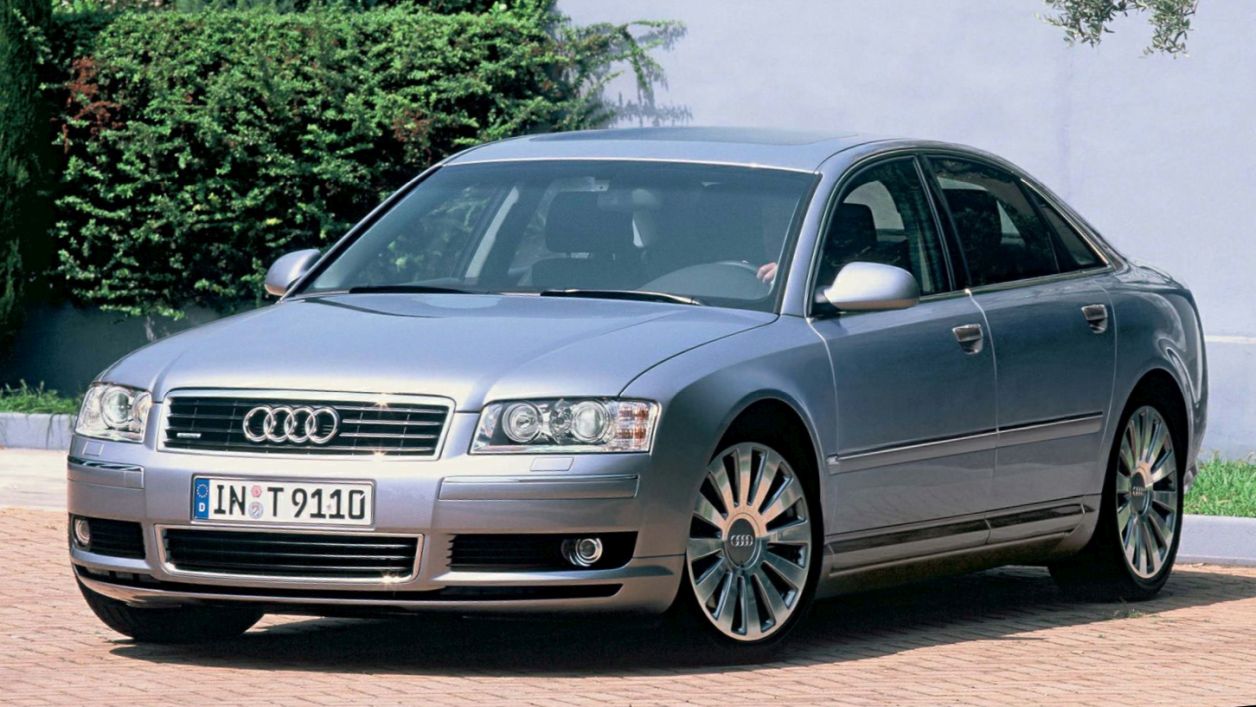
Buying a cheap Audi can feel like getting a luxury bargain. The badge looks premium, the interior feels classy, and the car often drives better than many normal vehicles. On the used market, older Audis can drop in price quickly, especially when mileage rises.
That is where the trap begins. Many buyers see a low price and assume they are getting a deal. But with some Audis, the purchase price is only the beginning. The real cost starts after you bring the car home.
Luxury cars are not built like economy cars. They use complex electronics, advanced engines, turbo systems, and premium suspension parts. When these vehicles age, repairs become expensive. Parts cost more, labor takes longer, and some problems require specialized knowledge.
Even a “small” issue can become a large bill. That is why cheap Audis often become expensive mistakes: not because Audi cars are bad, but because certain models and engines have known problem areas that can destroy budgets.
Another issue is deferred maintenance. Many cheap Audis are cheap because previous owners skipped proper servicing. When maintenance is delayed, the car may still look fine and drive okay during a test drive, but hidden issues grow underneath.
Timing chain problems, oil leaks, transmission faults, cooling system failures, and electrical issues can turn into large repair bills quickly. The worst part is that these repairs can cost more than the car is worth.
This list focuses on Audi models that are commonly found cheap, but are risky because they can become money pits. Some are tempting performance cars, some are luxurious sedans, and some are SUVs that look like family bargains.
They are not automatically bad cars, but they are the kind of used Audis that can hurt your wallet if you buy without planning, inspection, and repair budget.
Also Read: 10 European V8 Cars That Deliver Old-School Muscle Vibes
1) Audi A4 (B8) 2.0T (2009–2012)
The Audi A4 B8 with the early 2.0T engine is one of the most common cheap Audis that can become an expensive mistake. It looks like a perfect used luxury sedan deal. It offers premium styling, a refined cabin, and strong driving feel. But many early 2.0T examples have known issues that can quickly turn into costly repairs.
The biggest risk is oil consumption. Some of these engines are known for burning excessive oil. At first, it may seem like a small inconvenience, but heavy oil use often points to deeper engine problems. Fixing the root cause can be expensive, and some owners end up topping up oil constantly until major repairs are needed.
Timing chain tensioner issues are another danger area. If the tensioner fails, it can cause serious engine damage. The scary part is that the car may not give clear warning until the issue becomes severe. Timing chain repairs are not cheap, and neglect can turn the engine into a disaster.
Carbon buildup is also common in direct-injection engines like this. Over time, intake valves collect carbon deposits, affecting performance and smoothness. Cleaning it is not always cheap, especially at workshops that know how to do it properly.
Cooling system leaks and water pump failures also show up. These are not unusual on older European cars, but they become costly because the repair process involves labor, not just parts.
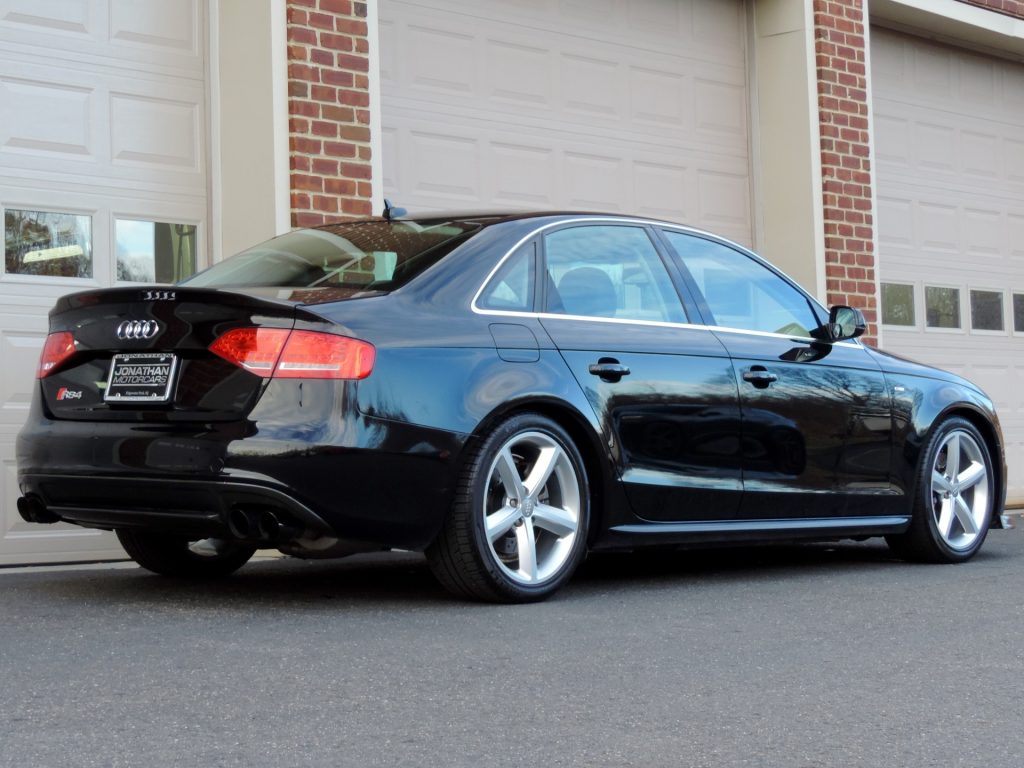
The A4 B8 2.0T is tempting because it feels premium for low money. But if you buy one without full service history, inspection, and repair budget, it can become a financial headache. The purchase price may be low, but the repair bills can quickly make it feel like a mistake.
2) Audi A6 (C6) 3.2 FSI (2005–2009)
The Audi A6 C6 with the 3.2 FSI engine is another cheap used Audi that can turn into an expensive regret. The A6 looks like a proper executive sedan, and older models drop in price fast. Many buyers see it as a luxury bargain. But the 3.2 FSI comes with complexity that can punish owners with high repair bills.
The biggest problem is timing chain service. On many of these engines, the timing chains are located at the back of the engine. This makes repairs extremely labor intensive. If timing chain issues appear, the labor cost can be huge. This is one of the most common reasons these cars become financial traps.
Carbon buildup is also a common problem on FSI direct-injection engines. Over time, intake valves collect deposits that hurt performance and fuel economy. Cleaning is not a simple cheap service. It requires professional attention, and repeated cleaning may be needed depending on driving conditions.
The A6 also carries expensive electronics and comfort features. When these systems age, electrical faults become more common. Window modules, sensors, infotainment glitches, and warning lights can appear, and diagnosing them can cost money even before repairs begin.
Suspension components also wear, and the A6 is not cheap to refresh. Control arms and bushings can wear out, especially on rough roads. Replacing these parts often becomes a costly project.
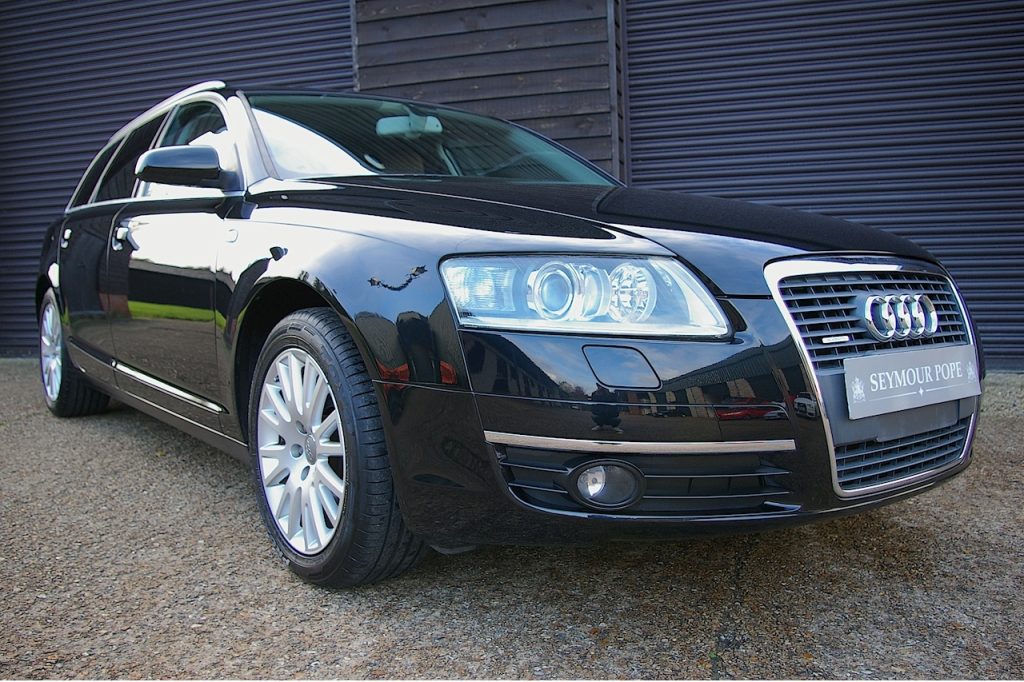
The problem with a cheap A6 is that it looks like a luxury deal but behaves like an expensive luxury car when it breaks. If you buy one without a strong repair budget and excellent service history, it can become a painful ownership experience.
3) Audi A8 (D3) 4.2 V8 (2002–2009)
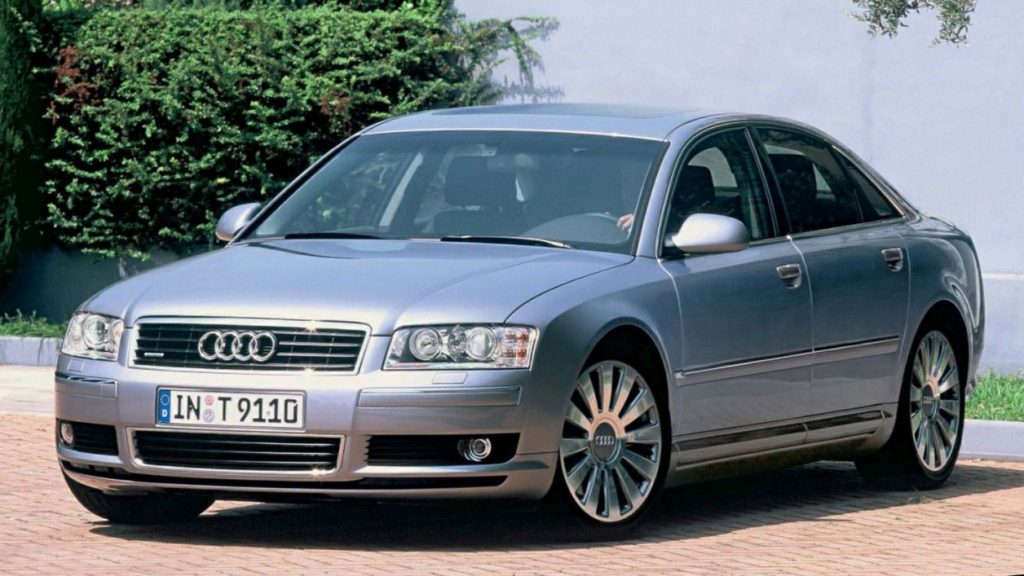
The Audi A8 D3 4.2 is one of the most tempting cheap Audis because it looks like a true luxury flagship for the price of a normal used sedan. You get high-end leather, strong road presence, and a smooth V8 experience.
But this is one of the clearest examples of a cheap Audi that becomes an expensive mistake. Flagship cars do not become cheap because they are simple. They become cheap because repairs are terrifying.
The biggest issue is complexity. The A8 is loaded with electronics, luxury systems, and advanced features for its time. When these age, things start failing. Sensors, modules, and control units can create endless warning lights. Diagnosing issues can become expensive because it often takes time to find the real cause.
Suspension is another danger. Many A8 models use air suspension. When it fails, repairs can be very costly. You might notice the car sitting unevenly or feeling unstable. Air suspension repairs can cost more than the car’s value, turning the “cheap luxury buy” into a nightmare.
Cooling system issues also appear in older V8 Audis. Hoses, thermostats, and water pumps can fail, and repairs are not cheap. Overheating can cause bigger engine problems, so ignoring cooling issues is risky.
Transmission repairs can also destroy budgets. A8 drivetrains are strong but expensive. If the gearbox develops issues, you can face major bills. These cars are not designed to be repaired cheaply.
Then there is the hidden cost: labor. Even simple repairs can take longer because the car is tightly packed and complex. Workshops charge more hours, and parts are premium-priced. That makes ownership expensive even for small fixes.
The A8 D3 4.2 is not a bad car when maintained properly. But many cheap examples are cheap because owners stopped spending on them. Buying one without full history is dangerous. The car can quickly become a financial drain that feels impossible to keep up with.
4) Audi S4 (B6/B7) 4.2 V8 (2003–2008)
The Audi S4 B6 and B7 are some of the most seductive cheap performance Audis, and that is exactly why they often become expensive mistakes. They look like normal sporty sedans, they sound incredible, and the V8 gives real performance.
On the used market, prices can look too good to ignore. But the 4.2 V8 in these cars has some of the most dangerous long-term ownership costs in the Audi world.
The biggest nightmare is timing chain service. The timing chain system is at the back of the engine, which means repairs require massive labor.
Many owners describe timing chain work as an “engine-out” job. The cost is huge, often more than what the car is worth. If you buy a cheap S4 without proof of timing chain health, you are gambling with your wallet.
Oil leaks and gasket failures are also common as these cars age. The V8 runs hot, and seals can degrade. Fixing leaks is not always simple because access is difficult. Small leaks turn into major repair sessions.
The S4 also comes with performance-related wear. Brakes, suspension components, and tires cost more than normal A4 parts. Even normal maintenance becomes expensive because everything is heavier-duty.
Cooling system issues can also show up, and overheating risks are serious. A performance V8 needs a healthy cooling system. If it fails, the consequences can become catastrophic.
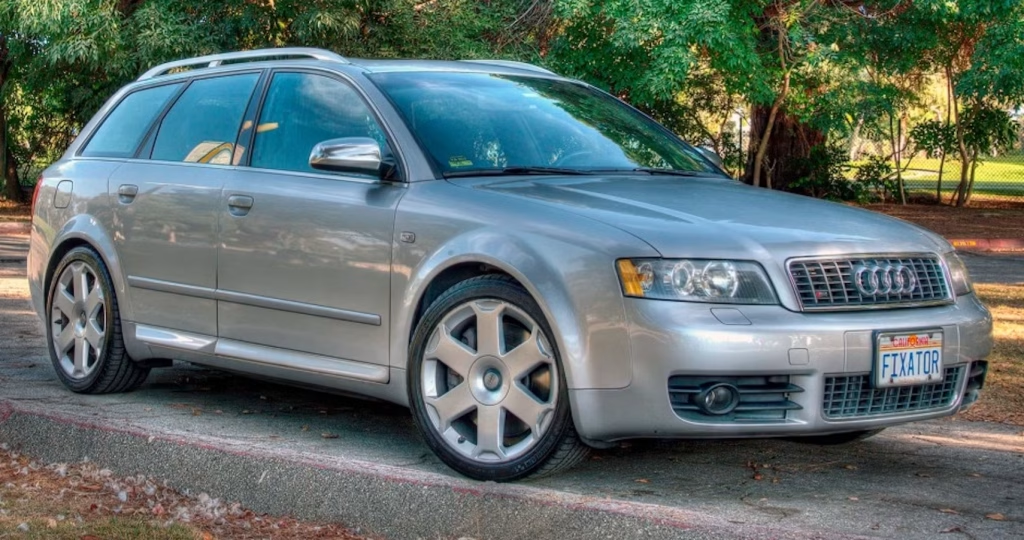
Another hidden cost is that many cheap S4s were driven hard. Some were modified poorly. Others were maintained lightly. When you buy a cheap performance car, you often inherit years of abuse.
The B6/B7 S4 is amazing when healthy, but a cheap one can ruin your finances. It is one of the most dangerous “affordable luxury performance” traps in the used car world.
5) Audi Q7 (1st Gen) 3.0 TDI / 4.2 (2007–2015)
The first-generation Audi Q7 is one of the most common “cheap luxury SUV” traps. It looks impressive, feels premium inside, and has strong road presence.
Older Q7s can drop in price dramatically, which makes buyers feel like they are getting a big luxury SUV bargain. But this is one of the most expensive Audis to own when things go wrong, especially with higher mileage examples.
The biggest issue is sheer complexity. The Q7 is heavy, packed with electronics, and built with premium systems that cost a lot to repair. When it ages, small faults become expensive quickly. Sensors, electrical modules, and warning lights are common, and diagnosing them often costs money even before repairs begin.
Air suspension is a major risk on many versions. When it fails, repairs can be brutally expensive. You may notice the vehicle sagging, riding unevenly, or feeling unstable. Fixing the air system costs far more than traditional suspension repairs, and many owners are shocked by the bill.
The engines can also create major expenses. The 3.0 TDI offers torque and efficiency, but it can bring diesel-specific issues depending on market regulations.
Components like turbo systems, EGR setups, and emissions parts can become costly. The 4.2 V8 versions can be even more painful due to high fuel use and expensive mechanical repairs.
Cooling system repairs are another common issue. Large luxury SUVs generate heat, and cooling parts wear over time. Water pumps, hoses, and thermostats can fail. Ignoring cooling problems can result in overheating damage, which becomes a disaster.
Then there is the hidden cost of size. Brakes, tires, and suspension parts are expensive because the Q7 is heavy. Even normal maintenance costs more than smaller Audis. A “cheap” Q7 can quickly become a constant money drain.

The first-gen Q7 is a fantastic SUV when maintained properly. But cheap used ones often exist because owners stopped spending on them. If you buy one without full service history and a strong repair budget, it can become an expensive mistake faster than you expect.
6) Audi A7 (C7) Early Models (2012–2014)
The Audi A7 is one of the most tempting used Audis because it looks like a sleek luxury masterpiece. It feels expensive even when it becomes cheap on the used market. That is exactly why it can become an expensive mistake. The A7 is a luxury car loaded with advanced technology, and when that technology ages, ownership costs can rise quickly.
The biggest problem is complexity. The A7 is filled with electronics, sensors, comfort systems, and infotainment features.
When these start failing, repairs can be costly. Some problems are not mechanical, but they still cost a lot because diagnosis and module replacement is expensive. A warning light can turn into a multi-step repair process.
The A7 also comes with expensive suspension and braking components. Even though it drives beautifully when healthy, worn suspension parts can make it feel sloppy. Fixing control arms, bushings, and related parts is not cheap. Luxury ride quality depends on these components being perfect.
Engine and cooling issues can also show up depending on the exact configuration. Turbocharged engines need healthy oil and cooling systems. If previous owners delayed oil changes or ignored small leaks, problems grow silently.
This is common with cheap luxury cars because many buyers treat them like normal cars, not premium machines.
Transmission-related repairs can also be costly. Some A7 versions use complex drivetrain setups, and when things go wrong, the bill is high. Even regular servicing is more expensive because parts and labor are premium.
Another issue is that many cheap A7s are “cheap for a reason.” They may have been owned by people who wanted the badge but could not afford full maintenance. So they look great but hide upcoming repair needs.
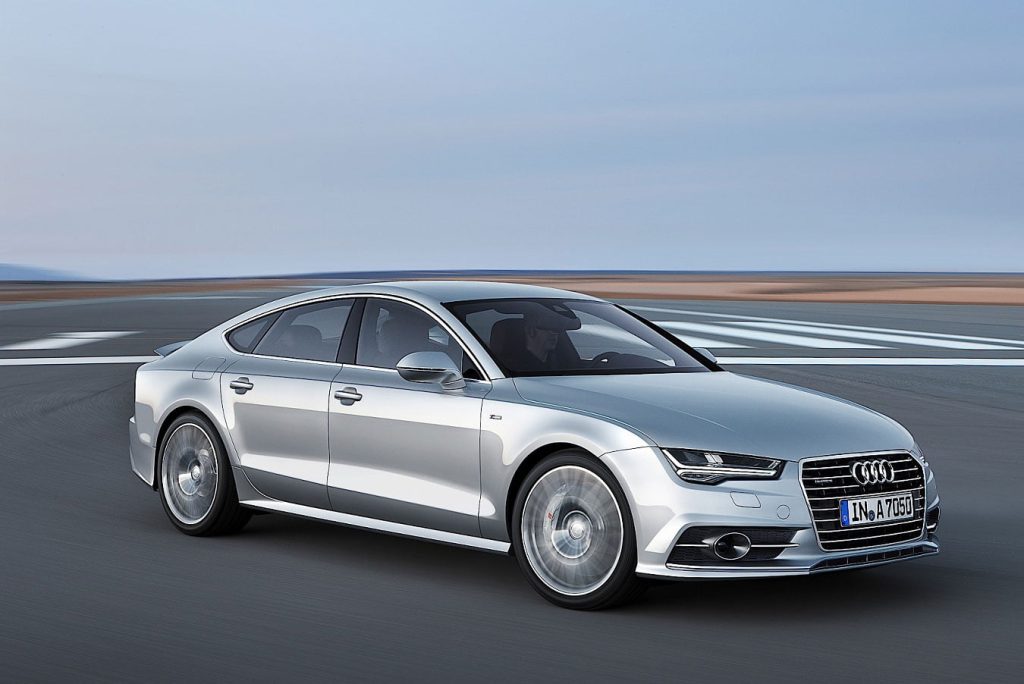
The Audi A7 is not automatically a bad car. But a cheap example without strong records can become a financial trap. It is a luxury car that still demands luxury-level repair money, even when the market price looks low.
7) Audi TT (Mk1/Mk2) DSG / S-tronic Models
The Audi TT is one of the most tempting cheap Audis because it looks sporty, stylish, and premium even when it becomes affordable.
Many buyers see it as the perfect fun weekend car. But depending on the model and drivetrain, the TT can become an expensive mistake, especially when older DSG or S-tronic gearboxes begin to develop issues.
The biggest danger is transmission repair cost. DSG gearboxes can deliver fast shifting and sporty feel, but repairs are expensive.
Mechatronics issues, clutch pack wear, and electronic faults can appear as the car ages. The scary part is that transmission problems may start small, like jerky shifting or delayed response, and then become a major repair bill.
Turbocharged engines also bring long-term costs. Older Audi turbo engines can suffer from oil leaks, PCV system faults, and boost-related issues. If previous owners ignored maintenance, the car may look fine but hide expensive problems. A cheap TT is often cheap because it is overdue for serious work.
Electrical issues can also show up in older TTs. Sensors, ignition system faults, and warning lights are common in aging European sports cars. Fixing them is rarely cheap because diagnosis takes time and parts cost more than normal economy-car components.
Suspension wear is another issue, especially if the car has been driven aggressively. Bushings, control arms, and shocks can wear quickly, and replacing them is not cheap. Many owners buy TTs for fun driving, which often means harsh use on rough roads.
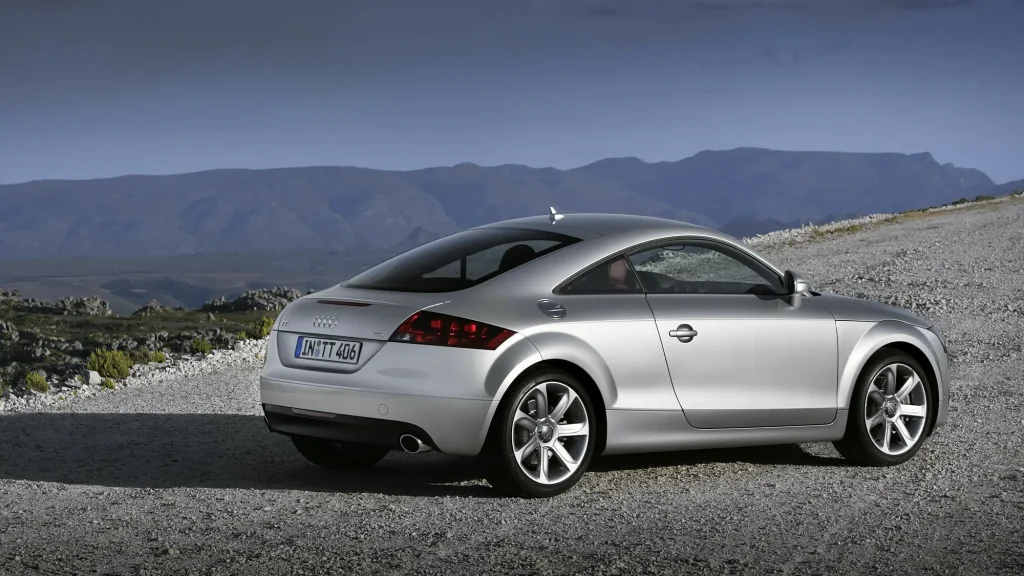
Another risk is that many cheap TTs are modified. Some are tuned, some have aftermarket parts, and some have poorly done upgrades. Modifications can create hidden reliability problems, especially if the tuning is aggressive or the parts are low quality.
The Audi TT is not a bad car. In fact, a well-maintained one can be brilliant. But the cheap ones are risky. If you buy one without full service records, gearbox health confirmation, and a repair budget, it can quickly become a money pit disguised as a stylish bargain.
8) Audi A3 2.0T (Early Models and Poorly Maintained Units)
The Audi A3 2.0T is another common cheap Audi that can become an expensive mistake, mainly because it is often misunderstood. Many people buy it thinking it is a small, simple luxury hatchback or sedan.
But the 2.0T versions carry turbo complexity, electronics, and maintenance needs that can get costly when ignored. Cheap A3s are often cheap because maintenance was delayed.
The biggest risk is engine-related issues linked to neglect. Turbocharged engines rely heavily on clean oil and proper service intervals. If oil changes were skipped or done late, turbo wear and oil burning problems can appear. These repairs are expensive, and once turbo issues start, ownership costs rise quickly.
Timing chain and tensioner problems can also be serious depending on the exact engine generation. If tensioners wear and the chain stretches, it can lead to major engine damage. Many cheap examples have no proof of chain service, which makes buying risky.
Carbon buildup is another common issue in direct-injection engines. Over time, intake valves collect deposits, causing rough idle, reduced power, and poor fuel economy. Cleaning carbon is not always cheap, especially if you want it done properly by an experienced workshop.
Transmission issues are also possible, especially in DSG-equipped A3 models. Like the TT, DSG can feel great when healthy, but repairs cost a lot when problems appear. A cheap A3 with rough shifting is often hiding a major expense.
Electrical faults can also become annoying and costly. Window modules, sensor failures, infotainment glitches, and warning lights are common in aging luxury cars. Small problems add up and destroy the “cheap ownership” dream.
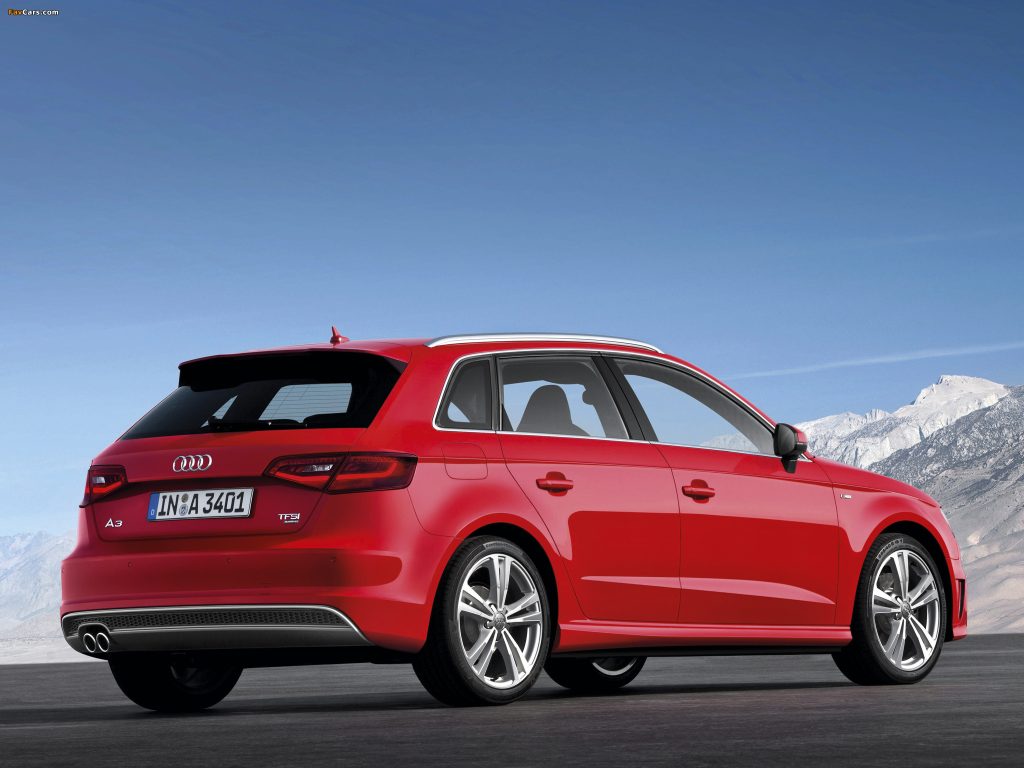
The Audi A3 can be a great car if it was maintained properly. But cheap, neglected examples are often financial traps. The price looks attractive, but the repair bills can quickly make the purchase feel like a mistake.
9) Audi Allroad (C5/C6) 2.7T / 3.0T
The Audi Allroad is one of the most dangerous cheap Audi bargains because it looks like the perfect all-purpose premium wagon.
You get space, quattro traction, and luxury comfort, usually for surprisingly low used prices. But the Allroad has a reputation for becoming an expensive mistake, mainly due to its complex suspension and expensive drivetrain components.
The biggest problem is air suspension. Many Allroad models use adjustable air suspension, and when it fails, repairs can be painful. Air bags can leak, compressors can fail, and sensors can throw errors.
The result is an SUV-like wagon that suddenly sits unevenly, rides poorly, or becomes undrivable. Fixing this properly costs a lot, and many owners are shocked when they see the repair estimate.
Engine complexity is another danger. The older 2.7T is famous for twin turbo performance, but it comes with twin turbo headaches. Turbo replacements are expensive, and access is difficult. Oil leaks and boost-related issues can become constant. Many cheap 2.7T Allroads are cheap because the turbo system is already tired.
The later 3.0T is stronger, but it still comes with expensive maintenance needs. Supercharger-related servicing, cooling system wear, and general European repair costs apply. Cheap examples often lack proper maintenance history, which makes ownership risky.
Electronics can also create problems. The Allroad is packed with modules and sensors, and aging wiring and electrical systems can cause strange faults. Diagnostics alone can cost a lot.
Then there is the hidden cost of being a luxury wagon. Brakes, suspension bushings, tires, and general service parts are premium priced. Even normal maintenance is not cheap. A cheap Allroad quickly stops feeling cheap.
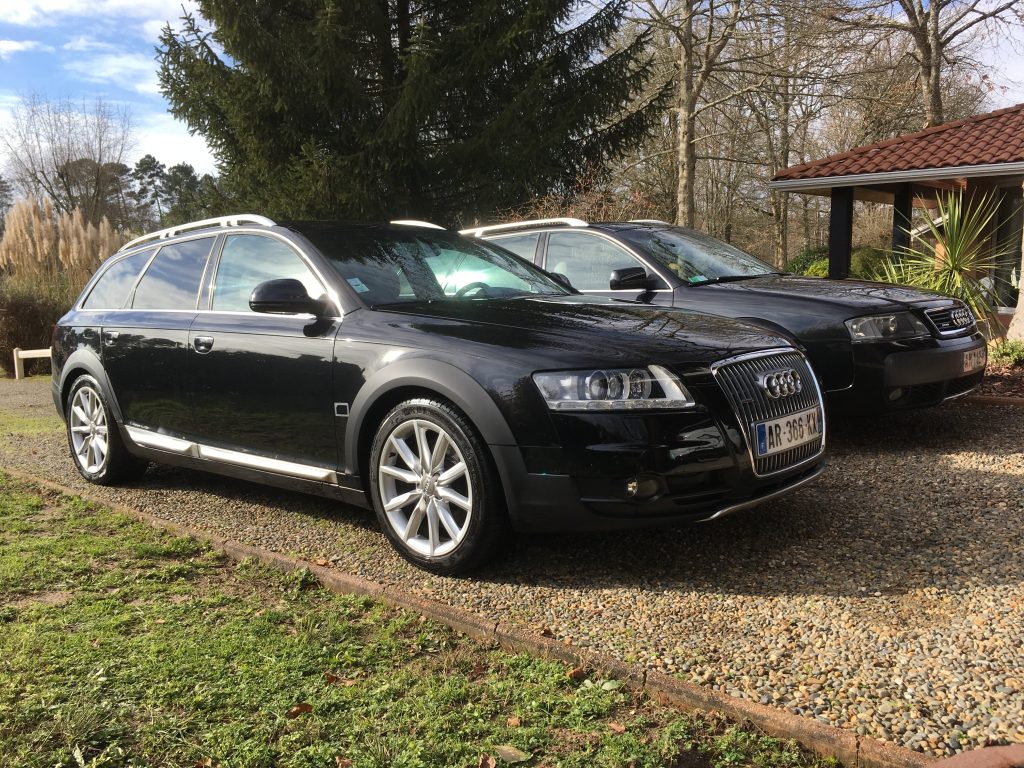
The Allroad is amazing when it is healthy. It can do city driving, long highway cruising, and even rough roads comfortably. But cheap used examples are often financial traps. If you want one, you need full history and a serious repair budget. Otherwise, it can become one of the most expensive “cheap Audi” mistakes.
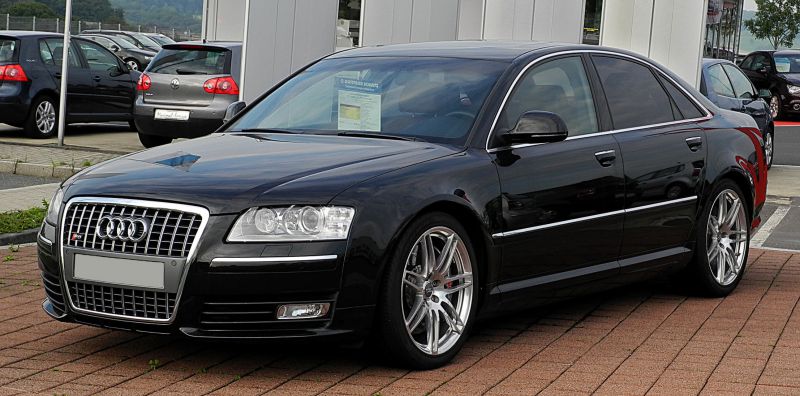
10) Audi S8 (D3/D4)
The Audi S8 is one of the most tempting cheap Audis because it offers super-sedan prestige for the price of a normal used car.
You get a flagship body, luxury interior, quattro traction, and powerful performance. But cheap S8 ownership can be financially brutal. This is the kind of car that becomes cheap because repair bills scare people away.
The biggest danger is complexity mixed with performance. The S8 has advanced electronics, luxury systems, and powerful engines that are expensive to maintain. As these cars age, problems appear in multiple areas at once. You may not face one big repair. You may face many medium repairs that destroy budgets.
Suspension is a huge risk. Many S8 models use air suspension or complex adaptive setups. When these components wear out, repairs cost a lot. If the suspension fails, the car can ride poorly or develop warning lights that require expensive diagnostics and parts.
Engine-related repairs can also be scary. V8 engines in luxury Audis can develop oil leaks, cooling system issues, and timing-related service needs depending on generation. Access is often difficult, meaning labor costs explode. Some repairs require major disassembly, which increases the bill dramatically.
Transmission and drivetrain repairs can also destroy the “cheap deal” feeling. When performance drivetrains fail, repairs are never small. Many cheap S8s are already showing signs of wear, and owners sell them before the big repair arrives.
Electronics also add risk. Infotainment faults, warning lights, sensor failures, and module issues can happen as the car ages. Fixing them is expensive because parts are costly and diagnosis takes time.
The S8 feels like a dream car at a low price, but that price is a trap. It is a car built for luxury buyers who could afford luxury maintenance. If you buy one cheap without a strong budget, it can become an expensive mistake very quickly.
11) Audi Q5 (1st Gen) 2.0T (2009–2015)
The first-generation Audi Q5 with the 2.0T engine is one of the most common cheap luxury SUV “deals,” and that is exactly why it becomes an expensive mistake for many buyers. The Q5 looks like the perfect premium family SUV.
It has the right size, classy design, and Audi interior feel. But many cheap examples are cheap because they are approaching the stage where expensive repairs become unavoidable.
The biggest danger is oil consumption and engine wear in early 2.0T versions. Some engines burn oil, and buyers often discover the issue only after purchase. Heavy oil burning can lead to deeper engine problems, and fixing the root cause can be expensive. Many owners end up constantly topping up oil while the real problem grows.
Timing chain and tensioner issues are another risk depending on the exact engine generation. Timing problems can destroy engines if ignored. The scary part is that chain-related symptoms may not always be obvious until the situation becomes serious. Timing repairs are expensive because labor costs are high.
Turbo and PCV-related issues can also appear. Turbocharged engines rely on clean oil and strong maintenance history. If the previous owner delayed oil changes, turbo wear can show up. Replacing turbo components is not cheap, and it quickly turns the Q5 from “affordable SUV” into a money pit.
Cooling system failures are another common issue. Water pumps, thermostats, and hoses can leak as the vehicle ages. Overheating risk is serious because it can create bigger engine damage. Cooling issues should never be ignored in older Audis.
Suspension and steering components can also wear, especially if the SUV was driven on rough roads. Control arms and bushings can become expensive repair items. Because this is a luxury SUV, parts cost more than normal crossovers.

The Q5 is not a bad SUV when maintained properly. But cheap examples with missing service records are risky. Many people buy them for the badge and comfort, then get hit with repair bills that feel impossible. If you want one, you need inspection, history, and budget. Otherwise it can become a very expensive mistake.
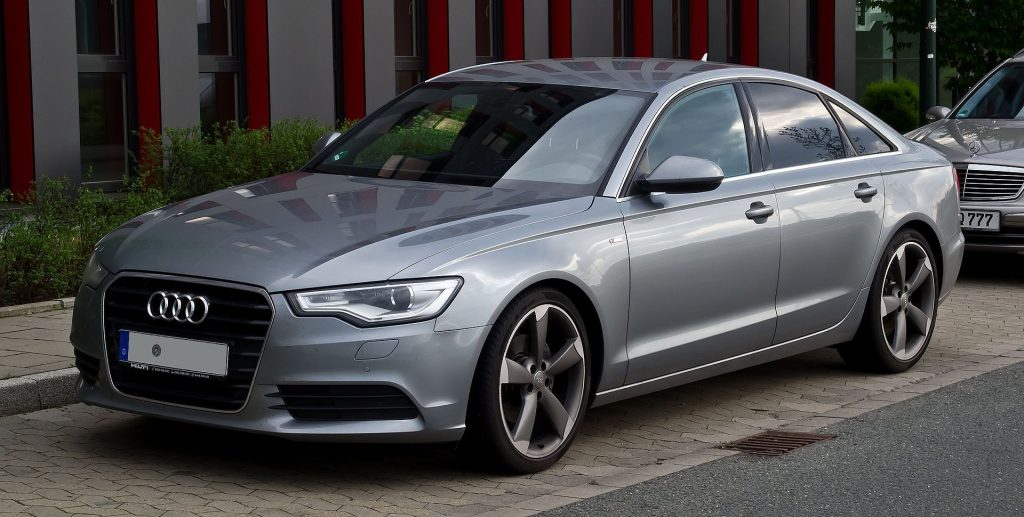
12) Audi A6 (C7) 2.0T / Early 3.0T (2012–2016)
The Audi A6 C7 is one of the most attractive cheap luxury sedans on the used market. It looks modern, feels premium inside, and drives smoothly. That is why it is such a trap. Many buyers assume it will behave like a normal sedan just because it is older and cheaper.
But the A6 is still a complex luxury machine, and certain versions can become expensive mistakes when maintenance is not perfect.
The biggest risk is engine-related repair cost. The 2.0T versions can suffer from the same turbo and oil-related issues seen in other Audi models if neglected. Small oil leaks, PCV problems, and cooling system failures can grow into expensive repairs. Turbo engines punish owners who skip servicing.
The early 3.0T is often stronger, but it still carries high maintenance cost. Supercharger systems, cooling components, and high-end electronics can become expensive when they age. Many cheap A6s are sold because the owner is trying to escape upcoming bills.
The A6 also has expensive suspension parts. Even if the car looks fine, worn control arms, bushings, and suspension joints can make the ride feel sloppy. Fixing this properly costs a lot because labor and parts are premium priced.
Electronics and infotainment faults are another risk. Aging luxury cars develop sensor problems and module glitches. Warning lights can become regular visitors. Diagnosis can cost a lot because European electronics are complex, and not every workshop understands them properly.
Transmission-related service needs can also appear depending on model. Some owners skip gearbox servicing because it feels expensive, but this creates long-term damage. Repairs later become far more costly than basic service would have been.
The A6 C7 is a great luxury sedan when maintained correctly. But cheap used ones often hide years of delayed maintenance. If you buy one without records and inspection, it can become an expensive mistake that drains money every few months.
Also Read: Top 12 SUVs Proven to Rack Up 500,000 Miles Without Drama
