
Choosing a motorcycle goes beyond how it looks or how fast it can go. Many riders think about performance, style, and comfort, but the cost of keeping the bike in good condition is just as important. A motorcycle might be affordable to buy, yet if its parts cost a fortune or if it needs repairs often, it could become a financial burden.
On the other side, a well-built model with affordable and widely available parts can make ownership more enjoyable and less stressful. The truth is that repair and maintenance costs often decide whether a rider loves their bike for years or sells it after a short time.
In the motorcycle market, different models come with very different maintenance experiences. Some brands use standard parts that can be found in many places, making repairs quicker and easier on the pocket.
Others use highly specialised components that are expensive to replace and may only be available from specific dealers. This difference in upkeep costs can be huge. Two bikes might look similar and perform equally well, but the cost to keep them running could be worlds apart. Knowing which bikes have affordable parts can help riders save money, especially if they use their motorcycle for everyday commuting or long-distance travel.
Understanding which bikes have high repair costs can help people avoid unexpected expenses. Whether you are a new rider planning your first purchase or an experienced biker looking for an upgrade, it pays to be aware of the repair and maintenance side of motorcycle ownership.
5 Bikes With Cheap Parts
1. Honda CB500 Series
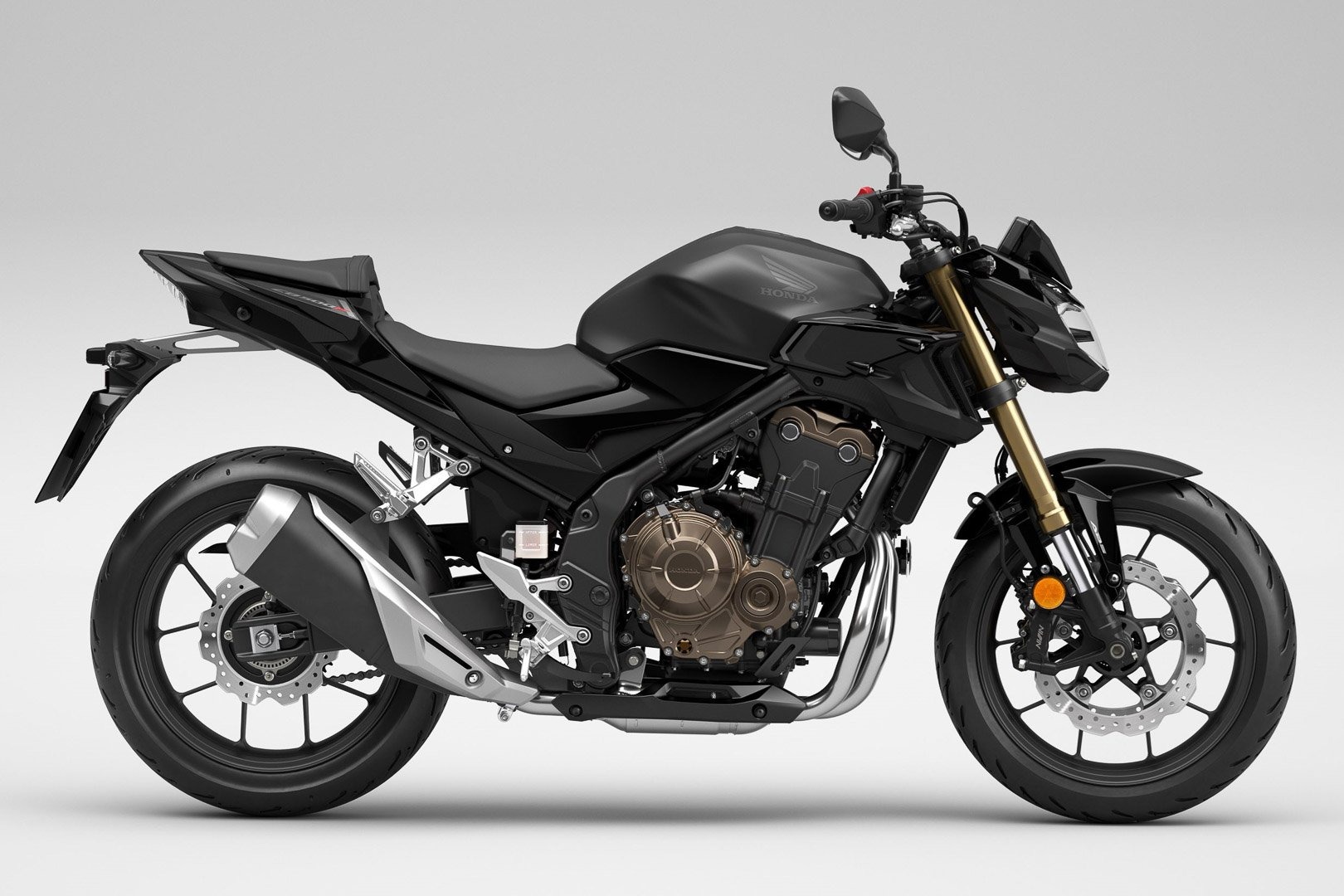
The Honda CB500 series has earned a strong reputation among riders who want dependable performance without overspending on maintenance. Whether it is the CB500F naked bike, the CB500X adventure version, or the CBR500R sport-inspired variant, all three share the same core engine platform.
This shared design means parts are widely available and interchangeable across the range. Honda’s global reach also ensures that both genuine and aftermarket parts are easy to find, and prices remain competitive. One of the reasons the CB500 series is cost-friendly to maintain is its straightforward mechanical design.
The parallel-twin engine is liquid-cooled and fuel-injected, but it avoids overly complicated electronics or high-maintenance components. Regular service items like oil filters, brake pads, and spark plugs are inexpensive, and they can be fitted by most motorcycle workshops without special tools. This makes servicing quicker, which also lowers labour costs.
Another factor that works in favour of the CB500 series is reliability. Honda is known for building engines that run smoothly for many years if properly maintained. Riders report that these bikes rarely suffer from major mechanical failures. Even when repairs are necessary after high mileage, used parts are often available from dismantled bikes at a fraction of the cost of new components.
The CB500 range is also friendly to beginner riders, which means a large used market exists for both bikes and spare parts. Many owners trade up to larger motorcycles after a few years, leaving behind well-maintained examples and affordable spares. This active market helps keep costs down for everyone.
For someone looking for a motorcycle that can handle commuting, weekend rides, and even light touring without draining their wallet, the Honda CB500 series is an excellent choice. The combination of simple engineering, wide parts availability, and solid build quality ensures that repairs will not become a financial headache.
2. Yamaha FZ-07 / MT-07
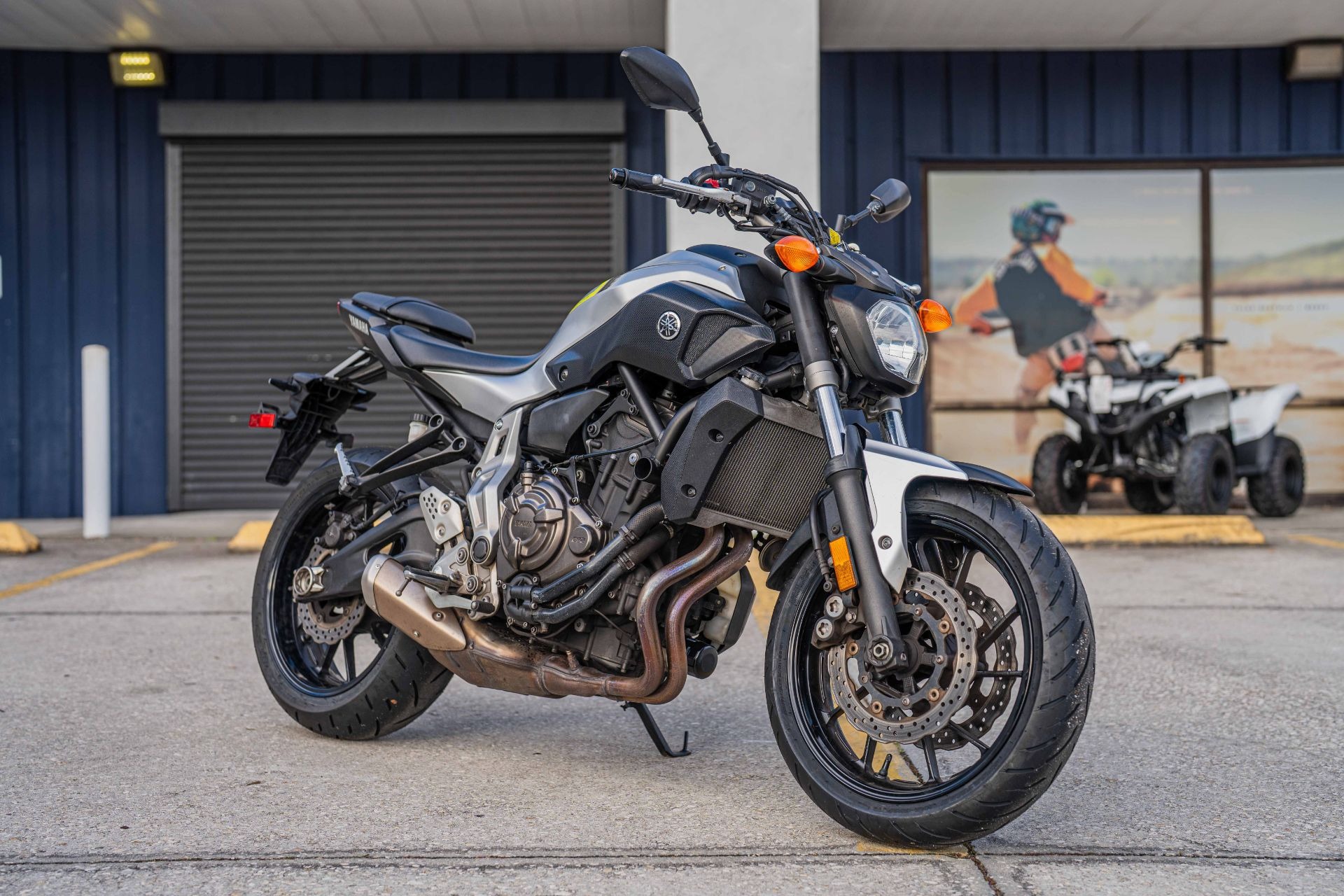
The Yamaha FZ-07, later rebranded as the MT-07, is another motorcycle that delivers great performance while remaining affordable to maintain. Its 689cc parallel-twin engine is known for its lively character and excellent fuel efficiency, but it also scores high marks for reliability and ease of service. Yamaha designed this engine to be durable without the need for frequent major repairs.
Parts for the MT-07 are widely available thanks to its global popularity. Many aftermarket companies produce compatible components, giving owners a choice between original Yamaha parts and cheaper alternatives. This variety makes it possible to manage costs without compromising safety or performance. Service items like chains, sprockets, brake pads, and clutch kits are reasonably priced and easy to install.
The MT-07’s design is quite simple compared to more advanced sport bikes. It does not have overly complicated electronics, which keeps diagnostic and repair work straightforward. Even in the case of an accident, body panels and controls are affordable to replace because so many units are sold worldwide, creating a healthy supply of used parts.
Another advantage of owning an MT-07 is its strong community of riders. Enthusiast forums and local clubs share tips on affordable maintenance and often trade spare parts, further reducing costs. Many owners also perform routine services themselves, which is easier thanks to the bike’s accessible layout.
From a riding perspective, the MT-07 offers enough performance to keep experienced riders entertained while being manageable for beginners. Its combination of low running costs, dependable performance, and wide availability of spares makes it one of the best value motorcycles for long-term ownership.
Also Read: 5 Bikes That Handle Touring Miles and 5 That Hate Distance
3. Suzuki SV650
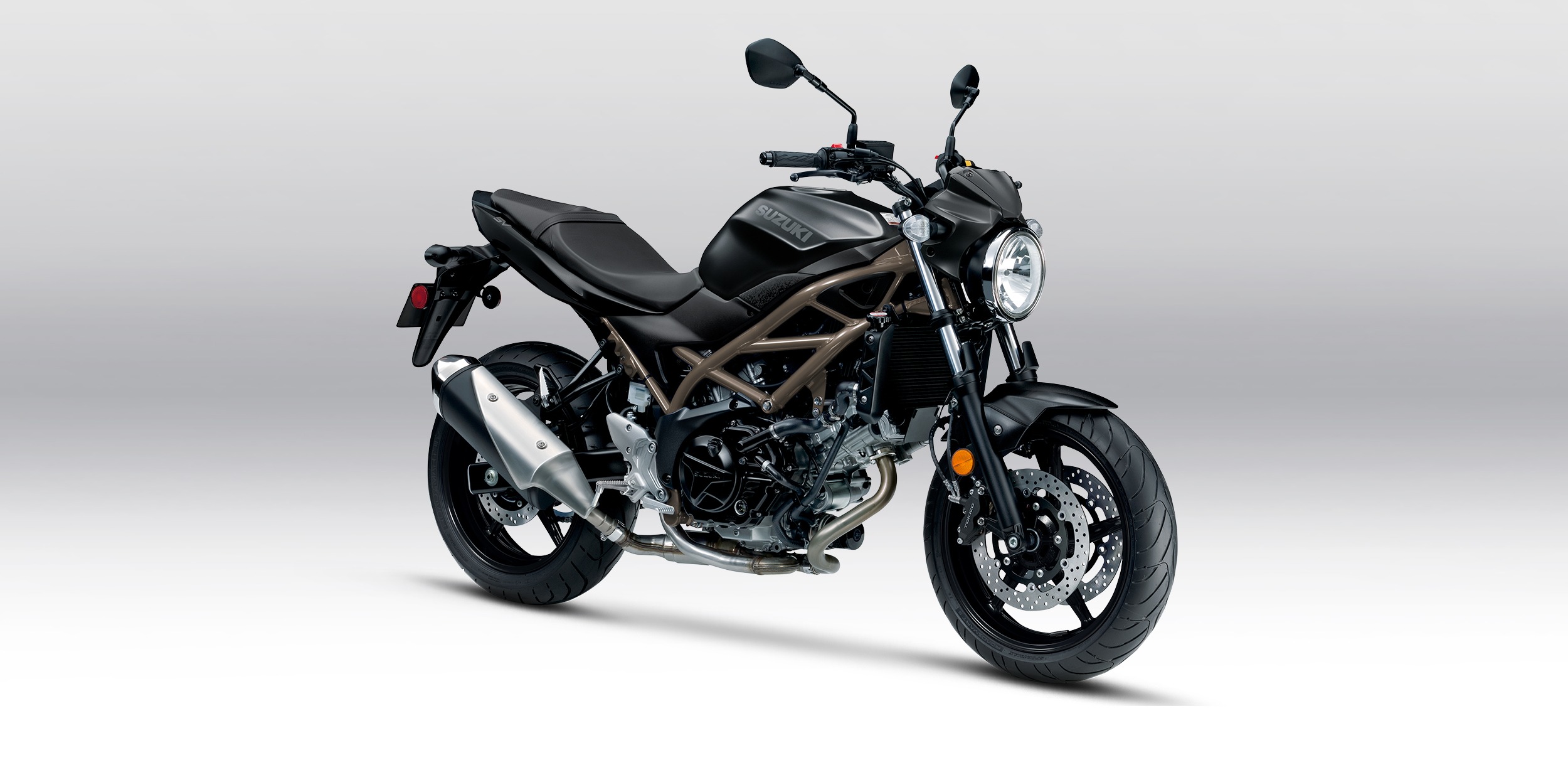
The Suzuki SV650 has been a popular choice for riders since the late 1990s, and for good reason. It combines a strong and reliable V-twin engine with a reputation for affordable upkeep. Suzuki has refined the SV650 over the years without straying far from the original design, which means parts compatibility remains high across different model years.
The 645cc V-twin is known for being tough and long-lasting. Regular maintenance is simple, and many independent mechanics are familiar with this engine. This familiarity means labour charges are usually lower, as servicing does not require specialised training or tools. Oil changes, valve adjustments, and brake servicing are straightforward, keeping workshop time short.
Parts availability is excellent. Both Suzuki dealers and aftermarket suppliers stock a wide range of components, from basic consumables to major engine parts. Even bodywork and fuel tanks can be found at reasonable prices, especially from dismantled bikes. The SV650’s popularity with beginner riders and track-day enthusiasts ensures a steady flow of affordable second-hand parts in the market.
Fuel efficiency is another benefit that adds to its cost-effectiveness. The SV650 delivers respectable mileage for its size, meaning less money spent at the pump. Insurance costs also tend to be reasonable, especially for older models.
Whether used for commuting, weekend rides, or occasional track use, the SV650 delivers a balance of fun and economy. Owners can keep it running for many years without facing high repair bills, making it one of the most budget-friendly motorcycles to own and maintain.
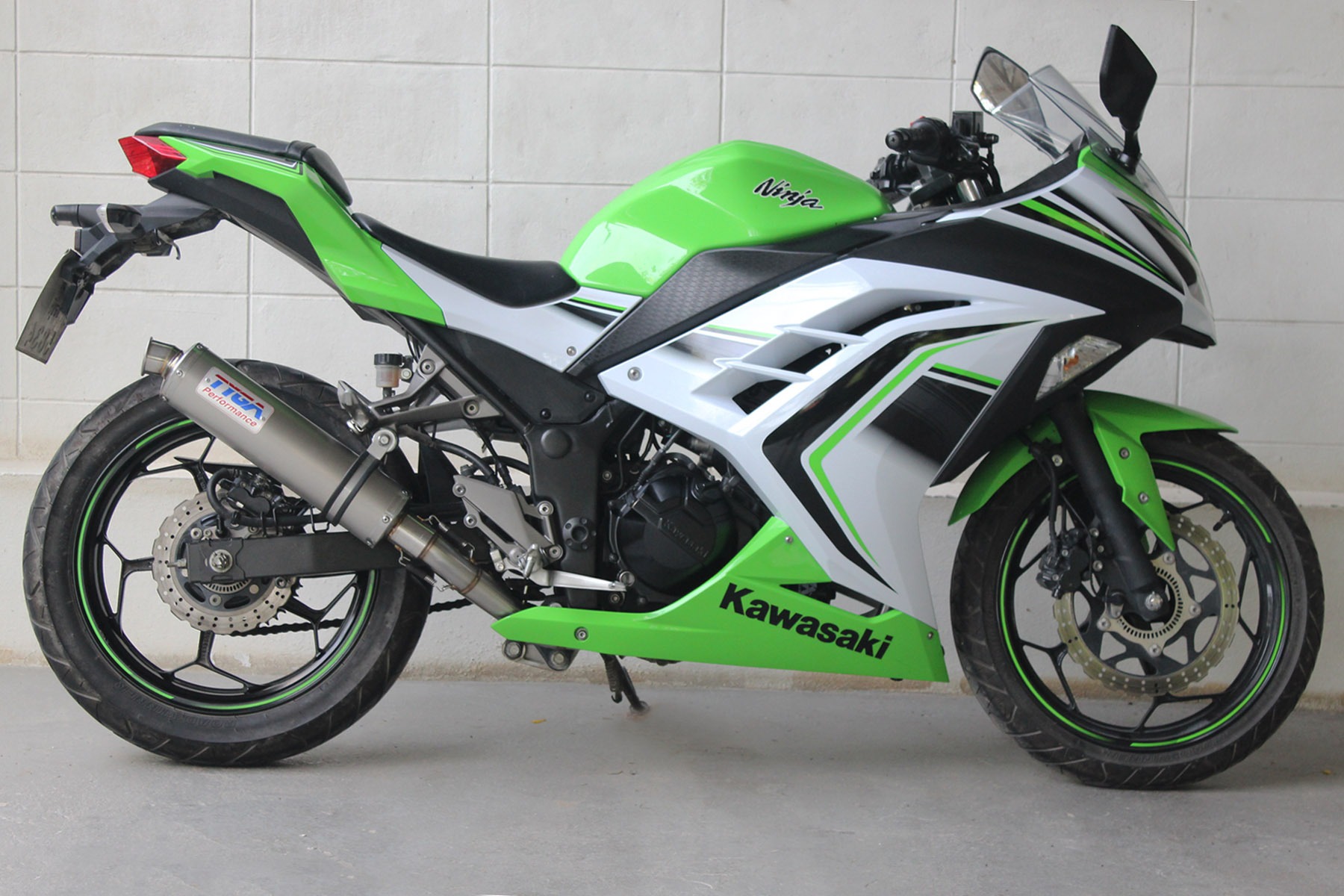
4. Kawasaki Ninja 250 / 300
The Kawasaki Ninja 250 and its successor, the Ninja 300, have long been favourites for riders who want a sporty look without the expensive upkeep of high-performance superbikes. These small-displacement sport bikes are easy to service, and their parts are inexpensive and widely available.
The parallel-twin engines in both models are reliable and do not require frequent overhauls. Routine maintenance, such as oil changes, chain adjustments, and brake servicing, is simple and can be handled by most mechanics. Even replacement body panels, often costly on sport bikes, are reasonably priced thanks to the large number of Ninjas sold globally.
Another factor keeping repair costs low is the abundance of used parts from older models. Many riders start with a Ninja 250 or 300 and upgrade within a few years, leaving behind a supply of affordable spares. This makes repairs after minor accidents or wear-and-tear damage much less expensive than on larger sport bikes.
Fuel economy is also strong, with both models offering impressive mileage for daily commuting. Tyres, chains, and brake components are smaller and cheaper than those on bigger bikes, which further reduces ownership costs.
For riders seeking a balance between sporty styling, enjoyable performance, and manageable maintenance costs, the Ninja 250 and 300 remain top choices. They are proof that you can have a sharp-looking sport bike without paying premium prices for parts.
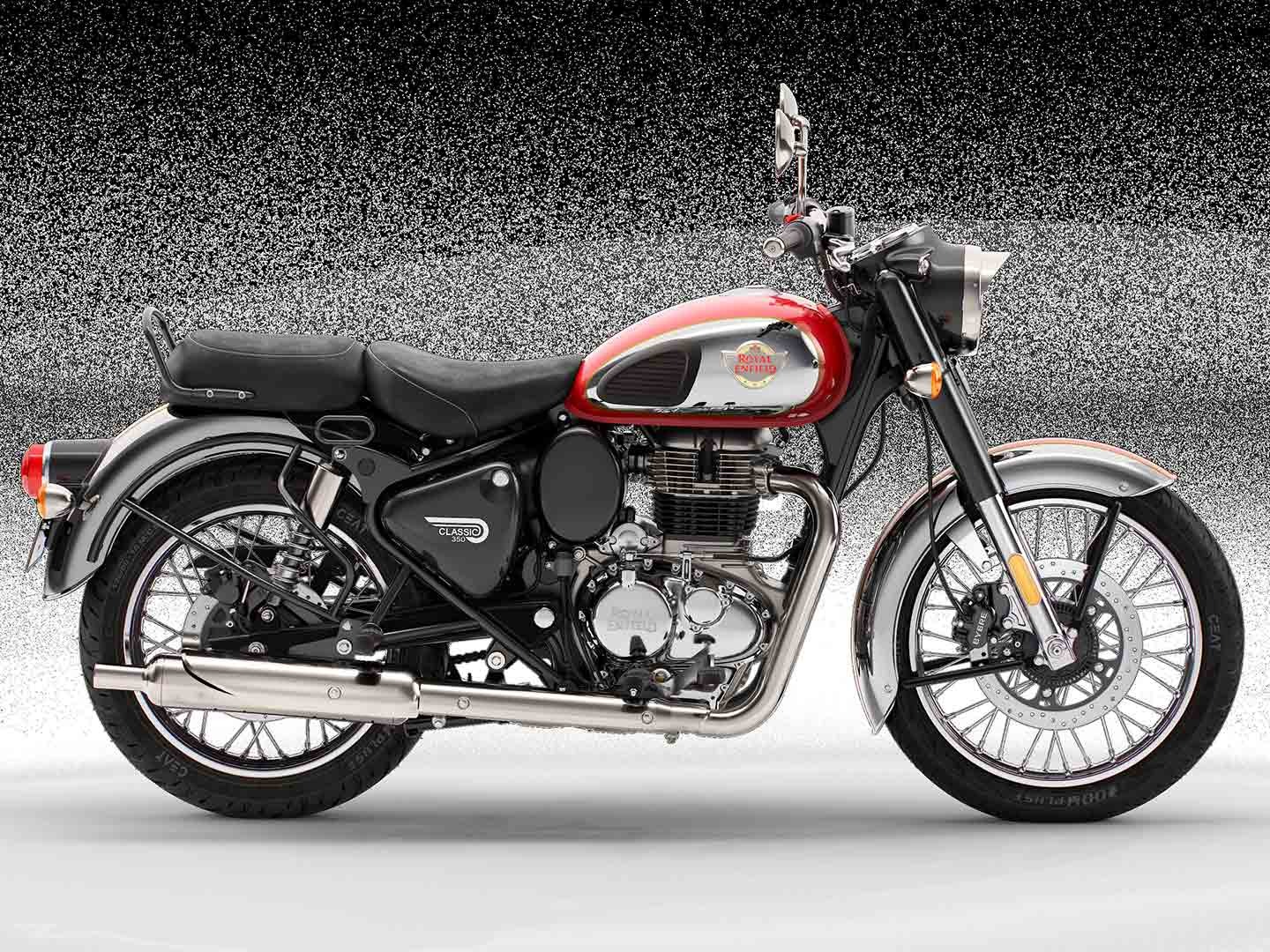
5. Royal Enfield Classic 350
The Royal Enfield Classic 350 stands out for its vintage-inspired design and simplicity. This bike uses an air-cooled single-cylinder engine that is easy to work on and has fewer parts to replace compared to multi-cylinder motorcycles. Its straightforward construction means most repairs can be done without advanced diagnostic equipment.
Royal Enfield has invested heavily in global distribution, ensuring that parts are available in many regions. The company also prices its spares competitively, making replacements affordable. Common items like cables, filters, and brake pads are especially cheap, and even more components like cylinder heads and gear sets cost less than those from larger Japanese or European bikes.
The Classic 350’s engine is designed for durability and moderate performance, which means it is not pushed to extreme limits that might cause frequent breakdowns. Its relaxed riding style also means less wear on components, helping them last longer. Many owners perform their maintenance, and the bike’s simplicity makes this possible even for those with limited mechanical experience.
From a style perspective, the Classic 350 appeals to riders who want a traditional look with modern reliability. The combination of affordable parts, simple mechanics, and global parts support makes it one of the easiest motorcycles to maintain without draining savings.
5 Bikes With Expensive Fixes
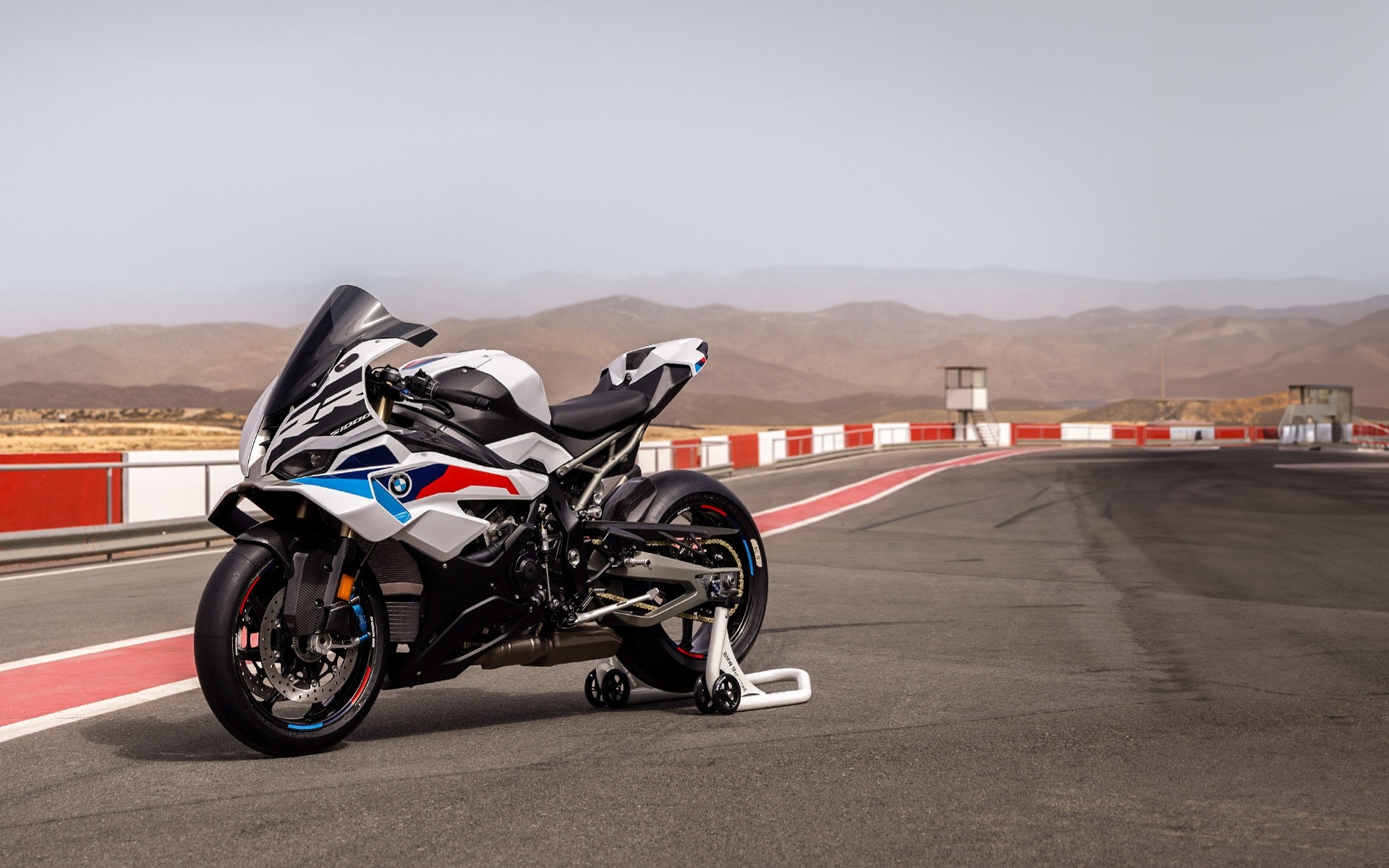
1. BMW S1000RR
The BMW S1000RR is a superbike designed for high performance, and its engineering reflects that goal. With an inline-four engine producing massive power, advanced electronics for traction control, cornering ABS, and multiple riding modes, it delivers a thrilling riding experience. However, this level of performance and technology comes with a price when it comes to maintenance and repairs.
BMW uses premium materials and specialised parts that are not only expensive to manufacture but also costly to replace. Many components must be sourced directly from BMW dealers, which often means higher prices and longer waiting times. Routine servicing requires mechanics trained specifically on BMW systems, and labour rates at authorised service centres are higher than average.
The electronics package is another factor that adds to repair costs. While it improves safety and performance, diagnosing and fixing issues with these systems requires advanced diagnostic tools that only specialised workshops possess. A malfunction in the electronic suspension or traction control can result in a repair bill that is several times higher than what a simpler motorcycle would cost.
Bodywork repairs are also costly. The S1000RR’s fairings are made from high-quality materials, often with special paint finishes, and replacing even a single panel after a minor fall can be expensive. Add in the cost of high-performance tyres, which wear out faster than touring or commuter tyres, and it is clear that this bike demands a healthy budget for upkeep.
For riders who want a cutting-edge superbike and are prepared to spend accordingly, the BMW S1000RR is unmatched in performance. However, anyone considering ownership should be aware that its repair costs reflect its premium engineering and advanced technology.
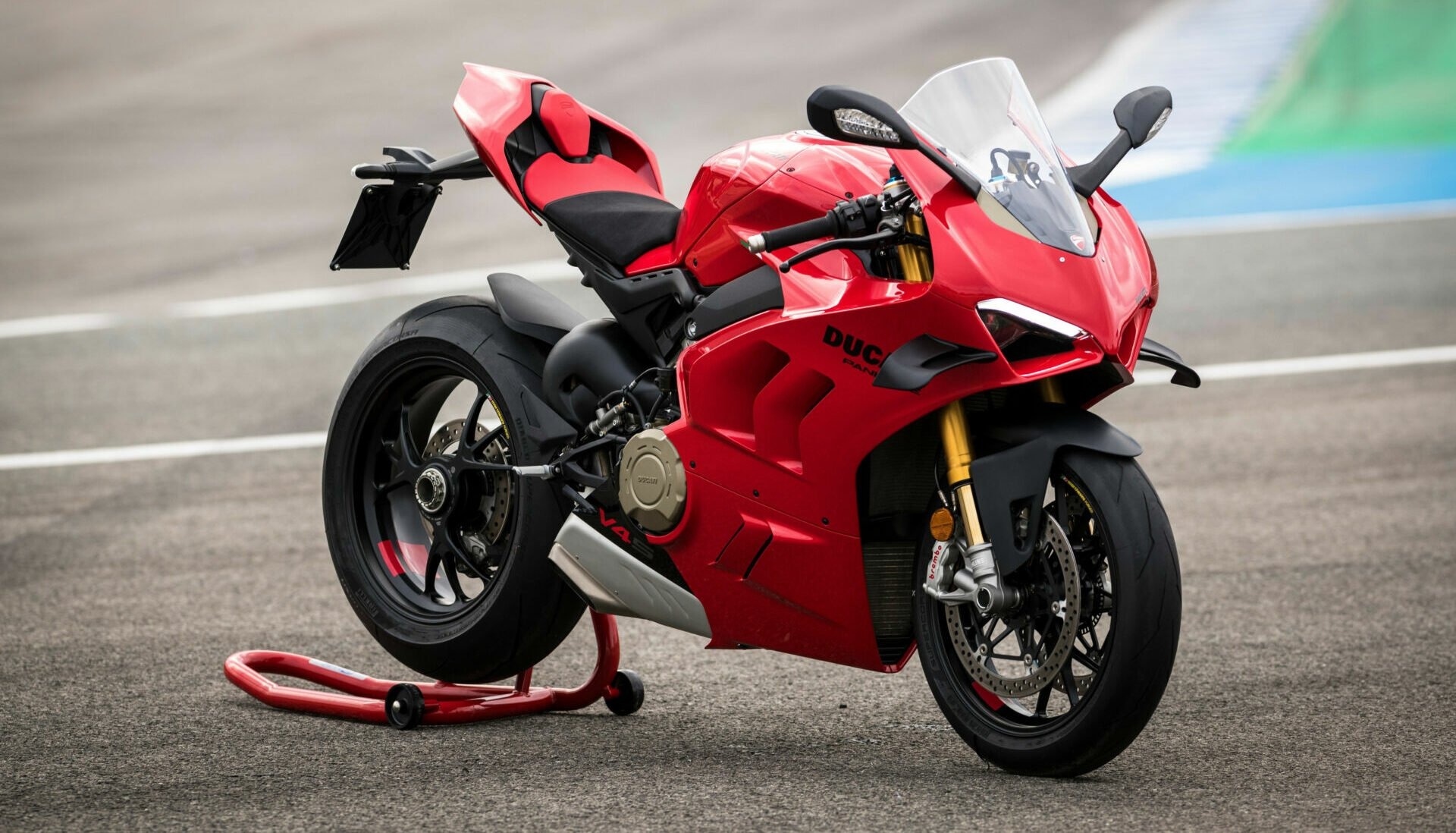
2. Ducati Panigale V4
The Ducati Panigale V4 represents the peak of Italian superbike design, with its powerful V4 engine, aggressive styling, and track-ready chassis. While it delivers incredible performance, maintaining a Panigale V4 is a commitment that requires financial planning. Ducati’s engineering is precise and performance-focused, which means parts are often more expensive than those from mainstream brands.
One major contributor to the high cost is the Desmodromic valve system. This unique design allows for exceptional engine performance but requires specialised servicing by trained technicians. Valve inspections and adjustments are more frequent and labour-intensive compared to conventional systems, and they come with a high service bill.
Bodywork on the Panigale V4 is crafted from lightweight materials such as carbon fibre or high-grade plastics, often with custom paintwork. This makes even minor crash repairs expensive. The bike also features advanced electronics, including multiple riding modes, wheelie control, and slide control, all of which add complication and cost when repairs are needed.
Tyres for the Panigale V4 are high-performance types that wear quickly under spirited riding. Replacing them regularly is part of ownership, and they are priced higher than touring or commuting tyres. Additionally, the Panigale’s compact design means some repairs require removing multiple components to access certain areas, increasing labour time and costs.
While the Panigale V4 offers unmatched excitement for performance enthusiasts, its maintenance costs are among the highest in the sportbike category. It is a motorcycle best suited to riders who prioritise performance and are prepared for the financial commitment that comes with it.
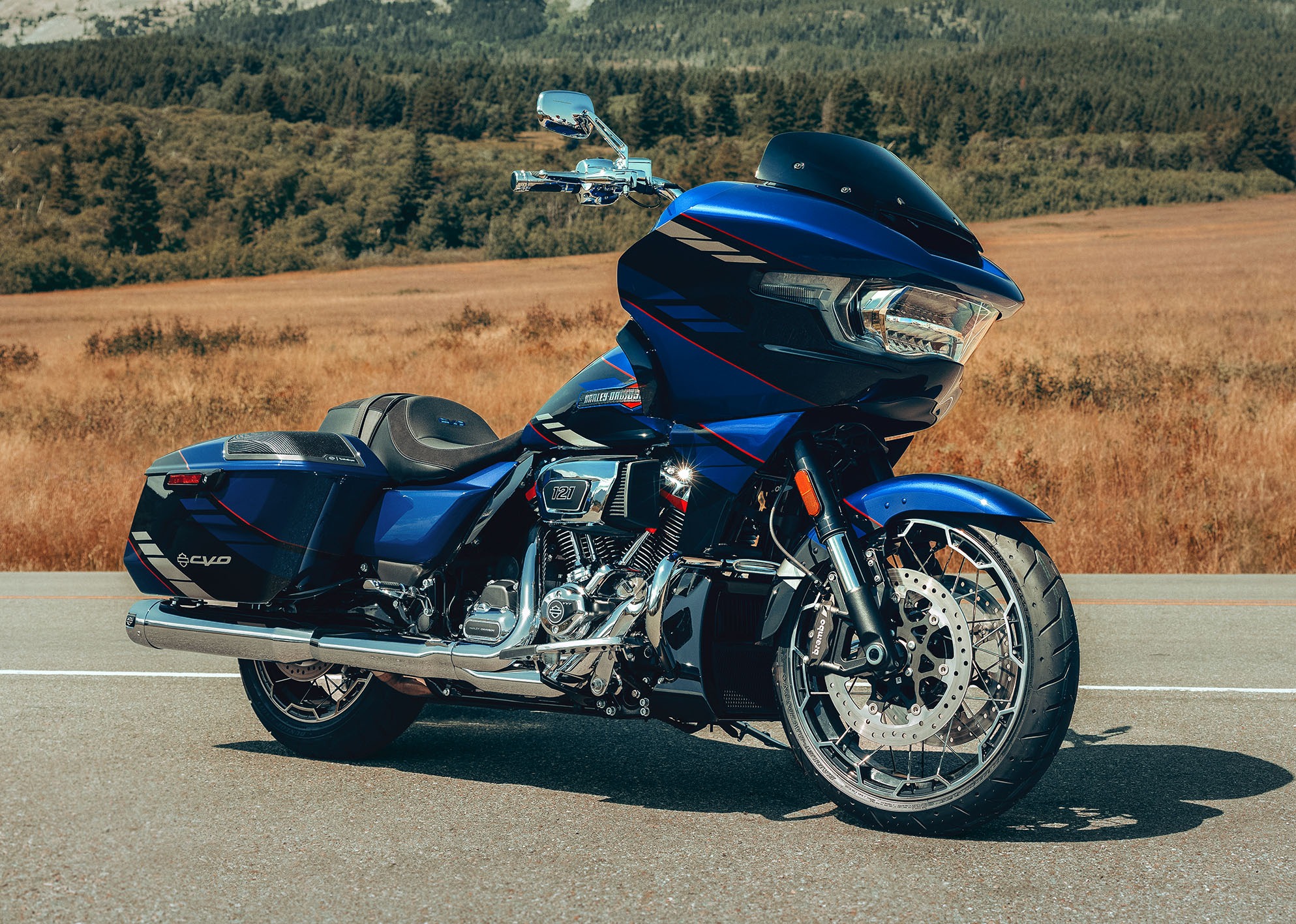
3. Harley-Davidson CVO Road Glide
The Harley-Davidson CVO Road Glide is a premium touring motorcycle with a big V-twin engine, luxury features, and extensive custom detailing. The CVO line is Harley’s top-tier range, and the Road Glide model is packed with high-end components and styling that appeal to riders who want the best. However, maintaining such a machine can be costly.
Parts for CVO models are often unique and not interchangeable with standard Harley models. This means replacements, whether for mechanical components or cosmetic details, are priced at a premium. Custom paint schemes and chrome finishes require specialised repair work, and matching them after damage is expensive.
The large displacement engine, while built for durability, uses components that are more expensive than those in smaller bikes. Routine servicing is also pricier due to the sheer size and complication of the machine. Labour costs are elevated, especially when dealing with the extensive electronics found in the infotainment and audio systems.
Touring bikes like the CVO Road Glide use heavy-duty tyres, brakes, and suspension systems to handle their weight and performance requirements. These parts wear out as time goes on, and their replacements are not cheap. Owners often find that even regular maintenance items like oil changes and brake servicing cost more than expected.
The CVO Road Glide is a statement motorcycle that delivers comfort, style, and long-distance capability. For those willing to invest in its upkeep, it offers a premium riding experience, but the expenses can be considerable for anyone unprepared for the costs associated with a luxury touring machine.
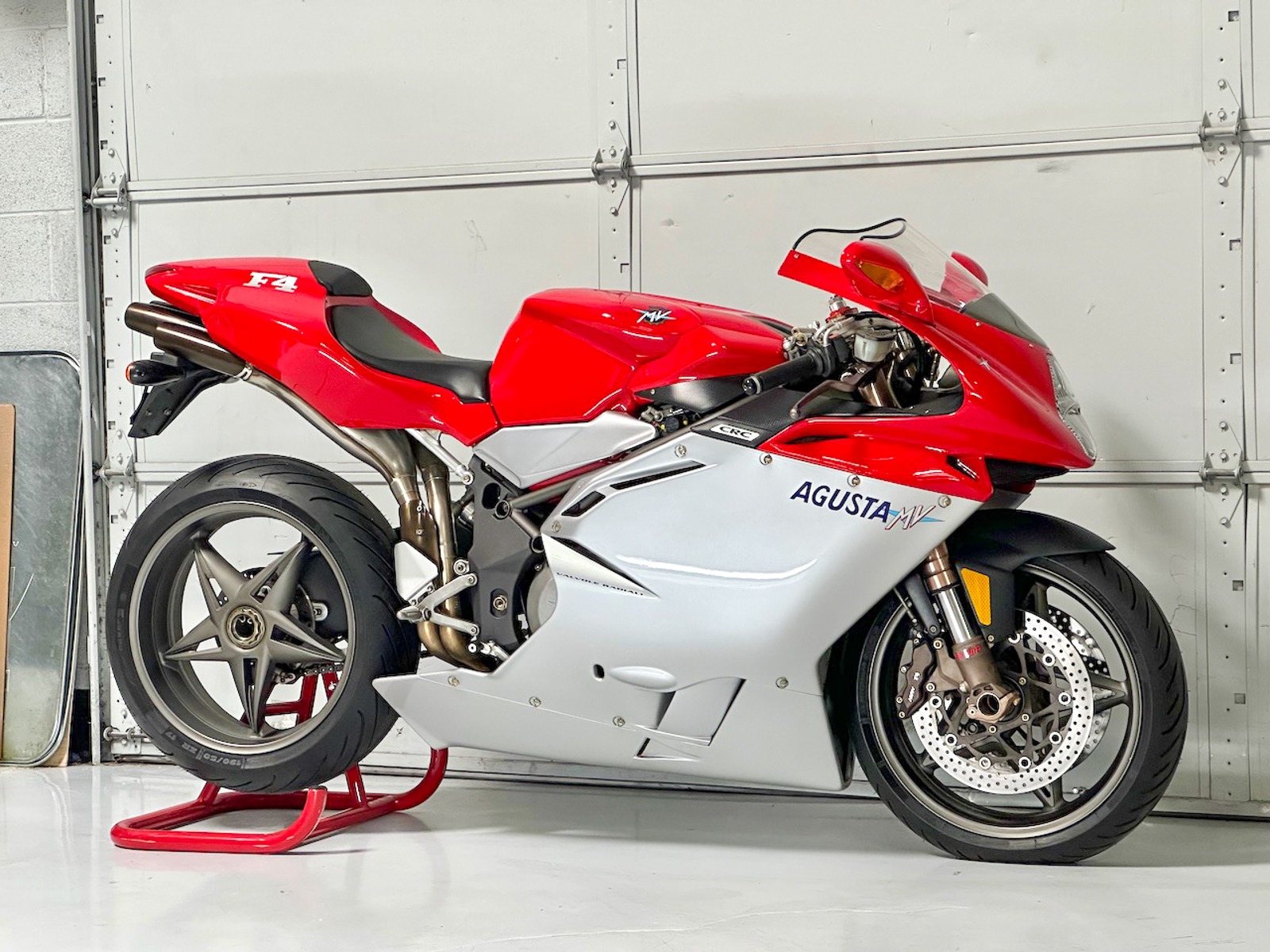
4. MV Agusta F4
The MV Agusta F4 is often described as a work of art on two wheels, blending exotic Italian styling with high performance. Every detail, from its sculpted fairings to its intricate exhaust system, is crafted for visual impact and performance precision. However, owning such a machine means accepting high repair and maintenance costs.
MV Agusta produces motorcycles in smaller numbers than most manufacturers, which limits the availability of parts. Components often need to be ordered directly from Italy, leading to longer wait times and higher prices. The company’s focus on unique engineering means that many parts are not shared with other models, making them more expensive to replace.
The F4’s performance specifications require premium consumables. High-performance tyres, brake pads, and chains need frequent replacement if the bike is ridden hard. Labour costs are high because the bike’s compact design can make even routine tasks time-consuming. Accessing the engine or replacing certain components may require removing several body panels and specialised tools.
Electronics also add to the cost. The F4 includes advanced riding aids that require specialised diagnostic systems. Any failure in these systems often means a trip to an authorised dealer, where labour rates are higher than average.
For those who value exclusivity and stunning design, the MV Agusta F4 delivers an unmatched presence. But the owner must be ready for the reality that keeping such a machine in top condition is far from inexpensive.
Also Read: 5 Bikes That Start Instantly and 5 That Take Forever
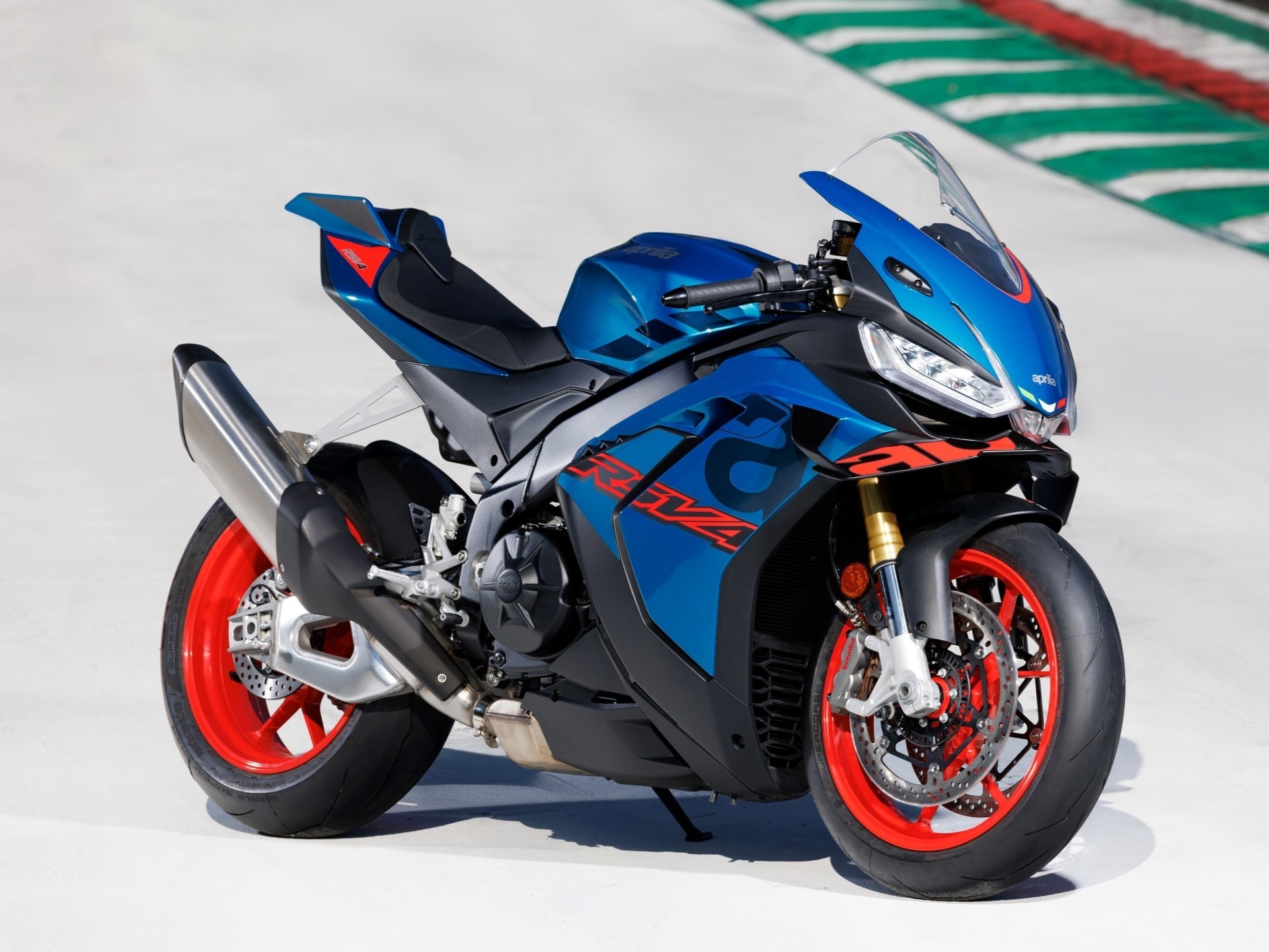
5. Aprilia RSV4
The Aprilia RSV4 is a championship-winning superbike known for its precise handling, high-revving V4 engine, and race-derived electronics. It is a favourite among riders who want cutting-edge performance, but the ownership costs match its status as a top-tier machine.
Aprilia uses premium materials throughout the RSV4, from the frame and swingarm to the braking and suspension components. Replacement parts are priced accordingly, and sourcing them often requires going through authorised dealers. The high level of technology in the bike’s electronics system also means repairs require specialised knowledge and tools.
Servicing the RSV4 can be more complicated than with other bikes because of its tightly packed engine layout. Tasks that might be simple on a standard motorcycle, such as replacing spark plugs or adjusting valves, can take several hours on the RSV4, leading to higher labour costs. The bike’s performance-oriented nature also means tyres, brake pads, and chains wear faster than on less aggressive machines.
Bodywork for the RSV4 is another costly aspect. The fairings are designed for aerodynamics and are made from high-quality materials. Any crash damage can lead to expensive replacements, especially if painted to match factory colours.
While the RSV4 delivers an exceptional riding experience that rivals the best superbikes available, it demands a budget that can handle the high cost of keeping it in peak condition. It is best suited for dedicated enthusiasts who prioritise performance over maintenance savings.
Selecting a motorcycle is not just about speed, appearance, or brand reputation. The long-term cost of keeping the bike in good running condition plays an important role in whether ownership feels rewarding or becomes a financial strain. The models in the first group show that it is possible to enjoy dependable performance and attractive styling without facing high repair bills.
They rely on simple engineering, widely available parts, and a strong supply of both new and used components. These features make them ideal for riders who value practical maintenance costs while still enjoying the experience of riding. The second group demonstrates that premium engineering, advanced electronics, and exclusive designs often come with higher costs when repairs or servicing are needed.
For these motorcycles, the expense is not only in the price of the parts but also in the specialised labour required. Owners of these machines often accept the higher maintenance bills as part of the experience, viewing them as the cost of enjoying cutting-edge performance, distinctive styling, and advanced technology.
When deciding which path to take, it helps to think honestly about how often the bike will be used, how much can comfortably be spent on servicing, and whether the features that make a motorcycle more expensive to maintain are truly necessary for personal riding goals.
Some riders may prefer the simplicity and low-cost upkeep of a Honda CB500 or Yamaha MT-07, while others may be drawn to the thrill and prestige of a Ducati Panigale V4 or BMW S1000RR, even with the higher expenses.
Whichever choice is made, understanding the likely repair and maintenance costs in advance gives a clearer picture of long-term ownership. Balancing passion for riding with financial responsibility helps ensure the motorcycle remains a source of enjoyment rather than a source of stress.
