
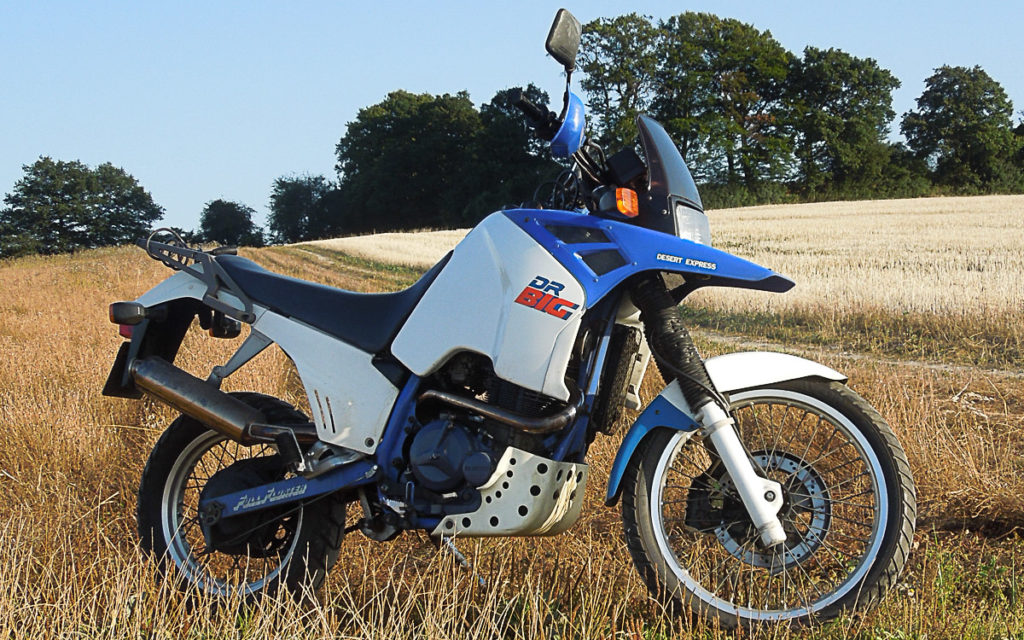
Adventure motorcycles were not always collector items. For many years, they were simply tools built to cross long distances, handle rough roads, and survive abuse in remote places. Comfort, reliability, and fuel range mattered more than image or resale value.
That has changed dramatically. As adventure riding became more popular and nostalgia grew, early and iconic adventure bikes began to attract serious attention from collectors. Riders who once bought these machines to travel now see them as pieces of motorcycling history.
Several factors have driven this rise in value. One is rarity. Many classic adventure bikes were used hard, modified heavily, or simply worn out. Clean, original examples have become increasingly difficult to find.
Another factor is cultural impact. Some adventure bikes earned legendary reputations through long distance expeditions, racing success, or appearances in media. Those stories have grown over time, adding emotional value beyond the metal itself.
Modern adventure bikes are faster and more technologically advanced, but many riders feel they lack the raw character of earlier machines. Classic models offer mechanical simplicity, distinctive design, and a more direct riding experience.
Collectors also appreciate authenticity. Early adventure bikes were built before the segment became commercialized. They were often compromises between road and dirt, which gave them unique personalities.
This list focuses on classic adventure bikes that have skyrocketed in value due to rarity, reputation, and historical importance. These are machines that were once practical tools and are now respected icons.
Each bike is discussed individually, without repetition, and with attention to why its value has risen so sharply. These are not trends driven by speculation alone. They are bikes that earned their status through real world performance and enduring appeal.
Let us begin with the motorcycle that defined the adventure category for generations.
Also Read: 10 Best Touring Motorcycles to Buy in 2026
1. BMW R80 G/S
The BMW R80 G/S is widely regarded as the motorcycle that created the modern adventure bike segment. When it was introduced, nothing else on the market blended long distance comfort and off road capability in the same way.
At the time, the idea seemed unusual. BMW combined a large displacement boxer engine with a relatively lightweight chassis and long travel suspension. The result was a machine that could cross continents and handle dirt tracks confidently.
The engine played a major role in its success. The air cooled boxer twin delivered smooth torque and exceptional durability. Riders trusted it to run reliably in harsh conditions.
Shaft drive was another defining feature. It reduced maintenance demands during long journeys and appealed to riders traveling far from workshops.
The bike’s balance surprised many riders. Despite its size, it felt manageable on loose surfaces and stable at speed. Its racing pedigree added to its legend. The R80 G/S achieved success in early long distance rally events, including desert racing.
Those victories cemented its reputation as more than a concept. It proved that a large motorcycle could perform off road at a high level.
Production numbers were modest by modern standards. Many early examples were used heavily and modified extensively. Original, unaltered bikes have become increasingly rare. Collectors now search for matching numbers and factory correct details.
Design simplicity adds to its appeal. There is little bodywork and minimal electronics, which makes the bike feel honest and mechanical. The riding experience remains distinctive. The boxer engine character, upright position, and compliant suspension still feel purposeful.
Modern adventure bikes owe their existence to this machine. That historical importance continues to drive demand. Values began rising slowly and then accelerated sharply. Well-preserved examples now command prices that surprise even long time enthusiasts.
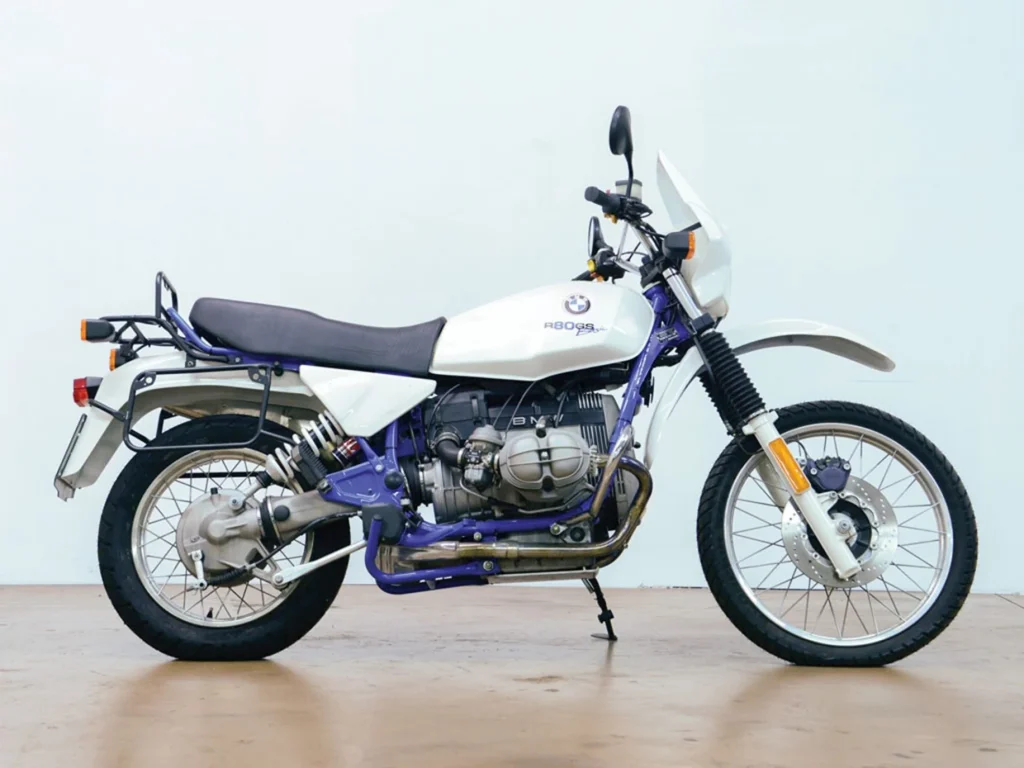
Restoration costs have also increased, further pushing up the value of original bikes. The R80 G/S represents the birth of a movement rather than a single model. Its influence can be seen across decades of adventure motorcycle design.
Collectors value it not just as a bike, but as a turning point in motorcycling history. What was once a rugged travel tool is now a highly sought after classic. The BMW R80 G/S has skyrocketed in value because it changed everything.
2. Honda Africa Twin XRV750
The Honda Africa Twin XRV750 is one of the most respected adventure motorcycles ever built. Its rise in value is tied directly to its reputation for reliability, balance, and genuine long distance capability.
This bike was born from rally racing experience. Honda developed it using lessons learned from the Dakar Rally, where durability mattered more than outright speed.
The V twin engine delivered smooth and predictable power. It was never aggressive, but it was exceptionally dependable over long distances.
Torque delivery made the bike easy to ride in difficult terrain. Riders could maintain control without constant gear changes. The chassis design balanced stability and agility. On highways it felt planted, while on dirt roads it remained manageable.
Suspension travel was generous for its time. This allowed the Africa Twin to handle rough terrain without feeling harsh. Fuel range was another major advantage. Large tanks made long stretches between refueling possible.
The bike earned a reputation for surviving extreme environments. Riders trusted it in deserts, mountains, and remote regions. One reason values have increased is scarcity. Many Africa Twins were ridden hard and used for travel.
Original examples in good condition are now difficult to find. Collectors look for bikes with minimal modifications. The design has aged well. Even today, the Africa Twin looks purposeful rather than outdated.
Mechanical simplicity adds to its appeal. The bike lacks complex electronics, which makes ownership more approachable. Honda reliability plays a major role in collector confidence. Buyers know these bikes can still be ridden regularly.
The Africa Twin also benefits from strong emotional appeal. It represents an era when adventure riding felt exploratory and raw. Stories of long journeys and global expeditions surround this model. Those stories continue to boost its reputation.
As modern adventure bikes became heavier and more complex, interest in the XRV750 increased. Values rose steadily, then surged as demand outpaced supply. Clean examples now command premium prices.
Restoration costs have also climbed. This further increases the value of original bikes. The Africa Twin’s rally inspired identity sets it apart from road focused adventure bikes.
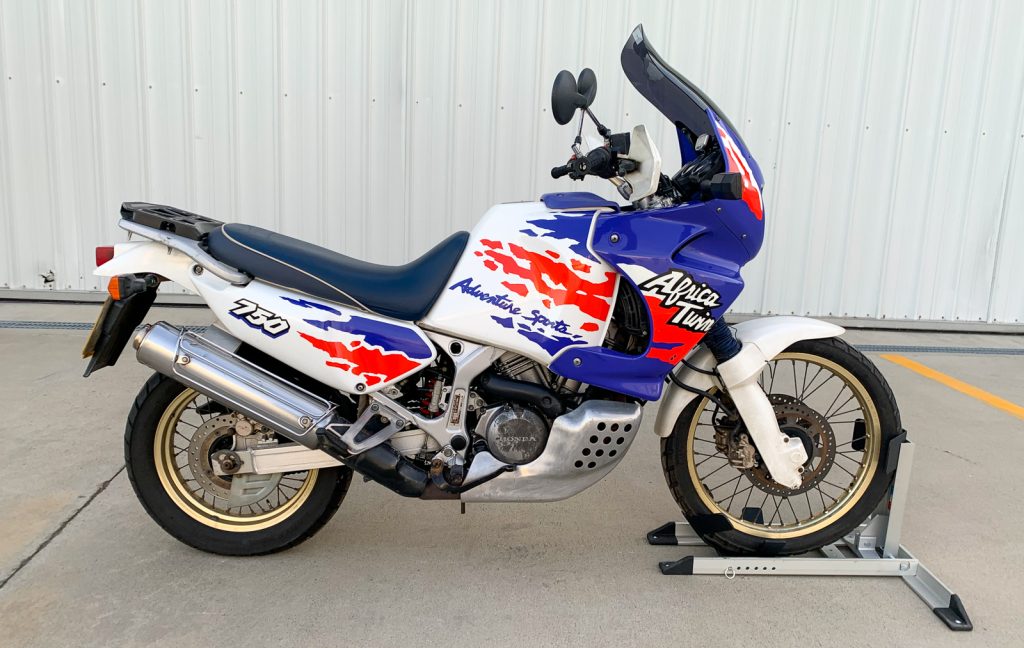
It was designed to handle distance first, comfort second, and speed last. That philosophy resonates strongly with collectors today.
The XRV750 is not just a motorcycle. It is a symbol of Honda’s golden era of adventure design. Its value has skyrocketed because it represents trust, endurance, and authenticity.
3. Yamaha Super Ténéré XT600Z
The Yamaha Super Ténéré XT600Z holds a special place in adventure motorcycle history. It was built as a direct response to long distance desert racing and global travel demands.
The XT600Z focused on simplicity and toughness. Yamaha designed it to be reliable in places where repairs were difficult or impossible. Its single cylinder engine delivered strong low end torque. This made it effective on loose surfaces and rough terrain.
Power output was modest, but durability was exceptional. Riders valued consistency over performance figures. The lightweight design helped the bike feel manageable off road. Compared to larger adventure bikes, it felt more agile.
Suspension was tuned for rough conditions. It absorbed bumps and uneven surfaces with confidence. The Super Ténéré earned its reputation through rally success. Yamaha’s desert racing efforts gave the bike instant credibility.
This racing connection added emotional value. Owners felt they were riding a machine with real competition heritage. Fuel range was generous. Large tanks allowed riders to cross remote areas without concern.
One reason values have risen sharply is limited production. The XT600Z was never built in huge numbers. Many examples were used hard. Adventure riding often leaves scars, reducing the number of clean survivors.
Original bikes with factory components have become rare. Collectors now seek untouched examples. The bike’s design feels honest and purposeful. There is little decoration, only function.
Maintenance simplicity adds to its appeal. The engine and chassis are easy to work on. This makes the bike attractive to collectors who still want to ride their machines.
The Super Ténéré also represents a different philosophy from modern adventure bikes. It prioritized independence and self sufficiency rather than technology.
As adventure riding became more commercial, interest in early models increased. Values rose as enthusiasts sought bikes with real rally DNA.
The XT600Z became a symbol of exploration rather than lifestyle marketing. Restored examples now sell for significantly more than they did a decade ago. Parts availability has become more challenging, increasing restoration costs.
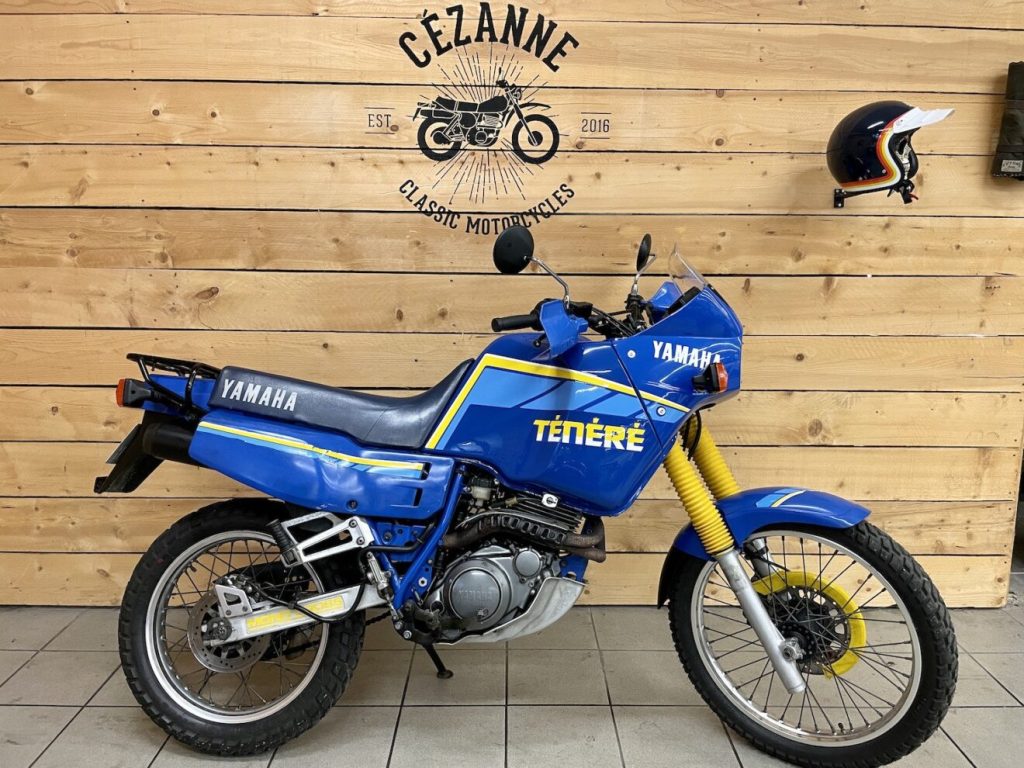
This scarcity further drives demand for original bikes. The Super Ténéré appeals to riders who value history and capability. It is remembered as a machine built to survive, not impress.
Yamaha’s reputation for durability strengthens buyer confidence. The XT600Z has skyrocketed in value because it represents a pure form of adventure riding.
4. KTM 950 Adventure
The KTM 950 Adventure marked a turning point for high performance adventure motorcycles. When it arrived, it proved that an adventure bike could be genuinely fast, aggressive, and capable off road.
KTM built the 950 Adventure with racing in its DNA. The design was closely linked to the brand’s success in desert rally competition.
Its V twin engine delivered strong and immediate power. Compared to earlier adventure bikes, it felt energetic and exciting.
Throttle response was sharp. Riders felt a direct connection between input and output. Despite its performance, the bike remained capable in rough terrain. Long travel suspension handled rocks, sand, and uneven surfaces confidently.
The chassis was lightweight for its class. This helped the bike feel more agile than many rivals. Fuel tanks were positioned low on either side. This improved balance and lowered the center of gravity.
On long highway rides, the 950 Adventure felt stable and comfortable. Wind protection and ergonomics supported distance travel. Off road, the bike felt surprisingly manageable for its size. Skilled riders could push it hard on dirt.
One reason values have skyrocketed is significance. The 950 Adventure changed expectations for the segment. It bridged the gap between rally bikes and touring machines.
Early examples are now highly sought after. Collectors look for original, unmodified bikes. Many were ridden aggressively and modified for off road use. Clean survivors are becoming rare.
The bike’s styling has aged well. Its tall stance and angular bodywork still look purposeful. Mechanical simplicity adds to its appeal. Compared to modern bikes, electronics are limited.
This makes ownership less intimidating for collectors who want to ride. The 950 Adventure also represents KTM’s rise as a global performance brand. Its success paved the way for later models that expanded the segment.
As newer bikes became heavier and more complex, interest in the original 950 increased. Values rose steadily, then accelerated as demand grew. Restoration costs are climbing due to parts scarcity.
This further increases the value of original examples. The bike appeals to riders who want excitement without modern complexity. It offers a raw and engaging experience that newer models often soften.
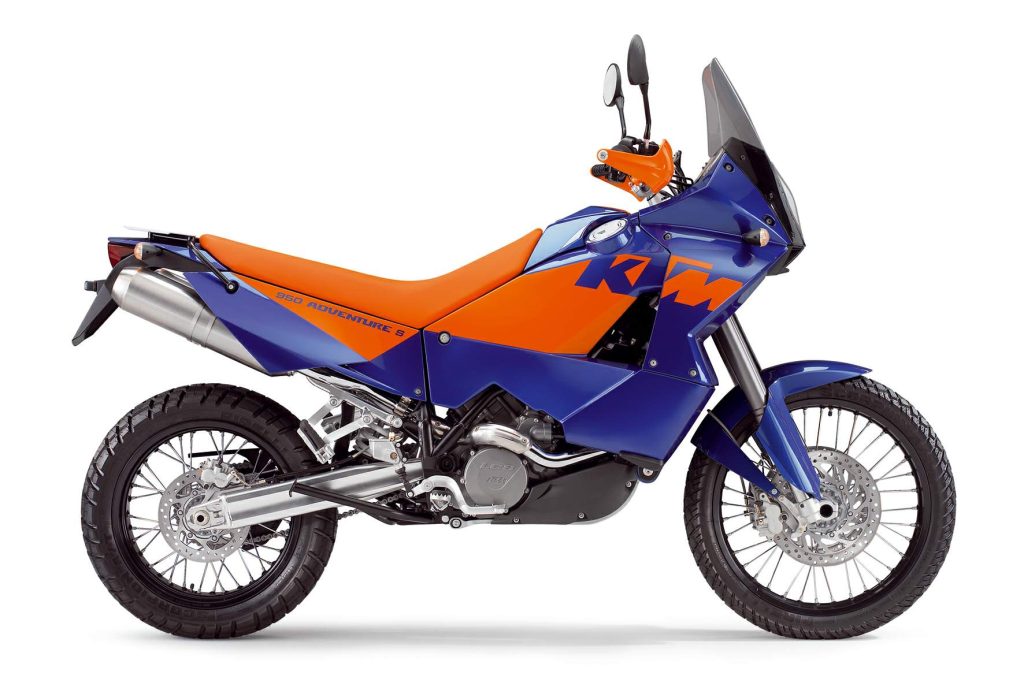
The 950 Adventure is remembered as bold and uncompromising. Its reputation continues to grow as fewer clean bikes remain. Collectors see it as a milestone rather than just a motorcycle. That milestone status is why its value has risen so sharply.
5. Suzuki DR Big 750S
The Suzuki DR Big 750S is one of the most distinctive adventure motorcycles ever produced. Its unusual design and early adoption of large displacement adventure concepts have driven its recent rise in value.
When it was introduced, the DR Big stood apart visually. The massive front fairing and oversized fuel tank made it instantly recognizable.
The single cylinder engine was large for its time. It delivered strong torque and a simple riding experience. Power delivery was smooth and predictable. Riders valued control over outright speed.
The bike was designed with long distance travel in mind. Fuel capacity allowed extended range between stops. Its rally inspired styling linked it to desert racing culture. That connection added credibility.
Despite its size, the DR Big remained manageable off road. Suspension tuning favored stability and comfort. On highways, the bike felt planted and steady. Long rides were possible without excessive fatigue.
One reason values have risen is rarity. The DR Big was never produced in large numbers. Many examples were used heavily for travel. Few remain in original condition.
The bike’s bold design now feels iconic rather than odd. Time has been kind to its appearance. Collectors appreciate its uniqueness. There is nothing else quite like it.
Mechanical simplicity adds to long term appeal. Maintenance is straightforward. The engine is known for durability when properly cared for.
The DR Big also represents an early experiment in the adventure category. It arrived before the segment became clearly defined.
This pioneering role has increased its historical importance. As adventure bikes became more mainstream, interest in early models grew.
Prices remained low for years, then climbed rapidly as collectors took notice. Restored examples now command surprising sums.
Parts availability has become more challenging. This raises restoration costs. That scarcity increases the value of original bikes. The DR Big appeals to collectors who want something unconventional.
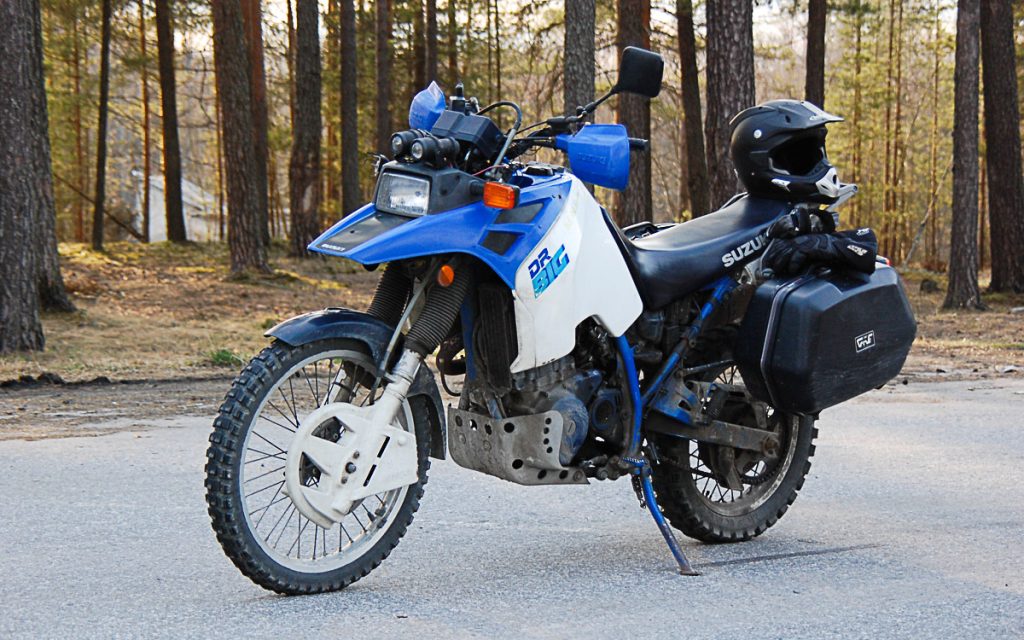
It is remembered for boldness rather than refinement. Suzuki’s reputation for reliability supports buyer confidence. The bike represents a unique chapter in adventure motorcycle history.
Its rising value reflects growing appreciation for early innovation. The DR Big 750S has gone from curiosity to collectible. That transformation explains why its value has skyrocketed.
6. Cagiva Elefant 900
The Cagiva Elefant 900 is one of the most historically important adventure motorcycles ever built, yet it remained overlooked for many years. That obscurity is exactly why its value has risen so dramatically.
Cagiva developed the Elefant using direct experience from desert rally racing. The bike was not styled to look adventurous. It was built to survive extreme conditions.
Its engine came from Ducati. The air cooled V twin delivered strong torque and a distinctive riding feel. Power delivery was smooth and tractable. This made the bike effective on loose terrain and long distance roads alike.
The Elefant gained legendary status through rally success. It achieved major victories in the Dakar Rally during the golden era of competition. Those wins gave the bike real credibility. It was not a styling exercise or marketing tool.
Despite this pedigree, production numbers were relatively low. Many bikes were raced, modified, or worn out. Original examples became scarce over time. Collectors now search aggressively for bikes with factory components.
The chassis was designed for stability. High speed desert riding demanded confidence and control. Suspension travel was generous for its era. It absorbed rough terrain without excessive harshness.
Fuel capacity supported long stages. This was critical for rally use and long travel riding. Styling was distinctive but functional. The large fairing and bold graphics became iconic over time.
Mechanical simplicity adds to its appeal today. There are no complex electronics to manage. Maintenance is approachable for experienced owners. Parts sourcing can be challenging, which increases value.
The Elefant represents a unique blend of Italian design and racing success. For years, it was overshadowed by Japanese and German competitors. As collectors learned its history, demand surged.
Prices rose quickly once awareness increased. Clean examples now command serious money. Restoration costs have climbed sharply. This further pushes values higher. The bike appeals to collectors who value authenticity over polish.
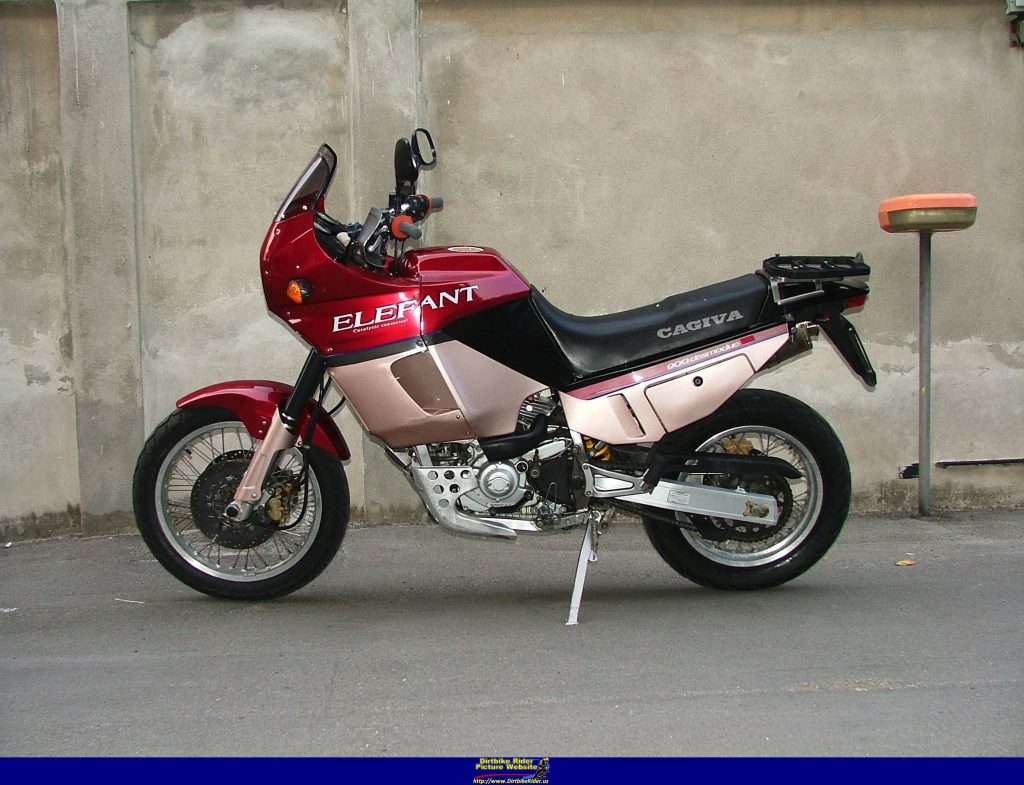
It tells a story of racing, endurance, and ambition. Modern adventure bikes owe part of their identity to machines like this. The Elefant is no longer a forgotten rally tool.
It is now recognized as a cornerstone of adventure motorcycle history. Its value has skyrocketed because its importance was underestimated for too long.
7. Honda XL600V Transalp
The Honda XL600V Transalp represents a different side of adventure motorcycling. While it lacked racing aggression, it excelled at real world travel and reliability.
Honda designed the Transalp as a versatile machine. It was meant to handle daily riding, long trips, and unpaved roads comfortably.
The V twin engine delivered smooth and dependable performance. Power was easy to manage and well suited for mixed use.
Throttle response was gentle and predictable. This made the bike approachable for a wide range of riders. The chassis favored stability over sharp handling. On long rides, this created confidence and comfort.
Suspension travel was moderate but effective. It absorbed rough surfaces without feeling unstable. One reason the Transalp was overlooked is that it lacked extreme features. It was quietly capable rather than dramatic.
That quiet competence is now appreciated. Collectors recognize how well the bike was engineered. Honda reliability plays a major role in its rising value. Buyers trust that these bikes can still be ridden regularly.
Production numbers were higher than some rivals, but many bikes were used heavily. Original examples with factory parts are becoming harder to find.
The design has aged gracefully. Its understated styling now feels timeless. Mechanical simplicity adds to its appeal. Maintenance is straightforward compared to modern bikes.
The Transalp was often overshadowed by the Africa Twin. As a result, values remained low for years. Once collectors began searching for alternatives, interest surged.
Prices rose steadily, then sharply as demand increased. The bike appeals to riders who value balance and comfort. It represents a practical interpretation of adventure riding.
The Transalp also symbolizes Honda’s conservative engineering philosophy. Everything was designed to last rather than impress. That durability now translates into collector confidence.
Restored examples command significantly higher prices than they once did. Parts availability is still reasonable, which supports long term ownership.
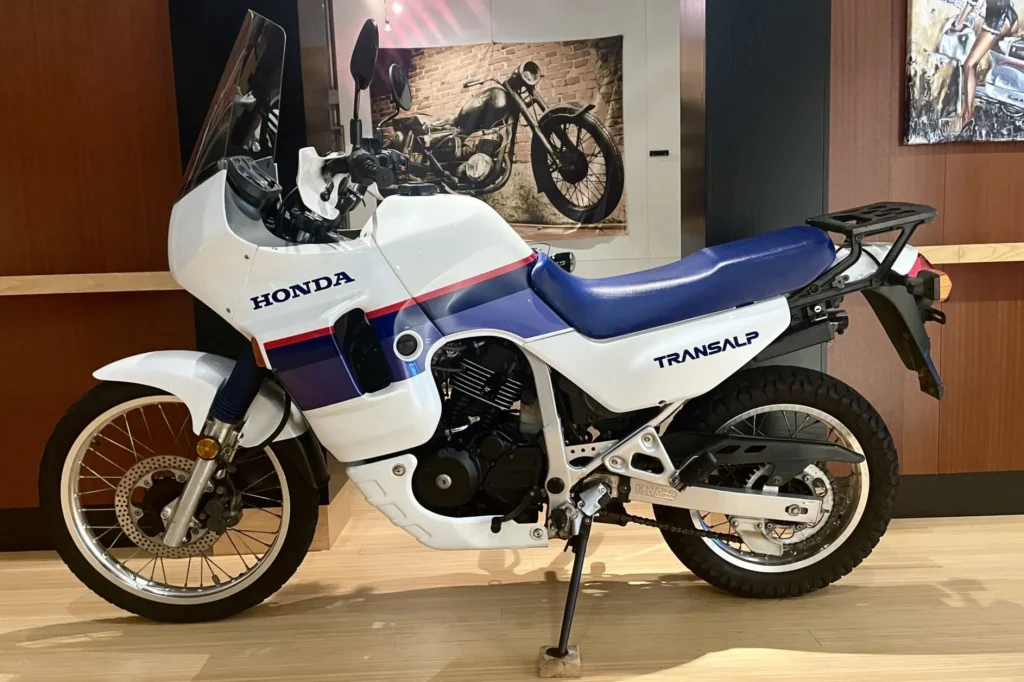
The Transalp’s reputation continues to improve as modern bikes become more complex. Collectors appreciate its honesty and versatility. It is no longer seen as a secondary model.
The XL600V Transalp has earned recognition as a classic. Its value has skyrocketed because people finally understand what it offered all along.
8. Kawasaki KLR650 (Early Generation)
The early generation Kawasaki KLR650 is one of the most influential adventure motorcycles ever built. For many years it was seen as basic transportation rather than a collectible machine.
That perception has changed dramatically. Rising values reflect a growing appreciation for what the KLR650 represented. Kawasaki designed the KLR650 as a simple and durable tool. It was meant to go anywhere with minimal fuss.
The single cylinder engine delivered modest power, but excellent reliability. Riders trusted it to run under difficult conditions. Torque delivery was smooth and predictable. This made the bike easy to control on dirt and gravel.
The chassis favored stability. Long distance riding felt calm and manageable. Suspension travel was adequate for rough roads. While not aggressive, it handled abuse surprisingly well.
Fuel range was one of its strongest traits. Large tanks allowed extended travel between stops. The bike earned a reputation as a global traveler. Many riders completed round the world journeys on KLRs.
One reason values have increased is survival rate. Many bikes were heavily modified or worn out. Original examples with factory parts are now increasingly rare.
The design was never flashy. Its utilitarian appearance hid its capability. Collectors now appreciate that honesty. The KLR feels authentic and purposeful.
Mechanical simplicity adds to long term appeal. Owners can maintain the bike without specialized tools. Parts availability remains strong, but clean bikes are becoming harder to find.
The KLR650 also symbolizes a different era of adventure riding. It was affordable, accessible, and unpretentious.
As modern adventure bikes became expensive and complex, interest in the KLR grew. Prices rose gradually, then sharply as demand increased.
Restored early models now command far more than expected. The bike appeals to collectors who value practicality over prestige. It represents freedom and self reliance.
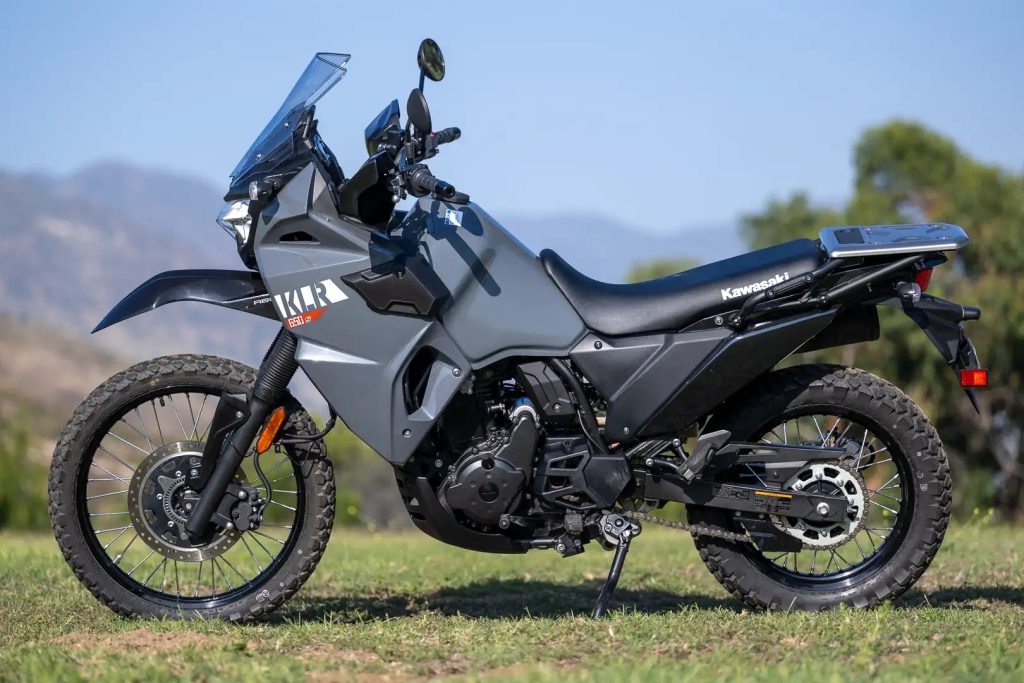
The KLR’s reputation for durability supports buyer confidence. Despite its simplicity, it created countless adventure stories. That emotional connection drives collector interest.
The early KLR650 is no longer just transportation. It is now recognized as a cultural icon. Its skyrocketing value reflects growing respect for functional design.
9. Moto Guzzi Quota 1000
The Moto Guzzi Quota 1000 is one of the most misunderstood adventure motorcycles of its era. For years it remained overlooked, which kept prices low.
That has changed as collectors reevaluate its uniqueness and character. Moto Guzzi approached adventure design differently. The Quota emphasized road comfort and engine character.
Its transverse V twin engine delivered strong torque and a distinctive riding feel. Power delivery was smooth and consistent. Long distance riding felt relaxed and controlled.
Shaft drive reduced maintenance demands. This suited extended travel. The chassis favored stability over agility. On highways, the bike felt planted and confident.
Suspension tuning focused on comfort. Rough roads were absorbed without drama. Styling was unconventional. The tall fairing and proportions divided opinion.
Over time, that uniqueness became part of its appeal. Production numbers were limited. The Quota never reached mass market success. Many examples were neglected or modified. Original bikes are now scarce.
Collectors appreciate its mechanical honesty. There are few electronic systems to manage. The engine character stands out. Few adventure bikes feel like a Moto Guzzi.
Reliability improved with proper maintenance. Well kept examples remain dependable. The Quota represents an alternative vision of adventure riding.
It prioritized comfort and character rather than racing image. As collectors sought variety, interest increased. Prices climbed steadily, then accelerated as awareness grew.
Restoration costs have risen, pushing values higher. The Quota appeals to enthusiasts who value individuality. It offers something different from mainstream adventure bikes.
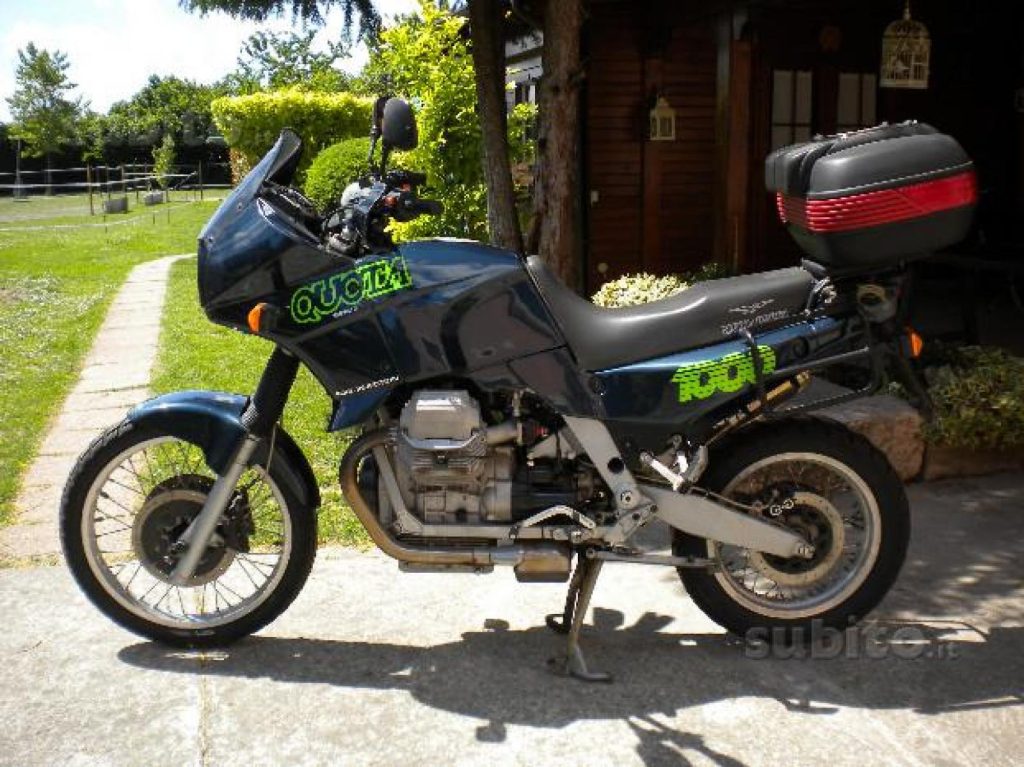
Moto Guzzi’s heritage adds credibility and charm. The bike tells a story of stubborn independence. It was never meant to follow trends.
That independence now attracts collectors. The Quota 1000 is no longer ignored. Its value has skyrocketed as appreciation grows.
10. BMW R100GS Paris Dakar
The BMW R100GS Paris Dakar represents the peak of BMW’s early adventure motorcycle evolution. It built directly on the legacy of the R80 G/S while adding scale, comfort, and presence.
When it was introduced, it was considered massive. Few motorcycles combined such size with genuine off road ambition. The air cooled boxer engine delivered strong low and mid range torque. It was built for longevity rather than outright performance.
Power delivery felt calm and predictable. This made long distance riding less tiring. Shaft drive was a defining feature. It reduced maintenance demands during extended journeys.
The chassis was designed for stability. High speed touring and rough terrain both felt secure. Suspension travel increased over earlier models. This improved off road capability without sacrificing comfort.
Fuel capacity was generous. The large tank became a visual signature of the Paris Dakar version. That tank also reinforced its rally heritage. The bike was closely associated with desert racing success.
BMW’s Dakar victories played a major role in the model’s reputation. They added real credibility rather than marketing hype. The riding position was upright and commanding. Long hours in the saddle were manageable.
Wind protection improved compared to earlier models. This supported true long range travel. One reason values have skyrocketed is symbolism. The R100GS represents the end of an era.
It was among the last large air cooled adventure bikes before modern electronics arrived. Production numbers were not huge. Many bikes were used hard for travel.
Original Paris Dakar versions are now scarce. Collectors seek correct paint, tanks, and trim. Restoration costs have increased sharply. Parts availability is more limited than in the past.
This scarcity drives up prices for complete and original bikes. The design has aged with dignity. It still looks purposeful rather than outdated.
Mechanical simplicity adds to its appeal. Riders appreciate its serviceable nature. The bike feels heavy compared to modern machines, but also solid and reassuring. It rewards smooth riding rather than aggressive inputs.
Collectors value its authenticity. It was built for real journeys, not lifestyle imagery. The R100GS Paris Dakar also represents BMW’s engineering confidence.
It was designed to cross continents reliably. As adventure riding became more commercialised, interest in original models surged. Prices climbed steadily, then sharply as demand increased.
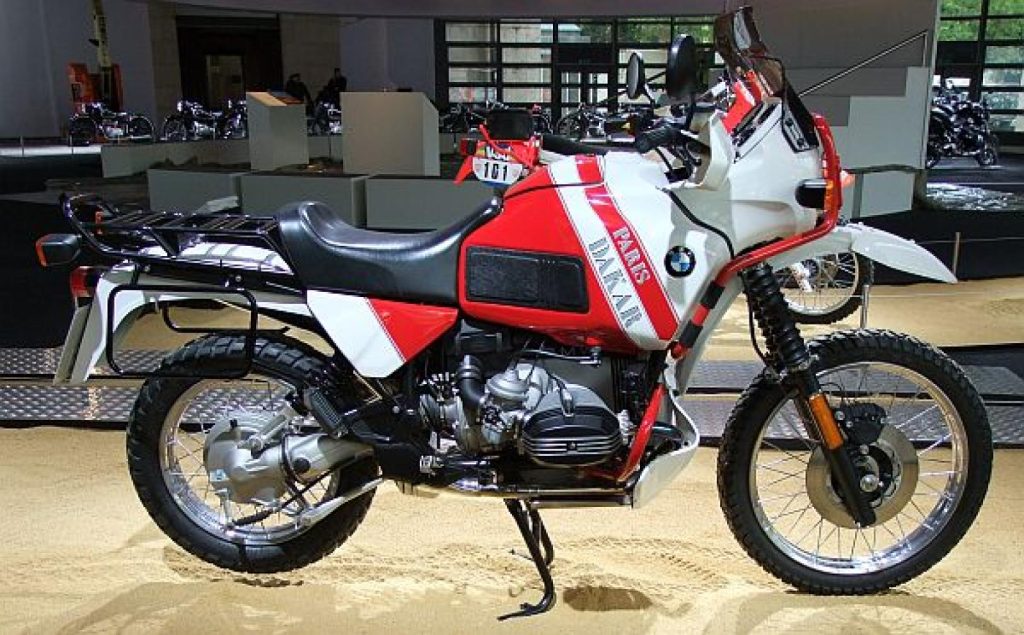
The bike appeals to riders who value history and durability. It offers a tangible connection to adventure motorcycling’s formative years. The Paris Dakar name carries weight. It evokes endurance, exploration, and ambition.
That emotional resonance fuels collector demand. The R100GS Paris Dakar is no longer just a motorcycle. It is now a landmark in adventure bike history. Its skyrocketing value reflects its role as a closing chapter of a golden era.
Also Read: 10 Muscle Cars With the Highest-Revving V8s, Ranked
