
Two stroke motorcycles defined a unique and unforgettable chapter in motorcycling history. Long before emissions rules and electronic rider aids reshaped the industry, two stroke engines delivered raw performance, light weight, and an intensity that four stroke machines struggled to match. These bikes were loud, fast, and demanding, yet that is exactly why they became legends.
What made two stroke motorcycles special was their simplicity and power to weight advantage. With fewer moving parts and aggressive power delivery, they felt explosive compared to their four stroke rivals.
Riders had to respect the narrow powerband, but when the engine came on song, the experience was thrilling. This sharp and unpredictable nature became part of their appeal.
Two stroke bikes also played a major role in racing and street performance during the 1960s through the 1990s. Manufacturers used racing success to refine their road machines, blurring the line between track and street.
Many of these motorcycles carried technology and performance levels that felt extreme for public roads.
Design was equally important. Compact engines allowed for lighter frames and sharper handling. The result was motorcycles that felt agile and alive, especially on twisty roads. Riders formed strong emotional connections with these machines because they demanded skill and rewarded commitment.
As regulations tightened and four stroke technology advanced, two stroke motorcycles gradually disappeared from mainstream production. This scarcity has only increased their legendary status. Today, these bikes are celebrated as icons of a fearless era in motorcycling.
The eleven motorcycles in this list are not just remembered for speed. They are remembered for character, sound, and influence. Each one helped define what two stroke performance meant during its time.
Also Read: Top 11 Sport Bikes Every Rider Will Be Talking About in 2026
1. Yamaha RD350
The Yamaha RD350 is one of the most influential two stroke motorcycles ever produced. Introduced in the early 1970s, it brought race inspired performance to everyday riders. This bike changed how people viewed middleweight motorcycles and became an instant icon.
Power comes from a 347cc parallel twin two stroke engine. The engine delivers modest output at low rpm, but everything changes once it enters the powerband. When the revs rise, the bike surges forward with an intensity that shocked riders of its time.
This sudden rush of power became the RD350’s signature trait. It demanded respect and skill, rewarding riders who learned to manage throttle control. This made the riding experience exciting and deeply engaging.
Weight played a major role in its performance. The RD350 was light and agile, allowing it to accelerate quickly and change direction with ease. Compared to heavier four stroke bikes, it felt almost effortless to ride fast.
Handling was sharp and confidence inspiring for its era. The chassis felt stable, and the bike responded well to rider inputs. On winding roads, it could outperform larger and more powerful machines.
Sound and smell were part of the experience. The distinctive exhaust note and the scent of two stroke oil became inseparable from the RD350’s identity. These sensory details remain powerful memories for riders.
The RD350 also had strong racing connections. It was used in club racing and inspired countless modified builds. Its affordability made it accessible to young riders who wanted real performance.
Maintenance was straightforward but required attention. Two stroke engines demanded regular care, but their simplicity made them approachable for hands on owners.
The RD350’s influence extended beyond Yamaha. Other manufacturers were forced to respond, leading to a golden era of high performance two stroke street bikes.
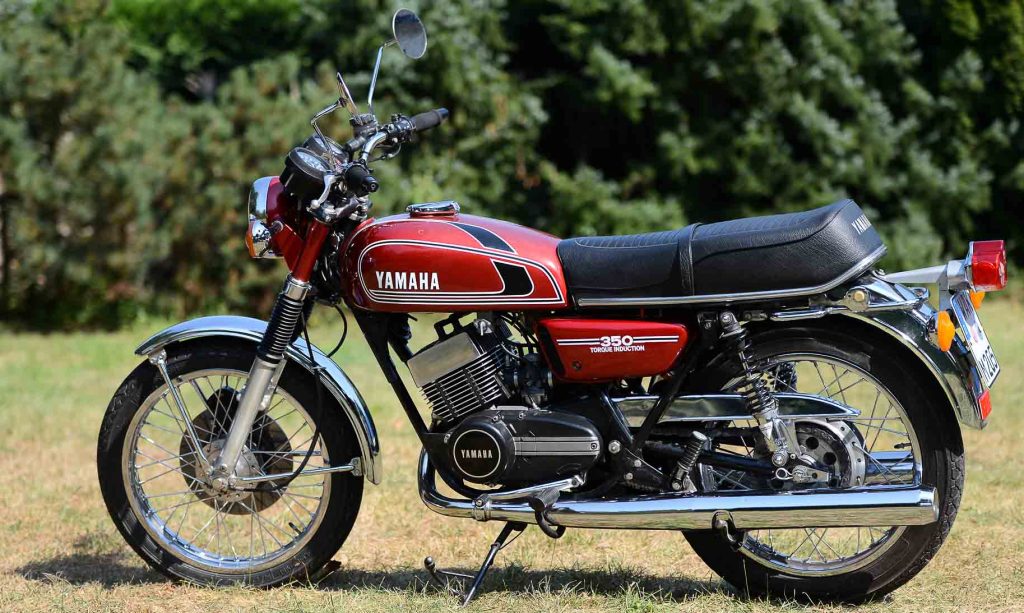
Today, the Yamaha RD350 is highly sought after by collectors. Original examples command strong prices, and well restored bikes are celebrated worldwide.
The RD350 did more than deliver speed. It changed expectations. That lasting impact is why it stands as true two stroke legend.
2. Suzuki RG500 Gamma
The Suzuki RG500 Gamma was one of the most extreme road going motorcycles ever offered to the public. Introduced in the mid 1980s, it was essentially a Grand Prix race bike adapted for the street. Few motorcycles captured the spirit of two stroke racing as purely as this one.
Power comes from a 498cc square four two stroke engine. The engine layout was directly inspired by Suzuki’s GP race machines. When the powerband hit, acceleration was violent and relentless.
Below the powerband, the bike felt relatively tame. Once the revs climbed, it transformed instantly. This dramatic shift demanded skill and concentration from the rider.
Weight was kept remarkably low. Combined with race inspired geometry, the RG500 felt incredibly agile. Direction changes were quick, and the bike felt sharp on winding roads.
Handling was precise but unforgiving. The suspension and chassis were tuned for performance rather than comfort. Riders who pushed hard were rewarded with race bike like feedback.
The sound of the square four engine was unique. It produced a high pitched and mechanical scream that separated it from twin cylinder rivals. This sound became a defining part of its legend.
Braking performance was strong for its era. Large disc brakes provided confidence when slowing down from high speeds. This helped the bike feel more complete as a road machine.
The riding position was aggressive. Clip on handlebars and rear set foot pegs placed the rider in a race focused stance. Long rides could be tiring, but the experience was unforgettable.
Reliability required commitment. The RG500 demanded careful maintenance and regular attention. Owners who respected its needs were rewarded with an unmatched riding experience.
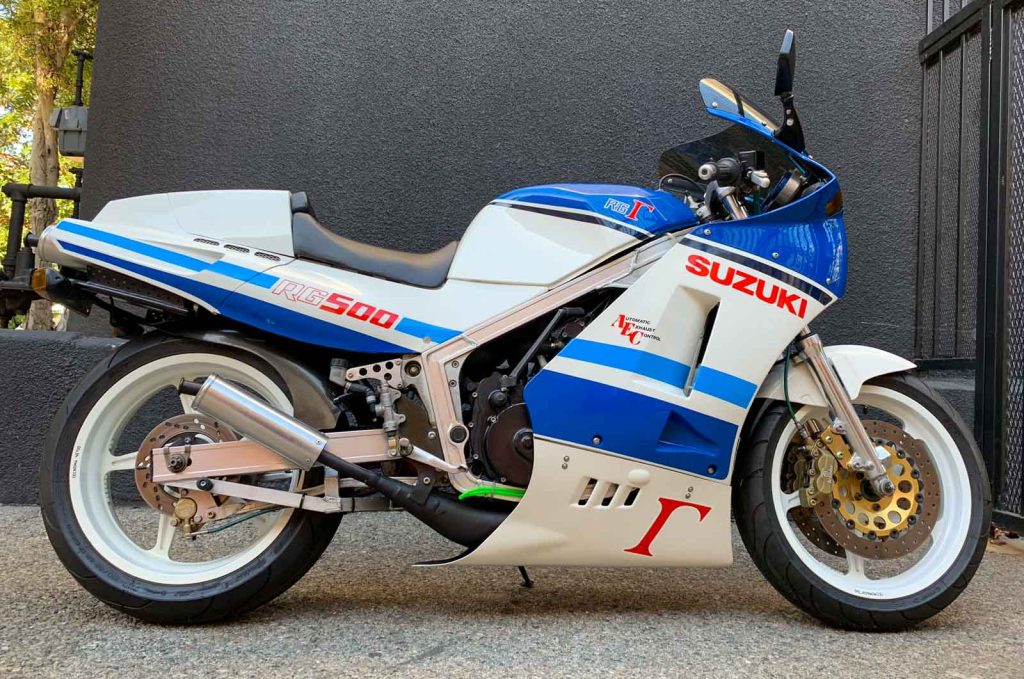
Production numbers were limited, which adds to its collector value today. Original examples are rare and command very high prices.
The Suzuki RG500 Gamma represents the peak of two stroke excess. It was bold, uncompromising, and thrilling. That fearless approach is why it remains a defining legend.
3. Kawasaki H2 Mach IV
The Kawasaki H2 Mach IV earned a reputation that few motorcycles have ever matched. Introduced in the early 1970s, it became known as one of the most powerful and intimidating motorcycles of its time. It defined the raw and dangerous side of the two stroke era.
Power comes from a 748cc two stroke triple engine. Acceleration was shocking by the standards of the day. The H2 could outrun many larger four stroke motorcycles with ease.
The power delivery was aggressive and unpredictable. When the engine came into its powerband, it surged forward violently. This earned the bike a reputation for demanding respect.
Straight line speed was the H2’s greatest strength. It was built to dominate drag races and highway acceleration. Few bikes could match it off the line.
Handling was secondary to performance. The chassis struggled to keep up with the engine’s output. Riders needed skill and caution when pushing the bike hard.
The H2’s sound was unmistakable. The triple cylinder exhaust note was loud and aggressive. It announced its presence long before it appeared.
Braking performance was modest by modern standards. Slowing the bike required planning and strong rider input. This added to the challenge of riding it fast.
The riding position was upright and simple. Comfort was reasonable, but the bike always felt tense and ready to launch forward.
Despite its flaws, the H2 became legendary. Its reputation spread quickly, and it became known as a bike for fearless riders.
Maintenance required dedication. Two stroke engines demanded frequent care, and the H2 was no exception. Owners accepted this as part of the experience.
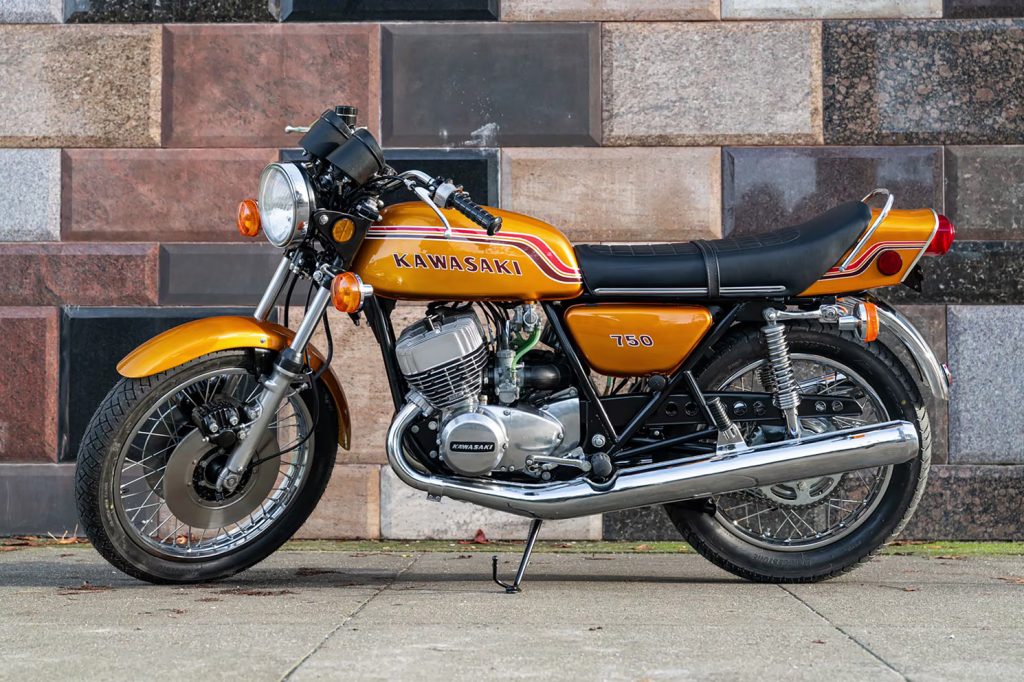
Today, the Kawasaki H2 Mach IV is remembered as a symbol of unfiltered power. It represents a time when manufacturers pushed boundaries without restraint.
That raw attitude is why the H2 remains one of the most legendary two stroke motorcycles ever built.
4. Honda NSR250R
The Honda NSR250R represented a different philosophy in the two stroke era. Instead of brute force, it focused on precision, balance, and race derived engineering. Introduced in the late 1980s, it quickly became a benchmark for lightweight performance motorcycles.
Power comes from a 249cc V twin two stroke engine. On paper, the numbers seemed modest. On the road, the bike felt fast because of its low weight and razor sharp response.
The engine delivered power high in the rev range. Riders had to keep it on the boil to extract performance. This encouraged skillful riding and proper gear selection.
Handling was the NSR250R’s strongest weapon. The aluminum frame and advanced suspension made it incredibly agile. The bike felt planted and responsive in corners.
Steering input was immediate. Riders could change direction with minimal effort. On tight roads, the NSR250R could embarrass much larger motorcycles.
Braking performance was excellent for its class. Lightweight mass and strong brakes allowed late braking and confident corner entry. This added to its race replica feel.
The riding position was aggressive but well balanced. It supported spirited riding without becoming unbearable on shorter street rides.
Honda’s build quality stood out. Components felt precise and well engineered. This gave riders confidence when pushing the bike hard.
The NSR250R also had a strong racing connection. It closely mirrored Honda’s Grand Prix machines, bringing track technology to the street.
Maintenance required attention, but reliability was strong when serviced properly. Owners who respected service intervals enjoyed dependable performance.
Today, the Honda NSR250R is highly prized by collectors. Original examples and limited editions command strong prices.
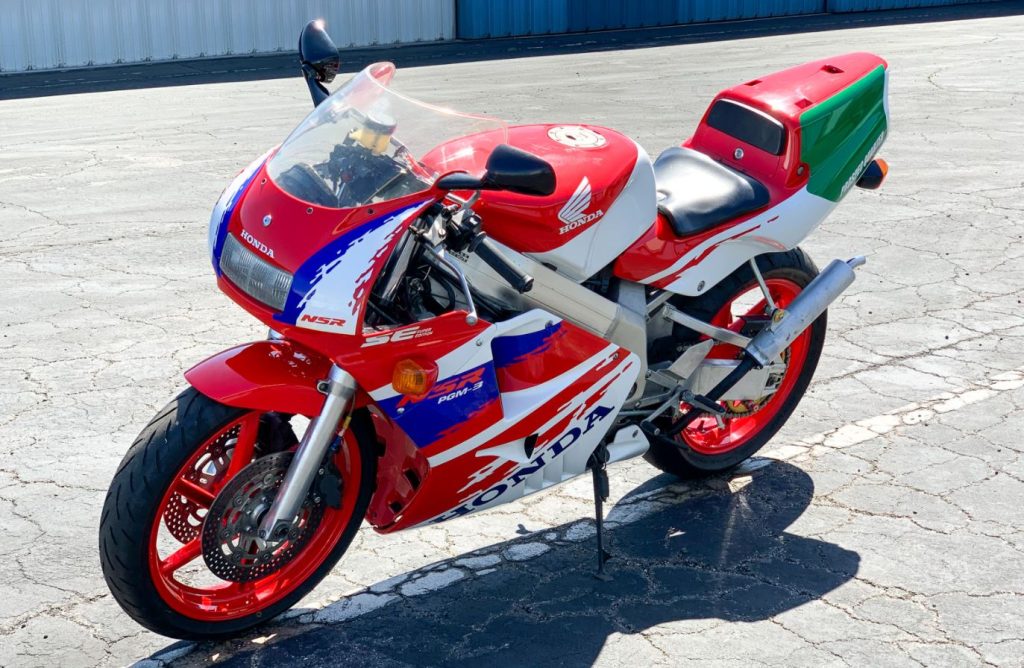
The NSR250R proved that two stroke performance was not just about power. Precision and balance could be just as thrilling. That legacy defines its legend.
5. Yamaha RZ500
The Yamaha RZ500 was Yamaha’s answer to the growing demand for race inspired street motorcycles. Released in the mid 1980s, it brought Grand Prix technology to public roads in dramatic fashion.
Power comes from a 499cc V4 two stroke engine. The layout was directly inspired by Yamaha’s racing machines. The engine delivered strong acceleration once the powerband engaged.
Below the powerband, the bike felt manageable. Once revs climbed, it surged forward aggressively. This contrast defined the RZ500 riding experience.
The V4 engine produced a unique exhaust note. The sound was complex and mechanical, setting it apart from twin cylinder rivals.
Handling was stable and confidence inspiring. While heavier than smaller two strokes, the chassis was well balanced. The bike felt composed during high speed cornering.
Suspension tuning leaned toward performance. It favored smooth roads and aggressive riding. On twisty routes, the RZ500 felt secure and predictable.
Braking performance was solid for its time. Large disc brakes helped manage the bike’s speed and weight. This made it more controllable during spirited riding.
The riding position reflected its racing roots. Clip ons and rear set pegs placed the rider in an aggressive stance. Comfort was secondary to control.
Maintenance demands were high. Like all large two strokes, the RZ500 required careful upkeep. Owners accepted this as part of owning something special.
Production numbers were limited in many markets. This scarcity has increased its desirability among collectors.
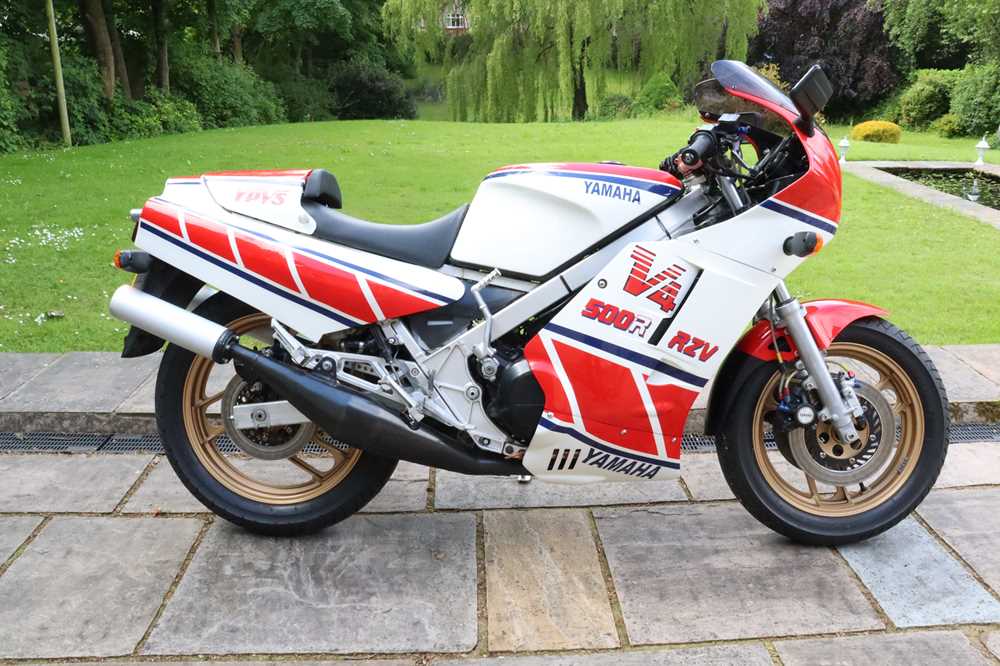
Today, the Yamaha RZ500 is considered one of the most iconic two stroke motorcycles ever made. It captured the spirit of Grand Prix racing in street legal form.
The RZ500 defined Yamaha’s bold approach to performance. Its sound, power delivery, and presence ensure its place in two stroke history.
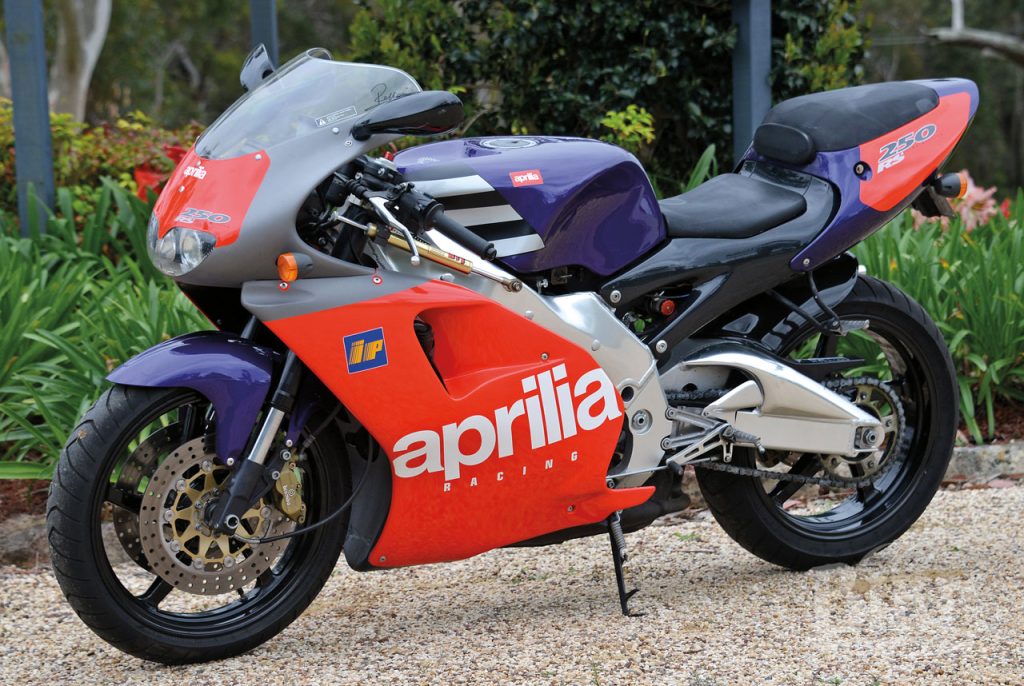
6. Aprilia RS250
The Aprilia RS250 arrived in the 1990s as one of the most refined and accessible two stroke sport bikes ever built. It combined Italian chassis design with proven Japanese engine technology, creating a machine that delivered exceptional balance and precision.
Power comes from a 249cc V twin two stroke engine. While peak output was modest compared to larger two strokes, the engine delivered strong performance due to the bike’s low weight. Keeping the revs high unlocked its true character.
The powerband was narrow but rewarding. Riders had to stay focused and work the gearbox to maintain momentum. This created an engaging and skill based riding experience.
Handling was the RS250’s defining trait. The aluminum frame and high quality suspension gave it razor sharp cornering ability. It felt planted and confident even when pushed hard.
Steering was light and direct. The bike responded instantly to rider input, making it ideal for tight roads and track riding. It encouraged precise lines and smooth throttle control.
Braking performance was excellent. Large front disc brakes and lightweight mass allowed late braking and quick transitions. This added to its race focused personality.
The riding position was aggressive but well thought out. It supported spirited riding without becoming overly uncomfortable during shorter trips.
Aprilia’s attention to detail was evident in the build quality. Components felt purposeful and well assembled. The bike had a premium feel compared to many rivals.
Maintenance was demanding but manageable. Regular servicing and careful warm up were essential. Enthusiasts accepted this as part of two stroke ownership.
Production numbers were limited, especially outside Europe. This scarcity has driven collector interest significantly.
Today, the Aprilia RS250 is considered one of the best handling two stroke motorcycles ever produced. Its blend of precision, light weight, and racing character defines its legacy.
The RS250 proved that finesse could be just as thrilling as brute force in the two stroke era.
7. Suzuki RGV250
The Suzuki RGV250 was Suzuki’s lightweight answer to the growing popularity of two stroke race replicas. Introduced in the late 1980s, it delivered sharp handling, aggressive styling, and a true Grand Prix inspired riding experience.
Power comes from a 249cc V twin two stroke engine. The engine demanded high revs to perform at its best. Once on the pipe, acceleration was rapid and exciting.
The power delivery was abrupt but addictive. Riders had to be precise with throttle inputs to maintain control. This made the RGV250 rewarding for skilled riders.
Handling was outstanding. The aluminum frame and compact dimensions allowed quick direction changes. The bike felt light and agile, especially in tight corners.
Steering feedback was clear and communicative. Riders could feel grip levels through the bars, which built confidence when riding aggressively.
Braking performance matched the bike’s intent. Lightweight construction allowed strong braking with minimal effort. This made the RGV250 feel capable on both road and track.
The riding position was aggressive and focused. Clip ons and rear set pegs placed the rider in a race oriented stance. Comfort was sacrificed for control.
Styling played a major role in its appeal. Bold graphics and sharp lines made the RGV250 look like a scaled down Grand Prix machine.
Maintenance required dedication. Like all high performance two strokes, it needed frequent attention. Owners who followed service schedules enjoyed reliable performance.
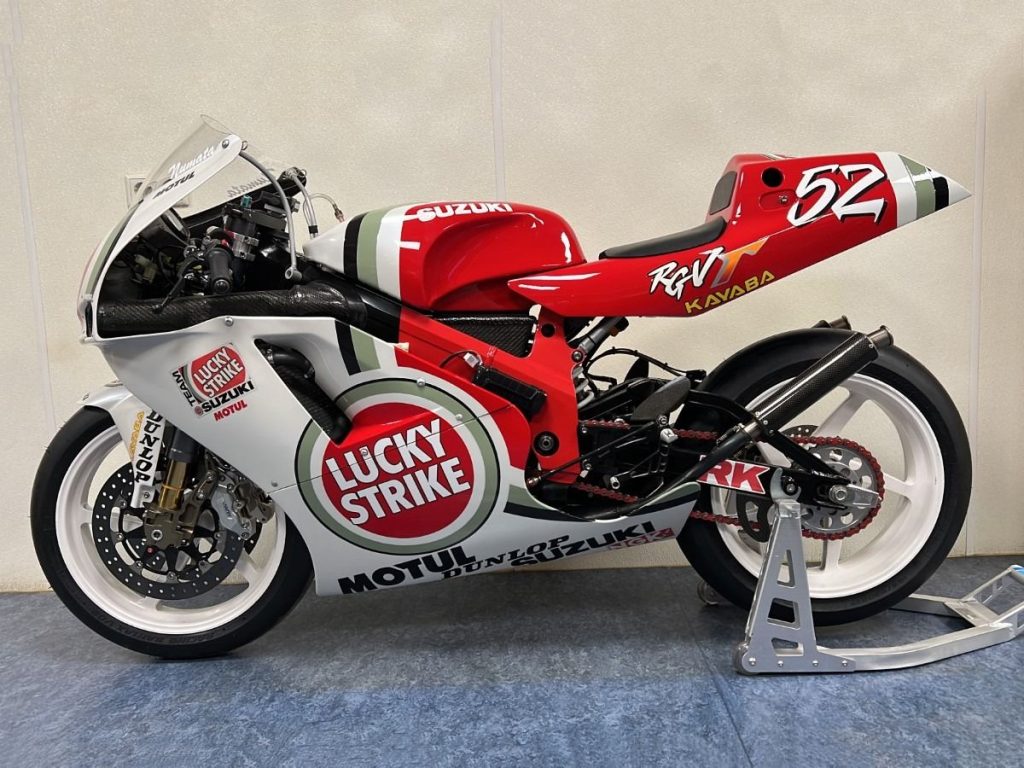
The RGV250 gained a strong racing reputation in smaller displacement classes. This competition success added to its credibility and desirability.
Today, the Suzuki RGV250 is highly sought after by collectors and riders alike. Its sharp handling and authentic race feel define its legend.
The RGV250 represents the purest form of lightweight two stroke performance. That purity is why it continues to define an era.
8. Yamaha TZR250
The Yamaha TZR250 represented Yamaha’s commitment to bringing Grand Prix inspired performance to everyday riders. Introduced in the late 1980s and refined through the 1990s, it became one of the most respected two stroke race replicas ever produced.
Power comes from a 249cc two stroke engine that thrives at high rpm. Below the powerband, performance feels restrained. Once the engine comes alive, acceleration becomes sharp and urgent.
This peaky nature demanded skill. Riders had to manage revs carefully and keep the engine spinning. The reward was a thrilling surge that made the bike feel faster than its displacement suggested.
Handling was a major highlight. The lightweight frame and sporty geometry allowed the TZR250 to carve corners with precision. It felt stable at lean and responsive during transitions.
Steering feedback was excellent. The front end communicated clearly, allowing riders to push with confidence. This made the bike especially enjoyable on technical roads.
Braking performance was strong for its class. Lightweight construction meant the brakes did not need excessive force. Riders could brake late and maintain control.
The riding position mirrored Yamaha’s racing machines. Clip ons and rear set foot pegs placed the rider in a committed stance. Comfort was secondary to control.
Build quality was solid and purposeful. Yamaha focused on performance rather than luxury. Every component felt designed to support aggressive riding.
Maintenance required attention. Like all two strokes, regular servicing was essential. Owners who respected service intervals enjoyed reliable operation.
The TZR250 had strong racing connections. It reflected Yamaha’s Grand Prix development and carried that pedigree to the street.
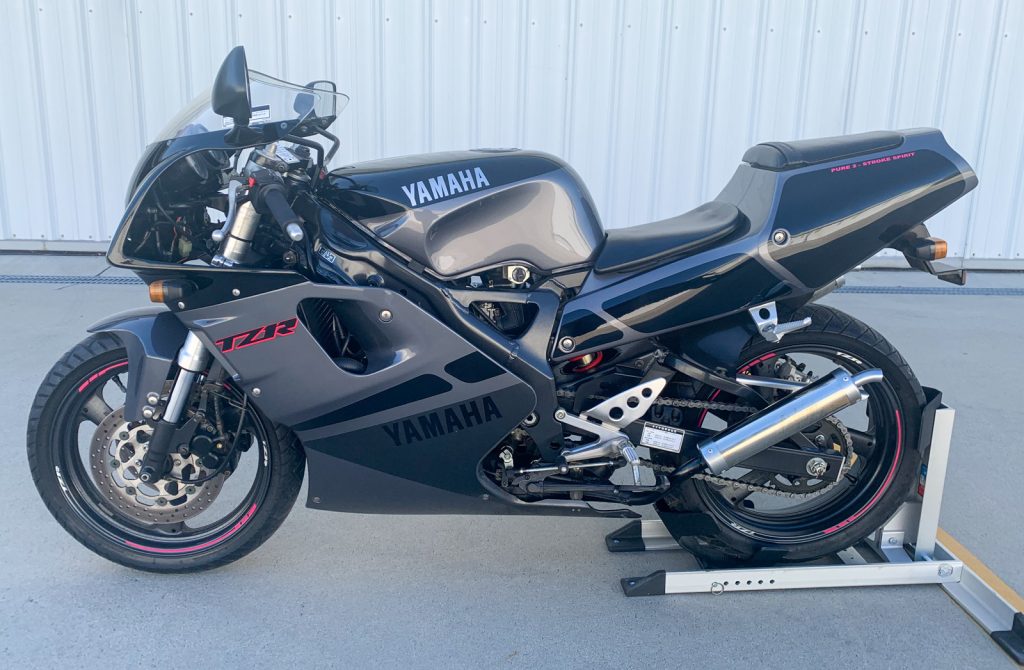
Collectors value originality highly. Early models and special editions command premium prices today. Well preserved examples are increasingly rare.
The Yamaha TZR250 stands as a true race replica. Its sharp power delivery and precise handling define the essence of two stroke performance.
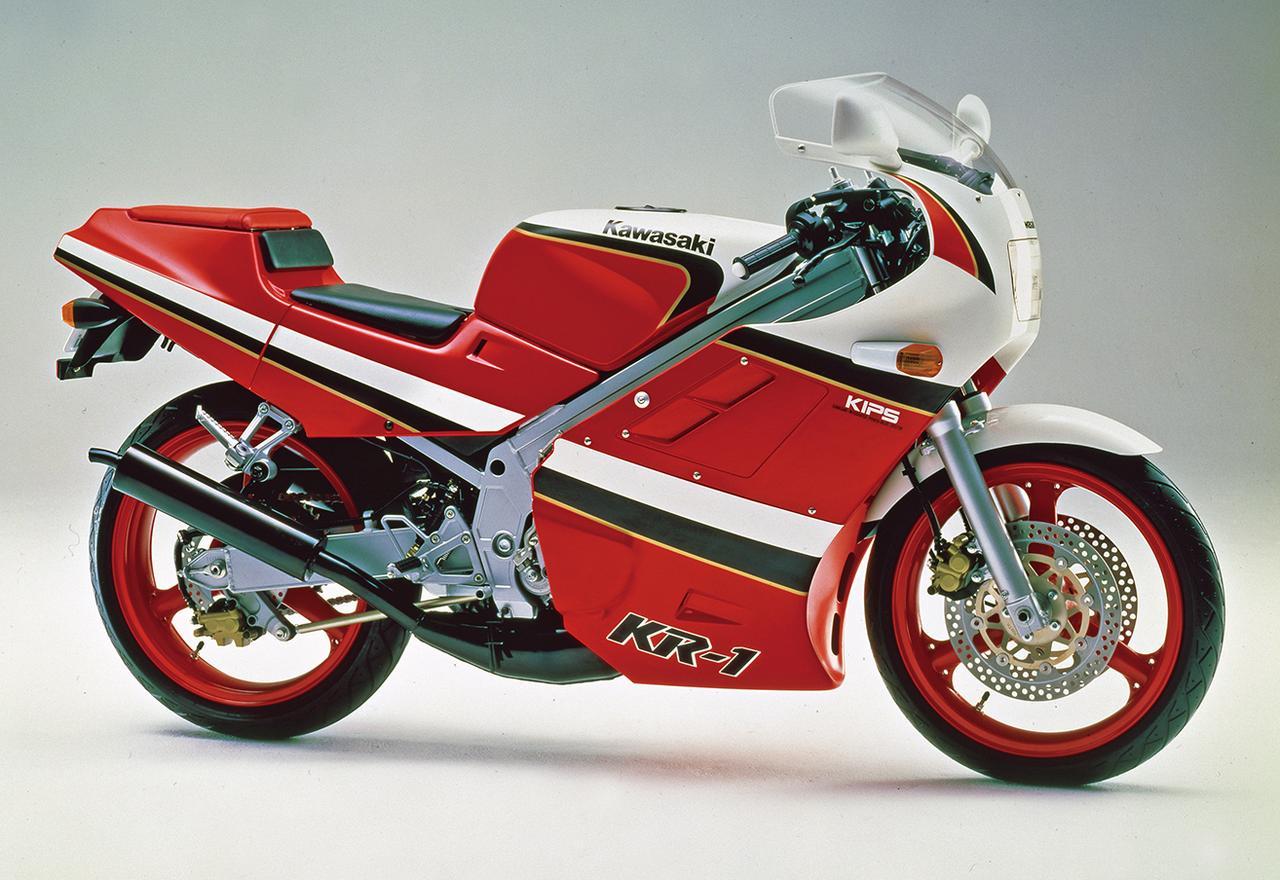
9. Kawasaki KR-1
The Kawasaki KR-1 was Kawasaki’s bold entry into the lightweight two stroke war of the late 1980s. It was built to compete directly with the best from Yamaha, Suzuki, and Honda, and it did so with aggression and attitude.
Power comes from a 249cc parallel twin two stroke engine. The engine delivered explosive acceleration once the powerband engaged. It felt raw and intense compared to more refined rivals.
The KR-1 was known for its light weight. This allowed it to accelerate quickly and change direction with minimal effort. The bike felt agile and eager at all speeds.
Handling was sharp but demanding. The chassis responded instantly to rider input. This made the bike exciting but required concentration and respect.
Steering was quick and direct. The front end provided clear feedback, encouraging aggressive corner entry. Skilled riders found it immensely rewarding.
Braking performance was adequate for its era. Lightweight mass helped compensate for less advanced braking components. Riders learned to brake decisively and smoothly.
The riding position was aggressive. The bike placed the rider low and forward, reinforcing its race focused character. Long rides were tiring, but short blasts were exhilarating.
Styling was bold and angular. The KR-1 looked fast even when parked. Its aggressive appearance matched its performance personality.
Maintenance demands were high. The KR-1 required careful attention to remain reliable. Owners who accepted this enjoyed one of the most exciting two strokes of its time.
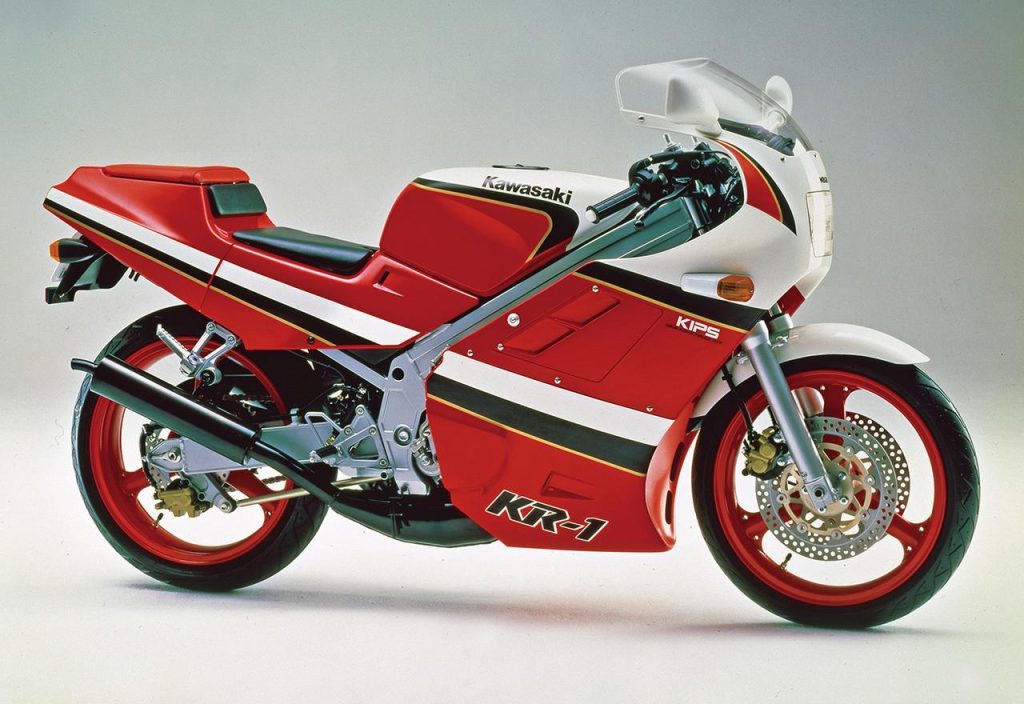
Production numbers were limited. This rarity has increased its desirability among collectors. Finding a clean example today is challenging.
The Kawasaki KR-1 represented Kawasaki’s uncompromising approach to two stroke performance. It was fast, demanding, and unforgettable. That fearless character is why the KR-1 remains a defining legend of the two stroke era.
10. Suzuki GT750
The Suzuki GT750 earned a unique place in two stroke history by doing something no other manufacturer had done at the time. It combined two stroke performance with touring comfort and water cooling. This made it one of the most technically advanced motorcycles of its era.
Power comes from a 739cc two stroke triple engine. Unlike the violent delivery of other large two strokes, the GT750 focused on smoothness. Acceleration was steady and controlled rather than explosive.
The engine’s water cooling system was groundbreaking. It improved reliability and temperature control, setting it apart from air cooled rivals. This innovation earned the bike the nickname Water Buffalo.
Weight was higher than other two stroke machines. However, this added stability at speed. The GT750 felt composed on highways and long stretches of road.
Handling was predictable and secure. The long wheelbase and solid chassis favored stability over agility. This made the bike well suited for touring rather than aggressive riding.
Braking performance was strong for the time. Dual front disc brakes provided reliable stopping power. This helped balance the bike’s weight and performance.
Comfort was a major focus. The upright seating position and generous seat made long rides enjoyable. Wind protection options further enhanced touring ability.
The GT750 appealed to riders who wanted two stroke character without extreme behavior. It delivered smooth power and mechanical refinement.
Maintenance was more involved due to the cooling system, but reliability was strong when cared for properly. Owners appreciated its durability.
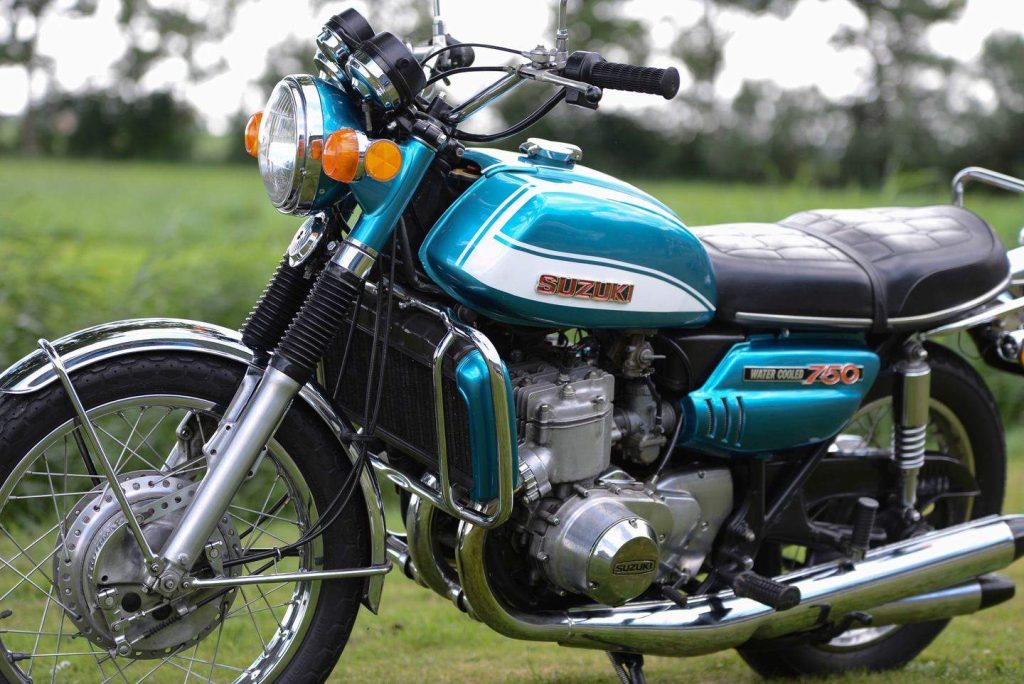
Design reflected its touring role. Clean lines and substantial proportions gave it a confident presence. It looked serious and purposeful.
Today, the Suzuki GT750 is highly valued for its innovation. It proved that two stroke engines could be refined and practical.
Its blend of comfort, engineering, and character defined a different side of the two stroke era. That uniqueness secures its legendary status.
11. Honda CR500R
The Honda CR500R represents the wildest expression of two stroke power. Built as a motocross machine, it delivered unmatched torque and brutality. Few motorcycles have ever earned such a fearsome reputation.
Power comes from a massive single cylinder two stroke engine. Throttle response is instant and aggressive. Even experienced riders treated it with respect.
The CR500R was known for overwhelming torque. It could lift the front wheel effortlessly in multiple gears. This made it intimidating and exhilarating.
Weight was relatively low, which amplified its power. Acceleration felt explosive, especially on loose surfaces. The bike demanded precise control.
Handling required strength and skill. The chassis was stable, but the engine’s output could overpower traction easily. Riders needed confidence and discipline.
Suspension was built for serious competition. Long travel components absorbed hard landings and rough terrain. This allowed the bike to survive extreme riding.
The riding position was aggressive and purposeful. Everything was designed around control during hard acceleration and jumps.
Reliability was strong despite the power. Honda engineering ensured durability when maintained correctly. Regular servicing was essential.
The CR500R dominated motocross and off road racing for years. Its success built an unmatched reputation.
Even after production ended, the legend grew. Riders spoke of it with a mix of admiration and fear.
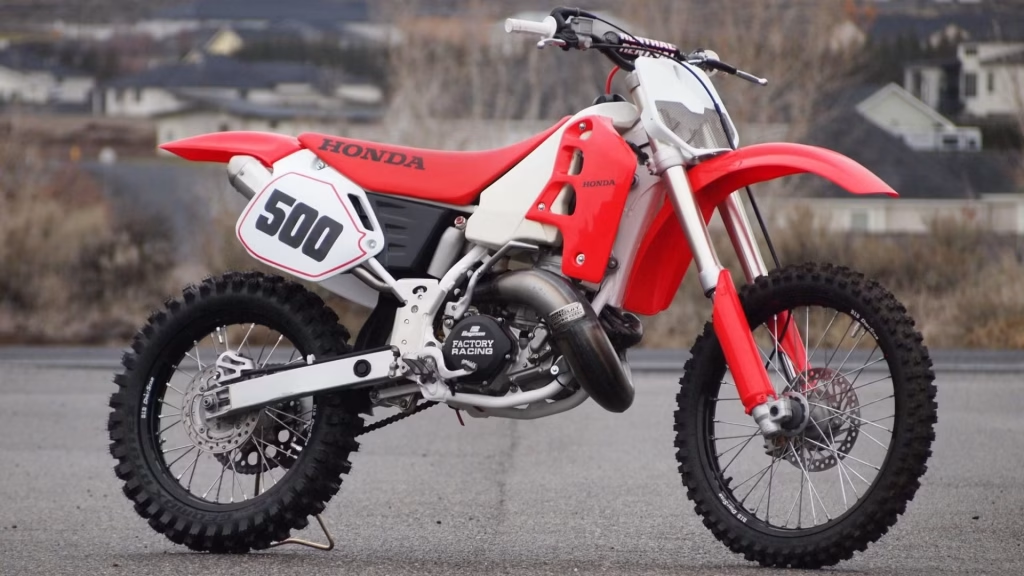
Today, the CR500R is considered the ultimate two stroke monster. Clean examples are highly sought after by collectors.
It defined the extreme end of two stroke performance. That raw and unapologetic nature is why it remains legendary.
Two stroke motorcycles defined a fearless era of motorcycling where light weight, raw power, and rider skill mattered more than electronics or refinement. These machines delivered explosive acceleration, narrow powerbands, and unforgettable sound, creating an experience that demanded respect and rewarded commitment.
The eleven motorcycles in this list represent every side of the two stroke story. From street legends like the Yamaha RD350 and Kawasaki H2 to race replicas such as the Suzuki RG500 and Honda NSR250R, each one pushed boundaries.
Lightweight precision machines emphasized handling, while larger engines focused on brute force. Touring oriented designs like the Suzuki GT750 proved two strokes could also be refined.
Motocross icons like the Honda CR500R showed just how extreme the technology could become. These bikes were challenging, intense, and unforgettable. They required skill, maintenance, and mechanical sympathy, which only deepened the bond between rider and machine.
As emissions rules ended mainstream two stroke production, these motorcycles became symbols of a bold and unfiltered time. Today, they are celebrated not just for performance, but for character. They remain legends because they defined what riding on the edge truly felt like.
Also Read: Top 11 Irresistible Scramblers That Make Adventure Bikes Look Overrated
