
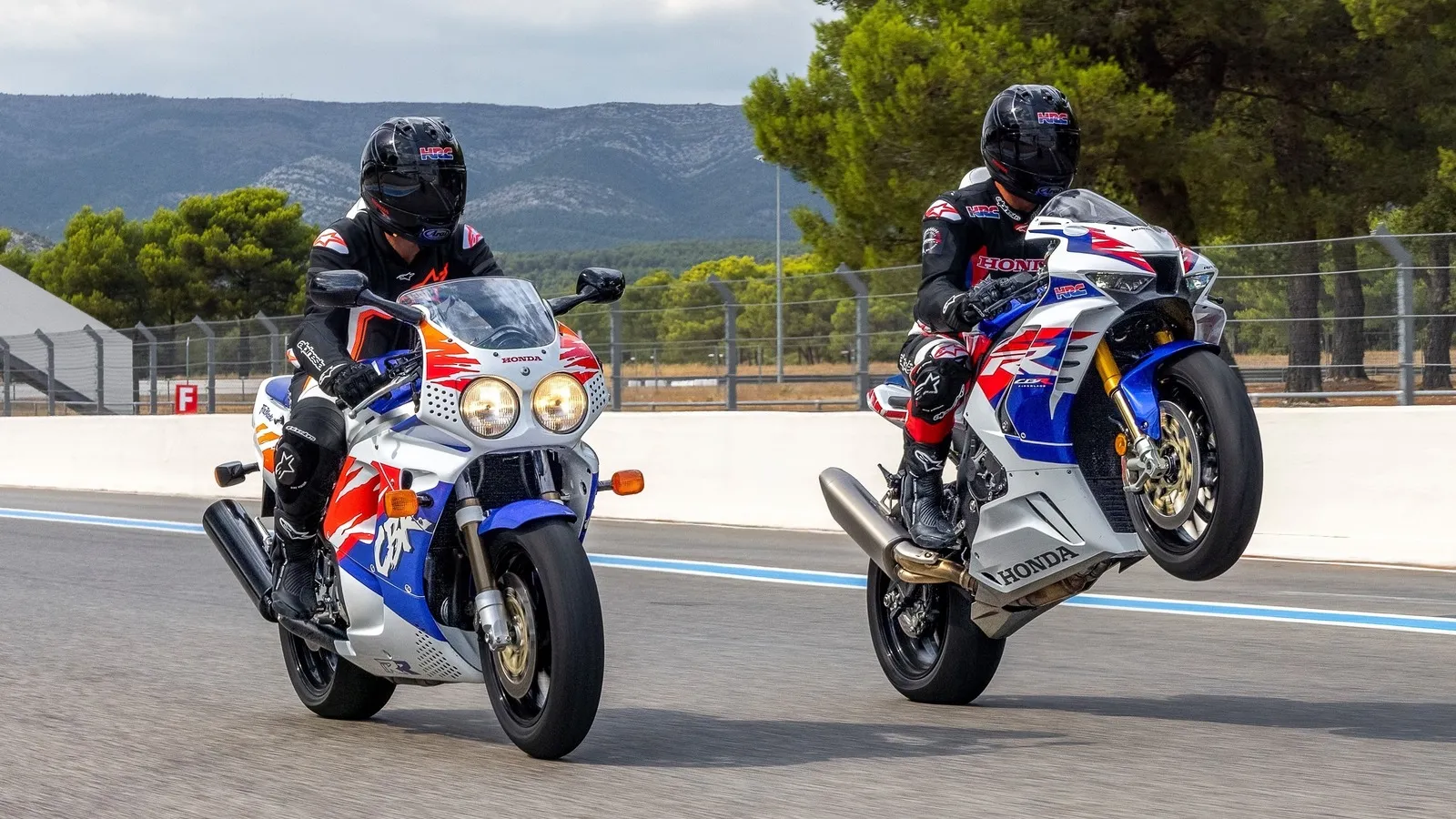
The 1990s were a golden era for motorcycles, a decade where performance met bold design in ways that still turn heads today. Manufacturers weren’t just chasing speed; they were crafting machines that looked alive even at a standstill.
Every curve, every line, every splash of color was designed to make a statement. Riders weren’t just buying transportation, they were buying an experience, a feeling of raw energy captured in metal and plastic. This was the time when sport bikes evolved from functional two-wheelers into rolling works of art.
Aerodynamics, weight distribution, and engine layout were balanced alongside aesthetics, giving us bikes that were both fast and visually thrilling. Whether on the track or cruising through city streets, the motorcycles of the 1990s captured attention with aggressive fairings, sleek silhouettes, and distinctive color schemes that defined a generation of riders.
Collectors and enthusiasts still look back at this decade with admiration. Some of the bikes introduced then have become icons, their styling influencing designs even today. They offered a perfect blend of mechanical precision and visual drama, proving that high-performance engineering and striking design could coexist.
If you’re passionate about motorcycles, understanding these bikes gives insight into how the sport evolved, both in aesthetics and engineering, shaping the future of superbike design. This list highlights ten superbikes from the 1990s that remain stunning examples of form meeting function.
Each selection is a celebration of design, performance, and the daring creativity of manufacturers during this era. Whether you’re a veteran rider, a collector, or someone who simply appreciates sleek engineering, these bikes are worth exploring, as they showcase the decade’s most memorable designs and engineering achievements.
1. Honda CBR900RR Fireblade 1992
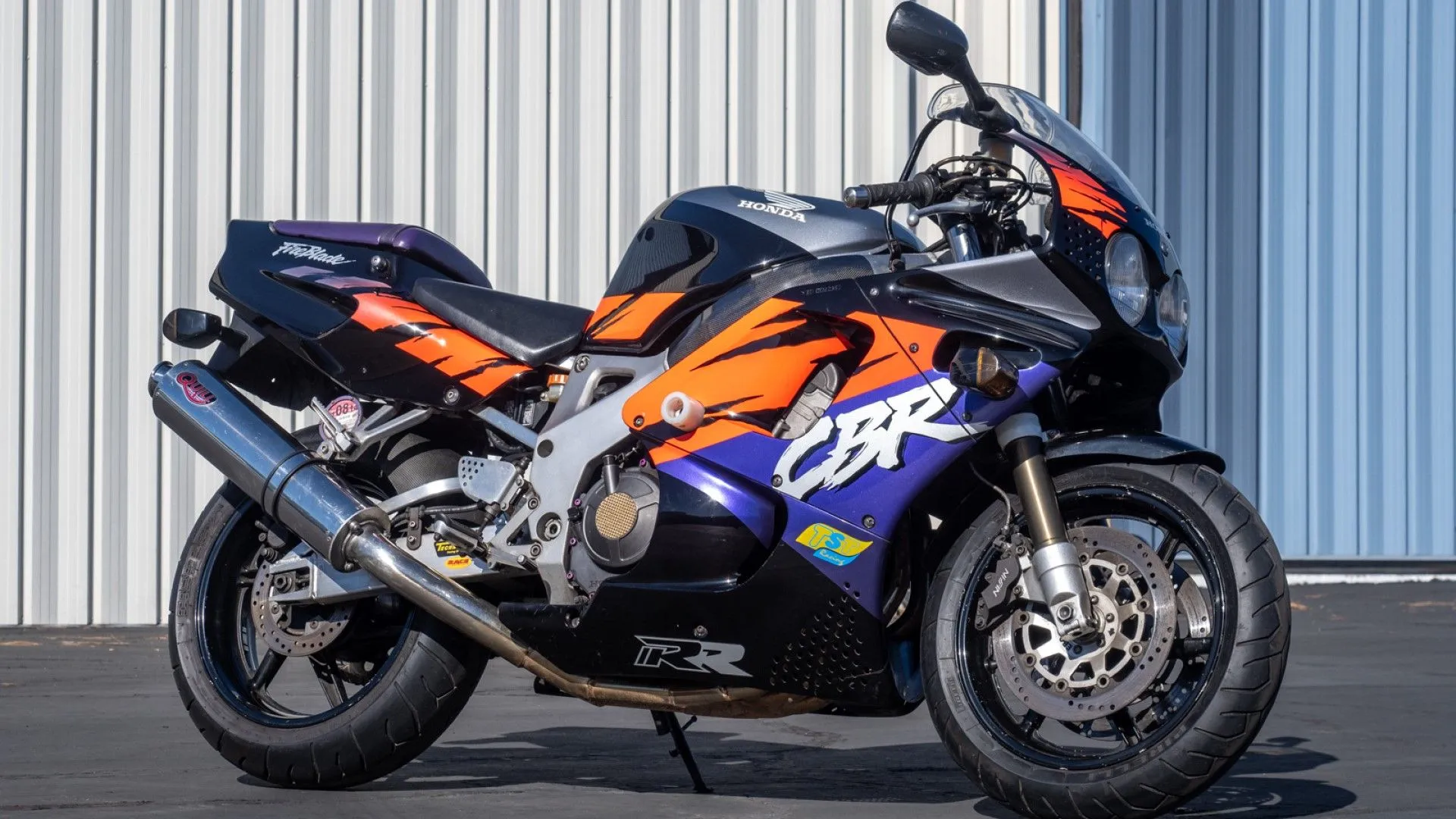
Honda shook the motorcycle world in 1992 with the CBR900RR Fireblade. It was a bike designed to reduce weight without sacrificing power, and its compact, aggressive form turned heads immediately.
The low clip-on handlebars, sculpted fuel tank, and sharp tail section created a riding stance that felt both purposeful and aerodynamic. This wasn’t just a fast bike; it looked fast, even sitting at a stoplight.
Performance was impressive, with a liquid-cooled inline-four engine delivering high revs and strong torque. Honda’s engineers focused on keeping weight under control, making it easier to handle than heavier 900cc bikes.
That slender, aggressive profile wasn’t just for looks; it allowed the bike to slice through corners with precision, matching its aerodynamic styling with tangible road performance.
Design details reinforced its sporty character. Dual headlights gave it a predatory appearance, while the subtle graphics highlighted curves and angles. Frame geometry and bodywork combined to offer both rider comfort and visual drama, making it a complete package for enthusiasts who wanted performance and aesthetic appeal in one.
Culturally, the Fireblade set a precedent. It inspired other manufacturers to pursue compact yet powerful designs, influencing superbike evolution throughout the decade. Riders who experienced the Fireblade appreciated its balance of usability and adrenaline, while non-riders often admired it as an artful, aggressive machine that symbolized 1990s motorcycle style.
Even today, the CBR900RR remains a favorite among collectors and classic bike enthusiasts. Its iconic lines, pioneering design philosophy, and refined performance make it a standout example of a superbike that combines beauty and function in perfect harmony.
2. Yamaha YZF750R 1993
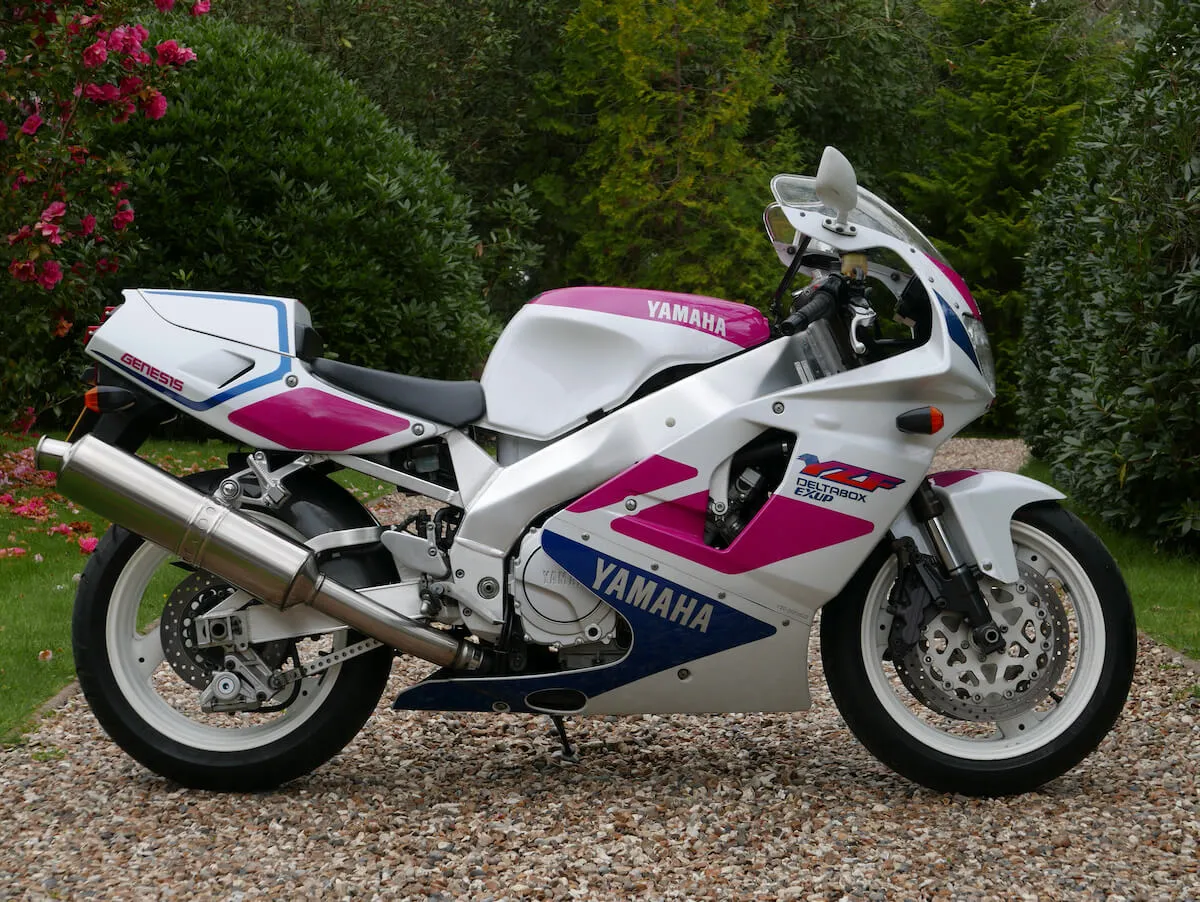
Yamaha’s YZF750R, introduced in 1993, exemplified the marriage of racing heritage and street-friendly design. Its twin-spar aluminum frame supported a slim yet muscular profile, creating a bike that looked agile and ready to pounce. Designers emphasized the nose and tail, producing a bike with a purposeful forward lean that suggested speed even at idle.
The 749cc inline-four engine delivered quick throttle response and smooth power delivery. Paired with a fully adjustable suspension, the YZF750R felt confident on both tight corners and open roads. Its performance mirrored its appearance, proving that Yamaha’s styling choices weren’t purely aesthetic but also functional.
Aerodynamic fairings weren’t just visually appealing; they improved high-speed stability and rider comfort. Dual headlights framed a sharp, aerodynamic front, and the color schemes of the era, bright blues, reds, and whites, gave the bike a distinctive racing-inspired personality. Even casual observers could sense the bike’s sporty DNA from its stance and angles.
Ergonomics contributed to both control and visual flow. Seat height and handlebar placement created a compact rider profile, emphasizing agility. The tail section tapered neatly, giving the impression of motion whether the bike was moving or stationary. Small details, such as vents and body panel curves, enhanced both performance and visual complexity.
The YZF750R also influenced motorcycle culture in the 1990s. It represented Yamaha’s commitment to racing success and street usability, blending both in a visually and mechanically satisfying package. Riders who owned this bike enjoyed not only speed and handling but also the way it drew attention. Its styling was unmistakable, reflecting Yamaha’s philosophy of marrying functionality with striking design.
Even decades later, the YZF750R remains an admired model, celebrated for its aesthetic appeal, balance, and nod to racing heritage. It represents the era’s creativity and engineering innovation, standing as a superbike that truly defined 1990s Japanese design.
Also Read: 8 Hatchbacks That Fit Bikes Effortlessly vs 8 That Don’t
3. Suzuki GSX-R750 1996
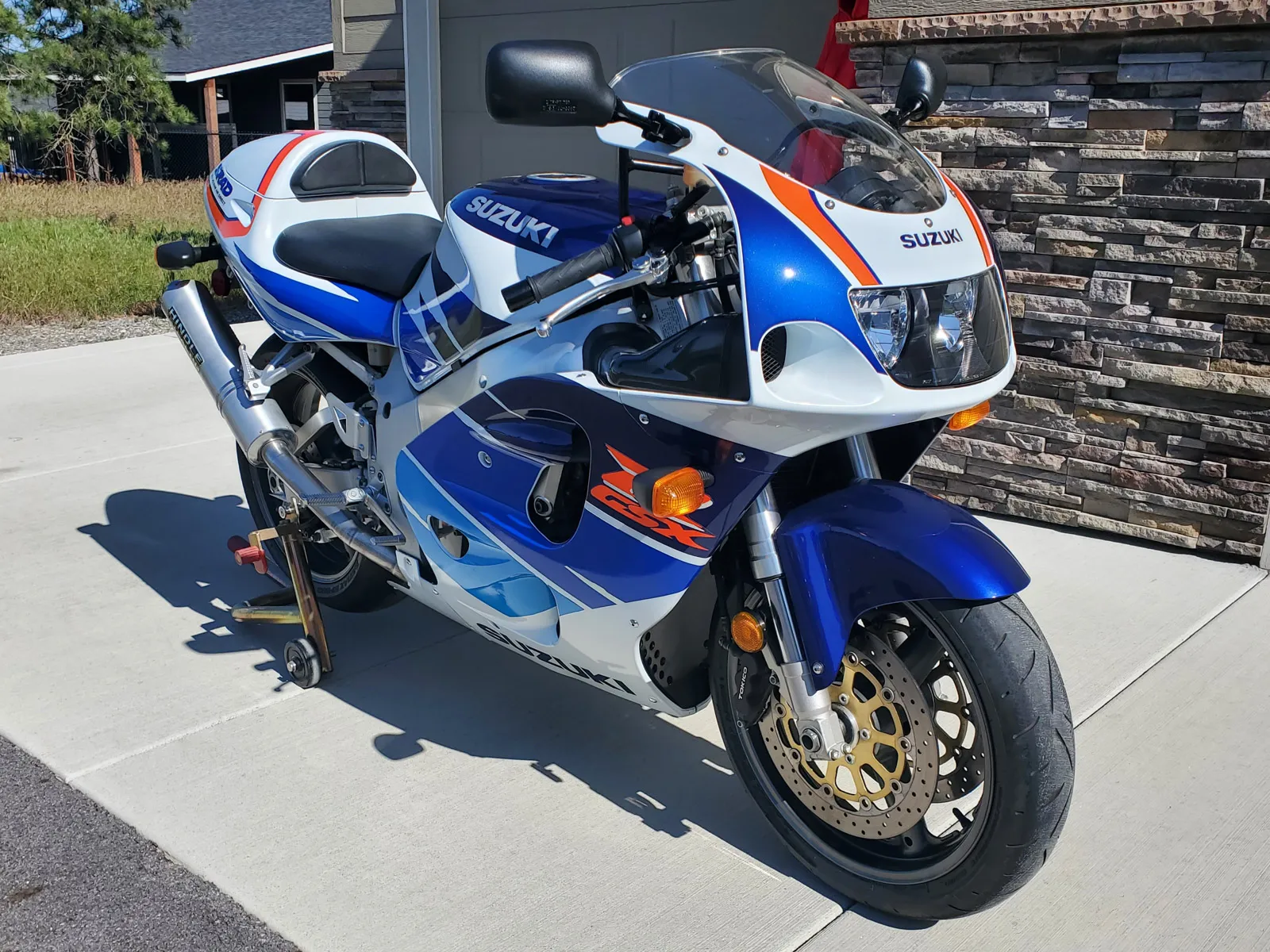
The Suzuki GSX-R750 1996 continued the legendary GSX-R lineage with a sharp, aerodynamic look. Every line of this bike was sculpted for performance, and it achieved that without compromising visual allure. Its fairings were sleek, wrapping tightly around the engine while highlighting the bike’s lightweight design. Riders and onlookers alike could appreciate its aggressive, purposeful stance.
Performance was a strong selling point. The 750cc inline-four engine provided high-revving excitement, and the lightweight frame allowed quick handling in corners. Suzuki’s attention to detail in frame geometry and component placement ensured that the bike delivered an exhilarating ride without feeling cumbersome.
Visual elements reinforced its performance character. Dual headlights gave it a focused, predatory appearance, and the tail section tapered sharply to maintain balance in form and function. Graphics were bold yet controlled, often featuring Suzuki’s iconic blue-and-white racing colors, giving the bike instant recognition.
Ergonomics were tuned for sport riding. Clip-on handlebars, rear-set footpegs, and a narrow seat encouraged an active, engaged riding posture. Each element contributed to both handling precision and visual cohesion, making the GSX-R750 a machine that looked as fast as it felt.
The 1996 GSX-R750 also solidified Suzuki’s reputation for producing superbikes that appealed to both racers and street riders. Its aesthetics were not just about style but communicated engineering intent, performance capability, and brand identity. Riders valued its nimble handling and visual impact, while collectors continue to appreciate it as an icon of the 1990s sportbike era.
Even today, this model remains a reference point for what makes a superbike both functional and beautiful, combining aggressive styling, advanced engineering, and a legacy of Japanese craftsmanship.
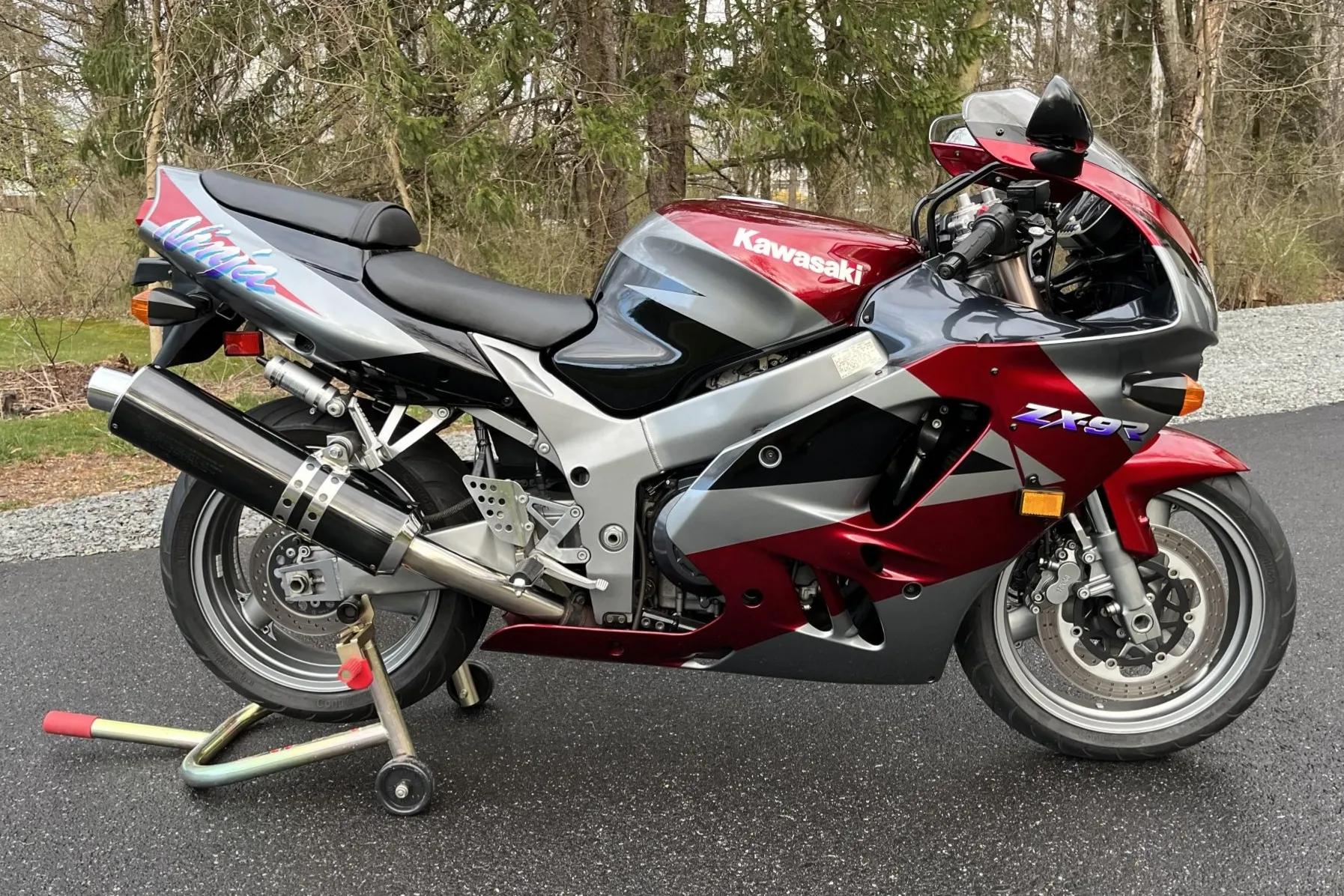
4. Kawasaki Ninja ZX-9R 1994
Kawasaki’s Ninja ZX-9R 1994 broke new ground in styling and performance. Its bodywork combined muscular angles with smooth curves, producing a bike that looked ready for racing. Kawasaki emphasized compactness and rider integration, resulting in a low, forward-leaning stance that enhanced aerodynamics and visual aggression.
Powered by a 908cc inline-four engine, the ZX-9R offered powerful acceleration and high-speed stability. Suspension and braking systems were tuned to handle both track performance and street agility, allowing riders to experience thrilling responsiveness in tight turns or open stretches.
Aesthetics were integral to its identity. The dual headlights, sharp tail, and integrated fairings created a cohesive visual package. Color schemes often included green highlights, reinforcing Kawasaki’s racing identity. The ZX-9R balanced showmanship with functionality, ensuring each line had purpose and presence.
Ergonomics enhanced the bike’s aggressive look while supporting rider control. Handlebar position and seat layout encouraged an engaged, sporty posture, emphasizing speed and motion. The design suggested flow, movement, and intent, aligning with Kawasaki’s performance-oriented philosophy.
The 1994 ZX-9R also influenced sports bike trends throughout the decade. Its combination of muscular lines, integrated fairings, and aerodynamic tuning inspired subsequent models from other manufacturers. Riders appreciated its balance of comfort and high performance, while its looks conveyed an unmistakable energy that remains iconic today.
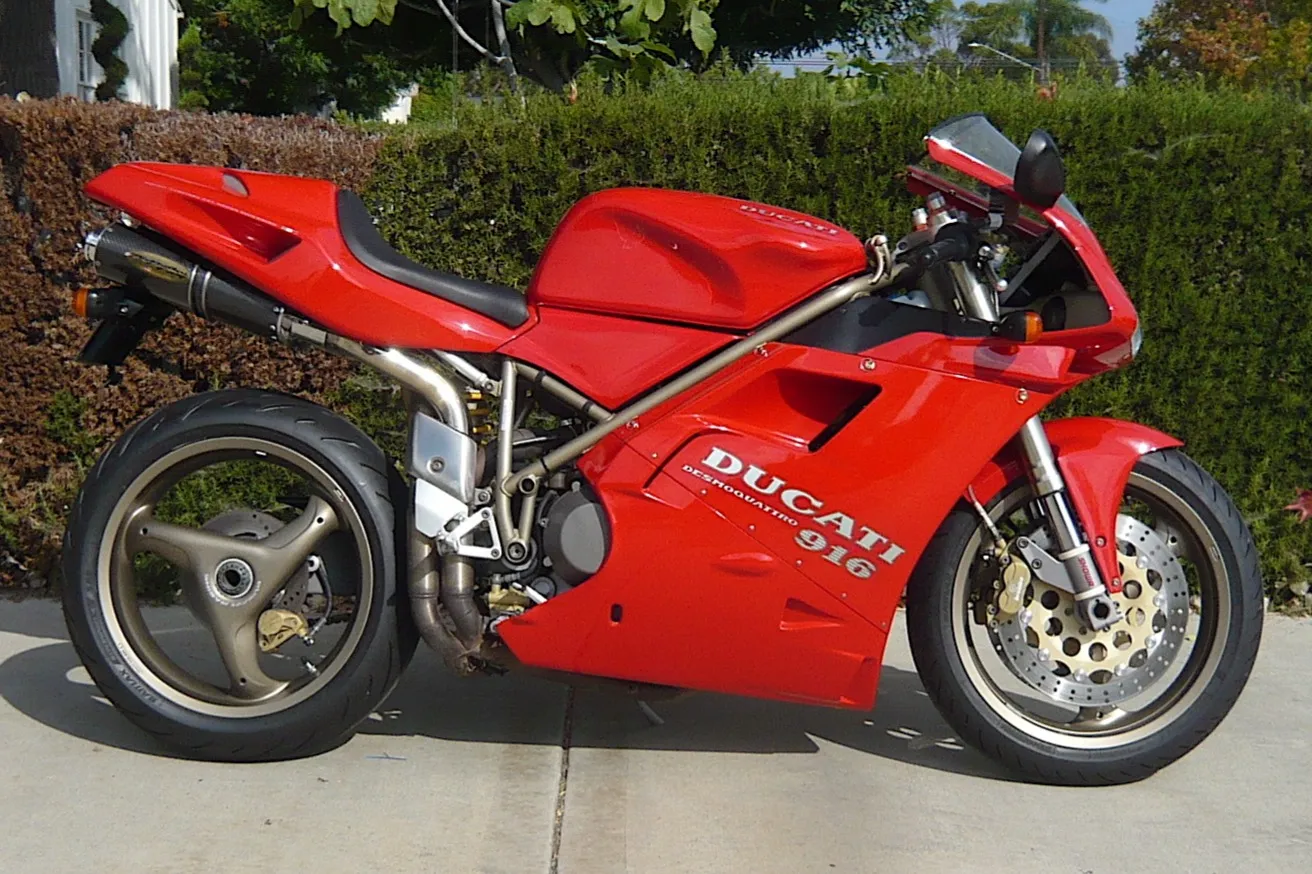
5. Ducati 916 1995
The Ducati 916 1995 is widely regarded as a masterpiece of Italian motorcycle design. From every angle, the bike exudes style and performance in perfect balance.
Its sculpted fairings flow seamlessly from the front nose to the narrow, aerodynamic tail, giving the impression of motion even when stationary. The single-sided swingarm and underseat exhaust add to the bike’s futuristic yet purposeful appearance, showing that engineering and art can coexist without compromise.
Every vent, curve, and panel is thoughtfully designed, creating a motorcycle that looks as fast as it rides. Beneath the striking bodywork lies a 916cc L-twin engine that delivers an exhilarating power-to-weight ratio. Acceleration is immediate, and the bike responds to rider input with precision and confidence.
Ducati’s engineers ensured that all mechanical elements were not only functional but visually integrated, so that the engine, frame, and suspension complement the entire design rather than disrupt it. The result is a superbike that feels agile, connected, and thrilling on the road.
Visual appeal comes from both proportions and attention to detail. The narrow front fairing contrasts with the wide, muscular tail, creating a dynamic stance that suggests forward motion. Designers often paired the flowing bodywork with iconic red paint and subtle highlights, emphasizing both Italian flair and racing heritage.
Even small elements, like the aerodynamic winglets and vent placements, contribute to a sense of speed and sophistication, reinforcing the 916’s reputation as a showpiece of superbike art. Rider ergonomics were carefully considered to enhance both control and presence.
Low-mounted handlebars and rear-set footpegs encourage a forward-leaning posture that immerses the rider in the machine. The seamless integration of the seat and tank allows for smooth weight movements during aggressive cornering while preserving visual flow.
Despite its racing-inspired positioning, the bike provides comfort sufficient for spirited weekend rides, combining performance with usability in a thoughtful way.
The Ducati 916 had an immediate cultural impact upon release, setting new standards for style, performance, and craftsmanship. It influenced an entire generation of superbikes, inspiring competitors and shaping the design language of future Ducati models.
Decades later, it remains a symbol of Italian engineering excellence, proving that superbike design can be both breathtakingly beautiful and mechanically formidable. The 916 is more than just a motorcycle; it is a statement that speed, style, and innovation can exist together in perfect harmony.
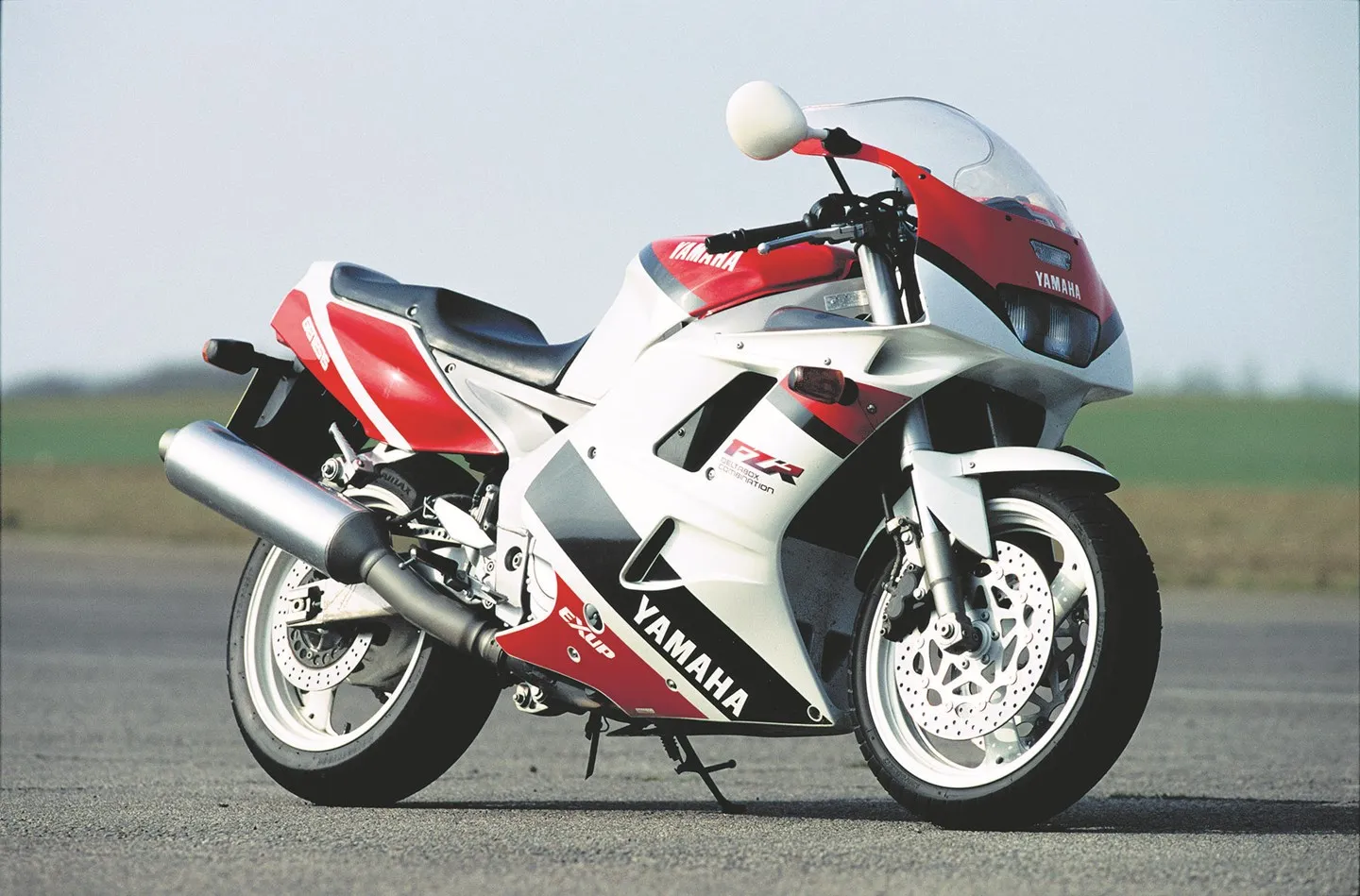
6. Yamaha FZR1000 1994
Yamaha’s FZR1000 1994 combined raw performance with an unmistakable 1990s aesthetic, presenting a bike that was both aggressive and aerodynamic. Its fully faired design emphasized speed, featuring sharp edges along the fuel tank and tail section, giving it a purposeful forward-leaning stance. Riders instantly recognized the FZR1000 as a machine built for motion.
Underneath its sleek bodywork, the 998cc inline-four engine delivered impressive acceleration. Yamaha’s engineering emphasized smooth throttle response and stability at high speeds, while a robust chassis allowed precise cornering.
The bike’s weight distribution and rigid frame made it responsive, giving riders confidence whether they were on winding roads or open highways.
The styling spoke of power and intent. Dual headlights carved a narrow, focused front profile, while aerodynamic vents helped with cooling and visual flow.
Bold graphics and a mix of dark and bright colors emphasized its sporty image. Even from a distance, the FZR1000 conveyed speed and technical sophistication, signaling Yamaha’s intent to blend function with form.
Riding ergonomics were designed to keep the rider engaged. Clip-on handlebars and rear-set footpegs encouraged an active riding stance, while the slim seat allowed quick body movement. Yamaha’s attention to detail ensured that the rider’s position complemented the bike’s visual drama.
The FZR1000’s influence went beyond aesthetics. It showcased Yamaha’s ability to produce a high-performance sportbike that looked fast and handled precisely.
The bike became a favorite among enthusiasts who wanted performance without sacrificing striking design. Even decades later, the FZR1000 stands as a clear example of how 1990s superbikes balanced visual impact, rider experience, and technical capability.
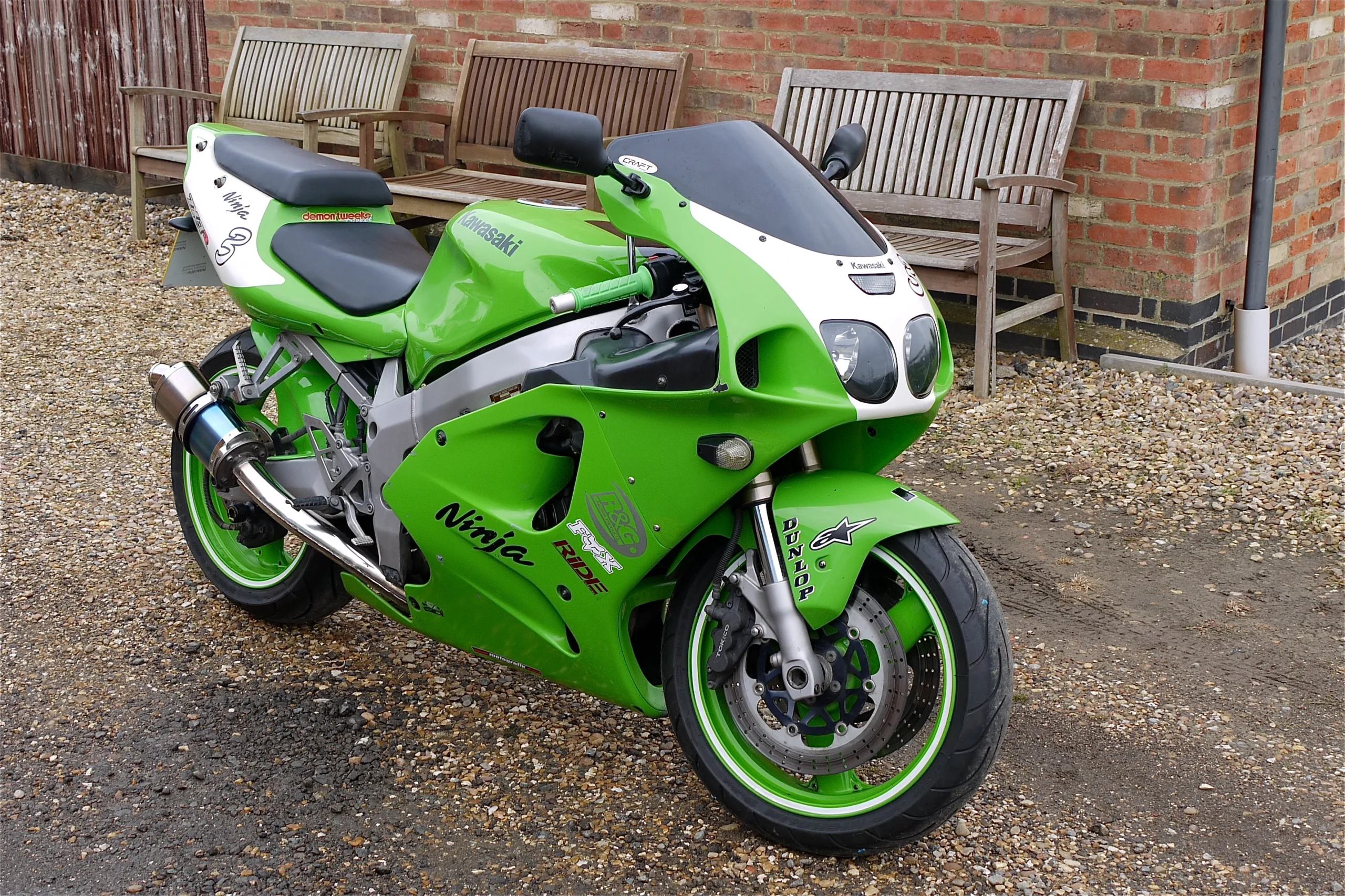
7. Kawasaki Ninja ZX-7R 1996
The Kawasaki Ninja ZX-7R 1996 is a superbike that perfectly captures the mid-1990s obsession with speed, precision, and bold styling. Its aggressive, angular fairings and sharply sculpted tail create a sense of motion even when standing still. The narrow front end, highlighted by twin headlights, gives the bike a predatory, ready-to-strike presence.
Every design choice, from the pointed nose to the sleek tail, communicates performance, making it clear that this is a machine built for speed. Underneath the aggressive exterior lies a 748cc inline-four engine engineered for high-revving performance. Kawasaki’s focus on smooth power delivery allows riders to enjoy both street and track environments.
The aluminum twin-spar frame keeps weight low while maintaining rigidity, giving cornering a responsive and confident feel. Suspension tuning is precise, providing a balance between agility and stability. Riders can attack tight corners without worrying about unpredictable handling, while still feeling connected to the road.
Aerodynamics were a major focus during the ZX-7R’s development. Carefully positioned vents reduce drag and help cool the engine, while the overall body shape encourages forward momentum.
Kawasaki’s signature color schemes, often featuring the iconic lime green accented with black or silver, enhance its visual appeal. These elements make the ZX-7R instantly recognizable and cement its status as one of the era’s most striking sportbikes.
Ergonomics further reinforces its race-inspired intent. Low-mounted handlebars and rear-set footpegs encourage a forward-leaning posture that keeps the rider engaged and in control.
The tank and seat design flow naturally together, allowing weight shifts during cornering to feel intuitive. This layout also adds to the bike’s aggressive silhouette, reinforcing its visual statement of performance.
Culturally, the ZX-7R became a benchmark for 1990s sportbike design. Enthusiasts praised its combination of sharp styling, balanced handling, and accessible yet thrilling power. Today, collectors value it not just for performance but for the way it represents an era when superbikes were as much about looks as speed.
The Kawasaki Ninja ZX-7R 1996 remains a timeless example of a motorcycle that looked fast standing still and delivered excitement every time it hit the road.
8. Suzuki TL1000S 1997
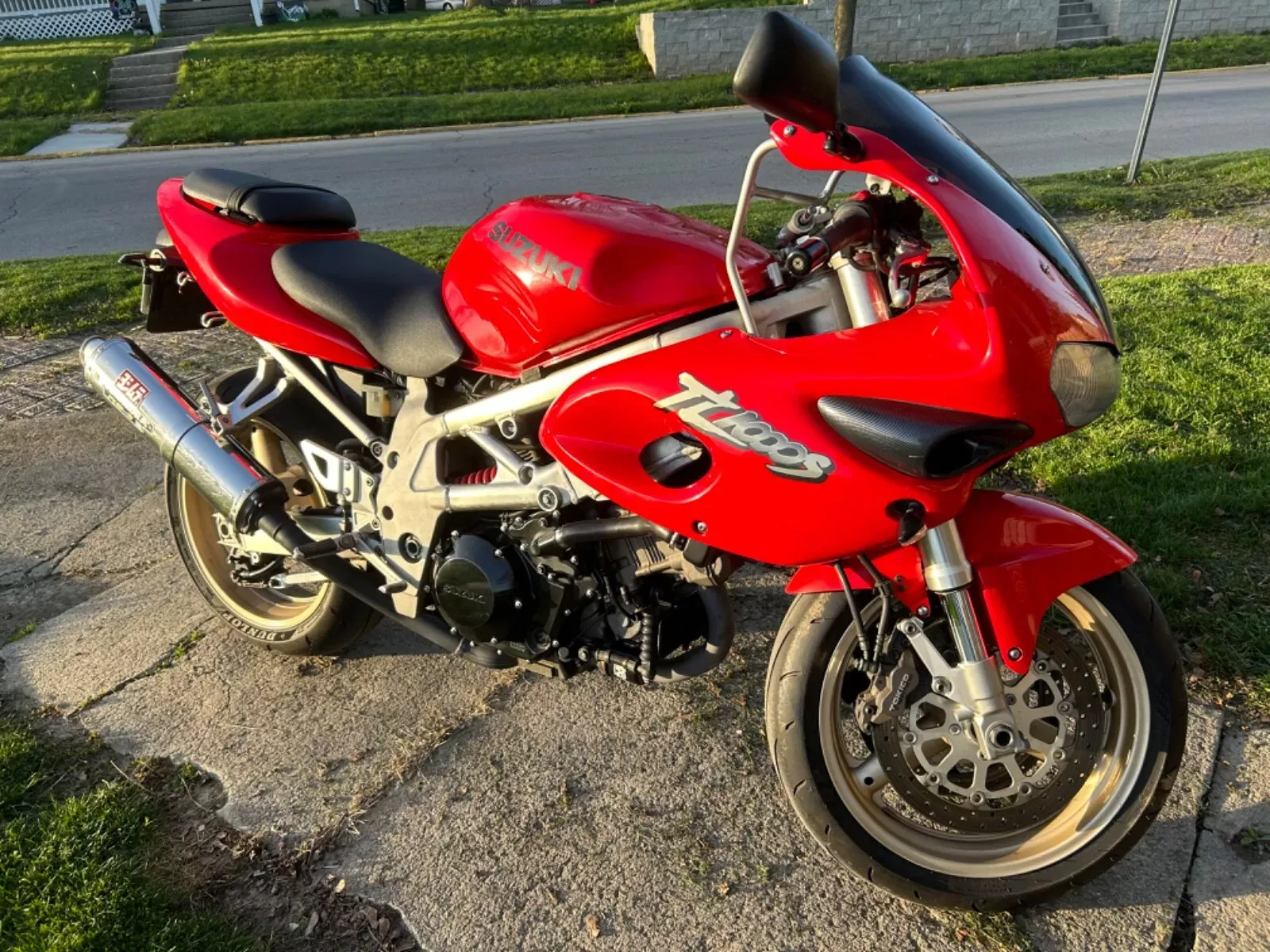
Suzuki introduced the TL1000S in 1997 with a bold approach to sportbike styling. Unlike traditional inline-four bikes, the TL1000S featured a 90-degree V-twin engine, giving it a unique look and sound. Its sharp, angular fairings and compact body created an aggressive stance, while the bike’s minimalistic tail section enhanced visual flow.
The 996cc V-twin engine delivered torque that made low- and mid-range acceleration thrilling. Suzuki combined the powerful engine with a lightweight frame and precise suspension to make the bike responsive in corners. Riders quickly noticed that the TL1000S was as engaging in handling as it was visually striking.
Aesthetic details reinforced performance identity. Dual headlights framed a narrow front, while air vents and angled side panels hinted at aerodynamic efficiency. Bold color schemes, including red, blue, and silver, emphasized the bike’s sporty character. Even parked, the TL1000S gave the impression of being in motion, a hallmark of superbike design from the late 1990s.
Ergonomics encouraged active riding. The forward-leaning position, low handlebars, and slightly rear-set footpegs made it comfortable for spirited rides while maintaining control. The design balanced aggressive posture with comfort, allowing the rider to feel connected to the machine.
The TL1000S also stood out for innovation. Its V-twin layout differentiated it from competitors while maintaining superbike performance and aesthetics. Collectors today value the TL1000S for its unique engine character, aggressive styling, and contribution to the evolution of sportbike design during the 1990s.
9. Ducati 996 1999
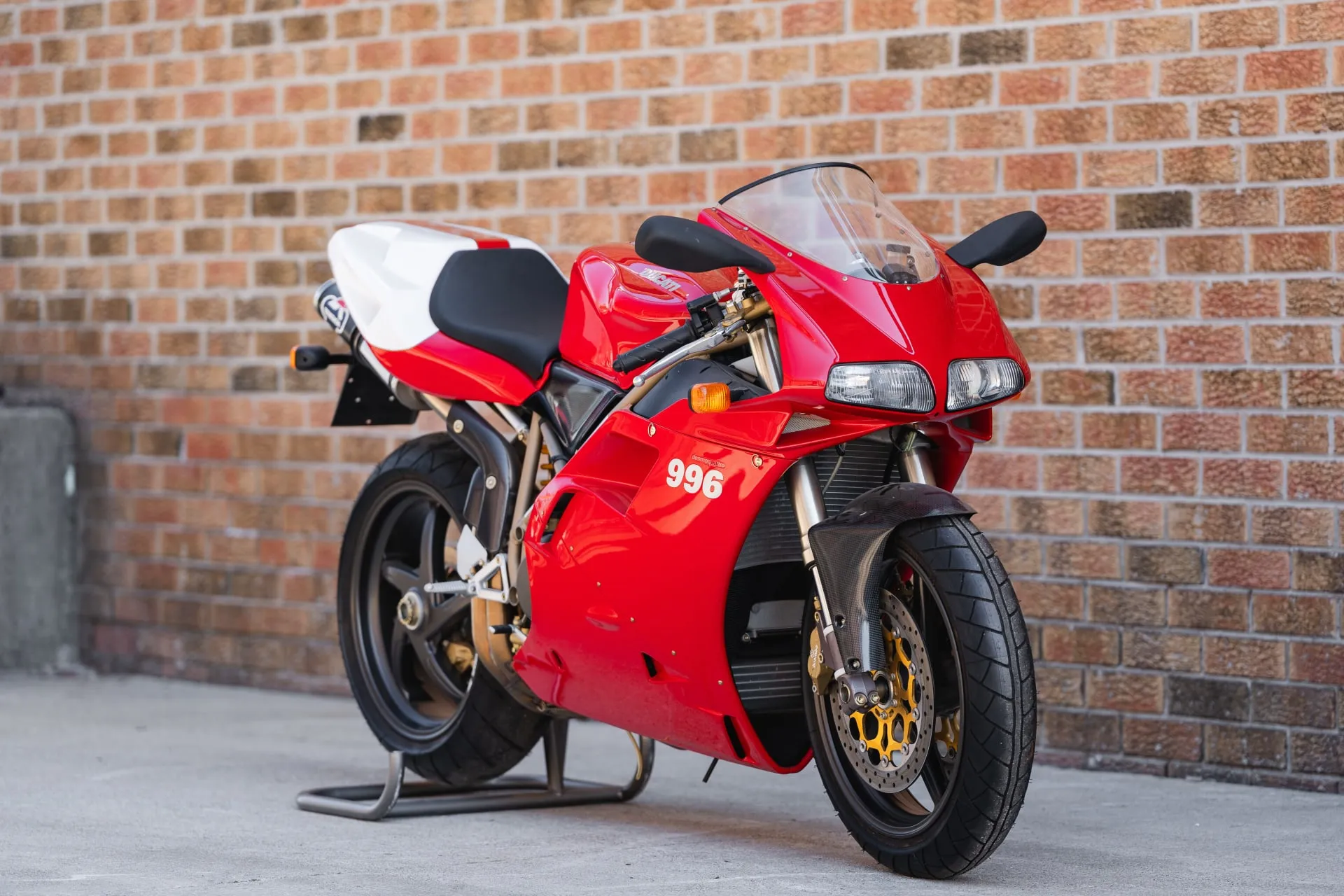
Ducati closed the decade with the 996, a model that refined the design of the iconic 916. Its flowing, sculpted lines emphasized speed and elegance, while underseat exhausts and a single-sided swingarm highlighted engineering flair. The 996’s combination of curves and angles created a bike that looked fast even at rest, blending performance with Italian artistry.
The 996cc L-twin engine delivered explosive power and responsive throttle control. Ducati’s engineers tuned the suspension for both track and street, allowing riders to enjoy precise handling without sacrificing comfort. Its mechanical design was as visually appealing as it was functional.
Design highlights included a tapered nose, aerodynamic fairings, and bold Italian color schemes. Red dominated most models, accented by black and silver, emphasizing performance heritage. Ergonomic placement of footpegs, seat, and handlebars encouraged a forward-leaning posture while maintaining visual balance.
Riders immediately felt a connection to the machine. Every input translated directly to motion, and the bike’s proportions allowed intuitive control. Collectors continue to admire the 996 for its blend of style, engineering, and attention to detail, cementing it as a classic superbike from the 1990s.
The Ducati 996 exemplifies how late-1990s superbikes combined performance and visual drama. Its design remains influential, and it stands as a symbol of the decade’s Italian approach to motorcycle artistry.
Also Read: 5 Bikes That Start Every Time and 5 That Need a Kickstart
10. Honda RC45 1994
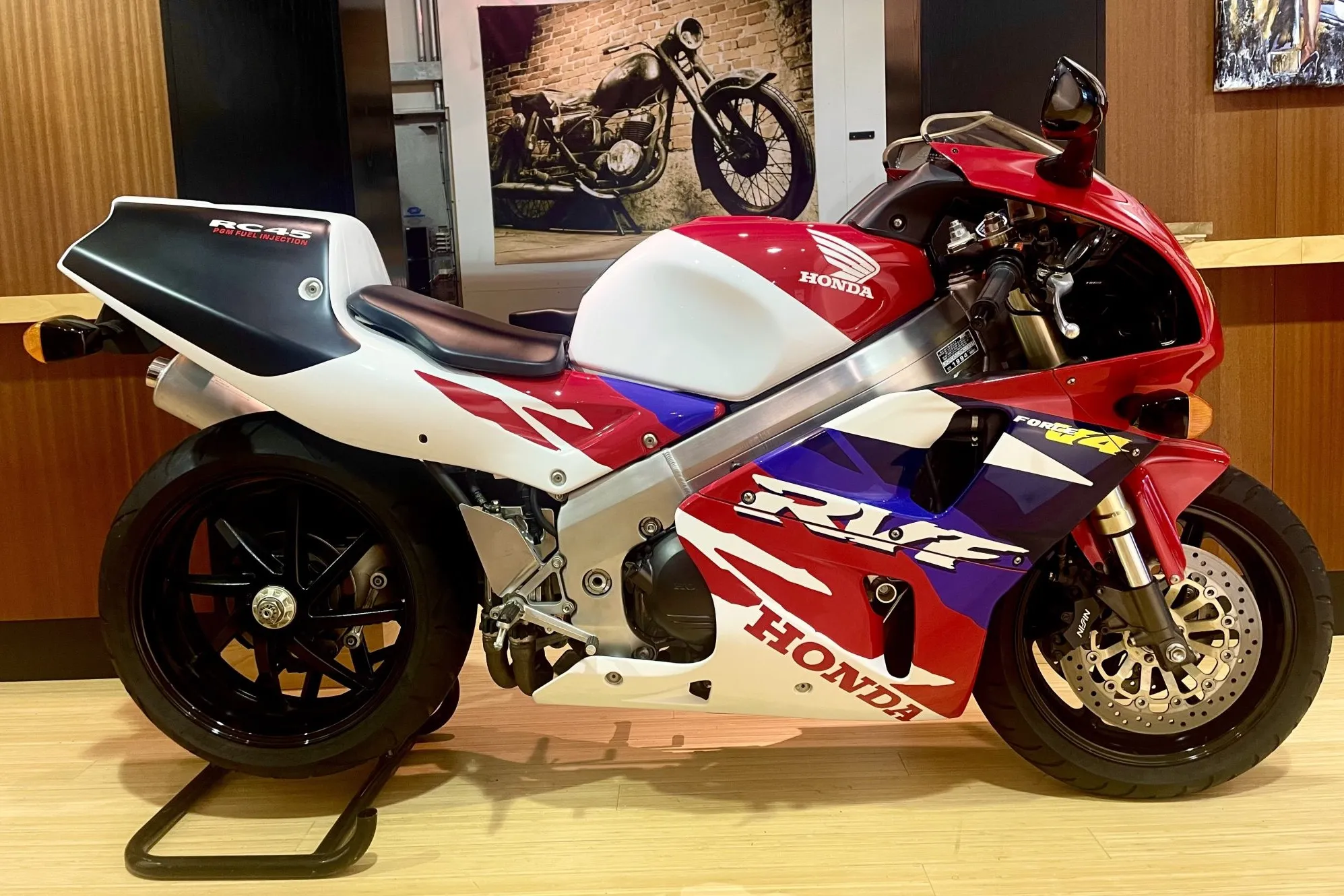
Honda’s RC45 1994 is a superbike that perfectly captures the spirit of 1990s motorcycle engineering. Its design screams performance even when the bike is parked. The low-slung, compact body gives it a poised, ready-to-race appearance, while sharply angled fairings and a minimalist tail section create a clean, aerodynamic profile.
Twin headlights dominate the front, giving the bike an aggressive, purposeful stare that hints at the power beneath. Every line and curve seems designed to cut through the air efficiently, making it clear that speed and precision were priorities from the very beginning.
Beneath its aggressive bodywork sits a 749cc V4 engine engineered for high-revving performance. Honda created the RC45 with both track capability and street usability in mind. The engine delivers smooth yet exhilarating power, allowing riders to accelerate confidently while maintaining stability through tight corners.
Combined with a lightweight chassis and finely tuned suspension, the RC45 feels responsive and precise. Handling is sharp, yet forgiving enough for spirited street riding, demonstrating Honda’s focus on balance between raw power and rider control.
Aerodynamics played a central role in the RC45’s design. The fairings are sculpted to guide airflow efficiently over the engine and rider, reducing drag while providing cooling through strategically placed vents. This attention to airflow not only enhances performance but also reinforces the bike’s aggressive styling.
Rider ergonomics complement the aerodynamic setup. Clip-on handlebars and rear-set footpegs encourage a forward-leaning position that promotes control during cornering while giving the rider a connected, engaging feel with the bike.
Visually, the RC45 remains unmistakable. Classic Honda racing colors, particularly red and white, highlight its heritage and racing pedigree. The combination of bold colors, clean lines, and purposeful angles makes the RC45 instantly recognizable and highly desirable among collectors.
Collectors and enthusiasts value the RC45 not just for its performance but for the harmony of engineering and design it represents. Every component, from the V4 engine to the aerodynamically sculpted fairings, works together to create a machine that looks fast even when standing still.
The Honda RC45 1994 is a timeless example of how 1990s superbikes combined technological innovation with bold, purposeful styling, creating a bike that still turns heads and excites riders decades later.
