When it comes to buying a car, most people think about the price, looks, and features. But there’s another big factor to keep in mind: resale value. Some cars hold their value amazingly well, while others lose money very quickly.
Certain models build a strong reputation over time. They become trusted because of reliability, performance, or a loyal fan base. These cars develop what many call a “cult following.” As a result, their resale values remain strong, no matter how old they get.
On the flip side, some cars never really win people’s hearts. They might have good features on paper, but poor reliability, low demand, or boring designs make them less appealing. Dealerships often struggle to sell them, even with heavy discounts.
This gap between winners and losers in the resale market shows how much brand image and driver experience matter. A car isn’t just transportation—it’s an investment. Choosing the right one can save thousands when it’s time to sell or trade.
Many buyers don’t think about resale value at first. They focus only on the new car experience. But in reality, a car that holds value well can make ownership far cheaper in the long run. It’s about smart money decisions.
Dealerships know this, too. That’s why some models disappear from lots quickly, while others sit unsold for months. In today’s competitive market, resale value is not just about popularity—it’s about long-term trust between carmakers and drivers.
Also read: 5 Hidden Gem Convertibles vs 5 Popular Convertibles With Leaky Tops
5 Cars With Cult Resale Value
These are the cars buyers obsess over, stash in garages, and happily overpay for on Bring a Trailer while the rest of us watch. They’re scarce, story-rich, and, crucially, liquid. The right spec sells in days, not months.
This list isn’t about six-figure exotics or flavor-of-the-month hype. It’s about U.S.-market cars with proven cult followings that consistently defy normal depreciation. Think: robust enthusiast demand, limited production or standout trims, manual gearboxes where they matter, bulletproof mechanicals, and a modification scene that actually adds (not nukes) value.
1) Toyota Land Cruiser
The Toyota Land Cruiser has earned its place as one of the most respected SUVs in the world. Known for its bulletproof reliability and long-lasting engines, it is a favorite among off-road enthusiasts, families, and collectors alike.
Unlike many SUVs that focus only on comfort, the Land Cruiser combines durability with adventure. Its strong frame, dependable four-wheel drive system, and ability to handle extreme conditions make it a vehicle that drivers trust anywhere, from deserts to mountains.
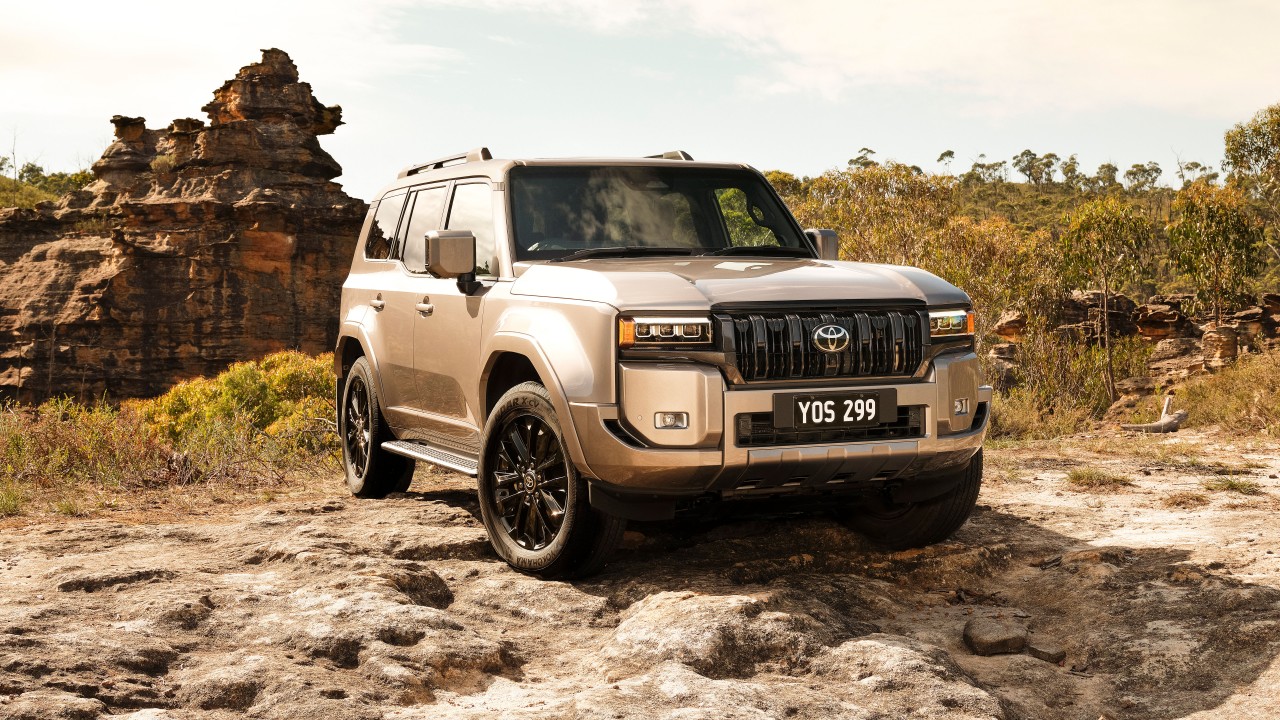
Because of this reputation, demand for the Land Cruiser stays strong even in the used market. Buyers know it will last for decades, and many are willing to pay a premium price, making resale values remarkably high compared to other SUVs.
Even when newer models come with luxury features, the older Land Cruisers do not lose their charm. Their simple yet rugged design has created a loyal fan base. This cult following ensures they remain one of the hardest vehicles to find cheap.
The Toyota Land Cruiser is more than just an SUV, it’s a legend in the automotive world. First introduced in the 1950s, it was designed to handle tough terrain and extreme conditions. Over time, it became one of the most respected vehicles worldwide.
Its biggest strength has always been reliability. Owners often talk about Land Cruisers lasting over 300,000 or even 400,000 miles with proper maintenance. In regions with rough roads, from deserts in Africa to snowy mountain passes, it became the trusted choice.
Unlike many luxury SUVs, the Land Cruiser was never just about comfort. It was built to endure abuse. Its body-on-frame construction, robust engines, and strong four-wheel-drive systems made it capable of surviving environments where other vehicles simply could not.
Because of this, its resale value remains extremely high. Buyers know they’re not just purchasing an old SUV—they’re buying peace of mind. Even used Land Cruisers from decades ago can fetch premium prices, and they often sell faster than newer rivals.
The cult status also comes from its global reputation. In many countries, Land Cruisers are seen as indestructible machines. Aid groups, military units, and explorers have relied on them for decades, which has built an image of toughness that continues today.
Modern Land Cruisers add luxury, but even older, simpler models are prized. Enthusiasts value them for their ruggedness, collectors appreciate their history, and families trust their safety. This wide appeal means demand never slows down, making resale values almost unshakable.
For dealerships, a Land Cruiser is never hard to sell. Used or new, it has a long line of loyal buyers. That mix of legendary reliability, off-road capability, and reputation ensures the Land Cruiser remains a true resale champion.
2) Honda Civic Type R
The Honda Civic Type R has become one of the most famous performance hatchbacks in the world. First launched in the late 1990s, it was designed to bring race-inspired performance into an everyday car. Over time, it built an unshakable reputation.
What makes the Type R stand out is Honda’s engineering focus. Every version is built with lightweight materials, precision suspension, and a powerful engine tuned for excitement. Unlike many sports cars, it balances speed with practicality, making it usable every single day.
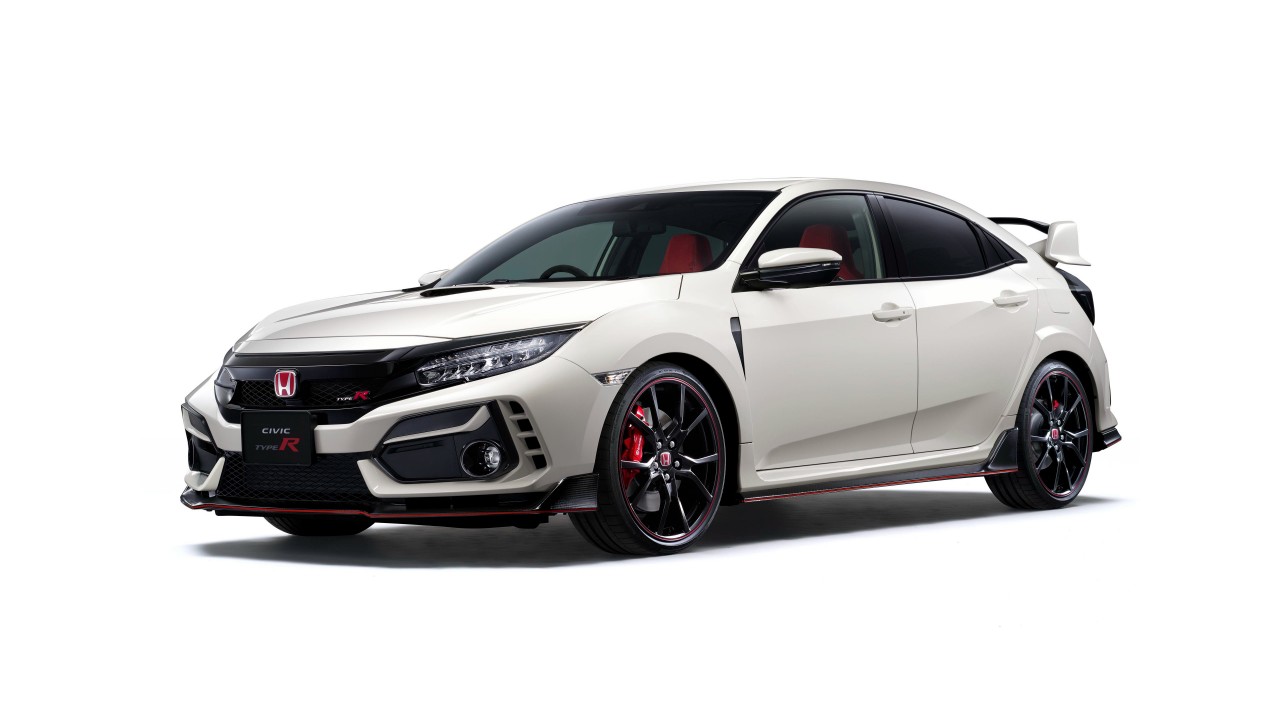
Its resale value is strong because demand always outweighs supply. Honda produces limited numbers of the Type R, which means there are fewer cars available compared to demand. Buyers often pay above the original price just to secure one.
Reliability also plays a big role. While many performance cars are expensive to maintain, the Civic Type R keeps Honda’s trademark dependability. This combination of power and durability gives it an edge, because buyers know they’re not risking constant repairs with ownership.
The enthusiast community adds to its cult status. Around the world, car meets, forums, and racing events are filled with Type R fans. The car has become more than transportation, it represents passion, energy, and pride for those who drive it.
Because of this culture, resale values remain impressively high. Even older Type R models can be sold at strong prices, and some have even started appreciating. It is one of the rare modern performance cars that holds cult-like loyalty and value.
3) Jeep Wrangler
The Jeep Wrangler is more than just a vehicle, it’s a symbol of freedom and adventure. Tracing its roots back to the original military Jeep of World War II, it carries a history of toughness and exploration that few vehicles can match.
Its iconic boxy design, open-air experience, and ability to handle rough terrain set it apart. Unlike crossovers built only for comfort, the Wrangler is built to climb rocks, cross rivers, and travel where most other cars would break down quickly.
Because of that, its resale value is always strong. Buyers are drawn to the Wrangler not just for transportation but for lifestyle. Owning one feels like joining a club of outdoor enthusiasts and adventure seekers who embrace the Jeep identity.
Another reason for strong demand is customization. The Wrangler is one of the most modified vehicles on the market. From lift kits to off-road tires, owners personalize their Jeeps endlessly, and that culture ensures that even older Wranglers remain in demand.
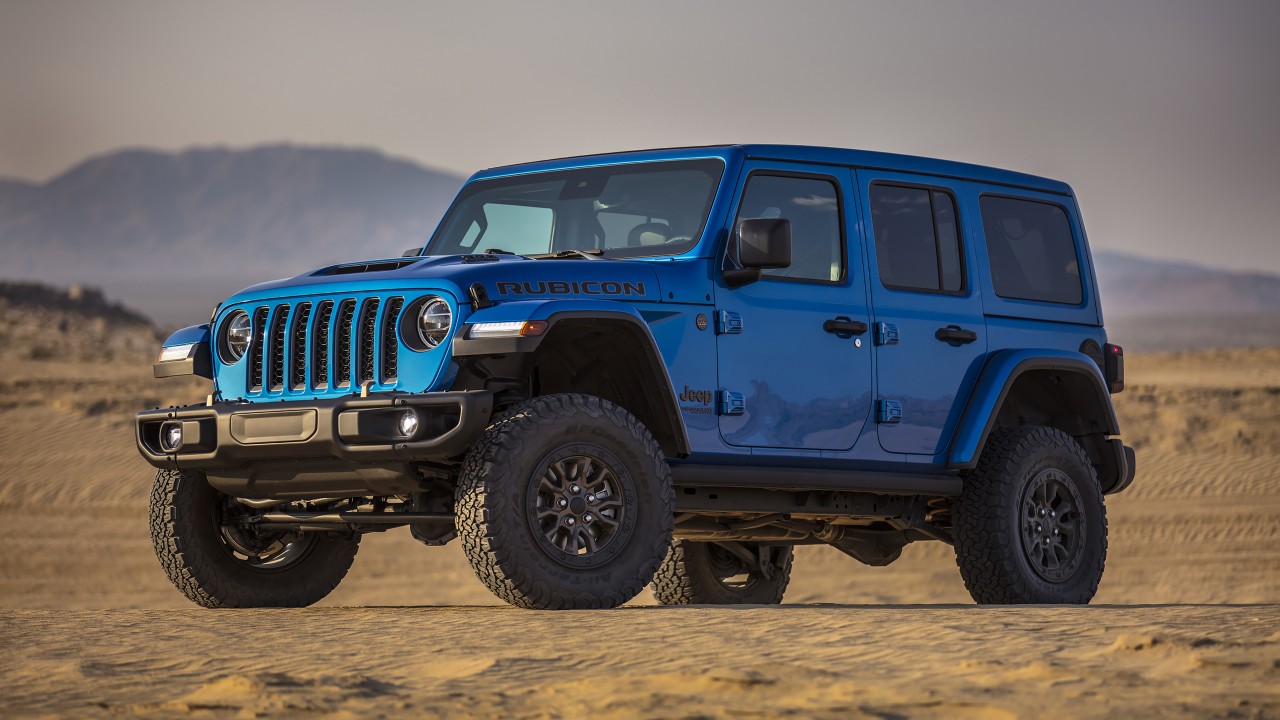
High mileage is rarely a problem for resale. Even Wranglers that have seen years of hard use still sell quickly. People trust their durability and see them as timeless machines that can always be repaired, rebuilt, and enjoyed for years more.
This explains why dealerships almost never struggle to sell them. Whether new or used, Wranglers move quickly. Their combination of heritage, off-road capability, and lifestyle appeal keeps values high, proving why they’re considered one of the strongest cult resale vehicles.
4) Toyota Tacoma
The Toyota Tacoma has become one of the most respected midsize trucks in the world. Originally introduced in the 1990s, it quickly developed a reputation for toughness and reliability, making it the truck of choice for people who want lasting performance.
One of its biggest strengths is durability. Many Tacoma owners proudly share stories of their trucks passing 200,000 or even 300,000 miles. This reliability makes it a safe bet for buyers who want a vehicle they can depend on for decades.
Its design also makes it versatile. The Tacoma is strong enough for towing and hauling, yet small enough to handle city streets comfortably. That balance attracts a wide range of buyers, from outdoor explorers to contractors needing a trustworthy work truck.
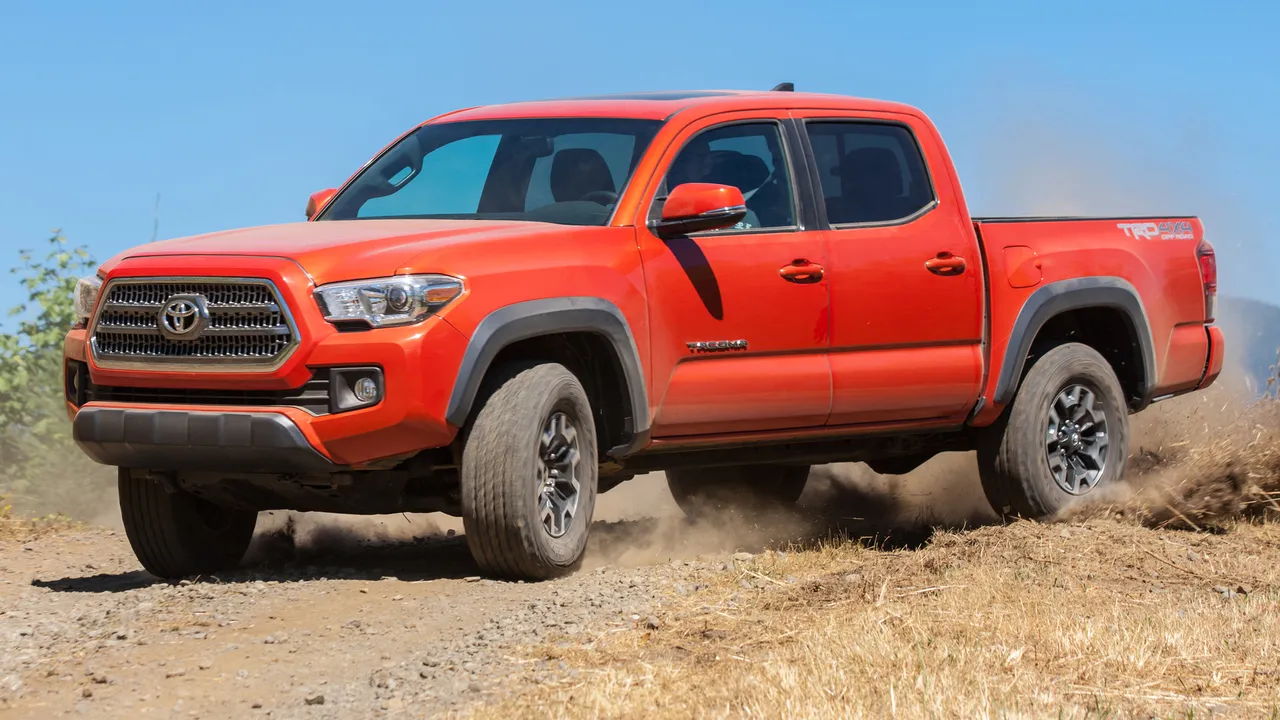
Because of this reputation, Tacomas hold resale value better than almost any truck. Used Tacomas often sell at prices close to new ones, which is rare in the truck market. Buyers trust them so much that demand always stays higher than supply.
Another factor is the Tacoma’s off-road reputation. Models like the TRD Pro are famous for conquering trails and rough terrain, adding to its image of toughness. That adventure-ready spirit helps it compete strongly against larger full-size trucks in resale value.
For dealerships, used Tacomas rarely stay unsold. Their cult following, global reputation, and proven strength keep them in constant demand. This makes the Tacoma one of the most secure investments for anyone who values both driving enjoyment and long-term value.
5) Porsche 911
The Porsche 911 has always been a sports car icon, but the air-cooled models built before 1998 have reached near-mythical status. Among enthusiasts and collectors, these cars represent the purest form of Porsche performance and design, unmatched by modern versions.
Their uniqueness starts with the engine. The flat-six, air-cooled motor produces a distinct sound and mechanical feel that drivers describe as raw and emotional. Unlike modern water-cooled engines, these cars deliver a driving experience that feels connected and timeless.
Resale values for these models are not just strong—they often increase over time. While most cars lose value as they age, air-cooled 911s have become investments. Collectors worldwide compete to buy them, sometimes paying double or triple their original prices.
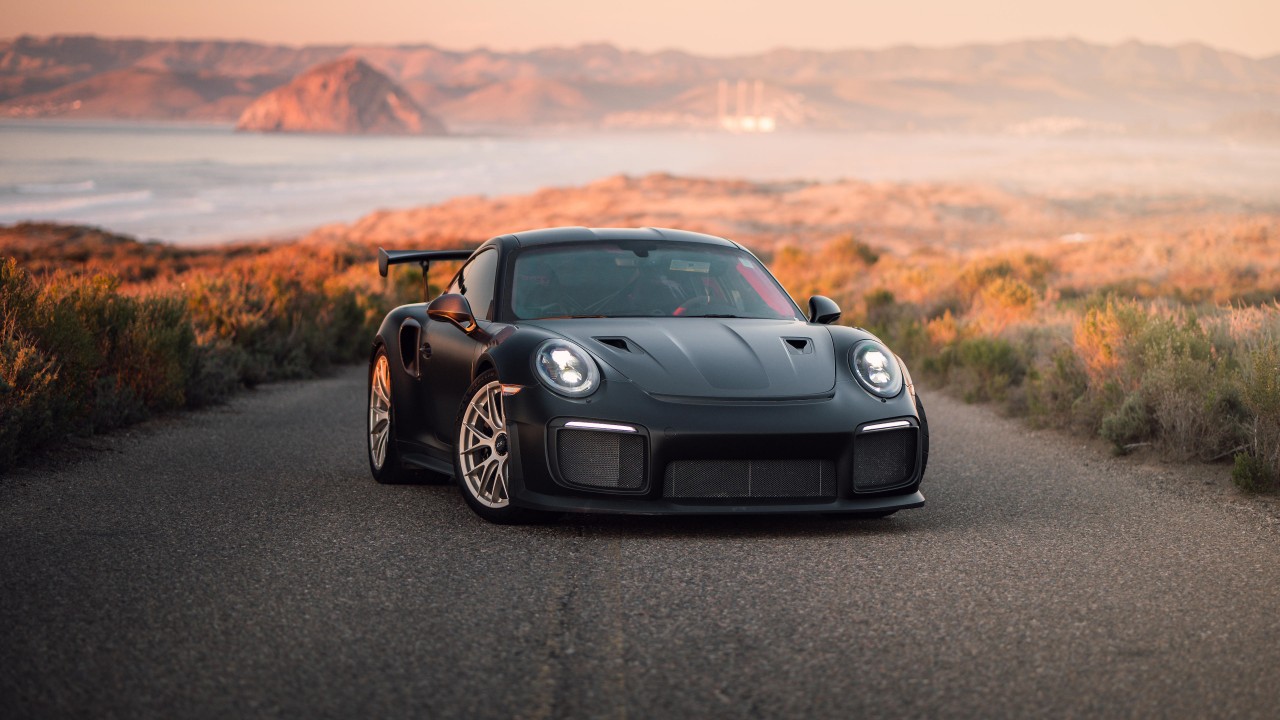
The design is another reason for their cult status. The classic 911 shape has hardly changed over decades, giving older cars a timeless appeal. This makes them desirable not only for performance enthusiasts but also for people who love automotive art.
Limited supply adds to the demand. Porsche no longer builds air-cooled engines, which means every existing model becomes rarer each year. That scarcity guarantees strong resale, since owners know there will always be buyers willing to pay a premium.
For many enthusiasts, owning an air-cooled Porsche 911 is a dream. It represents driving purity, engineering history, and collectible value all in one. That combination makes them one of the strongest examples of a cult resale vehicle in automotive history.
Also read: Top 5 Vehicles With Trade-In Values That Surprise Everyone
5 Cars Dealerships Can’t Get Rid Of
This list is about the metal dealers can’t shake even with rebates, APR teasers, and “final markdown” banners. Expect the usual culprits: awkward segment positioning, thirsty engines when gas spikes, CVTs where shoppers crave gears, and redesigns that didn’t move the needle.
1) Nissan Titan
The Nissan Titan was introduced as Nissan’s answer to America’s full-size truck market. Competing against giants like the Ford F-150, Chevrolet Silverado, and Ram 1500, it aimed to offer strong power, durability, and Japanese reliability. But despite its potential, it never truly caught on.
One major challenge for the Titan is brand perception. American buyers are extremely loyal to Ford, Ram, and Chevy when it comes to full-size trucks. These brands have decades of history, huge fan followings, and deep roots in the truck community.
The Titan, while capable, never built the same loyal base. Buyers often see it as the outsider in the segment, which hurts demand. Even though Nissan offered competitive towing, payload, and V8 power, it struggled to match the reputation of rivals.
Resale value is another problem. Used Titans often sell for much less than similar F-150s or Rams. This drop is partly because parts, accessories, and aftermarket support are limited. Truck enthusiasts love to customize, and Titan simply doesn’t have the same ecosystem.
Dealerships face difficulty because inventory moves slowly. While Titans are often priced with heavy discounts, buyers still hesitate. The truck segment is dominated by tradition, and people usually return to the brands they grew up trusting, leaving Titan behind.
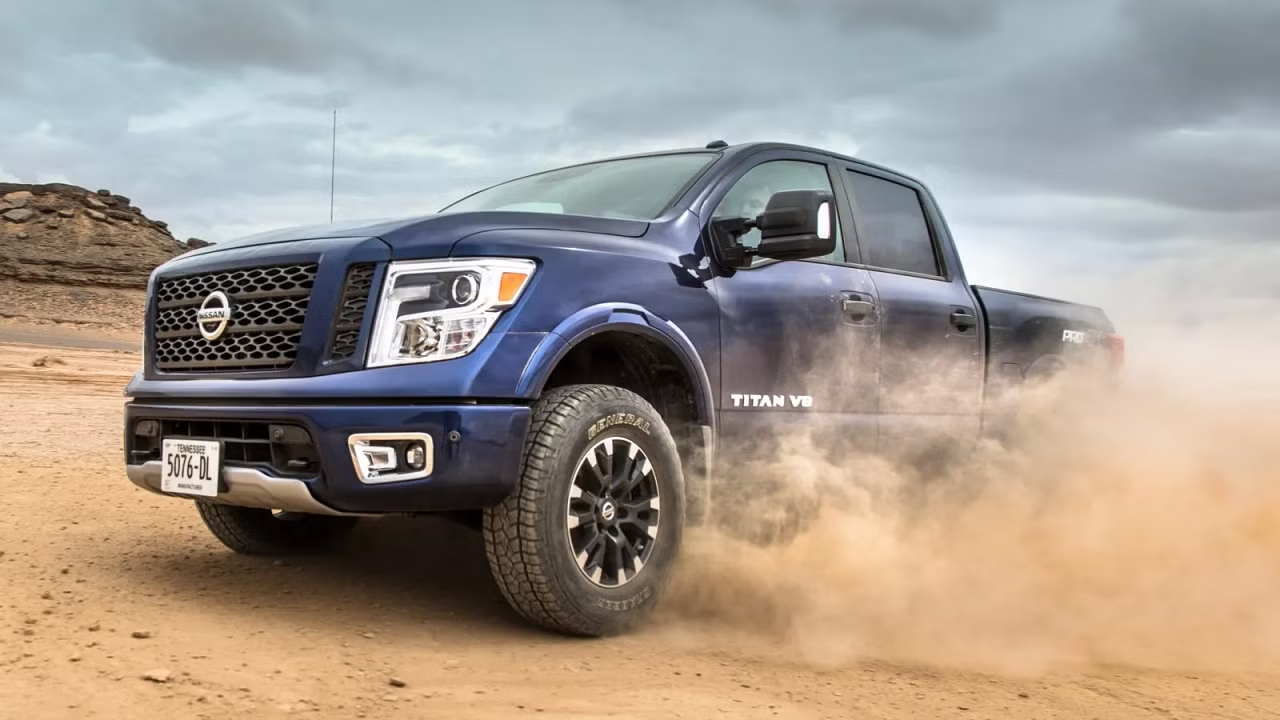
Another factor is updates. Ford, Chevy, and Ram refresh their trucks frequently with new engines, technology, and styling. The Titan, by comparison, went long stretches without major changes. Buyers saw it as outdated, further pushing them toward other brands.
Even the heavy-duty Titan XD, which tried to carve out a niche between half-ton and three-quarter-ton trucks, never found wide success. It offered unique towing capabilities but failed to pull buyers away from established workhorse models like the Ram HD or Ford Super Duty.
Because of all these issues, the Titan struggles both on new lots and in resale markets. Dealerships often resort to steep discounts, but even then, demand is soft. Buyers simply don’t view it with the same respect as its competitors.
While the Titan isn’t a bad truck, its biggest weakness is invisibility. It’s overshadowed in a market where loyalty and reputation matter most. This leaves dealerships stuck and resale values low, making it one of the hardest trucks to move.
2) Fiat 500L
The Fiat 500L was introduced as a larger version of the beloved Fiat 500. Fiat hoped it would appeal to families who wanted Italian style with more space. However, it never reached the same popularity, leaving dealerships struggling to move them.
The main issue is design. While the smaller Fiat 500 won fans with its cute looks, the stretched-out 500L appeared awkward to many buyers. It lacked the charm of the original and didn’t stand out against stylish competitors in its class.
Reliability concerns also damaged its reputation. Owners reported frequent issues with electronics, transmissions, and interior build quality. In a market where families prioritize dependability, these weaknesses made the 500L a risky choice compared to more trusted small crossovers and wagons.
Another challenge is brand perception. Fiat is seen as a niche brand in the U.S. market. Without a strong dealer network or a history of long-lasting vehicles, buyers were reluctant to invest in the 500L, hurting both new sales and resale value.
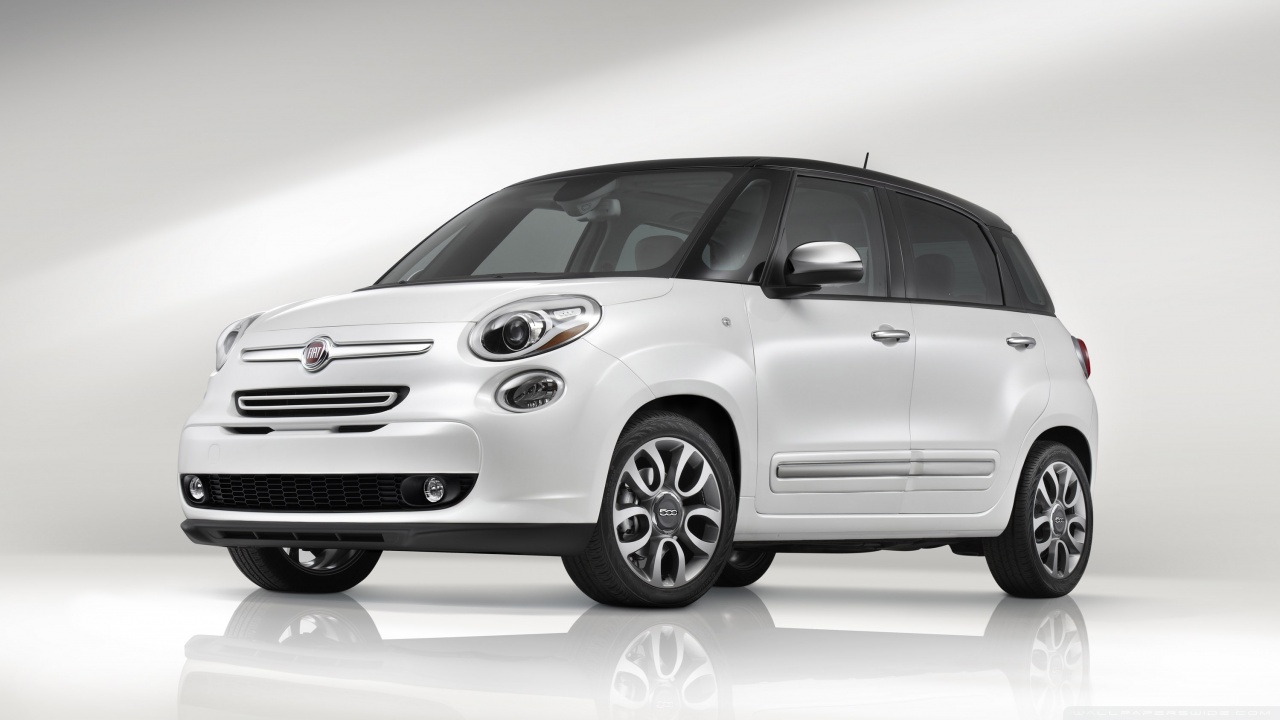
Dealerships often had to offer steep discounts to clear inventory, but even with low prices, buyers weren’t convinced. Used models fare even worse, often sitting on lots for long periods while competitors like the Honda HR-V or Toyota RAV4 sell quickly.
The limited appeal and weak demand make the Fiat 500L one of the hardest cars to sell. It entered the market with high hopes but never built the trust, reputation, or desirability needed to compete in a crowded crossover segment.
3) Chevrolet Malibu
The Chevrolet Malibu once stood tall as one of America’s popular midsize sedans. For decades, it was a go-to family car, competing against the Toyota Camry and Honda Accord. But in recent years, it has lost ground and struggles in dealerships.
The biggest factor is the market shift toward SUVs and crossovers. Buyers today want higher ride height, more cargo space, and the versatility of an SUV. Sedans like the Malibu simply don’t attract the same attention, even if they are well-equipped.
Compared to rivals, the Malibu lacks excitement. While Toyota and Honda offer strong resale values and reputations for reliability, the Malibu often falls short in long-term dependability. This makes used buyers hesitant, and resale prices stay far below competitors.
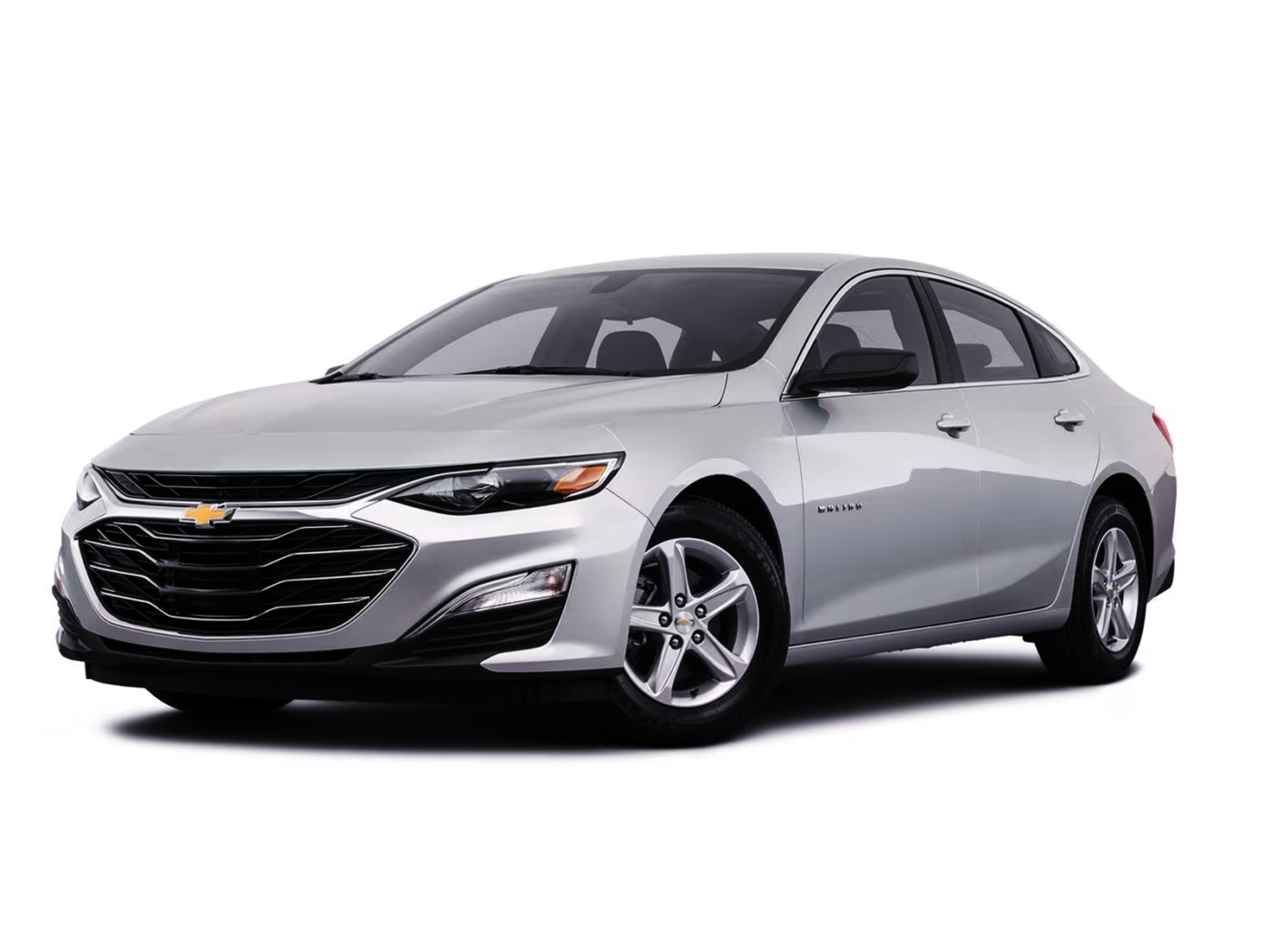
Dealerships frequently discount new Malibus heavily just to move inventory. While the discounts may attract bargain hunters, they also hurt long-term resale value. A car that sells cheap when new almost always sells cheaper when used, reinforcing the cycle.
Another weakness is brand positioning. Chevrolet has strong success with trucks and SUVs, but its sedan lineup feels overshadowed. Buyers associate Chevy more with vehicles like the Silverado or Equinox, which makes sedans like the Malibu feel less essential in showrooms.
Despite being a comfortable, good-looking car, the Malibu has become one of those vehicles dealerships struggle to sell. Its shrinking market, weak resale, and tough competition keep it stuck in the shadow of more desirable options.
4) Chrysler 300
The Chrysler 300 is a large sedan that once stood out for its bold styling and powerful V6 and V8 options. When it debuted in the mid-2000s, it captured attention for looking like a luxury car at a more affordable price.
But as years passed, the 300 struggled to stay relevant. Its design remained mostly unchanged, and while rivals updated with modern tech and fuel efficiency, the 300 started to feel outdated. Buyers moved toward fresher, more efficient options from other brands.
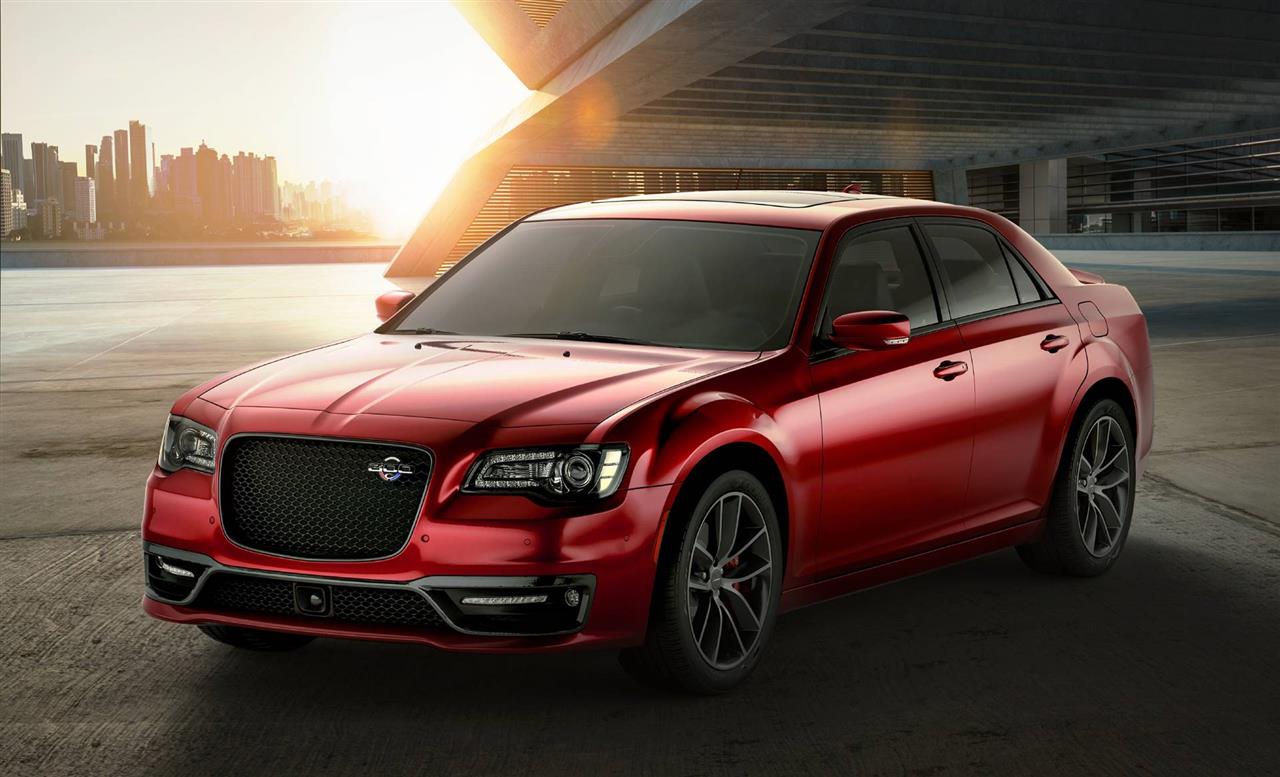
Fuel economy has always been a challenge. In a time when people want efficient cars or hybrid options, the 300’s big engines and heavy weight work against it. For many buyers, its thirst for fuel simply doesn’t make financial sense anymore.
Another problem is competition within Chrysler’s own lineup. Buyers looking for space and comfort often prefer SUVs like the Jeep Grand Cherokee. This leaves the 300 with a shrinking audience, as large sedans have fallen out of fashion in the U.S.
Resale value reflects these problems. Used Chrysler 300s lose value quickly, and dealerships struggle to keep them moving. Even with discounts, they often sit on lots for months, overshadowed by more modern and desirable alternatives in the marketplace.
While it once felt stylish and bold, the Chrysler 300 has aged without enough evolution. In today’s market, it feels like a relic of the past, which explains why dealerships find it one of the hardest vehicles to sell.
5) Mitsubishi Mirage
The Mitsubishi Mirage is marketed as one of the cheapest new cars you can buy. At first glance, that seems like a selling point. But its low price also signals low quality, which has hurt its reputation and resale performance.
The Mirage struggles in performance. Its tiny three-cylinder engine delivers weak acceleration, making it feel underpowered on highways. Buyers who test drive it often find it noisy, slow, and less comfortable compared to rivals like the Kia Rio or Hyundai Accent.
Interior quality is another issue. While affordable, the Mirage’s cabin feels basic and dated. Thin materials, minimal features, and a lack of refinement make it feel behind the times. For many buyers, the cost savings don’t justify the lack of comfort.
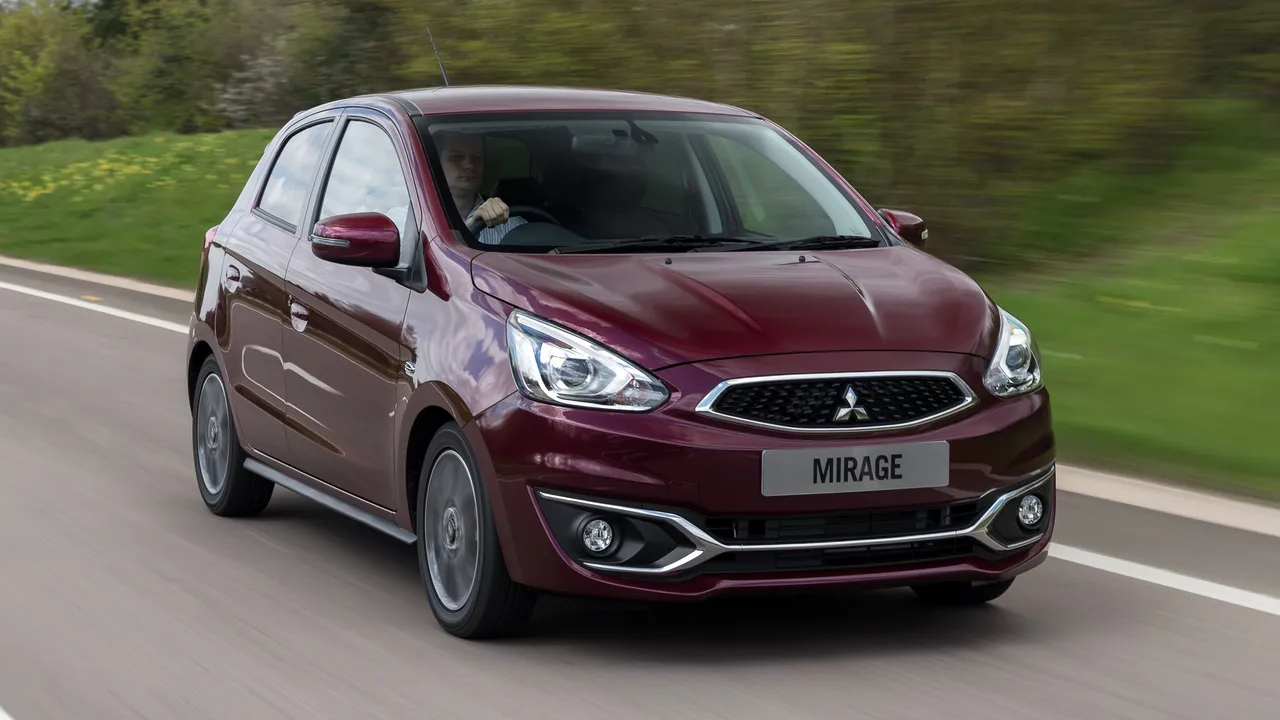
Resale value is very poor. Even though it’s cheap when new, used models lose value at an alarming rate. Buyers know they can find more reliable, better-equipped alternatives in the used market, so Mirages often sit unsold despite low prices.
Dealerships sometimes advertise them with extreme discounts, but this only confirms the perception that they are disposable cars rather than lasting investments. For buyers, it makes more sense to spend slightly more on a trusted used Toyota or Honda.
The Mirage proves that being the cheapest isn’t enough. Without strong reliability, desirability, or comfort, it struggles both new and used. Dealerships can’t get rid of them easily, which cements its place as one of the weakest resale performers.
Also read: 12 Cars That Went From Unpopular to Everyday Sight