
BMW’s reputation sits somewhere between bulletproof reliability and expensive disaster, depending on who you ask. Some owners swear their Bimmers run forever with proper care, while others curse the day they signed their purchase agreements.
This divide isn’t just opinion or luck. Certain BMW models genuinely outlast expectations, racking up impressive mileage without catastrophic failures. Others? They crumble faster than cheap biscuits in hot tea, draining bank accounts and patience simultaneously.
German engineering sounds sophisticated and promising, but it doesn’t guarantee longevity across every model line. BMW has produced brilliant vehicles that serve owners faithfully for decades, alongside spectacular failures that should never have left the factory.
Understanding which models fall into which category could save you from financial ruin or lead you toward a surprisingly dependable luxury vehicle.
This guide cuts through the marketing nonsense and owner bias to reveal ten BMW models split into two clear categories. Five have proven themselves capable of lasting far longer than critics expected, delivering reliable luxury that justifies their premium prices.
Five others represent everything wrong with complicated German engineering, failing expensively and frequently enough to make grown adults weep. Whether you’re shopping for a used BMW or trying to decide if your current model deserves another repair investment, this information matters. Some Bimmers reward loyalty with dependable service.
Others punish owners relentlessly, turning dreams of luxury motoring into nightmares of constant breakdowns. Let’s separate the champions from the disasters so you can make informed decisions about which BMWs deserve your money and which ones deserve to be avoided completely.
BMW Models That Last Surprisingly Long
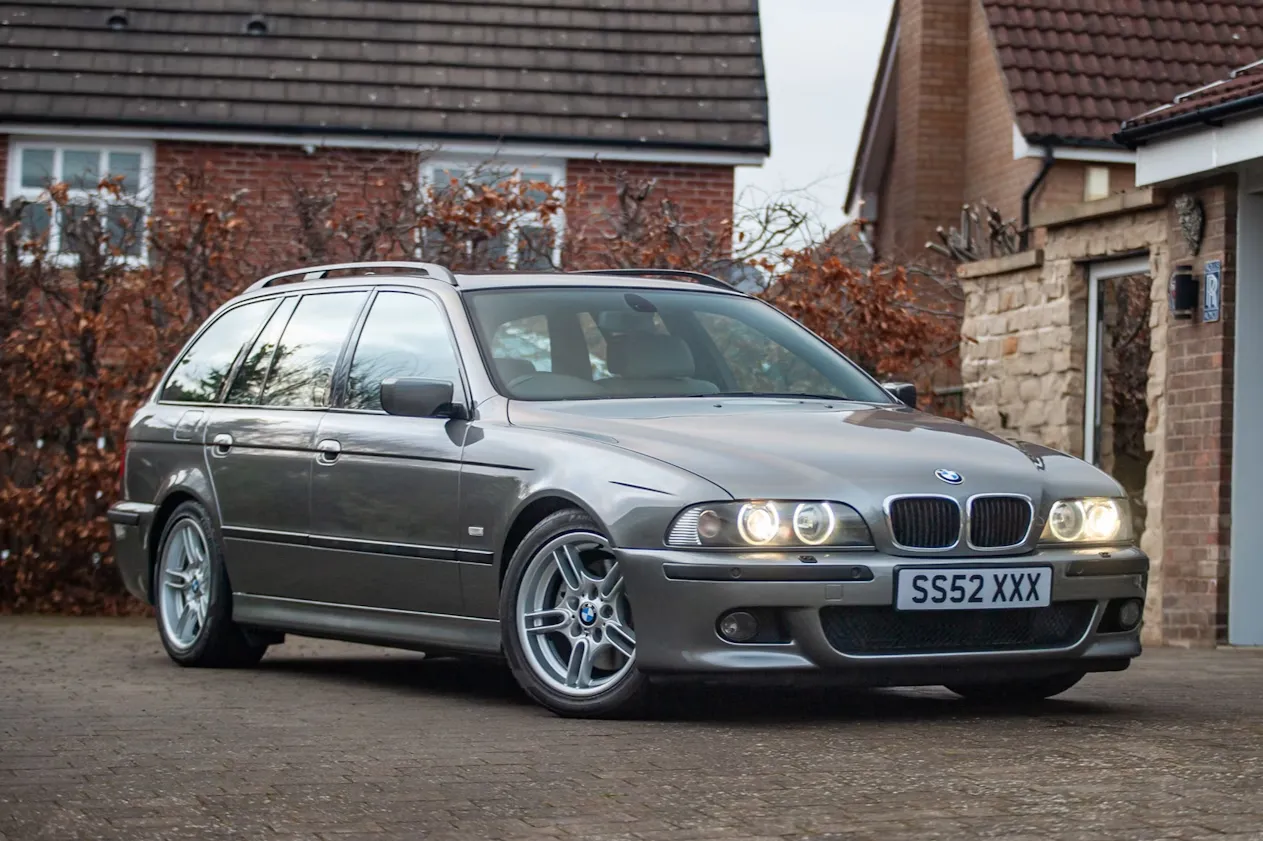
1. BMW E39 540i (1997-2003)
Ask any honest BMW mechanic which older model still shows up running strong, and the E39 540i gets mentioned repeatedly. This executive sedan surprises people because it contradicts everything they’ve heard about unreliable German cars.
Owners routinely cross 300,000 kilometres without engine rebuilds or transmission replacements. That V8 motor, when properly maintained, simply refuses to quit working.
What separates this 540i from problematic BMWs? Build quality during this era reached heights the company hasn’t matched since. Assembly tolerances were tight. Materials used throughout the vehicle were chosen for durability rather than cost savings.
Even the paint holds up better than newer models, resisting chips and fading impressively. This generation represents BMW at its best, before accountants started dictating engineering decisions. Engine design deserves special attention because it’s genuinely brilliant.
That 4.4-litre V8 produces smooth, reliable power without the complications that kill newer motors. Timing chain guides need replacement around 200,000 kilometres, but this maintenance is straightforward and affordable compared to catastrophic failures in other models.
Cooling system components require attention, yet replacing hoses and water pumps prevents bigger problems. Follow the maintenance schedule, and this engine lasts indefinitely.
Transmissions hold up remarkably well. Both manual and automatic versions prove durable when serviced regularly. Automatic gearboxes need fluid changes despite BMW claiming they’re “lifetime fill.”
Ignore that marketing nonsense, change the fluid every 80,000 kilometres, and your transmission will outlast the car’s body. Manual gearboxes are nearly indestructible if you don’t abuse the clutch.
Suspension components wear out eventually, but replacements stay affordable. Parts availability remains excellent because enthusiasts love these cars and demand keeps suppliers stocked.
You can find quality aftermarket alternatives to expensive dealer parts without sacrificing reliability. Electrical systems are relatively simple compared to modern BMWs, meaning fewer mysterious gremlins that require expensive diagnostic sessions to solve.
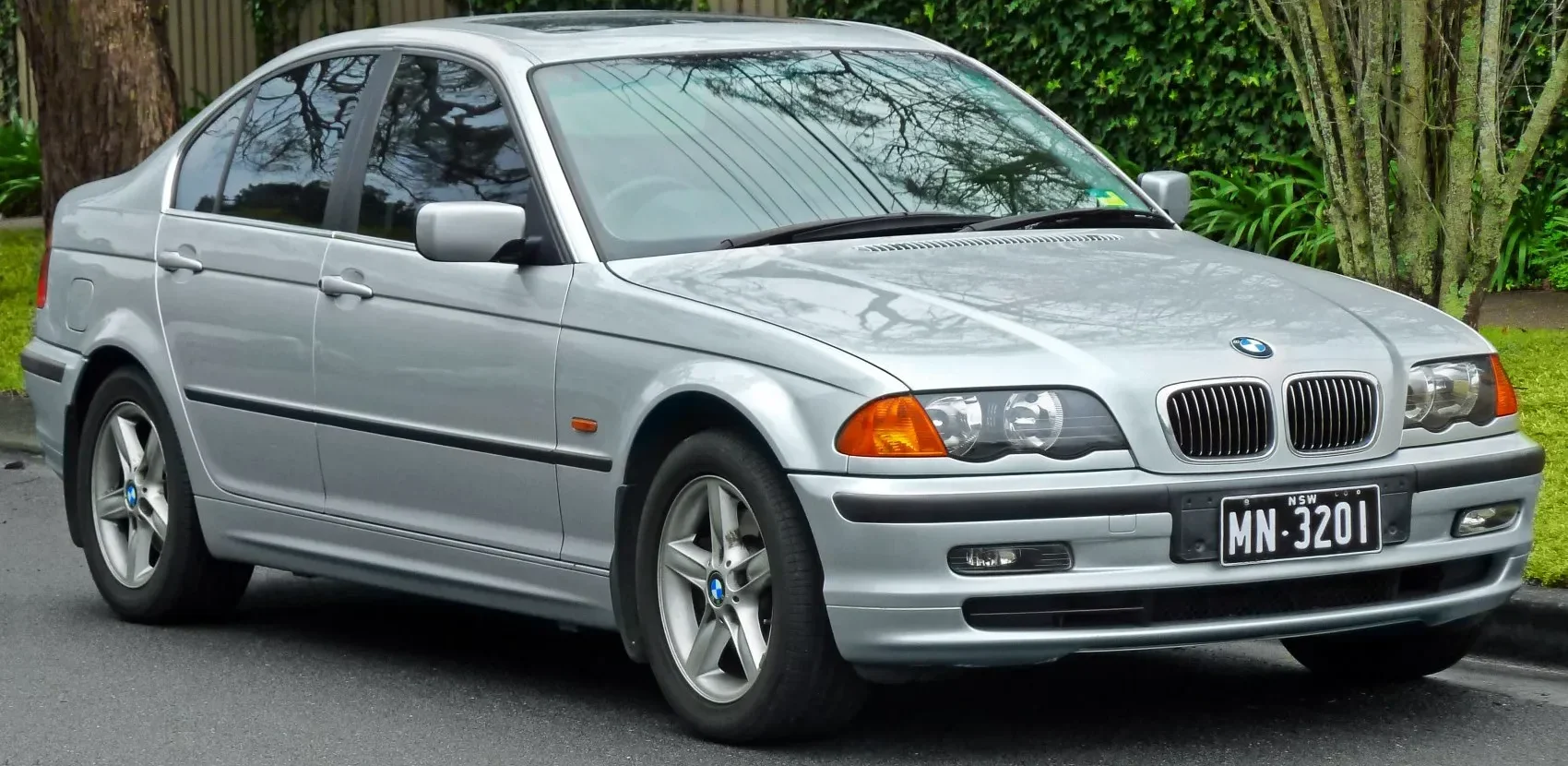
2. BMW E46 330i (1999-2005)
Sports sedan perfection arrived with the E46 330i, and reliability came along for the ride. This compact executive car balances driving pleasure with surprising durability.
Enthusiasts praise the handling and performance, but smart owners appreciate that it doesn’t constantly break down like newer BMWs. Proper maintenance keeps these cars running beautifully long after their original warranties expired.
Inline-six engines in these 330i models are legendary for good reason. That smooth, powerful M54 motor delivers excellent performance while lasting hundreds of thousands of kilometres. Valve cover gaskets leak eventually, but replacing them is straightforward and inexpensive.
Oil changes every 5,000 kilometres, rather than BMW’s ridiculous extended interval,s keep internal components healthy. Cooling system plastic parts fail predictably, yet replacing them preventively avoids roadside breakdowns.
Manual transmissions in these cars are absolutely bulletproof. Clutches last 150,000 kilometres or more with normal driving. Automatic gearboxes prove decent when you ignore BMW’s lifetime fluid claims and service them regularly.
Change the transmission oil and filter every 60,000 kilometres, and most automatics will serve you faithfully for the vehicle’s entire life. Skip this maintenance, and you’ll face expensive rebuilds.
Suspension systems balance comfort and sportiness without sacrificing longevity. Control arms, bushings, and shock absorbers eventually wear out, but replacement costs stay reasonable. Abundant aftermarket support means you’re not stuck paying dealer prices for quality parts. Many owners refresh their entire suspension for less than one major repair on problematic BMW models.
Electrical systems remain manageable compared to newer generations. Window regulators fail occasionally, but they’re cheap and easy to replace yourself. Central locking occasionally acts up, yet fixes don’t require dealer diagnostic equipment.
This simplicity makes the E46 330i appealing to DIY enthusiasts who want luxury performance without constant professional mechanic visits. Rust protection is adequate for most climates, though undercarriage inspections reveal potential problems before they become structural issues.
Also Read: 5 BMW Sedans That Survive Longevity Tests vs 5 That Don’t
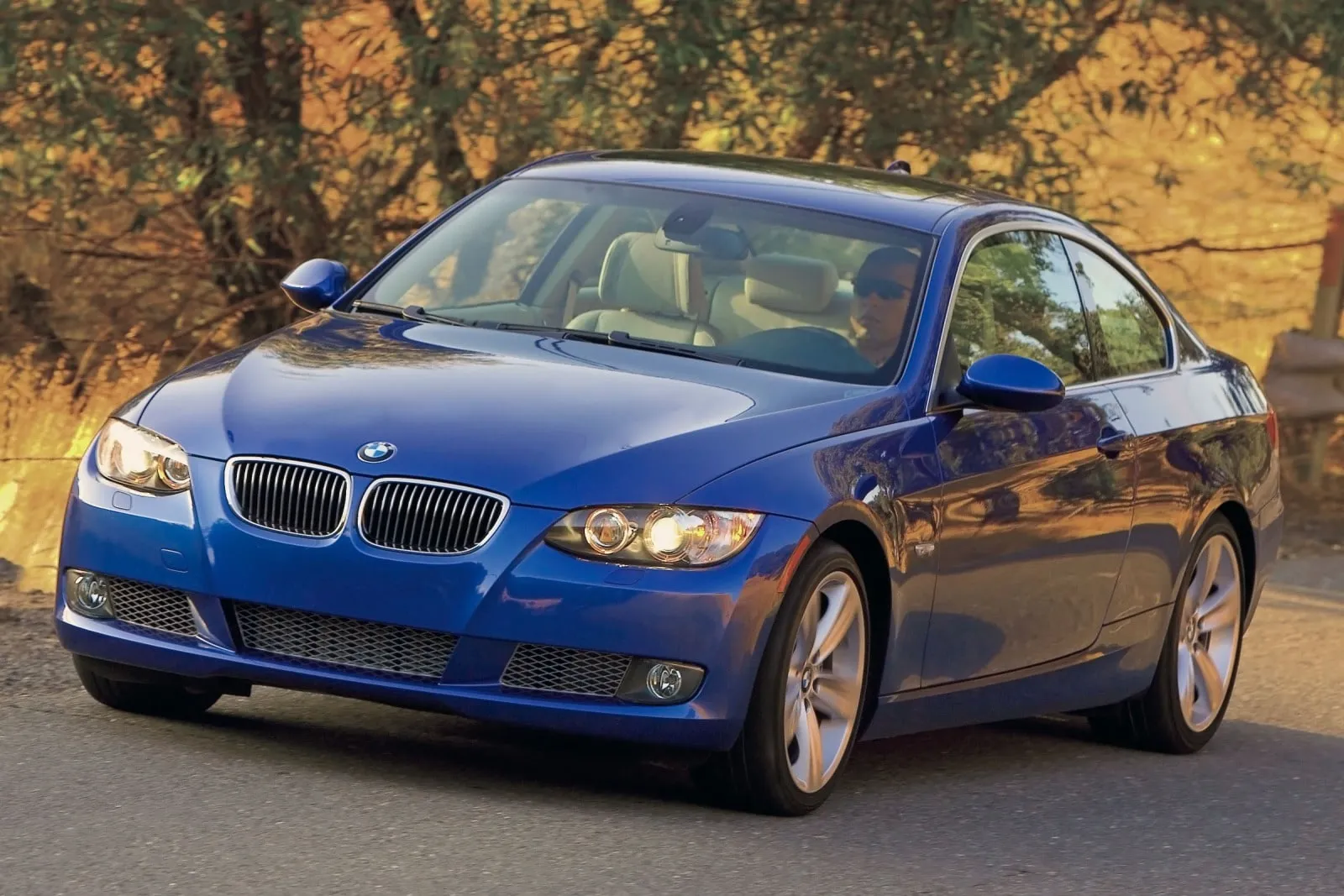
3. BMW E90 328i (2007-2011)
Skeptics doubted this generation could match earlier BMW reliability, but the E90 328i proved them wrong. These sedans deliver modern amenities and safety features while maintaining surprising durability.
Owners who maintain them properly enjoy years of trouble-free driving. This model shows BMW still knew how to build dependable cars before it complicated everything with unnecessary technology.
N52 engines powering these 328i models are among BMW’s best modern motors. That naturally aspirated inline-six produces adequate power without turbocharger complications that plague newer engines.
Valve cover gaskets and oil filter housing gaskets leak predictably, but these repairs are manageable and prevent bigger problems. Water pumps fail around 120,000 kilometres, yet replacement is straightforward, preventative maintenance rather than catastrophic failure.
Automatic transmissions in these cars perform well and last when serviced. BMW’s six-speed automatics from this era are solid units that move smoothly and don’t grenade themselves like some earlier versions.
Regular fluid changes keep them operating properly. Manual gearboxes remain excellent, offering engaging driving experiences without reliability concerns. Clutch life depends on driving style, but typically exceeds 100,000 kilometres.
Suspension components hold up reasonably well. Control arm bushings wear out eventually, creating clunking sounds that announce their need for replacement.
These repairs cost less than you’d expect because parts availability is excellent. Shock absorbers last a decent interval before needing replacement. When the time comes, quality aftermarket options provide good value without compromising ride quality or handling.
Electronic systems introduce more potential problems than earlier generations, but nothing catastrophic. iDrive systems occasionally glitch, but rarely fail. Power window motors sometimes quit, though replacements aren’t terribly expensive. Headlight assemblies can develop moisture issues, yet sealed replacements solve this permanently.
Compared to nightmares in other BMW models, these problems are minor annoyances rather than deal-breakers. Proper battery maintenance prevents electrical gremlins that plague cars with weak or dying batteries.
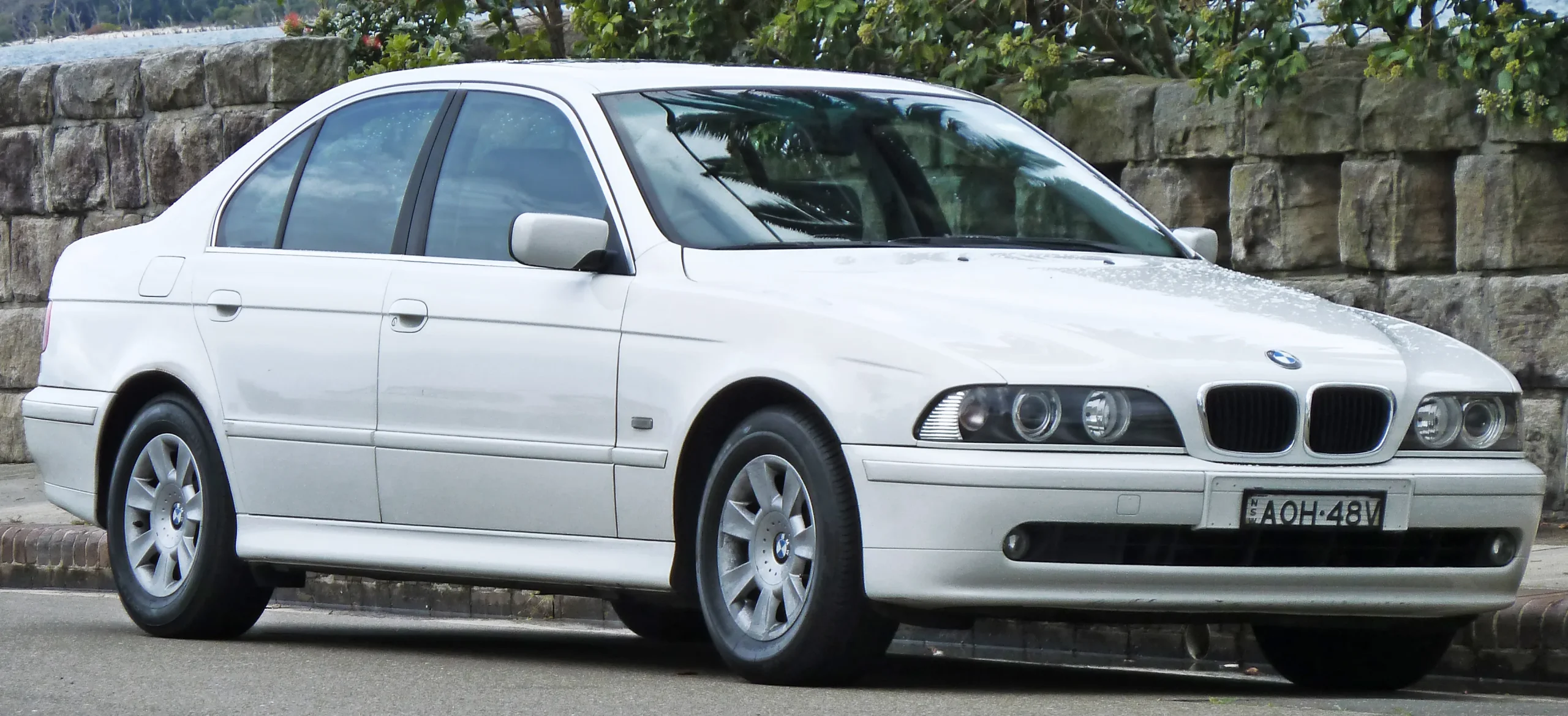
4. BMW E39 530i (1997-2003)
The Nissan Pathfinder SL has grown into a family SUV that blends comfort, practicality, and a hint of adventure. It’s no longer the rugged, truck-based machine it once was, but that’s fine; this version focuses on making family life easier while still handling long journeys confidently. Its design feels mature, and the build gives the sense that Nissan has finally refined the formula.
A 3.5-litre V6 engine powers the Pathfinder SL, producing 284 horsepower and paired with a nine-speed automatic transmission. The engine delivers steady power for both city errands and highway runs, while the gearbox responds quickly enough for smooth driving.
Buyers can choose all-wheel drive, useful for wet roads or light trails. It can tow up to 6,000 pounds, so hauling a small boat or trailer doesn’t feel stressful. Fuel consumption stays moderate, neither great nor bad for a three-row SUV.
Inside, the cabin feels roomy and thoughtfully arranged. The second row slides and reclines, giving passengers extra comfort or easy access to the third row. That last row fits kids well, though adults may prefer shorter rides there. Controls are straightforward, seats support long drives, and the air-conditioning system reaches every row. Several USB ports scattered around keep everyone’s devices alive on road trips.
Driving the Pathfinder SL is pleasant rather than sporty. Steering feels light, suspension cushions rough patches nicely, and noise levels stay low. It’s the kind of SUV that quietly gets the job done, dependable, roomy, and ready for everyday family duty.
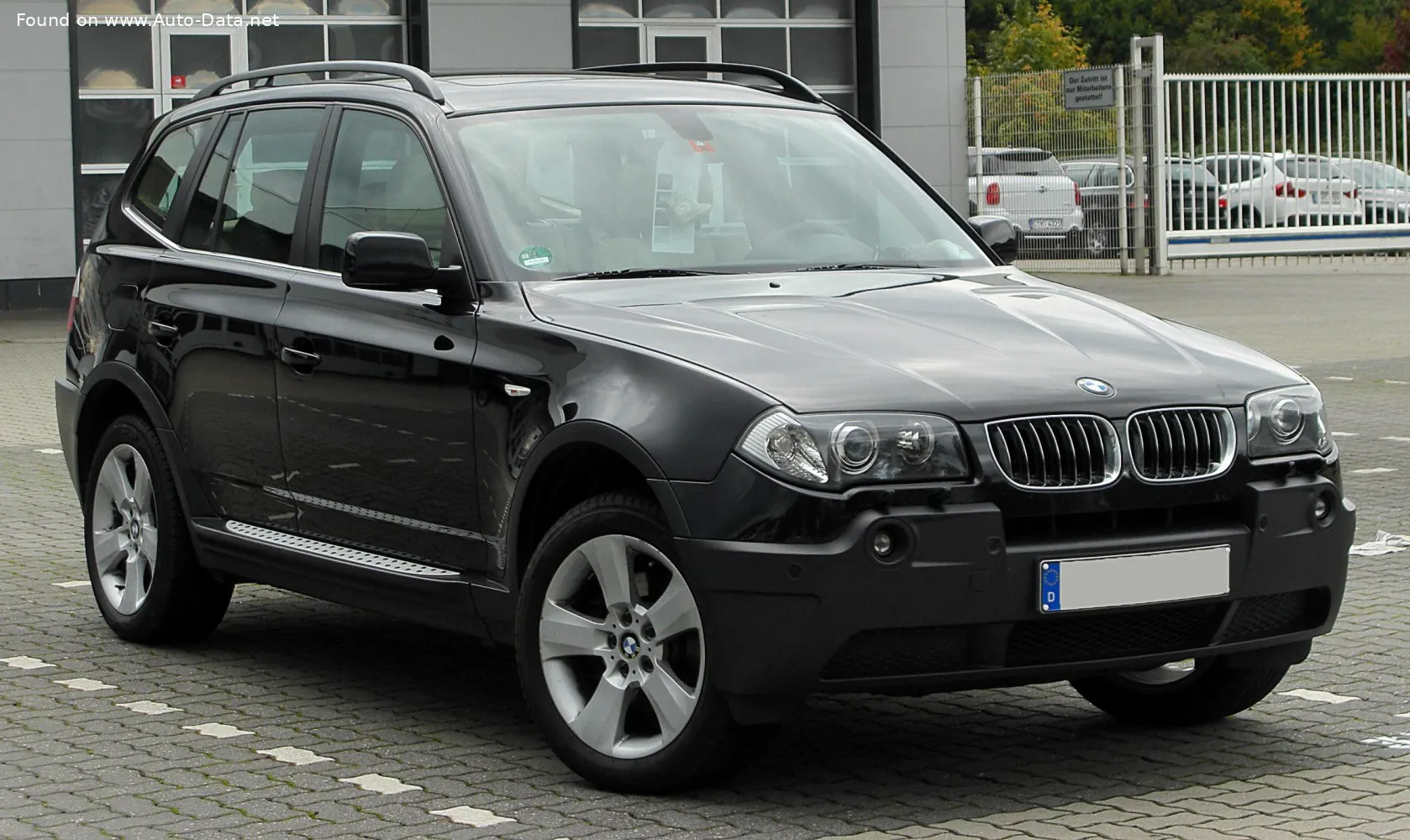
5. BMW E83 X3 2.5i (2004-2010)
Compact SUVs from BMW aren’t famous for reliability, but the first-generation X3 with the 2.5-litre engine breaks this stereotype. These vehicles deliver practical daily transportation with surprising durability.
Families appreciate the space and capability without suffering through constant expensive repairs. This X3 proves BMW could build dependable utility vehicles when it focused on fundamentals rather than gimmicks.
M54 inline-six engines power these X3 2.5i models with proven reliability. That same motor that excels in sedans translates its durability to SUV applications beautifully.
Regular maintenance prevents problems before they start. Oil changes every 5,000 kilometres, rather than an extended interval; keep internals clean. Cooling system attention prevents overheating that damages head gaskets and warps components.
All-wheel-drive systems add potential failure points, but BMW engineered these transfer cases and differentials properly. Regular fluid changes keep them operating smoothly.
Transfer case actuator motors occasionally fail, causing warning lights and drivetrain problems. Replacement costs stay reasonable, and the repair prevents damage to expensive mechanical components. Compared to catastrophic AWD failures in some competitors, this maintenance is manageable.
Suspension components handle SUV duties without premature failure. Control arms and bushings last reasonably long before needing replacement.
Shock absorbers maintain ride quality better than expected for a compact SUV. When repairs become necessary, parts costs don’t shock you like luxury German brands often do. Aftermarket support provides quality alternatives to dealer-priced components.
Interior quality holds up well, with materials resisting wear better than newer BMW products. Seats maintain their support and comfort through years of use. Dashboard plastics don’t crack and deteriorate like problematic generations. Electrical systems prove relatively stable, avoiding the nightmares that plague other models.
Yes, window regulators occasionally fail, and some switches wear out, but these repairs don’t require mortgaging your home. Rust protection is adequate for most climates, though road salt environments demand regular undercarriage washing to prevent corrosion.
BMW Models That Don’t Last
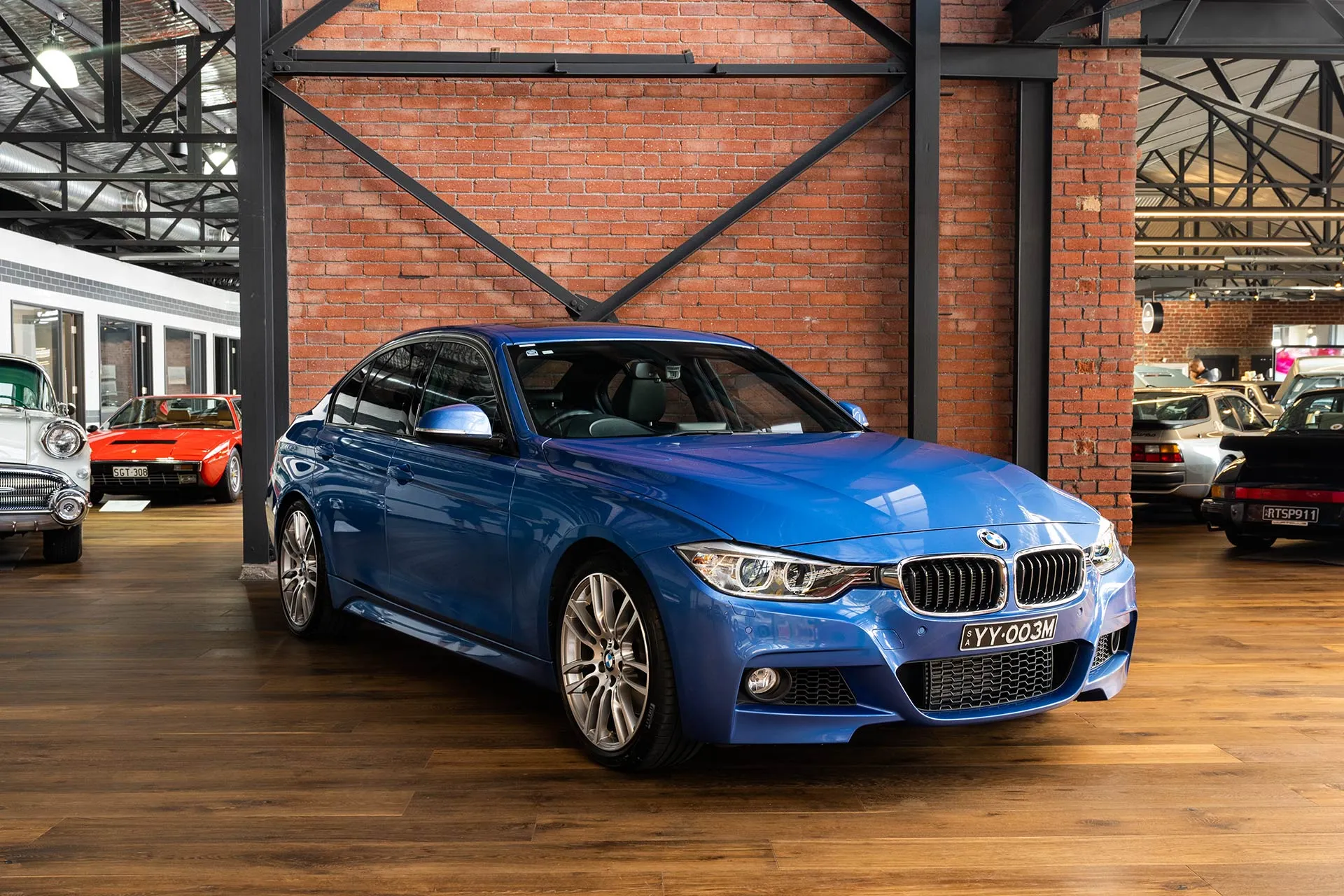
1. BMW F30 335i (2012-2015)
Turbocharging brought performance gains and reliability disasters to this generation 3 Series. N55 engines in these 335i models develop expensive problems that make ownership nightmarish.
What seems like a smart purchase transforms into a money pit that never stops demanding repairs. BMW’s push for efficiency and power created motors that can’t handle real-world use without constant mechanical attention.
Turbos fail prematurely, often before 100,000 kilometres. Replacing them costs thousands, and failures repeat because the underlying design problems weren’t fixed. Wastegate rattles announce impending failure, yet repairs don’t prevent future problems.
High-pressure fuel pumps die regularly, stranding drivers and requiring expensive replacements. Valve cover and oil filter housing gaskets leak constantly, creating fire hazards from oil dripping on hot exhaust components.
Timing chains stretch prematurely in these engines, causing catastrophic internal damage if not addressed. Diagnosis requires expensive inspection procedures.
Repairs involve removing the engine, adding labour costs that make grown adults cry. Even after these repairs, the problems often return because the root causes remain unsolved. This pattern of repeated expensive failures defines F30 335i ownership.
Automatic transmissions develop rough shifting and hesitation problems. Software updates sometimes help temporarily, but mechanical issues persist. Clutch packs wear prematurely, requiring expensive rebuilds. Manual gearboxes fare better but can’t save these cars from engine problems. Drivetrain reliability means nothing when the motor powering it constantly fails.
Electrical systems add another layer of problems. Sensors fail constantly, triggering warning lights and limp modes. Diagnosing actual problems from false alarms requires dealer-level equipment. Water leaks into footwells, damaging expensive electronic modules hidden under carpets.
Repairs cost thousands because everything requires removing half the interior. After years of ownership, you’ll have spent more on repairs than the car’s worth, and problems will continue appearing endlessly.
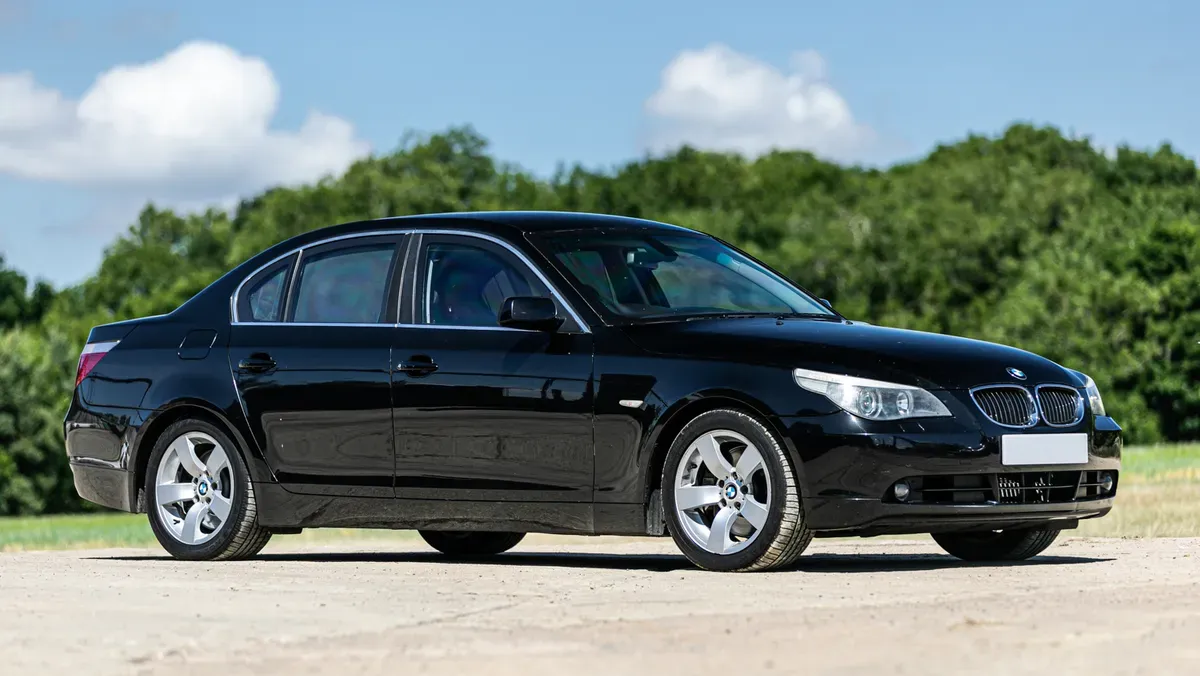
2. BMW E60 550i (2006-2010)
Owning the BMW E60 550i feels like dating someone stunning who drains your wallet. At first glance, that V8 badge and sleek body promise joy, but the honeymoon fades quickly once the bills start rolling in.
The N62 engine hiding under the bonnet brings plenty of power and a soundtrack that makes hearts race, yet it carries troubles that make mechanics sigh before even lifting the hood.
One major headache is the valve stem seal failure. Once those seals wear out, the car starts burning oil like a chimney. Spark plugs foul, catalytic converters get damaged, and the engine begins smoking embarrassingly at traffic lights.
Fixing it isn’t cheap; dealers can charge five figures for repairs, and even independent shops charge enough to make owners question life choices. Sadly, new seals don’t always last, trapping owners in a costly loop.
Another weak point lies in the timing chain system. Plastic guides crumble with age, and when timing slips, the engine destroys itself within seconds. Repairing or replacing the motor costs more than buying another used car. Even routine maintenance drains bank accounts because “preventive” work still requires major labor hours.
Cooling components fail with alarming frequency. Hoses, water pumps, and expansion tanks leak or burst, sometimes leading to severe overheating. Add to that the electronic chaos, faulty iDrive units, dying seat modules, broken sensors, and flickering displays, and you get frustration packaged as luxury. Many owners eventually give up, selling their 550i at heavy losses just to stop the financial bleeding.
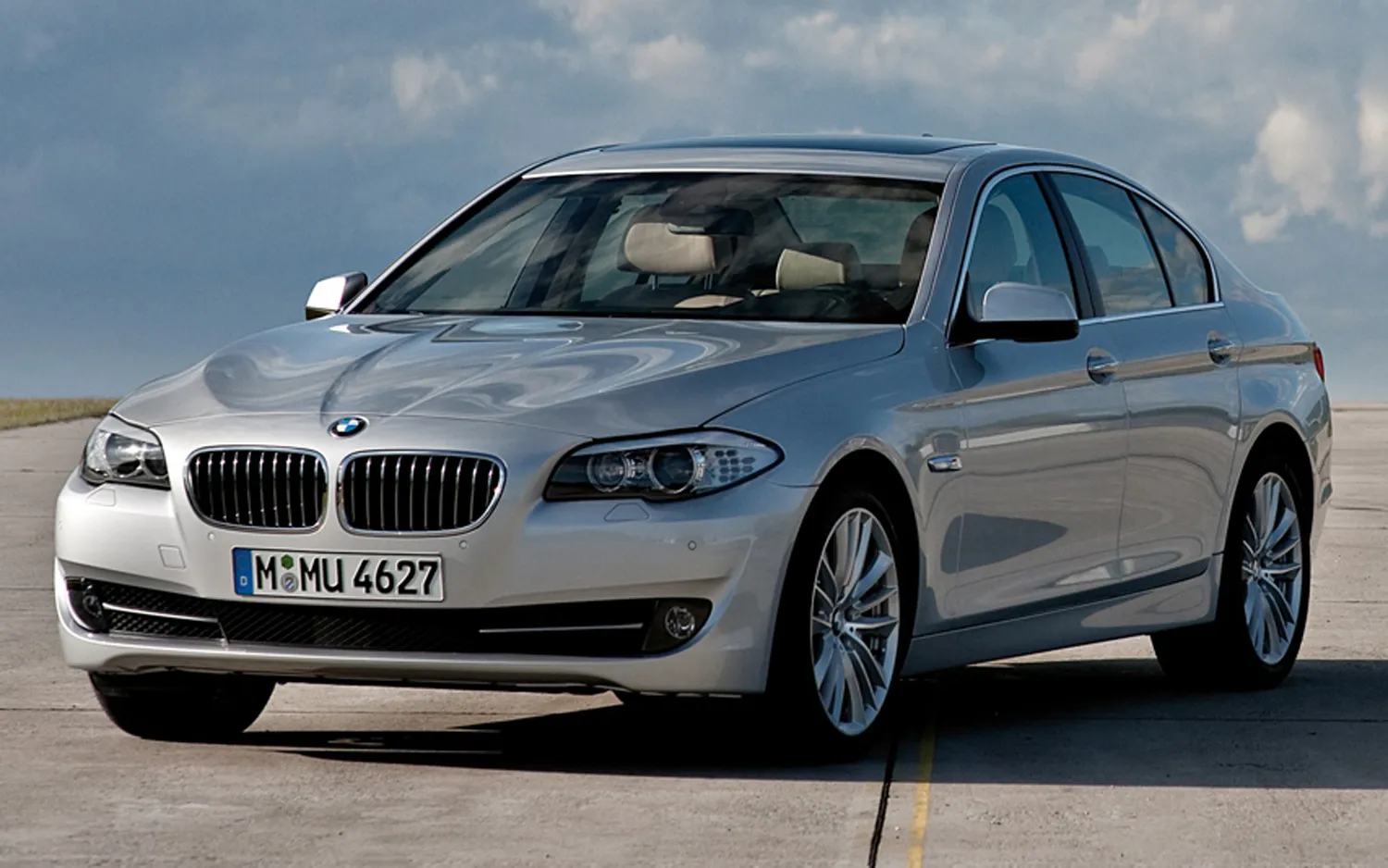
3. BMW F10 528i (2012-2016)
Four-cylinder turbo engines brought efficiency and nightmares to this 5 Series generation. N20 motors powering these 528i sedans fail spectacularly and expensively. BMW’s attempt to downsize engines for better fuel economy created reliability disasters that punish owners financially. These cars prove that smaller engines under heavy loads don’t last.
Timing chains stretch and fail prematurely, often before 80,000 kilometres. When chains break, valves collide with pistons, destroying engines completely.
Repairs cost more than the cars are worth. BMW issued recalls for some model years, but coverage is limited, and problems persist even after repairs. Owners live in constant fear of catastrophic engine failure that strikes without warning.
High-pressure fuel pumps fail regularly, causing rough running and no-start conditions. Replacements cost thousands at dealers and still over a thousand at independent shops.
Carbon buildup on intake valves creates performance problems and requires expensive walnut blasting services every 50,000 kilometres. This regular maintenance isn’t included in normal service schedules, adding unexpected costs to ownership.
Turbos develop wastegate rattle and eventually fail. Replacements are expensive, and problems return because underlying issues remain unresolved. Oil leaks appear constantly from valve covers and oil filter housings. These leaks aren’t just messy; they create fire hazards when oil drips onto hot turbo components. Repairs involve extensive disassembly, adding labour costs that make simple gasket jobs expensive.
Transmissions develop jerky shifting and slipping problems. Eight-speed automatics in these cars aren’t as reliable as BMW claimed. Software updates help temporarily, but mechanical wear causes permanent issues requiring expensive rebuilds. Electrical problems multiply as these cars age.
Sensors fail constantly, triggering limp modes and warning lights. Water leaks into electronic modules, causing failures that cost thousands. Each problem discovered leads to finding more problems, creating never-ending repair cycles that financially devastate owners.
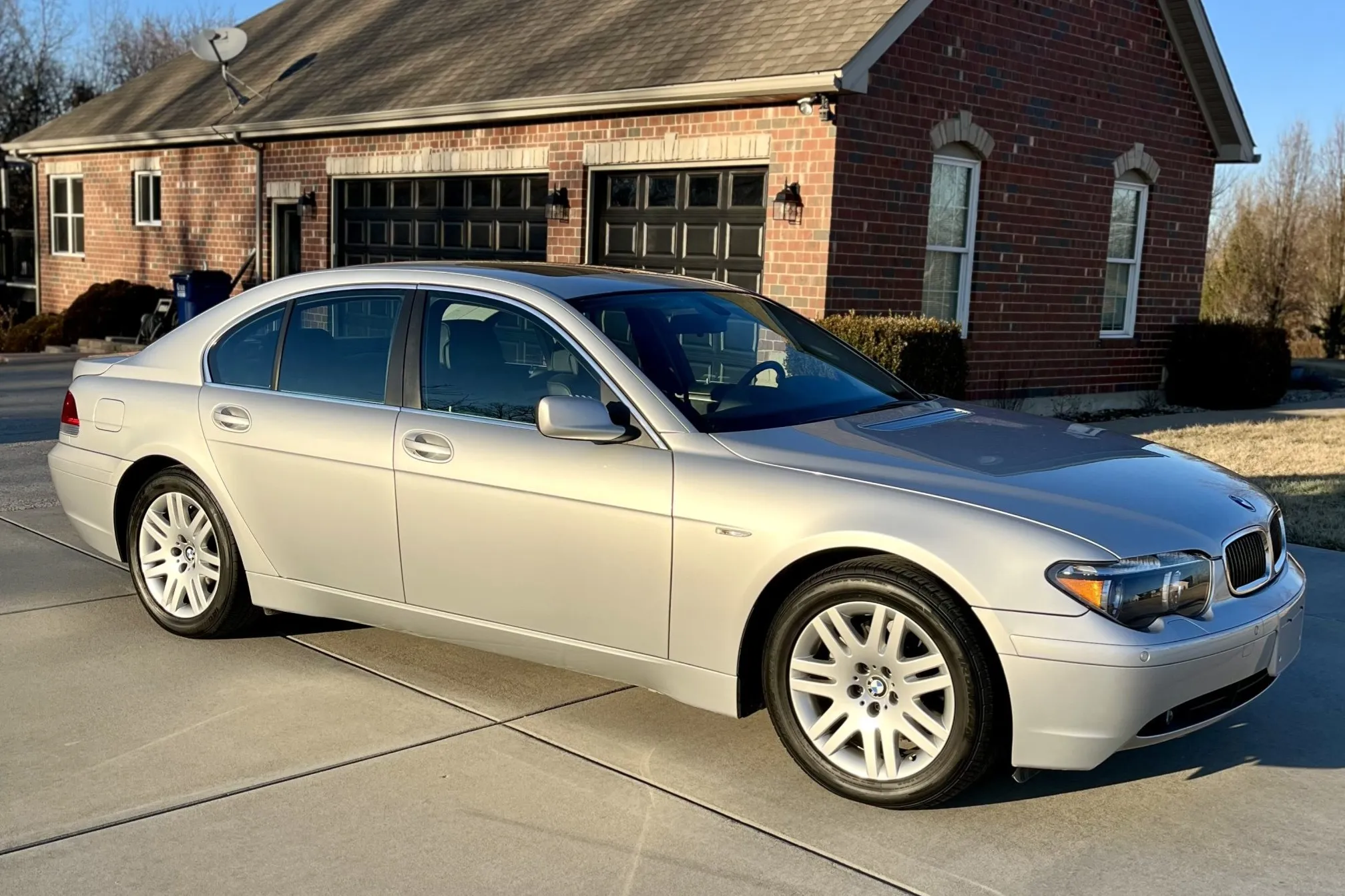
4. BMW E65 745i (2002-2005)
Luxury flagship status doesn’t guarantee reliability, as this 7 Series proves painfully. Early E65 models with N62 V8 engines are mechanical and electronic nightmares. BMW packed these cars with complicated technology that fails constantly. Owning one becomes a part-time job managing repair appointments and a full-time job paying for them.
N62 engines suffer all the same catastrophic problems as E60 550i models. Valve stem seals fail, timing chains stretch, and cooling systems leak constantly. Repairs cost even more because everything in these flagships is more complicated and expensive.
Engine removal for major repairs costs thousands in labour before parts are even ordered. Most independent mechanics refuse to work on these cars because the liability and hassle aren’t worth any profit. iDrive systems in early E65 models are infamously unreliable. Computers crash regularly, leaving you without climate control, navigation, or radio. Rebooting temporarily helps, but failures persist.
Complete replacements cost thousands, and used units often fail just as quickly. Controller modules under the dashboard corrode from water leaks, requiring expensive replacement and leak repairs that never seem permanent.
Air suspension systems fail catastrophically. Compressors burn out, air springs leak, and sensors malfunction. Repairs cost five thousand or more to restore proper function. Many owners convert to conventional suspension, sacrificing ride quality but gaining reliability.
Electric seats develop multiple failure modes, from track mechanisms breaking to control modules dying. Each seat has numerous motors and modules that fail independently, creating endless repair opportunities.
Every luxury feature becomes a liability as these cars age. Power trunk closers break. Adaptive headlight systems malfunction. Parking sensors fail. Night vision systems quit working. Each failure costs hundreds or thousands to repair properly.
Most owners eventually give up fixing everything and live with multiple non-functioning systems. Resale values plummet because nobody wants to inherit these problems, leaving owners trapped with vehicles worth less than one major repair bill.
Also Read: 5 BMW Engines That Surprise With Reliability vs 5 That Fail Early
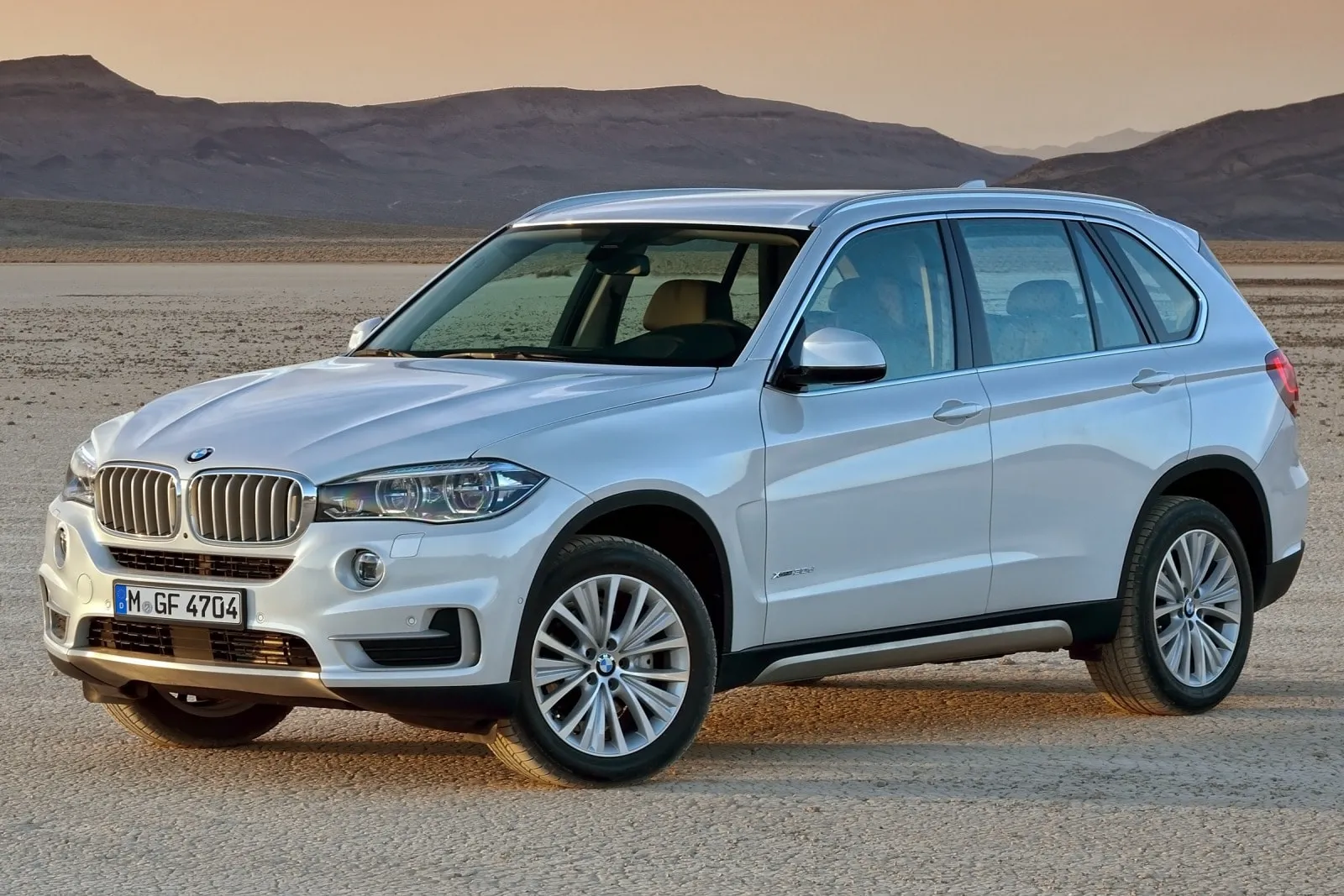
5. BMW F15 X5 xDrive35i (2014-2018)
Modern turbo technology brought problems to this popular SUV. N55 engines in these X5 models develop expensive issues that make ownership painful. Families who purchased these vehicles expecting reliable luxury transportation instead got constant repair appointments and bills. BMW prioritized performance and features while neglecting durability, which matters for long-term satisfaction.
Turbos fail prematurely with wastegate rattle and eventually complete failure. Replacements cost thousands and don’t prevent future failures. Oil leaks from valve covers and oil filter housings create fire hazards. Timing chains stretch, though not as catastrophically as N20 engines. Still, repairs are expensive, and preventative replacement is recommended, adding thousands to ownership costs.
High-pressure fuel pumps fail regularly, just like smaller BMW models with similar engines. Carbon buildup requires regular cleaning that BMW doesn’t mention in service schedules.
Owners discover this expensive maintenance requirement only after performance deteriorates. Walnut blasting services every 50,000 kilometres add hundreds to ownership costs that weren’t expected.
Transfer cases in all-wheel-drive systems develop problems that are expensive to repair. Actuator motors fail, causing drivetrain malfunctions and warning lights. Complete transfer case replacements cost several thousand dollars.
Differentials leak and sometimes fail catastrophically, requiring expensive rebuilds. These drivetrain problems appear far too early in these vehicles’ lives, suggesting fundamental design flaws rather than normal wear.
Electrical systems malfunction constantly. Water leaks into electronic modules, causing failures that cost thousands. Sensors throughout the vehicle fail regularly, triggering warning lights and limp modes. Navigation and entertainment systems freeze and crash. Power liftgates fail, leaving you manually opening heavy hatches.
Each problem requires dealer diagnosis because independent shops often lack the equipment to work on these complicated vehicles. After years of ownership, repair costs exceed the vehicle’s value, trapping owners in negative equity situations where they can’t afford to sell or keep repairing.
