
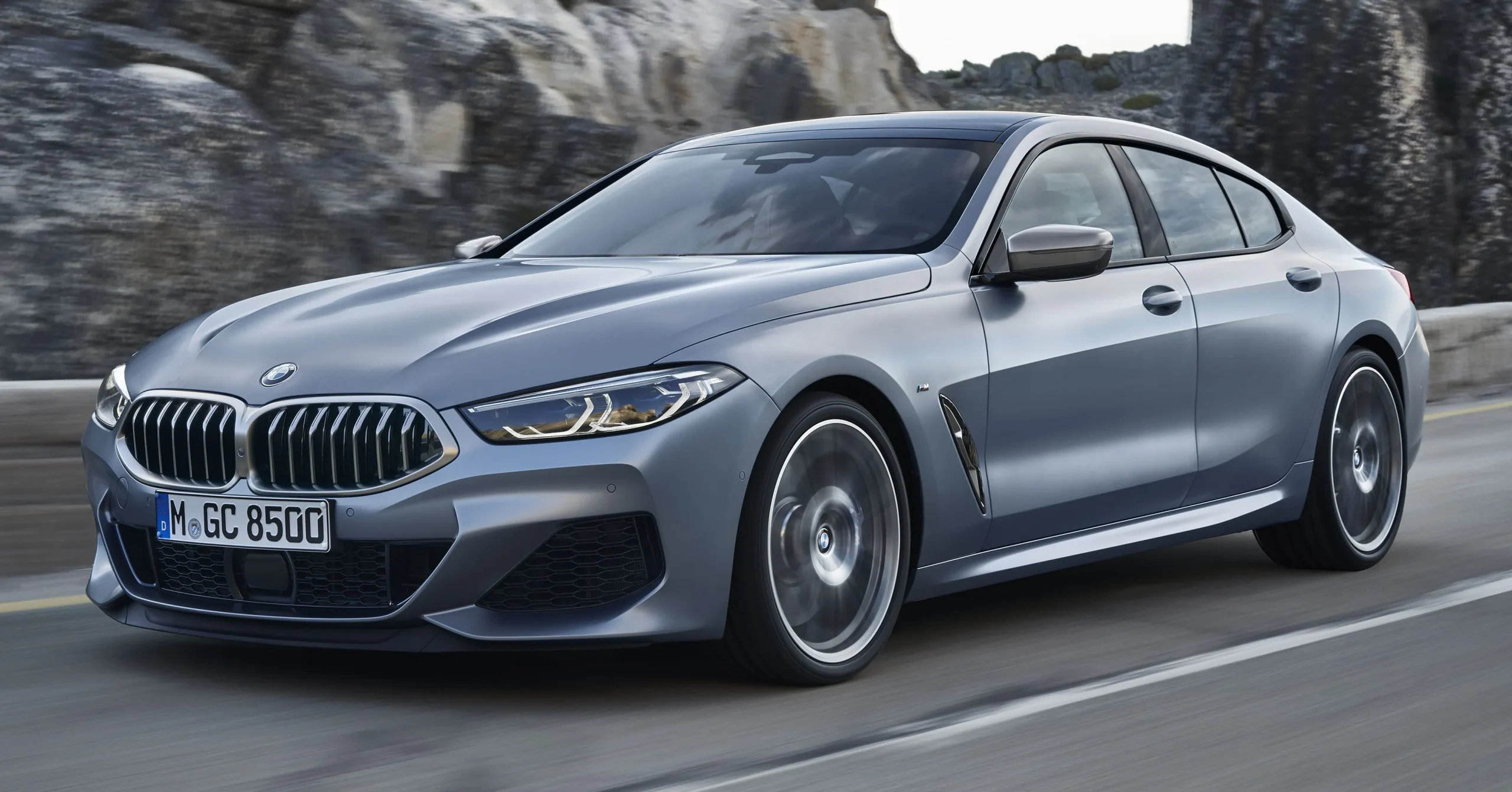
BMW owners love upgrades because BMW cars already have strong engineering, sharp handling, and premium comfort, but there is always room to make them even better. The key is choosing upgrades that actually improve the car in a real, noticeable way.
Many people waste money on flashy parts that only look good in photos, but do not make the car drive better, last longer, or feel more enjoyable every day. A smart BMW upgrade should improve performance, comfort, reliability, or driving confidence without ruining the balance BMW is famous for.
BMW vehicles are built around precision. That is why random cheap modifications often backfire. A poorly chosen upgrade can make the ride harsher, increase noise, reduce reliability, or even create warning lights that never go away.
Real improvement upgrades are the ones that match BMW engineering philosophy. They enhance what is already good, rather than fighting against it. They should feel like something BMW would have offered from the factory if cost was not a concern.
The best upgrades usually fall into a few categories. Handling upgrades make the car feel sharper and more stable without hurting daily comfort. Brake upgrades improve safety and confidence, especially on fast roads.
Cooling and reliability upgrades protect the engine and transmission, especially in hot climates or heavy traffic. Tech upgrades improve daily convenience without making the interior feel messy. Even small upgrades like better tires can transform the driving experience more than power mods.
This article covers ten BMW upgrades that truly improve the car, not just in theory, but in daily driving. These upgrades are practical, proven, and popular among experienced BMW owners because they offer real benefits.
Whether you drive a BMW sedan daily or enjoy spirited weekend driving, these upgrades can make your car feel smoother, stronger, safer, and more enjoyable every time you get behind the wheel.
Also Read: 10 Chevy Models We Wish Had Never Been Discontinued
1. Performance Tires (High Grip Touring or Sport)
The most powerful BMW upgrade is not an exhaust or a tune. It is tires. Better tires change how the car feels in every situation, including acceleration, braking, cornering, and comfort. A BMW with great tires drives like a different vehicle.
Grip improves instantly. You feel stronger traction when launching, smoother power delivery in wet conditions, and better stability during fast lane changes. In daily driving, that makes the car feel safer and more confident.
Braking also improves dramatically. High quality tires shorten stopping distances and make braking feel more controlled. This is one of the most important improvements because it affects safety every day.
Handling sharpness increases as well. BMW steering is already precise, but better tires make it feel even more connected. Cornering feels smoother and more predictable.
Comfort can also improve depending on tire choice. Many touring performance tires reduce road noise and absorb bumps better than cheap hard compound tires. That helps daily commuting.
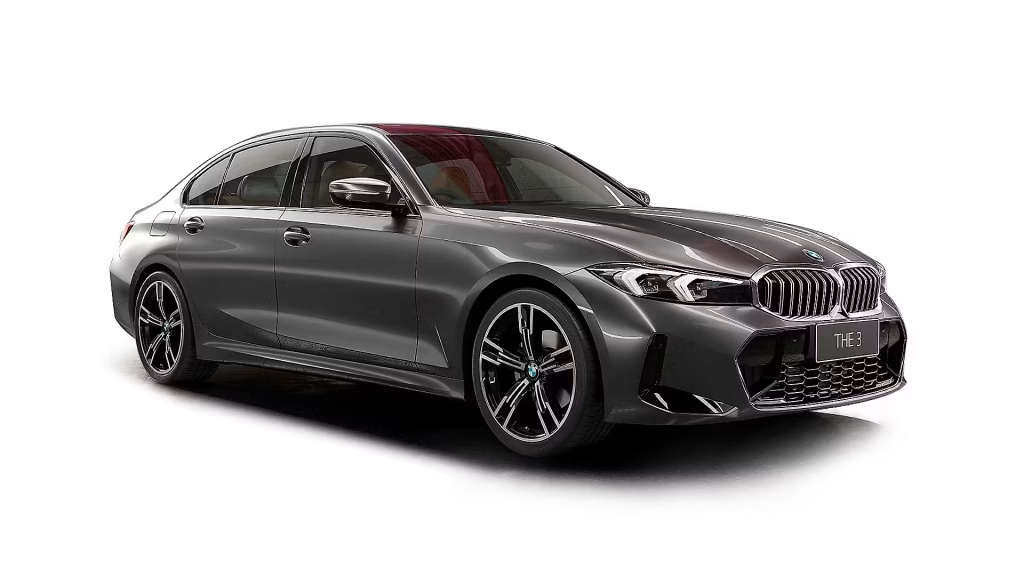
Tires also improve stability at speed. A BMW sedan on quality tires feels planted on highways. That stability is part of the BMW experience, and tires protect it.
Overall, upgrading tires is the most practical BMW modification because it improves every part of the driving experience. It is the upgrade you feel every time you drive.
2. Upgraded Brake Pads and High Quality Brake Fluid
Brakes are one of the most important systems in any BMW because BMW cars are built to be driven with confidence. Even if your BMW is not a full performance model, strong braking makes daily driving safer and more enjoyable.
Upgrading brake pads and brake fluid is one of the smartest improvements because it delivers real results without messing with the car’s balance.
The first benefit is stronger bite. Many factory pads are designed to reduce dust and noise, which often means braking feels softer. Upgraded pads improve initial bite, so the car reacts quicker when you press the brake pedal. In city driving, this makes braking feel more secure.
Brake feel also becomes more consistent. With stock pads, repeated braking can sometimes feel slightly weaker, especially in hot conditions. Better pads hold their performance longer. This is useful for spirited driving but also helpful in traffic heavy areas with repeated braking.
High quality brake fluid adds another layer of improvement. Many BMW owners focus only on pads, but fluid matters just as much. Better fluid resists heat and prevents brake fade. This improves confidence during long downhill roads, fast highway braking, or heavy city driving.
Pedal firmness improves as well. With fresh high quality fluid, the brake pedal feels more solid. That makes the car feel more precise because you can control stopping power better.
Another benefit is safety during emergency stops. Stronger braking performance can reduce stopping distances and improve stability. That is a real upgrade because it protects you and others on the road.
Brake upgrades also improve long term reliability. Stock fluid absorbs moisture over time, which reduces braking performance. Upgrading fluid regularly helps protect brake components and improves lifespan.
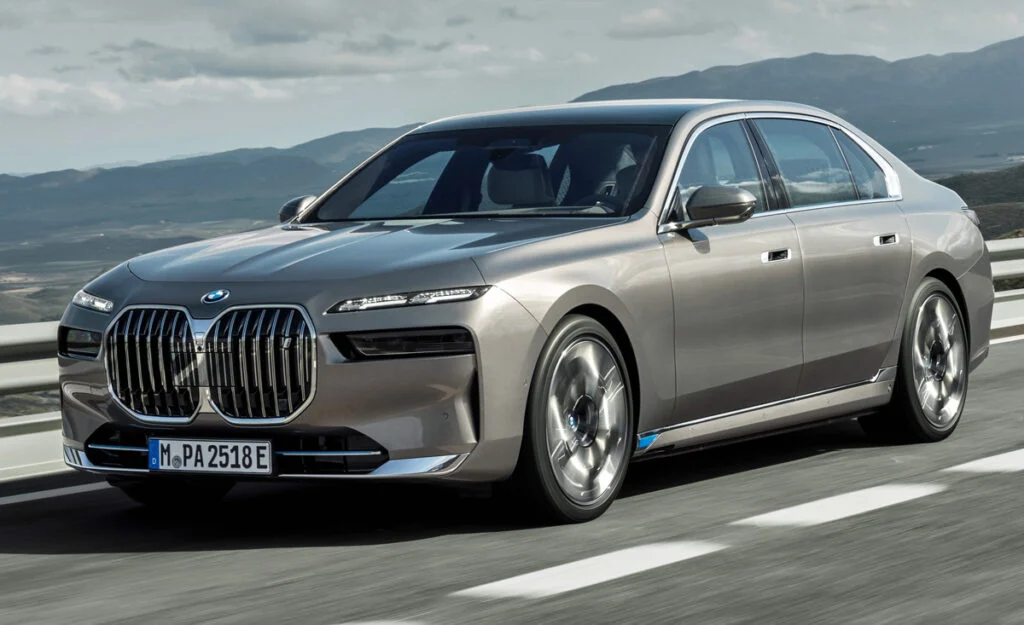
The key is choosing the right pads. Some extreme track pads create noise and dust, which can be annoying for daily driving. The best option for most owners is performance street pads that improve bite and heat resistance without making the car unpleasant.
Overall, upgraded brake pads and fluid improve a BMW in a way you feel every day. It increases confidence, sharpens control, and improves safety without any unnecessary downside.
3. Stainless Steel Brake Lines
If you want your BMW to feel sharper and more responsive without chasing horsepower, stainless steel brake lines are one of the most underrated upgrades. They are not flashy, but they improve braking feel in a way that experienced drivers instantly notice.
Rubber brake lines expand slightly when pressure increases. Under hard braking, this expansion can make the pedal feel softer. Stainless steel braided lines reduce that expansion, giving a firmer and more direct pedal feel.
The result is better brake feedback. When you press the brake pedal, the response feels more immediate. This makes the car feel more precise, especially during fast driving or repeated braking.
In city driving, this upgrade also improves confidence. Even during normal braking at signals, the pedal feels more consistent. A consistent brake pedal makes daily driving smoother because you do not need to guess how much pressure to apply.
Heat resistance is another advantage. During long drives or mountain roads, brake systems heat up. Stainless lines handle heat better and maintain stronger performance under stress. This helps prevent that slightly soft pedal feeling that can happen when brakes get hot.
Long term durability improves as well. Stainless brake lines typically last longer than rubber lines. They resist cracking and aging better, which means your braking system stays dependable for a longer time.
This upgrade pairs perfectly with better pads and fluid. On its own, stainless lines improve brake feel. When combined with pads and fluid, the braking system feels sharper, stronger, and far more premium.
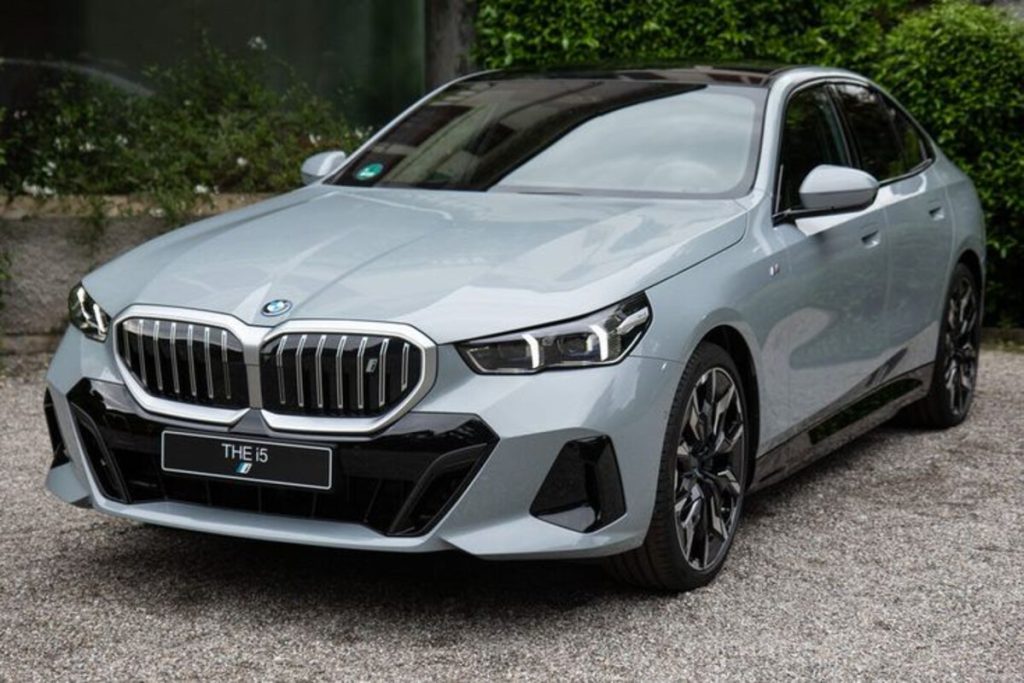
The important point is proper installation. Brake systems must be installed carefully to avoid leaks or air in the system. Once installed correctly, the upgrade is reliable and safe.
Overall, stainless steel brake lines improve a BMW by making braking feel firmer and more controlled. It is a practical upgrade that makes the car feel sharper every time you press the brake pedal.
4. High Performance Air Filter or Intake Panel Filter
A high performance air filter is one of the most practical BMW upgrades because it improves airflow without adding risk.
Many owners jump straight to loud intakes, but the smarter upgrade is usually a quality intake panel filter or upgraded air filter system that works with the factory airbox. It improves breathing while keeping the car smooth and reliable.
The main benefit is better airflow. Your engine is basically an air pump. When airflow improves, the engine can respond more freely, especially during acceleration. The change is not extreme, but it is noticeable in throttle response.
Another benefit is smoother power delivery. Stock filters focus on quietness and long service life, but they can restrict airflow slightly as they age. A performance filter reduces restriction while still protecting the engine. This can make the car feel slightly more energetic.
For turbocharged BMW engines, airflow upgrades matter even more. Turbo engines respond strongly to airflow improvements because the turbo spools better with less restriction. You may notice quicker response during mid range acceleration.
A panel filter is the best option for most owners. It installs inside the factory airbox, meaning it keeps factory cold air routing. This avoids pulling hot engine bay air, which is a problem with cheap open intakes.
Noise stays controlled too. Many BMW drivers love refined driving. A panel filter avoids the loud intake roar that some people hate. It improves the car without ruining the premium feel.
Maintenance is also easier. Many performance panel filters are washable and reusable. That saves money over time and keeps airflow consistent. It also reduces waste compared to disposable filters.
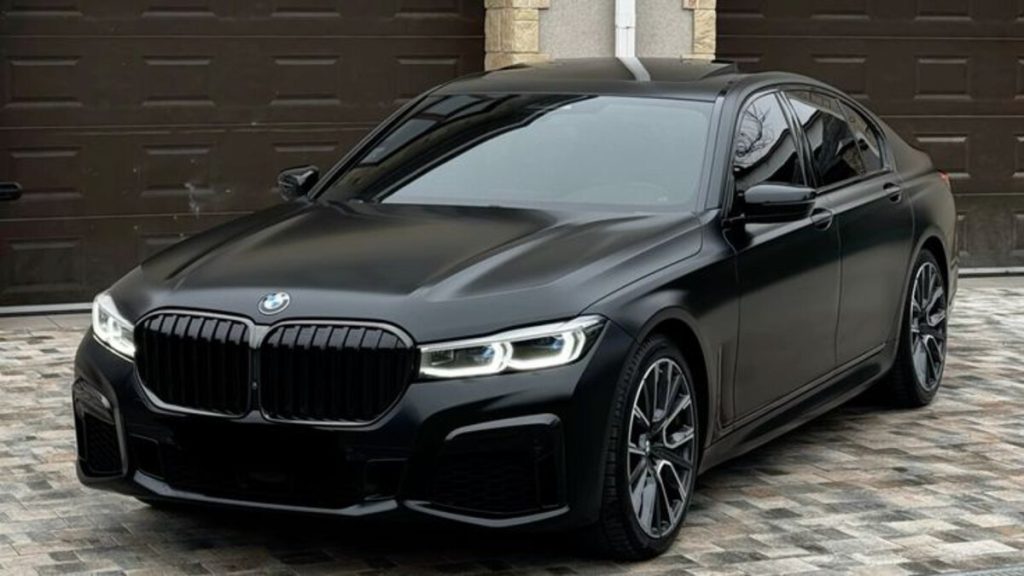
The key is choosing a trusted brand. Cheap filters can allow dirt into the engine, which is never worth it. A good filter should balance airflow with proper filtration.
Overall, a quality performance air filter improves throttle response and engine breathing while keeping everything reliable. It is a small upgrade, but it is one of the smartest ones because it supports performance without causing problems.
5. ECU Tune (Stage 1 Software Upgrade)
If you want the biggest performance improvement per rupee, an ECU tune is one of the most effective BMW upgrades. BMW engines are often tuned conservatively from the factory to handle different climates, fuel quality, and emissions rules. A well done Stage 1 tune unlocks power that is already built into the engine.
The most noticeable benefit is stronger torque. After a tune, the car pulls harder in the mid range, which is where daily driving happens. Overtakes become easier and highway merging feels quicker.
Throttle response improves too. Many factory BMW tunes feel slightly relaxed to keep smoothness. A Stage 1 tune sharpens response without making the car unmanageable. The car feels more alive without losing refinement.
Turbocharged BMW engines benefit heavily. Turbo boost levels, fueling, and timing are optimized. This usually results in significant gains, even without any hardware changes. That is why Stage 1 tunes are so popular.
Fuel economy can even improve in light driving. When the engine produces more torque, it can cruise with less effort. However, if you drive aggressively, fuel usage will increase. It depends on how you use the power.
The important point is quality. A cheap or unsafe tune can cause engine stress, overheating, or warning lights. A good tune is calibrated for reliability, safe temperatures, and smooth performance.
Supporting maintenance becomes important too. You should use high quality fuel, maintain spark plugs properly, and keep the cooling system healthy. This protects the engine and ensures the tune stays safe long term.
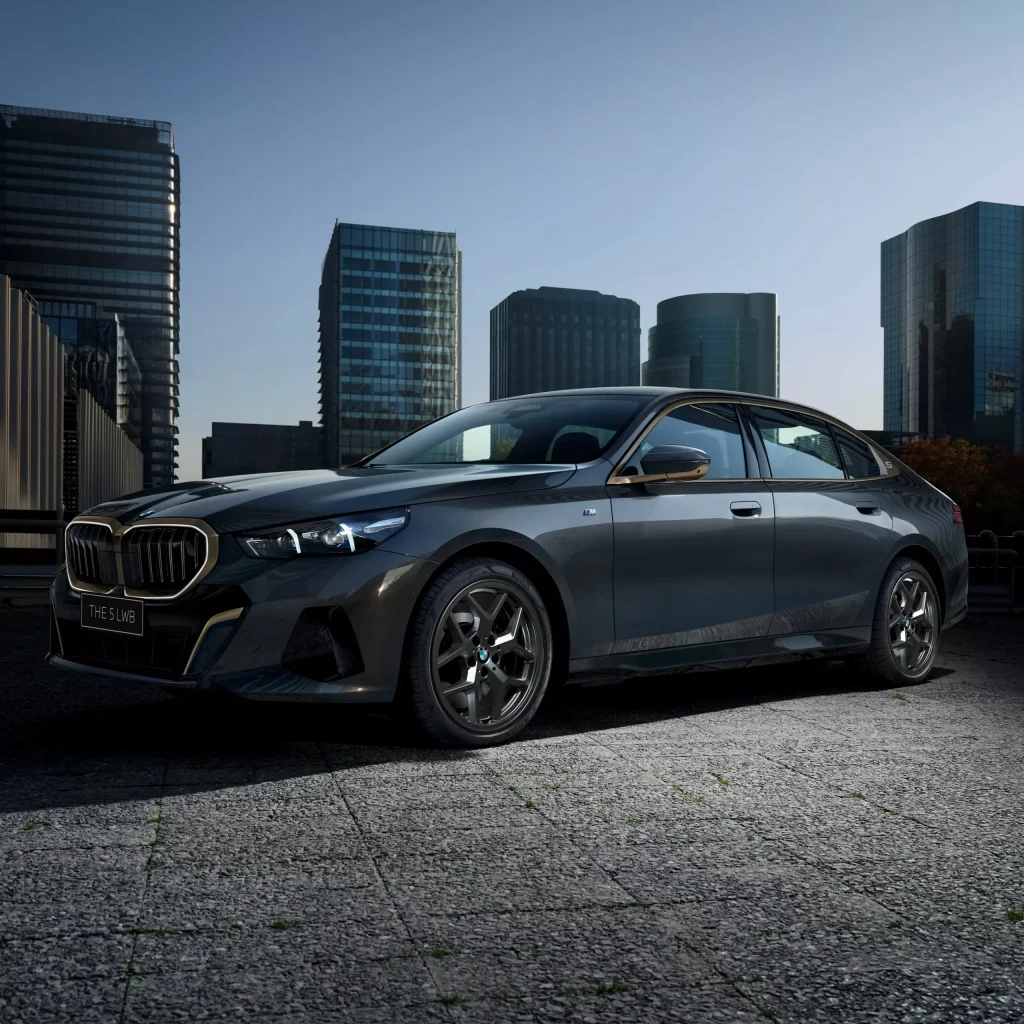
Many tuners offer multiple driving modes. That means you can keep a comfortable daily mode and switch to sporty power when needed. This helps keep the car practical.
Overall, a Stage 1 ECU tune improves a BMW by unlocking hidden power and improving response. It is the upgrade that most transforms the driving experience while keeping the car looking stock.
6. Upgraded Intercooler (For Turbo BMW Models)
If your BMW has a turbocharged engine, an upgraded intercooler is one of the most meaningful upgrades you can make. Many owners focus only on power mods like tunes, but cooling upgrades are what keep a tuned BMW strong and reliable. In real driving, heat is the enemy of consistent performance. A better intercooler helps your BMW refuse heat soak and maintain power even in hot weather and traffic.
A turbo compresses air, and compressed air becomes hot. Hot air is less dense, which reduces power. It also increases the chance of knock, forcing the ECU to reduce performance for safety. A stronger intercooler cools that air more effectively, which keeps performance stable.
The biggest benefit is consistency. Stock intercoolers are often fine for casual driving, but once you add a tune or drive aggressively, temperatures rise quickly. In traffic, temperatures rise even faster. With an upgraded intercooler, the car keeps pulling strong even after repeated acceleration.
This upgrade is especially important in hot climates. Countries with high summer temperatures expose weaknesses in factory cooling systems. Apartment or city driving also makes it worse because airflow is limited at low speeds. A better intercooler protects performance in these exact conditions.
Reliability improves too. Lower intake temperatures reduce stress on the engine. The turbo does not need to work as hard to achieve the same performance. That reduces heat load and supports long term durability.
It also pairs perfectly with an ECU tune. A tuned BMW produces more boost and more heat. Without better cooling, a tune can feel strong at first and then become weaker as the car heats up. With an intercooler upgrade, the tune feels powerful and stable.
Throttle response can improve as well. Cooler air improves combustion efficiency, which can make the car feel sharper in repeated driving. It does not change response like a tune, but it supports the overall feeling of strength.
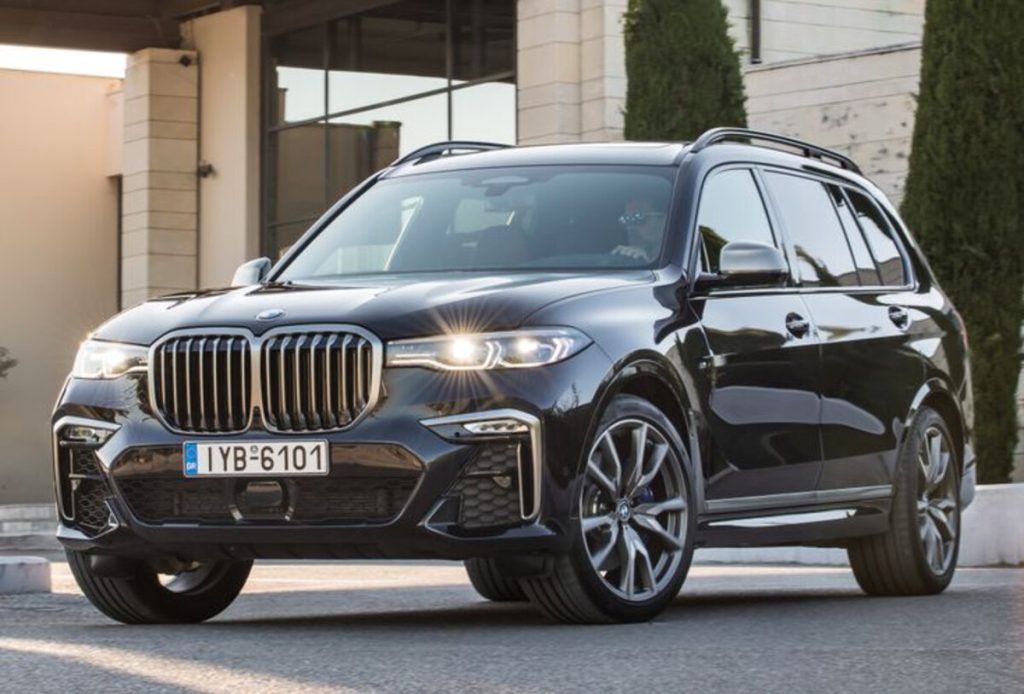
The key is choosing a quality intercooler that fits properly. A poorly designed intercooler can cause pressure drop and reduce performance. A good one improves cooling without hurting airflow.
Overall, an upgraded intercooler is a real improvement upgrade for turbo BMWs. It makes the car faster in real conditions, not just on paper, and it supports reliability at the same time.
7. Transmission Software Tune (Automatic and DCT BMW Models)
BMW makes some of the best automatic transmissions in the world, but factory transmission programming is designed for comfort, emissions targets, and broad driver behavior.
A transmission software tune is one of the best upgrades because it improves how the car responds every time you drive. Unlike cosmetic mods, this upgrade improves daily driving feel instantly.
The biggest change is shift speed. The transmission becomes quicker and more decisive, especially in sport modes. Upshifts feel sharper, and downshifts happen more confidently. This makes the car feel more connected and sporty.
Throttle matching and gear selection also improve. Many factory tunes hesitate when choosing gears for overtaking. After a transmission tune, the car often downshifts faster and holds the correct gear longer. That improves real world performance without even changing engine power.
Daily smoothness can improve as well, which sounds surprising. A good transmission tune reduces awkward hesitation and weird gear hunting. In slow traffic, the car can feel more predictable, which makes commuting easier.
For DCT models, the difference is even bigger. BMW dual clutch transmissions are fast but can feel jerky at low speed. A smart tune improves low speed behavior while also making sporty shifts more aggressive. This creates a better balance between comfort and performance.
Launch control behavior can also improve. Some tunes refine how the transmission handles launches. It can reduce slip, improve clutch control, and make acceleration feel more consistent.
Another advantage is driver control. Many transmission tunes allow more customization, such as stronger sport mode behavior while keeping comfort mode gentle. This is perfect for BMW owners who want daily comfort with weekend performance.
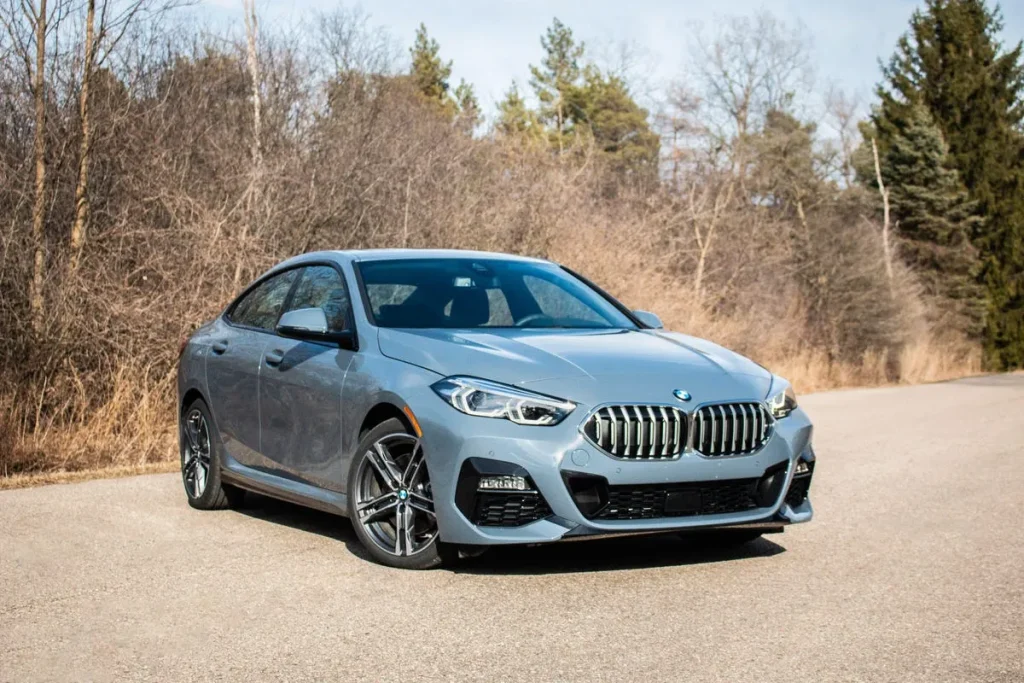
The key is selecting a trusted tuner. A bad transmission tune can cause harsh shifting, extra clutch wear, or long term issues. A good tune is designed to protect the gearbox while improving response.
Overall, a transmission software tune improves your BMW in a way you feel every day. It makes the car more responsive, more sporty, and often smoother in daily driving, which is exactly what a real upgrade should do.
8. Suspension Upgrade (Quality Lowering Springs or Coilovers)
Suspension is where a BMW truly becomes a BMW. The balance between comfort and handling is one of the brand’s biggest strengths.
That is why a well chosen suspension upgrade can transform the car more than many engine mods. The key is choosing quality parts that improve control without destroying ride comfort.
Lowering springs are the simplest option. They reduce ride height slightly, lower the center of gravity, and reduce body roll. The car feels more planted during cornering and lane changes. It also improves the visual stance, but the real benefit is handling confidence.
In city driving, lowering springs can still be practical if chosen wisely. Some aggressive springs make the ride harsh and cause scraping issues. A quality spring set designed for street use keeps comfort while improving stability. That makes it a real improvement upgrade, not just a style mod.
Coilovers offer more performance potential because they allow adjustment. You can fine tune ride height and sometimes damping. This is useful for owners who want their BMW to feel sharper but still usable daily. A good coilover kit can be comfortable and sporty at the same time.
Handling improvements are easy to feel. Steering becomes sharper, body roll reduces, and the car feels more stable at speed. This is especially noticeable in fast highway lane changes or twisty roads. A BMW with improved suspension feels more confident and more enjoyable.
Suspension upgrades also improve tire contact. When the car stays flatter in corners, tires maintain better grip. This improves both handling and braking stability. It also makes the car feel safer during sudden maneuvers.
The key is not going too extreme. Some owners lower the car too much and ruin daily drivability. Speed breakers, potholes, and rough roads become painful. A smart suspension upgrade keeps enough clearance for real life use.
Alignment is also essential after suspension changes. If alignment is not adjusted, tires wear faster and handling becomes unstable. A proper setup makes the upgrade worth it.
Overall, a quality suspension upgrade improves your BMW in the most BMW way possible. It makes the car feel sharper, more stable, and more connected, while still keeping it enjoyable for daily driving.
9. Strut Brace and Chassis Reinforcement
If you want sharper steering feel without changing the entire suspension, a strut brace is one of the best upgrades. BMWs already have strong chassis design, but adding reinforcement improves rigidity, which improves handling precision. This is especially useful for older BMWs or cars driven aggressively.
A strut brace connects suspension towers, reducing chassis flex. When you turn into a corner, the chassis naturally twists slightly. A brace reduces that flex, making the car feel tighter and more controlled.
Steering response improves immediately. The car feels more direct when you turn the wheel. This is especially noticeable during quick lane changes or fast corner entry. Instead of feeling slightly soft, the front end feels more confident.
This upgrade also improves stability on rough roads. When the chassis is stiffer, suspension can work more accurately. That means bumps and uneven roads feel more controlled. The car stays stable instead of feeling slightly loose.
For city driving, this can be a nice upgrade because it improves confidence during sudden maneuvers. Urban roads are unpredictable. A tight chassis helps the driver place the car more precisely.
The best part is that a strut brace does not destroy comfort. Unlike stiff springs, it does not change ride harshness dramatically. It simply improves structural rigidity. This makes it a great upgrade for daily driven BMWs.
Chassis reinforcement upgrades can go further, especially for performance models. Things like subframe reinforcement or upgraded mounts improve long term durability. BMWs used hard can develop chassis stress points over time. Reinforcement supports reliability.
The key is quality. A cheap brace may not fit correctly or may add noise. A properly designed brace fits cleanly and delivers real benefit without vibrations.
Overall, a strut brace and chassis reinforcement upgrade improves your BMW by sharpening steering feel and increasing stability. It is a practical upgrade that makes the car feel more solid and confident without compromising daily usability.
10. Upgraded Cooling System Components (Radiator, Water Pump, Thermostat)
If there is one upgrade that improves your BMW in the most practical long term way, it is upgrading weak cooling system components. This upgrade does not make the car louder, faster, or flashier, but it makes it stronger where it truly matters.
BMW engines are performance focused, and that means they generate heat. When the cooling system becomes weak, even the best BMW can turn into an expensive headache.
The biggest reason this upgrade matters is prevention. Many BMW models, especially older ones, are known for cooling system parts that wear out with time.
Water pumps, thermostats, expansion tanks, hoses, and radiators can fail after years of heat cycles. In city traffic, the stress is even higher because airflow is reduced.
An upgraded radiator improves heat management. Stock radiators work fine when new, but after years, efficiency drops. A stronger radiator helps the car maintain stable temperatures during hot weather or heavy traffic. This reduces the chance of overheating and protects the engine.
A water pump upgrade is especially valuable. Many modern BMWs use electric water pumps, which offer efficiency but can fail suddenly. Replacing the pump before failure is one of the smartest upgrades you can do. It protects the engine and saves you from sudden breakdowns.
A better thermostat also matters. Thermostats control coolant flow, and if they fail, temperatures can spike or become unstable. Stable operating temperature helps the engine run smoothly, improves reliability, and protects seals and gaskets.
Cooling upgrades also help performance. A car that runs cooler delivers more consistent power. Heat causes the ECU to pull timing or reduce boost in turbo models. Better cooling keeps performance stable, which makes the car feel stronger in real driving conditions.
This upgrade becomes even more important if your BMW has a tune. A tuned engine produces more heat, and stock cooling margins shrink. Upgrading cooling components makes tuned driving safer and helps prevent heat related engine wear.
Long term ownership becomes easier too. Cooling system failures are one of the most common reasons BMW owners face expensive repairs. Preventing overheating prevents bigger issues like warped heads, blown gaskets, and engine damage.
The key is doing it correctly. You should use quality OEM or trusted aftermarket parts. Cheap cooling parts fail early and create repeated problems. A properly upgraded cooling system delivers peace of mind.
Overall, upgrading cooling system components is a real BMW improvement upgrade because it protects performance and reliability. It keeps the engine healthy, prevents breakdowns, and makes your BMW easier to own for years.
Also Read: 10 EVs That Work Well for City Commuters
