
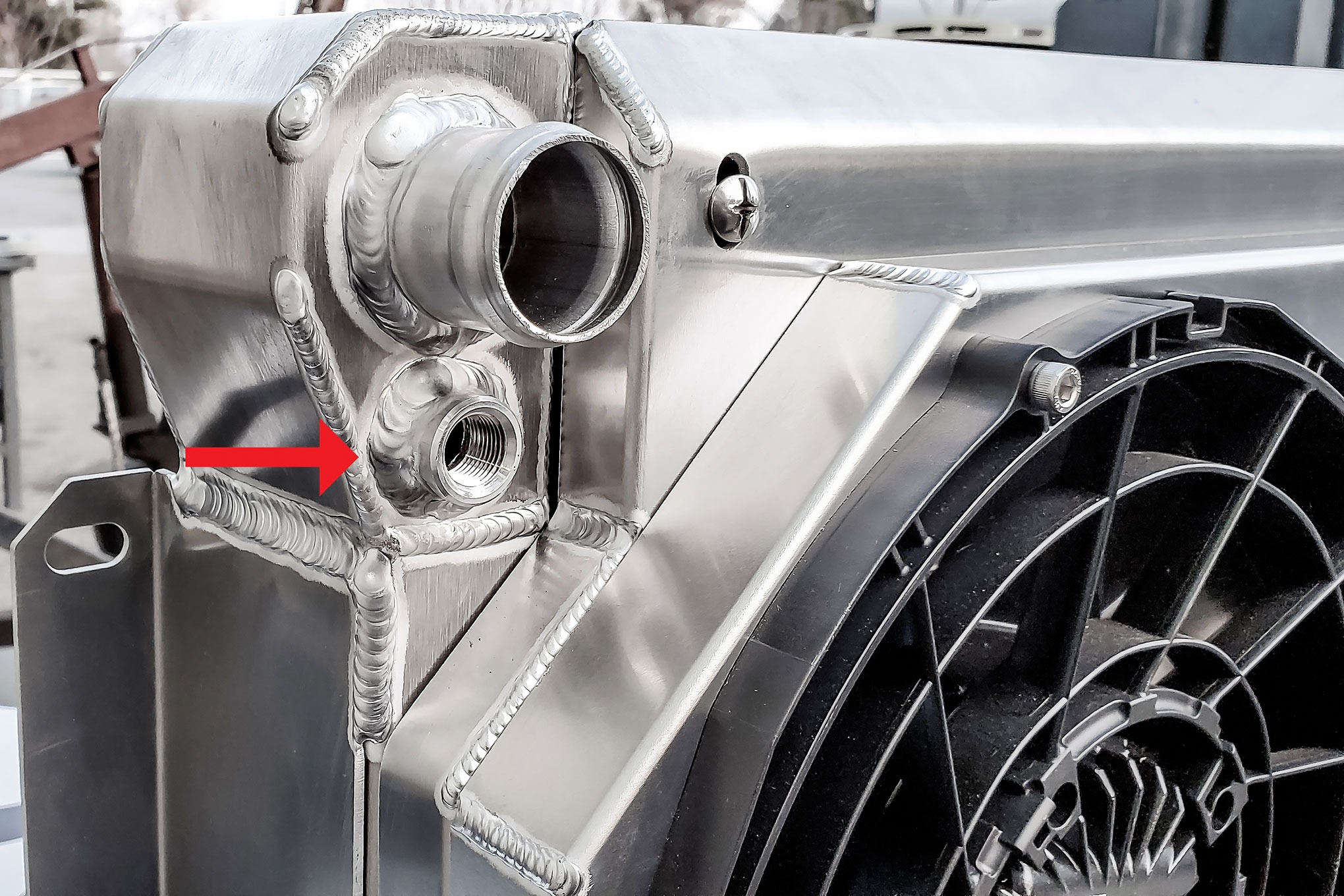
When someone installs a high-performance engine or modifies a vehicle for more power, one thing that often gets overlooked is the cooling system. Many people tend to focus on the horsepower and the torque, but forget that if the engine cannot stay cool, it will not last.
Overheating can spoil engine parts, weaken gaskets, and sometimes even crack blocks or heads. This is why radiator upgrades can be a very wise choice for anyone pushing an engine beyond what it was originally designed for.
An oversized radiator can carry more coolant and provide better airflow. These two things make a massive difference in how the engine stays within safe temperature limits, especially when used for towing, racing, or driving in very hot environments.
When a stock radiator is left to handle added engine strain, the heat can become too much, and boiling can result. When the coolant boils, it cannot cool effectively anymore. This leads to pressure loss, steam in the system, and engine failure if it persists for an extended period.
Some engines come with very reliable stock radiators that do well under factory conditions. But once someone adds a turbo or raises compression, they quickly discover the stock system is no longer enough. That is where oversized radiators prove their worth. They allow the engine to perform harder without the fear of overheating.
Now let’s talk about five engines that benefit from oversized radiators and perform better because of it, against five engines where the factory radiators struggle badly and tend to boil during extreme use.
You will see how each performs under pressure, and what makes one setup better than the other. Let us now go through these engines one by one and explain the cooling results they bring when either improved or left stock.
Engines with Oversized Radiators
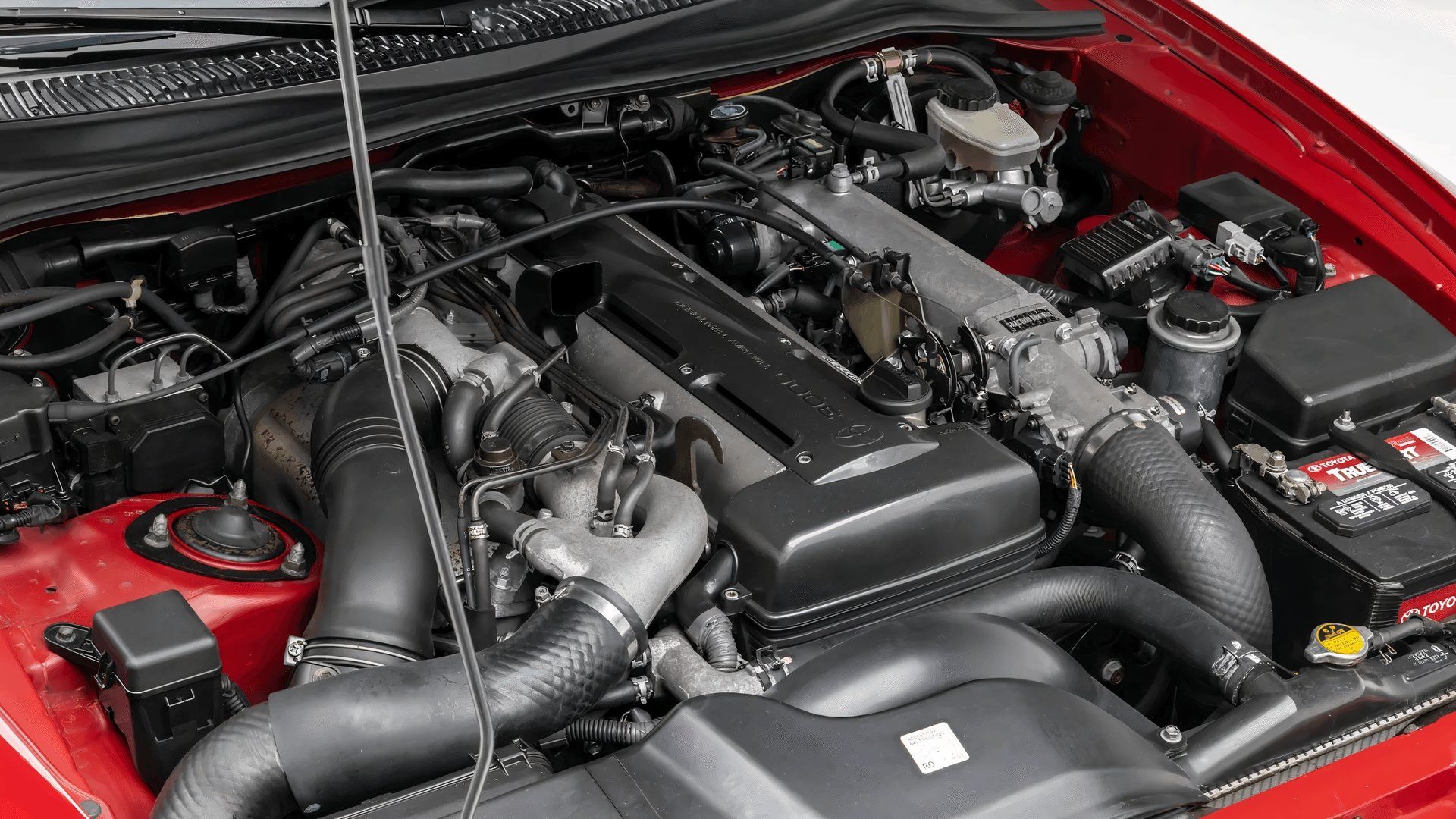
1. Toyota 2JZ-GTE
The Toyota 2JZ-GTE engine has become very popular among tuners, thanks to its strong bottom end and ability to handle big power. From the factory, this inline-six already delivers a good performance level, but most people who choose the 2JZ end up pushing it far beyond its original horsepower. Once bigger turbos and aggressive tuning enter the picture, heat becomes one of the biggest enemies.
In high-boost setups, this engine produces a lot of thermal energy. The stock radiator, while decent for everyday use, starts to show its limits. It struggles with removing the excess heat quickly enough, especially in traffic or during long pulls.
When the engine gets pushed during street racing or track use, the temperatures climb fast. If nothing is done to control that, the engine may start to knock or even suffer serious damage.
An oversized aluminum radiator changes the situation. First, it holds more coolant, so heat is spread over a larger volume. Second, the wider core allows more air to pass through, and that improves cooling at both low and high speeds. With a quality electric fan setup and proper shrouding, a 2JZ-GTE can remain cool even at 700 to 800 horsepower.
Tuners who install oversized radiators on this motor report fewer heat soak issues and more consistent performance during hot weather. It also helps extend the life of other parts like the water pump and the head gasket. If you want to build a reliable, high-power 2JZ, an upgraded radiator should be part of your plan.
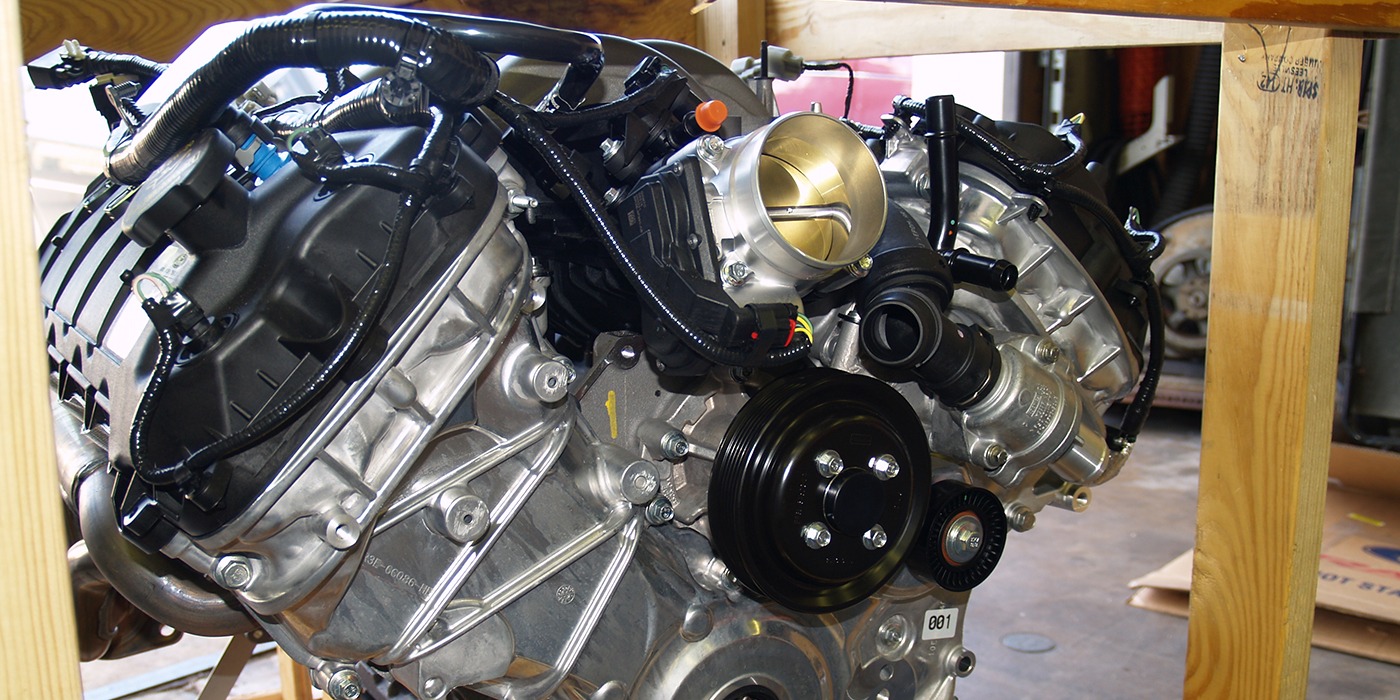
2. Ford Coyote 5.0L
The Ford Coyote 5.0L V8 has found its way into many performance builds, both inside Mustangs and as a swap engine for other cars. This engine is known for high-revving performance and strong power output even in stock form. But when it is supercharged or used in high-speed driving, the cooling demands grow sharply.
Even though Ford designed the Coyote with modern features like variable cam timing and efficient airflow, the stock radiator does not always keep up under tough conditions.
When used on the drag strip or in long burnout sessions, many drivers start noticing temperature spikes. This happens because the engine produces more heat than the radiator can pull away, and when that happens, the coolant can boil over.
A bigger radiator offers more surface area and higher capacity. That means the coolant stays cooler for longer, and the airflow can remove heat faster. The oversized design allows fans to work better since there is more space to cool with each pass.
When a proper radiator upgrade is combined with better hoses and a high-pressure cap, the Coyote engine stays in a much safer range even when it is being pushed hard. People who track their Mustangs or who run power-adders like nitrous or forced induction often rely on oversized radiators to prevent engine overheating.
Without that change, the stock setup would not last in such extreme conditions. It has been seen again and again that this upgrade makes a clear difference in keeping engine temperatures under control.
Also Read: 5 Older Cars Whose Airbags & ABS Still Work vs 5 with Safety Equipment Failures
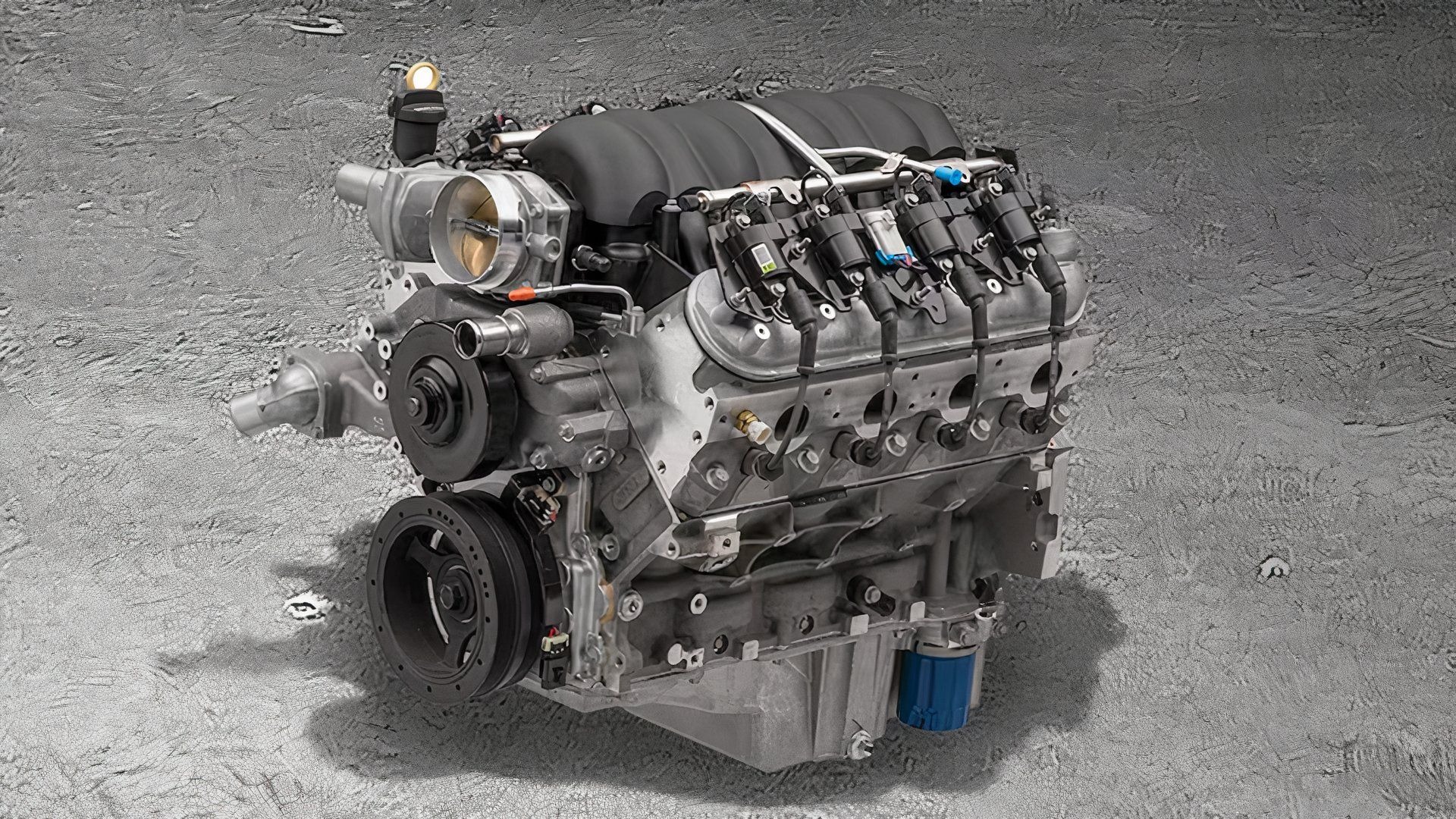
3. Chevrolet LS3
The LS3 V8 from General Motors powers many Corvettes, Camaros, and swap builds around the country. This engine brings a strong mix of power, reliability, and tunability. But with that kind of performance also comes heat. Once people start adding camshafts, heads, or forced induction, the engine becomes a lot hotter under load.
GM’s stock radiator on LS3-powered vehicles is fine for street driving and occasional spirited runs. But when used on road courses or in warm climates, the factory radiator begins to fall behind.
Many drivers have reported overheating issues when pushing the engine at wide-open throttle for long periods. Sometimes, the temperature gauge creeps up slowly until warning lights appear on the dash. That’s a signal that the radiator is not managing heat effectively anymore.
Installing a large-core aluminum radiator usually solves this problem. More coolant capacity and improved cooling surfaces help keep the LS3 cooler even under constant strain. The larger radiator also improves recovery time between runs, which means you do not need to sit and wait for the engine to cool before another lap.
Builders using LS3s in kit cars, drift cars, or off-road vehicles often consider radiator upgrades early in their build because of how fast the engine heats up under pressure.
Oversized radiators give peace of mind, especially when cooling fans are also upgraded to match. When combined, these parts allow the LS3 to continue delivering top power without boiling over.
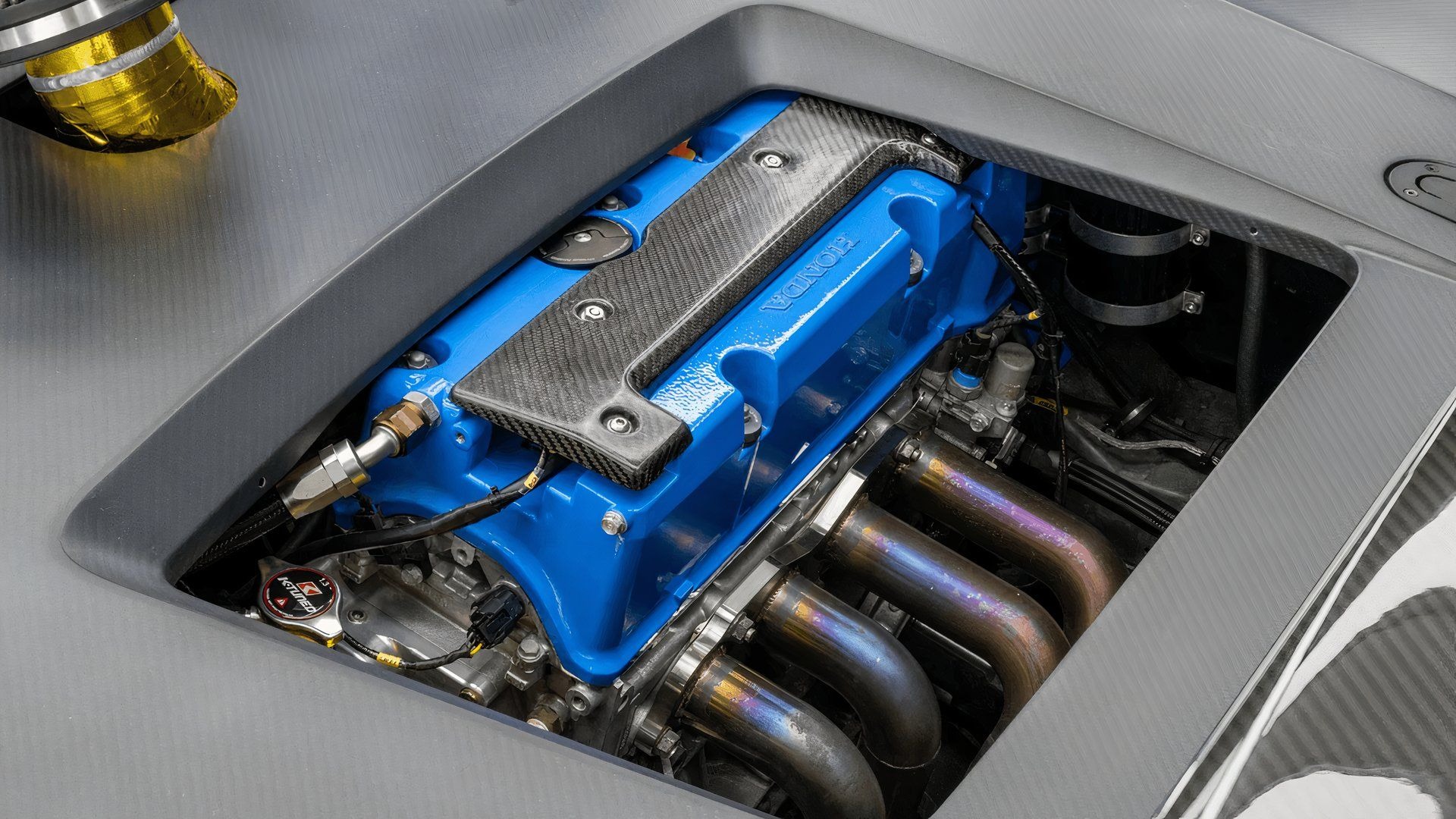
4. Honda K24
The Honda K24 engine is one of the most popular four-cylinder engines used in performance builds today. Known for its reliability and excellent power potential, many tuners choose the K24 for turbocharged setups or track cars. However, the factory radiator was never designed for the kind of extreme output that most modified K24 engines are pushed to today.
A turbocharged or high-compression K24 can run into serious heat problems if the cooling system is left stock. When the engine is used on the track or pushed during a long drive, coolant temperatures climb fast. Once the heat builds up beyond what the radiator can remove, you start to see heat soak and coolant expansion, leading to pressure issues and engine damage.
Installing an oversized aluminum radiator improves performance in two ways. First, it gives better heat exchange between the coolant and the air. Second, the bigger size allows the coolant more time to cool before reentering the engine. Combined with performance fans and an oil cooler, this helps keep the engine temperatures in a much safer zone.
People who autocross or race with K-swapped vehicles often install oversized radiators early in their builds. This helps maintain stable coolant temps even during summer races or long dyno pulls.
With better cooling, the engine performs more consistently and avoids throttle cuts from heat sensors. It also protects against long-term engine wear. For anyone planning to extract more than 250 horsepower from a K24, a bigger radiator should not be seen as an optional upgrade.
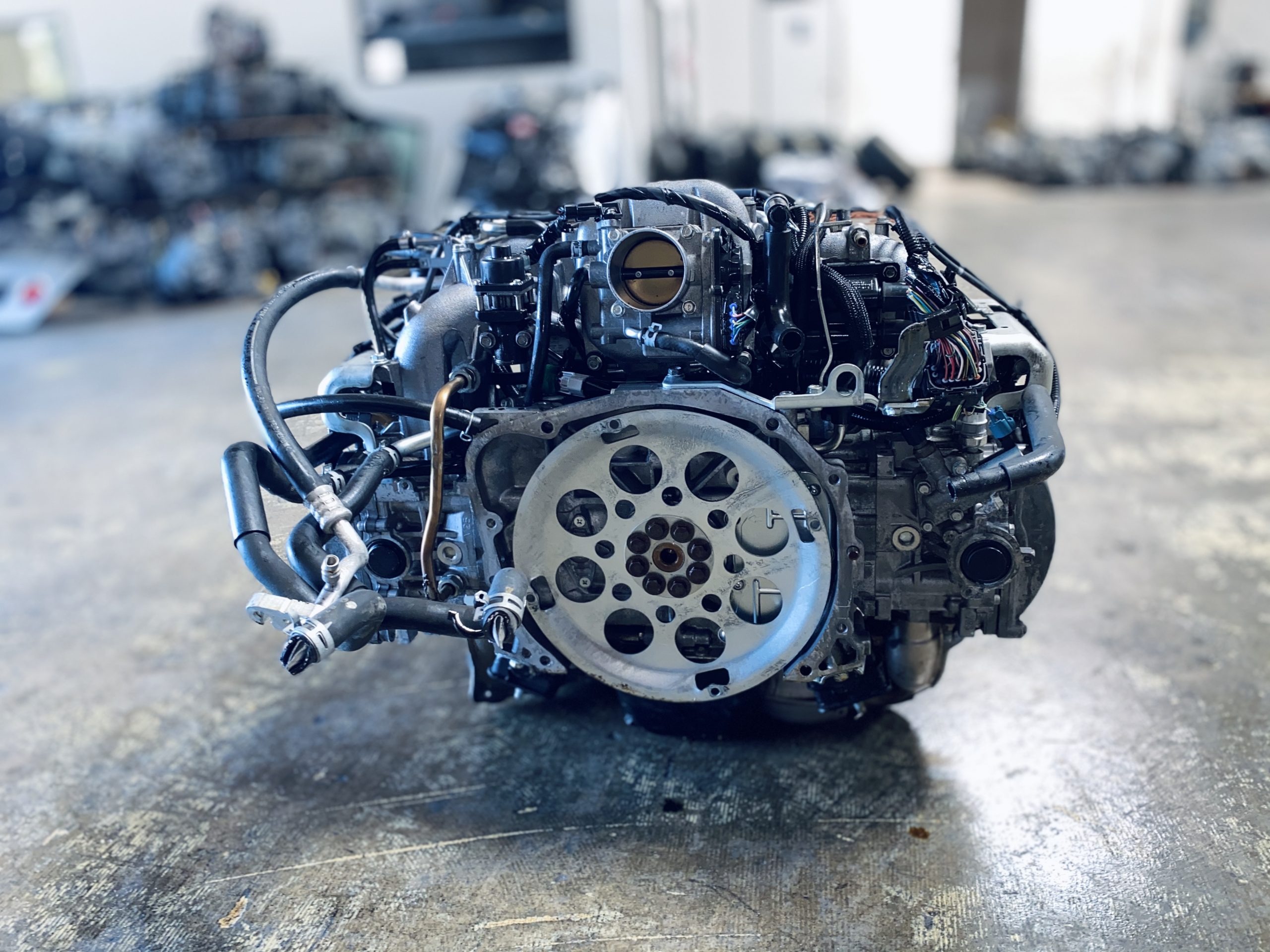
5. Subaru EJ25
The EJ25 engine from Subaru is used in models like the WRX and STI, and while it gives strong performance with a turbocharger, it has always been sensitive to heat. Once tuned for more boost or used on rough terrains, it becomes very easy for the engine to overheat if the cooling setup is not improved.
Subaru’s factory radiator does a basic job under normal driving. But when used for spirited driving or when boost pressure is increased, it quickly begins to show its limits. One common issue is rising coolant temperatures during back-to-back runs, which leads to loss of coolant through the overflow tank and eventual boiling.
An oversized radiator helps by offering more coolant capacity and better heat dissipation. For the EJ25, this is especially useful because the engine’s turbocharger already produces a lot of heat in the engine bay. When combined with a proper fan and air duct system, the larger radiator allows cooler running temperatures even on high-boost setups.
People who rally or take their Subaru to autocross events often swap out the stock radiator before adding more power. This is because overheating can destroy head gaskets, and that’s one of the common weaknesses of this engine. By improving the radiator, you also improve engine safety.
When the cooling system is managed properly, the EJ25 delivers solid power without melting under pressure. That makes the radiator upgrade one of the most important modifications you can make if long-term reliability matters to you.
Engines with Stock Radiators That Boil
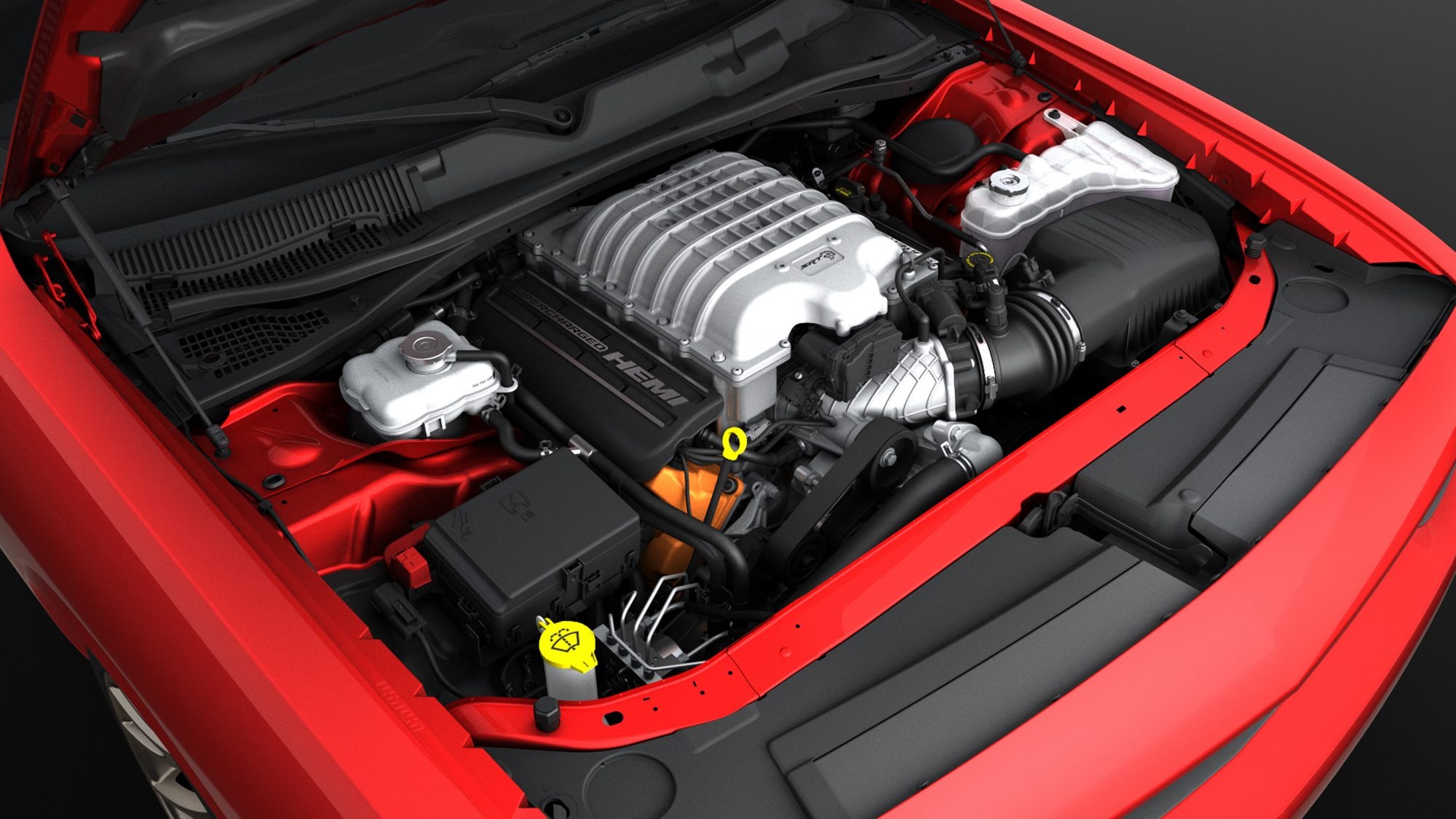
1. Dodge Hellcat 6.2L
The Dodge Hellcat’s 6.2L supercharged HEMI engine makes huge horsepower figures right from the factory. With over 700 horsepower, it brings incredible performance in a straight line. But even with all that strength, the cooling system that comes with it does not always handle heat well when the car is pushed too hard.
This engine creates a lot of heat, especially during full-throttle pulls or drag races. While the stock radiator can manage regular driving and short runs, the temperature can rise quickly during long highway pulls, hot-lapping on tracks, or repeated quarter-mile launches. Once the coolant starts boiling, the pressure in the system drops, and that leads to overheating warnings and performance issues.
Many owners have experienced heat soak during summer driving or after repeated wide-open-throttle sessions. The heat from the supercharger and the tight engine bay packaging do not help either.
Some even report engine power being reduced due to thermal limits being reached. These issues show that the stock radiator struggles once the engine is pushed past its comfort zone.
Aftermarket support has recognized this issue, and many Hellcat owners upgrade their radiators soon after noticing rising engine temperatures. Without this upgrade, the boiling problem remains a serious concern for those using their cars beyond casual weekend cruises.
The factory cooling system was not designed for consistent abuse, so anyone serious about performance usually changes the radiator early in their ownership.
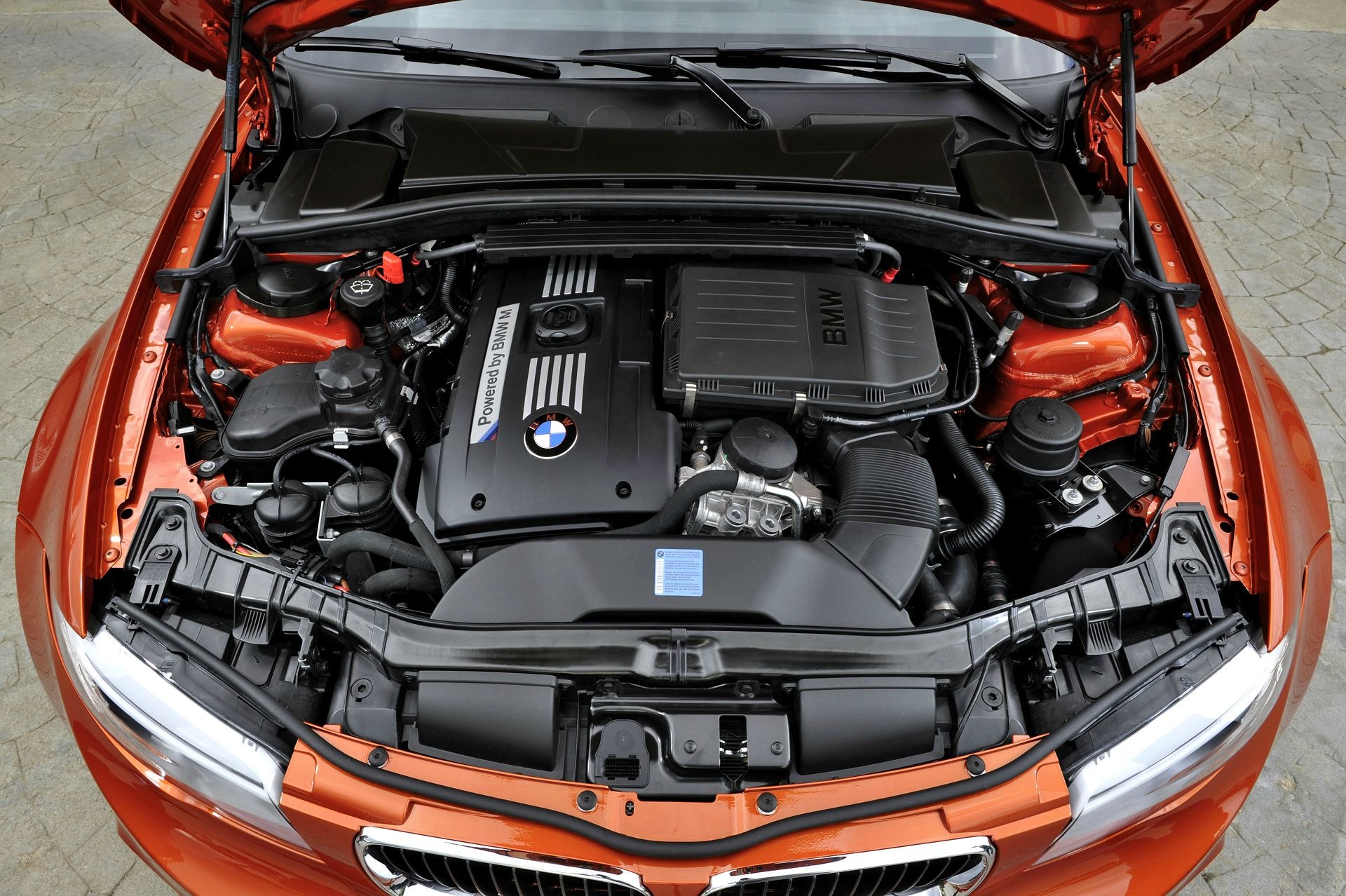
2. BMW N54
BMW’s N54 engine, found in models like the 335i and 135i, is known for being tunable and strong, but it also has a long-standing issue with overheating. This twin-turbocharged straight-six produces a lot of heat, and the stock radiator often fails to keep temperatures in check, especially when boost is raised or the car is tracked.
While the car handles city driving and regular highway cruising well, once you increase the boost level or hold the throttle for extended periods, coolant and oil temperatures can spike.
The heat from the turbochargers adds pressure to the cooling system, and the radiator begins to lose efficiency. With limited airflow and small coolant capacity, the system cannot manage thermal load efficiently.
When the coolant reaches a boiling point, steam begins to form inside the cooling system, which affects water pump performance and sensor readings. Drivers often report heat-related limp mode triggers, especially during summer or at the track. The small size of the stock radiator makes it very difficult to recover from heat quickly after a high-power run.
To avoid overheating issues, many tuners and BMW enthusiasts switch to a larger aluminum radiator, often combined with upgraded intercoolers and oil coolers. The stock system simply cannot handle the demands of aggressive driving or upgraded turbos.
Without radiator improvement, the N54 engine ends up being limited by its temperature issues. Even with just a moderate power increase, it becomes clear that the stock radiator does not do enough.
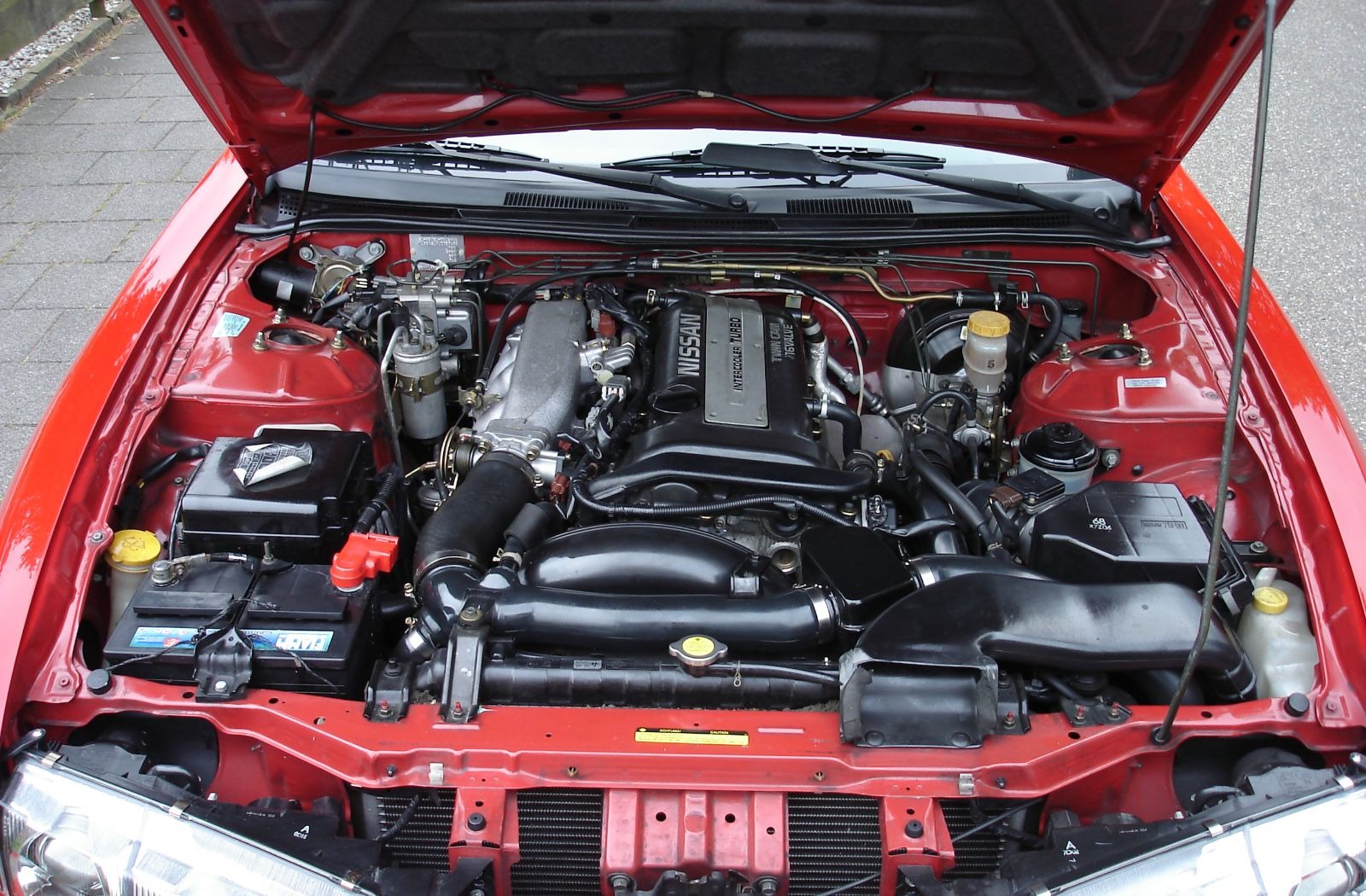
3. Nissan SR20DET
The SR20DET engine from Nissan became a favorite for drift builds and small turbocharged sports cars. Found in models like the Silvia and 180SX, this 2.0L turbo engine performs well under boost, but its stock cooling system can be a big problem when driven aggressively.
The original radiator on many SR20DET-equipped cars is narrow and thin, designed more for light-duty use than high-speed or competitive driving. When used in stock form, it does a passable job, but as soon as power is increased or the car is used in motorsport, overheating becomes a real danger. The engine starts to lose coolant quickly, especially if the thermostat sticks or the fans cannot keep up.
This boiling issue is made worse by the fact that many swap builds using the SR20DET place the engine in smaller bays with less ventilation. The heat cannot escape fast enough, and with the radiator being small, the coolant circulates too quickly without proper cooling. The result is boiling coolant, rising oil temps, and engine knock if not stopped early.
Owners have solved this by installing wider aluminum radiators with dual-pass designs. Some also add vented hoods and better fan control. But without these changes, the stock radiator simply cannot keep the SR20DET cool in a drift session or high-speed driving.
Even with just a front-mount intercooler and mild boost increase, the temperature issues begin. The stock system does not hold enough coolant, nor does it allow air to pass effectively when airflow is low. That is why the radiator becomes a weakness in this engine’s setup.
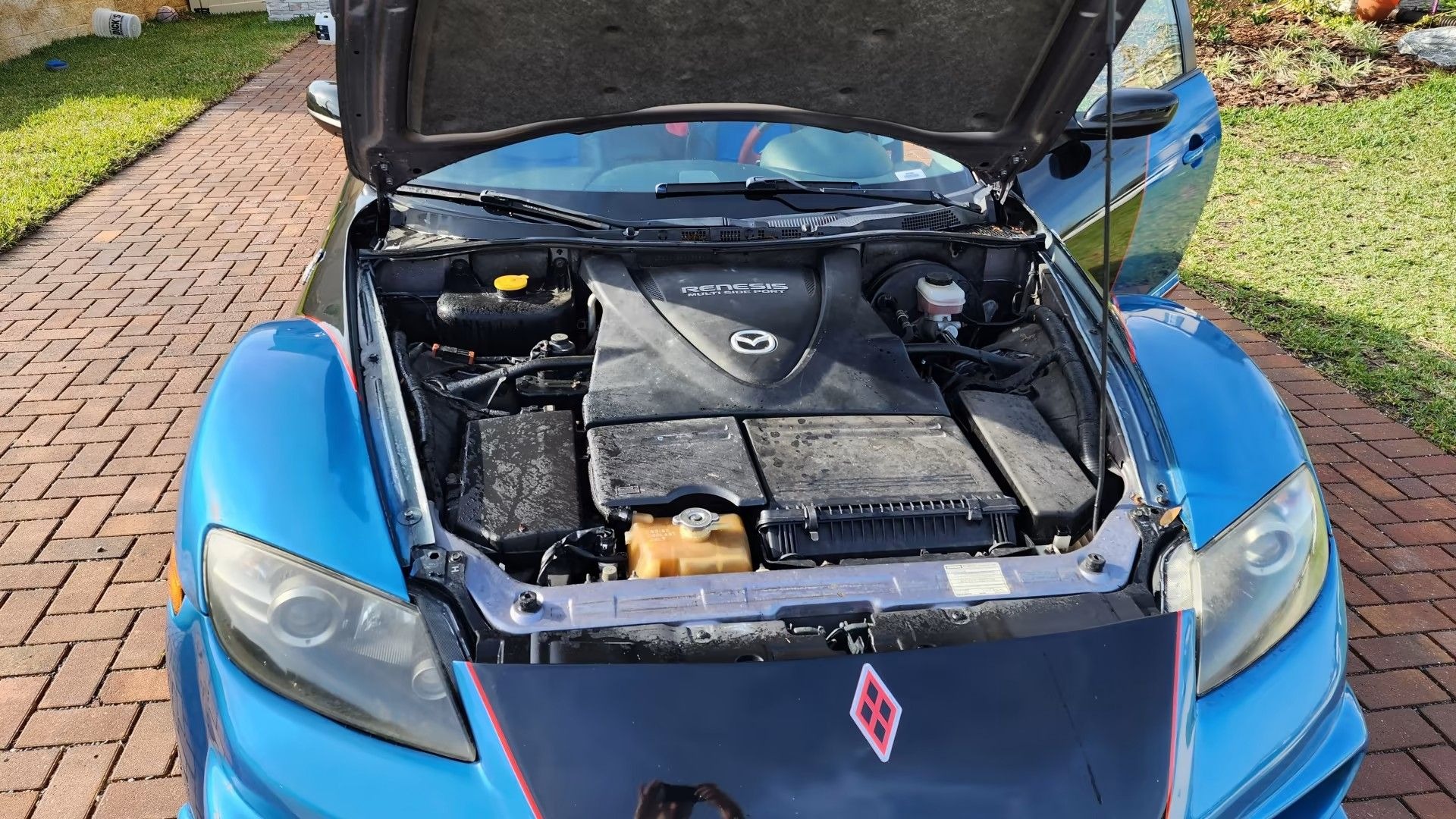
4. Mazda RX-8 Renesis
The Renesis rotary engine in the Mazda RX-8 offers a very different kind of driving experience, with its high-revving nature and smooth delivery. But when it comes to cooling, this engine has long been known to struggle, especially when the car is pushed in hot conditions or when mods are added.
Rotary engines naturally generate more heat than piston engines, and that heat needs to be managed very carefully. The RX-8’s stock radiator often becomes overwhelmed, even in completely stock cars.
When used on long highway drives, traffic situations, or spirited mountain runs, coolant temperatures can climb too fast. Once boiling begins, engine damage can happen quickly due to the thin apex seals and the way the engine is built.
Because the rotary engine has no pistons, its cooling needs are different, but just as demanding. The stock radiator on the RX-8 is insufficient to cool the motor during high loads. Many owners experience overheating lights or coolant bubbling in the overflow tank after a few hard pulls.
When an upgraded radiator is installed, especially one with twin fans and a shrouded setup, the RX-8 becomes significantly more stable in terms of temperature. But as long as the original radiator remains, the risk of boiling stays high.
Many owners switch radiators after their first track day or dyno session, once they see how fast the needle climbs on the temp gauge. The engine simply does not tolerate heat buildup well, and the stock setup does not help it survive under pressure.
Also Read: 10 Cars That Can Be Repaired With Only Basic Tools
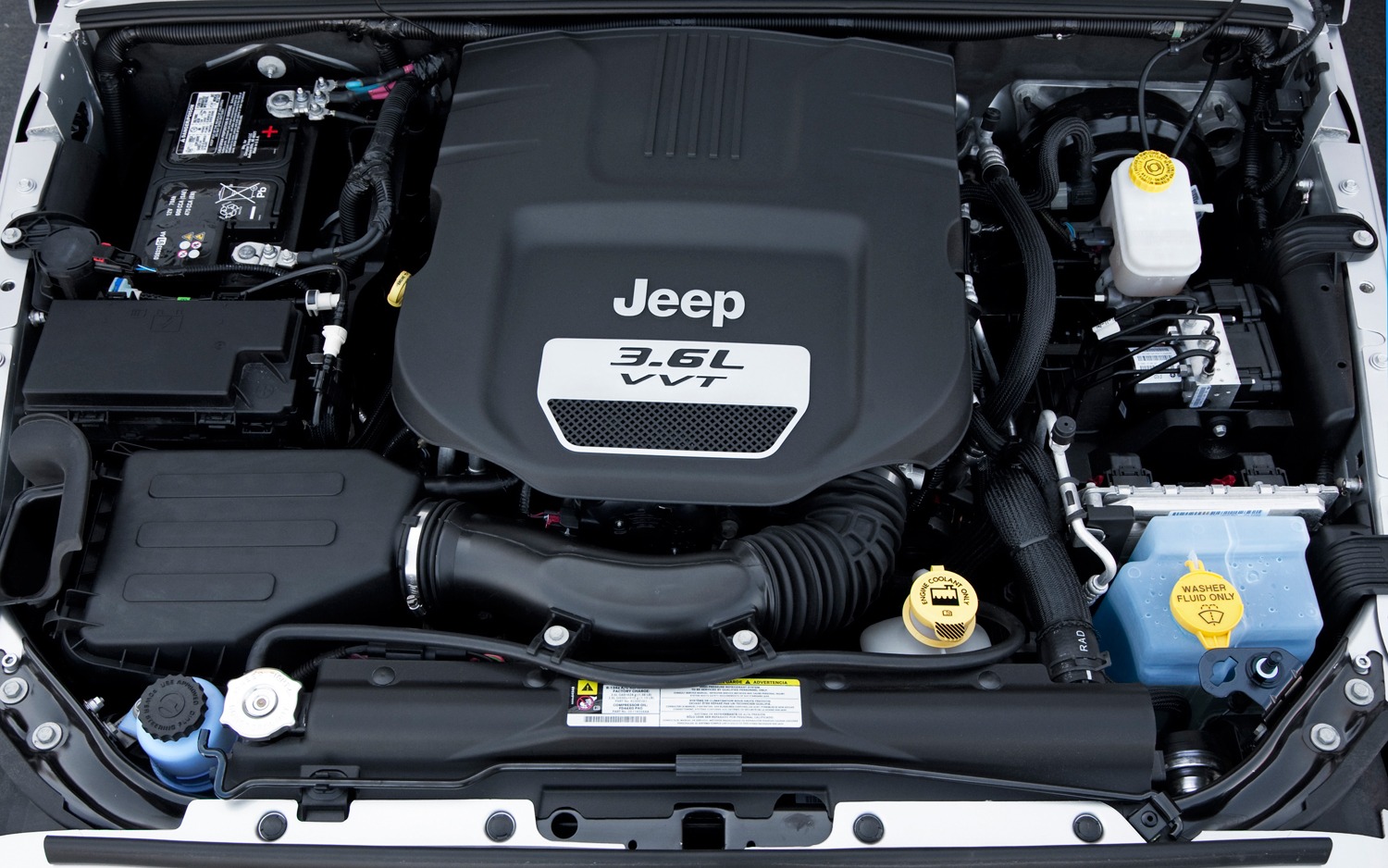
5. Jeep Wrangler 3.6L Pentastar
Jeep Wranglers with the 3.6L Pentastar V6 are commonly used for off-road adventures, towing, and long-distance trail crawling. But one of the most repeated complaints from owners is how easily the engine overheats when the factory cooling system is kept. The radiator that comes with the vehicle is small for such a large task, and once under stress, it begins to fall short.
The stock radiator handles normal street use fairly well, but once a trailer is attached or the vehicle is driven over rocks and hills for long hours, it becomes clear that the cooling system is too weak. The coolant gets hot quickly, and the boiling point is reached when airflow is low, like during slow climbs or when idling under the sun.
Many Jeep owners report losing coolant through the overflow after long drives. The boiling happens because the coolant expands faster than it can be cooled, especially during stop-and-go use. The lack of fast airflow through the radiator core during slow crawling makes this issue worse.
Upgrading to a thicker and taller radiator allows the engine to stay much cooler during difficult driving conditions. Some owners also add transmission coolers and high-powered fans to solve the problem completely. Without those improvements, the factory radiator keeps the engine running close to its danger zone during every trip that involves rough terrain.
So while the Pentastar V6 itself is a strong engine, its cooling support from the stock radiator often cannot keep up, especially when used for the kind of hard driving Jeep owners typically put it through.
When we compare engines with oversized radiators to those that still rely on stock units under heavy load, the results speak clearly. Engines that have upgraded their cooling systems tend to deliver more consistent performance, last longer, and avoid problems that come with heat buildup.
From high-powered turbocharged builds like the 2JZ-GTE and the Honda K24, to large V8 monsters like the LS3 and the Coyote 5.0L, the benefit of switching to a radiator that provides more cooling surface, larger coolant volume, and faster heat removal becomes obvious once the engine starts working hard.
Oversized radiators help the entire system operate at a more stable temperature. This protects internal engine parts and also reduces stress on supporting components such as head gaskets, water pumps, and thermostats. Whether it’s for drag racing, drifting, towing, or track days, those who upgrade early avoid heat-related issues that often ruin entire builds.
Engines that continue with stock radiators often face challenges as soon as their power levels go up or as soon as they are placed under long-term stress. The Hellcat, SR20DET, N54, and RX-8 are all engines known to overheat when used aggressively without any cooling improvements.
Some of these engines might work fine during light use, but they change fast when they are placed under pressure. Boiling coolant, heat soak, limp mode, and eventual mechanical failure are all things that result from using a stock radiator where an upgrade is badly needed.
Vehicle owners who plan to tune or push their engines should consider the radiator as part of their core performance setup. Ignoring this part of the system can make the difference between an engine that runs strong and one that gives up early. Cooling matters more than most people think, especially when engines are built to go beyond what the factory had in mind.
So, whether you are building a car for the track, towing trailers through steep hills, or just want to ensure long-term durability after adding boost, the choice to install an oversized radiator may be one of the smartest decisions you can make for your engine’s health.
And if you choose not to, prepare to monitor that temperature gauge closely because once the coolant starts to boil, the damage might already be happening.
