
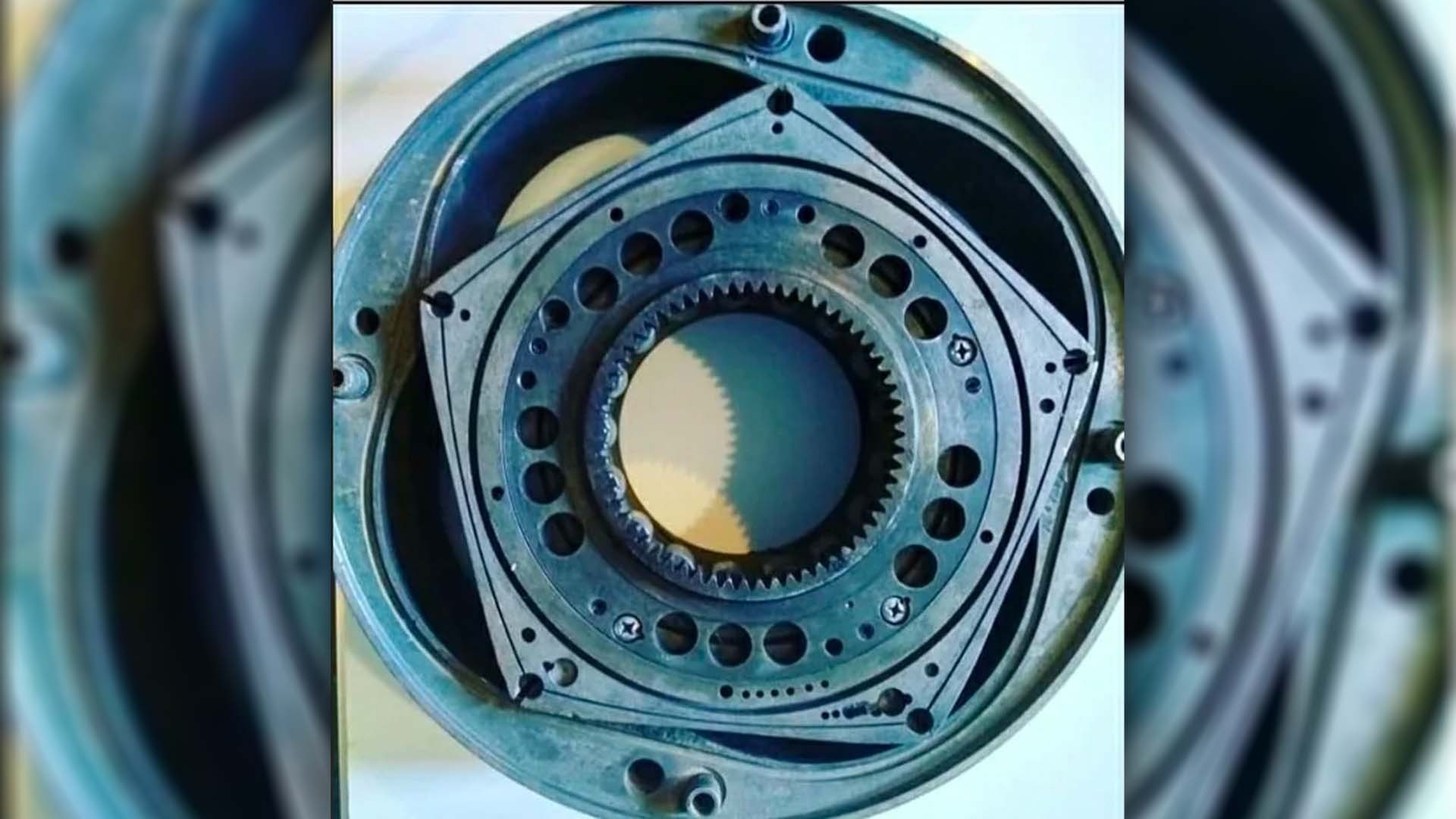
Cold weather is one of the toughest conditions for any car engine. When winter strikes with its freezing winds and icy mornings, not every machine responds the same way. Some engines keep performing even when the temperatures drop far below freezing, while others struggle and often fail to deliver the same reliability.
Understanding which engines can survive through the harshest cold and which ones tend to freeze is very important for drivers who live in areas with long winters. When temperatures fall below zero, an engine faces several challenges. Oil becomes thicker and does not flow as easily, batteries lose strength, and metal parts contract, creating tighter tolerances.
An engine that is not built to handle this stress may refuse to start or may even get damaged after several cold starts. On the other side, engines designed with strong build quality, advanced technology, and efficient heating systems manage to fire up and run with less difficulty.
Drivers living in cold regions of the United States or other parts of the world often learn through experience which vehicles are reliable during winter and which ones are not. Car makers test engines under extreme temperatures, but real-life performance in severe cold tells the true story.
For some brands, their engines have become respected because of how well they start on freezing mornings. For other brands, the experience is the opposite, as many owners complain about how their cars struggle once the thermometer falls too low.
We will take a look at five engines that are known for their ability to endure the toughest winter months and five others that usually freeze solid when faced with the same test. Each engine will be explained with details about what makes it survive or fail in extreme cold. This way, you will know what to expect before choosing your next vehicle.
5 Engines That Survive Every Winter
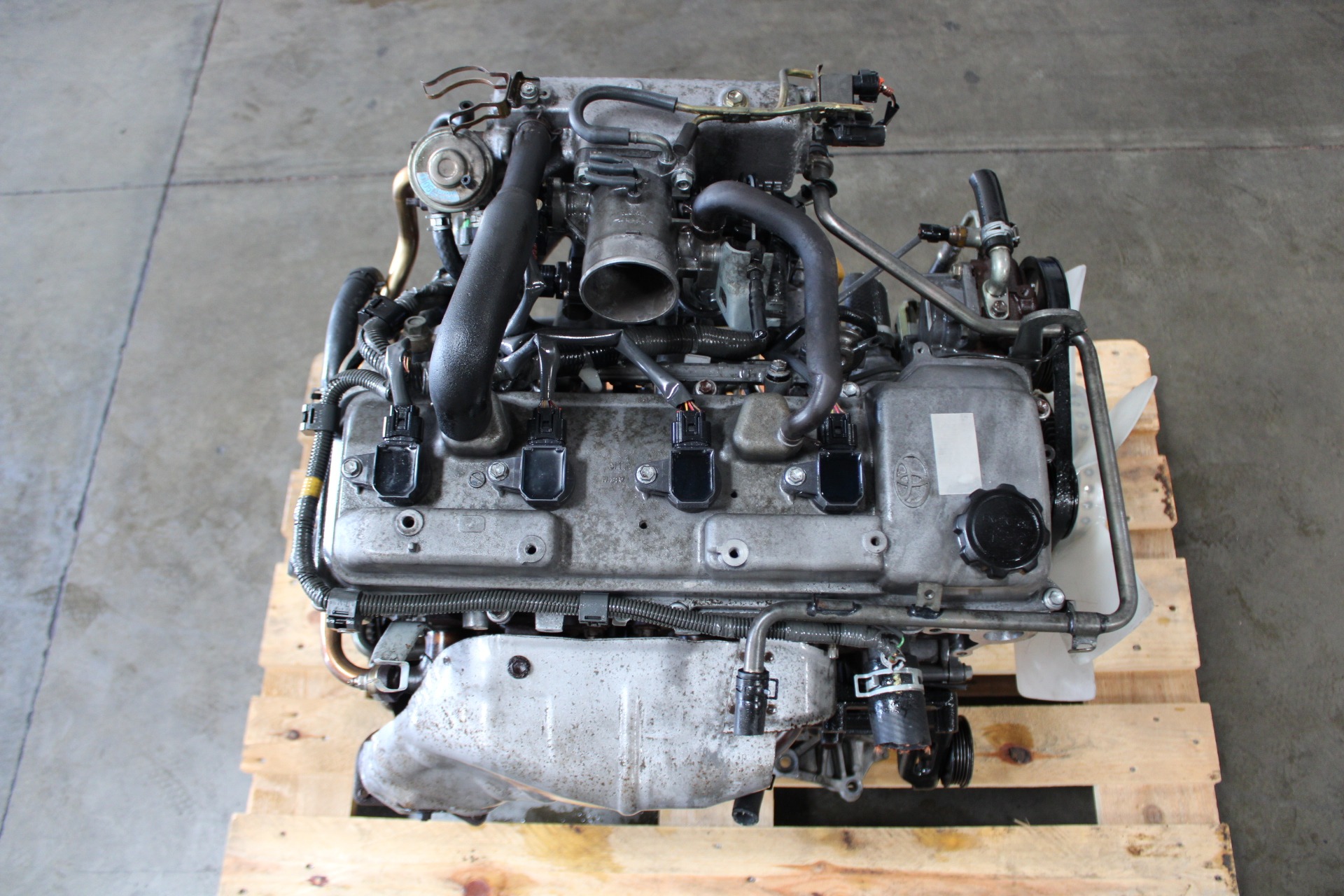
1. Toyota 2.7L 4-Cylinder
Toyota has always been praised for building engines that last long, and the 2.7L 4-cylinder is one of those that shine during the cold months. This engine, often found in vehicles like the Toyota Tacoma and Toyota 4Runner, is known for its simple design and strong reliability. During winter, its compact structure and balanced fuel delivery system allow it to start easily even when the outside temperature is far below zero.
One reason this engine does well in cold weather is because of its strong ignition system. The spark plugs and coil packs have been designed to deliver a strong spark even when the battery is weaker in winter. Cold weather usually causes car batteries to lose a lot of power, but the Toyota 2.7L engine manages to ignite the fuel-air mixture quickly without wasting too much energy.
The oil circulation system in this engine is also efficient. In freezing temperatures, oil becomes thick, but Toyota designed the 2.7L to pump oil faster during cold starts. This helps reduce engine wear because all the moving parts get lubrication sooner. Engines that fail in cold weather usually struggle with oil flow, but this one avoids that issue.
Durability is another factor that makes this engine reliable during winter. The engine block and components are made of strong materials that handle contraction and expansion during temperature changes.
Even after many years of use, this engine continues to start on freezing mornings without major issues. Drivers in northern states where winters are harsh often praise Toyota engines because they save them from the frustration of dead mornings when cars refuse to start.
Maintenance is also simple with this engine. Cold weather can expose weaknesses in a poorly serviced engine, but since Toyota’s 2.7L is easy to maintain, many owners keep it running well for decades. In short, this engine proves that simplicity and strength are the reasons it thrives during winter.
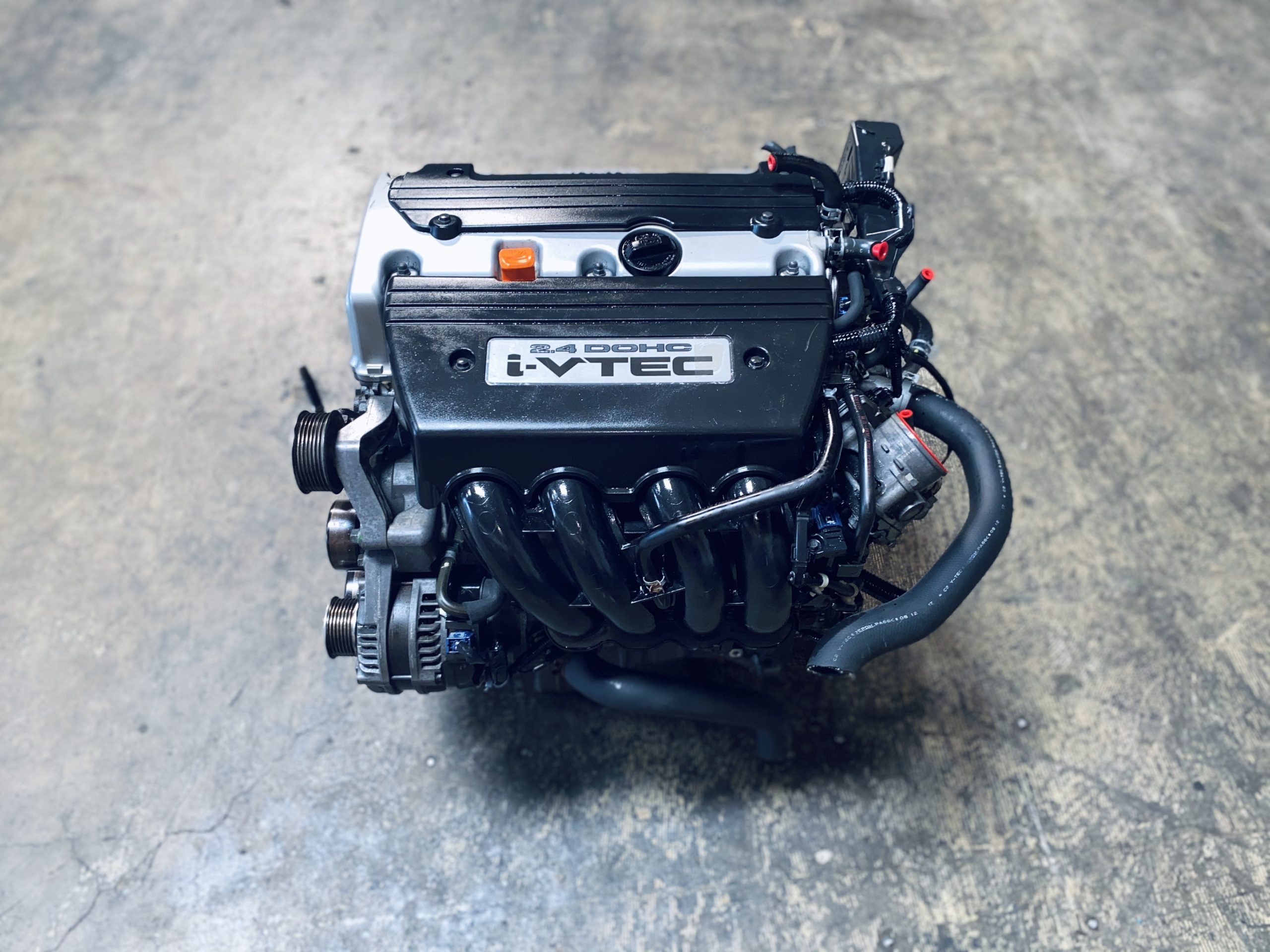
2. Honda K24 2.4L
The Honda K24 engine is another reliable machine that proves its strength during freezing months. It powers different Honda models like the Accord, CR-V, and Element. Honda designed this engine with efficiency and consistency in mind, which explains why it has gained respect among drivers in cold climates.
One feature that makes the K24 special is its advanced fuel injection system. During cold starts, this system adjusts the fuel mixture to allow easier ignition even when the temperature is very low. Many engines fail to start in freezing weather because the air-fuel mixture becomes too lean or too rich, but the K24 balances it well.
The valve timing technology in the K24 also helps during cold conditions. With its i-VTEC system, the engine can adjust how air flows into the combustion chamber, making it more adaptable to changing temperatures. This helps the car start faster and run smoother, even when frost is covering the ground.
Drivers who use vehicles powered by this engine often report fewer problems during winter compared to others. Part of the reason is the high build quality of Honda engines. The K24 is designed with strong internals that resist the stress of repeated cold starts. Components like pistons, connecting rods, and crankshafts are built to handle the stress of freezing mornings without failing.
Oil management is another strength of the K24. It allows oil to circulate well even when the temperature outside is below freezing. The result is reduced friction, which means the engine can start quickly and continue running without too much struggle.
Longevity is also a strong point for the K24. Many Honda owners keep their cars for hundreds of thousands of miles, and the engine remains reliable even after years of winter driving. This reputation for durability makes the K24 one of the engines that drivers trust when the coldest months arrive.
Also Read: 5 Engines With Legendary Lifespans and 5 That Barely Make It
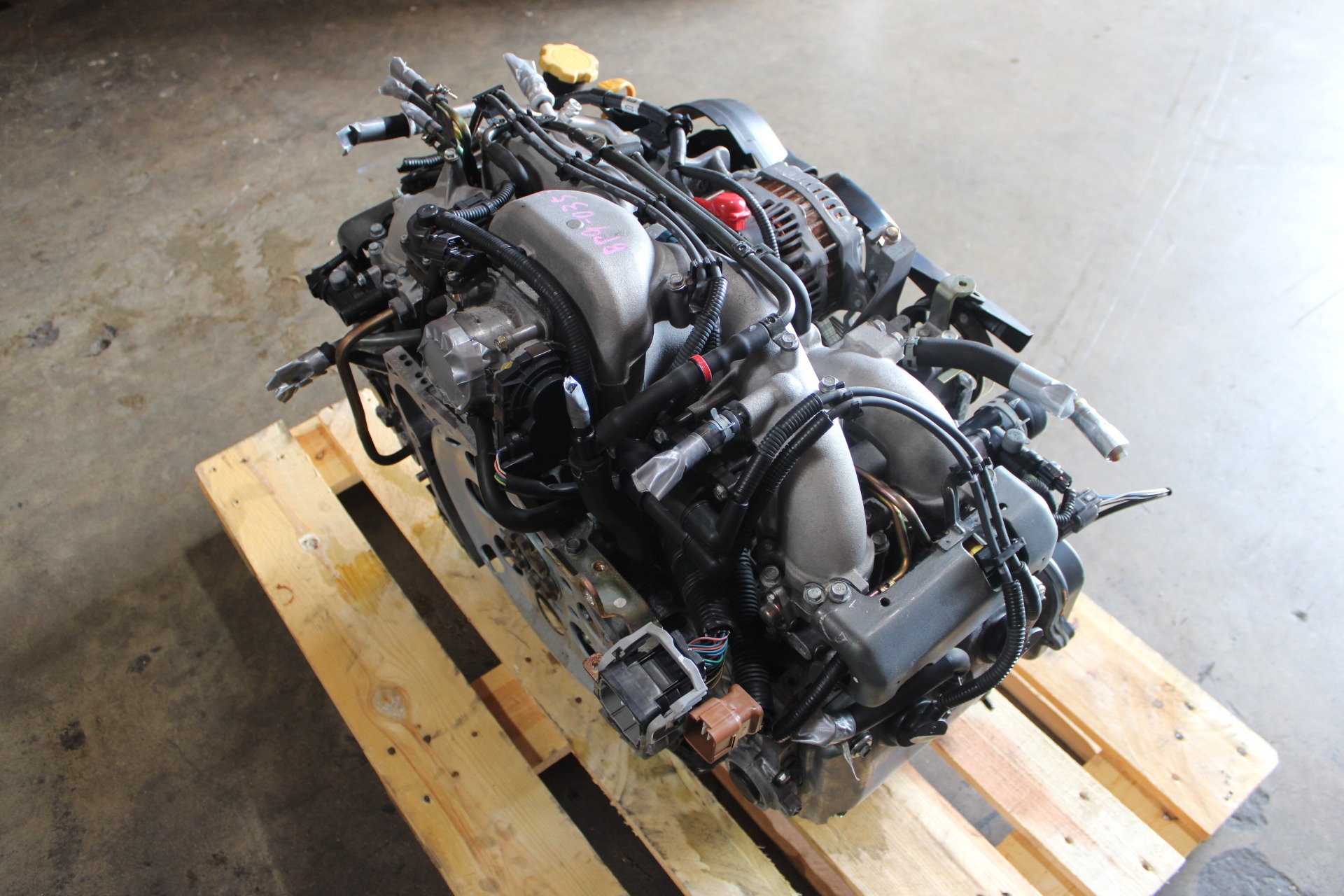
3. Subaru EJ25 2.5L Boxer
The Subaru EJ25 2.5L engine, commonly found in Outback, Forester, and Impreza models, is built differently from most other engines. As a boxer engine, its pistons move horizontally instead of up and down, giving it a low center of gravity and stable performance. This unique design also plays a role in how it handles cold weather.
One reason the EJ25 performs well in winter is because of Subaru’s attention to all-weather conditions. Subaru vehicles are often marketed as reliable in snowy and icy areas, and the EJ25 engine helps support that reputation. Its fuel injection system adjusts to cold starts, allowing drivers to fire up their vehicles without long delays.
The boxer layout also allows oil to spread evenly across the engine during startup. In freezing conditions, this prevents certain parts from staying dry while others get lubrication. With smoother oil flow, the engine runs with less resistance, making it reliable in regions where temperatures drop very low.
Drivers in places like Alaska and northern states often praise Subaru engines because they do not quit when snowstorms make life difficult. The EJ25 continues to deliver power even in icy conditions, and when paired with Subaru’s all-wheel-drive system, it makes the vehicle very dependable for winter driving.
The durability of the EJ25 has been tested for decades. While some drivers point out issues with head gaskets in older versions, the engine still remains one of the most trusted in cold-weather use. Subaru has improved the design as time goes on, making it stronger and more reliable for repeated winter seasons.
Owners who service their EJ25 engines regularly find that they start even after sitting outside in freezing conditions overnight. This ability makes it a clear example of an engine built to survive through long winters without letting its drivers down.
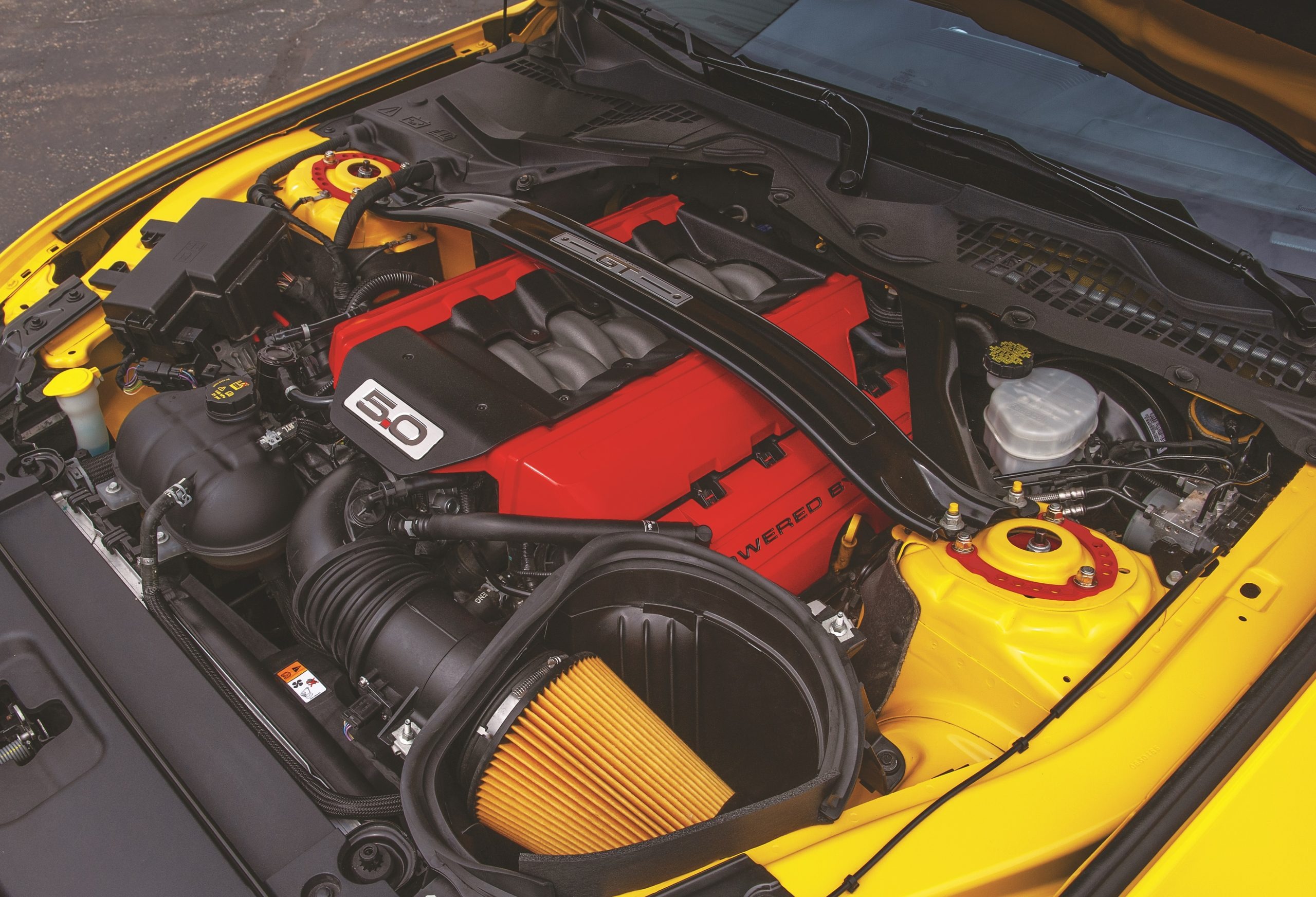
4. Ford 5.0L Coyote V8
Ford’s 5.0L Coyote V8 engine, found in the Mustang GT and F-150 trucks, is one of the most reliable engines when it comes to handling extreme cold. Drivers in colder states of the US rely on this engine not only for its power but also for its ability to start quickly on freezing mornings.
One reason this engine survives winter is its modern engineering. The Coyote is built with an advanced electronic fuel injection system that adjusts fuel delivery in real time. During winter, it makes sure the mixture is rich enough to ignite easily, reducing the chances of repeated failed starts. Many drivers have reported that even when temperatures drop well below zero, the Coyote engine fires up with little hesitation.
The engine block and internal components are built with durability in mind. Cast aluminum is used for the block, making it lighter while still strong enough to withstand temperature swings. Cold weather causes metals to contract, but Ford engineered the Coyote to resist damage from this stress. Its pistons and crankshaft are also made to endure repeated freezing starts without losing reliability.
Another point that helps this engine in winter is its oil management. The lubrication system quickly distributes oil across moving parts even when the oil is thicker because of low temperatures. This reduces friction and allows the engine to operate smoothly right after starting. Engines that struggle in winter often take longer to circulate oil, which leads to damage, but the Coyote avoids that issue.
Drivers of Ford trucks often depend on their vehicles for work, even during snowstorms. The Coyote V8 offers the power needed for tough conditions while staying dependable in harsh winter weather.
Owners have shared experiences of starting their F-150s during freezing mornings without worrying about the engine giving up. This combination of strength, technology, and reliability makes the 5.0L Coyote one of the engines that truly survives winter.
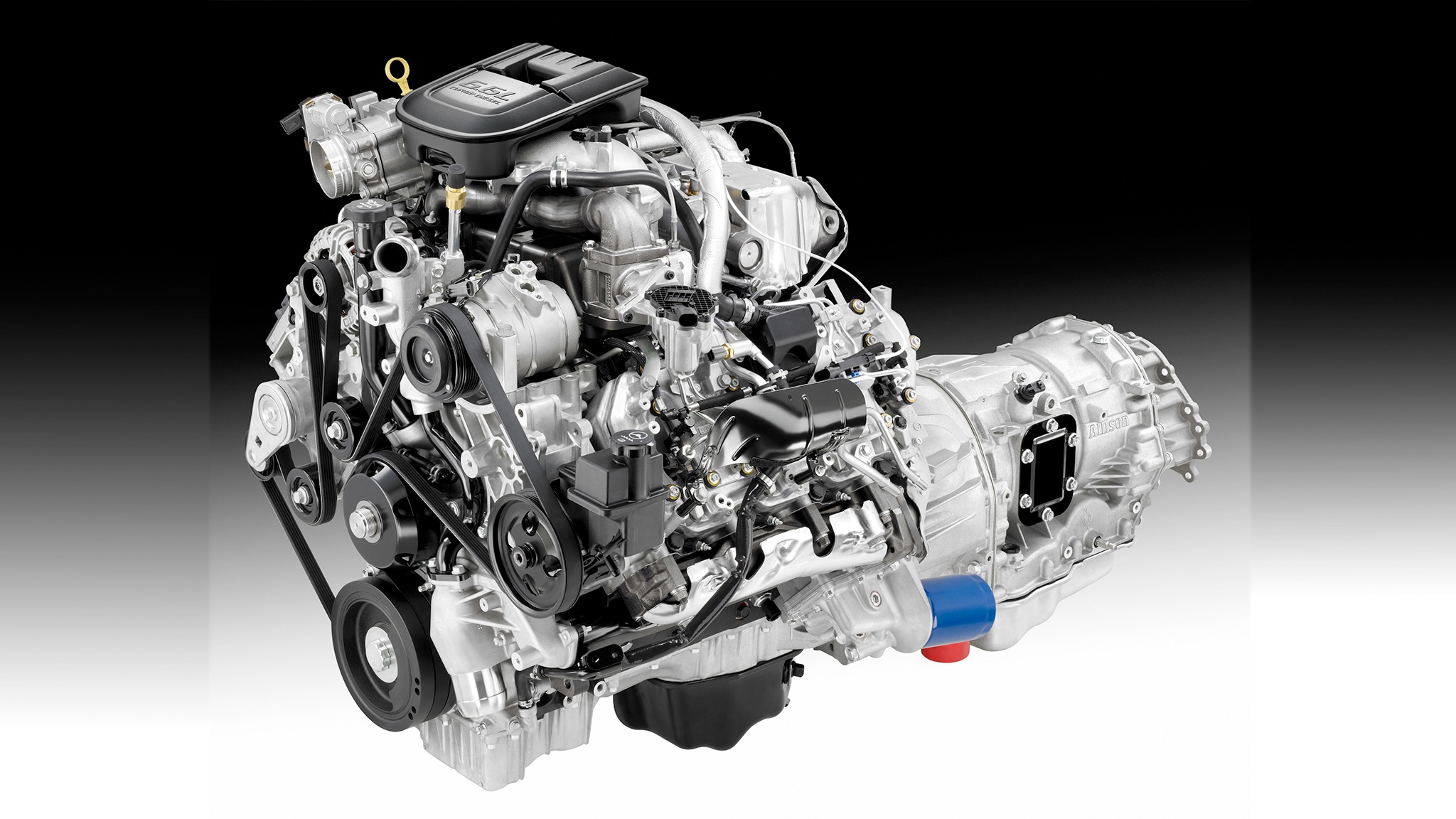
5. Chevrolet 6.6L Duramax Diesel
Diesel engines usually face challenges in cold weather because diesel fuel tends to gel when temperatures drop too low. However, the Chevrolet 6.6L Duramax Diesel stands out as one of the few diesel engines that manage winter conditions very well. Found in Silverado HD trucks and GMC Sierra HD models, this engine was designed to perform under both heavy workloads and harsh environments.
One of the reasons the Duramax handles winter so well is its advanced glow plug system. Glow plugs are very important in diesel engines during cold starts because they heat up the combustion chamber, making it easier for the engine to ignite the fuel. The Duramax glow plug system is fast and reliable, which means it can start quickly even when the outside temperature is very low.
The fuel system is also designed to resist winter problems. With high-pressure common-rail injection, the engine maintains consistent fuel delivery, preventing issues that normally stop diesel engines in cold conditions. Combined with fuel additives, the Duramax manages to stay strong during freezing months.
Another strength of the Duramax in cold weather is its block heater option. Many drivers plug in the block heater overnight, which keeps the engine warm and ready to start in the morning. This feature is highly valued in areas where winters are extremely harsh, like Minnesota or North Dakota.
The Duramax is also built to last under heavy stress. Its cast-iron block and strong internal components make it capable of handling both extreme cold and heavy towing tasks. Owners of Duramax trucks often share that their vehicles remain dependable even after years of winter driving.
For drivers who need a truck that works through snow, ice, and freezing conditions, the Chevrolet 6.6L Duramax Diesel proves to be a trusted winter engine. Its combination of glow plug technology, fuel management, and strength allows it to survive every winter season.
5 Engines That Freeze Solid
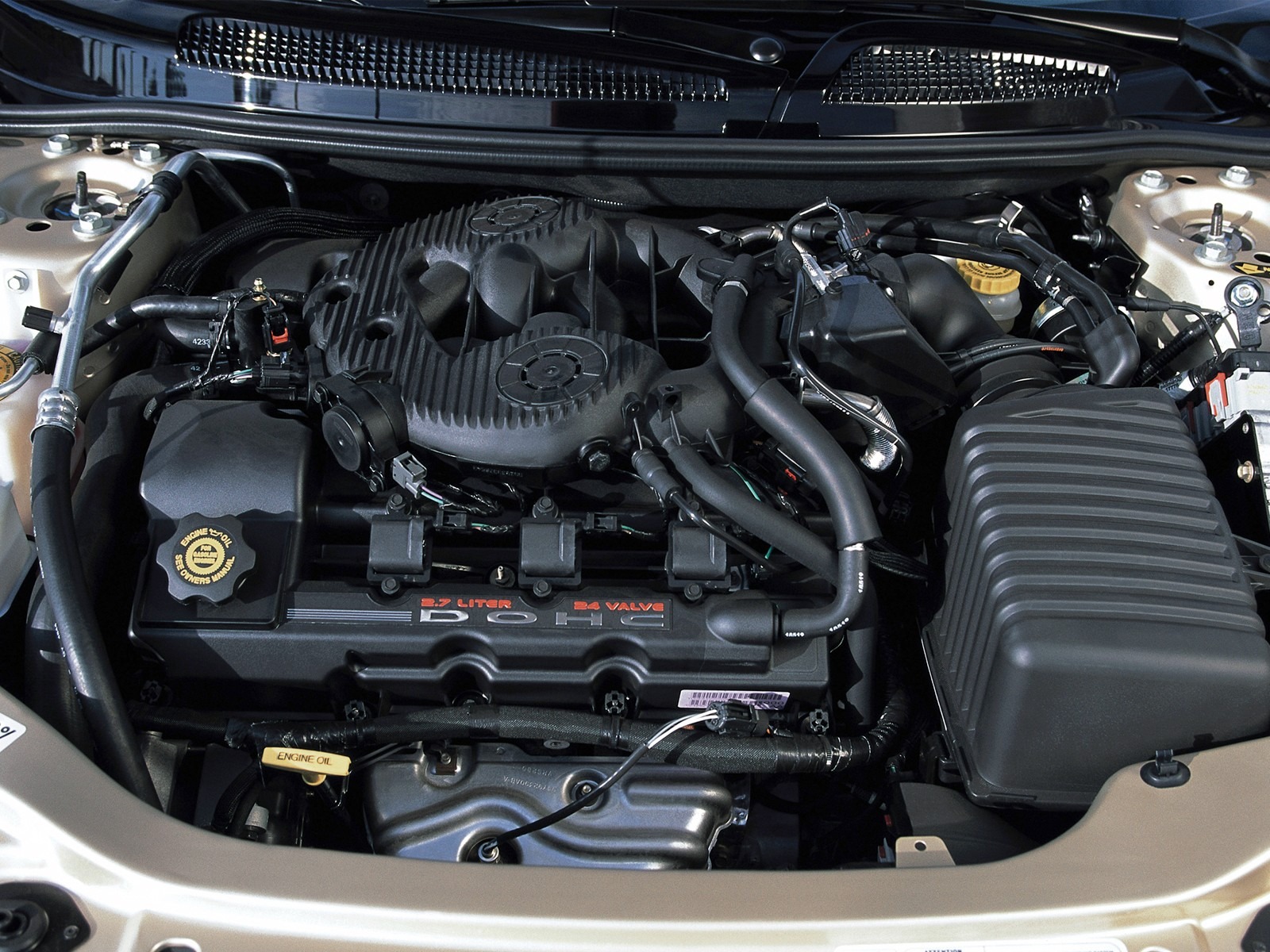
1. Chrysler 2.7L V6
While some engines are designed to handle winter, others are known for struggling when the temperatures drop. The Chrysler 2.7L V6, used in cars like the Chrysler Sebring, Dodge Intrepid, and Chrysler Concorde, is one of those engines that tends to freeze solid during harsh winter months.
The major issue with this engine in cold weather is its poor oil circulation system. Drivers often reported sludge buildup, which becomes worse when temperatures are low. Sludge prevents oil from reaching all parts of the engine quickly, and during winter, this leads to harder starts and even complete engine failure.
Another weakness is the engine’s design complication. It has narrow oil passages that clog easily, and when oil thickens in freezing conditions, the situation gets worse. Many owners experienced cases where the engine simply refused to start after being parked outside overnight in freezing weather.
The Chrysler 2.7L also had problems with timing chain tensioners, which became more fragile during cold weather. A weak tensioner could cause timing issues, making the engine misfire or fail. For drivers in northern states, this engine became a source of frustration because it could not handle repeated winter use.
Another reason it fails in cold weather is its poor reliability history. Unlike engines from Toyota or Honda, the Chrysler 2.7L was not built with long-term durability in mind. Its weak design meant that cold weather only exposed its flaws more quickly.
Many drivers ended up replacing or rebuilding this engine earlier than expected. In cold regions, the Chrysler 2.7L gained a reputation for being one of the worst engines to rely on during winter. While it may perform reasonably in warm climates, it is far from dependable once the temperature drops below freezing.

2. Volkswagen 1.8T Turbo
Volkswagen’s 1.8T turbocharged engine, found in models like the Passat, Jetta, and Audi A4, was praised for performance when new. However, when faced with harsh winter weather, this engine shows weaknesses that make it one of those that freeze solid.
One of the main issues with this engine in winter is oil sludge. The 1.8T was known for developing sludge problems even in normal conditions, but freezing weather made it worse. Oil becomes thick during cold starts, and since the 1.8T already struggles with oil circulation, the risk of failure increases.
Turbocharged engines also face additional challenges in cold conditions. The turbo system requires proper lubrication and steady oil flow, which becomes difficult when temperatures are low. Many drivers have experienced turbo failure or poor performance after cold starts.
Another problem is with the ignition system. The 1.8T has coil packs that are sensitive to temperature changes. In freezing conditions, weak coil packs often lead to misfires or no-start situations. Drivers in colder regions often reported that their Volkswagens became unreliable once winter arrived.
Fuel delivery is another issue. The 1.8T fuel injectors sometimes clog during winter because of moisture and fuel quality problems. When the injectors cannot deliver fuel properly, the engine struggles to start or run smoothly.
Although Volkswagen later improved some of these issues, the 1.8T engine still carries a reputation for being less dependable in harsh winter climates. Owners who live in snowy states often complain that their cars spend more time in repair shops during winter. This makes the 1.8T one of the engines that freeze solid when faced with cold weather.
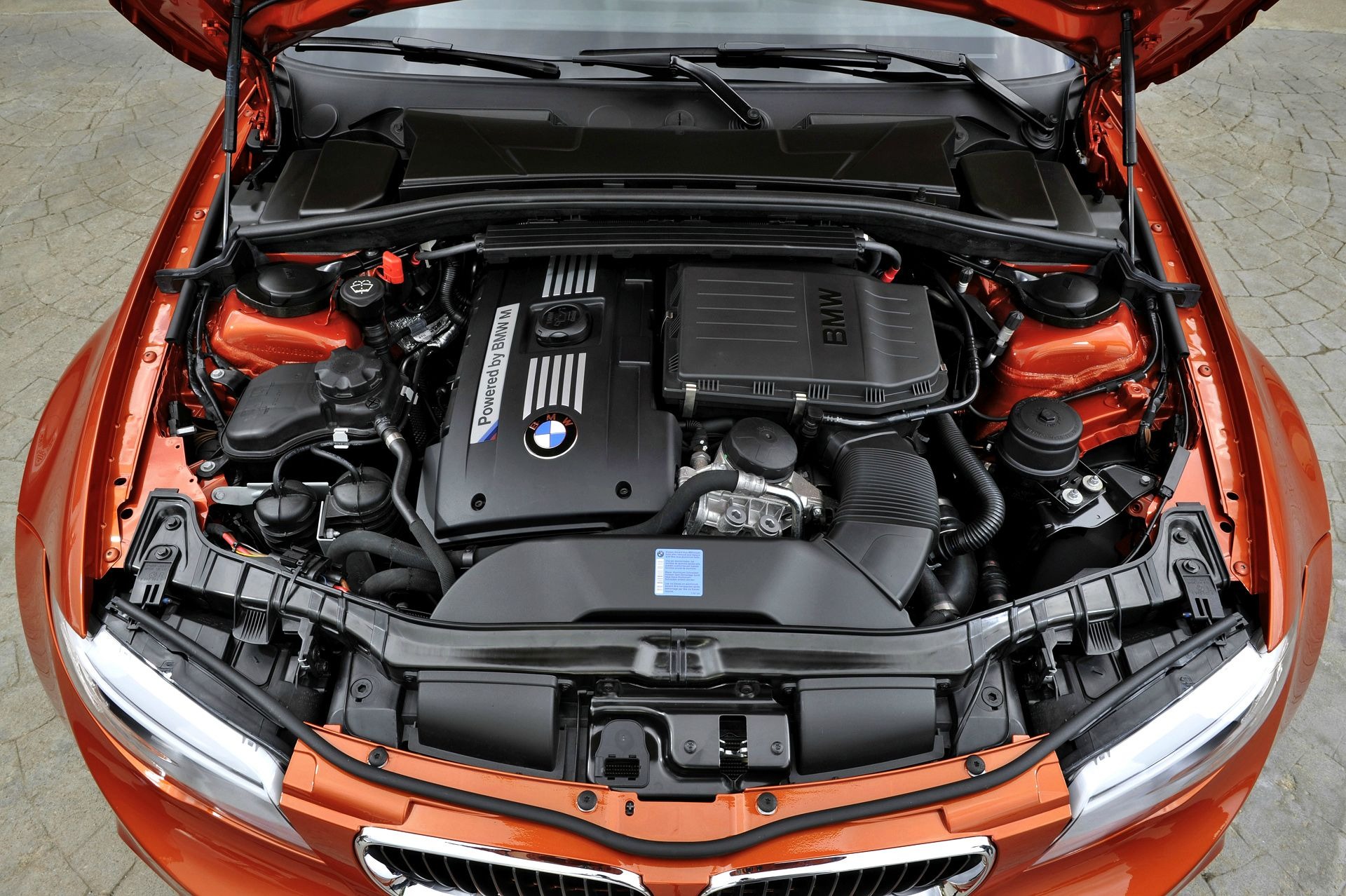
3. BMW N54 Twin Turbo 3.0L
The BMW N54 engine, a 3.0L twin-turbo inline-six found in cars like the 335i, 135i, and early versions of the 740i, gained attention because of its strong performance. It delivered excellent power and was fun to drive, but when it comes to winter reliability, this engine does not perform as well as expected.
One of the major weaknesses of the N54 during cold weather is its high level of complication. The twin turbochargers, direct injection system, and multiple sensors all need to work perfectly for the engine to run smoothly. Cold weather exposes these weak points, leading to hard starts and frequent warning lights during freezing mornings.
Fuel injection is another issue. The N54 uses high-pressure fuel pumps that are very sensitive to temperature changes. Many owners complained that in cold climates, their vehicles refused to start or ran rough because the fuel pump failed to deliver properly. BMW later issued updates, but the N54 still carries a history of fuel pump problems that make it unreliable in freezing conditions.
Turbo reliability is also affected by winter. The turbos in the N54 depend on strong oil flow, and when oil thickens during cold starts, lubrication becomes delayed. This often leads to turbo wear or complete failure. Many BMW drivers found themselves facing expensive repairs after winters of heavy use.
Another weak point is carbon buildup in the intake valves. While this is an issue even in warmer climates, it becomes worse in cold weather when engines are frequently started and stopped without reaching full operating temperature. Drivers in cold regions experience rough idling and poor performance because of this buildup.
Although the BMW N54 delivers strong performance in ideal conditions, it does not handle winter very well. Drivers in states with harsh winters often keep their BMWs parked in heated garages to avoid problems. This reputation makes the N54 one of the engines that freeze solid instead of surviving through tough winter months.
4. Nissan QR25DE 2.5L
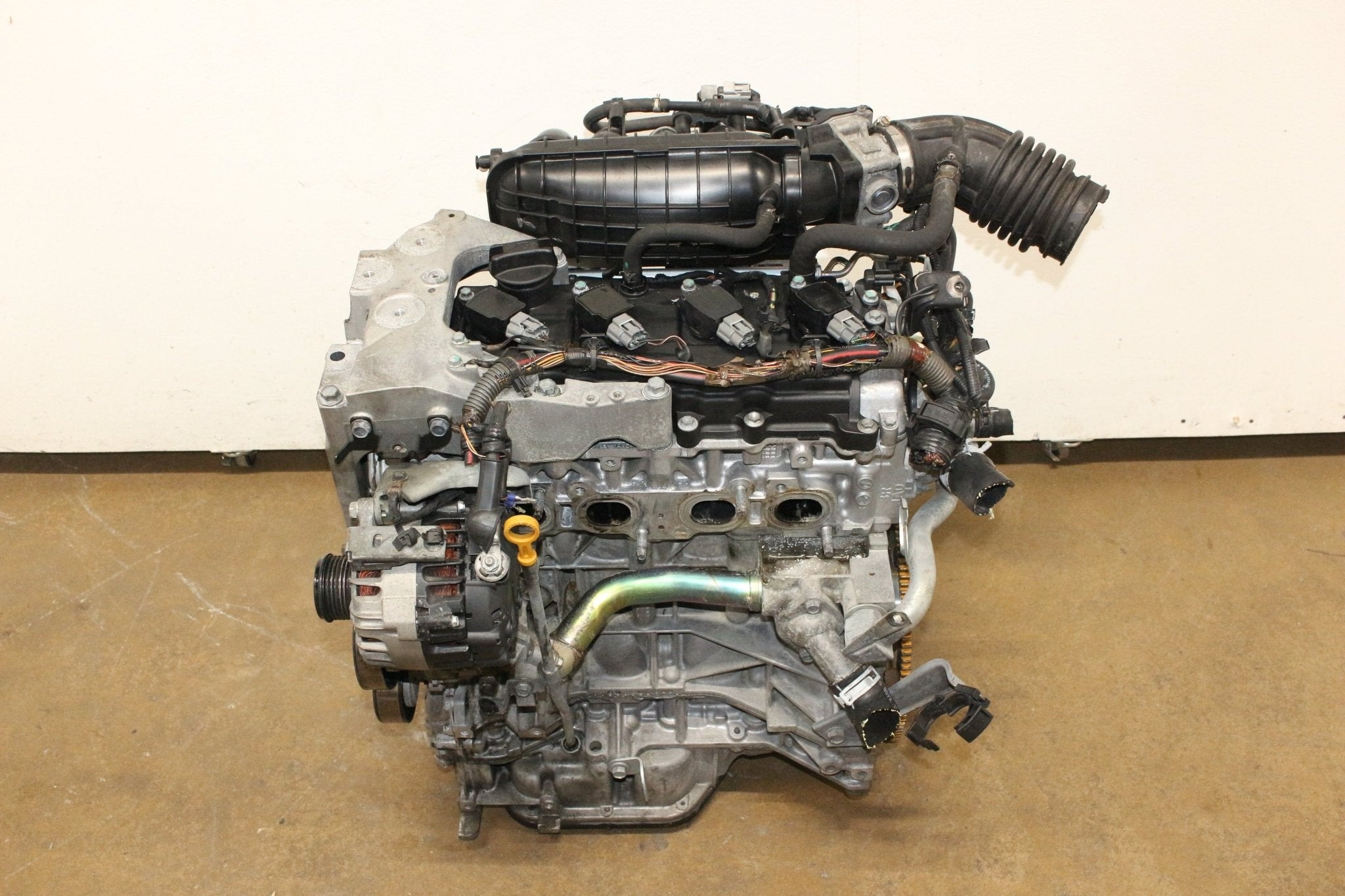
The Nissan QR25DE engine, which has powered models like the Altima, Rogue, and Sentra SE-R, is another example of an engine that fails to show strength in freezing conditions. While this engine was designed to balance performance and fuel economy, its weaknesses are exposed during cold winters.
One of the biggest issues is oil consumption. The QR25DE is known for burning oil at higher rates compared to other engines. In freezing temperatures, the problem becomes worse because thick oil takes longer to circulate, leaving certain engine parts dry at startup. This leads to faster wear and makes the engine less reliable.
The design of the QR25DE also creates trouble during winter. It has a long stroke and thin piston rings that struggle when exposed to repeated cold starts. Many owners have reported rattling noises, misfires, or even complete engine failure after winters of heavy use.
Another weakness is the timing chain system. In very cold conditions, the tensioner sometimes fails to maintain proper chain alignment. When this happens, the engine may misfire or fail to start altogether. Drivers living in snowy states have often complained about timing chain issues that appear mostly during cold months.
Fuel delivery is also not consistent in freezing weather. The QR25DE sometimes suffers from injector clogging, which makes cold starts even harder. While fuel additives can help reduce this problem, the engine remains less dependable compared to competitors from Toyota or Honda.
Although the QR25DE performs reasonably well in moderate climates, it struggles in freezing regions. Owners who live in northern states often share their frustration about waking up to a car that refuses to start on icy mornings. Because of these consistent problems, the QR25DE engine is considered one that freezes solid instead of surviving winter.
Also Read: 5 Engines That Handle High RPMs and 5 That Break When Revved
5. Mitsubishi 2.6L 4-Cylinder G54B
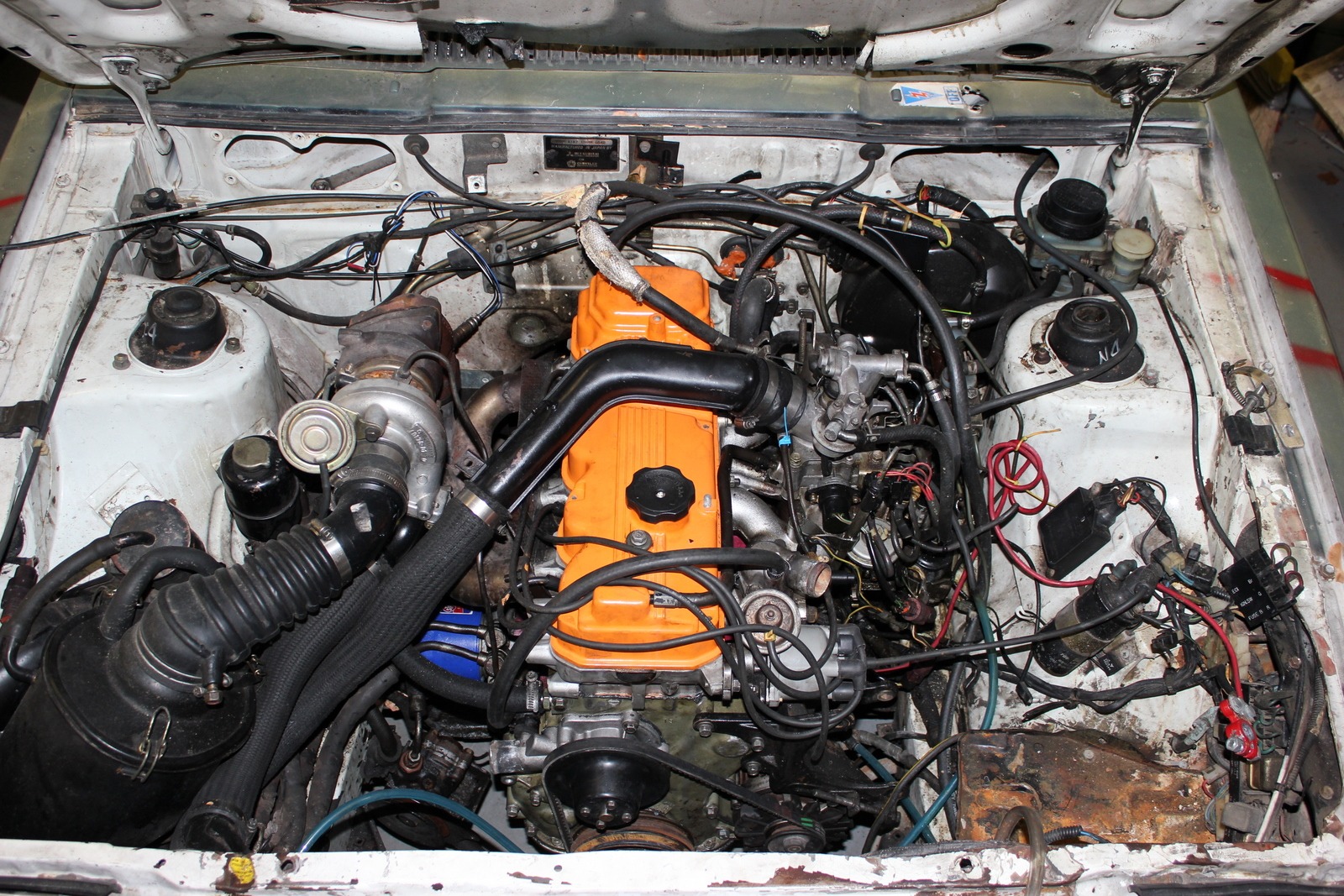
The Mitsubishi G54B engine, a 2.6L 4-cylinder used in older models like the Mitsubishi Starion, Dodge Conquest, and some Chrysler vehicles, is another example of an engine that fails in cold conditions. While this engine was strong in its time, age and design weaknesses make it unreliable in freezing weather.
One of the problems with the G54B is its carburetor setup in many versions. Carbureted engines are harder to start in cold weather compared to modern fuel injection systems. The fuel mixture often becomes too rich or too lean, making cold starts very difficult. Owners had to pump the gas pedal repeatedly or use starting fluid just to get the engine running.
Another issue is with the balance shaft system. The G54B had balance shafts that often failed, and cold weather made the issue worse because of oil starvation during startup. Once the balance shaft bearings wore out, the engine produced vibrations and became less reliable.
The cooling system also caused trouble in winter. The G54B was known for head gasket failures, and freezing conditions increased the chances of coolant leaks or cracks. Drivers who relied on these engines during winter often faced overheating or complete breakdown, even though the weather was cold outside.
Another reason the G54B struggles is age. Many of these engines are now decades old, and wear makes them even less dependable during freezing temperatures. While enthusiasts may still maintain them for classic cars, they cannot compete with modern engines in terms of winter reliability.
Although the G54B engine played a role in automotive history, it has no place among engines that can survive tough winters today. It remains an example of an engine that freezes solid and is better suited for warmer conditions or garage-kept classics.
