
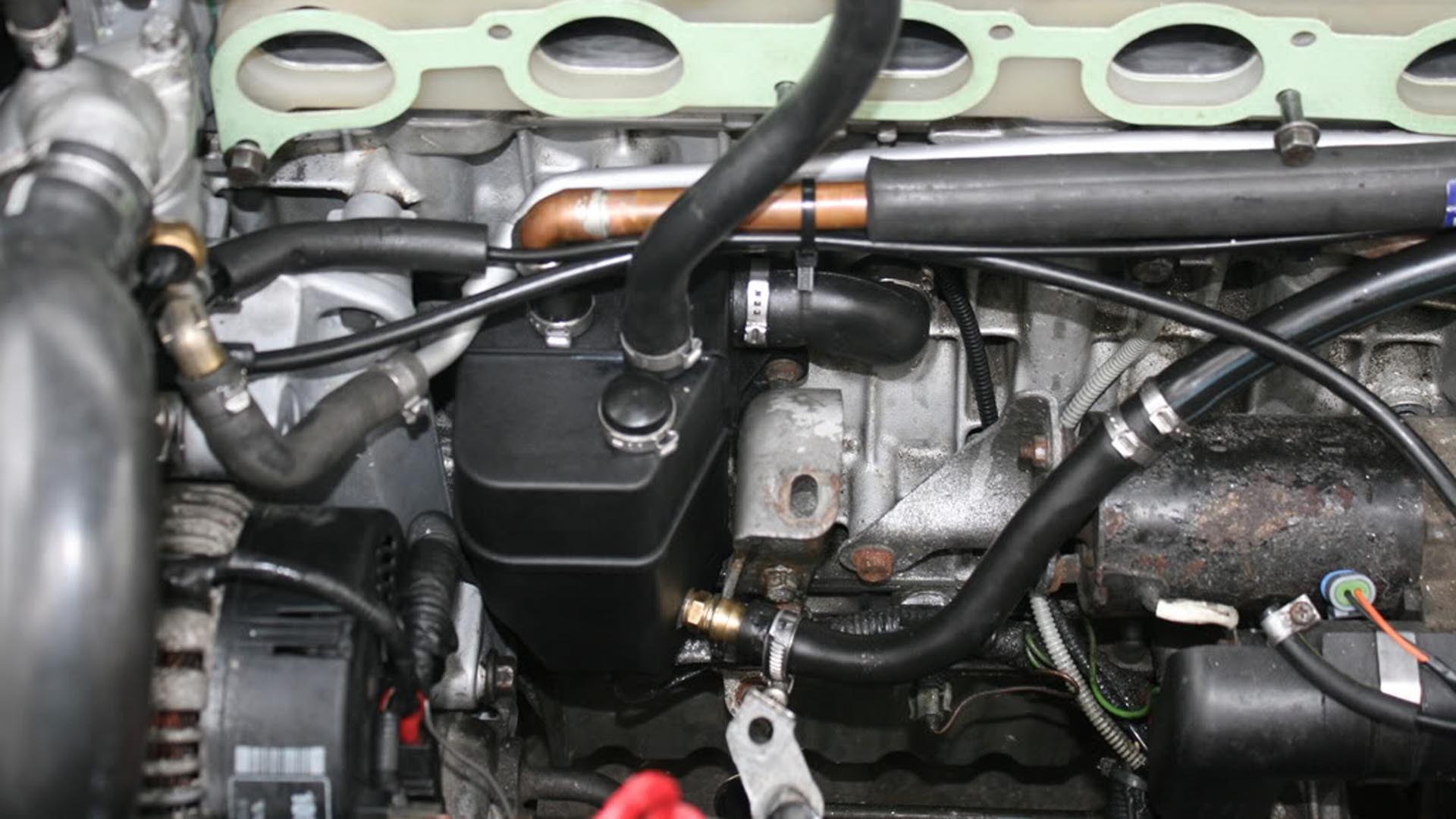
Engine ventilation plays a critical role in maintaining internal cleanliness and preventing oil contamination. One important system that handles this function is the Positive Crankcase Ventilation (PCV) system.
Designed to manage blow-by gases that escape from the combustion chamber into the crankcase, a PCV system redirects these gases back into the intake manifold so they can be burned again.
Some vehicles are equipped with lifetime PCV systems that require no maintenance throughout the service life of the engine, while others suffer from poor ventilation due to restricted or clogged components, leading to harmful sludge buildup.
Sludge forms when oil breaks down under high heat and combines with moisture, combustion byproducts, and contaminants. Poor crankcase ventilation accelerates this process, and once the system is overwhelmed, internal engine parts can suffer.
Vehicles with well-designed, low-maintenance PCV systems tend to run cleaner for longer and require fewer repairs related to oil gelling or sludge formation.
We will analyze five vehicles known for having lifetime PCV systems that remain effective for years without requiring service. It will also highlight five cars where clogged vents have been a common cause of engine sludge, often leading to costly repairs.
By examining each car in detail, including how its systems operate and what drivers can expect from it in the course of time, readers can better understand the long-term impact of engine ventilation design on reliability and maintenance.
Each vehicle listed will be broken down to show its specific PCV approach or known issues, helping car owners make informed decisions whether they are shopping for a used vehicle or maintaining one they already drive.
5 Cars with Lifetime PCV Systems
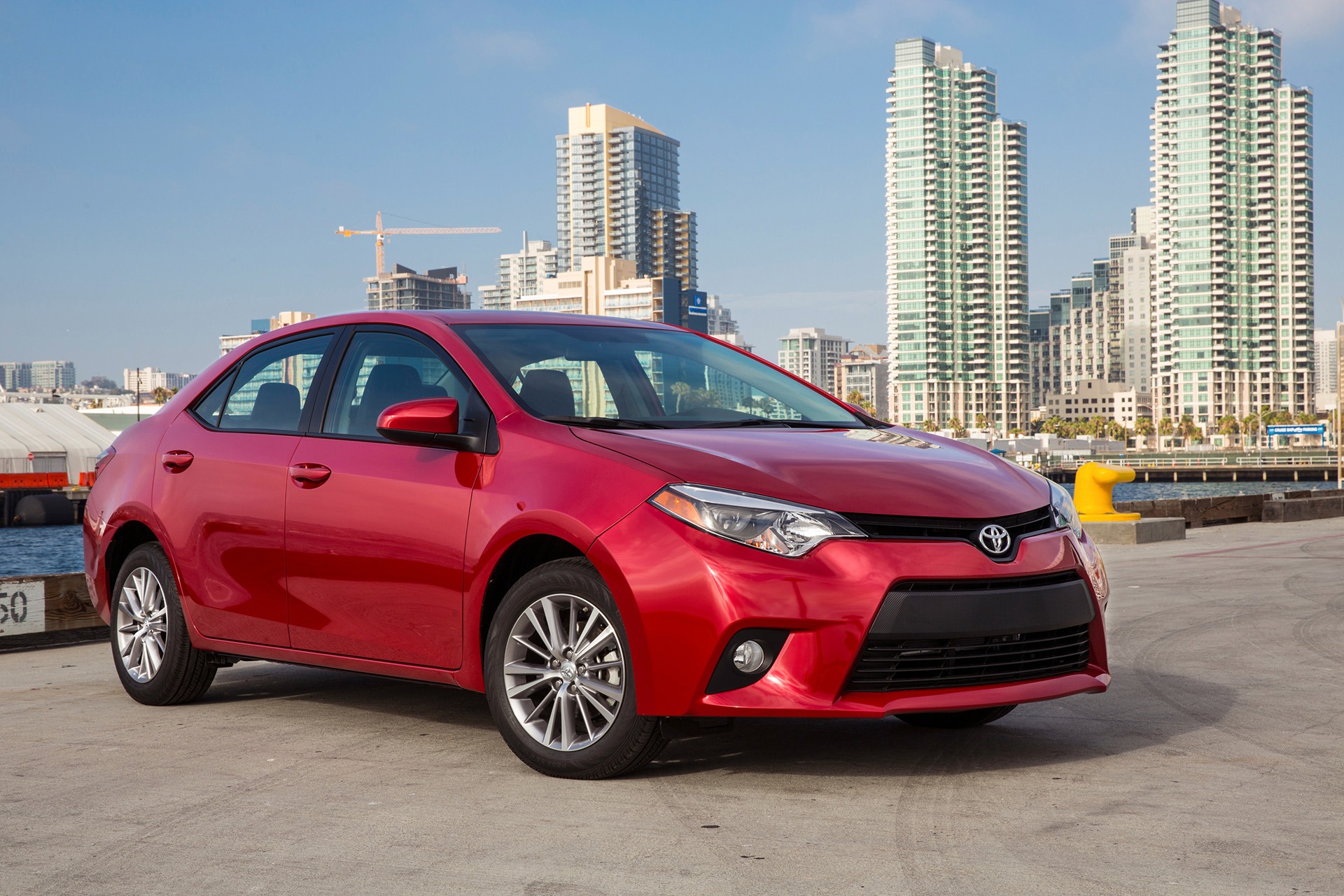
1. Toyota Corolla (2014-Present)
Toyota has long maintained a reputation for building engines with minimal maintenance demands, and the Corolla exemplifies this philosophy.
Beginning with the 2014 redesign, the Corolla adopted a sealed PCV system that was engineered to last the life of the engine. The PCV valve is integrated in such a way that it requires no regular replacement and tends not to clog under normal operating conditions.
The PCV system in the Corolla relies on a well-regulated flow of gases from the crankcase back into the intake manifold. Toyota’s approach with the Corolla was to use high-temperature-resistant materials that resist carbon buildup.
The valve is securely mounted in the cylinder head cover and routed in a manner that maintains consistent pressure balance. These design choices help prevent sludge from forming because vapors are reliably evacuated without interruption.
Owners of the 2014 and newer Corolla models rarely report problems related to oil thickening or engine deposits. Part of this success lies in the engine’s entire thermal management. The design maintains consistent operating temperatures, which reduces oil breakdown and moisture accumulation.
By eliminating the need for PCV valve maintenance, Toyota ensures that even less mechanically inclined drivers can enjoy reliable operation without worrying about internal buildup or pressure issues.
Routine oil changes remain essential, but the PCV system itself is a non-issue unless the car is driven under extreme conditions or neglected for extended periods. Mechanics servicing these vehicles rarely encounter the need to replace the PCV valve or clean crankcase ventilation passages, making it a popular choice for long-term reliability.
For drivers seeking low ownership costs and minimal maintenance concerns, the Corolla delivers with a PCV system designed to last without intervention.
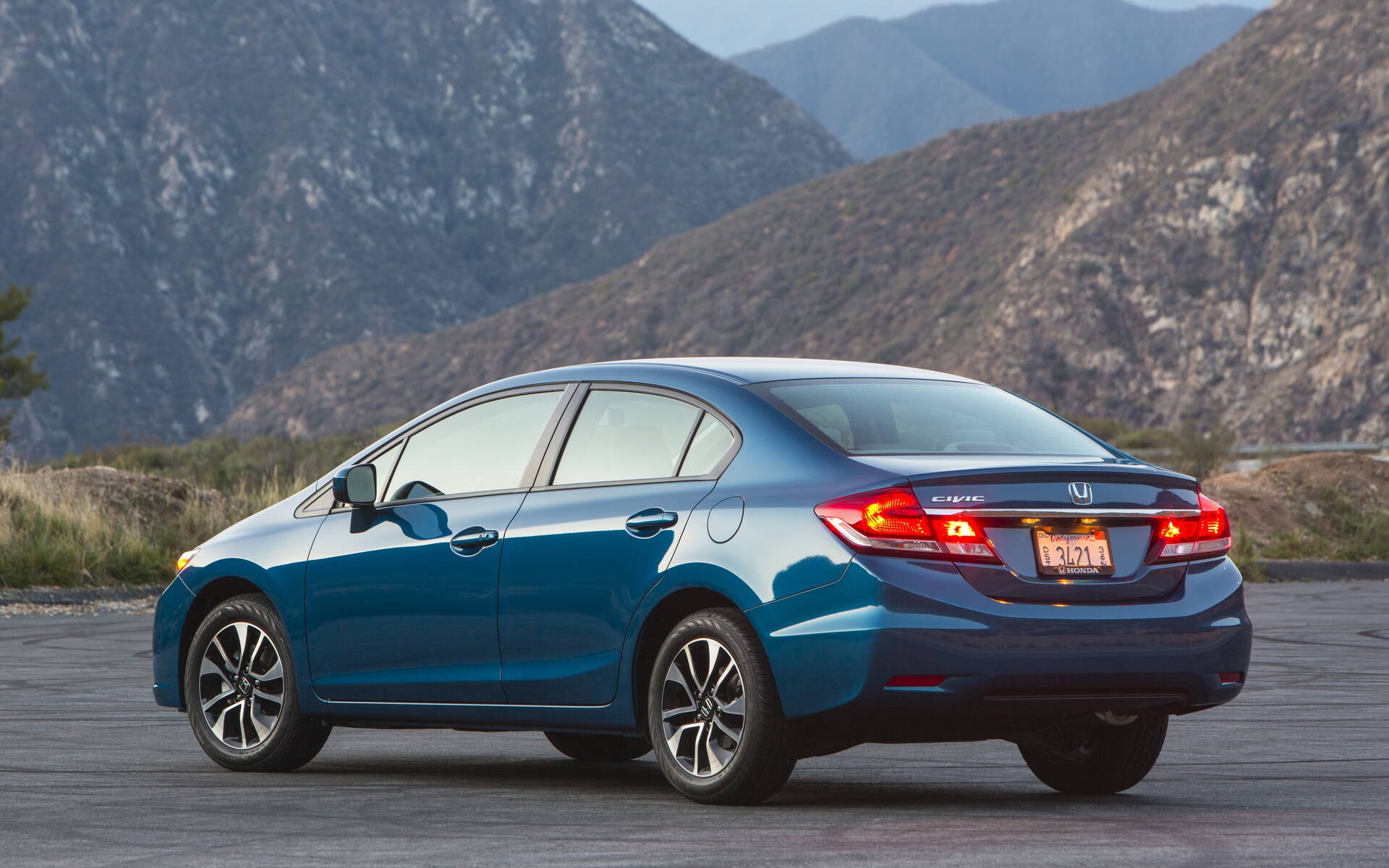
2. Honda Civic (2012-2015)
During the 2012 to 2015 model years, Honda’s Civic featured a PCV system that earned praise for its long-lasting reliability. Integrated with its naturally aspirated inline-four engine, this system was developed to withstand heavy daily use without needing routine service.
The PCV valve is built into the valve cover and connects directly to the intake manifold using reinforced hoses that resist collapse and heat degradation.
Honda engineered the system to maintain a constant vacuum across the crankcase, ensuring that oil vapors do not linger or condense into harmful sludge.
Since the valve and surrounding components are positioned to benefit from engine heat, they rarely experience freezing or clogging during cold-weather operation, which is a common issue in some vehicles.
Drivers of these Civics often reach well over 150,000 miles without encountering PCV-related trouble. Oil analysis reports from high-mileage engines show minimal contamination, which supports the system’s performance. Because of the PCV’s passive function and the lack of mechanical failure points, Honda’s design from this period stands out as a long-term solution that delivers consistent results.
One of the advantages of this approach is its simplicity. Without complicated hoses or additional sensors, the system performs reliably without demanding the owner’s attention.
For owners focused on dependability and low maintenance costs, the 2012–2015 Civic provides a good example of how proper PCV design contributes to engine cleanliness and longevity. Unless the vehicle is used in extreme off-road or high-altitude environments, this version of the Civic rarely needs PCV-related service.
Also Read: 10 Least Reliable Cars With CVT Transmissions To Avoid
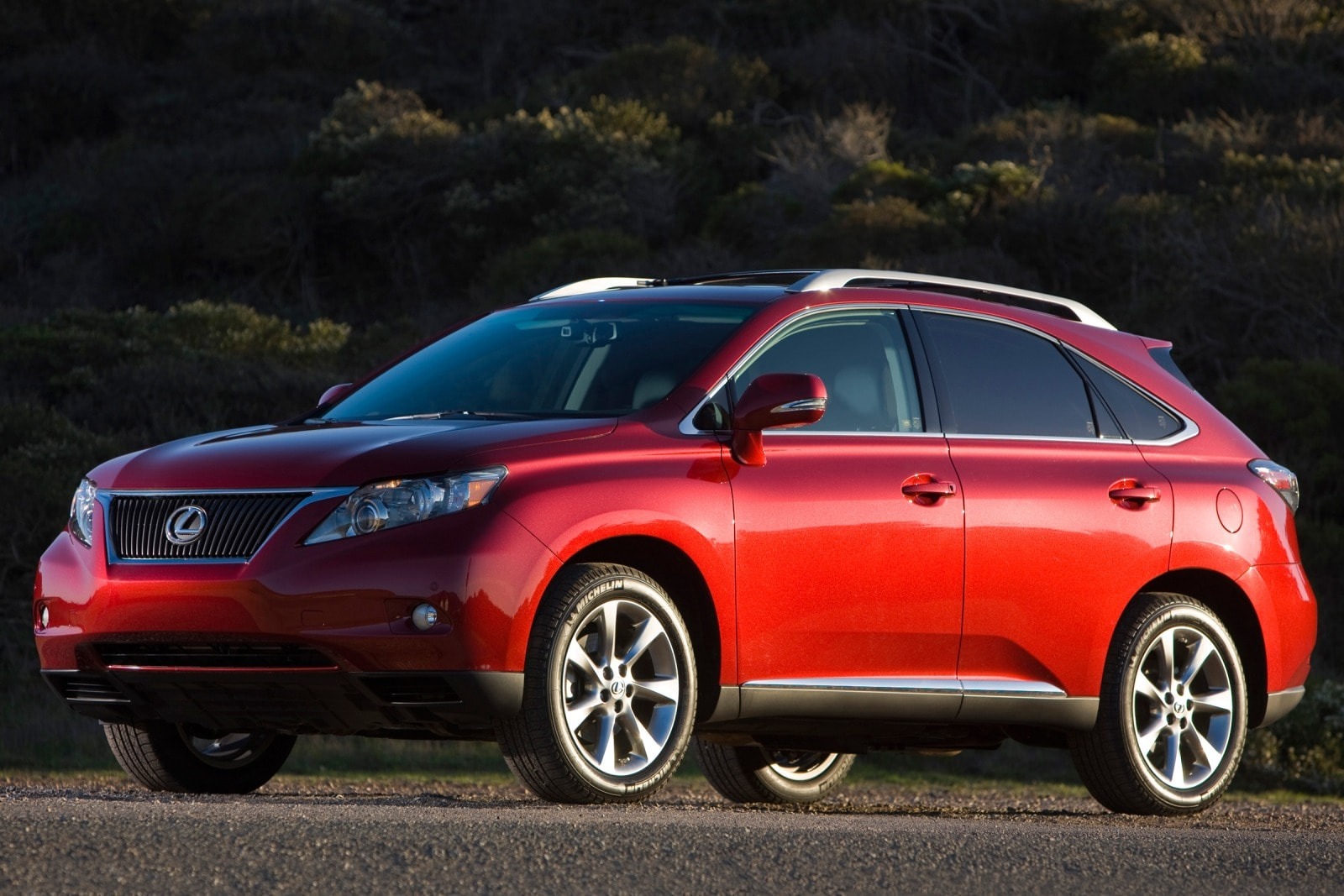
3. Lexus RX350 (2010-2015)
Lexus vehicles from this period share Toyota’s durable engineering principles, and the RX350 is a prime example. Its V6 engine is fitted with a factory-sealed PCV valve located in a position that benefits from continuous airflow and temperature regulation. This setup reduces the risk of sludge buildup by encouraging complete vapor evacuation without restriction.
The PCV valve in the RX350 is considered maintenance-free under typical driving conditions. It is not listed on the service schedule, and most units function properly for over 200,000 kilometers without issues.
The internal design of the engine encourages efficient oil circulation, while high-quality gaskets prevent air leakage, maintaining the vacuum pressure needed for proper PCV function.
Even in vehicles subjected to shorter driving distances or stop-and-go traffic, this Lexus model tends to maintain a clean crankcase. The PCV system remains clear due to consistent operating temperatures and well-regulated vacuum pressure. Oil sludge complaints are rare, provided owners stick to recommended oil change intervals and use the correct viscosity.
Many Lexus RX350 owners report never needing to replace the PCV valve during the vehicle’s lifetime. While high-mileage vehicles can develop slight internal deposits, the PCV system’s sealed design and smart placement within the engine bay mean these issues remain rare. The system helps the engine stay free of gunk that could otherwise collect under the valve covers.
Those looking for a luxury vehicle with low long-term maintenance demands will appreciate the RX350’s design. It shows how thoughtful engineering and materials can allow a PCV system to perform effectively for years without requiring attention.

4. Subaru Outback (2013-2019)
The Subaru Outback with the naturally aspirated 2.5-liter boxer engine features a well-designed PCV system that is built to last. The PCV valve is mounted high on the engine block, protected from oil pooling and carbon buildup that often lead to clogging in other configurations. Subaru uses durable rubber hoses and a plastic check valve that resists internal contamination.
This generation of Outback gained attention for its low oil consumption and relatively clean engines, even at high mileage. Subaru’s engineering ensures that crankcase gases are continuously recycled, reducing the formation of acids and moisture. Because the PCV valve is easily accessible, it can be checked, but most owners and mechanics find no need to replace it unless the car has exceeded 200,000 kilometers.
One of the factors that keeps this PCV system performing well is the engine’s flat layout. The boxer design promotes even heat distribution across cylinders, preventing hotspots where oil can oxidize or degrade. With blow-by gases efficiently pulled back into the intake system, there’s little chance for thick residue to collect internally.
This PCV system rarely causes drivability problems or triggers check engine lights, which adds to driver peace of mind. It supports a clean-running engine without frequent mechanical intervention. Regular oil changes and routine inspections are enough to maintain the system’s performance.
Those who drive the Outback regularly report very few issues linked to sludge or PCV clogging. This makes it an appealing option for drivers living in colder climates, where ventilation systems are more prone to condensation-related problems. Subaru’s approach with this model proves that careful design and material choices go a long way in preventing crankcase issues.

5. Mazda CX-5 (2017-2021)
Mazda took a focused approach to long-term engine performance with its SkyActiv-G engines, and the CX-5 from 2017 to 2021 reflects that effort.
The PCV system is part of a broader efficiency strategy, built to provide consistent crankcase pressure control with minimal service needs. Mazda placed the PCV valve in a spot that is not only resistant to heat stress but also well protected from oil exposure that could cause clogging.
This generation of the CX-5 features a sealed PCV system with a durable one-way valve designed to last the lifetime of the engine. Mazda’s use of direct injection posed potential challenges for oil contamination, but improvements in oil control and vapor routing helped reduce internal sludge risks.
The crankcase ventilation works seamlessly with the engine’s thermal and oiling systems to maintain cleanliness. Drivers rarely report engine deposits or sludge issues, even on vehicles that exceed 150,000 kilometers.
The PCV setup supports consistent engine breathing, preventing excess pressure buildup and encouraging complete fuel combustion. While direct-injection engines sometimes develop intake valve deposits, the PCV valve itself remains functional without cleaning or replacement.
One strength of this system lies in its integration. Rather than designing the PCV as an isolated component, Mazda built it into the engine management strategy. This ensures that it continues operating in harmony with fuel delivery, ignition timing, and exhaust flow. The result is an engine that stays efficient without needing constant attention to ventilation components.
Owners of the CX-5 have come to rely on its quiet performance and consistent operation, even under tough conditions. As long as the engine is properly maintained and uses the recommended synthetic oil, the PCV system will continue to function reliably for years without service.
5 Cars with Clogged Vents Causing Sludge
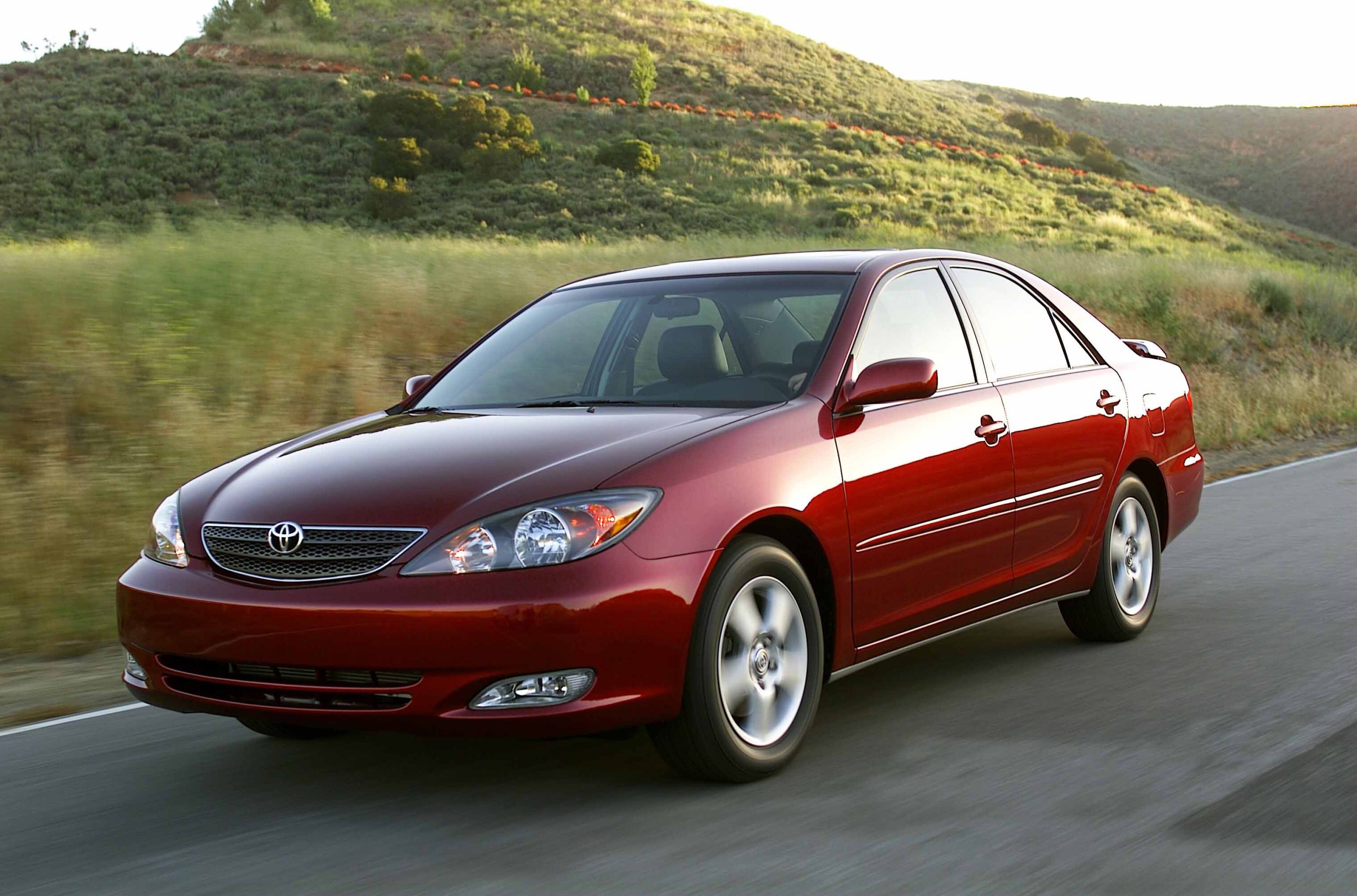
1. 2003 Toyota Camry V6
The 2003 Toyota Camry V6 earned a solid reputation for reliability, but it was not immune to engine sludge problems due to poor crankcase ventilation. This generation came with a PCV system that could easily get clogged, especially when owners skipped regular oil changes.
As the PCV valve began to get stuck, pressure within the engine would rise, allowing moisture and unburnt fuel vapours to settle inside the engine. In the course of time, this encouraged the formation of sticky sludge that affected oil flow and cooling.
Drivers began to notice symptoms like low oil pressure warning lights, sluggish performance, and dark, thick deposits around the oil cap. Once sludge built up, it restricted oil passages and could lead to valve damage or even complete engine failure. Many owners did not realise the severity of the problem until the engine’s power output dropped or the car started overheating during city driving.
While Toyota eventually responded with a customer support program for affected vehicles, many had already experienced long-term damage. The issue was particularly severe in vehicles that used conventional motor oil and did not follow the proper oil change schedule.
The PCV system in the 3.0-litre V6 engine lacked durability under harsh conditions, and the clogging tendency made it vulnerable in warm, humid regions or during stop-and-go driving.
Those who paid close attention to regular maintenance were able to reduce the risk, but even with that, the engine design made it difficult to prevent internal pressure buildup.
Some owners took to installing aftermarket oil catch cans or cleaning the PCV valve more frequently than recommended. Despite being known for longevity, this particular Camry generation remains a reminder that even a reliable car can be undone by a small but critical component.
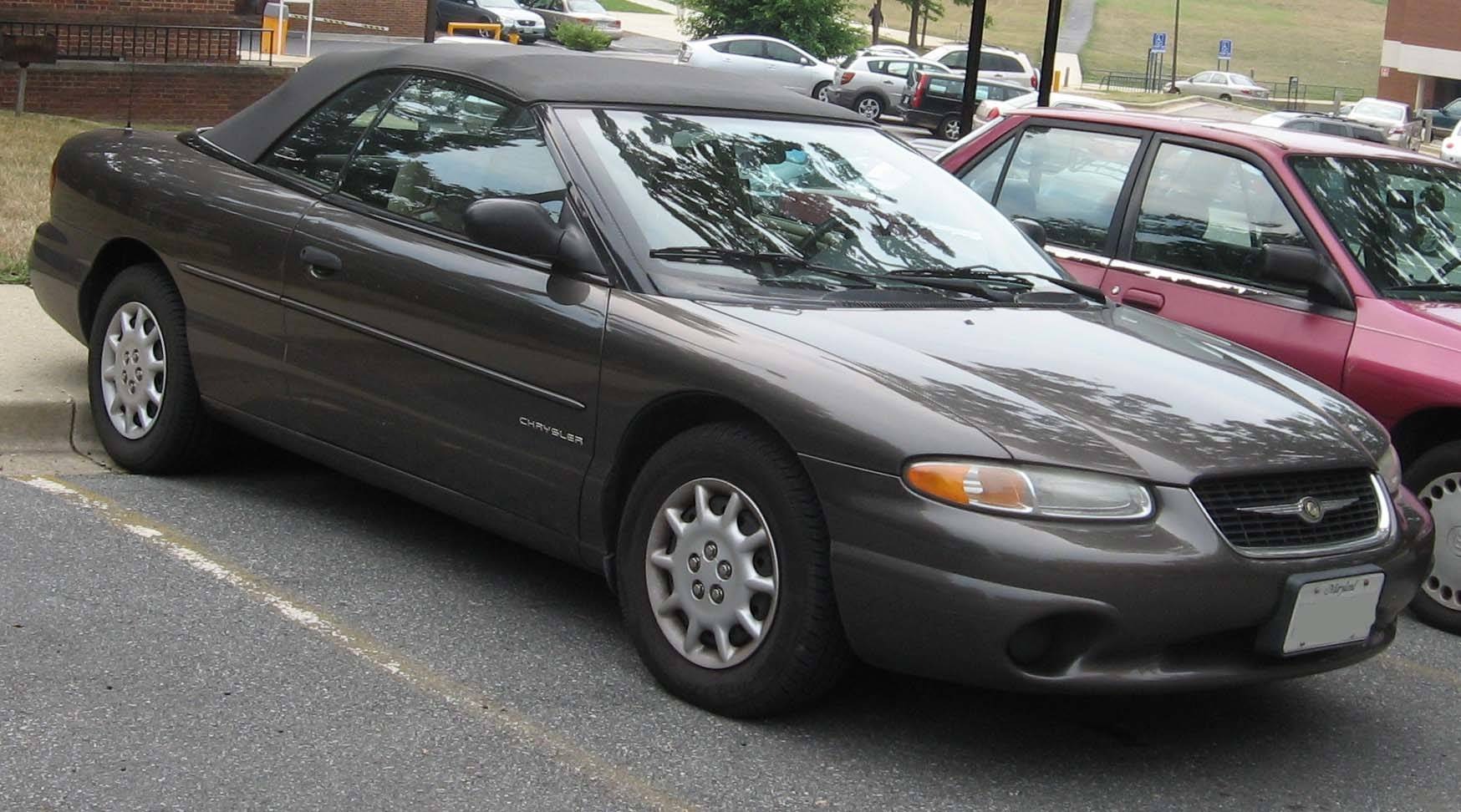
2. 2002 Chrysler Sebring 2.7L V6
The 2002 Chrysler Sebring with the 2.7-litre V6 became one of the most common examples of how a neglected or flawed PCV system can cause major engine issues. While the car looked sleek and handled decently for a midsize sedan, it hid a serious problem under the hood.
This engine design allowed sludge to build up easily due to a poorly located and often clogged PCV valve. The valve’s position made it hard to inspect or replace, so it would go unchecked for long periods.
When the PCV valve failed to function as intended, crankcase gases no longer exited properly, leading to excessive moisture and pressure in the engine.
Oil started to break down quickly and turned into thick deposits that coated engine components. As the sludge accumulated, oil flow became restricted, leading to premature wear in timing chains, camshaft bearings, and hydraulic lifters.
One reason the issue got out of hand was the poor oil circulation system in the engine itself. Even small sludge buildup began to choke the passageways. Drivers who pushed the engine hard or failed to stick to strict oil change intervals found themselves dealing with sudden engine seizures, often without much warning.
These problems were so widespread that the 2.7L engine gained a reputation for being unreliable, with many owners forced to replace entire engines before reaching 100,000 miles.
Some drivers tried synthetic oils to slow down the sludge buildup, while others invested in frequent engine flushes. However, none of these solutions were permanent since the root of the problem was tied to ventilation system flaws.
Many Sebring owners learned the hard way that skipping a single oil change or neglecting PCV valve maintenance could lead to thousands of dollars in repair costs.
Even with all its issues, the 2002 Sebring remained a popular choice because of its styling and affordability. But the long-term reliability was compromised by one overlooked component.
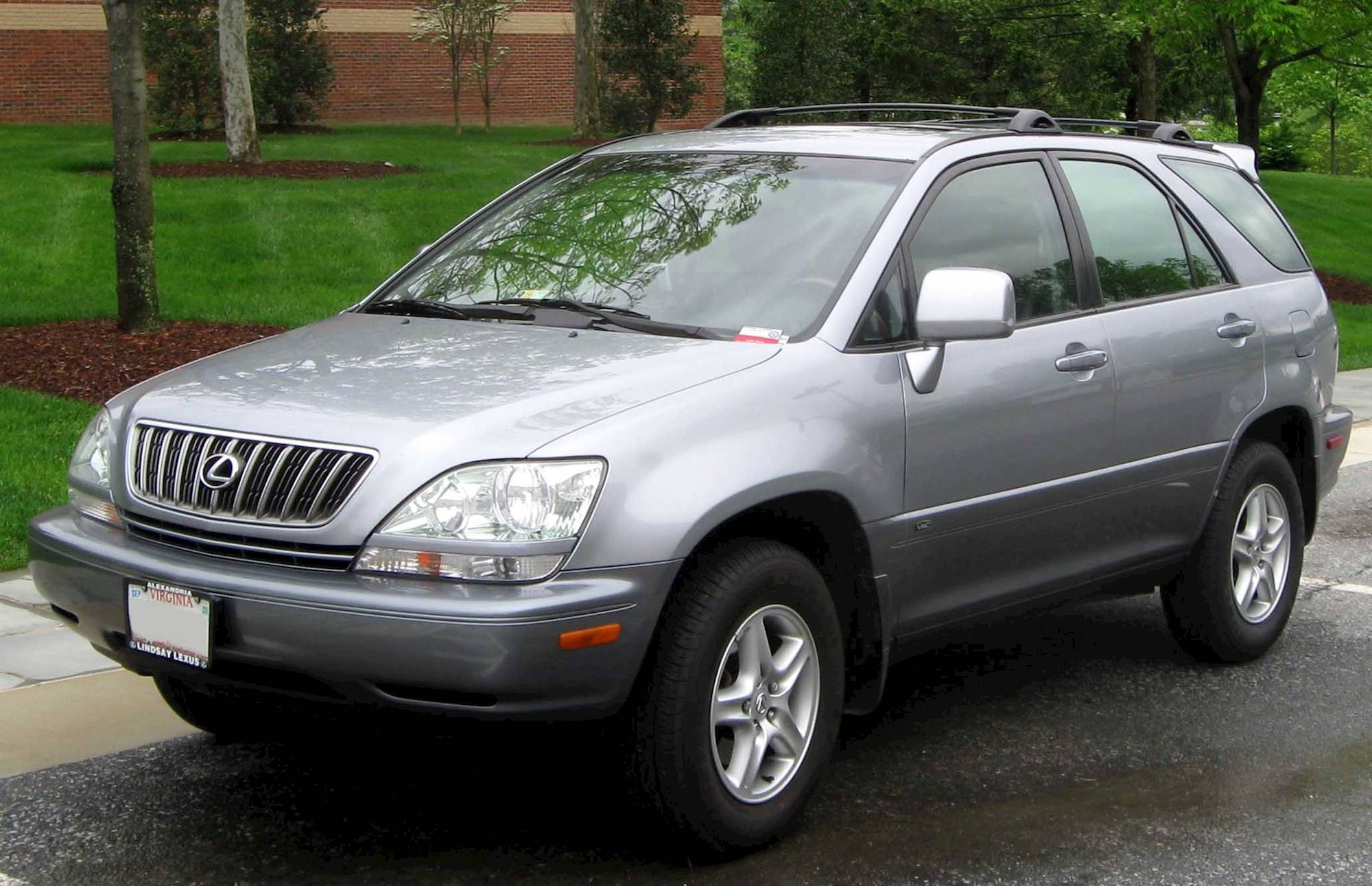
3. 2000 Lexus RX300
Although the Lexus RX300 was often praised for combining comfort with Toyota’s engineering, the 2000 model came with an engine that had major sludge vulnerability.
The 3.0-litre V6 engine under its hood shared design traits with other Toyota engines from the era, and one of the critical faults was a weak PCV system that allowed moisture and vapours to linger inside the engine block.
When this moisture mixed with the oil, it resulted in sludge that clung to internal parts like the valve covers and camshafts. Once enough of it formed, the engine lost its ability to lubricate and cool itself effectively.
This led to ticking sounds, oil pressure warnings, and a gradual loss of performance. Some drivers reported their engine stalling after long drives or refusing to start in cold weather due to hardened deposits.
The problem became worse in cars used for short commutes or heavy traffic, where the engine did not get hot enough to evaporate moisture. Many owners were not aware that the PCV valve needed frequent inspection.
Since it was tucked away and not easily visible, it remained neglected until symptoms became serious. Although Lexus carried out oil sludge repair under warranty for affected cars, not all owners qualified due to service record issues.
This generation of RX300 demanded high oil quality and consistent maintenance to stay healthy. Skipping even one scheduled oil change increases the risk of blockages forming.
While synthetic oil helped reduce sludge buildup, it did not solve the PCV restriction problem entirely. Owners who did proactive checks and replaced the PCV valve every 30,000 miles had fewer issues, but most casual drivers missed the warning signs.
The 2000 RX300 stood as a premium option for family drivers, but beneath its refined finish, the engine design made it vulnerable to internal damage. This example highlights how a luxurious vehicle can suffer long-term damage from small ventilation flaws.
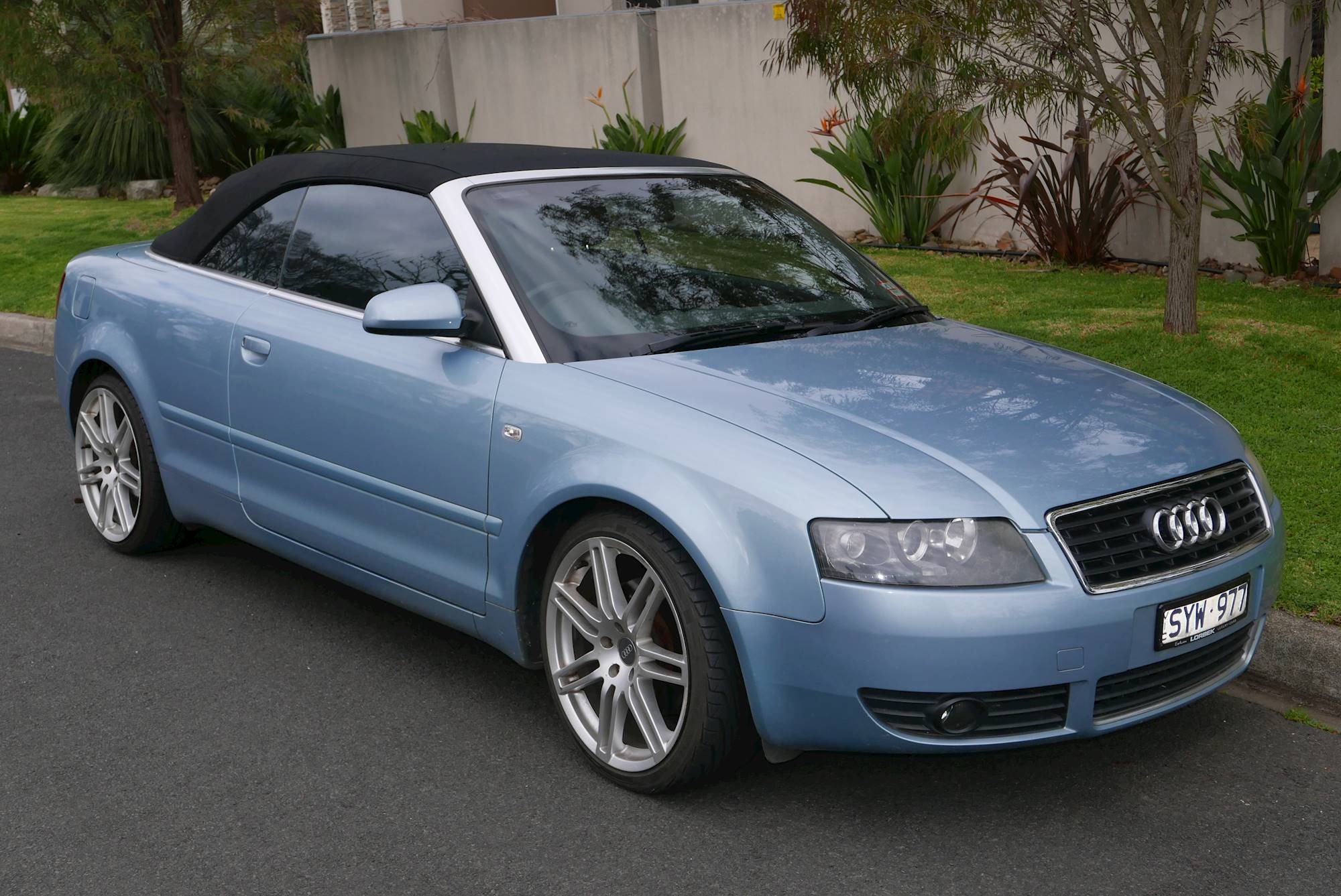
4. 2004 Audi A4 1.8T
The 2004 Audi A4 equipped with the 1.8-litre turbocharged engine struggled with oil sludge problems that were traced back to restricted PCV flow. This engine, known for its spirited driving experience, packed a punch but also required precise care to stay reliable.
Its turbo system ran hot, and unless heat and vapours were vented correctly, the oil started to oxidise quickly. The PCV system, which was meant to regulate this pressure, would often get clogged due to heat cycles and oil vapour residue.
Sludge became a common complaint among owners who did not keep up with tight oil change intervals. Many reported oil pressure lights flickering, reduced turbo response, or a metallic ticking noise at start-up.
Once the buildup thickened, it impacted the oil pump pickup screen, leading to restricted oil flow and damaging major engine components. The car would start losing power, and in worst cases, the engine would stop running altogether due to starvation.
The small oil capacity of this engine meant there was very little margin for error. A clogged PCV valve led to higher crankcase pressure, forcing oil past seals and into places it did not belong.
Some drivers experienced leaks or noticed excessive smoke coming from the exhaust. Despite Audi recommending synthetic oil, that alone could not prevent the accumulation of grime without proper ventilation.
Mechanics who specialised in European cars began advising PCV system replacements as early as 40,000 miles. Audi later issued technical bulletins to address oil sludge complaints, but the damage had already affected many vehicles. This A4 model became an example of how performance engines need both power and proper pressure control to operate safely.
Although owners appreciated the refined cabin and turbocharged performance, many were left with expensive repairs because a small valve failed to keep crankcase pressure under control.
Also Read: 5 Cars With Quick-Release Seats vs 5 With Stuck Latches
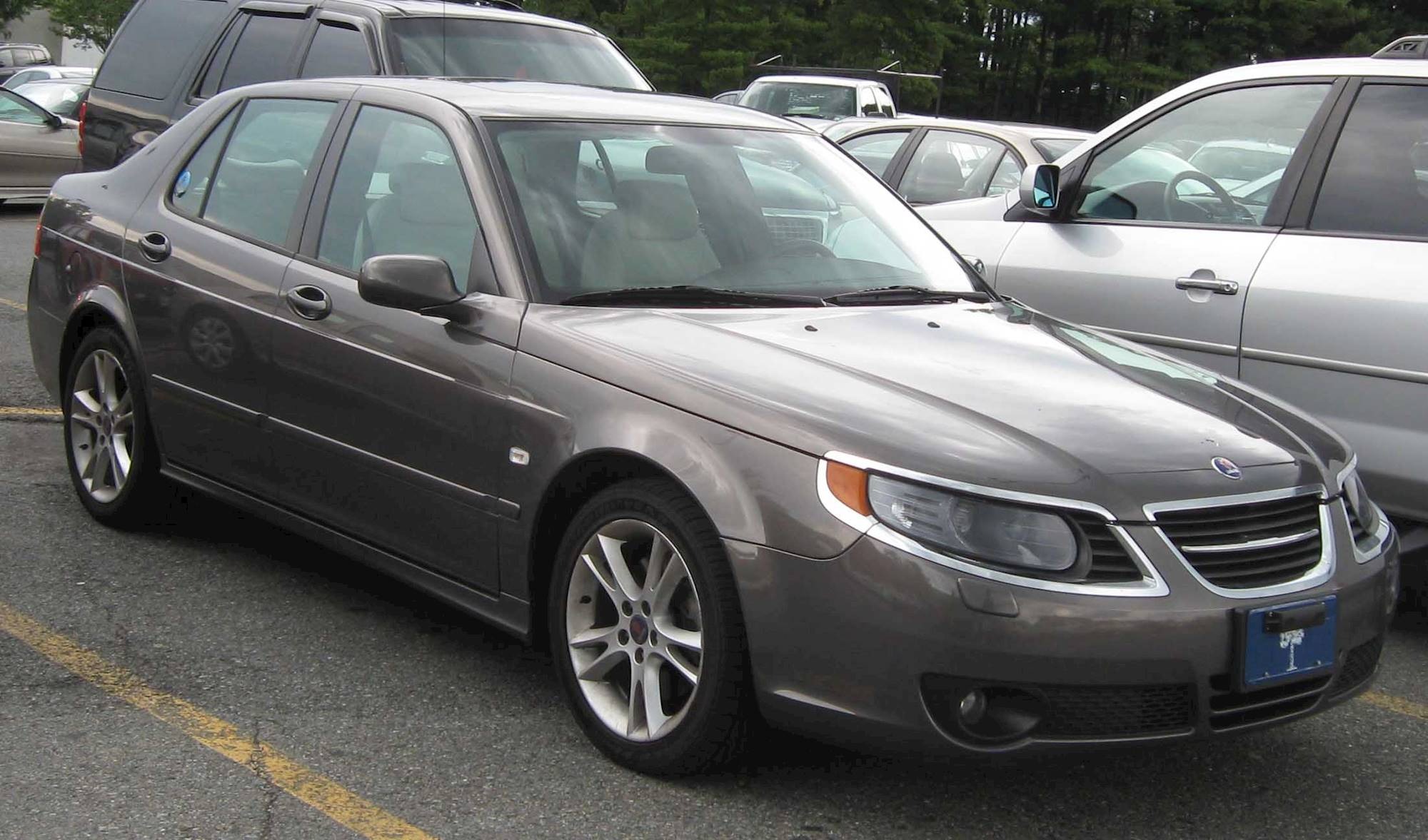
5. 2006 Saab 9-5 2.3T
The 2006 Saab 9-5 featured a turbocharged 2.3-litre engine that was praised for its strength and highway cruising ability. However, this engine came with a PCV system that was not well-designed for managing the increased pressure and heat generated by the turbo.
The stock setup lacked enough flow to remove vapours quickly, which led to oil sludge building up in the engine in the course of time.
Saab tried several PCV system revisions over the years, but the 2006 model still experienced issues if owners were not extremely careful with maintenance.
Once the valve began to restrict airflow, crankcase pressure rose sharply. This pressure forced oil vapour and moisture to settle along internal surfaces, slowly forming thick residue that choked oil passageways.
One early sign of the issue was blue smoke during cold starts. As the condition worsened, drivers started seeing oil light warnings, slow acceleration, and ticking sounds. In many cases, by the time these symptoms appeared, internal damage had already taken place.
Saab dealerships started offering PCV upgrade kits, which replaced the restricted tubing and valves with higher-flow components. But many owners were not aware of this solution until the damage had progressed.
Owners who used synthetic oils and followed a strict oil change schedule managed to delay sludge formation. Yet the design flaw meant that even well-maintained cars were at risk without the upgraded PCV setup. Some enthusiasts modified their engines with oil catch cans or breather filters, but this required extra attention that the average owner did not always give.
Though the Saab 9-5 remained a favourite among loyal drivers for its ride comfort and turbo performance, this model revealed how engine design flaws could quietly lead to major damage.
The factory PCV system simply was not suited for the demands of a high-pressure turbo motor, and neglecting it often led to major repair bills.
