For many elderly passengers, fastening a seatbelt can be harder than it seems. Weakening hands, stiff fingers, or limited movement can make the task uncomfortable. Some buckles are too small, placed too low, or require a strong force to use.
In some cars, the buckle is tucked deep between the seats, making it difficult to reach. Elderly passengers may need to twist, bend, or strain their arms just to find it. This turns a simple safety habit into a tiring challenge.
A well-designed seatbelt buckle makes journeys safer and easier. When the buckle is smooth to press and within easy reach, elderly passengers can fasten it without help. It builds independence, confidence, and comfort during every ride.
Unfortunately, not every car gets this right. Some sporty or compact models sacrifice buckle accessibility for style. Others have stiff buttons that require a strong grip, which can be frustrating for those with arthritis or reduced hand strength.
Even luxury cars can fall into this trap. Designers often focus on sleek interiors and tight-fitting seats, unintentionally making buckles harder to locate or press. Safety is never compromised by design alone, but convenience certainly can be.
When fastening a seatbelt is a struggle, some elderly passengers may skip it altogether. This is a dangerous choice, as seatbelts are the most important protection in a crash. Easy buckles help ensure everyone stays secure.
Car buyers who transport elderly passengers should check seatbelt comfort before choosing a model. A short test to see how easily the buckle can be found, held, and pressed can make a big difference in daily use.
The goal is not to avoid stylish or sporty cars but to choose ones that balance looks with usability. Small design choices, like longer buckle stalks or softer release buttons, can improve comfort greatly.
In the sections ahead, we’ll explore cars with buckles that may be tricky for elderly passengers. While these cars have many strengths, their seatbelt design can pose challenges worth considering for comfort, convenience, and safety.
Also read: Top 10 Cars With Zero Factory Recalls Over The Years
1) Mazda MX-5 Miata
The Mazda MX-5 Miata is loved by car fans for its sporty feel, lightweight, and fun driving experience. It’s small, stylish, and quick. However, for elderly passengers, some design details like seatbelt buckle placement can make the ride less comfortable.
In the MX-5, the compact sports seats are designed to hold you firmly during turns. While great for driving, this tight design positions the seatbelt buckle deep by the hip, making it harder to see or reach, especially for older passengers.
For people with limited mobility or weaker hands, finding and fastening the buckle in the Miata can be challenging. Reaching down into a narrow gap requires bending, twisting, and precise hand movement something that can be tiring or even painful.
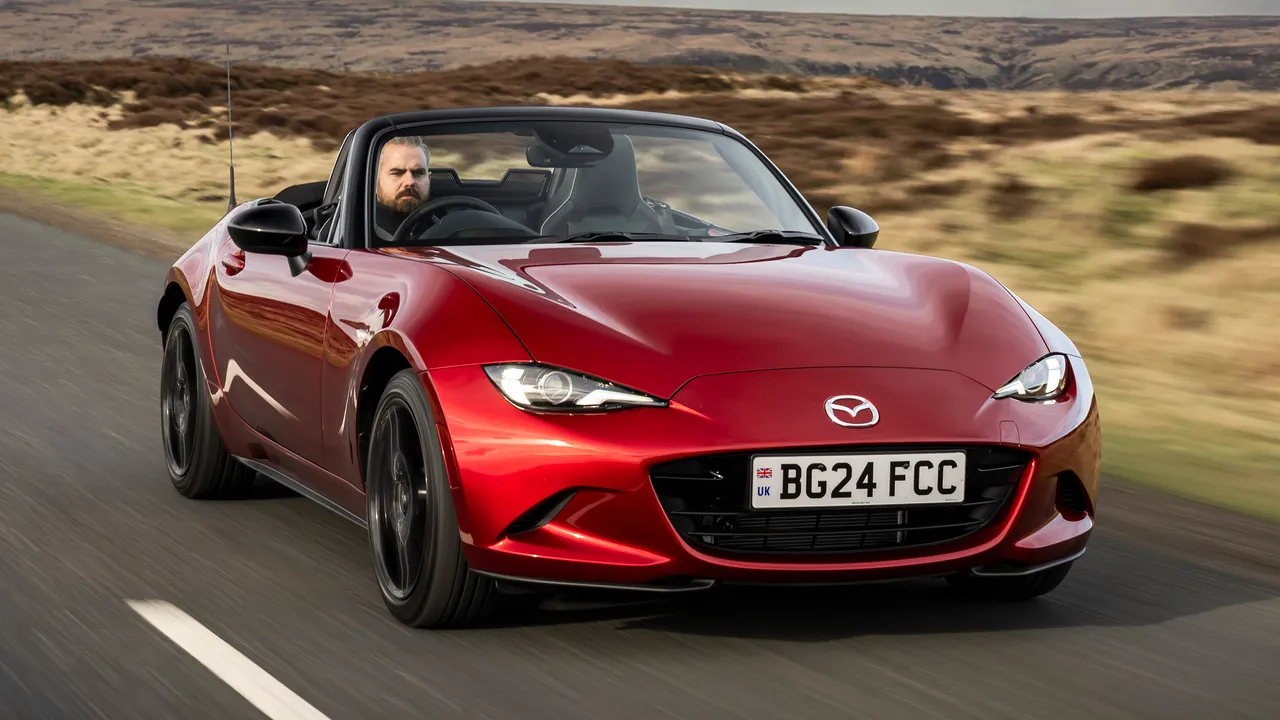
Seatbelt design plays a big role in passenger comfort and safety. An easy-to-reach buckle allows elderly passengers to secure themselves quickly and confidently. When the buckle is hidden or stiff, it can lead to frustration and slow down the process.
In some cases, passengers may need help fastening their belts, which can make them feel less independent. For those who value self-sufficiency, struggling with the buckle can make the otherwise enjoyable ride feel inconvenient or uncomfortable.
While the MX-5’s interior is designed for sporty performance, it’s important to note that not every design choice suits all passengers. Elderly riders may prefer vehicles with higher seating, longer buckle stalks, and easier access to the seatbelt mechanism.
For families or friends who often drive elderly passengers, it’s worth testing how easy it is for them to buckle up in the MX-5. A short check before buying or riding can prevent future discomfort.
2) Ford Mustang
The Ford Mustang is a legendary car known for its bold design, powerful engine, and thrilling performance. It’s a favorite among sports car fans. However, for elderly passengers, the low seating height can create unexpected challenges when fastening a seatbelt.
In the Mustang, the seats are positioned close to the floor for a sporty driving feel. While this is great for handling, it means passengers must lower themselves into the seat and then reach down even further to find the buckle.
The seatbelt buckle often sits deep between the seat and the center console. For older passengers, this tight space requires twisting the body, leaning sideways, and sometimes using extra strength just to locate and secure the belt.
For people with joint stiffness, back pain, or reduced flexibility, this movement can be uncomfortable. Even if they manage to buckle up, the effort needed can make them feel tired or uneasy before the journey even begins.
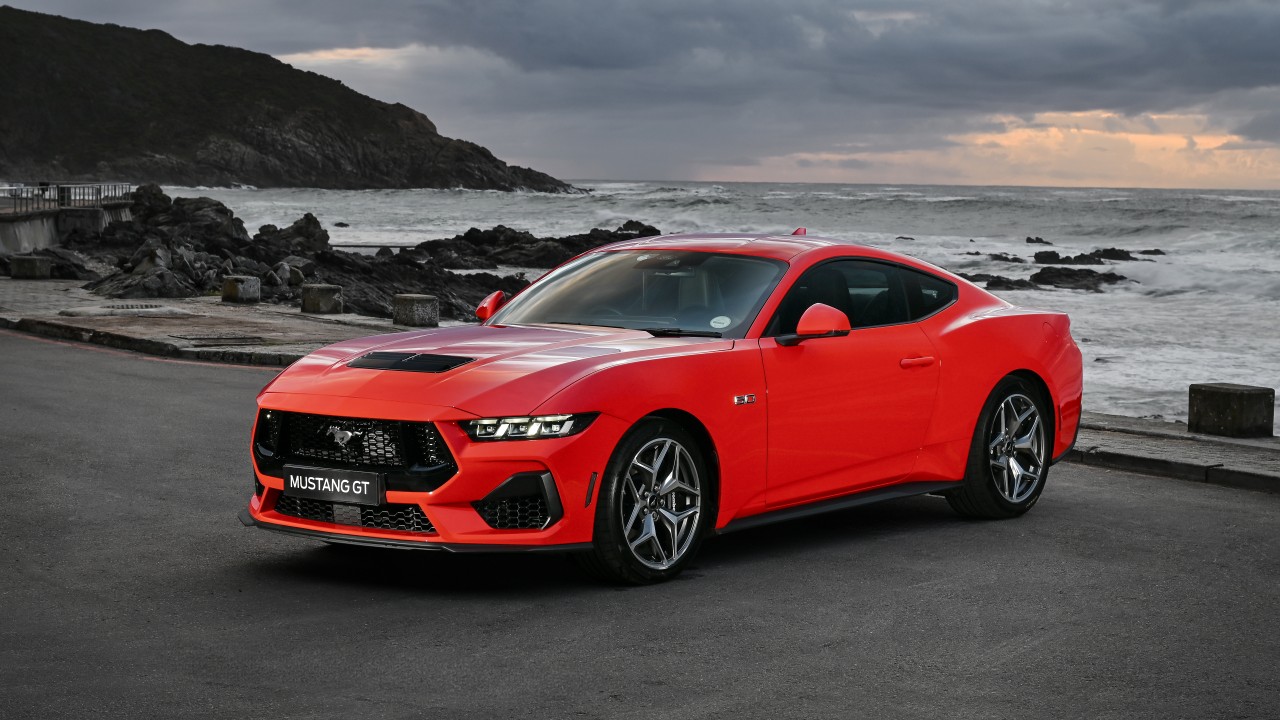
Seatbelt design and placement are important for comfort as well as safety. A buckle that is easy to see, reach, and press allows elderly passengers to fasten it quickly, without strain. In the Mustang, the sporty design sacrifices some of this convenience.
While the seatbelts in the Mustang work perfectly once fastened, the accessibility issue can make older riders feel dependent on help from the driver or another passenger. This can take away from their feeling of independence during the ride.
For families or friends who often drive elderly passengers, it’s important to test how easily they can buckle up before committing to regular rides in a Mustang. A quick check can reveal if adjustments or aids are needed.
3) Mini Cooper
The Mini Cooper is loved for its playful design, compact size, and lively driving feel. It’s fun to drive in the city and easy to park. But for elderly passengers, its seatbelt buckle design can sometimes create unexpected challenges.
In the Mini Cooper, the seatbelt buckle is attached to a short stalk. This stalk often sits low and can sink into the soft seat cushion, making it harder to find and hold especially for those with slower hand movements or weaker grip.
For elderly passengers, reaching for a buckle that keeps slipping into the seat gap can be frustrating. It requires extra bending at the waist, careful finger coordination, and sometimes more strength than expected to line it up correctly.
People with arthritis, shoulder stiffness, or reduced flexibility may find this task uncomfortable. Even when the buckle is located, holding it steady while inserting the seatbelt tongue can take longer and require repeated attempts before it clicks into place.
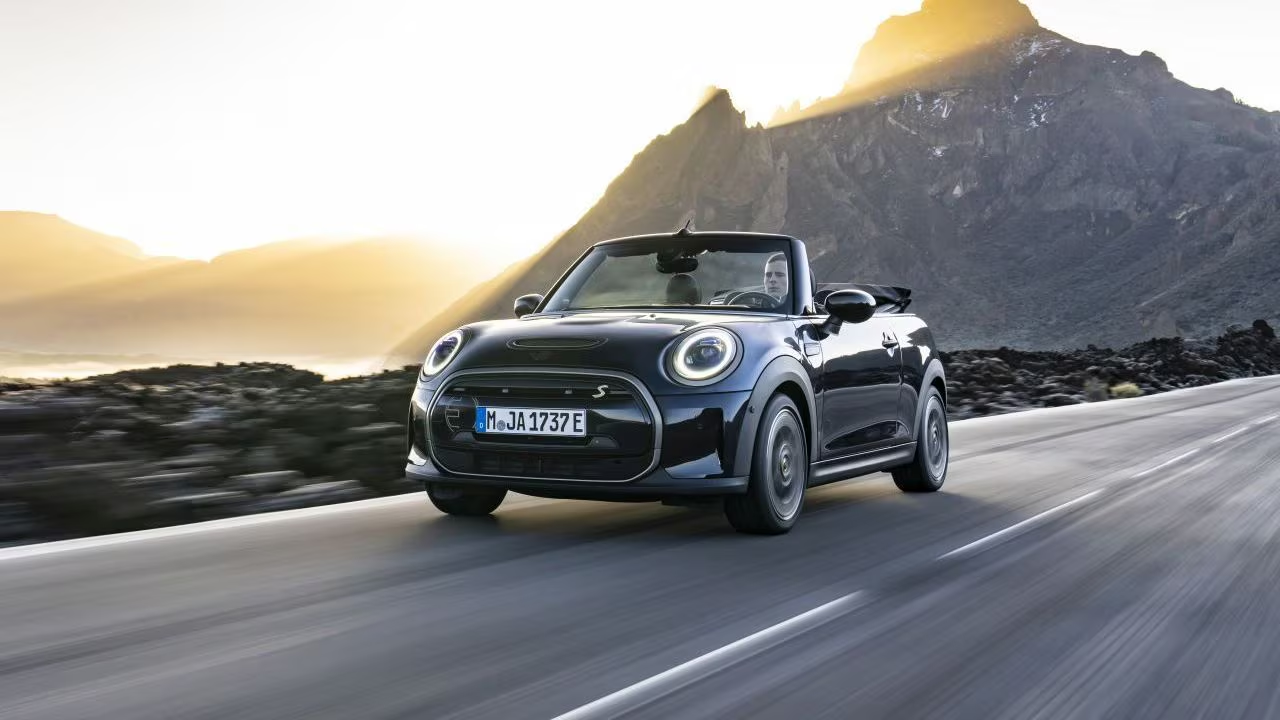
Seatbelt design plays an important role in passenger comfort and independence. A buckle that is higher and more stable allows elderly passengers to fasten themselves quickly, without strain. In the Mini Cooper, the short buckle stalk takes away some of this ease.
While the Mini’s seatbelts meet all safety standards, the difficulty lies in the positioning, not in the protection they offer. Once secured, the belt works perfectly. The real issue is making the fastening process quicker and less awkward.
This problem is common in many compact cars, where space-saving interiors lead to buckles being placed low and close to the seat base. Designers often focus on style and space efficiency, which can reduce accessibility for certain passengers.
4) Chevrolet Camaro
The Chevrolet Camaro is famous for its muscular design, powerful engines, and exciting performance. It’s built for speed and style. But for elderly passengers, the Camaro’s sporty interior design can sometimes make fastening a seatbelt more difficult than expected.
One key challenge comes from the Camaro’s high-bolstered seats. These seats are shaped with raised sides to hold passengers firmly during sharp turns. While this improves driving comfort at high speeds, it also makes the seatbelt buckle feel hidden from easy reach.
Seatbelt design and placement affect both safety and comfort. A buckle that is easy to see and grab helps elderly passengers fasten it quickly and without strain. In the Camaro, the sporty seat design sacrifices some of this accessibility.
It’s important to note that the Camaro’s seatbelts are completely safe once fastened. The difficulty lies in getting to the buckle, not in its ability to protect during a crash. The challenge is purely about comfort and ease of use.
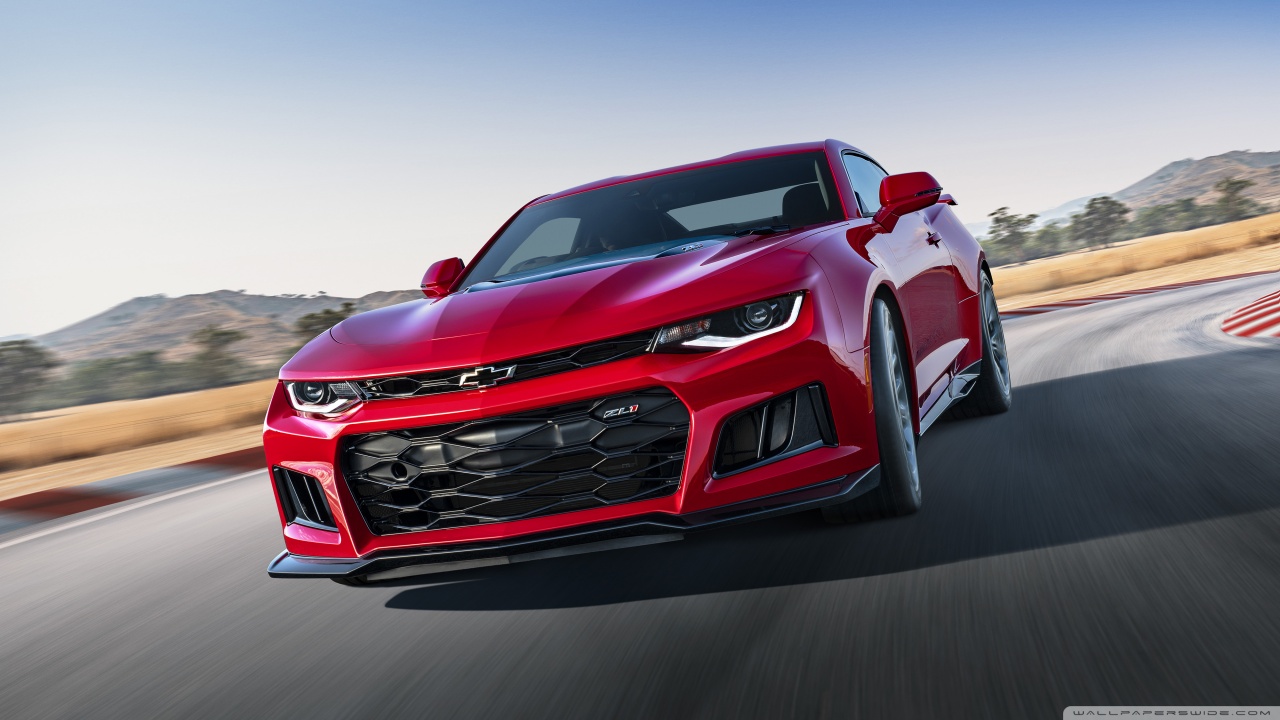
This issue isn’t unique to the Camaro, many sports cars with bolstered seats face the same problem. Designers focus on performance and style, sometimes overlooking the needs of passengers who may have reduced mobility or slower hand movements.
For families or friends who often travel with elderly passengers, it’s a good idea to test buckle accessibility before choosing a Camaro. Small adjustments, like buckle extenders, can make a big difference in comfort and independence during rides.
5) Tesla Model 3
The Tesla Model 3 is admired for its clean design, advanced technology, and smooth electric performance. It’s a favorite among drivers who love modern style. However, for elderly passengers, the seatbelt buckle position can make fastening a belt less convenient.
Those with arthritis, back pain, or reduced flexibility may find this process tiring. Even when the buckle is located, holding it steady while fastening the belt can take more time and precision than in cars with higher, more visible buckle positions.
Seatbelt placement plays a big role in passenger comfort. A buckle that is higher and easier to grab allows elderly passengers to secure themselves quickly, without strain. In the Model 3, style and simplicity sometimes come at the cost of accessibility.
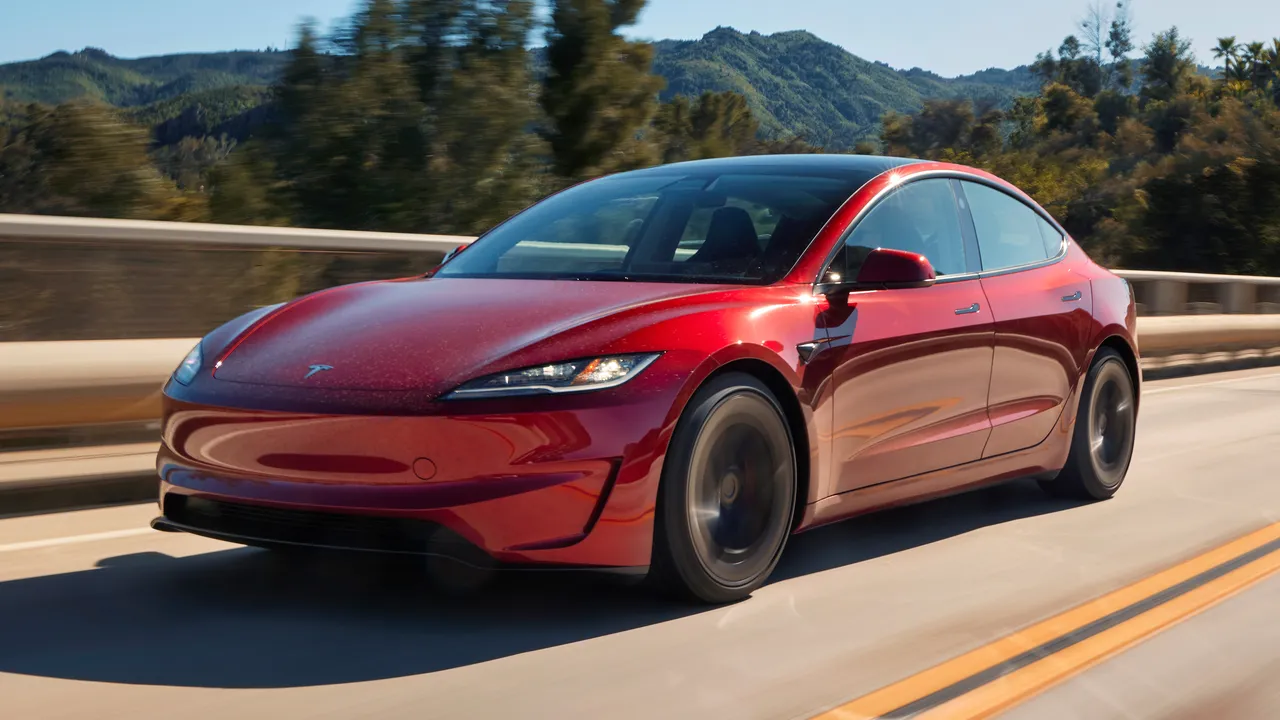
It’s important to note that the seatbelt itself offers full protection once fastened. The issue is not safety performance but the physical effort needed to reach and operate the buckle in a recessed position, particularly for older passengers.
This challenge is common in vehicles that prioritize minimalist or space-saving interiors. Designers often focus on aesthetics, which can unintentionally reduce ease of use for those with slower movements or less strength in their hands and arms.
For families and caregivers, it’s wise to test how easily elderly passengers can buckle up in a Model 3 before regular use. Small accessories, like buckle extenders, can help improve accessibility without changing the car’s sleek interior design.
6) BMW Z4
The BMW Z4 is a stylish convertible known for its sleek looks, powerful performance, and open-top driving experience. It’s designed for excitement and comfort. However, for elderly passengers, its deep seating position can make fastening a seatbelt more difficult.
In the Z4, the seats are low to the ground and set deep inside the cabin. While this design gives a sporty and connected driving feel, it also places the seatbelt buckle lower and farther from a natural sitting position.
For elderly passengers with limited mobility, reaching down to locate the buckle can be uncomfortable. It often requires bending at the waist, twisting the body, and stretching an arm into a tight space between the seat and console.
Those with back pain, hip stiffness, or reduced flexibility may struggle more. Even after finding the buckle, holding it steady and guiding the seatbelt tongue into place can require extra effort and precise hand control, which can be tiring.
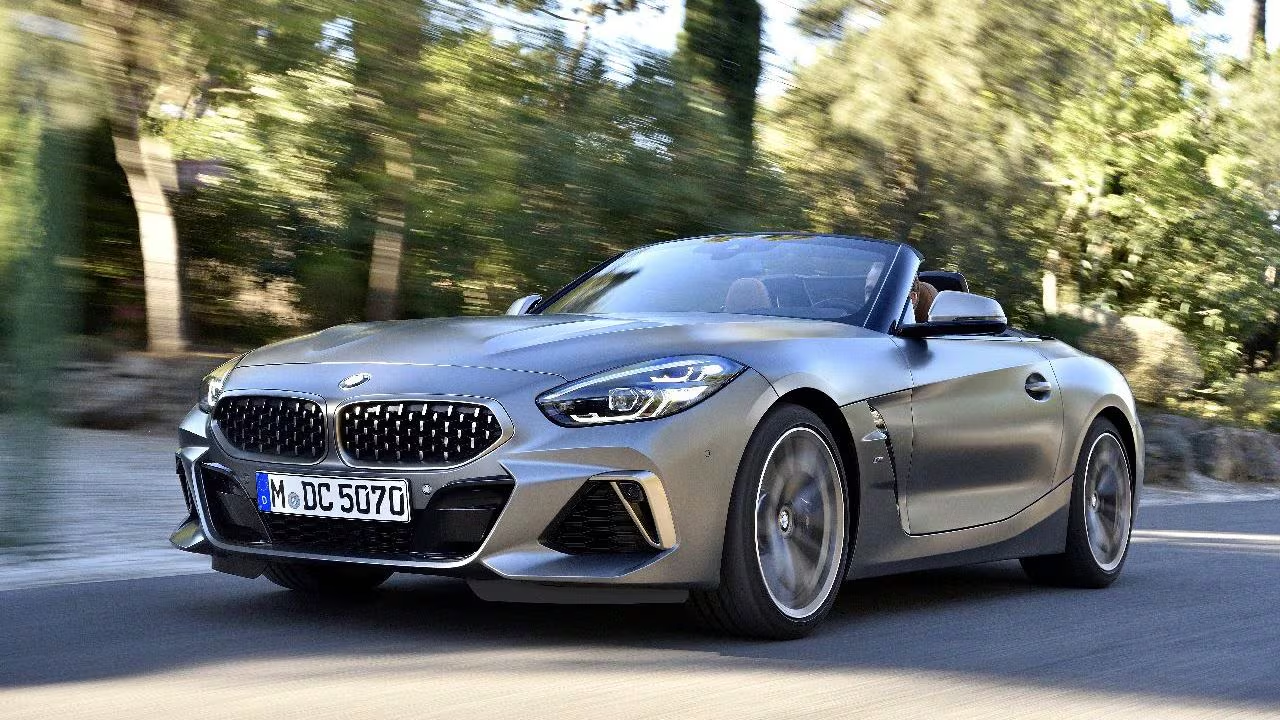
It’s important to note that the Z4’s seatbelt works perfectly once fastened. The challenge is only about access, not safety performance. Still, the extra physical effort can make the start of a journey less pleasant for some passengers.
This issue is not unique to the Z4. Many convertibles and sports cars have similar seating arrangements, where style and driving dynamics are prioritized over accessibility, sometimes making daily use trickier for elderly passengers or those with movement limitations.
For drivers who regularly take elderly passengers in a Z4, it’s worth testing buckle accessibility before frequent use. Small adjustments, such as buckle extenders, can make the process faster and more comfortable without changing the car’s stylish interior.
7) Toyota Supra
The Toyota Supra is a high-performance sports car loved for its speed, sharp handling, and bold design. It offers an exciting driving experience, but for elderly passengers, its seatbelt buckle placement can make fastening up more difficult than in everyday cars.
In the Supra’s sports-focused cabin, the seats are low and positioned close to the center console. This design gives drivers and passengers a snug, race-inspired feel, but it also means the seatbelt buckle is low and squeezed tightly between the seat and console.
Seatbelt accessibility is important for both comfort and safety. A buckle that is visible, stable, and within easy reach allows passengers to fasten themselves quickly without strain. In the Supra, style and performance take priority over this everyday convenience.
It’s important to note that the Supra’s seatbelts provide excellent protection once fastened. The issue lies only in reaching and operating the buckle, not in its ability to keep passengers safe during an accident. Still, comfort matters for regular use.
This challenge is common in sports cars, where tight cabin layouts and heavily bolstered seats are part of the design. While these features enhance driving excitement, they can make simple movements more awkward for passengers with mobility limitations.
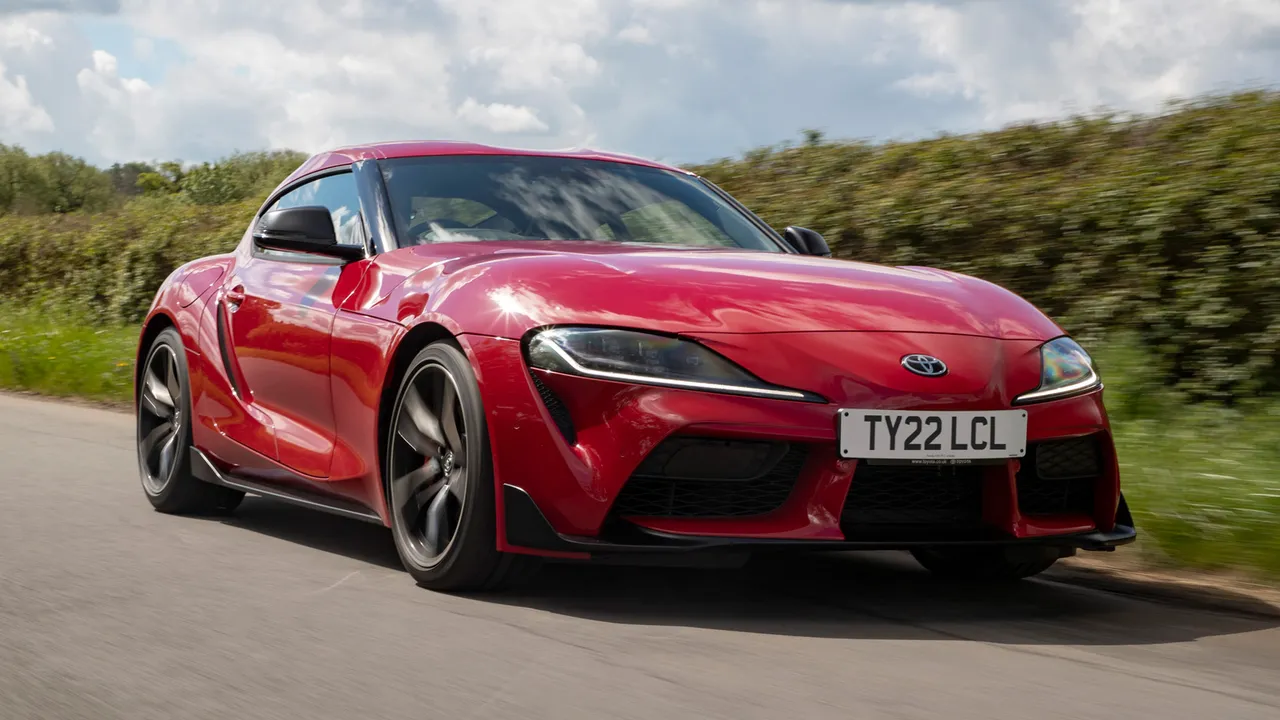
Drivers who regularly take elderly passengers in a Supra should test how easily they can fasten the seatbelt before frequent use. Small adjustments, like buckle extenders, can make the process quicker and more comfortable without affecting the car’s performance.
Also read: 10 Cars With the Lowest Insurance Rates for U.S. Drivers
8)Porsche 718 Cayman
The Porsche 718 Cayman is a sleek sports car known for its sharp handling, powerful engines, and premium build. It’s built for performance and driving pleasure. However, for elderly passengers, its seatbelt buckle placement can make fastening up more challenging.
In the Cayman, the cabin space is tight, with low seating and a close-fitting center console. This sporty setup hides the seatbelt buckle near the hip, tucked between the seat and the console, making it harder to locate and reach.
For elderly passengers, this means buckling up can require bending, twisting, and leaning sideways into a narrow space. These movements can be uncomfortable or even painful for those with limited flexibility, arthritis, or stiffness in their joints.
Even when the buckle is found, holding it steady while inserting the seatbelt tongue may take more precision and strength than some older passengers can easily manage. This can make a quick and simple task feel frustrating and time-consuming.
Seatbelt accessibility is just as important as its safety function. A buckle that is easy to see, grab, and press allows passengers to fasten themselves quickly and comfortably. In the Cayman, the tight cabin sacrifices some of this convenience.
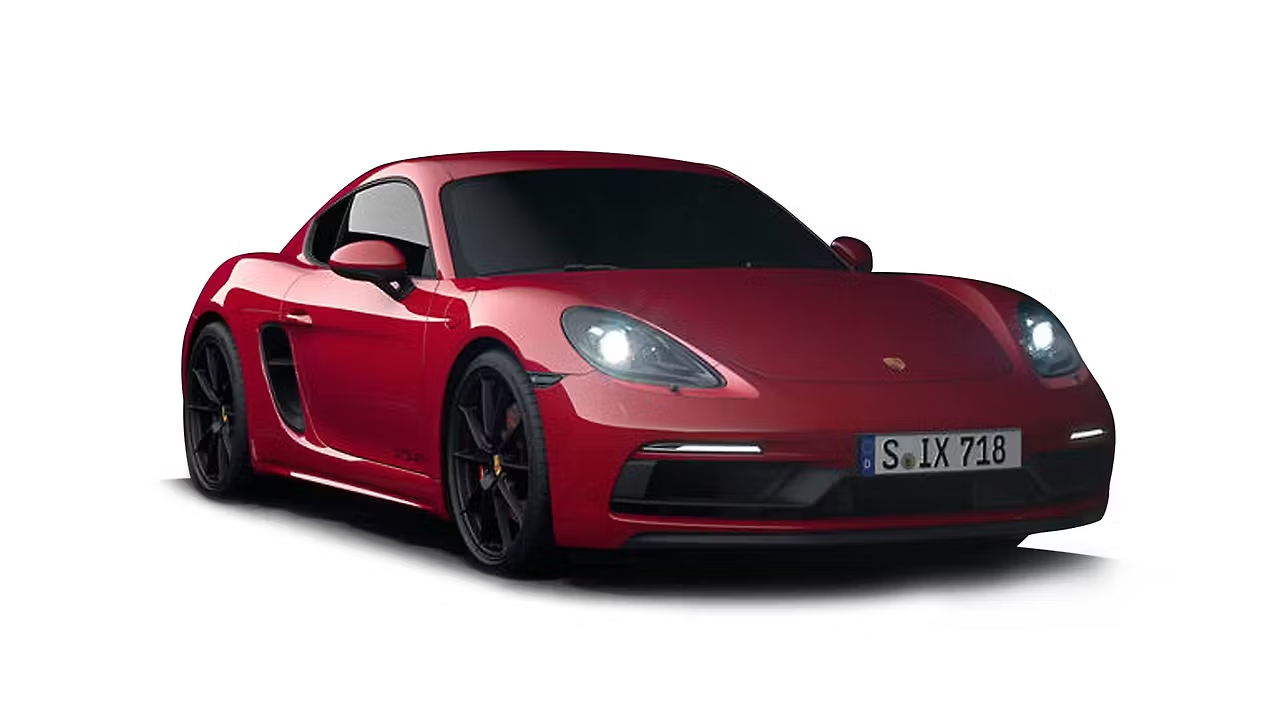
It’s worth noting that the Cayman’s seatbelts work perfectly once fastened, offering full protection. The issue is not safety performance but the physical effort needed to reach and operate the buckle in its tucked-away position.
This challenge is common in many two-seater sports cars, where designers prioritize compact, driver-focused interiors. While this improves handling and style, it can make basic movements harder for passengers with reduced mobility or slower hand coordination.
For drivers who often take elderly passengers in the Cayman, it’s a good idea to test seatbelt access before regular use. Simple accessories like buckle extenders can make fastening easier without affecting the car’s sporty design.
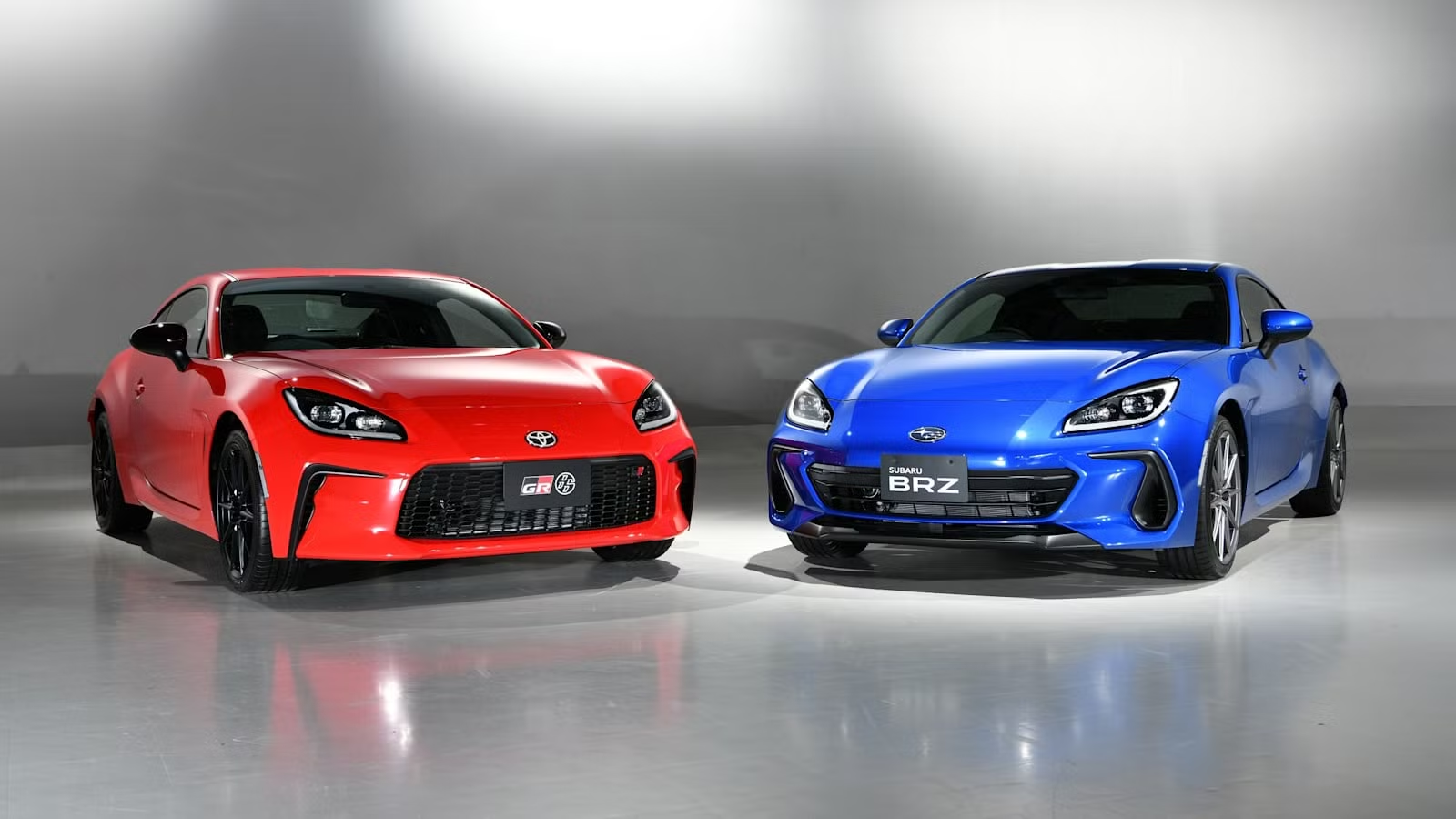
9) Subaru BRZ / Toyota GR86
The Subaru BRZ and Toyota GR86 are lightweight sports coupes built for driving fun. They have sharp handling, stylish looks, and a low seating position. However, for elderly passengers, their seatbelt buckle placement can make fastening up more difficult.
In these coupes, the cabin space is small, with seats positioned low to the ground. The seatbelt buckle sits deep near the seat base, making it low and harder to see, especially for passengers who have reduced mobility or slower hand movements.
For elderly riders, finding the buckle often requires leaning sideways, twisting the body, and reaching into a narrow space between the seat and the console. These movements can be uncomfortable for those with joint stiffness, arthritis, or back pain.
Even when the buckle is located, lining up the seatbelt tongue and clicking it into place can take more effort and precision than in cars with higher, more visible buckle positions. This can make the process slower and more tiring.
Seatbelt accessibility is important for comfort as well as safety. A buckle that is easy to spot and grab allows passengers to fasten it quickly and independently. In the BRZ and GR86, the low and hidden position reduces this convenience.
It’s important to note that the seatbelts themselves are perfectly safe once fastened. The challenge is purely about accessing the buckle, not its ability to protect during an accident. Still, ease of use matters for daily comfort.
This is a common issue in small sports coupes, where design priorities focus on compactness, style, and performance. Unfortunately, these features can make simple movements harder for passengers with limited flexibility or reduced hand strength.
For those who often travel with elderly passengers, it’s worth testing buckle access in the BRZ or GR86 before regular use. Small accessories like buckle extenders can make fastening easier without altering the sporty feel of these cars.
Also read: 10 Cars With the Lowest Insurance Rates for U.S. Drivers
10) Honda Civic Type R
The Honda Civic Type R is famous for its aggressive styling, powerful performance, and track-ready handling. It’s built for speed and precision. However, for elderly passengers, the design of its sport bucket seats can make fastening a seatbelt more challenging.
These sport bucket seats are shaped with raised sides to hold passengers firmly during sharp turns. While this improves driving stability, it also creates narrow gaps between the seat and the center console, where the seatbelt buckle is positioned.
For elderly passengers, this means reaching the buckle can require twisting the body, leaning sideways, and maneuvering a hand into a tight space. These movements can be uncomfortable for those with arthritis, joint pain, or reduced flexibility.
Even after finding the buckle, holding it steady while inserting the seatbelt tongue can take more precision and strength than some older passengers can easily manage. This can make a normally quick process slower and more tiring.
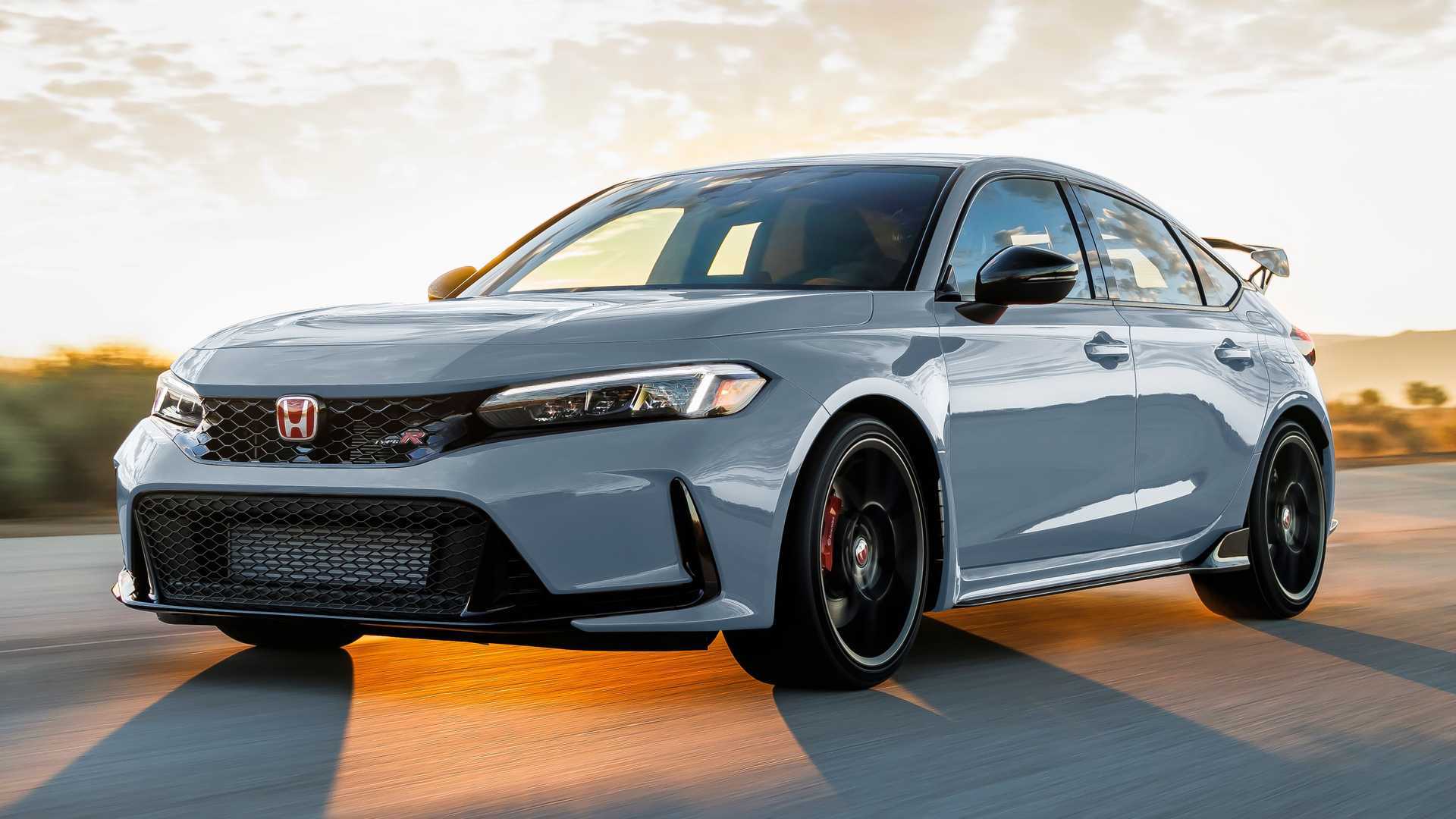
Seatbelt accessibility matters not only for safety but also for comfort and independence. A buckle that is easy to see and grab allows passengers to fasten themselves confidently. In the Civic Type R, the narrow space reduces this ease of access.
It’s important to note that the Civic Type R’s seatbelts are perfectly safe once fastened. The challenge is purely about the effort needed to reach and operate the buckle, not about the belt’s ability to protect in an accident.
This issue is common in performance-oriented cars, where seat designs focus on keeping the driver secure during high-speed driving. Unfortunately, these features can make daily use more difficult for passengers with limited mobility.
For those who regularly travel with elderly passengers, it’s worth testing buckle accessibility before frequent rides in the Civic Type R. Accessories like buckle extenders can help improve comfort without affecting the car’s sporty design.