
When it comes to purchasing a sedan, safety is often a top priority—especially for families, commuters, and anyone who spends a significant amount of time on the road.
While features like comfort, fuel economy, and tech conveniences are important, they quickly become secondary if a car can’t protect you in a crash.
That’s where the National Highway Traffic Safety Administration (NHTSA) steps in. Their safety ratings are among the most trusted metrics for crash protection, rollover resistance, and crash avoidance technologies.
In this comparison, we spotlight two ends of the safety spectrum: sedans that have earned top marks from the NHTSA and those that fall disappointingly short.
The former provide peace of mind through excellent crash-test performance, structural integrity, and advanced safety systems. The latter, however, show concerning gaps in occupant protection or lack critical safety tech.
Whether you’re buying your first car, replacing an aging model, or just want to know which sedans prioritize your well-being, this guide helps you make informed decisions.
We’ll first explore the top-rated sedans that excel in crashworthiness and active safety. Then, we’ll turn our attention to sedans that scored poorly, showing where compromises in safety still exist—even in today’s tech-forward auto market.
Also Read: 5 Cars That Will Never Lose Appeal vs 5 That Already Did
5 Sedans With Top NHTSA Safety Ratings
In a market saturated with choices, safety is the ultimate equalizer—and for many buyers, the deciding factor.
The National Highway Traffic Safety Administration (NHTSA) performs rigorous crash tests and evaluates key safety features to assign each vehicle a rating out of five stars.
These ratings reflect how well a car can protect its occupants in a front, side, and rollover crash, and increasingly consider how well active safety features perform.
When a sedan earns a perfect or near-perfect rating, it means the manufacturer has made serious commitments to structural integrity, airbag performance, and advanced driver-assistance systems (ADAS).
The sedans featured in this list are among the safest vehicles tested in recent years. They combine robust engineering with cutting-edge safety tech like automatic emergency braking, lane-keeping assist, and pedestrian detection.
These aren’t just lab numbers—these features make real-world differences. Whether you’re navigating urban streets, highways, or adverse weather conditions, these sedans give you confidence with every mile.
We’re showcasing these five sedans not just to highlight great engineering, but also to give credit where it’s due in a competitive market. While many automakers promise safety, only a few consistently deliver across all major crash test categories.
The models you’ll read about ahead don’t just meet expectations—they exceed them. From family-friendly mid-sizers to executive-level premium sedans, these vehicles stand as examples of what modern automotive safety should look like.
If you’re someone who values not just a comfortable ride but the assurance that you and your passengers are well protected, these top-rated sedans deserve your attention. These are the cars where safety isn’t just a checkbox—it’s a philosophy built into every inch of the design.
1. 2025 Honda Accord
The 2025 Honda Accord isn’t just a staple of reliability—it’s a benchmark for midsize sedan safety. Earning a full 5-star overall rating from the NHTSA, the Accord delivers top-tier occupant protection thanks to a rigid structure and a suite of intelligent safety technologies.
For families, daily commuters, and even tech-savvy professionals, it offers a rare balance of practicality, design, and peace of mind.
At the heart of its safety performance is Honda’s Advanced Compatibility Engineering (ACE) body structure, a design that efficiently distributes crash energy to reduce the force transferred to occupants.
In frontal crash scenarios—often the most severe—the Accord scored impressively, protecting both driver and passenger with minimal cabin intrusion.
Side-impact protection is equally strong, with curtain airbags that deploy swiftly and fully. The rollover resistance rating also meets the highest standard for the class.
But it’s not just about what happens during a crash. Honda’s “Sensing” safety suite comes standard, which includes adaptive cruise control, collision mitigation braking, lane keeping assist, traffic sign recognition, and road departure mitigation.
These features work seamlessly to prevent accidents before they occur. The Accord’s sensors and cameras offer impressive accuracy, making it feel almost intuitive in traffic and on the highway.
Another standout is visibility. The Accord’s clean sightlines, low beltline, and well-positioned mirrors minimize blind spots, while the available blind-spot monitoring and rear cross-traffic alert bolster confidence during lane changes and parking.
In real-world use, the Accord performs with the kind of composure drivers trust—no surprises, no drama. Steering is precise, the brakes are responsive, and even in inclement weather, the car maintains stability.
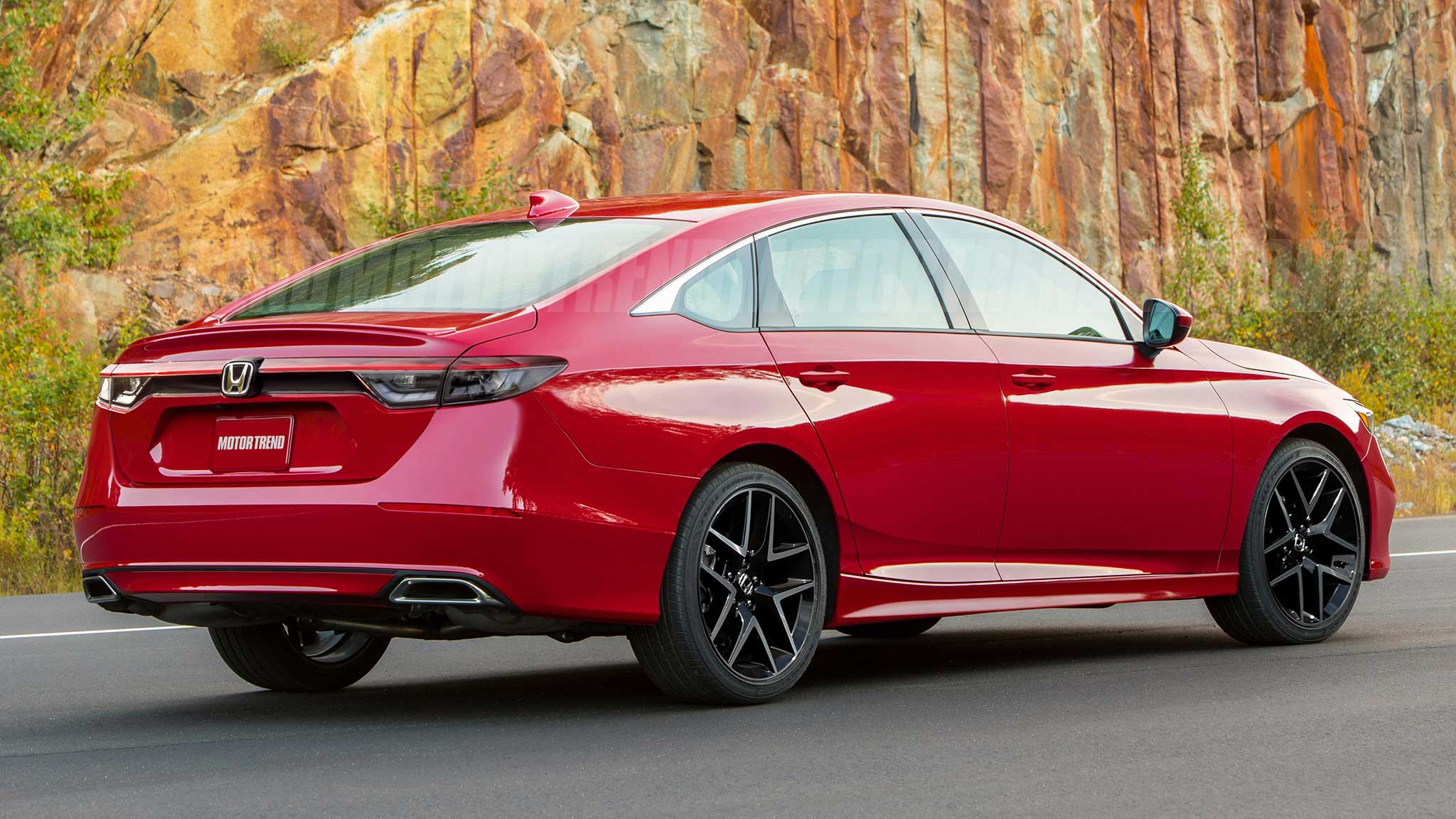
While competitors often require optional packages for full safety tech, Honda makes these features standard across all trims. That commitment to universal safety elevates the Accord in its segment.
If you’re looking for a sedan that consistently delivers safety without compromise—and does so with style, technology, and strong resale value—the 2025 Honda Accord deserves a top spot on your list. It’s not just safe on paper; it’s safe where it matters most: in your everyday life.
2. 2025 Subaru Legacy
The 2025 Subaru Legacy exemplifies how safety can be deeply embedded into a car’s core design philosophy.
With its symmetrical all-wheel drive system, advanced driver-assist technologies, and a 5-star overall rating from the NHTSA, the Legacy doesn’t just survive crash tests—it anticipates and avoids danger before it strikes.
It’s a sedan built for those who drive year-round, through all conditions, and don’t want to compromise on security.
Structurally, the Legacy benefits from Subaru’s Global Platform, which uses high-strength steel and a reinforced frame to maximize crash energy absorption and passenger compartment integrity.
In both frontal and side-impact crash tests, the Legacy earned top scores, showing exceptional protection for occupants. Roof strength, crucial for rollover safety, is one of the highest in the segment, further contributing to its NHTSA 5-star distinction.
But what sets the Legacy apart is its standard EyeSight Driver Assist Technology. Updated for 2025, EyeSight includes features like adaptive cruise control, lane centering, pre-collision braking, throttle management, and lane departure prevention.
It also introduces a new wide-angle mono camera that expands pedestrian and cyclist detection, even at intersections—where many systems struggle.
Subaru has also invested in driver monitoring systems that detect distraction or drowsiness, sounding alerts before a potential lapse becomes dangerous. This level of proactive safety is rare in sedans at this price point.
Another strength is how the Legacy behaves in poor weather. The symmetrical all-wheel drive delivers balanced traction in rain, snow, and slippery conditions, reducing the likelihood of losing control.
Paired with its Vehicle Dynamics Control system, the sedan adjusts braking and engine output to keep you on your intended path, minimizing skidding or fishtailing.
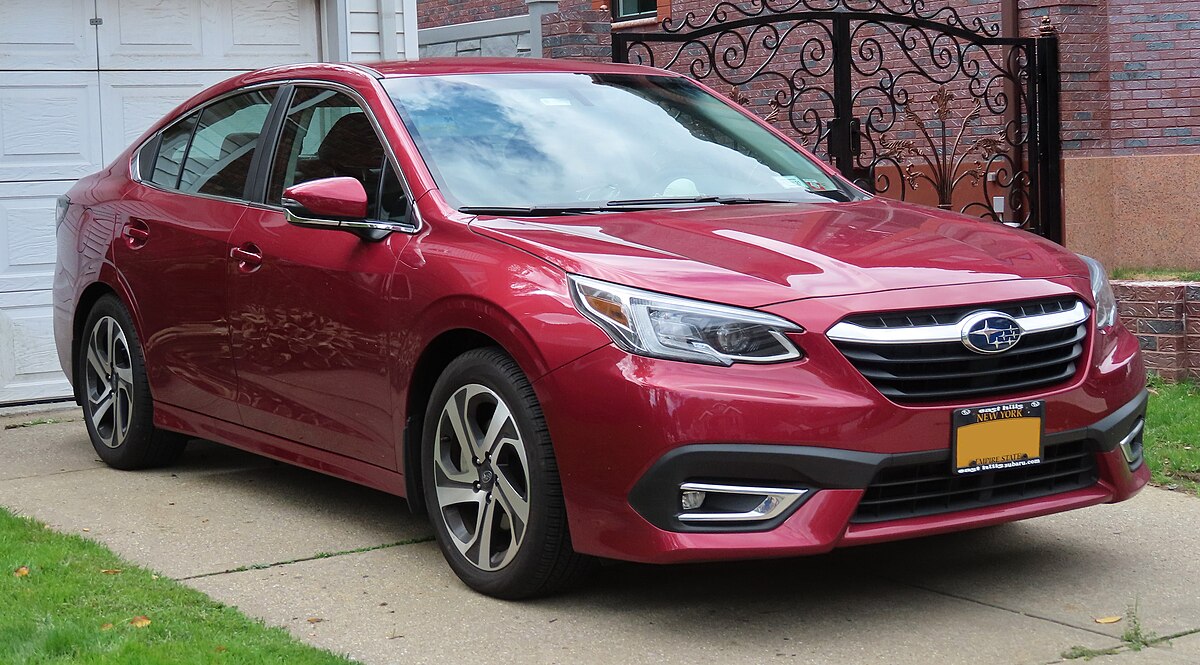
Comfort and visibility further enhance safety. The driver enjoys a commanding view of the road, and the intuitive layout reduces the need to fumble with buttons or screens while driving. Rear visibility is bolstered with a wide-angle reverse camera and optional rear automatic braking.
The 2025 Subaru Legacy is ideal for safety-focused buyers who want active and passive protection to come standard, not at a premium.
In an unpredictable world, the Legacy offers a feeling that’s hard to quantify but easy to recognize: confidence. And that’s why it earns its place among the safest sedans on the market today.
3. 2025 Toyota Camry
The Toyota Camry has long been a staple in the midsize sedan segment, and the 2025 model reinforces its reputation—not just for reliability, but for exceptional safety as well.
With a 5-star overall NHTSA rating, the latest Camry combines robust crash protection with a comprehensive suite of advanced safety technologies, making it a top contender for anyone who prioritizes occupant protection and accident avoidance.
At the foundation of the Camry’s safety is Toyota’s New Global Architecture (TNGA), which offers increased rigidity, better energy dispersion in crashes, and improved handling.
In frontal and side-impact testing, the Camry scored top marks, offering outstanding protection for both front and rear-seat occupants.
Toyota’s engineering focus ensures that even in serious collisions, the passenger compartment remains structurally sound, minimizing intrusion and maximizing survivability.
Toyota Safety Sense 3.0, standard on all trims, enhances the Camry’s active safety capabilities. This suite includes pre-collision warning with pedestrian detection, full-speed adaptive cruise control, lane departure alert with steering assist, automatic high beams, and road sign assist.
What makes this version unique is its improved radar and camera system, allowing quicker object recognition and better low-light performance.
In 2025, Toyota added Proactive Driving Assist—a subtle but effective system that gently applies brake or steering support in scenarios where the driver may be at risk, such as cornering too fast or approaching a slower vehicle too quickly.
Combined with the available blind-spot monitor and rear cross-traffic alert, it helps reduce risk at virtually every angle.
The Camry also scores high in terms of usability and comfort. Excellent outward visibility, large windows, and a low dashboard help drivers stay aware of their surroundings.
Controls are thoughtfully placed, limiting distraction and supporting Toyota’s human-centered design approach.
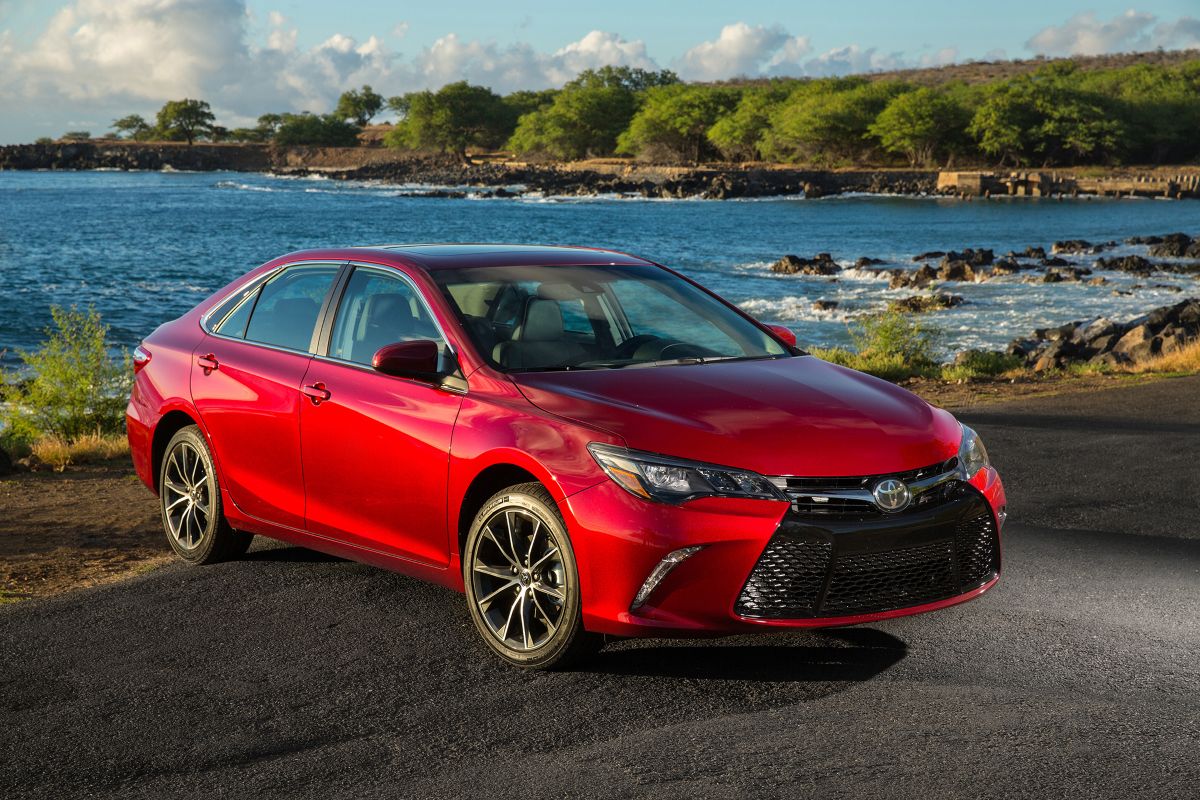
Performance-wise, the Camry feels stable and responsive. Steering is precise, braking is confident, and its balanced chassis helps avoid emergency situations altogether. Optional all-wheel drive adds traction in slippery conditions—an edge over many competitors.
With Toyota’s reputation for durability and its commitment to democratizing safety across the lineup, the 2025 Camry isn’t just a smart choice—it’s a safe bet.
If you want a car that quietly does everything right while keeping you secure from driveway to highway, the Camry belongs high on your shortlist.
4. 2025 Hyundai Sonata
The 2025 Hyundai Sonata doesn’t just make an impression with its sleek, modern styling—it also stands tall when it comes to protecting its occupants. Scoring a full 5-star overall safety rating from the NHTSA, the Sonata proves that bold design and serious safety can coexist.
For drivers seeking a forward-looking sedan with advanced protection systems baked into every trim level, the Sonata delivers on every front.
Hyundai’s commitment to structural integrity is evident in the Sonata’s Smartstream platform, which utilizes high-tensile steel and hot-stamped components to maintain cabin integrity during collisions.
In both frontal and side crash tests, the Sonata earned top scores, with superior marks for head and chest protection. Its rollover resistance rating also meets the highest standard in its class.
Standard across all trims is Hyundai SmartSense—a robust suite of active safety features. This includes forward collision-avoidance assist with pedestrian and cyclist detection, lane keeping assist, lane following assist, driver attention warning, blind-spot collision avoidance, rear cross-traffic alert, and safe exit warning.
The system works cohesively to prevent common accident scenarios, whether you’re changing lanes, parking, or cruising on the highway.
For 2025, Hyundai added Highway Driving Assist 2 to higher trims—a semi-autonomous system that integrates adaptive cruise control with lane-centering and automatic lane change support. It reduces driver fatigue during long drives and operates with surprising smoothness, especially in stop-and-go traffic.
One of the Sonata’s standout traits is its technology integration. The digital instrument cluster and infotainment system clearly display alerts, and steering-wheel haptics provide subtle nudges if the vehicle drifts out of lane or detects inattention. This user-friendly communication reinforces safer driving without overwhelming the driver.
The Sonata also excels in visibility and lighting. Its LED headlights are among the best in the segment, offering wide, bright coverage at night.
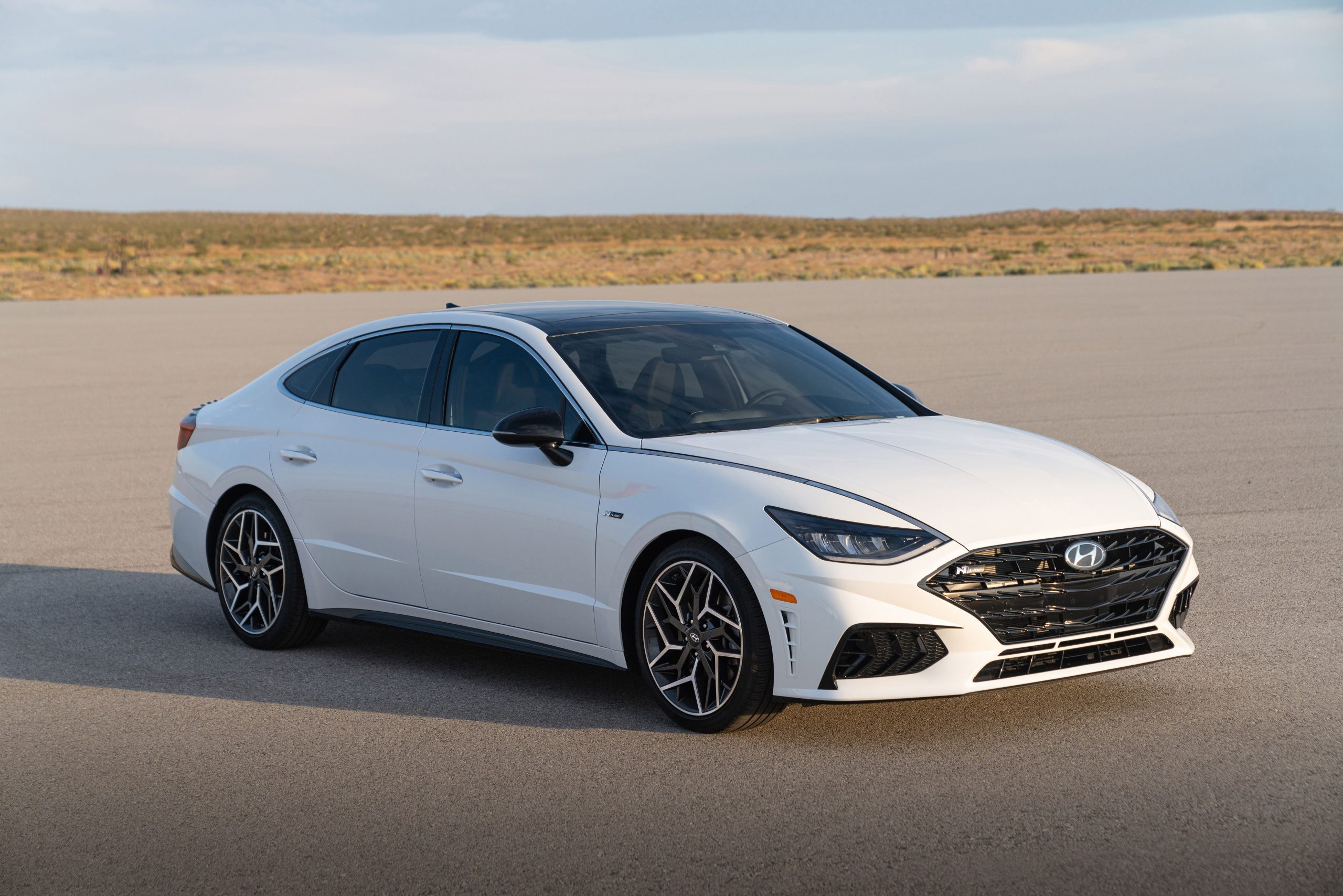
The low hood and thoughtfully shaped mirrors minimize blind spots, while the available surround-view camera system gives a full visual field when parking or maneuvering in tight spaces.
In essence, the 2025 Hyundai Sonata delivers comprehensive protection, not just through crash resilience but through smart tech that anticipates danger.
It’s a sedan that doesn’t rely on gimmicks—it quietly works in the background to keep you and your loved ones safe, every mile of the way.
5. 2025 Volvo S60
Volvo has long been synonymous with safety, and the 2025 S60 carries that legacy forward with quiet confidence and cutting-edge technology. Earning a full 5-star overall rating from the NHTSA, the S60 doesn’t just pass safety tests—it sets standards.
This premium compact sedan blends Volvo’s legendary crash protection with modern driver-assist technologies to create one of the safest vehicles you can buy today.
The S60’s protective capability begins with its ultra-strong body structure. Volvo uses boron steel—one of the strongest types available—in key sections of the frame, which helps maintain cabin integrity even in high-impact collisions.
It scores top marks in frontal, side, and rear crash tests. The roof crush resistance and side curtain airbag performance further cement its status as a top safety performer.
What truly distinguishes the S60 is its advanced driver-assistance suite, known as Pilot Assist. This semi-autonomous system blends adaptive cruise control with lane-centering for smooth, confident highway driving.
It reduces driver fatigue and helps maintain safe following distances—especially useful during long commutes.
Standard safety features include Volvo’s City Safety system, which detects vehicles, pedestrians, cyclists, and even large animals, then automatically brakes to avoid or reduce impact.
The system operates in day and night conditions with impressive consistency. Volvo also includes run-off road mitigation, oncoming lane mitigation, and a driver alert control system that encourages regular breaks if it detects drowsiness.
One standout addition for 2025 is the updated Blind Spot Information System (BLIS) with steer assist.
If you begin to change lanes into another vehicle’s path, the S60 can subtly steer you back into your lane, making it more than just a warning system—it’s an intervention tool.
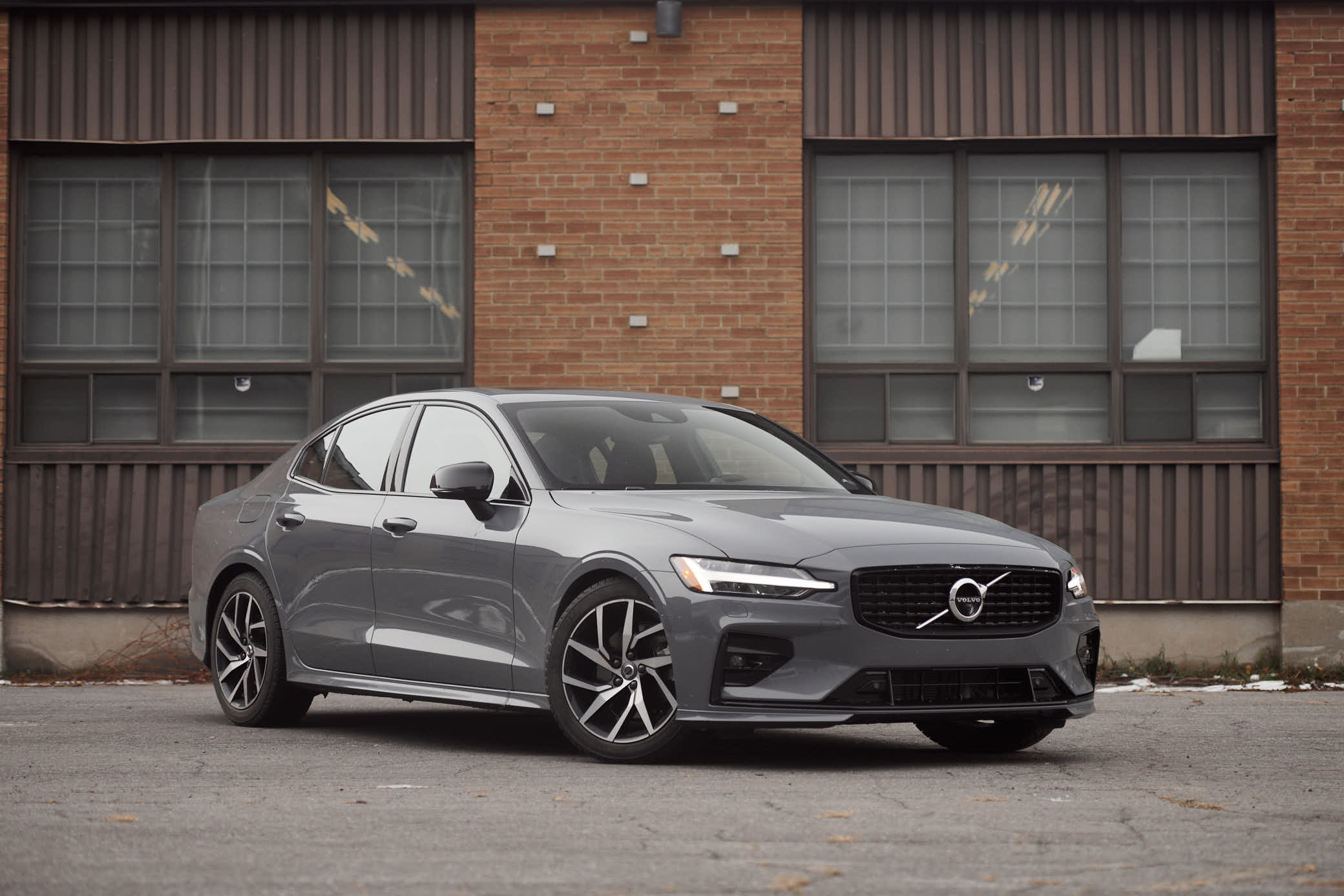
Coupled with the 360-degree camera system, parking sensors, and cross-traffic alert with automatic braking, the S60 leaves little to chance.
Inside, the cabin supports safety through ergonomic design. The intuitive infotainment layout minimizes distraction, and the clean Scandinavian aesthetic helps the driver stay focused.
Comfortable seats with whiplash protection, excellent visibility, and strong LED headlamps further contribute to safer driving in all conditions.
For those who want a luxurious experience without sacrificing safety, the 2025 Volvo S60 is a natural choice. It doesn’t shout about its capabilities—it just quietly ensures you’re protected, always.
5 Sedans With Lowest NHTSA Safety Ratings
While many modern sedans have made tremendous strides in safety, not all vehicles keep pace. Despite advancements in crash structures and driver-assist technology, a surprising number of sedans still fall short in critical safety tests.
Whether due to outdated engineering, lack of advanced features, or cost-cutting compromises, these sedans received some of the lowest ratings from the National Highway Traffic Safety Administration (NHTSA)—and that’s reason enough to look twice before buying.
This list doesn’t aim to shame, but rather to inform. In a market where even budget-conscious shoppers expect strong safety performance, a poor NHTSA score signals potential risk.
A vehicle may perform adequately in one test (like frontal crashes) but fail in others, such as side-impact protection or rollover resistance. Equally concerning is the absence or inconsistency of key features like automatic emergency braking, blind spot detection, or rear cross-traffic alert.
These sedans span a range of segments, from budget subcompacts to aging mid-size models. Some continue to be sold with minimal updates, relying on brand recognition or low price tags to draw buyers—often at the expense of safety. For families, commuters, and first-time drivers, knowing these risks is essential.
It’s important to note: a lower price does not have to mean lower safety. Several affordable sedans still achieve high safety ratings. That’s why identifying models with poor safety performance is so crucial—it helps buyers avoid outdated designs and prioritize better alternatives in the same price range.
Ahead, we break down five sedans that received some of the lowest NHTSA safety scores in recent evaluations.
We’ll explore the reasons behind their ratings, what’s missing in their safety offerings, and why consumers should be cautious when considering them. Your life—and the lives of your passengers—are worth more than a budget deal.
1. 2024 Nissan Versa
The 2024 Nissan Versa is often praised for being one of the most affordable sedans in America, but unfortunately, its safety performance reflects that price tag.
Despite some modern styling updates and a generous list of standard features, the Versa received a mixed bag of safety scores from the NHTSA—enough to raise eyebrows for safety-conscious buyers.
While it earned decent ratings in frontal crash tests, the Versa struggled in side-impact and rollover evaluations. Its overall safety score, though not the lowest in the industry, places it significantly behind most competitors in its class.
One of the main concerns lies in its structural integrity during a side collision. The limited strength of the B-pillar and door structure, combined with average-performing side airbags, raises real concerns for passenger protection in T-bone crashes.
The standard safety suite, called Nissan Safety Shield 360, does offer some forward-looking features like automatic emergency braking with pedestrian detection and lane departure warning. However, many of these features are limited in functionality.
For example, blind-spot monitoring and rear cross-traffic alert are available only on higher trims—leaving base models without these crucial protections. Adaptive cruise control and lane-keeping assist, common in competitors, are notably absent.
The 2024 Versa also lags behind in passive safety. Rear seatbelt tensioners are basic, and headrests offer minimal whiplash protection in rear-end collisions.
Rollover resistance is below the class average, partly due to its narrow track width and higher center of gravity compared to rivals like the Honda Civic or Hyundai Elantra.
Visibility is another concern. While the Versa has large windows, its thick rear pillars create blind spots that are not addressed unless you opt for higher trims. The rearview camera resolution is grainy, further compromising parking safety.
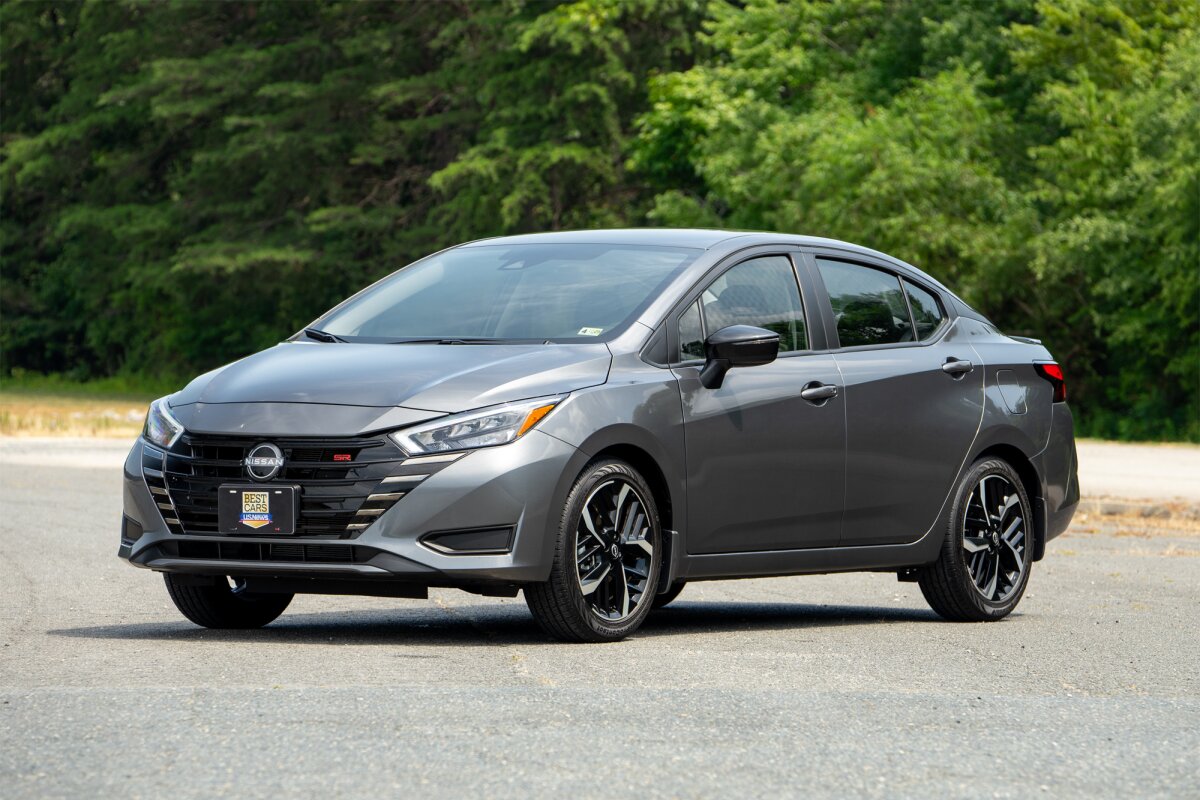
It’s understandable that the Versa attracts first-time buyers, students, and budget-conscious families—but it’s crucial to know what you’re sacrificing.
In real-world driving, especially in dense urban traffic or high-speed commuting zones, the safety trade-offs become apparent.
In short, the 2024 Nissan Versa delivers a basic driving experience at a rock-bottom price, but it does so with compromises in crash protection and active safety technology. If safety is a priority—and it should be—there are better-protected alternatives in the same price range.
2. 2024 Mitsubishi Mirage G4
The 2024 Mitsubishi Mirage G4 continues to be one of the most inexpensive sedans on the market—but unfortunately, its low cost comes at a steep price when it comes to safety.
Despite its small footprint and fuel efficiency, the Mirage G4 has one of the lowest NHTSA safety ratings in its class, raising serious concerns about its crashworthiness and protective technologies.
The Mirage G4 received a 4-star overall safety rating from the NHTSA. While that may not sound catastrophic at first, a closer look reveals weak points that should concern potential buyers.
Its frontal crash test performance was below average, with notable intrusion into the cabin area on the driver’s side.
This structural vulnerability could pose a serious threat in a head-on collision. Side-impact scores were similarly unimpressive, with limited protection for rear-seat occupants.
Mitsubishi includes only the bare minimum when it comes to driver-assist features. Unlike competitors that offer full safety suites even at base trims, the Mirage G4 lacks essentials such as blind-spot monitoring, rear cross-traffic alert, adaptive cruise control, or lane-keeping assist.
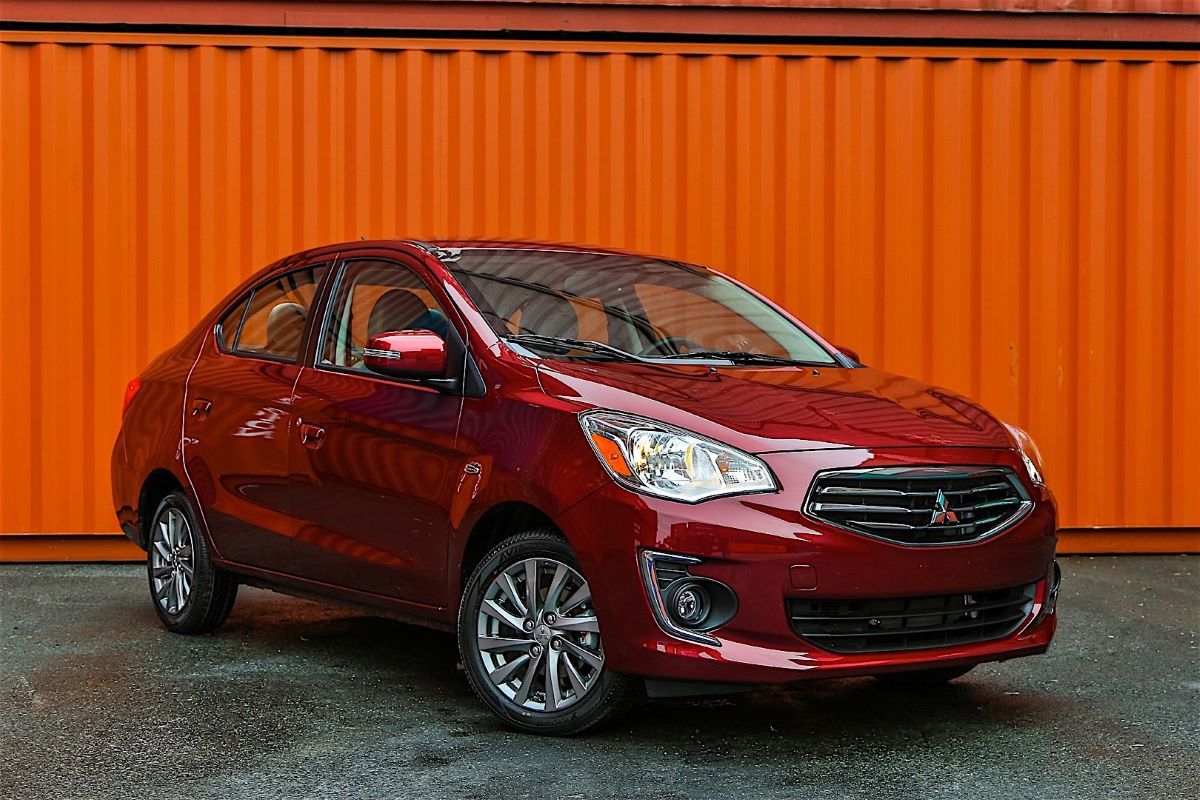
Even automatic emergency braking—now standard on most vehicles—is limited in scope and sensitivity, performing poorly in higher-speed test scenarios.
Another problem is the Mirage G4’s light curb weight and dated platform. Weighing in at under 2,300 pounds, it offers little resistance in multi-vehicle collisions.
Its narrow stance and small wheels further affect stability, contributing to a below-average rollover resistance score. The lack of advanced chassis engineering and minimal crumple zones exacerbate the risk to passengers.
Interior safety elements feel dated as well. Airbags are present, but the coverage and responsiveness lag behind industry leaders. Rear head restraints are fixed and offer poor whiplash protection, and seatbelt pre-tensioners lack sophistication found in modern rivals.
Visibility is acceptable for its size, but the backup camera is rudimentary, and there’s no option for parking sensors or enhanced guidance lines. In tight or crowded environments, this makes even slow-speed accidents more likely.
The 2024 Mitsubishi Mirage G4 may win on price and fuel economy, but safety is where it cuts the most corners.
For students, new drivers, or anyone prioritizing basic transport, this car might seem like a steal—but when it comes to protection in a crash, it’s simply not up to modern standards.
3. 2024 Chevrolet Malibu
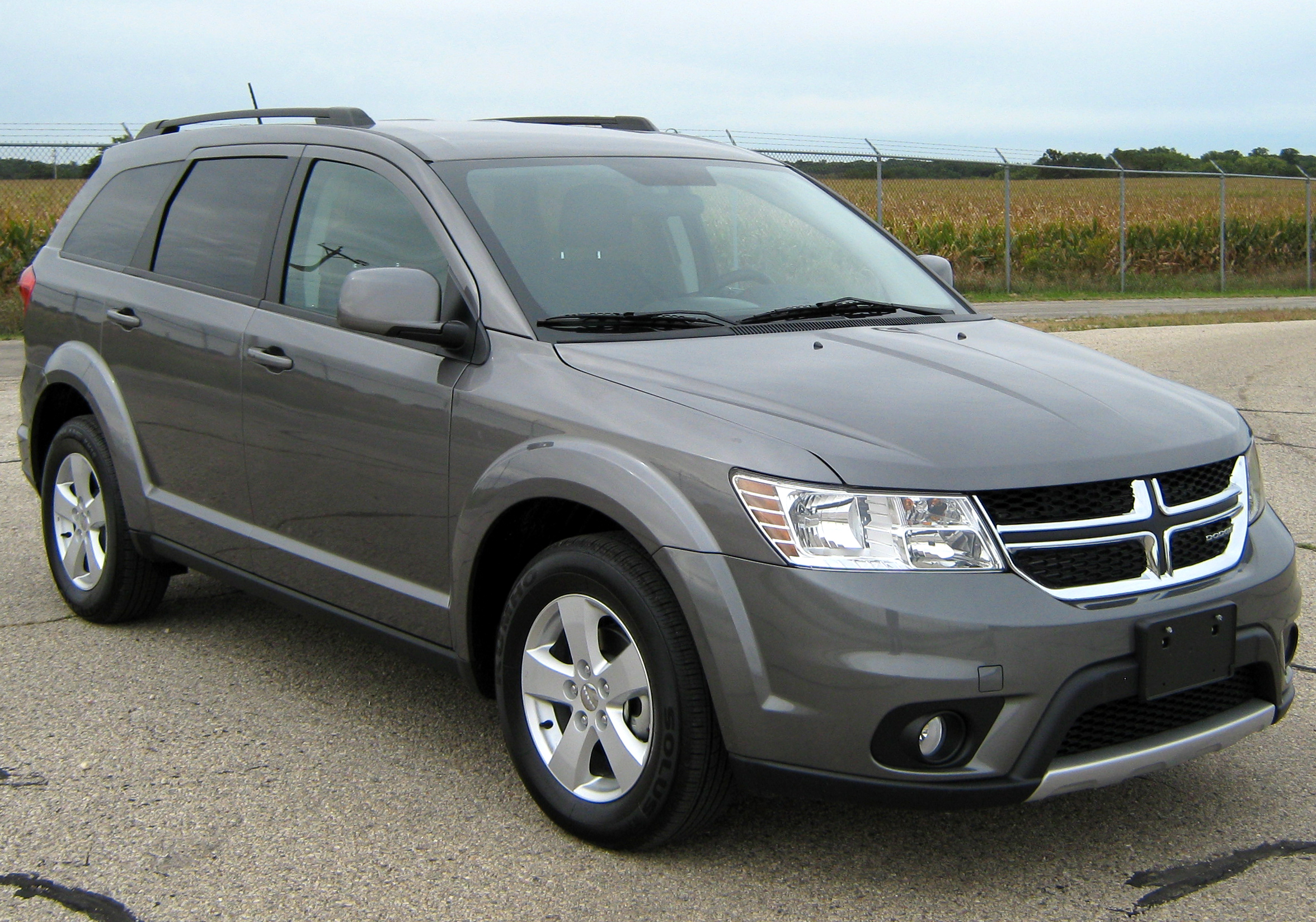
The 2024 Chevrolet Malibu remains one of the few traditional midsize sedans still offered by an American automaker, but its dated platform is starting to show—and nowhere is that more evident than in its NHTSA safety performance.
While it’s not the most dangerous sedan on the road, it underperforms in critical areas when compared to its modern rivals, earning it a spot on this list.
With a 4-star overall NHTSA rating, the Malibu lands below segment leaders like the Toyota Camry, Honda Accord, and Hyundai Sonata. Where it suffers most is in the frontal crash tests, particularly on the driver’s side.
The structure allows for a level of intrusion that could cause serious injury to the lower extremities in a high-speed head-on impact. This kind of structural compromise is surprising for a vehicle in this class and price range.
The side-impact results are stronger, but the Malibu doesn’t offer the level of side airbag coverage or structural integrity seen in top-rated sedans. Rollover resistance is also average, and while the vehicle’s longer wheelbase gives it some highway stability, it’s not enough to offset the weaknesses in impact protection.
Chevrolet does include a fair list of standard driver assistance features—forward collision warning, automatic emergency braking, lane departure warning, and a rearview camera—but critical systems like blind spot monitoring and rear cross-traffic alert are reserved for higher trims. The base trims feel particularly sparse in terms of active safety.
The biggest issue is that the Malibu’s design hasn’t significantly evolved in nearly a decade. Its safety structure is rooted in older engineering, lacking the advanced crash energy management and driver-assist integration that newer competitors use to excel in safety testing.
Inside, the cabin lacks modern protective enhancements. There are no driver attention monitors or advanced restraint systems, and whiplash protection in the seats is minimal. Visibility is just average, with thick rear pillars and no surround-view camera option.
While the 2024 Malibu may appeal to fleet buyers and bargain hunters with its smooth ride and straightforward tech, its safety limitations make it difficult to recommend for families or safety-focused individuals.
As newer sedans raise the bar, the Malibu increasingly feels like a relic—especially in the protection department.
4. 2024 Chrysler 300
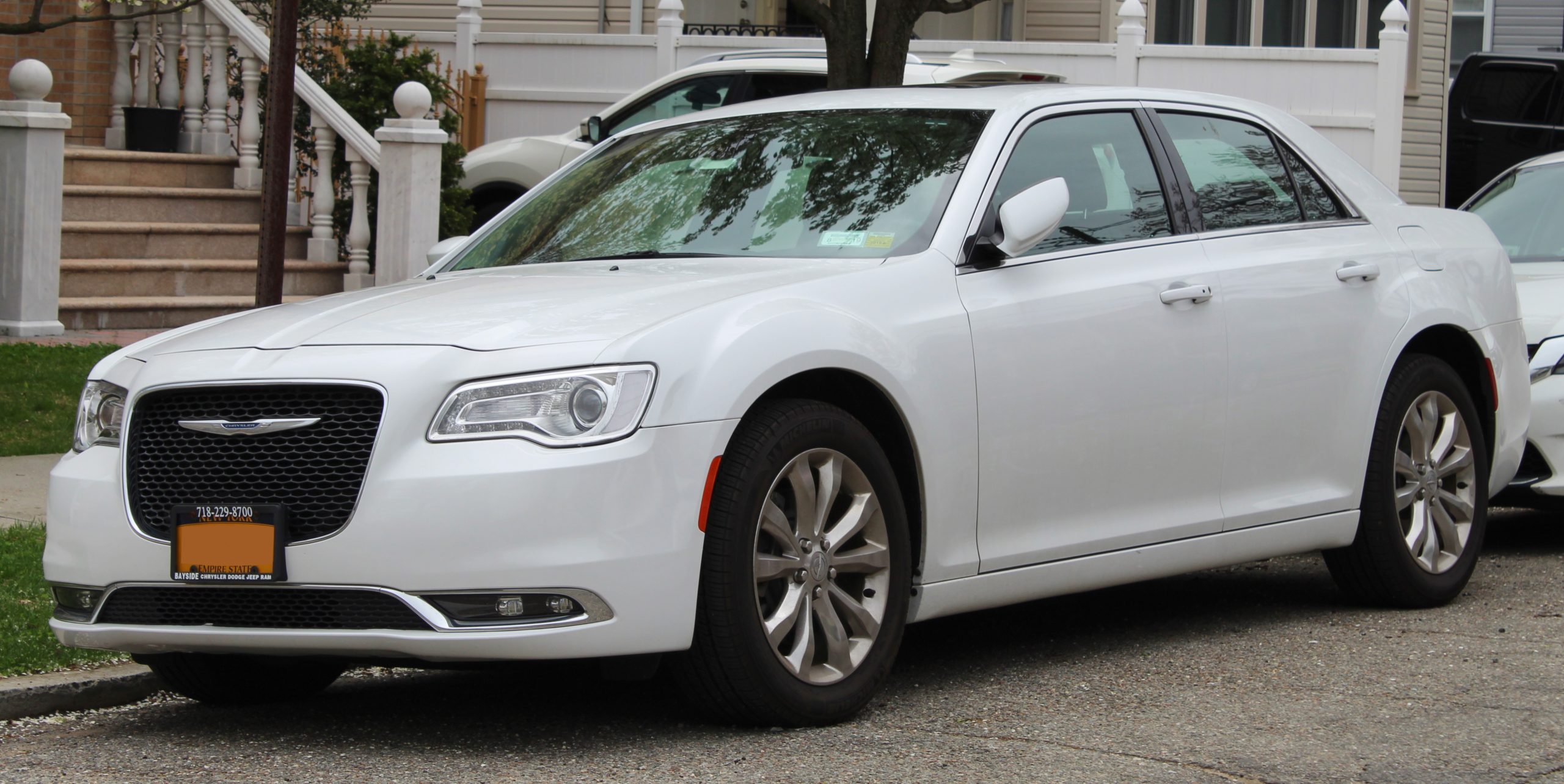
The 2024 Chrysler 300 is a full-size sedan that exudes old-school American luxury and muscle, but when it comes to safety, its aging bones are hard to ignore.
With no major redesign in over a decade, the 300 is one of the oldest platforms still in production—and its NHTSA safety scores reflect that lack of modernization.
Despite its commanding presence and sturdy feel, the Chrysler 300 falls behind the competition in critical crash tests and lacks the active safety tech today’s drivers expect.
Its overall NHTSA safety rating sits at 4 stars, but a deeper dive reveals key weaknesses. In frontal crash testing, the 300 shows considerable cabin deformation, especially around the footwell and lower structure—areas that could compromise leg and pelvic protection for front-seat passengers.
While side-impact results are somewhat better due to the vehicle’s sheer size and mass, the absence of structural updates puts it at a disadvantage against newer large sedans or even mid-size rivals.
One glaring issue is the lack of standard advanced safety features. Most competitors now include forward collision mitigation, adaptive cruise control, and lane keeping assist as standard, even in budget trims.
In contrast, the 2024 Chrysler 300 reserves many of these for upper trims or expensive option packages. Basic models are left with outdated tech like a standard rearview camera and little else.
The Chrysler 300 also underwhelms in terms of rollover resistance and visibility. Its high beltline and thick rear pillars make blind spots worse, and with no 360-degree camera or enhanced rear visibility tools, even parking becomes a challenge.
While it may look imposing, its long wheelbase and wide turning circle reduce its agility—important factors when considering accident avoidance potential.
Inside, the 300’s safety story doesn’t get much better. The seats lack modern anti-whiplash design, and the structure doesn’t benefit from the crumple zone innovations seen in newer vehicles. Airbag deployment coverage is acceptable, but it lacks finesse and speed found in more modern systems.
The 2024 Chrysler 300 might still find fans for its ride comfort and bold V8 option, but for families or commuters who prioritize safety, its outdated crash structure and insufficient standard features should be red flags. It’s a reminder that bigger doesn’t always mean safer.
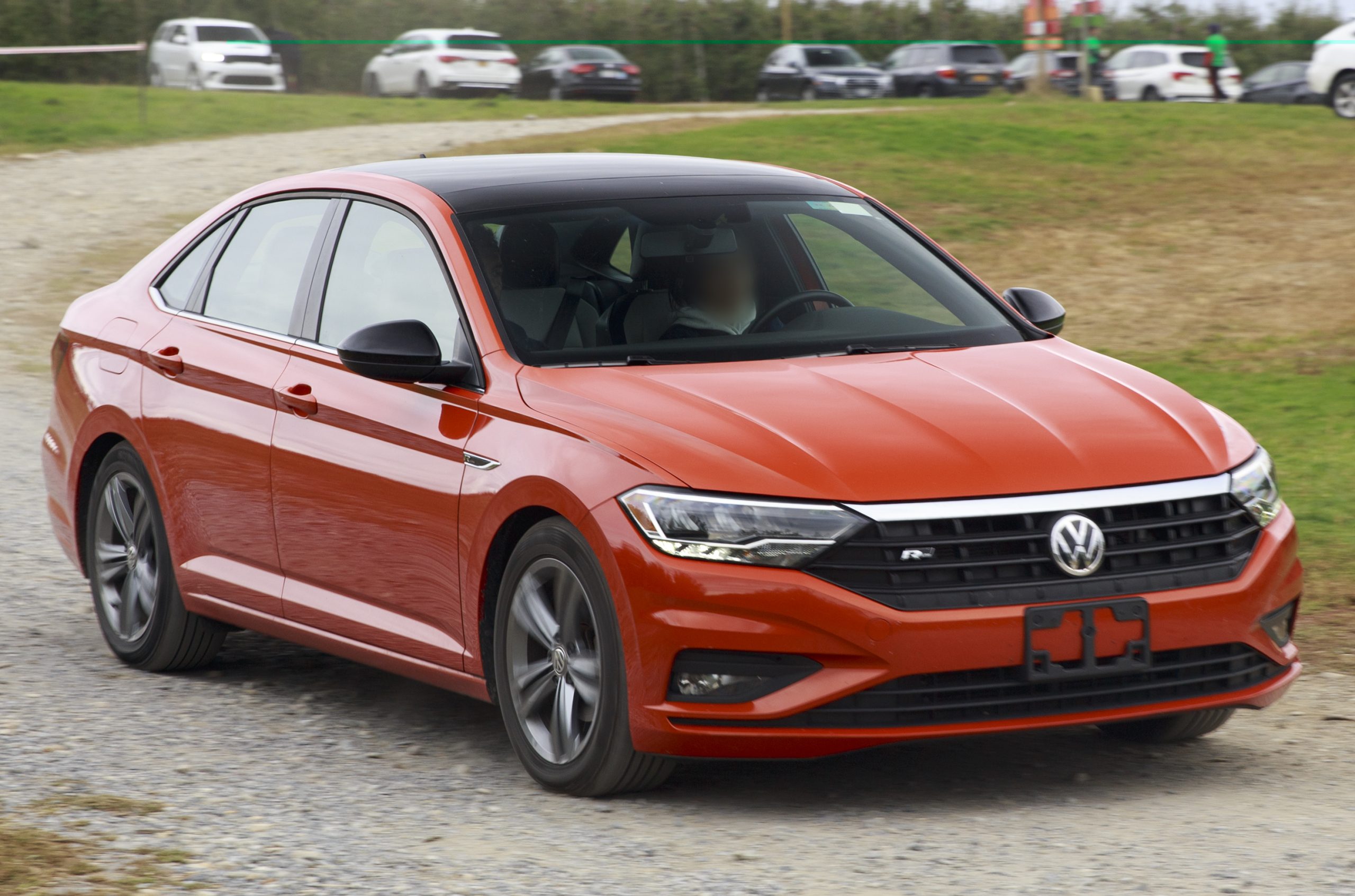
5. 2024 Volkswagen Jetta
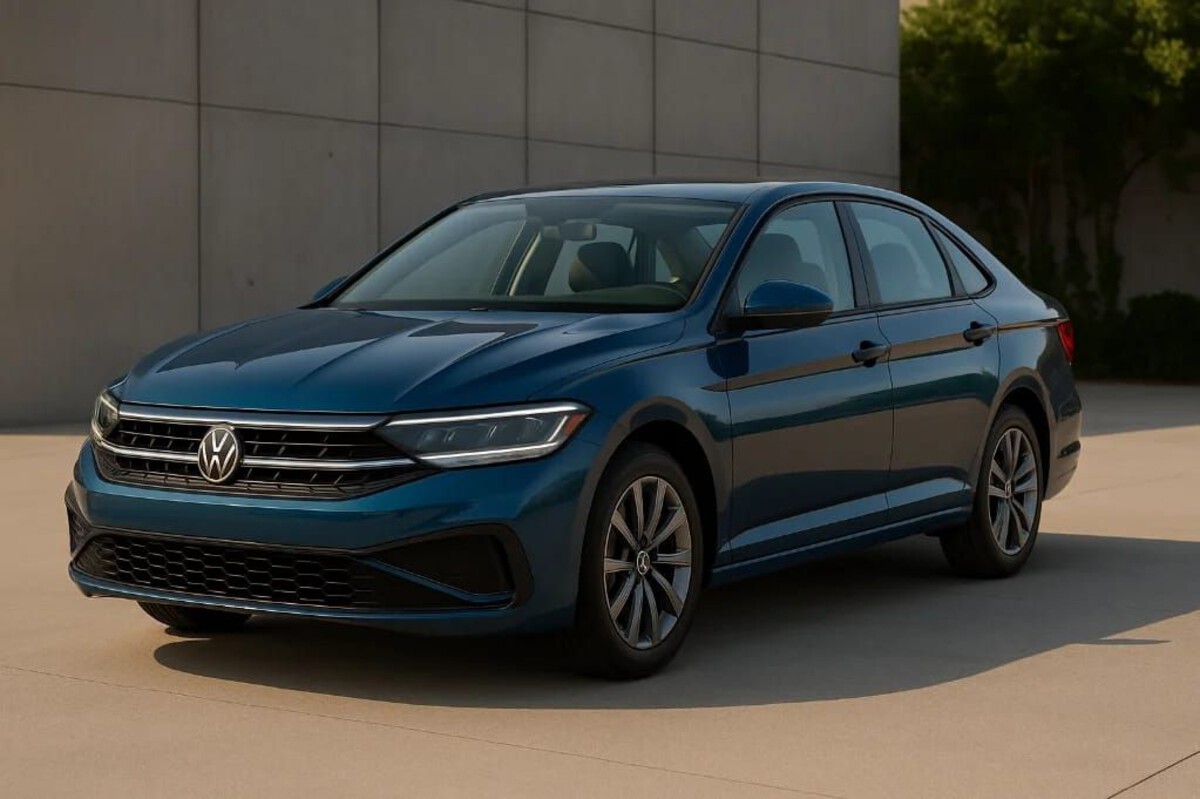
The 2024 Volkswagen Jetta remains a popular choice in the compact sedan market, thanks to its refined ride, spacious cabin, and European styling.
But beneath its appealing surface, the Jetta struggles to keep up in terms of safety performance—earning it a spot on this list due to its disappointing NHTSA scores and limited standard protective tech.
The Jetta received a 4-star overall safety rating from the National Highway Traffic Safety Administration.
That’s not the worst rating on paper, but when compared with competitors like the Honda Civic, Mazda3, and Toyota Corolla—all of which earned 5-star scores—it falls short.
The biggest concerns lie in the frontal crash test results, where the driver-side performance indicates a risk of injury to the legs and feet. Cabin intrusion is higher than expected for a modern compact car, especially one backed by a major global brand.
Side-impact protection is better, but the rollover rating is mediocre. The Jetta’s relatively light construction and taller stance compared to rivals may contribute to this, giving it a higher risk of rollover in sudden maneuvers or single-vehicle accidents.
The lack of comprehensive standard safety features further holds the Jetta back. Volkswagen’s IQ.DRIVE suite—featuring adaptive cruise control, lane centering, blind-spot monitoring, and emergency assist—is available, but only on mid and upper trims.
Base models receive very little in terms of active driver assistance, with even forward collision warning and automatic braking limited in responsiveness. This creates a stark divide between trims—unsafe for budget-focused buyers who expect protection even at entry level.
Inside the cabin, the safety story remains mixed. The seats are supportive but lack modern whiplash-reduction design. Airbag coverage is complete but lacks rear seat-specific enhancements.
Visibility is fair, although rearward sightlines suffer from thick C-pillars. The rearview camera, standard on all trims, lacks the resolution and clarity of rivals, making tight parking or reversing in low light more difficult.
The 2024 Volkswagen Jetta still has appeal for its handling, build quality, and efficiency—but when viewed through the lens of safety, it’s a few steps behind the class leaders.
For those who place occupant protection high on their priority list, there are more secure options in the same price bracket.
Also Read: 5 Cars With Encrypted Key Fobs and 5 That Broadcast Constantly
